Every Winter, Bald Eagles Return To This Kentucky Shoreline And Perch Along The Water
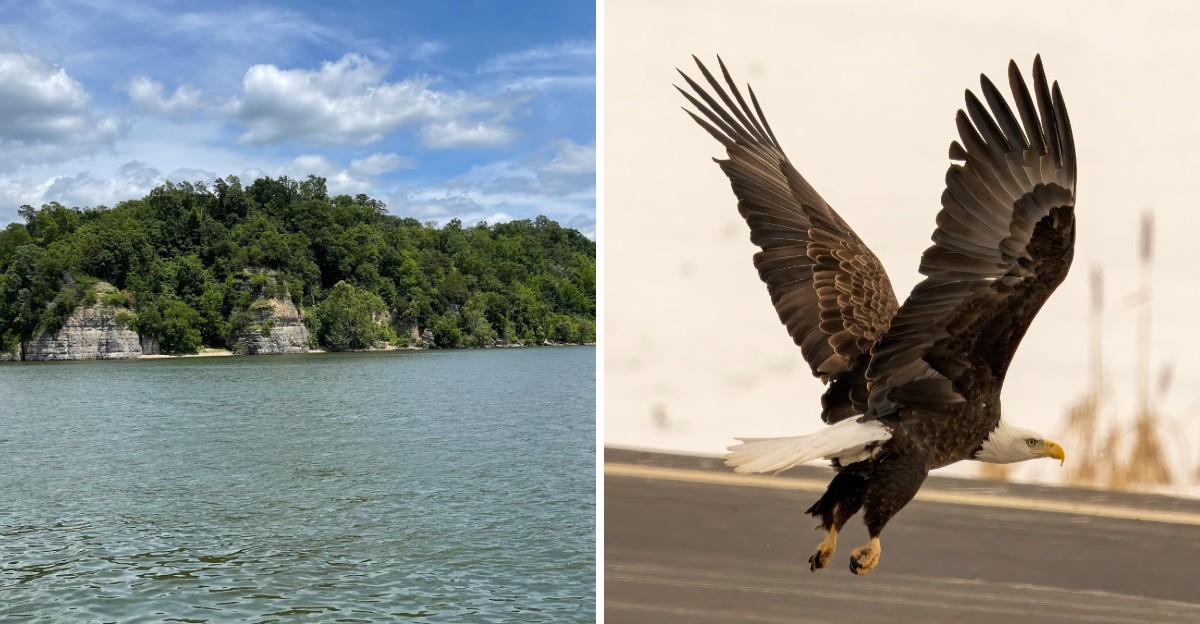
Bald eagles fly south for the winter, and some of them pick western Kentucky as their vacation spot. They come from northern states and Canada, chasing water that stays open when their home lakes freeze solid.
The big draw is fish. Water churning below a massive dam can stun fish, and that turns the shoreline into an easy buffet for hungry raptors.
I admire how the whole show runs on simple eagle logic. Find open water, grab a tall tree, wait for lunch.
The birds perch along quiet bays and coves, often in plain view of anyone holding binoculars.
I can’t imagine a better excuse to bundle up in January. You get guided boat rides, naturalist-led van trips, and walking trails along the water.
Which seat sounds better, the heated deck or the lakeside path?
Why Eagles Swap Frozen North For This Warmer Water
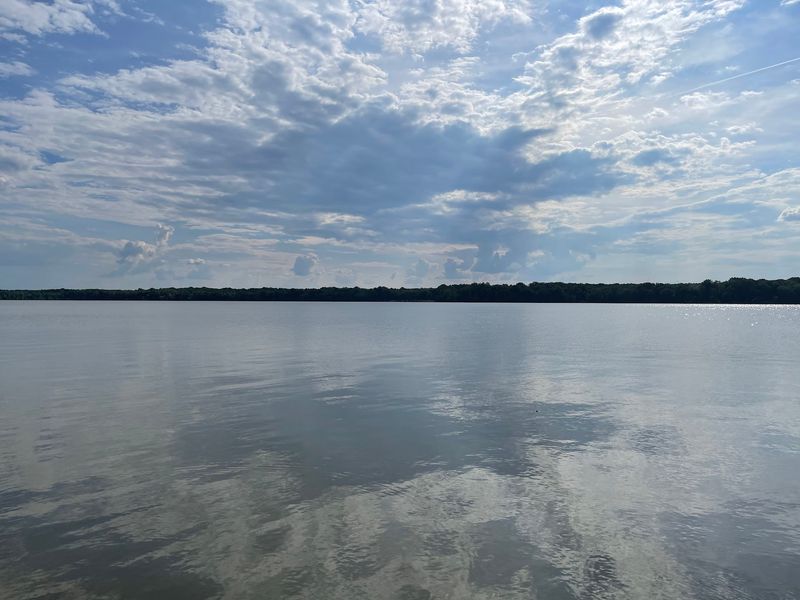
Eagles are practical travelers, and Kentucky Lake checks every box on their winter wish list. The reservoir rarely freezes over, so fishing stays possible when northern lakes turn to ice.
That open water is the whole secret. Eagles can’t catch fish through a frozen surface, so they drift south until dinner becomes reachable again.
Kentucky Lake sits on the western side of the Land Between the Lakes National Recreation Area. That peninsula stretches between Kentucky Lake and Lake Barkley in western Kentucky.
Together, the area offers more than 300 miles of undeveloped shoreline.
Undeveloped is the key word here. Tall trees line quiet bays, giving eagles places to perch, rest, and roost overnight.
Birds start arriving in noticeable numbers around December. Peak viewing usually runs through January and February, when the north is at its iciest.
So the timing works nicely for anyone itching to get outside after the holidays. Pack a warm coat, a pair of binoculars, and a little patience.
The eagles handle the rest. They’ve been following this seasonal routine long before anyone thought to sell tickets for it.
The Best Seat In The House Is Right Below The Dam
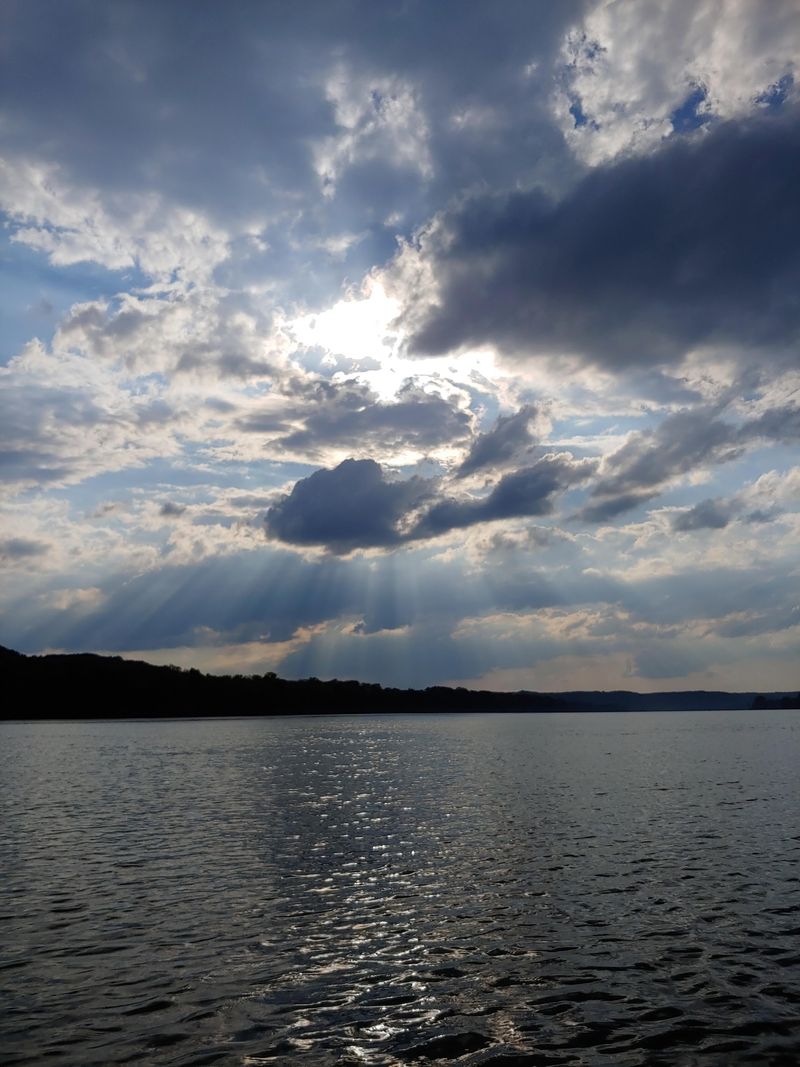
Turbulent water makes for terrible swimming but fantastic eagle watching. The tailwaters below Kentucky Dam churn constantly, and that rough current can stun or injure fish.
Hungry birds notice fast. Eagles swoop in for an easy meal, and gulls and herons join the feeding frenzy too.
Think of it as a fast-food drive-through with feathers. The fish practically serve themselves, which explains why the dam area ranks among the most reliable viewing spots each winter.
Kentucky Dam holds back Kentucky Lake near Gilbertsville, Kentucky. Barkley Dam does the same job on neighboring Lake Barkley, and its tailwaters attract eagles for the same reason.
For the best chances, scan the sky above the churning water first. Then check nearby trees, where eagles often perch between dives.
Patience pays off here. A bird might sit motionless for a long stretch, then suddenly drop toward the surface with talons out.
Bring a camera with a decent zoom if you have one. A sharp shot of an eagle snagging a fish is the kind of photo that earns bragging rights all year.
Eagle Watch Weekends Have Been Running For Over 40 Years
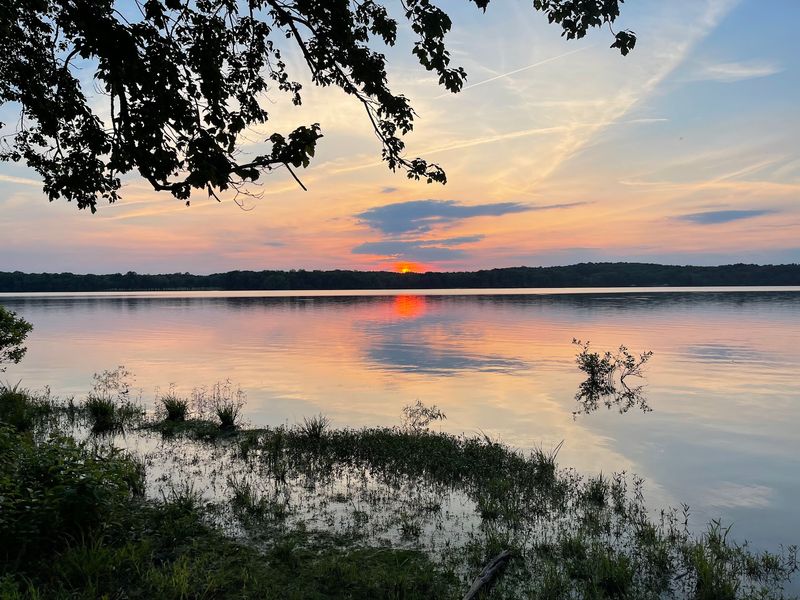
Forty-plus years is a long run for any event, and Kentucky’s Eagle Watch Weekends keep going strong. Kentucky State Parks have hosted these winter programs for more than four decades.
Two parks along Kentucky Lake play starring roles. Kentucky Dam Village State Resort Park and Kenlake State Resort Park both host eagle-focused outings during the cold months.
The weekends usually land in January and February. That lines up perfectly with peak eagle season, so the odds stay on your side.
These programs mix learning with looking. Educational sessions explain eagle habits, then guided outings take you out to spot the birds yourself.
I believe that combo makes all the difference. Knowing what to look for turns a random dark blob in a tree into an obvious eagle.
Spots can fill up, so plan ahead once the parks announce their winter schedules. Check dates early, especially if you want a weekend getaway built around the event.
It’s also a great introduction for kids. Few things beat a young birder pointing out their first bald eagle before the grown-ups do.
A Heated Yacht Makes Winter Birding Feel Downright Cozy
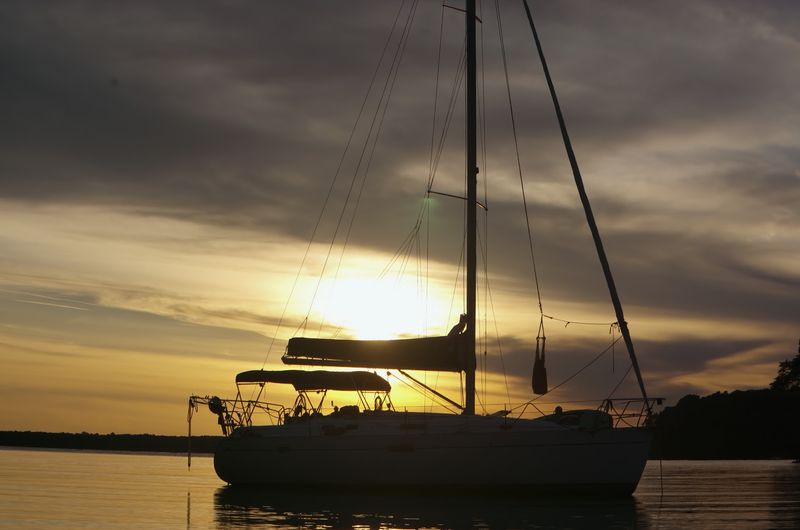
Cold fingers and frozen noses usually come with winter birding. Some Kentucky Lake eagle tours solve that problem with a heated boat.
The CQ Princess, a 96-foot yacht, has carried eagle watchers out on the water during these winter programs. Warm cabin, wide lake views, and eagles outside the windows.
Not a bad trade.
Naturalists come along for the ride. They set up spotting scopes so passengers can see eagles up close as they soar, perch, and hunt.
That scope view changes everything. A speck on a distant branch suddenly becomes a bird with a bright white head and a serious yellow beak.
Boat tours also reach shoreline spots that are tough to see from land. Quiet coves and tree-lined bays open up as the yacht moves along the lake.
Dress in layers anyway, since you’ll probably want to step outside for photos. Lake wind in January has a sharp sense of humor.
Bring your own binoculars too. Sharing scopes works fine, but having a pair around your neck means you never miss a sudden flyby.
Prefer Wheels To Waves? Hop On A Van Tour
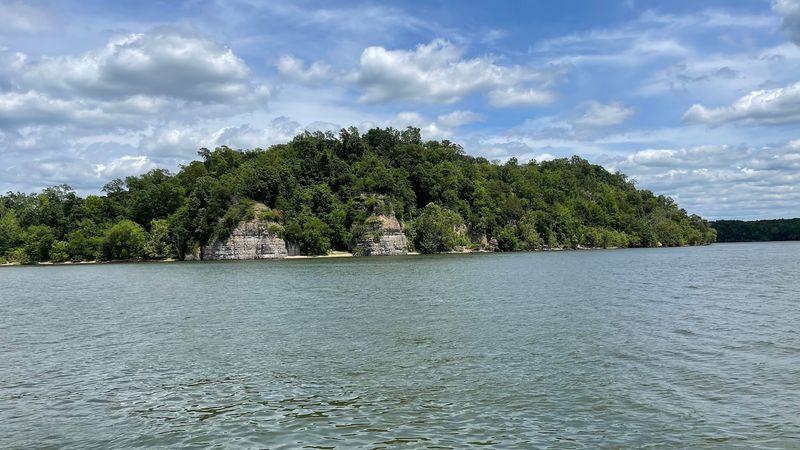
Not everyone loves boats in January, and that’s perfectly fine. Land Between the Lakes offers Eagle Viewing Van Tours for landlubbers.
Naturalists lead these trips with binoculars and spotting scopes in hand. They drive to favorite eagle bays, shorelines, and roosting areas around the recreation area.
Local knowledge matters here more than you’d expect. Some wildlife refuge areas inside Land Between the Lakes close from November to mid-March to protect resting and feeding birds.
A guide knows which spots stay open and where the eagles have been hanging out lately. That saves you a lot of wandering and squinting.
Many winter eagle programs start at the Woodlands Nature Station. You’ll find it at 3146 Silver Trail Road in Cadiz, Kentucky.
The station also hosts Eagle Watching 101 sessions. These teach practical tips for spotting eagles in the wild all winter long.
Take that class first if you can. Afterward, every drive along Kentucky Lake becomes a scavenger hunt, and you’ll actually know what you’re hunting for.
Lace Up Your Boots For A Walk Across The Dam
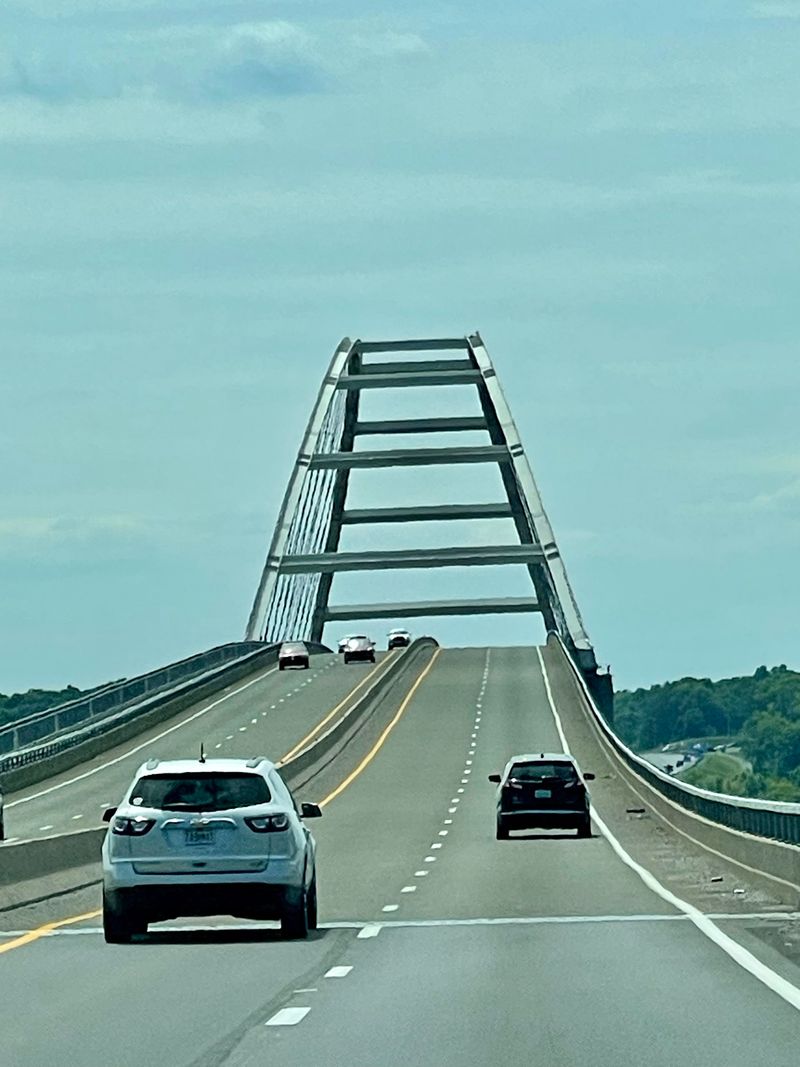
Free, flexible, and full of lake views. Self-guided eagle spotting around Kentucky Lake asks for nothing but warm clothes and sharp eyes.
Kentucky Dam Village State Resort Park in Gilbertsville offers self-guided birdwatching trails. They connect directly to the pedestrian path that crosses Kentucky Dam itself.
Walking across a dam while scanning for eagles? That’s a winter outing with serious bragging potential.
For a longer hike, the Bo Beckett Memorial Trail loops for about nine miles. It serves up water views and overlooks of Kentucky Lake and the dam structures.
You don’t have to tackle the whole loop. Pick a stretch with good lake views, then slow down and watch the treetops.
Over at Land Between the Lakes, the Woodlands Nature area between Honker and Hematite lakes has walking routes too. These stay open even while some refuge bays close for winter.
Pack water, snacks, and a hat that covers your ears. Wind off the lake can bite, but an eagle gliding past makes the chill feel very worth it.
Some Of These Eagles Never Bother To Leave
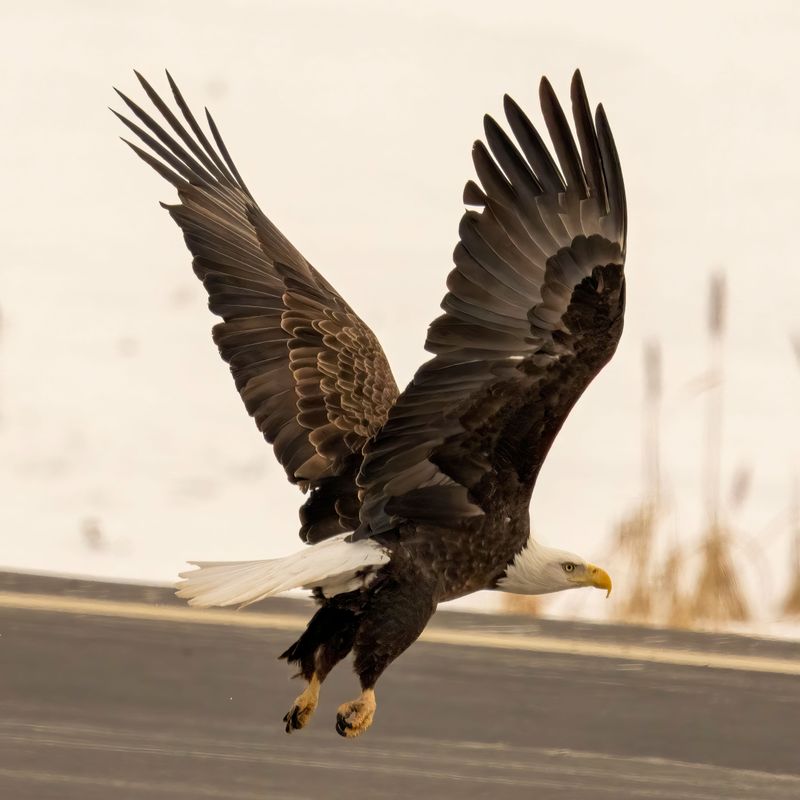
Snowbirds get most of the attention, but the Kentucky Lake region also has locals. A healthy population of bald eagles lives around Land Between the Lakes all year.
Those year-round residents share the shoreline with winter visitors from up north. Together, they create a busy, lively eagle scene through the coldest months.
The Kentucky Department of Fish and Wildlife Resources offers an encouraging tip. From December through March, you’re likely to spot an eagle on any large reservoir or river in Kentucky.
That’s good news if your schedule doesn’t match a guided tour. A quiet drive along the lake might reward you anyway.
Resident eagles also mean nesting activity in the region. If you spot a huge stick nest high in a tree, give it plenty of space.
Eagles don’t appreciate nosy neighbors. Keep a respectful distance and let binoculars do the close-up work.
Telling migrants from residents isn’t easy by sight. Honestly, the eagles won’t show you passports, so just enjoy every one you find.
A Comeback Story Worth Cheering About
A few decades ago, spotting a bald eagle in Kentucky was a rare event. Today, winter visitors at Kentucky Lake can see several in one outing.
That turnaround came from dedicated conservation work. Bald eagles have recovered across North America, and Kentucky shares in that success.
The numbers tell a striking story. Occupied bald eagle territories in Kentucky jumped by more than 400 percent between 2006 and 2019.
Eagles aren’t just hanging on, either. They’re spreading back across the landscape in ways not seen for generations.
I like knowing that history when I picture an eagle perched over the lake. Every bird represents years of protection, patience, and people deciding the species was worth saving.
That gives a winter trip extra meaning. You’re not just ticking a bird off a list.
Kids especially connect with this kind of story. Explaining that these birds were once hard to find makes each sighting feel like a small victory lap for the whole country.
Warm Up With Owls, Then Rest Up At A Lakeside Lodge
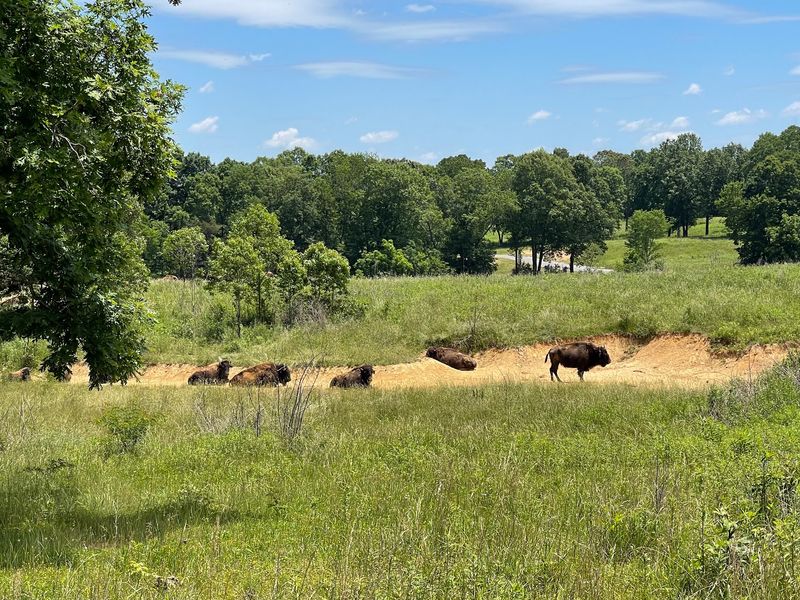
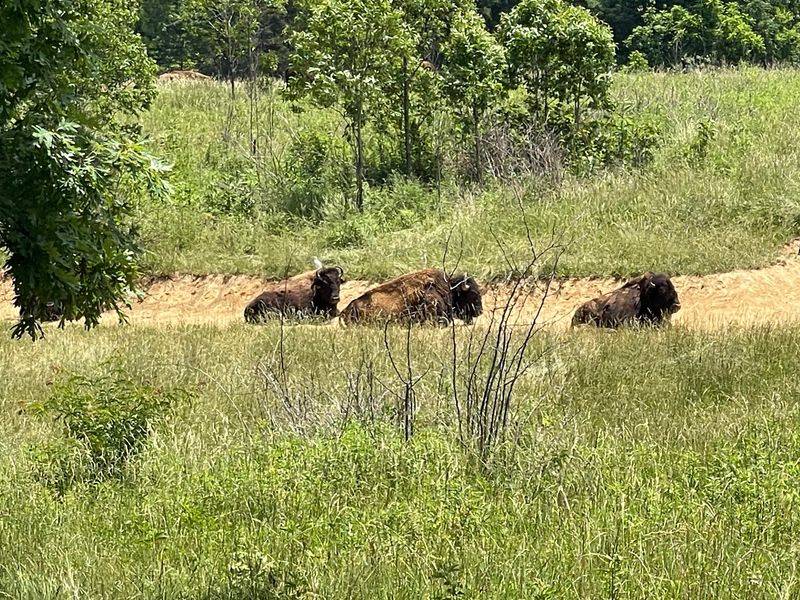
Eagles headline the show, but the supporting cast deserves applause. Ducks, geese, and other waterfowl gather on the open water around Kentucky Lake in winter.
Keep watching the woods too. Deer, foxes, and coyotes may appear in the quieter winter landscape of Land Between the Lakes.
Need a break from the cold? The Woodlands Nature Station has a Backyard Exhibit area with native animals that can’t be released into the wild.
Great horned owls and red-tailed hawks are among the residents. That makes a handy stop between outdoor viewing sessions.
For overnight stays, Kentucky Dam Village State Resort Park and Kenlake State Resort Park both offer lodging, cottages, and dining. Either one makes a smart base for a Kentucky eagle weekend.
Winter means fewer open services in some areas. Fill your gas tank, bring snacks, and dress in layers before heading out.
Then let the lake do its thing. Somewhere along that shoreline, an eagle is probably perched right now, waiting for someone to finally look up.