Everyone Buys Cheese At Hy-Vee But This Nebraska Dairy Makes Its Own Cheddar From Cows Milked Next Door
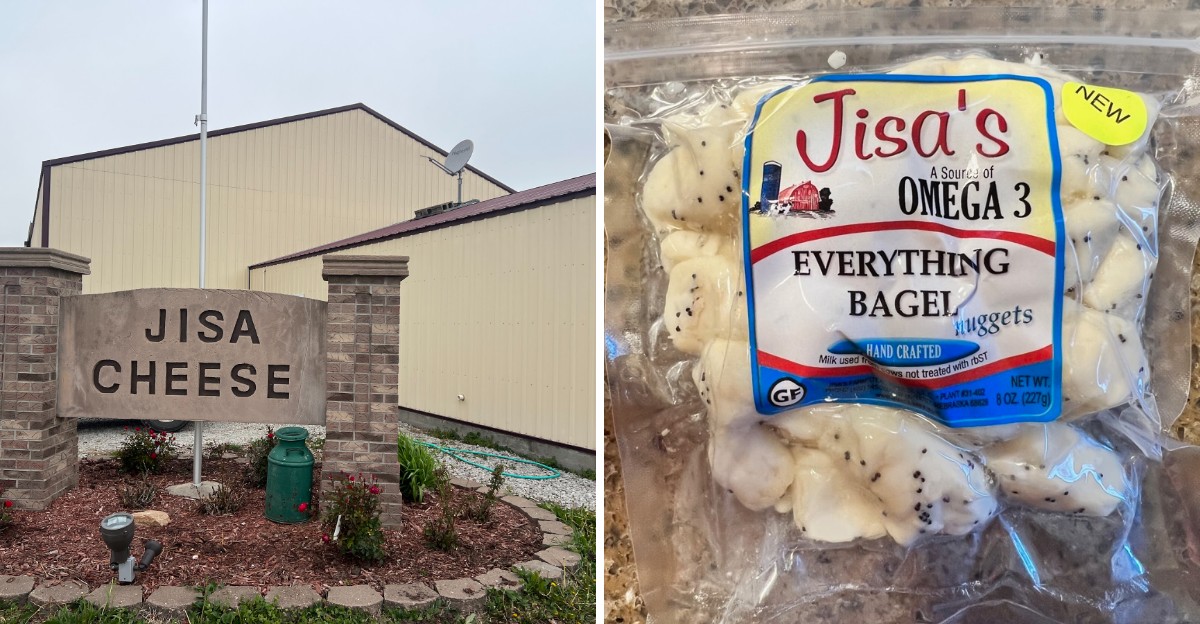
The milk in this cheddar travels about half a mile before it becomes cheese. That’s not a typo.
The cows live on the same Nebraska family farm where the cheese plant sits.
More than 300 Holsteins supply every batch. The family started this dairy in 1946, and the cheesemaking began in 2005.
A big window even lets you peek at the cheese plant floor.
I like how simple the idea is. Milk the cows, move the milk next door, and turn it into cheddar, Havarti and a pile of bold flavors.
No long haul across the country. No mystery about where it started.
I can’t imagine a shorter trip from barn to snack bowl. The real question is this: why haven’t more of us driven out to buy it straight from the source?
A Butler County Farm Where Your Cheddar Starts Half A Mile From The Barn
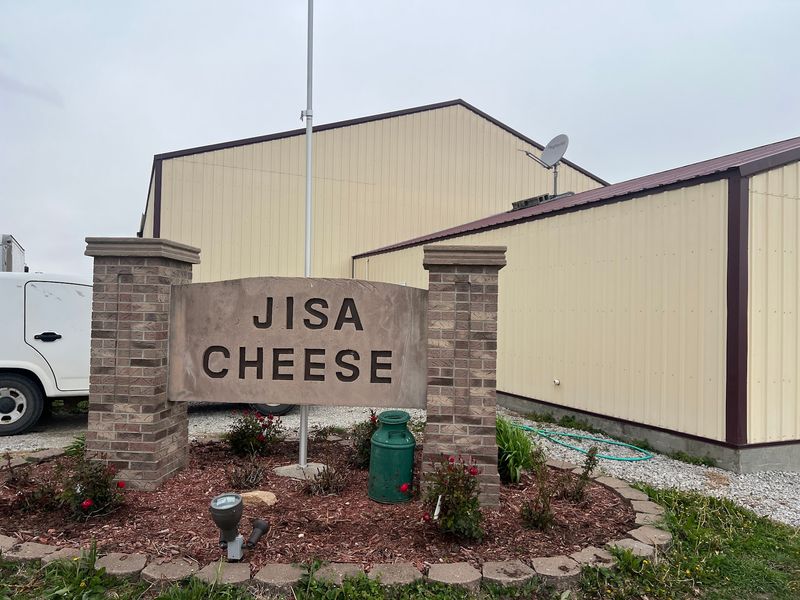
Half a mile. That’s roughly the distance between the cows and the cheese vat at Jisa Farmstead Cheese, a family dairy and cheese plant near Brainard, Nebraska.
Brainard sits in Butler County, a short drive from both Lincoln and Omaha. The farm runs its own processing plant and a small retail store right on the property.
Most grocery cheese takes a long, winding road before it reaches your cart. Milk might come from dozens of farms, get pooled together, and travel hundreds of miles.
Here, the whole journey happens on one family operation.
The word farmstead matters in this story. It means the cheese is made from milk produced on the same farm, not bought from somewhere else.
That’s a rare claim in the dairy world, and it’s even rarer in eastern Nebraska.
The family behind it has worked this land for generations. Their herd of more than 300 Holsteins supplies every drop that goes into the cheese.
So when you slice into a block, you’re tasting one farm’s milk from start to finish.
Honestly, that’s a pretty great thing to know about your sandwich. It also makes the drive out feel a lot more personal.
How A 1946 Dairy Kept Going Through Four Generations
Back in 1946, Lad Jisa started a dairy with just a few Holsteins. Nobody was talking about artisan cheese or farm-to-table back then.
He was simply milking cows and selling the milk.
The herd grew slowly over the decades. Each generation added cows, learned new methods, and kept the barn lights on through good years and lean ones.
In 1989, his son Dave Jisa took over the dairy. That handoff kept the farm in the family and set the stage for a big idea later on.
Today the operation is a fourth-generation family dairy. Think about how much farming has changed since the 1940s.
Tractors, milking equipment, and markets have all transformed, yet the same family name still sits on the mailbox.
That kind of staying power hits home for a lot of Nebraskans. Plenty of small dairies across the state have closed over the years.
Many old barns now sit empty along county roads.
The Jisa farm found a way to stay in the game. Their answer came out of a cheese vat, and it changed everything about how this farm works.
The next chapter explains why.
The Cheese Gamble That Saved The Family Dairy
Milk prices can swing like a screen door in a prairie wind. For small dairies, those swings can make it hard to plan, invest, or even stay open.
Dave Jisa saw the problem up close. Instead of selling milk at whatever price the market offered, he decided to turn it into something worth more.
Cheese was the answer. By making specialty cheese from their own milk, the family could control the final product and its value.
It was a way to protect the farm’s future.
There was one small issue, though. Dave had to learn how to make cheese, and that’s not something you pick up from a weekend video.
He got help from the University of Nebraska Food Science and Technology department. That partnership gave him the know-how to move from dairy farmer to cheesemaker.
By 2005, the family had finished a 6,000-square-foot cheese plant on the farm. It’s a striking move for a dairy that began with a handful of cows.
I believe that kind of homegrown problem-solving is worth celebrating. A Nebraska farm, a Nebraska university, and one stubborn idea turned into cheese you can buy across the region.
More Than 300 Holsteins Doing All The Heavy Lifting
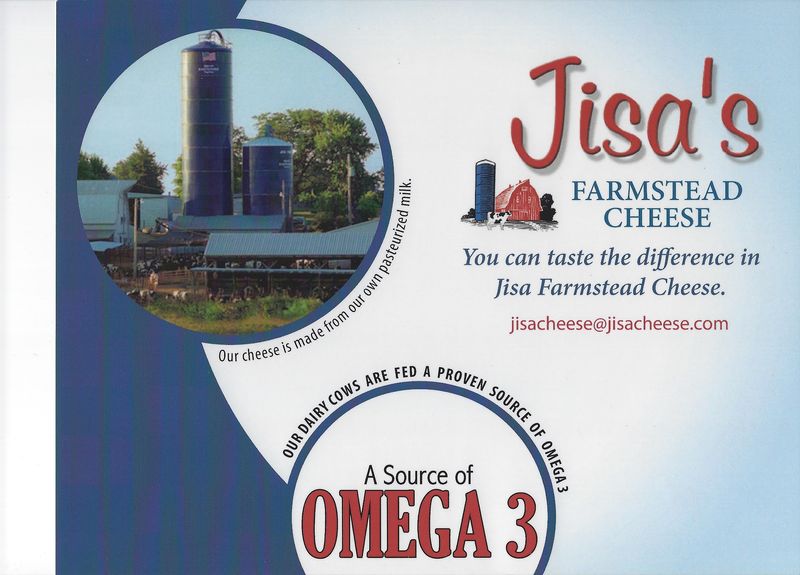
Every block of cheese here starts with a cow, and there are a lot of them. The Jisa herd includes more than 300 Holsteins, the classic black-and-white dairy breed.
The cows are milked multiple times a day. Their fresh Grade A whole milk then makes the short trip over to the cheese plant.
Short really means short. The herd sits as close as half a mile from where the cheese gets made.
That’s less distance than many folks walk across a store parking lot.
Jisa Farmstead Cheese also says its cows are not treated with rBST. For shoppers who pay attention to that label, it’s a reassuring detail.
Then there’s the feeding program. The family developed a special feed plan right at Jisa Dairy.
That program gives their milk and cheese an elevated level of Omega 3.
It’s an interesting twist on a familiar food. Most people don’t expect a nutrition story from a cheddar nugget.
Every batch uses the farm’s own pasteurized whole milk. Whole milk means full flavor, which is exactly what the family aims for.
Those cows earn every bit of credit they get.
Press Your Nose To The Glass And Watch Cheese Happen
Kids love watching machines work, and honestly, so do adults. Jisa’s cheese plant gives everyone a front-row seat.
The 6,000-square-foot facility includes a large viewing window. From there, visitors can look right onto the factory floor when cheesemaking is underway.
That window changes the whole visit. Instead of just grabbing a package off a shelf, you can see the steps behind it.
Big vats, careful hands, and milk slowly becoming something firmer.
How often do you get to watch your groceries being made? For most of us, food just shows up in plastic wrap with no backstory at all.
This setup connects the dots. The cows are nearby, the plant is right there, and the store sits on the same property.
It’s a full circle you can actually see.
Timing matters if you want the best view. Cheesemaking doesn’t happen every minute of every day, so the floor may be quiet at times.
For a deeper look, tours are available by request. That’s a smart option for families, school groups, or anyone with a long list of curious questions about curds.
Spinach Artichoke, Buffalo Wings And Other Flavors You Won’t Expect
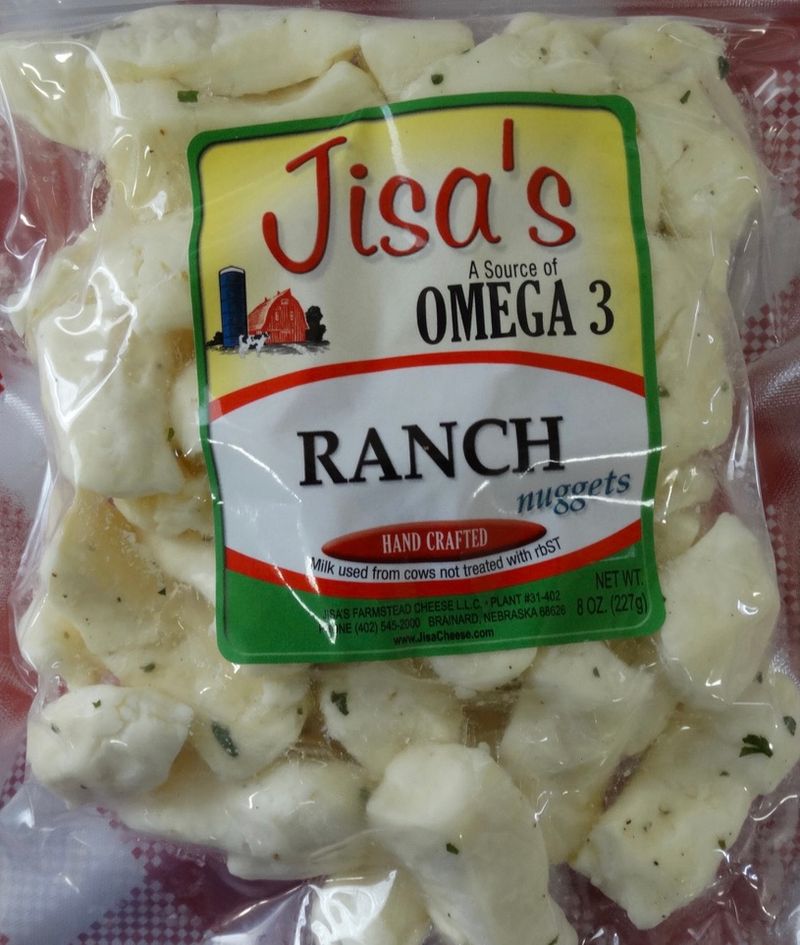
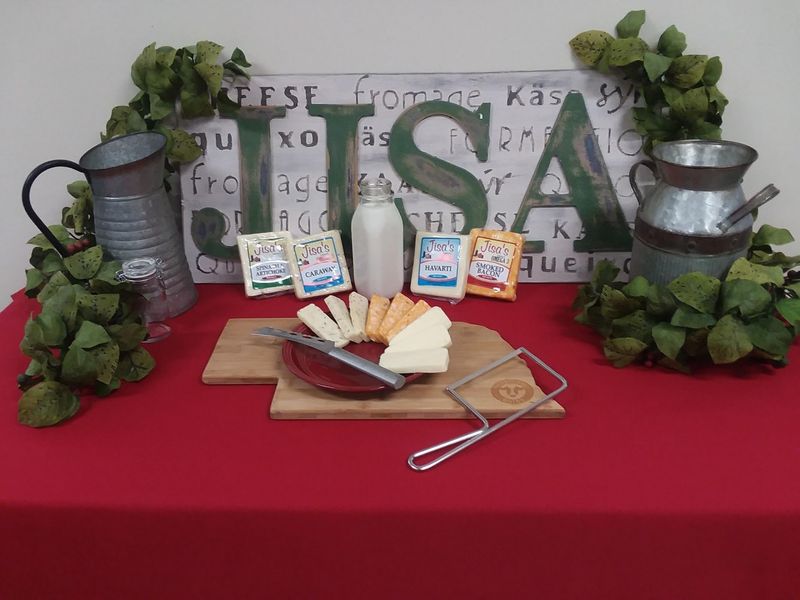
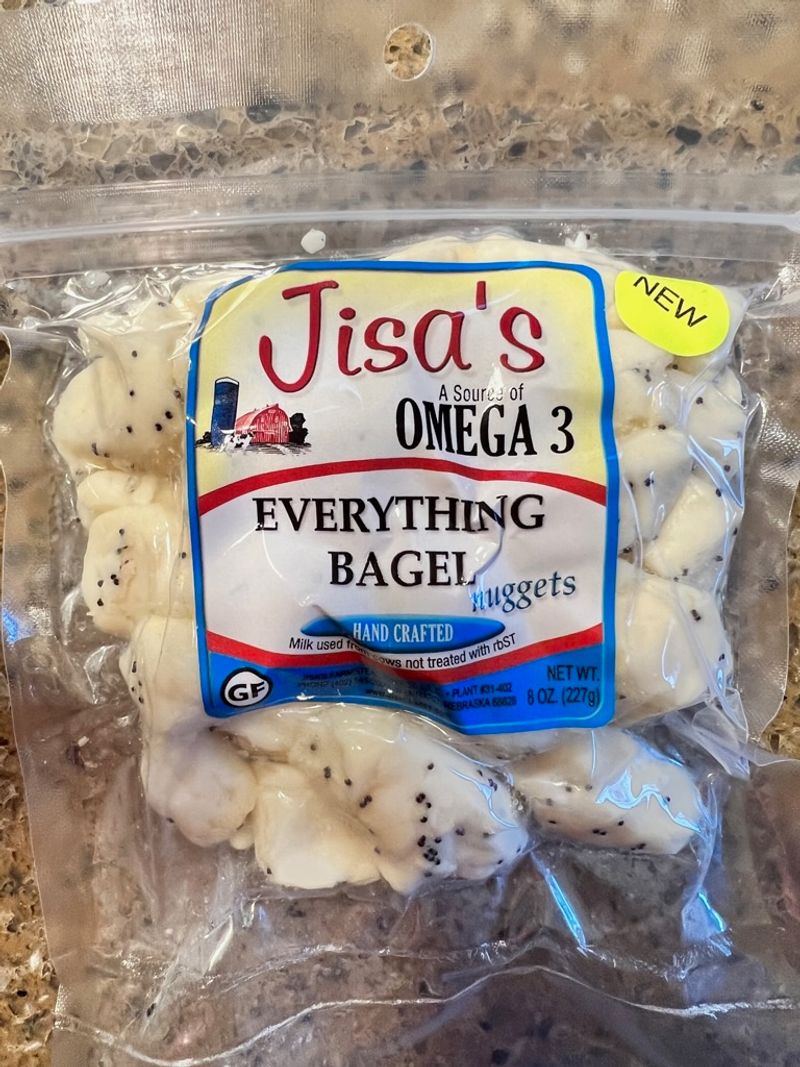
Cheddar is just the opening act. Jisa Farmstead Cheese turns out a surprisingly long lineup of flavors.
The New York Cheddar is a sturdy favorite with real bite. California Garlic Pepper nuggets have even picked up awards along the way.
Then things get playful. Ranch Cheddar nuggets, Smoked Bacon cheese, and Buffalo Wings cheese all show up on the list.
It’s like someone raided a game-day snack table and turned it into cheese.
Spinach and Artichoke is a standout, and it’s one of the flavors people bring up most. Jalapeno also gets plenty of love for its spicy kick.
Prefer something more classic? Tomato Basil, Garlic Parsley, and Dill offer a gentler herb-forward route.
White cheddar and mozzarella round things out for everyday cooking. Melt one on a burger and toss the other on homemade pizza.
Smoking Jo nuggets add a smoky option to the mix. Bacon Cheddar blocks are another hearty pick for snack plates.
Good luck picking just one. Many people end up building a little sampler bag, and nobody would blame you for doing the same.
Plan A Weekday Drive And Leave With A Cooler Full
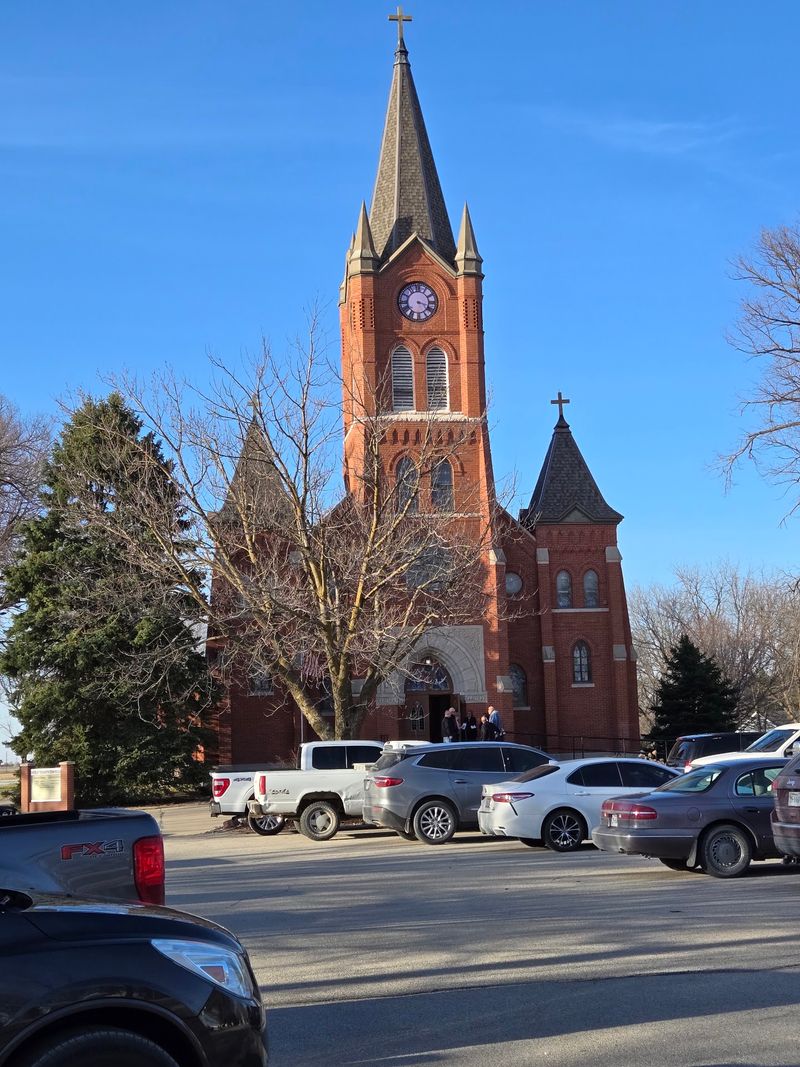
Weekends won’t work for this trip. The farm store keeps weekday hours, typically Monday through Thursday, and it’s closed Friday through Sunday.
Hours can shift around holidays, so check ahead before you leave. A quick call or online look can save you from a locked door.
Bring a cooler, especially in warm months. Cheese and a hot car are not great travel buddies.
A few ice packs keep your haul in good shape on the ride home.
Watch your directions closely as you get near the farm. Rural roads can confuse map apps, so keep an eye out for the right turn.
Want a tour? Ask in advance, since tours are available by request only.
So is it worth the drive? If you love cheese, farms, or Nebraska stories with staying power, I’d say yes.
Jisa Farmstead Cheese pairs a 1946 family dairy with a 2005 cheese plant and cows just down the road. That’s a lot of heritage packed into a nugget.
And it might be the most Nebraska snack you’ll ever toss in a cooler.