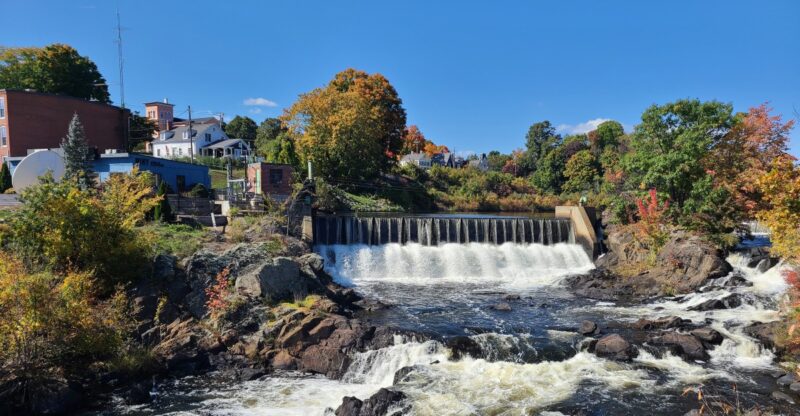
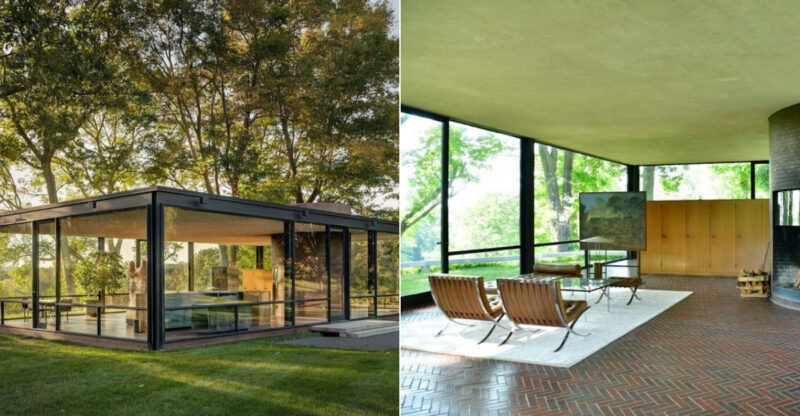
Explore A Scenic Coastal Town In Connecticut That Feels Like A Little European Escape By The Water
Wandering through this coastal town feels like accidentally stepping into somewhere considerably further away and that feeling kicks in fast without any warning.
The streets are beautiful, the waterfront is stunning and the whole atmosphere carries this quiet European charm that makes spending an afternoon here feel like a genuine escape rather than just a day out.
Artists have been drawn to this place for generations and that creative history gives everything a richness that goes well beyond just pretty scenery.
Exploring a scenic Connecticut coastal town with this much European character right by the water is one of those experiences that reframes how you think about what is actually available close to home.
The light here is extraordinary and the whole setting has a painterly quality that makes every corner feel worth stopping at properly before moving on.
1. Entering A Village Shaped By Art And The Shore
A quiet arrival sets the tone as tree-lined roads lead toward historic homes, small galleries, and glimpses of the shoreline. The village feels shaped by two influences: the creative energy of generations of artists and the steady presence of the water.
That combination gives every walk a sense of discovery, whether visitors are passing white-steepled churches, preserved houses, or studios tucked into peaceful corners.
The artistic legacy remains easy to notice. Landscapes, gardens, and changing coastal light inspired painters here for decades, and that connection still gives the village a reflective, unhurried character.
Museums and cultural spaces add depth without overwhelming the relaxed pace.
The shore brings another layer to the experience. Salt air, marsh views, and access to the river make the village feel closely tied to nature throughout the year.
Spring and early fall are especially pleasant for walking, when temperatures are mild and the scenery feels calm.
Old Lyme, CT 06371, offers a base for exploring both its creative heritage and coastal surroundings. Visitors leave with the sense that art and landscape still shape daily life here.
2. Strolling Past Historic Homes Along Lyme Street
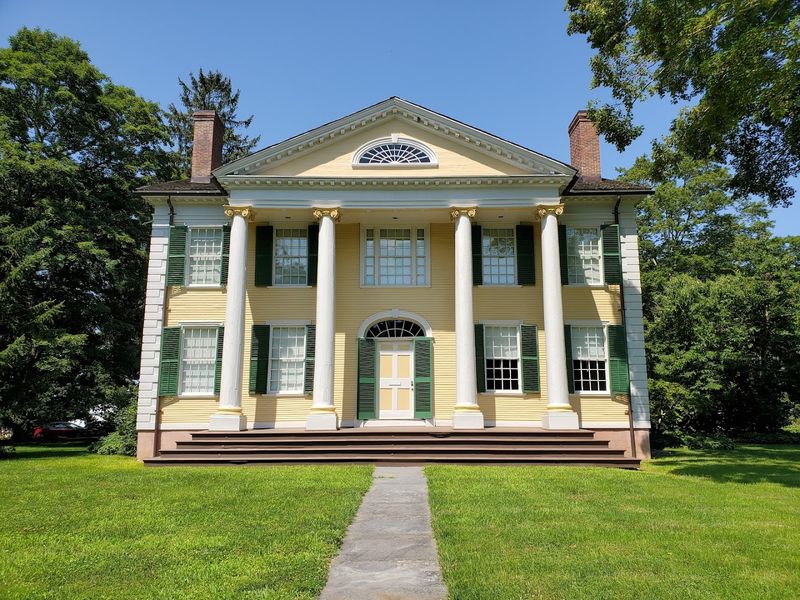
Lyme Street functions as the spine of Old Lyme’s historic identity, and walking its length feels like flipping through a carefully preserved chapter of New England history.
The street is part of a recognized historic district, and the homes that line it represent some of the finest examples of Colonial and Federal architecture in the region.
Many of these residences were built during the eighteenth and nineteenth centuries by sea captains, merchants, and shipbuilders who prospered from the Connecticut River trade.
Their wealth is visible in the scale of the homes, the symmetry of the facades, and the craftsmanship of the doorways and window frames.
Details like fanlight windows, pilastered entries, and wide clapboard siding reflect the architectural tastes of earlier eras without feeling like museum pieces.
The street is quiet enough for an unhurried walk, with mature trees providing shade and a sense of enclosure that softens the view of the road itself. There are no major commercial distractions along this stretch, which helps maintain the contemplative mood that makes the walk worthwhile.
Spending time here on a weekday morning tends to offer the most peaceful experience, when foot traffic is light and the neighborhood feels genuinely lived-in rather than staged for visitors.
3. The Florence Griswold Museum Reveals The Town’s Creative Soul
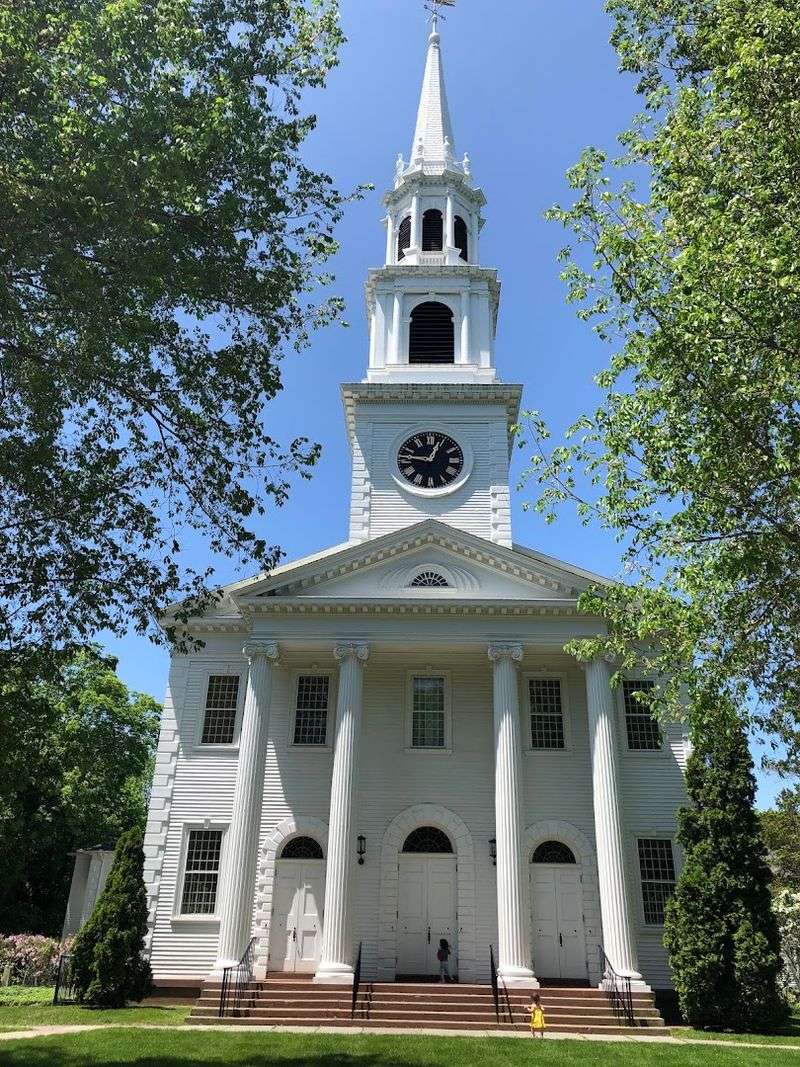
Art, history, and riverfront scenery come together across the Florence Griswold Museum’s 12-acre campus in Old Lyme. At its center is the Griswold House, a Late Georgian residence built in 1817 and later recognized as a National Historic Landmark.
The house became closely tied to the Old Lyme Art Colony when artists boarded there around the turn of the twentieth century.
Several left an unusually personal mark by painting directly onto doors and wall panels, transforming parts of the interior into artwork that remains part of the museum experience today.
Beyond the historic home, the Robert and Nancy Krieble Gallery presents changing exhibitions focused on American art and culture. A restored artist’s studio, gardens, walking paths, and views of the Lieutenant River give visitors plenty to explore at an easy pace.
The museum welcomes guests Tuesday through Sunday, from 10 a.m. to 5 p.m. between April and December, with shorter hours from 10 a.m. to 4 p.m. from January through March. Mondays and selected holidays are excluded.
You will find the museum at 96 Lyme Street in Old Lyme. Accessible routes connect much of the campus, making the galleries, grounds, and historic setting easier to enjoy during a thoughtful visit.
4. American Impressionists Once Found Inspiration Here
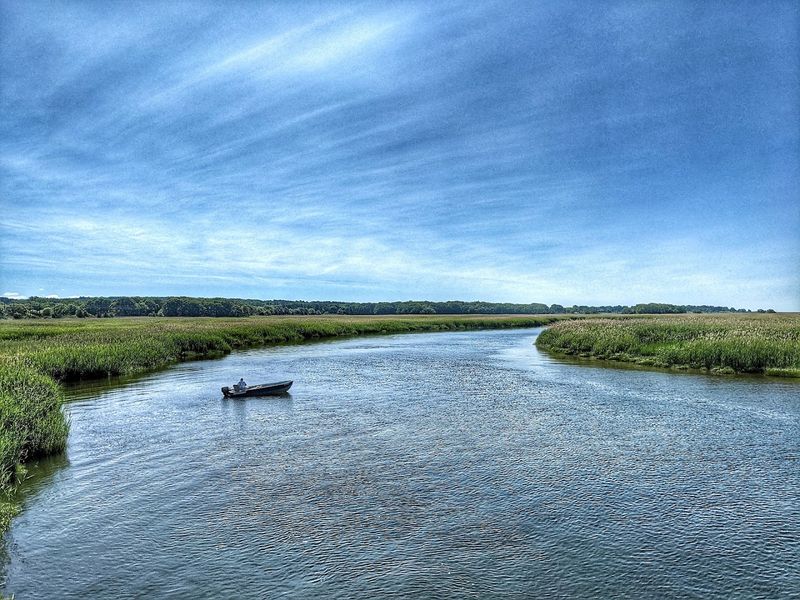
Back in 1899, a group of painters discovered something special about Old Lyme, and word spread quickly through artistic circles on the East Coast.
The quality of light here, filtered through coastal mist and reflected off the wide river, offered conditions that painters found almost impossible to replicate elsewhere in the region.
Early work from the colony leaned toward Tonalism, a quieter and more atmospheric style, but the arrival of key figures in 1903 shifted the colony’s direction firmly toward American Impressionism.
The Griswold House became the social and creative center of this movement, functioning as a boardinghouse where artists ate together, critiqued each other’s work, and ventured out daily to paint the surrounding landscape.
Rolling meadows, tidal marshes, the river’s edge, and the open sound all became recurring subjects on their canvases.
The resulting body of work helped establish Old Lyme as one of the most important art colony sites in American history, drawing national attention to a corner of the state that might otherwise have remained quietly off the radar.
That legacy now lives in museum collections across the country, though its origins remain firmly rooted in the landscape that first sparked the movement.
5. Galleries And Studios Keep The Artistic Tradition Alive
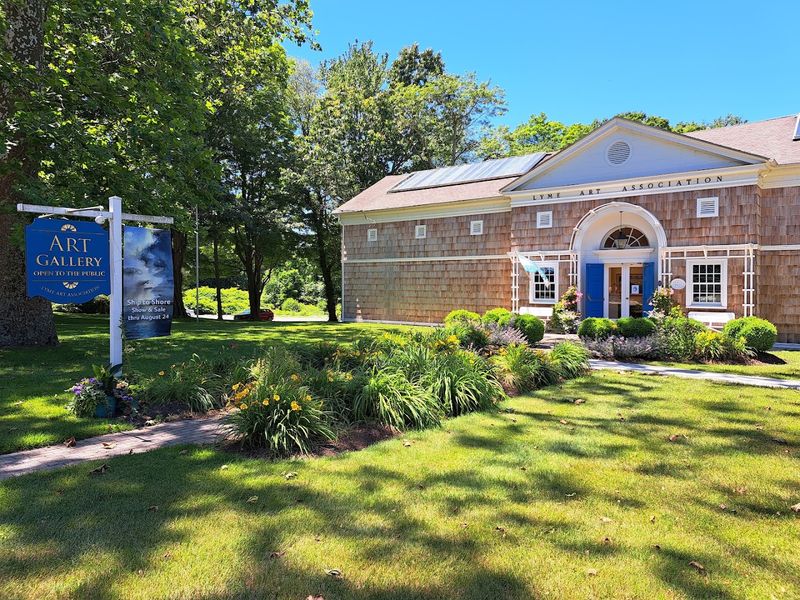
The tradition that began over a century ago in Old Lyme has not faded quietly into history. Two institutions in particular keep the creative energy of the town active and accessible for contemporary visitors.
The Lyme Art Association at 90 Lyme Street, Old Lyme, CT 06371 is a non-profit arts center that has been supporting working artists since 1914. Its galleries are generally open Wednesday through Sunday from 10 a.m. to 5 p.m., with parking available both in front of and behind the building.
The association hosts rotating exhibitions and educational programming that connects the town’s historic artistic identity to present-day practice, giving visitors a sense of continuity rather than nostalgia.
A short walk down the same street leads to The Cooley Gallery at 25 Lyme Street, Old Lyme, CT 06371, which specializes in American paintings spanning multiple periods, including works from the original Lyme Art Colony alongside pieces by contemporary realists.
The gallery’s well-lit rooms allow for close examination of individual works, and the range of pieces on display tends to reward repeat visits as the inventory shifts over time.
Together, these two spaces give Old Lyme a living gallery district that feels genuinely rooted in its community rather than imported for tourism.
6. Ferry Landing Park Opens Onto Sweeping River Views
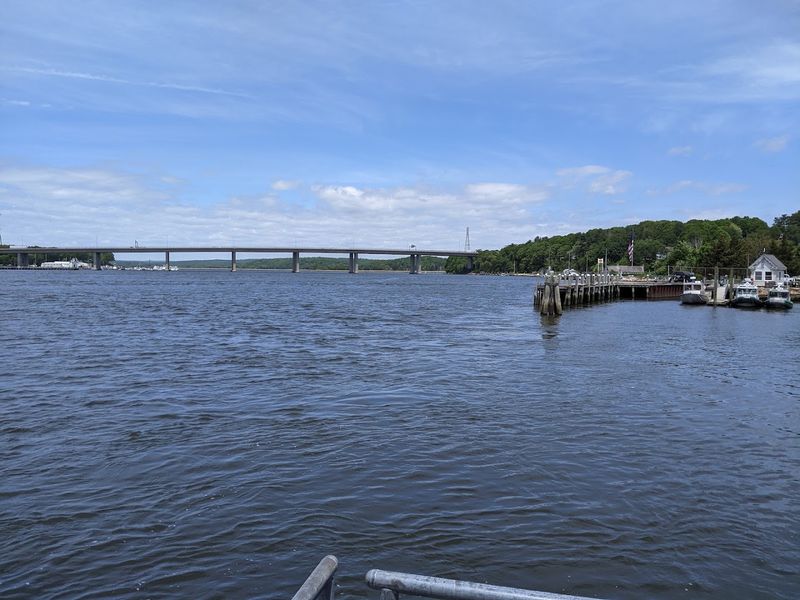
There are not many places where a short walk can deliver a view this expansive.
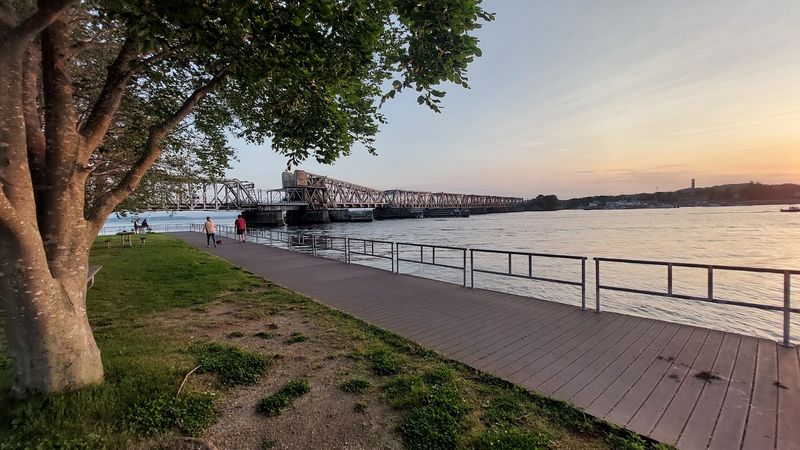
Ferry Landing Park, also known as Ferry Landing State Park, sits at the mouth of the Connecticut River where it opens into Long Island Sound, offering a panoramic perspective that is genuinely hard to replicate anywhere else along this stretch of shoreline.
The park is located at 398 Ferry Rd, Old Lyme, CT 06371, and features a handicap-accessible boardwalk that extends out over the water, making it one of the more inclusive natural spots in the area.
Fishing and crabbing are popular activities along the boardwalk, and the estuarine habitat surrounding the park supports a variety of shorebirds and other wildlife that reward patient observers.
Picnic tables are positioned to take advantage of the river views, making this a natural stopping point for a midday break during a longer tour of the town.
Boat traffic on the river adds movement and life to the scene, particularly during summer weekends when recreational vessels head out toward the sound.
Parking is limited, so arriving earlier in the day tends to make access easier, especially during the busier warm-weather months when the park draws more visitors from surrounding areas.
7. Sound View Beach Adds A Lively Summer Detour
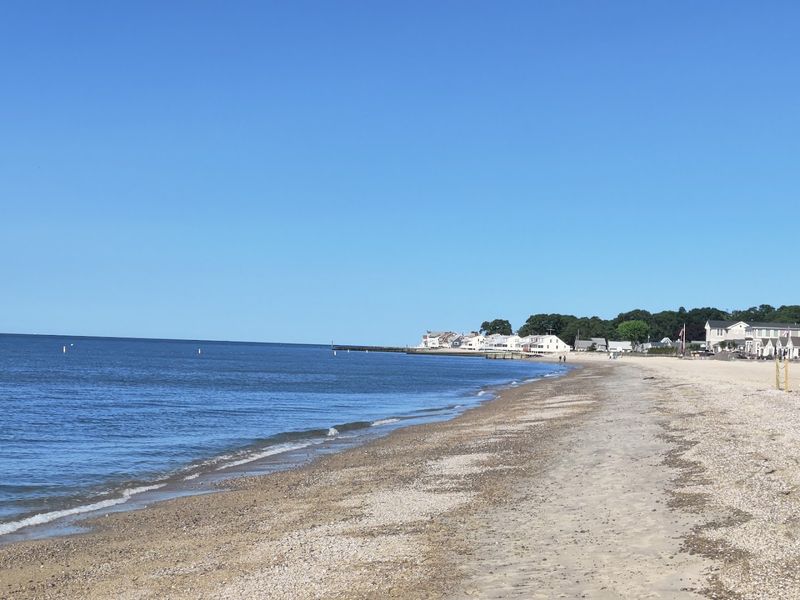
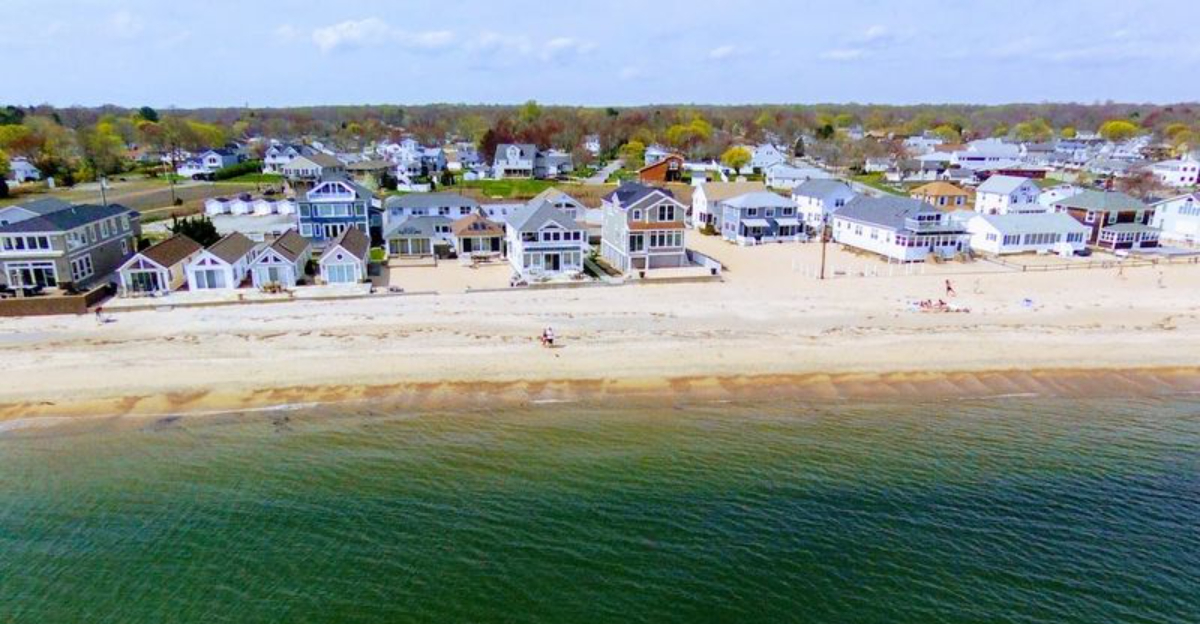
Established in 1892, Sound View Beach has been drawing people to the Old Lyme shoreline for well over a century, and its character today still carries traces of that old-fashioned summer beach energy.
The beach stretches along Hartford Ave, Old Lyme, CT 06371, with a long sandy shoreline facing Long Island Sound and clear water that invites swimming during the warmer months.
A boardwalk area near the beach comes alive in summer with small seasonal eateries and local businesses that give the spot a relaxed, neighborhood-fair atmosphere.
Facilities include food concessions, restrooms, picnic areas, and handicapped access, making it a practical destination for groups with varying needs.
The beach draws a family-friendly crowd, and the open layout means there tends to be enough room to find a comfortable spot even on busier days.
Outside of peak summer season, the beach takes on a completely different character. Autumn mornings bring quiet stretches of open sand and long views across the sound, with the kind of stillness that is difficult to find at more heavily trafficked shorelines.
Paid parking is handled through a mobile application, and some spaces are reserved for residents, so checking availability in advance during summer weekends is a practical step worth taking.
8. Early Morning Brings The Quietest Village Walks
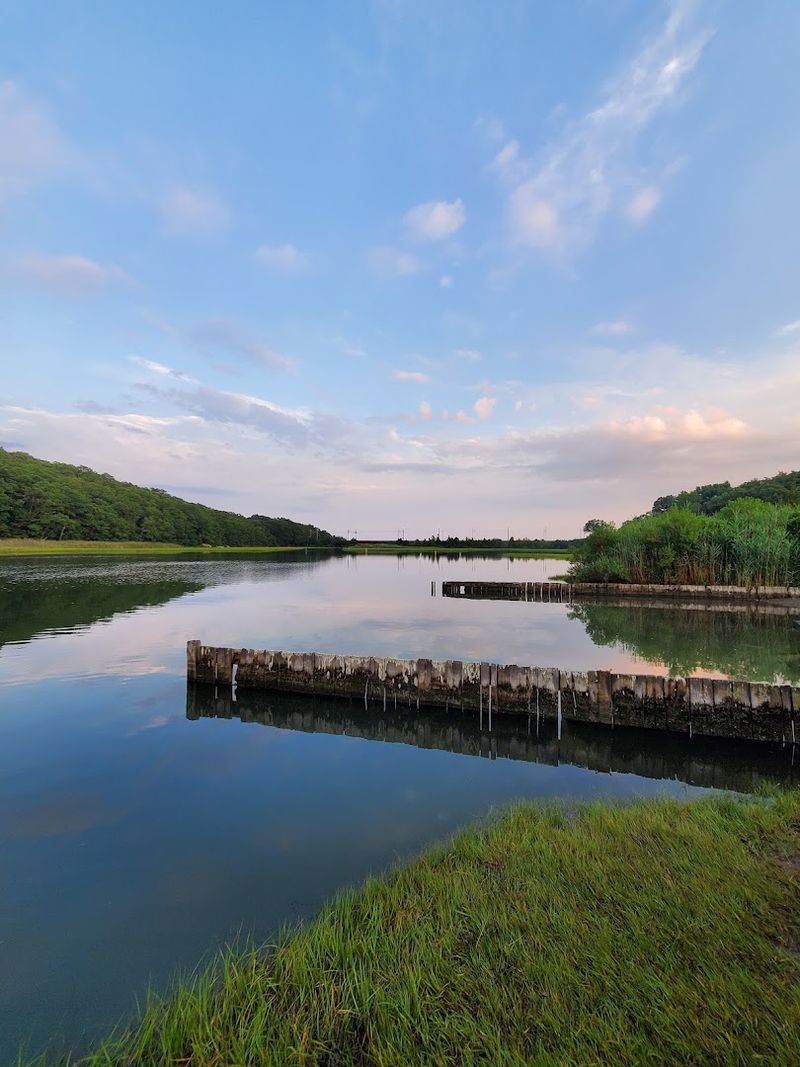
Old Lyme feels peaceful before the rest of the day begins. Early morning light settles softly across the river, marshes, gardens, and historic streets, revealing details that are easy to miss once traffic and activity pick up.
A thin layer of mist may hover near the water, giving the landscape a quiet, almost painted quality.
Lyme Street is particularly rewarding at this hour. Historic homes, stone walls, mature trees, and carefully tended yards stand out more clearly without daytime distractions.
Birdsong often replaces street noise, while the air carries a fresh mix of dew, salt, and greenery that fades as temperatures rise.
Visitors who bring a camera, sketchbook, or simply a willingness to wander slowly will get the most from the experience. There is no need for a strict route, though packing breakfast or a light snack can make the outing more comfortable because the town lacks a busy early-morning dining strip.
Weekday mornings are usually calmest. Arriving around sunrise in late spring or early summer provides the longest stretch of quiet before the village settles into its daily pace.
9. Why The Town Feels Worlds Away From The Interstate
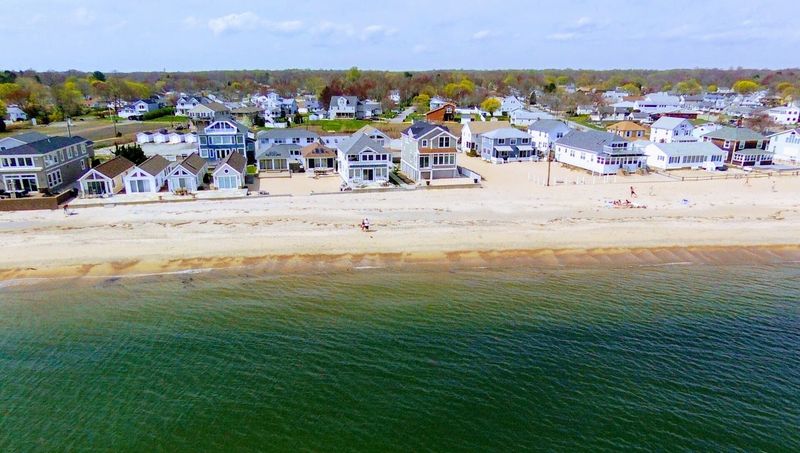
Just minutes from Exit 70 on Interstate 95, Old Lyme manages to feel genuinely removed from the highway world that surrounds it.
The explanation is partly geographical, since the river and the sound create natural boundaries that limit the kind of sprawl common in towns with similar highway access.
Preserved wetlands and open green spaces buffer the historic core from commercial development, keeping the visual environment remarkably intact.
The town’s long-standing commitment to historic preservation also plays a meaningful role. Buildings along Lyme Street have been maintained rather than replaced, and the scale of the built environment stays human-sized throughout the village center.
That consistency of character gives the place a coherence that feels European in the best sense, not as a theme or a marketing angle but as a genuine outcome of careful stewardship over many decades.
The combination of artistic heritage, coastal geography, and architectural continuity creates an environment where slowing down feels natural rather than forced.
Visitors who arrive expecting a typical Connecticut shoreline stop often leave with a different impression, one shaped by the quiet specificity of a place that has held onto its identity without turning it into a performance.