Explore North Carolina’s Dreamiest Botanical Garden
Tucked into the heart of Chapel Hill, a living, breathing treasure is waiting to surprise you at every turn. The North Carolina Botanical Garden at 100 Old Mason Farm Rd isn’t just a garden, it’s a full-on nature adventure packed with beauty, discovery, and a little bit of magic. This stunning destination offers some unforgettable reasons to visit this year, and the best part?
It’s completely free.
From jaw-dropping carnivorous plants that feel straight out of a sci-fi movie to winding forest trails, peaceful meadows, and hidden boardwalks, every path leads to something new. Butterflies flutter by, wildflowers steal the spotlight, and quiet corners invite you to slow down and soak it all in.
Whether you’re bringing curious kids, planning a relaxed day trip, or just craving fresh air and wonder, this botanical garden turns an ordinary afternoon into an extraordinary escape, with surprises waiting around every corner.
Extensive Plant Collections Showcase Regional Diversity
Over 5,900 plant accessions representing approximately 2,500 species call this garden home at 100 Old Mason Farm Road. Native flora from North and South Carolina flourish across 14 distinct collections and display gardens. Visitors discover how regional ecosystems support incredible biodiversity through carefully curated plantings.
Wandering through these collections feels like traveling across the Carolinas in a single afternoon. Each display garden tells a story about adaptation, survival, and the remarkable resilience of native species. The garden staff maintains these collections with dedication, ensuring every plant receives proper care and attention.
Educational signage throughout helps visitors identify species and understand their ecological importance. Photographers love capturing seasonal changes as plants bloom, fruit, and rest throughout the year. Families find endless opportunities to learn together while exploring different garden areas.
The collections serve as living laboratories for researchers studying native plant conservation. Students and scientists alike benefit from access to such diverse botanical specimens. This remarkable variety makes every visit unique, with new discoveries waiting around each pathway.
Coker Arboretum Offers Historic Charm and Serenity
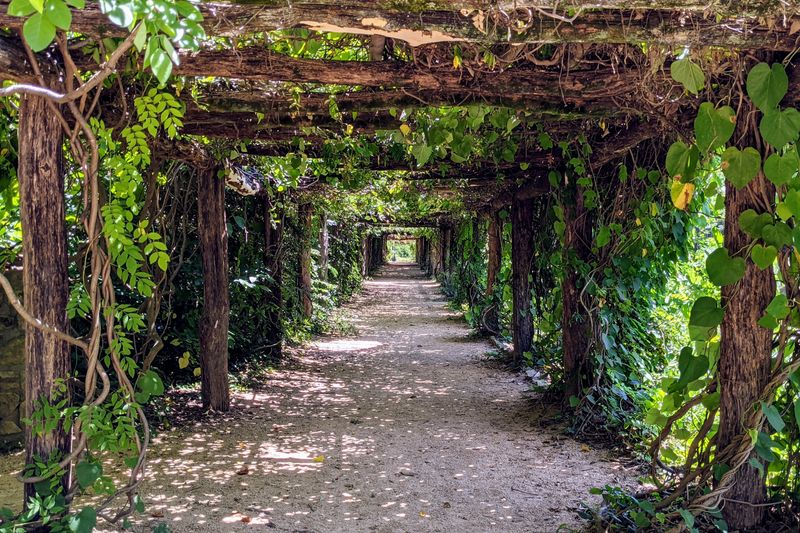
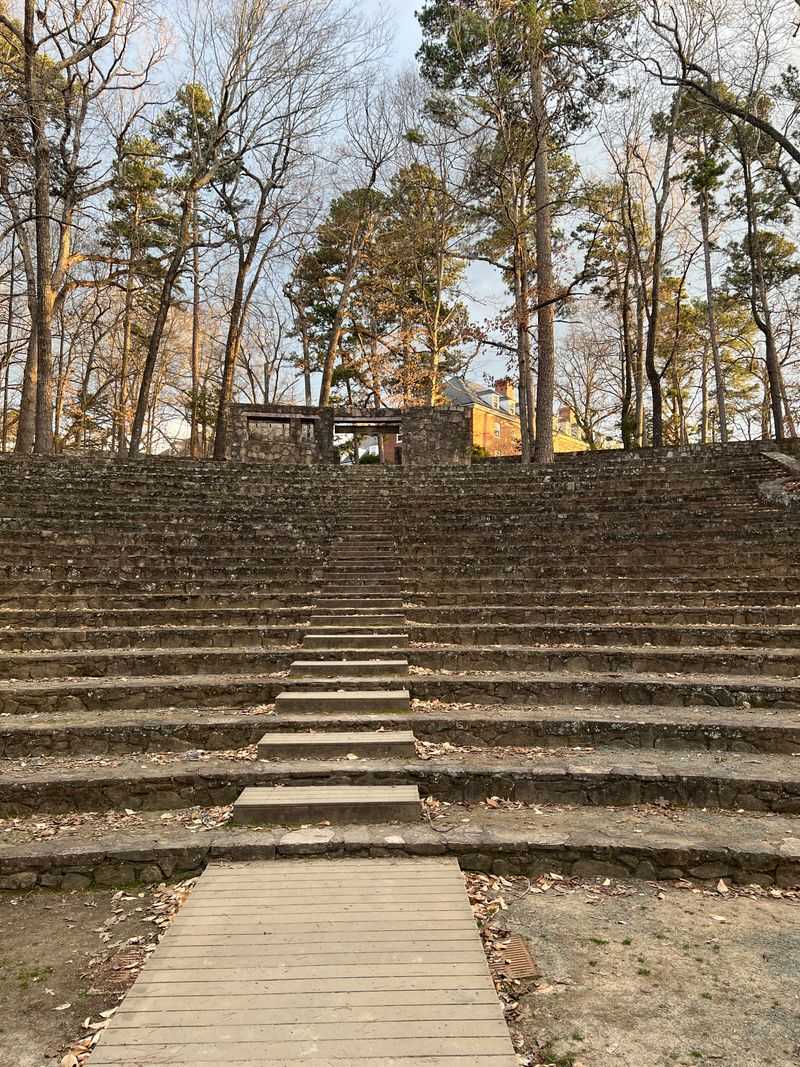
Established in 1903 by Dr. William Chambers Coker, at 399 E Cameron Ave, Chapel Hill, this 5.3-acre treasure predates most botanical spaces in the region. Towering trees and flowering shrubs create a canopy of tranquility steps away from campus hustle. The arboretum’s historic significance adds depth to every stroll through its winding paths.
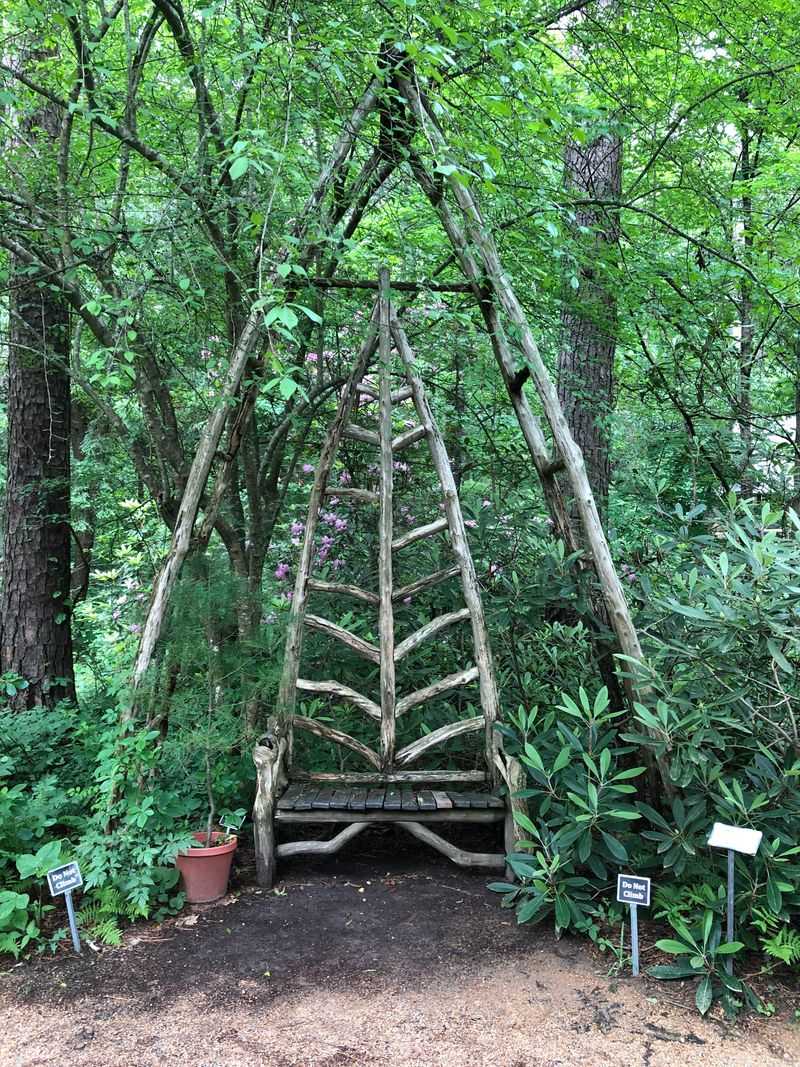
Spring transforms the space into a riot of color when flowering trees burst into bloom. Perennials carpet the ground with delicate petals, attracting butterflies and bees throughout warmer months. Benches positioned throughout invite visitors to pause and absorb the peaceful atmosphere.
Students often study beneath ancient oaks, finding inspiration in the natural surroundings. The arboretum serves as a living classroom where botany comes alive through direct observation. Seasonal changes paint the landscape in ever-shifting palettes from vibrant greens to golden autumn hues.
Early morning visits reward early risers with birdsong and dew-kissed leaves sparkling in soft light. The historic design reflects early 20th-century landscape philosophy while remaining relevant for modern visitors. This connection to the past makes exploring feel like walking through living history.
Mason Farm Biological Reserve Protects Natural Habitats
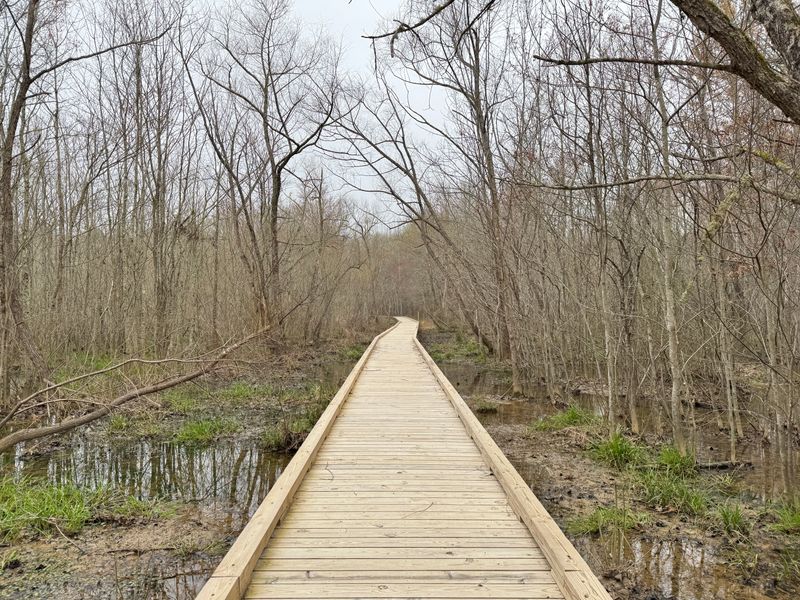
Spanning 367 acres of protected wilderness, this reserve serves as sanctuary for countless plant and animal species. The reserve at 100 Old Mason Farm Rd supports conservation efforts crucial for regional biodiversity. Wetlands, forests, and meadows create diverse habitats within this expansive natural area.
Wildlife thrives in these protected spaces, from songbirds to salamanders and everything in between. Researchers conduct important ecological studies here, contributing to scientific understanding of Piedmont ecosystems. The reserve remains largely undeveloped, allowing nature to follow its own rhythms and cycles.
Visitors can glimpse the reserve from certain trails, though much remains intentionally undisturbed for conservation purposes. This commitment to preservation ensures future generations will enjoy healthy, functioning ecosystems. The reserve demonstrates how botanical gardens contribute beyond just displaying pretty plants.
Seasonal migrations bring different species through the reserve, creating ever-changing wildlife viewing opportunities. Educational programs sometimes include guided explorations that highlight the reserve’s ecological importance. Understanding this hidden treasure deepens appreciation for the garden’s broader conservation mission and environmental stewardship.
Children’s Wonder Garden Sparks Young Imaginations
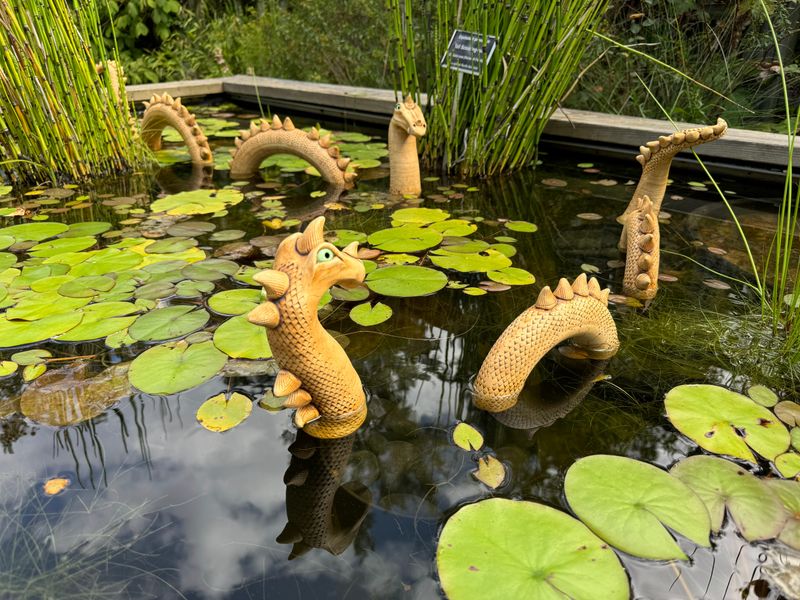
Designed specifically for little explorers, this interactive space makes botanical learning feel like pure play. Fairy gardens tucked among flowers ignite storytelling adventures for kids with active imaginations. Digging areas let children get their hands dirty while discovering what lives beneath the soil.
The picnic lawn provides perfect spots for family lunches surrounded by blooming gardens. A dedicated pollinator garden buzzes with butterfly activity, teaching kids about important ecological relationships. Interactive exhibits engage multiple senses, making abstract concepts tangible and memorable for young minds.
Parents appreciate how the space encourages outdoor exploration while keeping children safely contained and engaged. Educational elements blend seamlessly with fun, so learning happens naturally through discovery and experimentation. The garden staff designed everything at kid-friendly heights, ensuring even toddlers can participate fully.
Seasonal activities and special events regularly bring families back to experience new programming. The Wonder Garden proves that botanical education doesn’t require sitting still or reading lengthy signs. Children leave with muddy knees, big smiles, and genuine curiosity about the natural world around them.
Piedmont Nature Trails Wind Through Urban Forest
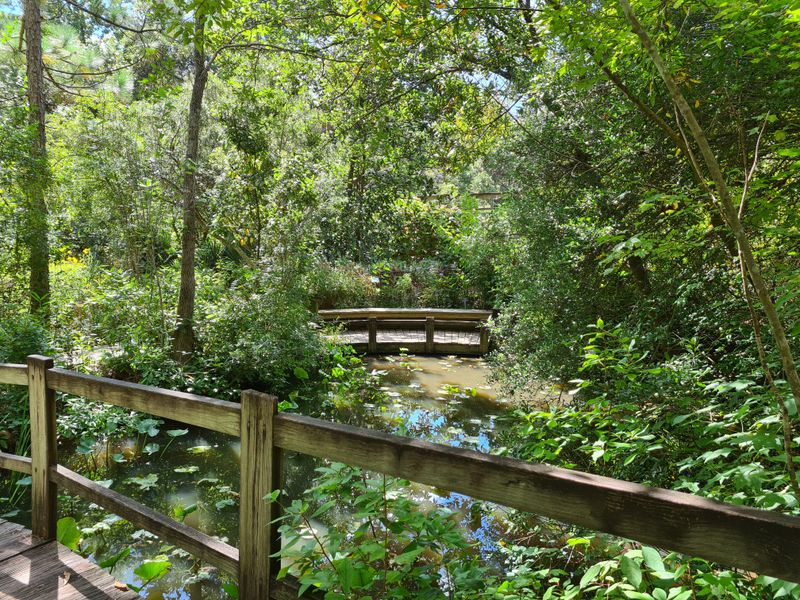
More than three miles of trails meander through 88 acres of preserved Piedmont forest. These paths offer peaceful retreats from city life without requiring any significant travel time. The trails at 100 Old Mason Farm Rd showcase what native forests looked like before urban development.
Steady inclines provide moderate exercise while clearly marked routes prevent anyone from getting lost. The Elephant Rock trail leads adventurers to impressive geological formations overlooking a scenic river. Benches positioned along the way offer rest stops for those who need to catch their breath.
Narrow sections require careful footing, adding a sense of adventure to the hiking experience. Fall foliage transforms the forest into a spectacular display of reds, oranges, and yellows. Spring brings wildflowers carpeting the forest floor before tree canopies fully leaf out.
Bird watchers bring binoculars to spot species flitting through branches overhead. The trails remain accessible year-round, with each season offering unique natural beauty and wildlife activity. Even winter hikes reveal hidden gems like evergreen plants and interesting bark patterns on dormant trees.
Carnivorous Plant Collection Fascinates All Ages
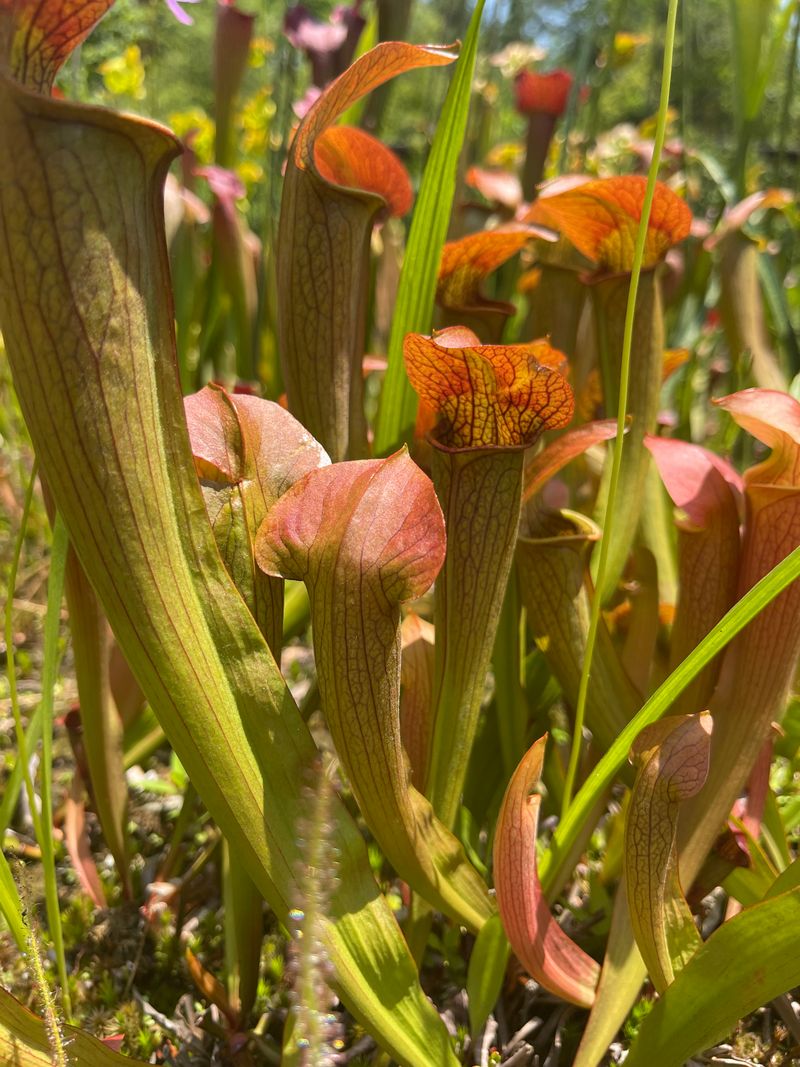
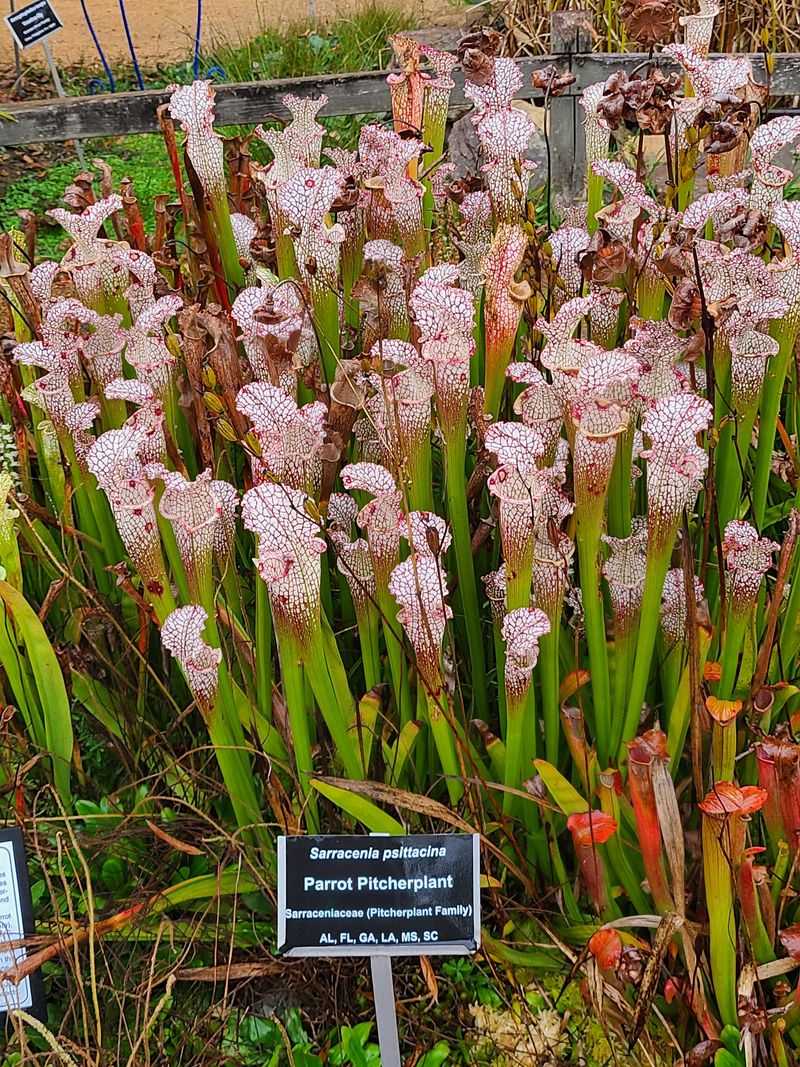
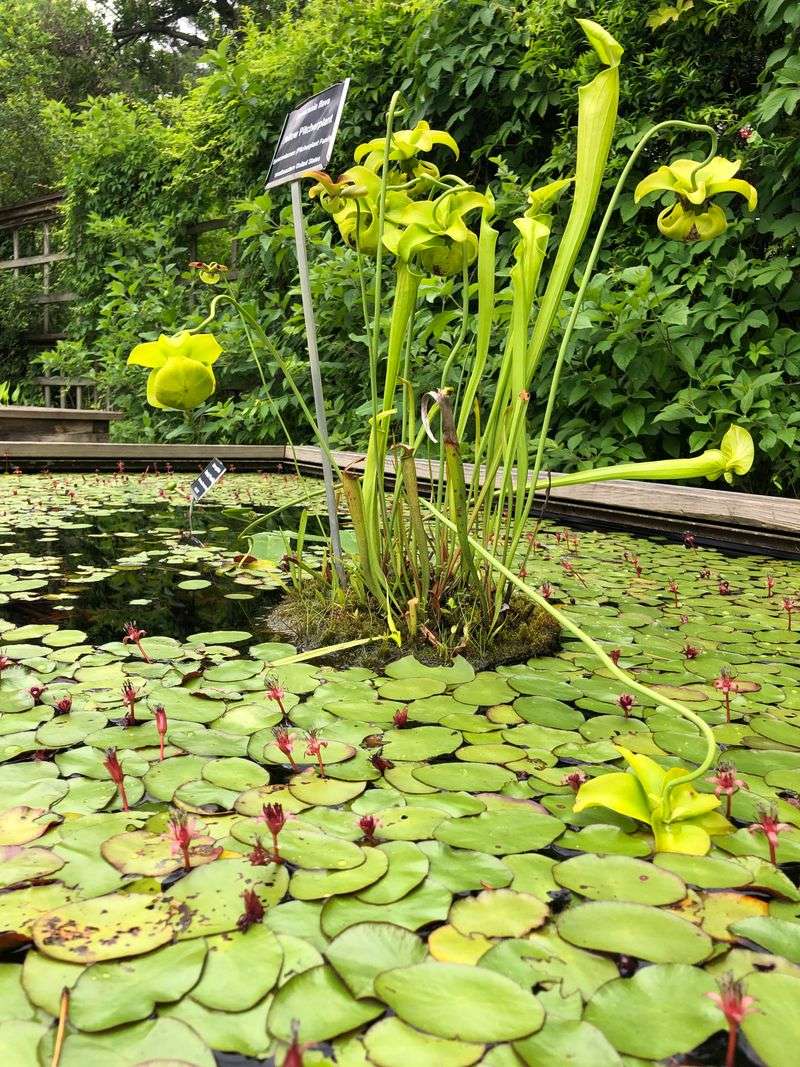
Venus flytraps snap shut on unsuspecting insects in this renowned collection of meat-eating plants. Sundews glisten with sticky droplets that trap tiny prey, while pitcher plants lure victims into slippery tubes. This collection highlights the remarkable adaptations plants develop to survive in nutrient-poor environments.
Visitors often spend extended time watching these botanical predators, hoping to witness a trap in action. The collection showcases species native to the Carolinas, where carnivorous plants thrive in boggy habitats. Educational displays explain how these plants digest insects to obtain essential nutrients missing from their soil.
Kids find carnivorous plants endlessly fascinating, often returning multiple times to check on their favorites. The plants remain active even after several frosts, demonstrating impressive cold tolerance. Photographers capture close-up images of intricate trap mechanisms and colorful foliage patterns.
The collection serves as an important conservation resource for threatened carnivorous plant species. Many of these plants face habitat loss in the wild, making botanical garden collections crucial for preservation. Seeing these unusual plants up close inspires wonder about the incredible diversity of plant survival strategies.
National Rosemary Collection Celebrates Aromatic Diversity
Over 200 varieties of rosemary demonstrate the incredible diversity within a single plant species. The Herb Society of America designated this collection as their national rosemary showcase. Visitors discover that rosemary comes in trailing, upright, and compact forms with varied foliage colors.
Brushing hands across different varieties releases distinct aromatic profiles from piney to lemony. The collection at 100 Old Mason Farm Rd proves that even familiar herbs hold surprising secrets. Garden staff maintains detailed records of each variety’s characteristics, growth habits, and culinary properties.
Cooks visit seeking inspiration for their kitchen gardens and learning which varieties suit different culinary applications. The collection blooms with delicate flowers in shades of blue, purple, pink, and white. Bees and butterflies appreciate the abundant nectar these blooms provide throughout the growing season.
Educational programs sometimes include rosemary-focused workshops covering cultivation, propagation, and creative uses. The medicinal herb garden nearby complements the rosemary collection with additional aromatic and healing plants. This specialized collection demonstrates how botanical gardens preserve genetic diversity even within single plant species.
Sculpture In The Garden Blends Art With Nature

Annual exhibitions feature works by talented North Carolina artists throughout the garden grounds. Sculptures emerge from plantings, creating delightful surprises as visitors round corners on garden paths. The art installations complement natural beauty rather than competing with it, enhancing the overall experience.
Each sculpture interacts differently with its surroundings as seasons change and plants grow around installations. Artists selected for exhibition understand how to create pieces that harmonize with botanical settings. The program supports regional artists while enriching the visitor experience with creative perspectives.
Fall exhibitions supplement waning plant displays when many gardens enter dormancy. Children enjoy discovering whimsical pieces hidden among foliage, turning garden visits into treasure hunts. Photography enthusiasts capture how light plays across sculptural forms at different times of day.
The sculptures spark conversations about the relationship between human creativity and natural beauty. Educational programming sometimes includes artist talks where creators explain their inspiration and techniques. This fusion of art and nature at 100 Old Mason Farm Rd demonstrates how gardens serve as galleries without walls.
James And Delight Allen Education Center Promotes Sustainability
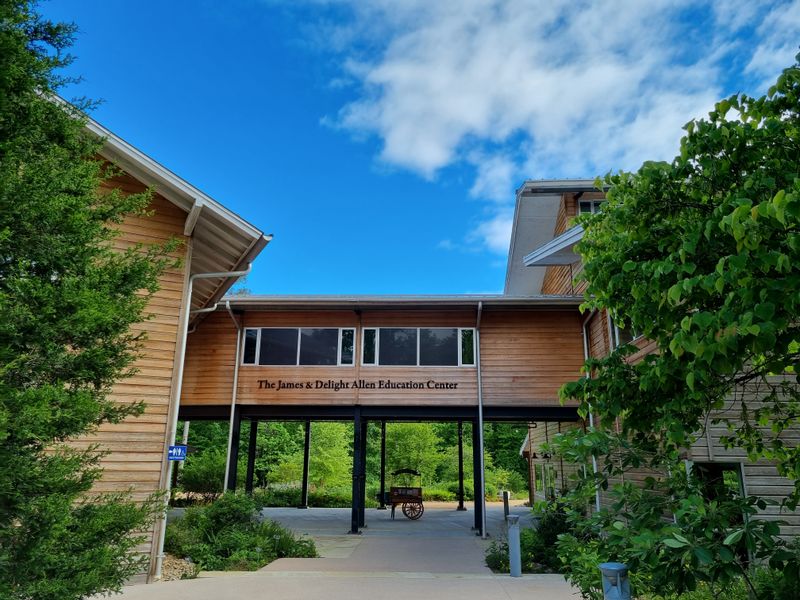
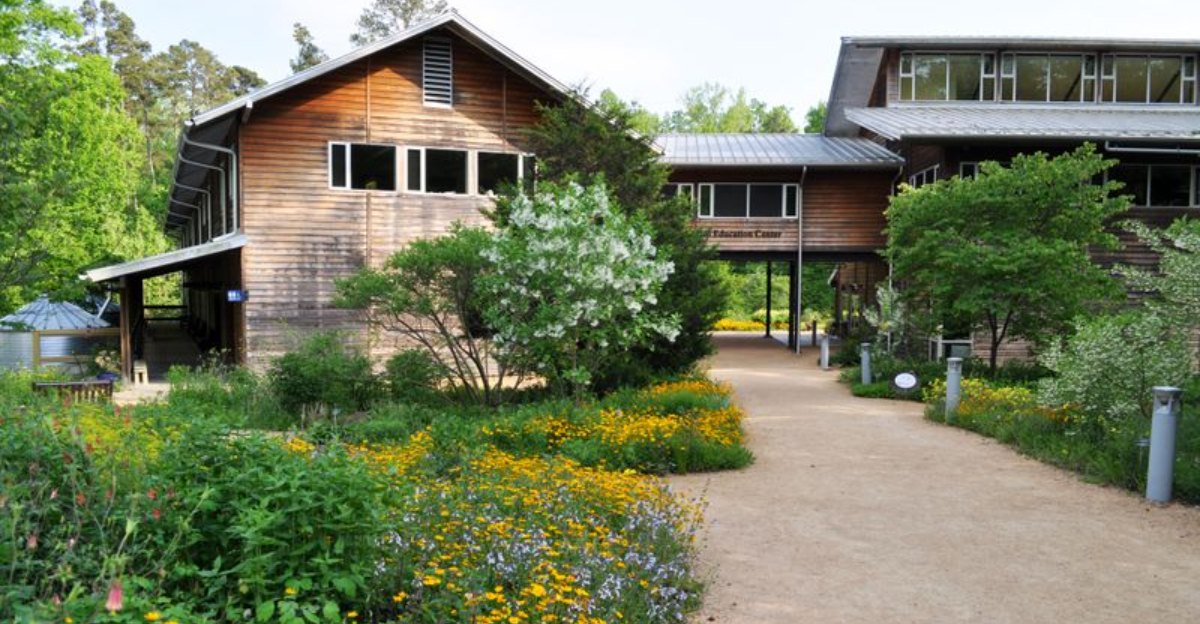
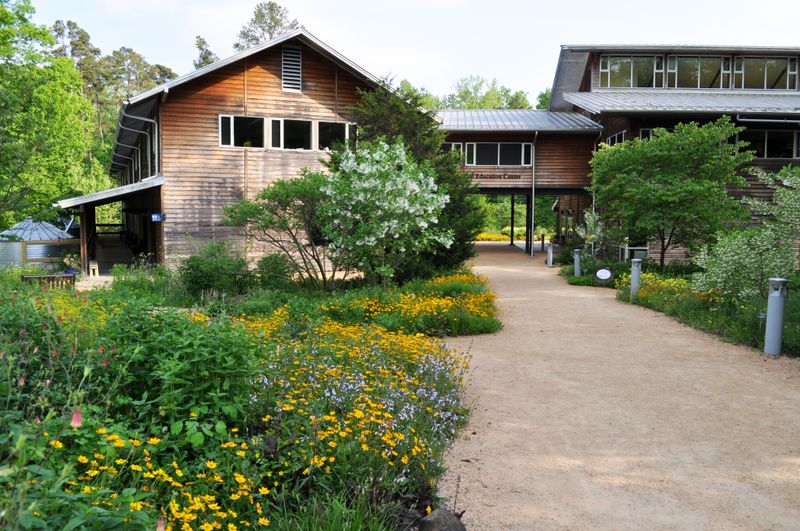
This LEED Platinum-certified building demonstrates cutting-edge sustainable design and environmental responsibility. The center houses educational programs, rotating exhibits, and a well-stocked garden shop. Its architecture incorporates green building principles that minimize environmental impact while maximizing energy efficiency.
Visitors explore interactive exhibits that explain plant science, ecology, and conservation in accessible ways. The building itself serves as a teaching tool, showing how structures can work in harmony with nature. Clean restrooms and climate-controlled spaces provide comfortable amenities for guests year-round.
The garden shop offers native plants, gardening supplies, and nature-themed gifts supporting the garden’s mission. Staff members answer questions and provide guidance for creating wildlife-friendly gardens at home. Educational programs for all ages launch from this central hub, covering topics from botany to sustainability.
The center’s design includes features like rainwater collection, solar panels, and natural ventilation systems. These elements reduce operational costs while modeling environmental stewardship for visitors. The building proves that educational facilities can be both functional and environmentally responsible at 100 Old Mason Farm Rd.
Battle Park Extends Natural Beauty Beyond Garden Boundaries
Adjacent to the botanical garden, this 90-acre forested area offers additional trails and natural exploration opportunities. Battle Park’s connection to the garden creates an expansive green corridor through Chapel Hill. The combined spaces provide hours of outdoor recreation without ever needing to leave the area.
Trails wind through mature hardwood forests showcasing classic Piedmont ecology. The park preserves natural beauty while remaining easily accessible to university students and community members. Historic significance adds another layer of interest, as the park commemorates important local history.
Runners and walkers appreciate the extended trail network that Battle Park contributes to the overall landscape. Wildlife corridors connecting the park and garden allow animals to move freely between protected spaces. This connectivity proves crucial for maintaining healthy populations of birds, mammals, and other creatures.
The park’s forested hillsides provide dramatic elevation changes and scenic overlooks. Seasonal streams trickle through ravines after rain, creating soothing soundscapes for contemplative walks. Together, Battle Park and the botanical garden at 100 Old Mason Farm Rd create an urban oasis.
Educational Programs Connect Students With Nature
Field trips bring school groups to the garden for hands-on learning aligned with educational standards. Programs cover ecology, botany, conservation, and environmental science through interactive outdoor experiences. Teachers appreciate curriculum-aligned content that makes abstract concepts tangible through direct observation and experimentation.
The Native Plant Studies certificate program offers adults opportunities for in-depth botanical education. Seasonal flora classes teach plant identification skills that deepen understanding of regional ecosystems. Courses led by expert instructors like Alan Weakley provide college-level content in accessible formats.
Students participate in activities ranging from stream studies to plant identification to habitat restoration projects. The garden’s diverse ecosystems serve as outdoor classrooms where learning happens naturally. Programs accommodate different age groups and learning styles, ensuring everyone finds appropriate engagement levels.
Nature festivals and special events bring families together for educational entertainment. The Discovery Room offers indoor learning spaces when weather doesn’t cooperate with outdoor plans. Educational initiatives at 100 Old Mason Farm Rd inspire lifelong curiosity about the natural world and environmental stewardship.
Volunteer And Internship Opportunities Build Community Connections
Community members and students engage directly with horticulture through hands-on volunteer programs. Volunteers contribute to garden maintenance, educational programs, and special events throughout the year. These opportunities foster deeper connections with nature while building valuable skills and knowledge.
Internship programs provide structured learning experiences for students pursuing botanical or environmental careers. Participants work alongside professional horticulturists and educators, gaining practical experience in garden operations. The programs attract dedicated individuals who share passion for native plants and conservation.
Volunteers often describe their work as therapeutic, finding peace and purpose in tending plants. The garden community welcomes newcomers with friendly orientation and ongoing support from experienced volunteers. Regular volunteer days create social connections among people who share interests in gardening and nature.
Students completing internships build resumes while contributing meaningfully to conservation and education missions. The programs demonstrate how botanical gardens serve as community hubs beyond just visitor attractions. Getting involved at 100 Old Mason Farm Rd transforms passive visitors into active participants in environmental stewardship.
Free Admission Makes Natural Beauty Accessible To Everyone
No entrance fees mean everyone can enjoy this botanical treasure regardless of financial circumstances. The garden opens Tuesday through Sunday from 9 AM to 5 PM, closing Mondays and university holidays. Free admission removes barriers that might otherwise prevent families from experiencing natural beauty and outdoor education.
Ample parking accommodates visitors, though popular times may require arriving early or parking along nearby roads. The gift shop offers affordable native plants and nature-themed items for those wanting to support the garden. Memberships provide additional benefits while helping sustain operations and conservation programs.
The free admission policy reflects the garden’s educational mission and commitment to community access. Visitors can return repeatedly throughout the year without worrying about accumulating admission costs. This accessibility encourages regular visits that deepen understanding and appreciation of seasonal changes.
Special events like Christmas lights displays and nature festivals enhance the calendar with memorable experiences. The 4.7-star rating from over 1,300 reviews confirms that visitors consistently find value in their experiences. Free entry to 100 Old Mason Farm Rd makes natural beauty democratically available to all.