Explore This North Carolina Trail Perfect For A Spring Adventure
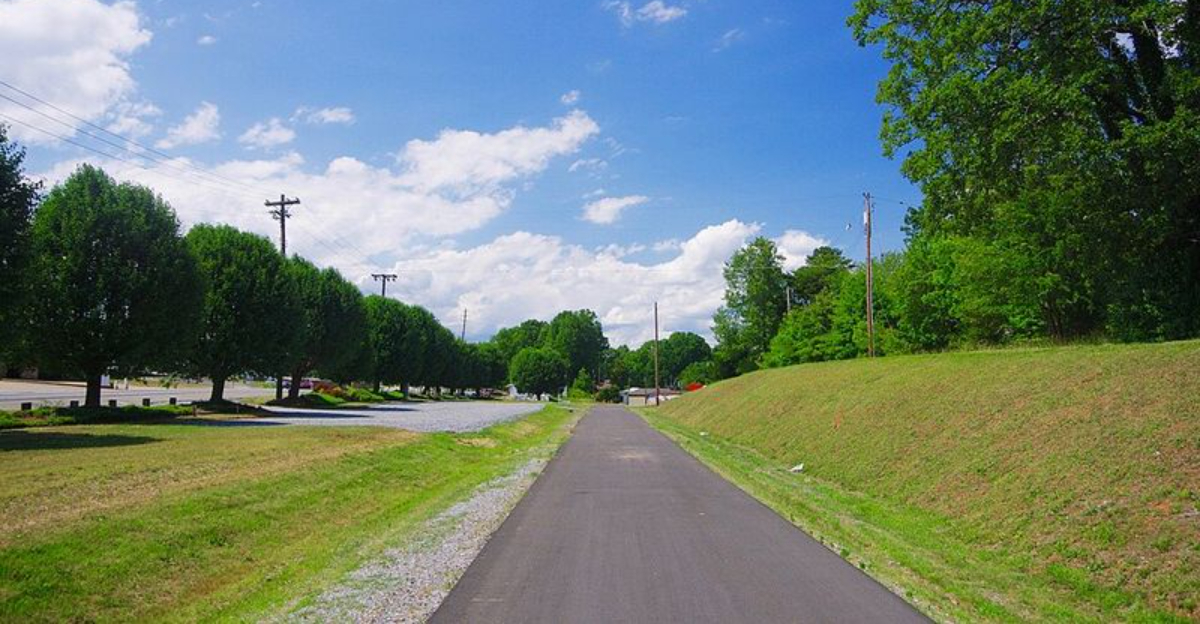
Picture a smooth paved path stretching over 13 miles through small towns and shaded countryside where spring blooms paint the landscape in fresh greens and bright colors. The Thermal Belt Rail-Trail winds through Rutherford County connecting four communities with a ribbon of asphalt perfect for biking, walking, and running when the weather warms up and outdoor adventures call.
This rail-trail sits in a special climate zone called the isothermal belt where temperatures stay milder than surrounding areas and frost arrives later in fall and departs earlier in spring. Spring in North Carolina means ideal conditions for exploring this path without summer heat or winter chill.
The trail offers something for everyone from history buffs who want to see old mint sites to families looking for safe flat terrain to cyclists seeking a long uninterrupted ride. Towns along the route provide rest stops, food options, and parking areas that make planning a visit straightforward and stress-free.
1. Paved Surface Stretches Over Thirteen Miles
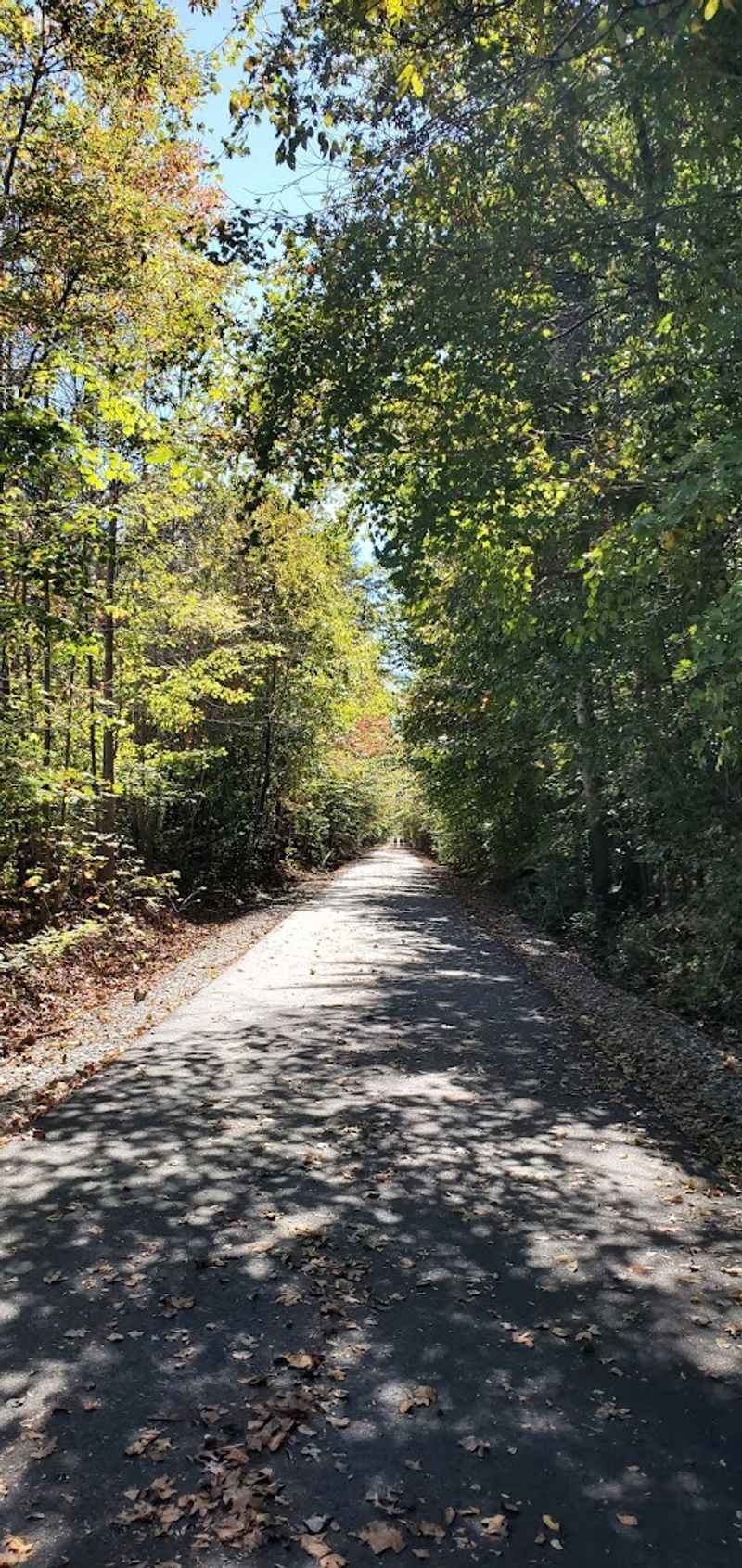
The entire Thermal Belt Rail-Trail features a 12-foot-wide asphalt surface that runs continuously for 13.58 miles without gravel sections or rough patches. This width accommodates cyclists passing walkers comfortably and allows room for families to ride side by side.
Paving quality remains consistent from one end to the other according to visitors who describe the surface as smooth and well-maintained. The trail follows a former railroad bed which means grades stay gentle and steep climbs never appear along the route.
Flatness makes this path accessible for beginners, young children on bikes, and anyone who prefers not to tackle hills during outdoor exercise. The consistent surface also works well for inline skaters and people pushing strollers or wheelchairs.
Spring brings fresh line painting and any winter weather damage typically gets repaired before peak season arrives. Maintenance crews keep the asphalt clear of debris and fallen branches that might create hazards.
Riding or walking the full distance takes between one and three hours depending on pace and how many stops get made in towns along the way.
2. Four Towns Connect Along The Route
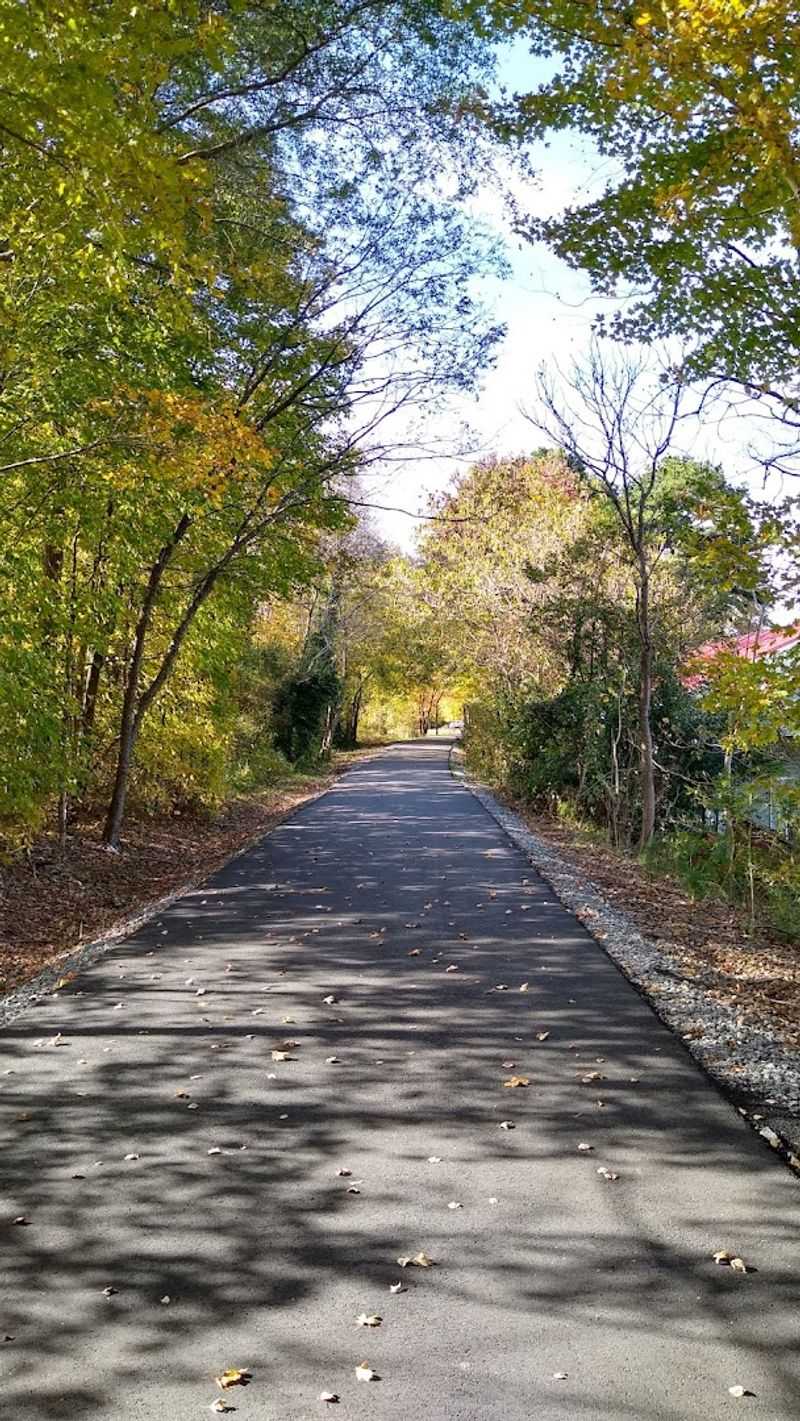
Gilkey marks the northern endpoint where parking and trail access begin the journey southward through Rutherford County. Rutherfordton comes next as the county seat with historic buildings and downtown shops visible from the trail corridor.
Spindale appears around the midpoint offering recreational facilities and community spaces that trail users can access. Forest City serves as the southern terminus with additional parking and amenities for people starting their adventure from that direction.
Each town brings different character and services to the trail experience from quiet rural settings to busier downtown areas. Passing through multiple communities means restrooms, water, and food become available at regular intervals rather than requiring people to carry everything they need.
Spring weekends may bring more local activity in town centers with farmers markets or community events happening near the trail. Weekday visits tend to feel quieter especially in the stretches between towns where rural landscapes dominate.
The trail creates a safe route for residents to travel between communities without needing cars which adds to the number of people using the path during morning and evening commute times.
3. Historic Bechtler Mint Site Appears Along The Path
Gold mining shaped this region during the 1800s and the Bechtler Mint Site Historic Park preserves the location where private gold coins were struck between 1831 and 1857. Christopher Bechtler and his family operated this mint producing gold coins that circulated throughout the United States before the Civil War.
The site sits in Rutherfordton along the trail route with interpretive signs explaining the minting process and the significance of this operation. Spring visits mean comfortable temperatures for stopping to read displays and explore the preserved area without summer heat.
This mint produced more gold coins than the United States Mint in Charlotte during some years making it an important part of American monetary history. The Bechtler family served miners and gold prospectors who needed their gold dust converted into usable currency.
The park area includes foundations and historical markers that help visitors understand what the site looked like during active operation. Educational value makes this stop worthwhile for families with children learning about regional history or anyone interested in gold rush era stories.
The historic site requires no admission fee and remains open during trail hours from dawn to dusk.
4. Multiple Access Points Provide Parking Options
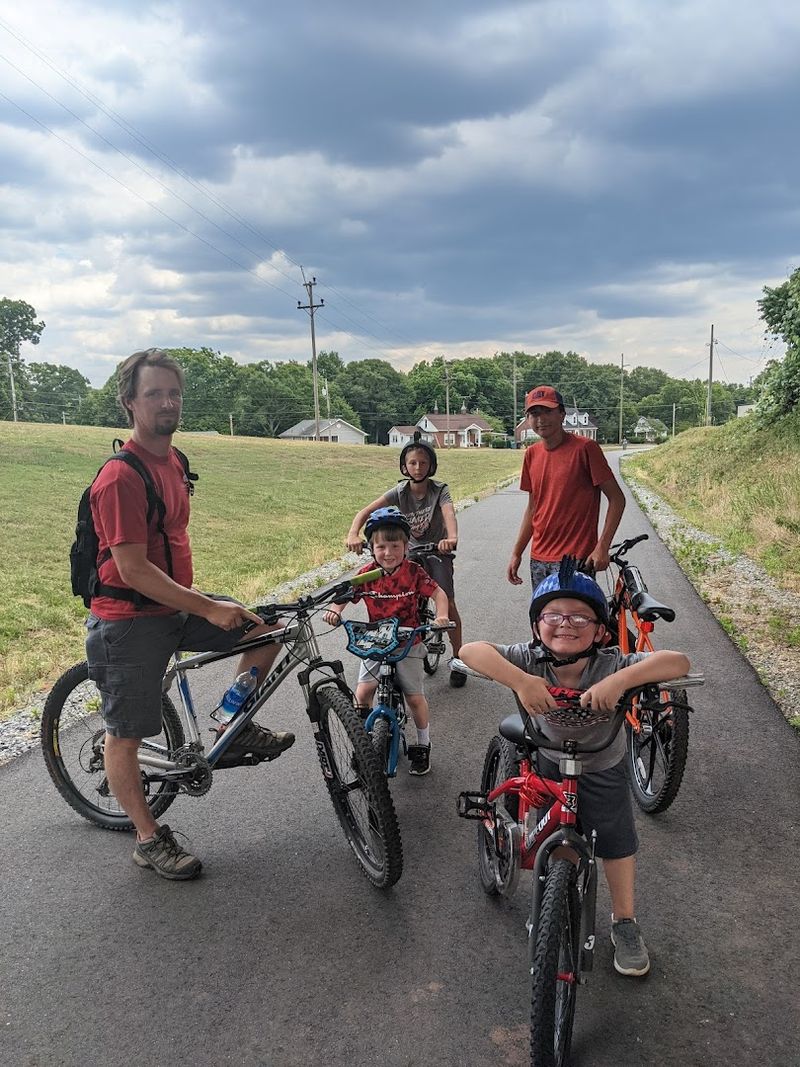
Trail access exists at multiple locations throughout the 13-mile route so visitors can choose starting points based on how far they want to travel. Gilkey offers parking at the northern end while Forest City provides spaces at the southern terminus.
Rutherfordton and Spindale both feature parking areas near their downtown sections allowing shorter out-and-back trips rather than requiring the full distance. These access points include basic amenities like information kiosks that display trail maps and rules.
Parking areas generally accommodate standard vehicles without fees or permits required for use. Space availability varies with weekends and spring weather bringing more visitors than weekday mornings or overcast days.
Some access points sit near residential neighborhoods while others connect to parks or recreational facilities. Choosing an entry point near desired amenities like restrooms or food options helps with trip planning.
The multiple access locations also create opportunities for one-way trips if someone can arrange pickup at a different point along the trail. Shuttle services do not operate officially so planning transportation requires coordination between group members.
Trail maps available online show all access points with parking so advance planning helps identify the best starting location for individual needs and distances.
5. Bike Repair Stations Help With Mechanical Issues
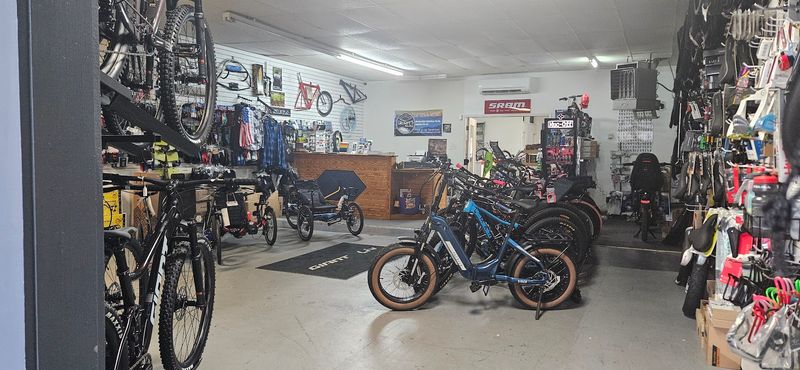
Mechanical problems can end a bike ride quickly but the Thermal Belt Rail-Trail includes repair stations at strategic locations along the route. These stations feature basic tools hanging on cables that allow cyclists to make adjustments or fix common issues without carrying full tool kits.
Air pumps at these stations help riders inflate tires that have lost pressure during the ride. The stations get positioned at intervals that prevent long walks if a breakdown happens far from parking areas.
Spring maintenance often includes checking these stations to ensure tools remain functional and air pumps work properly. Some wear occurs from public use but replacement parts typically get installed before peak season begins.
The presence of repair stations encourages people to attempt longer rides knowing help exists if problems develop. Families with less experienced cyclists benefit from this safety net that reduces anxiety about mechanical failures.
These amenities represent thoughtful planning that improves user experience beyond just providing a paved surface. Not every rail trail includes such features so this attention to cyclist needs stands out.
Basic bike knowledge helps with using the tools effectively though simple tasks like tightening loose components or adjusting seats require minimal experience.
6. Recreational Facilities Add Activity Options
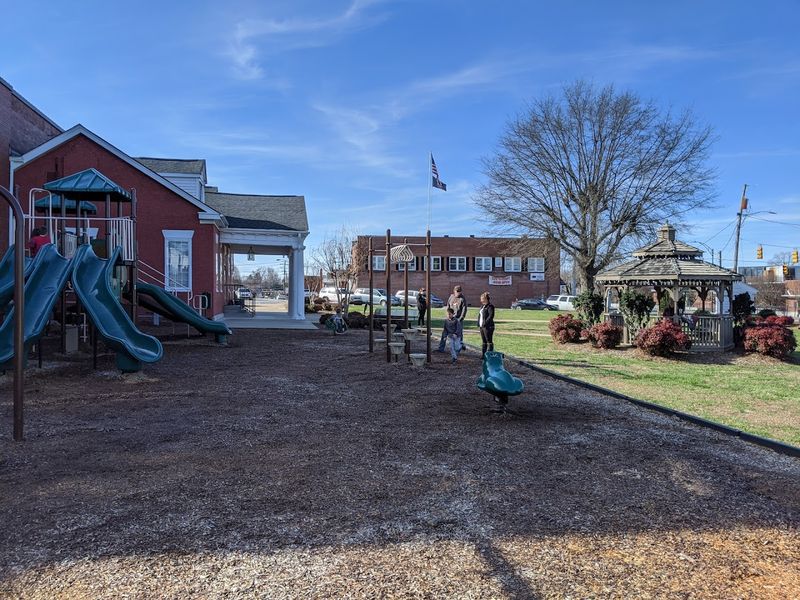
Around mile marker seven near Spindale, the trail passes the Spindale House which features pickleball courts available for public use. Pickleball has grown popular in recent years and these courts see regular use from both trail visitors and local residents.
Further along at mile 10.5, the Callisons Recreation Center provides tennis courts, a golf course, and a public swimming pool adjacent to the trail. Spring temperatures may not support swimming yet but tennis and golf become enjoyable as weather warms.
These facilities create opportunities to combine trail activities with other forms of recreation during a single visit. Families can bike part of the trail then stop for pickleball or tennis before continuing their ride.
The recreation areas include parking separate from trail access points so people coming specifically for courts or pools do not need to use the trail itself. However, the proximity encourages multi-activity visits that extend time spent outdoors.
Spring brings maintenance and preparation to outdoor courts and pools as facilities ready for increased use. Courts typically open earlier in spring than pools which require warmer sustained temperatures.
Information about facility hours and any fees for court or pool use can be found through local parks and recreation departments.
7. Dining Options Exist In Trail Towns
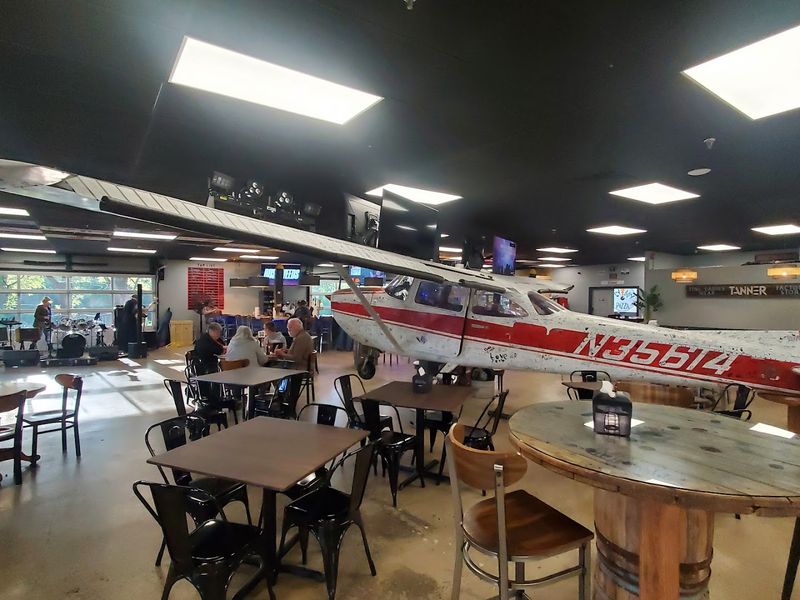
Flyboy Pizza in Rutherfordton sits near mile marker 3.5 and receives positive mentions from trail users who appreciate the convenient location and food quality. The restaurant provides a logical stopping point for people riding north to south or vice versa.
Forest City offers additional dining choices near the southern trail access though specific options change as businesses open and close. Spring brings outdoor seating opportunities at some establishments when weather permits.
Planning meal stops requires checking current business hours since some local restaurants close certain weekdays or operate limited hours. Spring shoulder season may see reduced hours compared to peak summer months.
Carrying snacks remains wise even when planning restaurant stops since timing does not always work perfectly with hunger and business hours. The trail passes through some rural sections where food options disappear for several miles.
Local eateries provide chances to support small businesses while enjoying regional food styles. Rutherford County dining reflects North Carolina cuisine with southern influences and local ingredients.
Some trail users pack lunches and use shelters or benches along the route rather than stopping at restaurants. This approach offers flexibility and cost savings though it requires advance preparation.
8. Safety Rules Keep The Trail Orderly
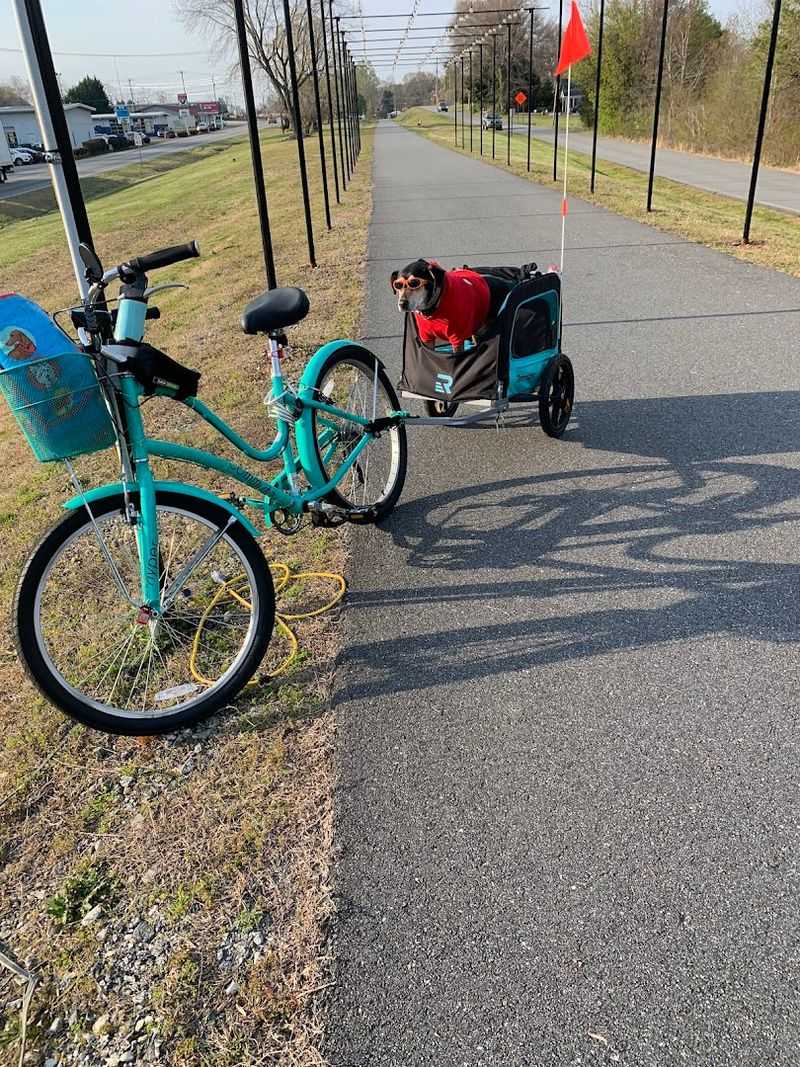
Motorized vehicles except wheelchairs and mobility devices are prohibited on the trail to maintain safety for pedestrians and cyclists. This rule keeps the path quiet and free from engine noise or exhaust fumes.
Pets must remain on leashes at all times which protects wildlife, prevents conflicts between animals, and ensures other trail users feel comfortable. Spring brings more people walking dogs as weather improves and leash compliance becomes especially important.
Trail hours run from dawn to dusk with use outside these times prohibited. Lighting does not exist along the route so darkness creates safety hazards for anyone attempting to use the trail after sunset.
Speed limits and passing etiquette encourage courtesy between faster cyclists and slower pedestrians. Calling out when passing and keeping right except when overtaking helps everyone share the space safely.
Some reviews mention concerns about certain sections feeling less safe though most users report positive experiences. Staying aware of surroundings and traveling during daylight hours addresses most security concerns.
The trail sees regular use which generally improves safety through the presence of other people. Weekday mornings may feel quieter than weekend afternoons when family groups and recreational riders increase trail traffic.
9. Community Support Maintains Trail Quality
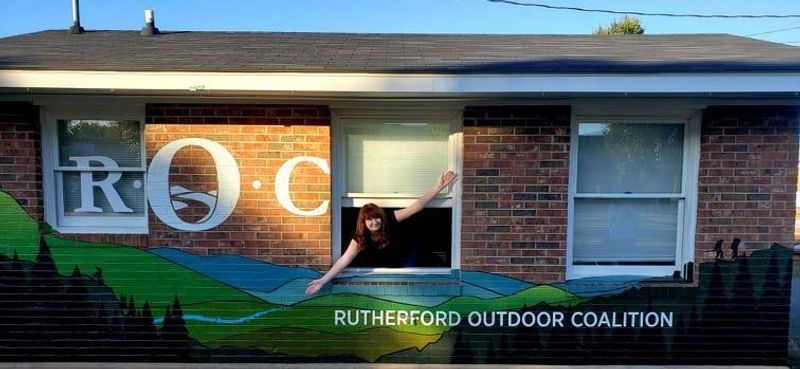
The Rutherford Outdoor Coalition advocates for trail maintenance and outdoor recreation opportunities throughout the county. This organization works with local governments and volunteers to keep the Thermal Belt Rail-Trail in good condition.
Community events like the TBRT Amazing Race bring attention to the trail while creating fun competitions that showcase local businesses and trail features. These events build connections between trail users and communities along the route.
Volunteer efforts supplement official maintenance by picking up litter, reporting problems, and organizing improvement projects. Spring often brings volunteer cleanup days as groups prepare the trail for increased seasonal use.
Local support ensures the trail receives funding and attention necessary for long-term sustainability. Rails-to-trails projects depend on community buy-in to succeed beyond initial construction.
Business partnerships create sponsorship opportunities that fund amenities and events without relying solely on government budgets. The collaboration between public and private sectors strengthens trail operations.
Future expansion plans to extend the trail to Ellenboro demonstrate ongoing commitment to expanding recreational infrastructure. Community support makes these expansion projects possible through advocacy and participation in planning processes.
Getting involved through volunteer opportunities or organizational membership helps ensure the trail continues serving the region well.
10. Suitable For Various Skill Levels And Ages
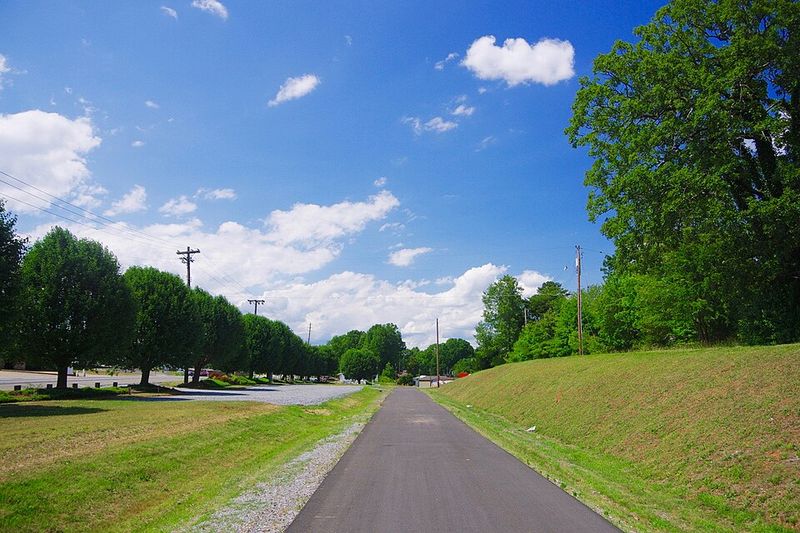
Flat terrain and smooth pavement make this trail accessible for beginners who lack experience with challenging bike routes or long distances. Children learning to ride can build confidence on the predictable surface without worrying about sudden hills or rough ground.
The rail-trail format follows the former railroad grade which means engineers designed the original route to avoid steep sections. This gentle profile allows people of different fitness levels to enjoy the trail without struggling.
Multiple access points let users choose distances matching their abilities rather than committing to the full 13-mile route. A family might ride three miles out and back while experienced cyclists complete the entire trail in one direction.
Spring weather creates ideal conditions for introducing children or newcomers to trail activities since temperatures stay comfortable and summer heat has not yet arrived. The season encourages outdoor activity without the intensity of peak summer conditions.
Some reviews mention the trail being suitable for families and kids which confirms the accessible nature of the route. Cross streets and stop signs interrupt momentum periodically which some experienced cyclists find frustrating but families may appreciate as built-in rest opportunities.
The trail accommodates walkers, runners, and cyclists simultaneously which means mixed-ability groups can enjoy outings together with each person moving at their own pace.