Explore Washington Spokane’s Oldest Neighborhood With The Browne’s Addition Walking Tour
Browne’s Addition stands as Spokane’s oldest neighborhood, a place where history lives in every Victorian mansion and tree-lined street.
Walking through this district feels like stepping back to the 1880s, when the area first became home to Spokane’s wealthiest families and most ambitious architects.
Today, visitors can explore a remarkable collection of historic homes, parks, and cultural landmarks that tell the story of how Spokane grew from a frontier town into a thriving city.
Whether someone loves architecture, enjoys ghost stories, or simply wants to experience a neighborhood that has kept its character for over a century, Browne’s Addition offers something memorable at every corner.
Historic Significance
Platted during the 1880s when Spokane was still finding its footing as a city, Browne’s Addition quickly became the place where successful business owners, mining magnates, and prominent families chose to build their homes.
The neighborhood sits just west of downtown Spokane, bounded roughly by Sunset Boulevard to the north and the bluff above the Spokane River to the south.
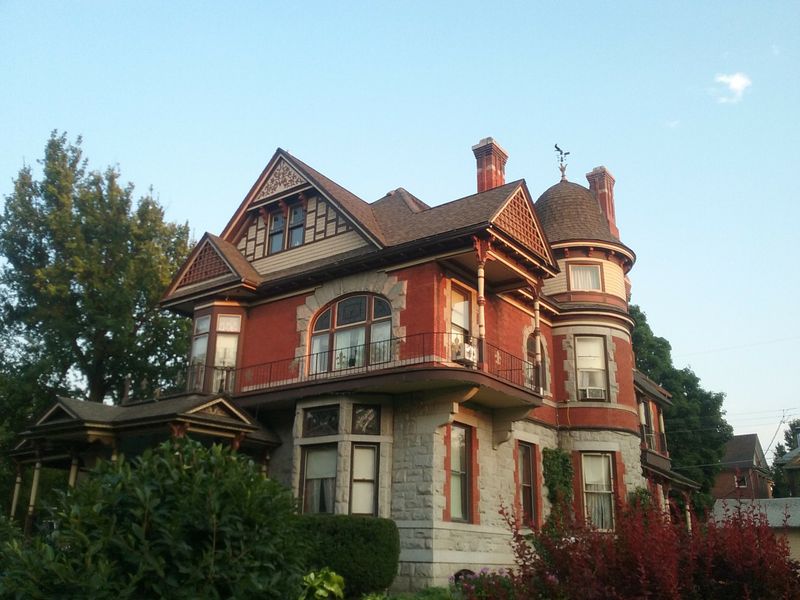
Victorian mansions rose alongside early American Craftsman-style homes, creating a streetscape that showed off the wealth and ambition of the era.
Families competed to hire the best architects and craftsmen, resulting in homes with intricate woodwork, stained glass windows, and grand staircases.
Walking these streets today reveals how the neighborhood served as a symbol of success during Spokane’s boom years, when fortunes were made in mining, timber, and rail.
Many original homes still stand, lovingly maintained by residents who appreciate the craftsmanship and stories embedded in every detail.
The area’s early development set a standard for residential neighborhoods throughout the Pacific Northwest.
Architectural Diversity
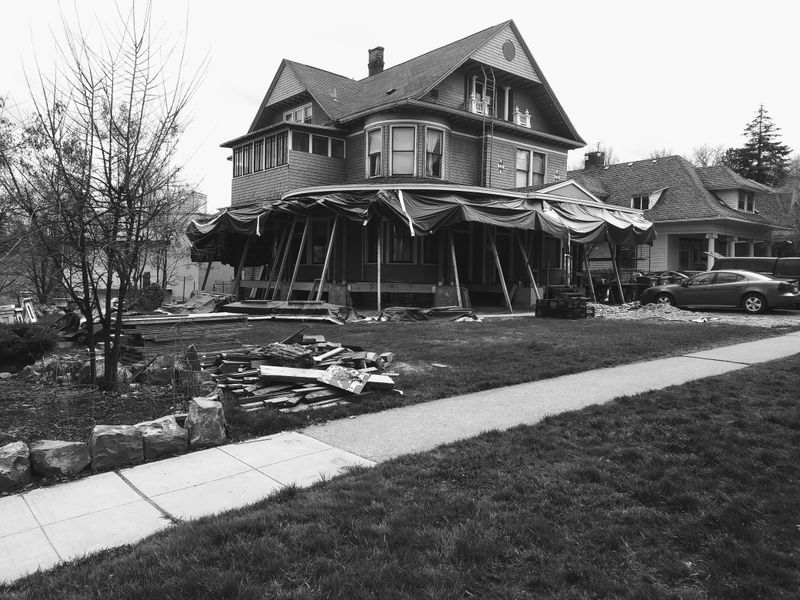
Nearly every residential architectural style that gained popularity in the Pacific Northwest between 1880 and 1930 can be found within Browne’s Addition, making it a living textbook for architecture enthusiasts.
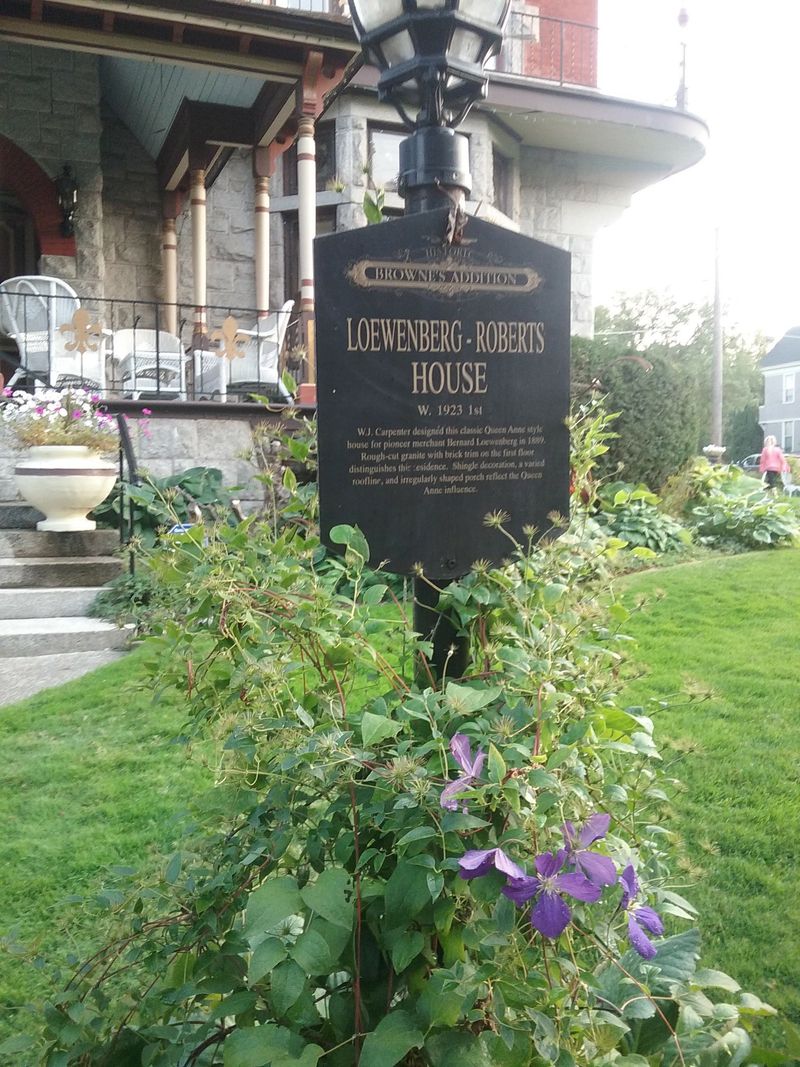
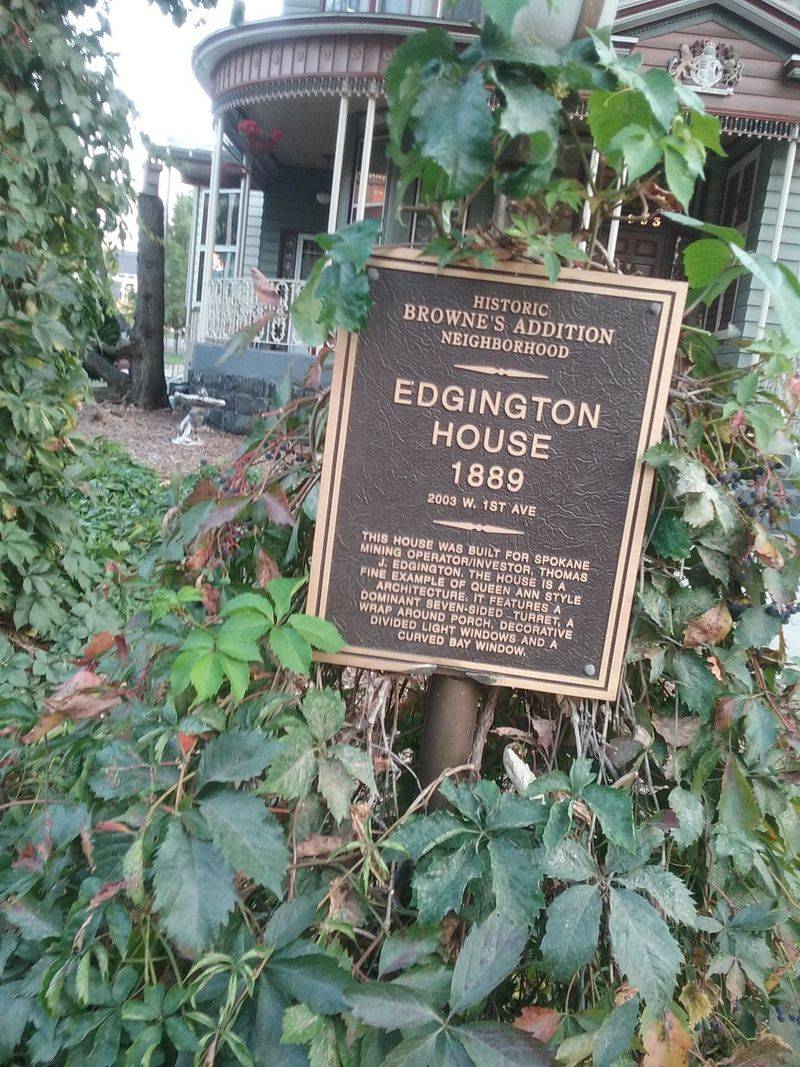
Queen Anne homes with their asymmetrical facades, turrets, and decorative trim stand alongside sturdy Craftsman bungalows featuring low-pitched roofs, exposed beams, and wide front porches.
Colonial Revival houses bring symmetry and classical details, while Tudor Revival structures add half-timbering and steeply pitched roofs to the mix.
Walking from block to block reveals how tastes changed over five decades, with each era leaving its mark.
The variety means that no two streets look quite the same, and visitors can spend hours spotting the differences in rooflines, window shapes, and porch designs.
Many homes have been carefully restored, with owners researching original paint colors and period-appropriate details.
This commitment to preservation helps the neighborhood maintain its character while still functioning as a living community.
Coeur d’Alene Park
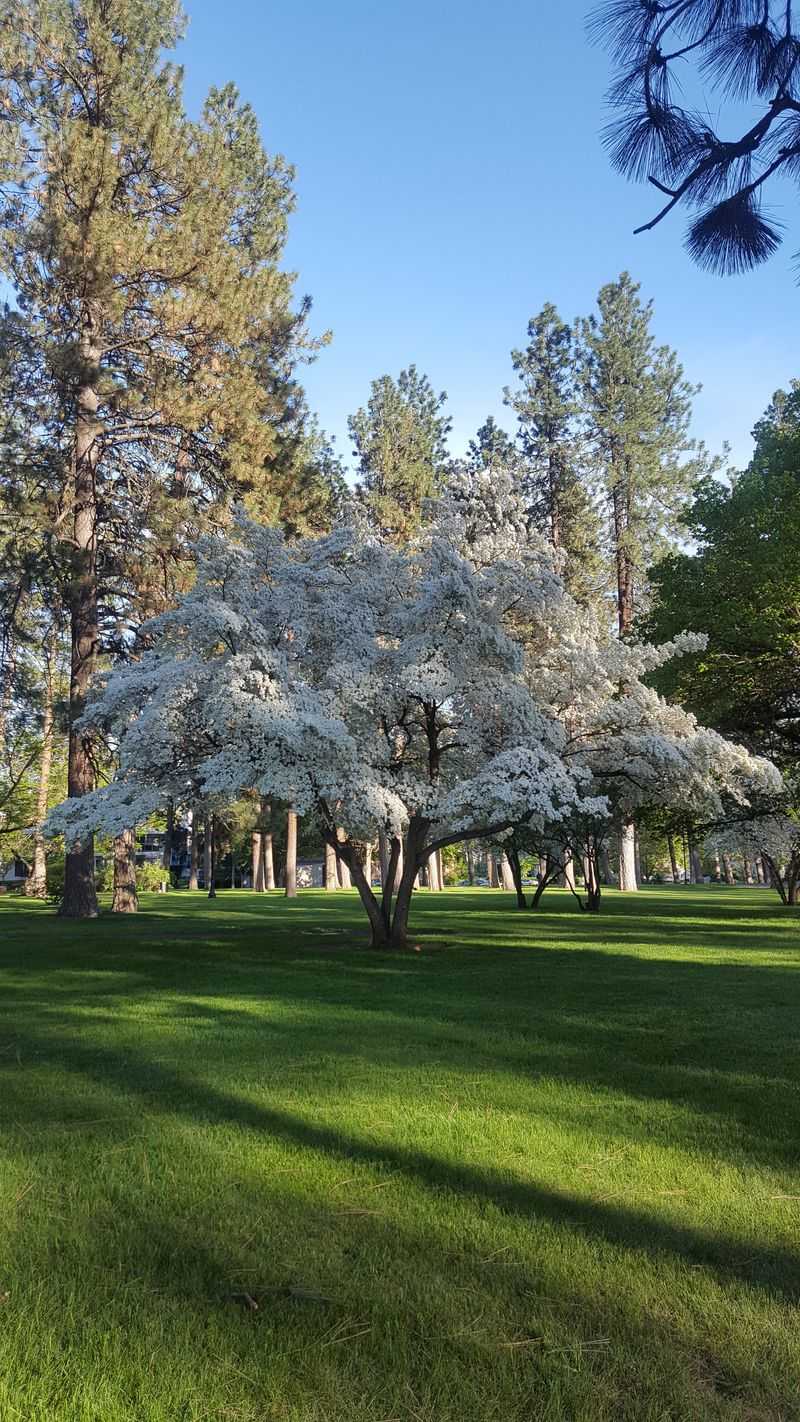
Established in 1891, Coeur d’Alene Park holds the distinction of being Spokane’s very first public park, a green space that has served the community for well over a century.
The park is located at 2195 W 2nd Ave, Spokane, WA 99201, sitting at the heart of Browne’s Addition where residents and visitors gather year-round.
Spanning about 10 acres, the park features mature trees that provide shade during summer months, open lawns perfect for picnics or casual games, and walking paths that invite leisurely strolls.
A replica of the original gazebo stands as a focal point, hosting summer concerts where people bring blankets and lawn chairs to enjoy live music under the stars.
Children use the playground equipment while adults chat on benches, creating a sense of community that has defined this space since its earliest days.
The park’s design reflects the late 19th-century belief that cities needed green spaces for public health and social connection, a philosophy that still resonates today.
Cultural Diversity

Browne’s Addition holds the distinction of being Spokane’s most culturally diverse neighborhood, where historic charm blends seamlessly with modern amenities and a population that reflects many backgrounds and lifestyles.
The neighborhood attracts young professionals, artists, students, families, and longtime residents who appreciate both the architectural beauty and the welcoming community atmosphere.
Coffee shops, small businesses, and community gathering spots create spaces where neighbors meet and conversations happen naturally.
This diversity strengthens the neighborhood, bringing different perspectives and traditions that enrich community events and daily life.
Unlike some historic districts that feel frozen in time or exclusive, Browne’s Addition remains a living neighborhood where people of various ages, incomes, and backgrounds share sidewalks and parks.
The mix of restored mansions, converted apartments, and more modest homes means housing options exist for different budgets and needs.
This inclusive character helps the neighborhood stay vibrant and relevant while still honoring its past, creating a balance that many historic districts struggle to achieve.
Haunted History
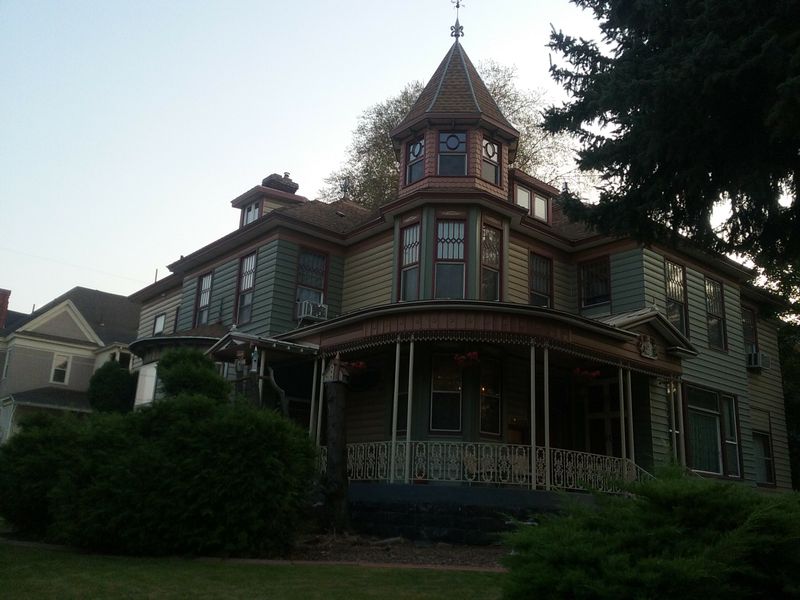
The rich history of Browne’s Addition comes with its share of ghost stories and legends, many based on local tales and historic newspaper articles that document the dramatic events that unfolded in these grand old homes.
Victorian mansions that have stood for over a century naturally accumulate stories of former residents, unexplained occurrences, and mysterious happenings that locals love to share.
Some tales involve wealthy families whose fortunes changed suddenly, while others tell of servants, tragic accidents, or unrequited love that supposedly left spiritual imprints on certain houses.
Historic records show that Browne’s Addition experienced its share of scandal, sudden deaths, and dramatic reversals of fortune during Spokane’s boom and bust cycles.
Haunted walking tours have become popular, with guides leading groups through darkened streets while sharing stories that blend documented history with neighborhood folklore.
Whether someone believes in ghosts or simply enjoys a good story, these tours offer a different perspective on the neighborhood’s past, highlighting the human drama that played out behind those elegant facades.
Patsy Clark Mansion
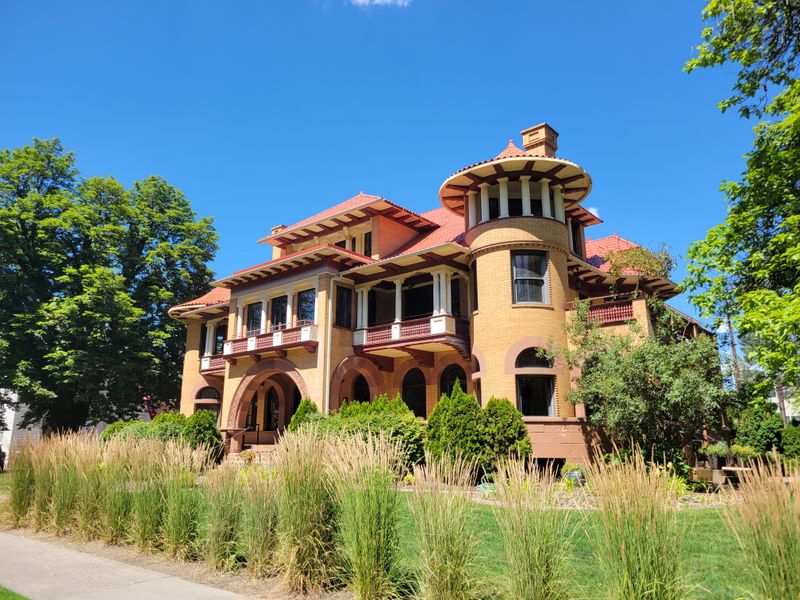
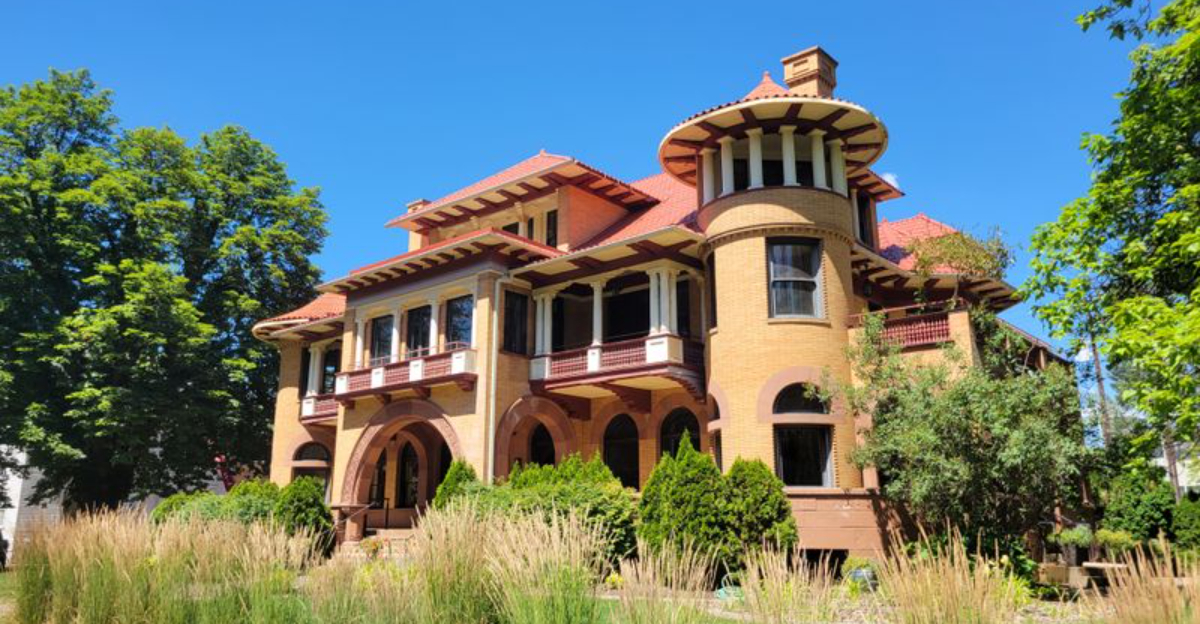
Designed by renowned architect Kirtland Cutter in 1897, the Patsy Clark Mansion stands as perhaps the most impressive example of the neighborhood’s architectural grandeur and the fortunes made during Spokane’s mining boom.
The mansion is located at 2208 W 2nd Ave, Spokane, WA 99201, occupying a prominent corner where its elaborate exterior catches the eye of every passerby.
Patrick Francis Clark, known as Patsy, made his fortune in mining and wanted a home that reflected his success, commissioning Cutter to create a Romanesque Revival masterpiece with stone walls, rounded arches, and a castle-like presence.
The interior once featured rich woodwork, ornate fireplaces, and luxurious details that showcased the finest craftsmanship available at the turn of the century.
Over the years, the building has served various purposes, including time as a restaurant, though its status can change.
Walking past the mansion offers a glimpse into the ambitions of Spokane’s early elite and the skill of architects who shaped the city’s identity.
Community Events
Throughout the year, Browne’s Addition hosts various community events that bring residents and visitors together while celebrating the neighborhood’s rich heritage and creative spirit.
Art festivals showcase local artists, with paintings, sculptures, and crafts displayed in parks and along streets where visitors can meet creators and purchase original works.
Historic home tours offer rare opportunities to step inside beautifully restored Victorian and Craftsman homes, seeing firsthand the intricate woodwork, period furnishings, and architectural details that define the neighborhood.
Homeowners who participate in these tours often share stories about restoration challenges, surprising discoveries during renovations, and the research required to maintain historical accuracy.
These events emphasize the neighborhood’s dedication to preserving its rich heritage while fostering community spirit and welcoming newcomers.
Seasonal gatherings, including summer concerts in Coeur d’Alene Park and holiday celebrations, create traditions that connect current residents with the neighborhood’s long history of community engagement.
Participating in these events offers insight into what makes Browne’s Addition more than just a collection of old houses.
Northwest Museum Of Arts And Culture
The Northwest Museum of Arts and Culture, often called MAC, plays an important role in Browne’s Addition by offering classes on home restoration and local history that help residents preserve the neighborhood’s historic houses.
Located at 2316 W 1st Ave #100, Spokane, WA 99201, the museum sits within the historic district, making it a natural resource for homeowners tackling restoration projects.
Classes cover topics like period-appropriate paint colors, window restoration, maintaining original hardwood floors, and researching the history of specific homes.
The museum’s collections include photographs, documents, and artifacts that tell the story of Spokane’s development, with Browne’s Addition featured prominently in exhibits about the city’s early years.
Visitors can explore galleries showcasing regional art, Native American artifacts, and historical displays that provide context for understanding the neighborhood’s place in Spokane’s growth.
The museum’s commitment to preservation education ensures that restoration work maintains historical integrity while meeting modern living needs.
This resource helps the neighborhood avoid the pitfall of inappropriate renovations that can diminish historic character.
Urban Wilderness Hike
Browne’s Addition serves as a key stop on the Urban Wilderness Hike, a 3-mile trek that blends city stories with natural landscapes, offering insights into Spokane’s history, ecology, and the relationship between urban development and the surrounding environment.
The hike connects several neighborhoods and natural areas, showing how Spokane developed along the Spokane River and how green spaces were preserved even as the city grew.
Walking through Browne’s Addition as part of this longer journey highlights how the neighborhood’s location on the bluff provided both prestige and practical advantages, with views and access to downtown.
Participants learn about native plants, geological features, and wildlife that exist alongside historic homes, creating awareness of the natural systems that support urban life.
The route typically includes stops at Coeur d’Alene Park and other green spaces where guides discuss both human and natural history.
This combination of topics appeals to people interested in architecture, ecology, or simply experiencing Spokane from a different perspective.
The hike demonstrates how historic preservation and environmental awareness can coexist and enrich each other.
Historic Preservation
Browne’s Addition received recognition when it was listed in the National Register of Historic Places in 1976, a designation that acknowledged the neighborhood’s significance and helped ensure the preservation of its historic character for future generations.
This federal recognition came after community members and preservationists documented the neighborhood’s architectural importance and advocated for protection against inappropriate development or demolition.
Being listed in the National Register doesn’t prevent changes, but it does provide review processes for major alterations and makes certain tax incentives available for historically sensitive restoration work.
The designation also raises awareness about the neighborhood’s value, encouraging residents and city officials to consider historical context when making decisions about development and zoning.
Over the decades since 1976, this recognition has helped Browne’s Addition maintain its distinctive character even as Spokane has grown and changed around it.
Many homes have been carefully restored rather than demolished, with owners taking pride in preserving architectural details and researching their properties’ histories.
The National Register listing serves as both protection and celebration of what makes Browne’s Addition special.