Families Explore Hands-On Science And Regional History At The Museum Of Idaho
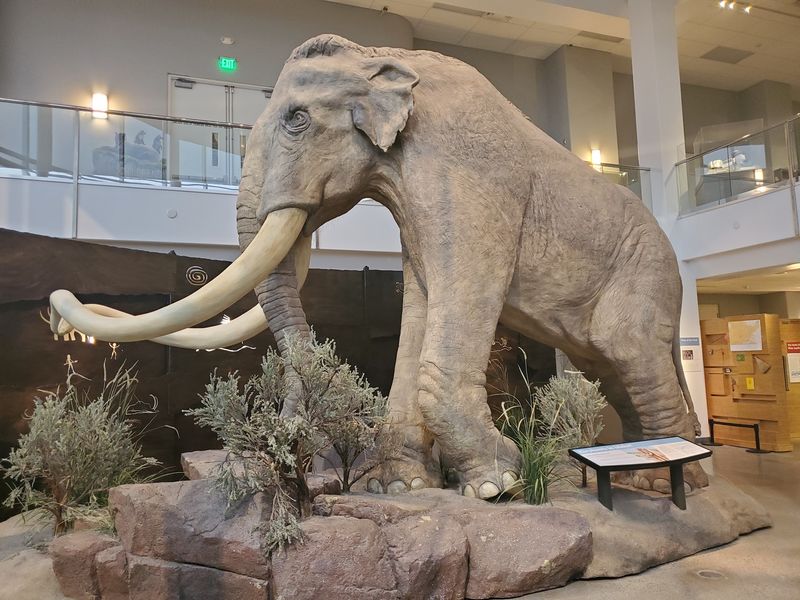
Somewhere in eastern Idaho, kids can aim an augmented-reality atlatl at a life-size Columbian mammoth. Then they can wander a darkened 1800s main street with a barber shop, candy store, and police station.
That is a lot of time travel for one afternoon. The same building also guards more than 80,000 items pulled from a single cave, including remains of mammoths, bison, and camels.
I like how this place refuses to pick between science and history. Fossils sit a short walk from pioneer storefronts, and a play room lets little ones climb pretend mountains.
Rotating exhibits keep shaking things up, from mummies to Permian monsters.
I believe the best family outings make adults curious too. So what happens when a former library becomes the spot where Idaho tells its whole story?
A Downtown Museum With A Very Big Job
Mammoths, mummies, and main street storefronts all share one address in downtown Idaho Falls. The Museum of Idaho calls itself a museum of science and regional history, and it takes both halves seriously.
Established in 2003, it has grown into one of the biggest learning stops in eastern Idaho. Its stated goal is bringing the world to Idaho, and Idaho to the world.
That mission shows up everywhere. Permanent galleries trace the story of the American West, while traveling exhibits bring in topics from far beyond the Snake River Plain.
Families get a lot of range under one roof. Dinosaurs, Native American history, geology, technology, and pioneer life all get their moment.
Kids also get spaces built just for them. A dedicated discovery room and scattered hands-on stations keep small explorers busy between bigger exhibits.
The museum runs as an independent nonprofit. Beyond the exhibits, it offers classes, lectures, archives, and evening events for grown-ups.
Most families can plan on roughly one to two hours, depending on pace. Add a rotating exhibit, and the clock can stretch past two hours without anyone noticing.
How A Women’s Club And A Carnegie Grant Built The Foundation
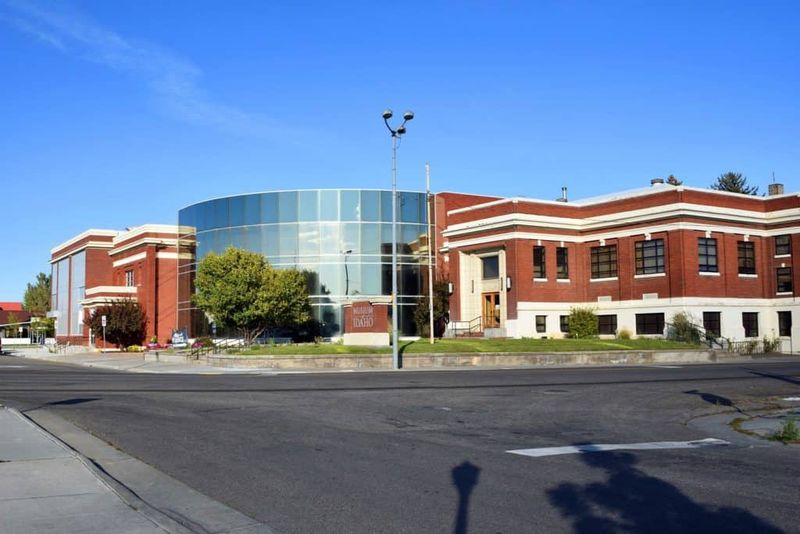
Long before anyone hung a mammoth display here, a group of Idaho Falls women had bigger plans for their frontier town. Their Village Improvement Society formed in 1898 to make the young community a better place.
They secured a grant from the Carnegie Foundation. A public library rose on the site between 1914 and 1916.
That library served readers until 1977. Meanwhile, the Bonneville County Historical Society formed in 1975 and worked to save the historic building.
Their effort paid off. The structure joined the National Register of Historic Places in 1984 and reopened as the Bonneville Museum in 1985.
Later came the Museum of Idaho, established in 2003. The building has seen big renovations over the years, growing far beyond its library roots.
I can’t imagine a better plot twist for an old library. A place built for books now tells stories with fossils, artifacts, and costumed docents.
Knowing that history adds something to a visit. The museum itself is part of the regional story it shares, which feels fitting for a town that once went by Eagle Rock.
Way Out West Puts The Whole Region On One Long Trail
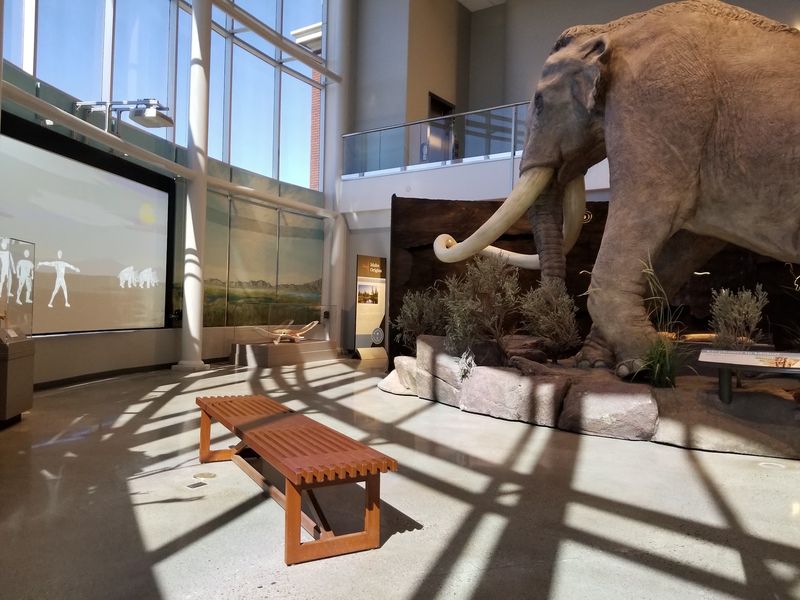
Seven themed galleries make up Way Out West, the flagship permanent exhibit. It traces the human and environmental story of Idaho and the wider American West.
The scale is ambitious. Visitors move from the region’s first inhabitants all the way to its present-day identity.
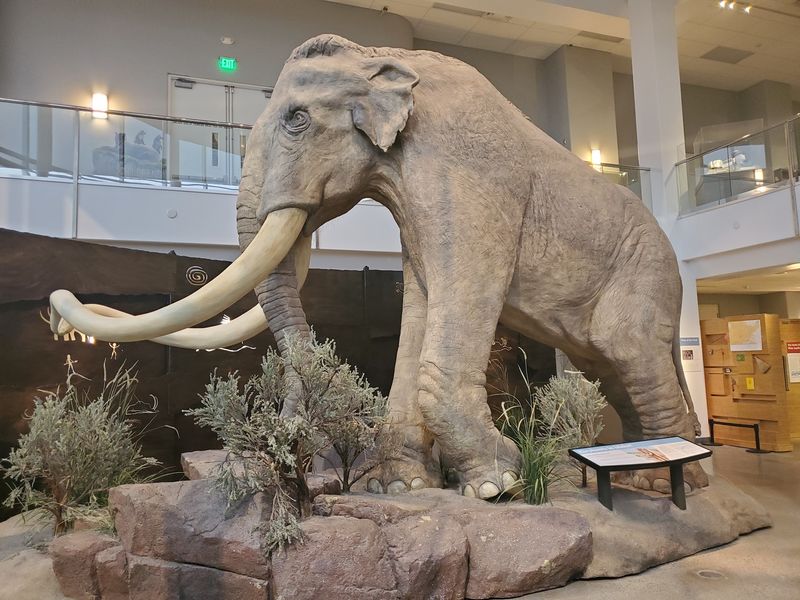
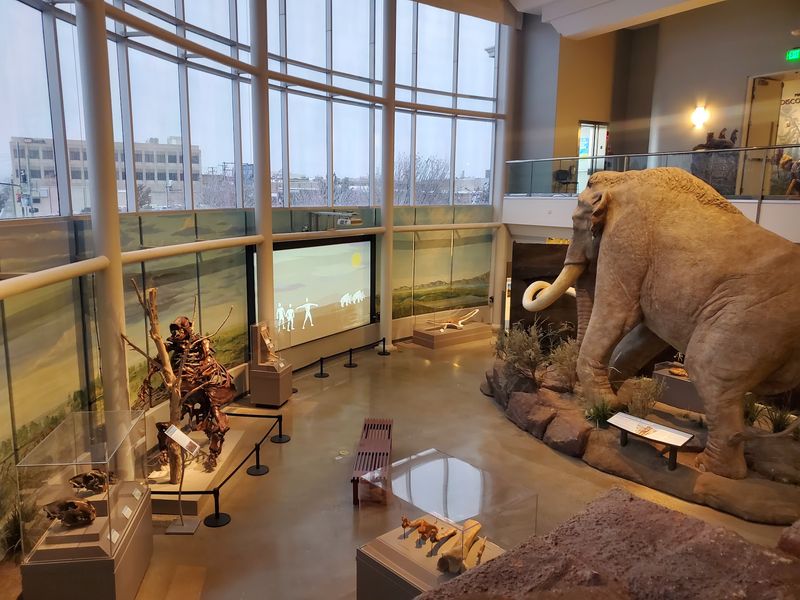
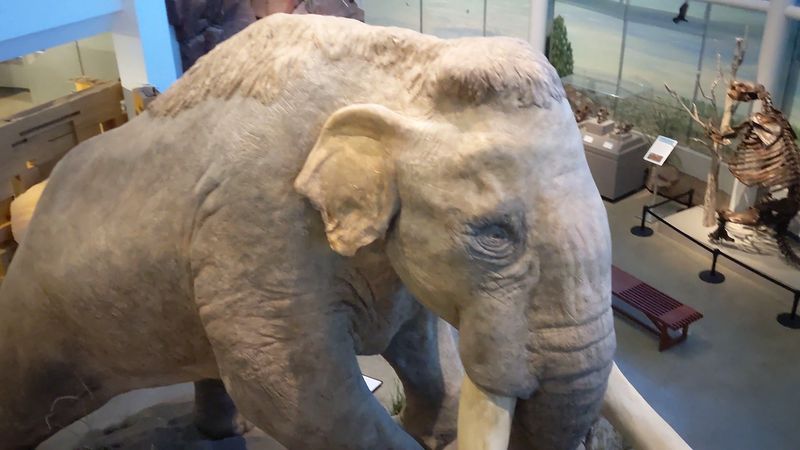
Early on, a life-size Columbian mammoth replica commands attention. Nearby, an augmented-reality atlatl lets visitors try to bring down a mammoth, imagining life some 13,000 years ago.
Good luck pulling kids away from that one. It turns ancient hunting into something they can feel in their hands.
Other galleries follow the fiery path of the Yellowstone Hotspot. They also explain how Idaho earned its Gem State nickname through rich natural resources.
Wildlife and land management get attention too. The exhibit connects the landscape to the people who learned to live on it.
Native American history weaves through the story as well. Agricultural stations help show how families farmed and fed growing communities across the Snake River Plain.
By the end, the timeline feels less like a textbook and more like a road trip. A very long one, with mammoths.
The Old Main Street Steals The Show
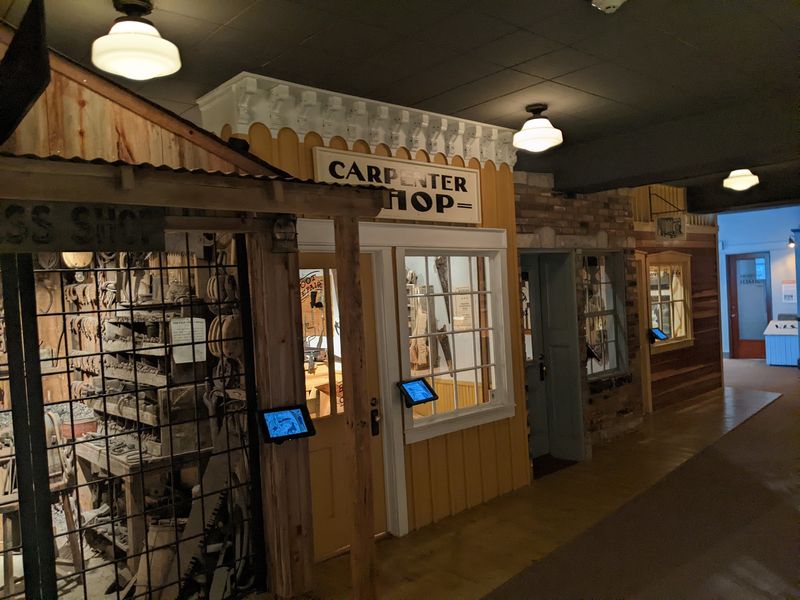
Lights dim, and suddenly the museum turns into a late-19th-century town. The Eagle Rock, USA streetscape recreates the community that later became Idaho Falls.
Stocked storefronts line the walk. You’ll spot a barber shop, a tailor shop, a candy store, and even a small police station.
Each business offers a peek into daily frontier life. It shows how pioneers turned a river crossing into a working town.
Plenty of newcomers have never heard the city’s origin story. This street fixes that fast, with no lecture required.
Costumed docents sometimes bring the era to life. Their passion for history adds a human voice to the old windows and shelves.
Kids tend to treat the street like a scavenger hunt. Adults often slow down to read signs and compare prices from a century ago.
I like how the darkened setting changes the mood instantly. It feels like stepping off the modern sidewalk and into an Idaho evening long past.
For many families, this is the part they mention first afterward. Small town, big memory.
Little Explorers Get Their Own Mountain To Climb
Toddlers rarely care about timelines, and the Marie Putnam Discovery Room gets that. It gives young kids a place to explore Idaho with their hands and imaginations.
Pretend mountains invite climbing. Make-believe caves invite crawling, and mini cabins hold puzzles and books.
Dress-up adds another layer. Kids can try on pioneer clothes and play as if they lived a hundred years ago.
Parents of preschoolers have a reason to smile here. The space is designed to keep curious little minds engaged without needing much explanation.
Even two-year-olds can join the fun. The scale feels right for small bodies and short attention spans.
Beyond the room, programs like Little Learners offer guided lessons for the youngest crowd. A grandparent can tag along and learn something too.
The museum has also hosted Spanish classes for little ones. It’s a sign that the building works as a community resource, not just a weekend stop.
Bigger siblings may claim they’re too old for it. Then they’ll somehow end up inside the cabin anyway.
Rotating Exhibits That Keep Return Trips Fresh
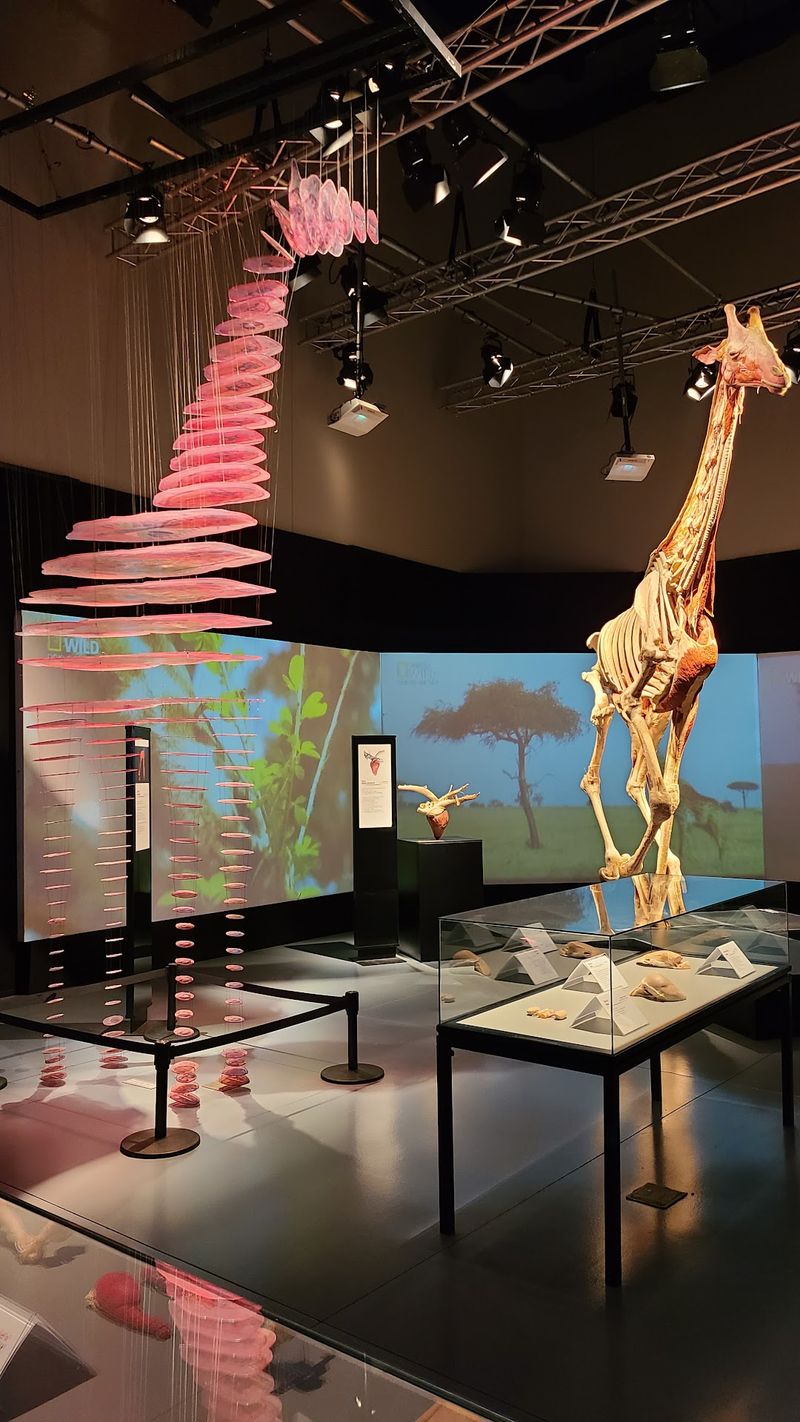
Mummies one year, Genghis Khan another, and then Permian monsters. The traveling exhibit lineup here rarely sits still.
Past shows have included Mummies of the World and an exhibit on artificial intelligence. Another let guests experiment with the revolutionary ideas of Galileo.
Life Before Dinosaurs opened January 31, 2026. It featured Permian-era creatures, animatronics, and spots where kids could dig up fossils.
Hands-on science pops up in smaller ways too. A chain reactions display and slime-making activities have kept kids glued in place.
Toytopia, a rainforest exhibit, and Dinos of the Deep have also passed through. The variety means a return visit can feel like a brand-new museum.
That’s a smart move for Idaho families. A pass to one place becomes access to a changing parade of worldwide topics.
Exhibits do rotate, so the current lineup matters. Check before driving if a specific show is the main reason for the trip.
Whatever is in town, it pairs nicely with the permanent galleries. One afternoon, two very different journeys.
80,000 Cave Treasures Behind The Scenes
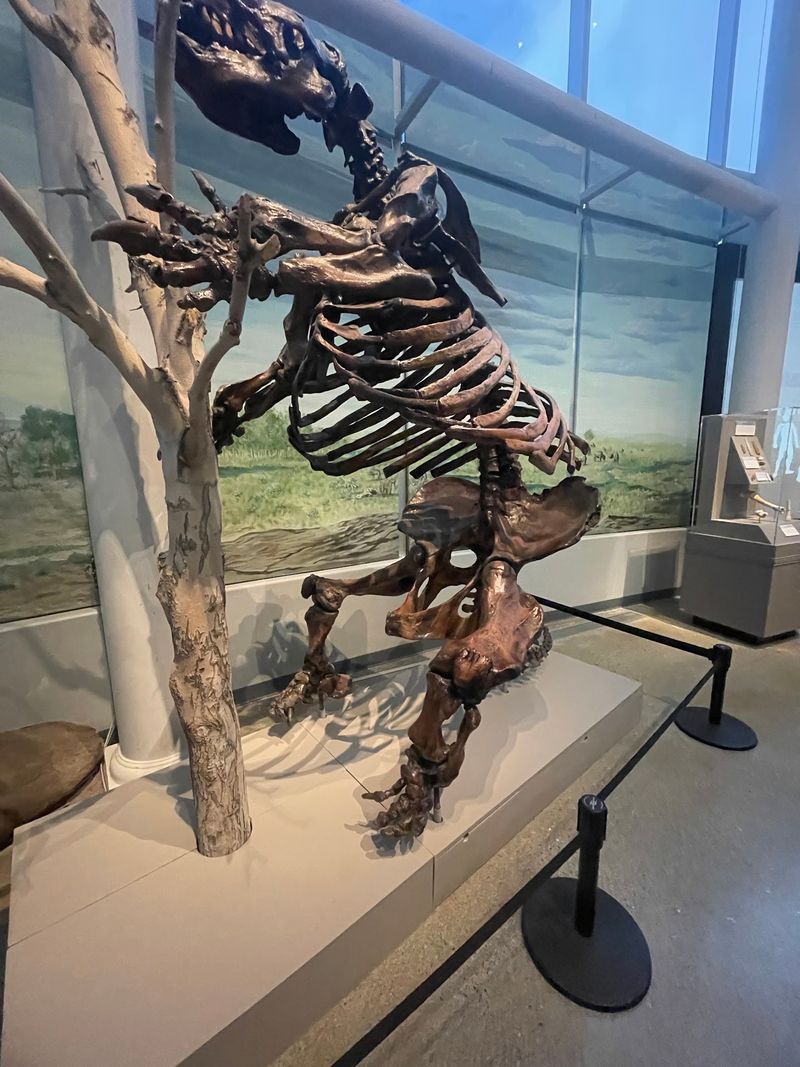
More than 80,000 items came out of one cave west of Idaho Falls. That haul, called the Wasden Collection, lives in the museum’s care.
It includes remains of mammoths, bison, and camels. Some date back over 13,000 years.
Camels in eastern Idaho? That changes things.
The collection’s scope has challenged long-held archaeological timelines.
The archives go well beyond bones. Primary source documents, historic and regional photographs, and collections from journalists and civic clubs are all preserved here.
Researchers can request access by appointment. That makes the museum a real working resource for anyone tracing local family or community history.
Most visitors never see these shelves. Still, the collection shapes what appears in the galleries and how the regional story gets told.
I believe this quieter side deserves more attention. It shows the museum isn’t only entertaining families, it’s guarding Idaho’s memory.
Curious history buffs should keep the archives in mind. A planned research visit could reveal the story behind a street, a club, or a great-grandparent.
Grown-Ups Get The Museum After Dark
Once the kids head home, the museum has a plan for adults. Museum After Dark brings themed evenings for guests 21 and older.
The events mix fun themes with a light dose of learning. It’s a chance to see the galleries in a new, more social setting.
Upcoming dates include November 20 and December 18, 2026. Themes change, so each night can feel different.
Guest lectures add another option. They let curious minds dig deeper into topics connected to exhibits and regional history.
Youth classes round out the calendar. The museum clearly treats education as a year-round effort, not a single field trip.
These programs make the museum feel like a gathering place. It’s where neighbors meet, not just where tourists stop.
Parents especially might appreciate the change of pace. Seeing the mammoth without anyone tugging a sleeve sounds pretty relaxing.
Event details and tickets shift by date. A quick check before planning a night out keeps surprises to a minimum.
Know Before You Go To 200 N Eastern Ave
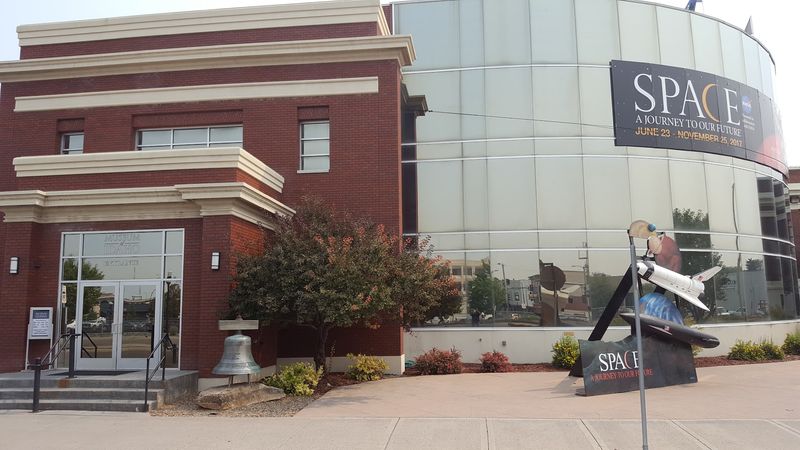
Finding the Museum of Idaho is simple. It sits at 200 N Eastern Ave, Idaho Falls, ID 83402, right in downtown.
Parking sits behind the building. The lot is small and partly shared with a neighboring church, but it has been free.
The museum opens daily, with shorter afternoon hours on Sundays. Schedules can change, so check before driving.
Admission runs a modest amount per person. Idaho residents get a discount on general admission, which rewards locals nicely.
Discounts also cover seniors, students, youth, military personnel, and SNAP and WIC cardholders. Members get in free, which makes repeat visits easy.
A well-supplied gift shop waits near the end. Budget a few extra minutes, because kids will find something.
Crowds don’t usually feel heavy, so moving at your own pace is easy. That helps with strollers and slow readers alike.
Downtown dining, shopping, and the Idaho Falls River Walk are close by. A museum stop pairs well with a stroll beside the Snake River.
A Rainy Day Plan Worth Keeping In Your Back Pocket
Snow falling sideways in eastern Idaho? The Museum of Idaho makes a cold day feel like a win.
It covers enormous ground for a city this size. Mammoths, Gem State geology, pioneer storefronts, and rotating world-class exhibits all fit inside.
Families with young kids get a dedicated play space. Older kids get atlatls, fossils, and chain reactions to keep them engaged.
Adults get plenty too. The archives, lectures, and evening events offer depth that outlasts a single visit.
I like how the place honors its own past. A women’s club started this story, and a Carnegie library still anchors it.
The building has gone from books to bones to blockbuster exhibits. That kind of change feels very Idaho Falls.
Day-trippers from across the Snake River Plain can easily make an afternoon of it. Locals have a reason to return whenever a new exhibit arrives.
So the next time weekend plans fall through, consider downtown Idaho Falls. A mammoth, a main street, and a whole lot of Idaho are waiting.