8 Famous Movie Locations In Idaho You Can Actually Visit In Real Life
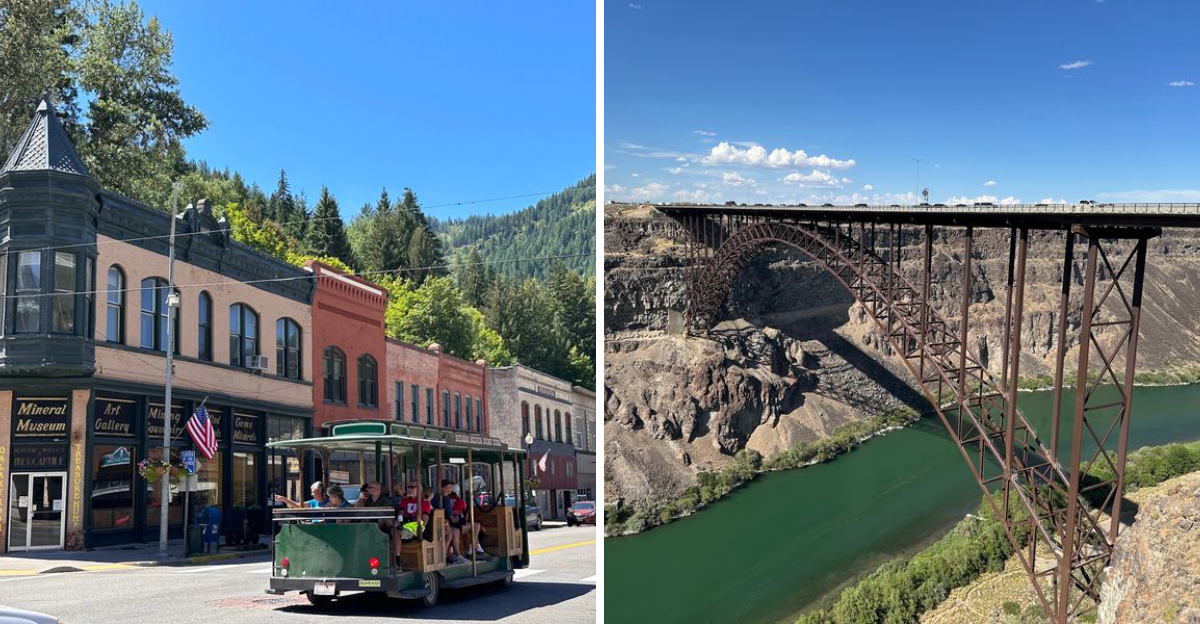
Hollywood has left fingerprints all over Idaho, and most of them are hiding in places that still look completely ordinary.
A school entrance can suddenly become famous once you recognize the scene. A lonely stretch of highway can trigger the same strange déjà vu, especially when the mountains in the background start looking suspiciously cinematic.
That is where the fun begins.
These locations never stopped being real places after the cameras left. People still drive past them every day while movie fans quietly show up trying to match the view in front of them with something they remember from a screen.
No studio tour required.
Just a car, a little curiosity, and the occasional urge to say, “Wait, they filmed that HERE?”
Eight Idaho locations are about to make your next movie night feel a lot less fictional.
8. Preston High School, Preston
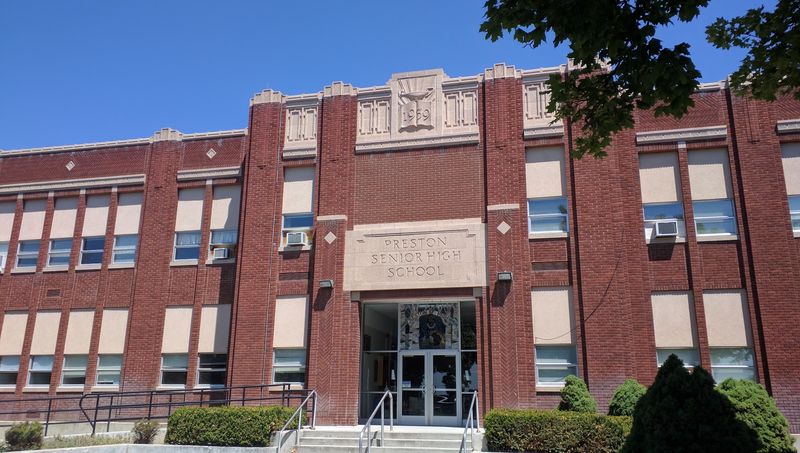
Orange lip balm, tetherball, and one unforgettable dance routine all trace back to a single small-town campus. Napoleon Dynamite filmed much of its 2004 story here, and the building stands at 151 E 2nd S, Preston, ID 83263.
Front doors, hallways, and the grassy grounds appear again and again on screen.
Classes still fill the halls, so time your photo stop for a weekend, an evening, or a school holiday. A picture snapped from the sidewalk keeps things respectful and still captures the view fans recognize in a heartbeat.
Preston itself rests in Cache Valley, a stretch of farmland and low ridges in the southeastern corner of the state. Wide streets, brick storefronts, and grain silos give the town the plain, honest look the movie leaned on.
Walking a few blocks is enough to spot backdrops from half a dozen scenes.
Appetites build fast on a walking tour. Big J’s Burgers still operates in Preston, but film fans should know that the Big J’s restaurant actually seen in Napoleon Dynamite was the Richmond, Utah location.
The griddle smell drifting out the door is reason enough to stop.
Two more stops finish the loop. The Deseret Industries Thrift Store supplied many of the film’s costumes, including the famous ruffled prom suit, and its racks still reward slow browsing.
Pop’n Pins Bowling, where Kip and Uncle Rico dreamed up business plans, keeps its lanes open for anyone who wants to roll a frame inside a piece of movie history.
7. St. Anthony Sand Dunes, St. Anthony
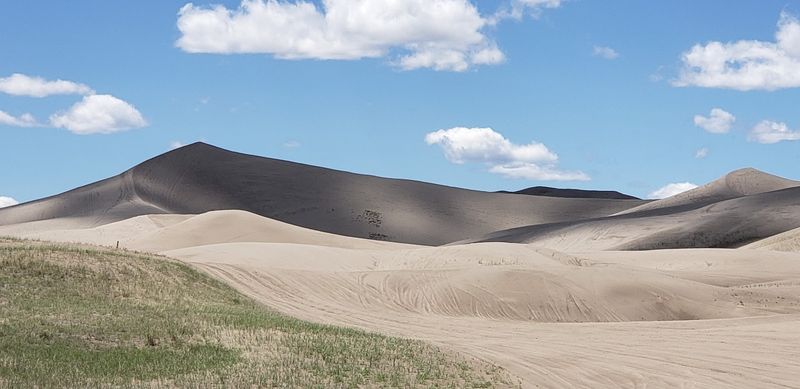
Grandma’s ill-fated ride across the sand gave Napoleon Dynamite one of its funniest turns, and the setting is very real. Fine white quartz sand spreads across roughly 10,000 to 11,000 acres here, with the tallest ridges climbing about 400 feet above the prairie.
The dunes sit less than five miles northwest of the town of St. Anthony, in the eastern part of Idaho. Wind reshapes the crests daily, so the skyline you photograph in the morning may soften by dinnertime.
Sunset turns the slopes a warm apricot color that photographers chase all season.
Riders bring ATVs, dune buggies, and dirt bikes for the long rolling runs. If engines are not your thing, walking up a dune barefoot is its own workout, with sand slipping back under every step.
The reward at the top is a wide view over farmland and distant peaks.
Wildlife shares the ground in colder months. Large herds of elk, moose, and mule deer winter in the surrounding country, so keep binoculars handy and give animals plenty of space.
Tracks in the sand often tell you who passed through overnight.
Camping keeps the trip simple. Tent and RV sites near Egin Lake put you within minutes of the sand, which means an early start before the day heats up.
Bring more water than you think you need, sturdy shoes, and sunscreen, because shade is nearly impossible to find on the open dunes. Sand travels home in every pocket, and that is part of the souvenir.
6. Historic Downtown Wallace, Wallace
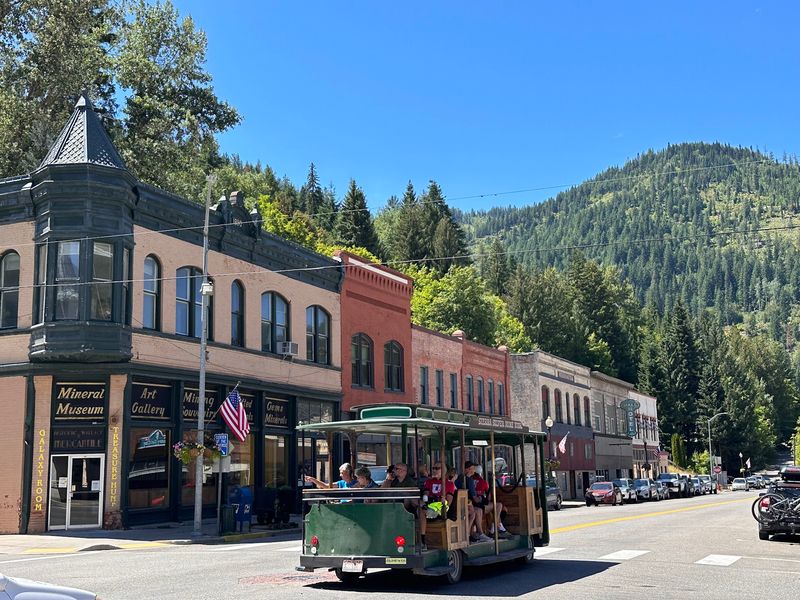
Dante’s Peak turned this old mining town into a mountain community bracing for an eruption, and the streets still look the part. Brick and stone buildings from the silver boom line the compact grid, and the entire downtown carries a listing on the National Register of Historic Places.
Wallace nestles in a narrow canyon in the Bitterroot Mountains, where forested slopes rise straight up from the rooftops. Locals cheerfully call the place the Center of the Universe, and a manhole cover downtown marks the exact spot.
Film fans can match building fronts, corners, and rooflines to scenes without much effort. A slow lap on foot takes under an hour, though window shopping stretches it out.
Antique dealers, small boutiques, and gift stores fill spaces that once served miners and railroad crews.
Cast-iron details and painted signs reward anyone who looks up. Even the sidewalks feel like a set that never got struck.
Food here leans hearty and homemade. Blackboard Cafe serves gourmet Italian plates, from tender pasta to sauces built slowly, in a bistro setting that feels neighborly rather than fancy.
Coffee shops nearby pour strong cups that pair well with a chilly morning under the peaks.
Mining history runs deep, and museums and guided tours explain how ore shaped the valley. Winter brings snow that piles high against the historic facades, while summer fills the sidewalks with visitors heading for nearby rail trails.
Whatever the season, the town’s Hometown USA character is the same one the cameras captured.
5. Mirror Lake, Near Sagle
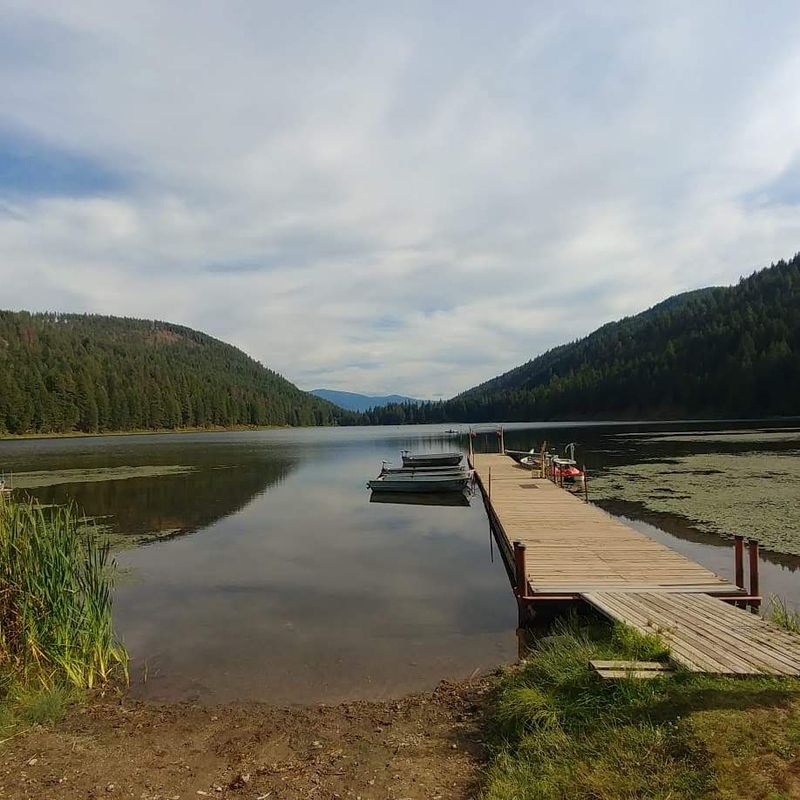
Grandma Ruth’s lakeside home in Dante’s Peak needed water calm enough to mirror the trees, and this 85-acre lake delivered. The film’s tense motorboat escape was staged on the same quiet surface.
Set between two mountains in Bonner County, the lake belongs to national forest land in the North Idaho panhandle. Aquatic plants fringe the shoreline, and forested slopes climb from the water’s edge.
Migratory birds pass through in waves, and bald eagles perch high in the pines.
Motors are limited to electric power or none at all, which keeps the basin hushed. Mornings are usually glassiest, and paddling a kayak or canoe at first light means hearing loons and the drip of your own paddle more than anything else.
Anglers cast for stocked trout from boats and from the bank.
Mirror Lake Resort has welcomed campers since 1919. Tent and RV sites, boat rentals, a swim platform, and simple amenities cover the basics without changing the mood.
Short hiking trails climb to viewpoints where the lake shows up as a blue oval below.
Reaching the lake takes a bit of navigation, which is part of the charm. The turnoff is easy to miss, so watch closely.
Start in Sagle on Highway 95, turn onto Sagle Road, then go right onto Talache Road, also signed as Forest Service Road 2233.
Signs for Mirror Lake Campground point the rest of the way, and pavement gives way to forest before the water appears. Arrive late in the day and you may catch the peaks reflected whole across the surface.
4. Sawtooth National Recreation Area, Near Stanley
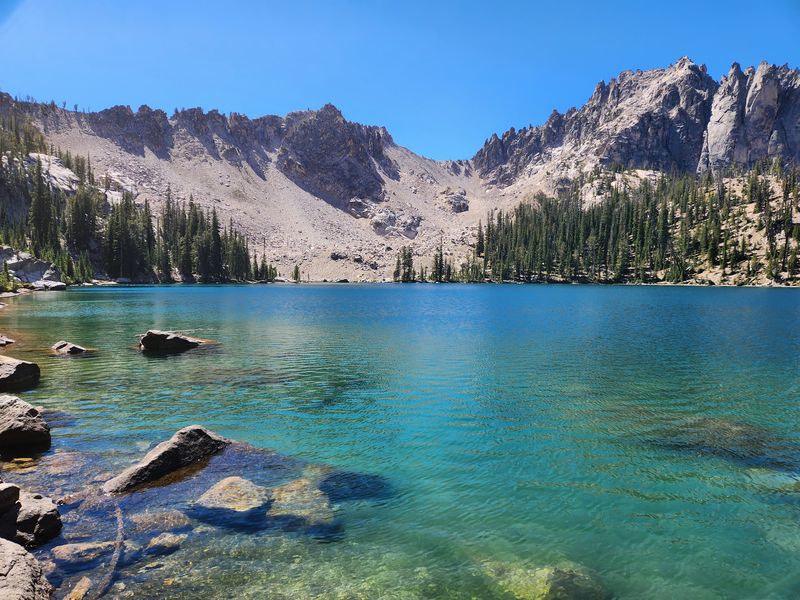
Clint Eastwood’s 1985 Western opens on serrated peaks and open sage, and the range in those credits rises south of Stanley. The scenery does most of the storytelling before a single word is spoken.
The recreation area covers about 756,000 acres. More than 700 miles of trails thread through it, connecting over 300 alpine lakes set high in granite basins.
Snow lingers on north-facing slopes into July, feeding creeks that run cold and clear all summer.
State Highway 75 makes the easiest introduction. Pullouts along the road frame the peaks above the valley, and the view near Galena Summit is the kind that makes drivers stop mid-sentence.
Stanley, a tiny town roughly 60 miles northwest of Sun Valley, serves as the main gateway.
Camping, backpacking, horseback riding, and fishing fill most itineraries. Meadows bloom with paintbrush and lupine in late spring and early summer, while aspens turn gold in September.
Elk, deer, and mountain goats show themselves to patient watchers, usually near dawn or dusk.
Trailheads at Redfish Lake and Pettit Lake lead straight into the high country. Even a two-mile walk from the parking area delivers water, granite, and silence.
Nights get cold, so pack layers even in July, and expect mornings that smell like pine and woodsmoke.
Fill the tank in Ketchum or Stanley before exploring, since services thin out quickly. Downloaded maps help where cell signal disappears, and a wide lens earns its place in your pack.
3. Boulder Mountains, Near Ketchum
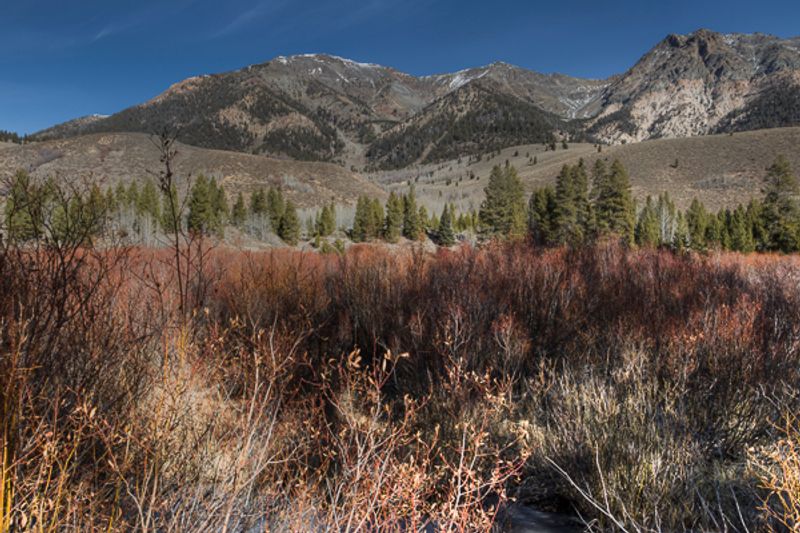
An entire Western town, the fictional LaHood, once stood in these mountains for Pale Rider. Crews built it, filmed it, then took it down under a no-trace policy, leaving only meadow and mountain behind.
Nothing marks the spot, which somehow makes the drive better.
Rising north of Ketchum, the range shows off pale rock faces streaked with snow well into summer. Glacial basins hold high lakes, and thick forests give way to open meadows that flood with wildflowers.
This corner of central Idaho feels big and unhurried.
Trailheads sit off Highway 75 between Ketchum and Galena Lodge. From the road, the peaks look like a stone wall; a mile in, they break into canyons, creeks, and switchbacks.
Hikers, backpackers, riders on horseback, and anglers all share the same access points.
Solitude comes easily here. Walk a weekday trail and you may pass no one for hours, hearing only wind through pines and water over rock.
Marmots whistle from talus slopes, and hawks ride thermals above the ridgelines.
Ketchum makes a comfortable base. Restaurants, bakeries, coffee counters, galleries, and gear shops line the walkable downtown, so a morning hike can end with a warm sandwich and a slice of pie.
Autumn is a favorite window, when aspens along the highway glow yellow against dark evergreens.
Weather changes fast at elevation, so a rain shell and extra layers belong in every daypack. Afternoon storms build quickly in midsummer, and turning back early is always the smart call.
2. Lake Lowell Lower Dam, Near Nampa
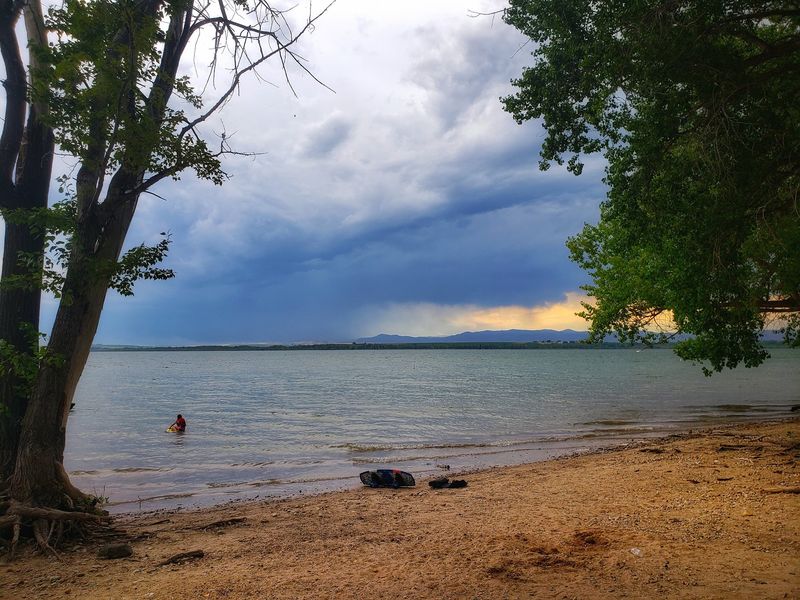
Bronco Billy brought Clint Eastwood’s traveling show to the Treasure Valley in 1980, and the water here appears in the film. An interpretive sign at the Lower Dam now explains the connection for anyone who pulls over.
Other scenes used Nampa’s old City Hall along with businesses in nearby Eagle and Meridian.
The reservoir is an off-stream lake wrapped entirely by the Deer Flat National Wildlife Refuge. More than 200 bird species turn up over the course of a year, from pelicans gliding low to flocks that darken the sky in fall.
Spotting scopes get plenty of use along the shoreline.
Warm months open the lake to recreation. Boating, swimming, fishing, and jet-skiing are allowed from April 15 through September 30, which keeps the quieter seasons calm for wildlife.
Water levels drop through late summer as irrigation draws the lake down.
Families tend to settle in at Lake Lowell Park, on the east side of the Upper Dam. Picnic tables, barbecue grills, restrooms, a water fountain, a disc golf course, and a story trail keep an afternoon easy.
You will find the park at 12996 Iowa Avenue, Nampa, open year-round from dawn to dusk.
Sunset is the payoff. Light spreads flat across the water while distant ranges fade to blue.
Bring bug spray for summer evenings and a jacket for the breeze that skims off the lake.
Grocery stops and orchard stands in the surrounding farmland make it simple to pack a picnic before you arrive.
1. Twin Falls
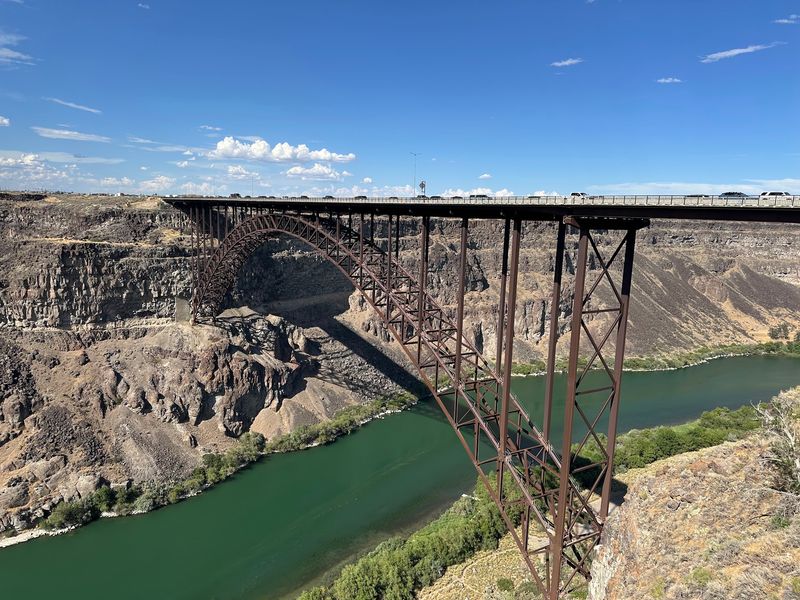
For six weeks in February 1998, film crews turned this canyon city into the fictional Midland City for Breakfast of Champions. Bruce Willis starred, and ordinary streets, storefronts, and roadsides stood in for the movie’s setting.
The 1999 release came and went, but the backdrops stayed put.
Geography is the real headliner in this part of southern Idaho. The Snake River Canyon splits the landscape with sheer basalt walls, and the Perrine Bridge arcs high above the river.
BASE jumpers leap from it year-round while walkers watch from the Canyon Rim Trail.
Shoshone Falls draws the biggest crowds. Nicknamed the Niagara of the West, the falls drop 212 feet and roar loudest during spring runoff.
Overlooks, picnic areas, and paved paths at Shoshone Falls Park put you close enough to feel the mist.
Down at the canyon floor, Centennial Waterfront Park offers a different angle. Kayaks and paddleboards launch into slow green water, and a zip line runs across the gorge for anyone wanting a bird’s view.
The drive down is steep and narrow, so take it slowly.
Dierkes Lake, just past the falls, is the local swimming hole, with rocky coves and shaded picnic spots. Downtown adds another layer, with restaurants, shops, and a commons that fills with a farmers market in summer.
Peaches, sweet corn, and fresh bread show up on the tables by midsummer.
Plan the falls for morning light and the bridge for evening, when the canyon walls glow copper. Both stops sit minutes apart, making a half-day tour easy.