Few Lists Capture Colorado Like These 11 Underrated Mountain Towns
Colorado has no shortage of famous ski resorts and packed tourist traps.
The real magic hides in the smaller towns tucked between the peaks.
I’ve spent years chasing those quiet, jaw-dropping corners of the Rockies that most travelers zoom right past on the highway.
These mountain towns stopped me cold every single time, and I think they’ll do the same to you.
Pack your curiosity and maybe some extra layers, because this list is about to seriously upgrade your mountain road trip plans.
1. Ouray
I must admit, the first time I saw this town, I nearly pulled over just to make sure my eyes were working right.
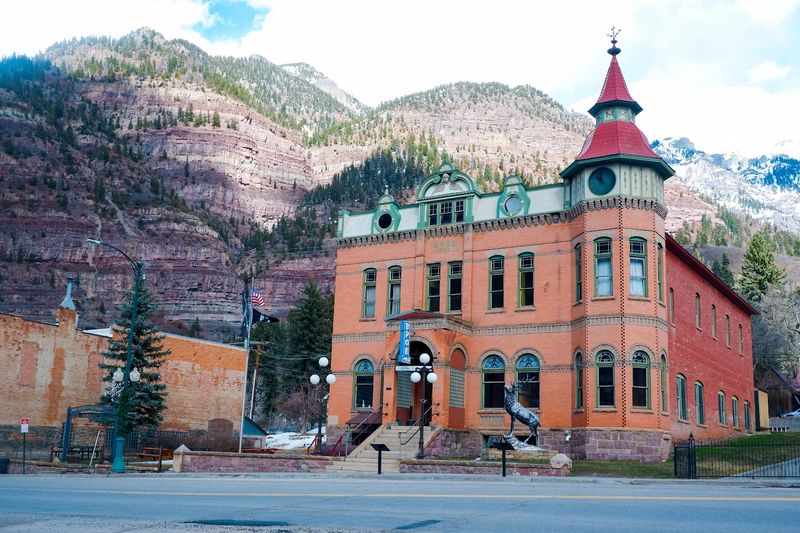
Ouray sits in a box canyon in the San Juan Mountains of southwestern Colorado. The cliffs rise almost straight up on all sides, creating one of the most dramatic natural settings in the entire state.
Known as the Switzerland of America, Ouray earned that nickname honestly. The town’s Victorian-era buildings line a compact main street that feels frozen in the 1880s.
Hot springs feed a public pool right in town, making a winter soak feel absolutely magical.
Ice climbers flock here every January for the Ouray Ice Festival, one of the premier events of its kind in North America. The surrounding mountains hold over 200 miles of hiking trails.
Jeep roads snake into the high country, connecting Ouray to other San Juan towns through some of the most rugged terrain imaginable.
Fall transforms the canyon walls into a blaze of gold and orange that photographers chase every September. The town sits at about 7,800 feet elevation, so the air bites just a little.
2. Lake City
Believe me, finding a Colorado mountain town this quiet and this beautiful in the same package is rarer than you might think.
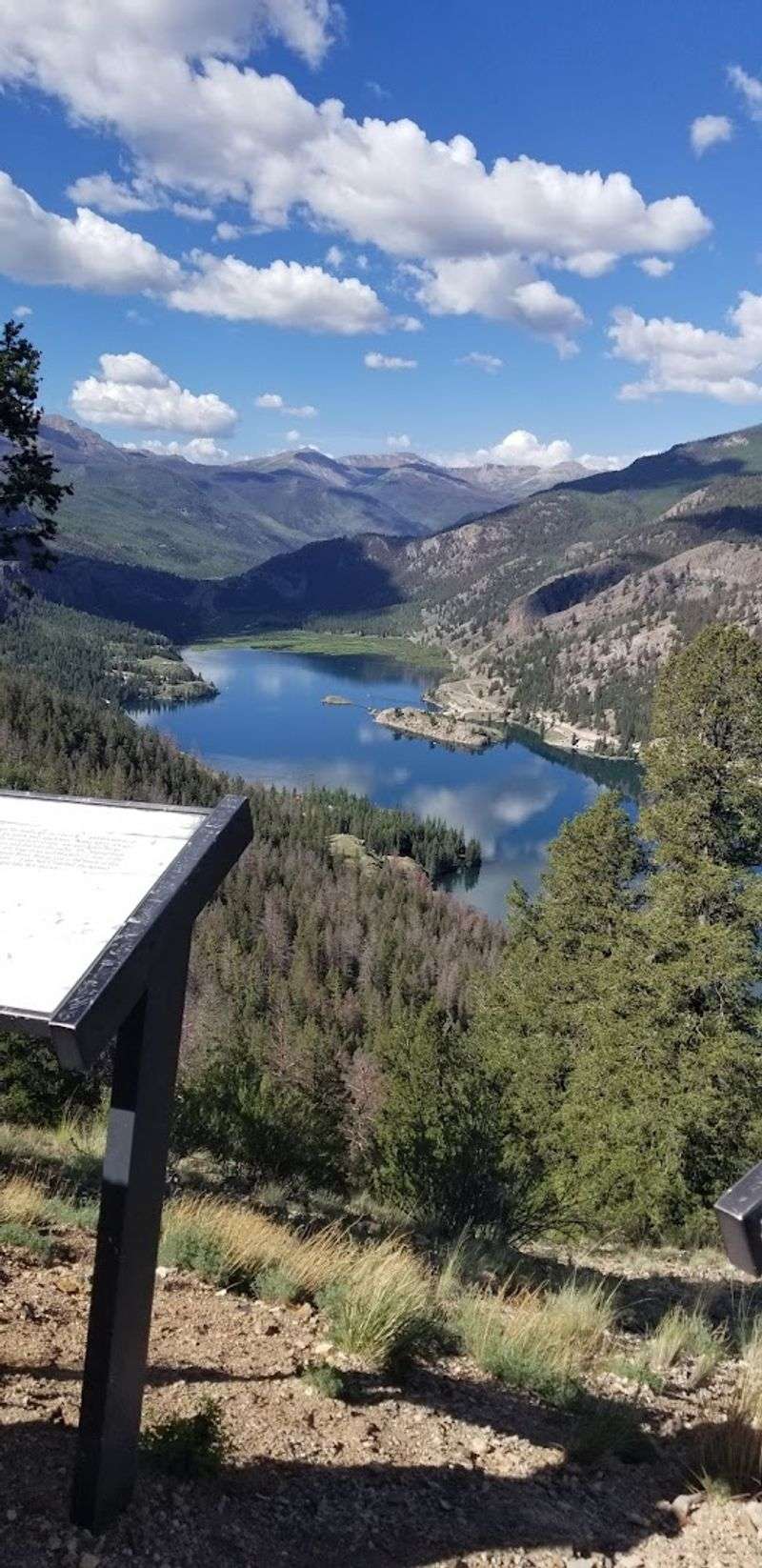
Lake City sits in the southern Rocky Mountains of Hinsdale County, the least populated county in the entire state. That stat alone tells you something special is going on here.
The town perches near Lake San Cristobal, the second-largest natural lake in Colorado. A prehistoric landslide called the Slumgullion Earthflow dammed the Gunnison River to create it centuries ago.
Kayaking and fishing on that lake on a calm morning is the kind of quiet that resets your whole nervous system.
Lake City was founded in 1874 as a silver mining hub and still carries that frontier spirit in its bones. The Alpine Loop Scenic Byway starts here, threading through high-altitude ghost towns and mountain passes that top 12,000 feet.
Summer wildflowers carpet those passes in colors that feel almost too vivid to be real. The town’s small but lively arts community surprises most people who stumble through.
Local galleries and summer theater performances keep the cultural scene punching well above its weight.
3. Creede
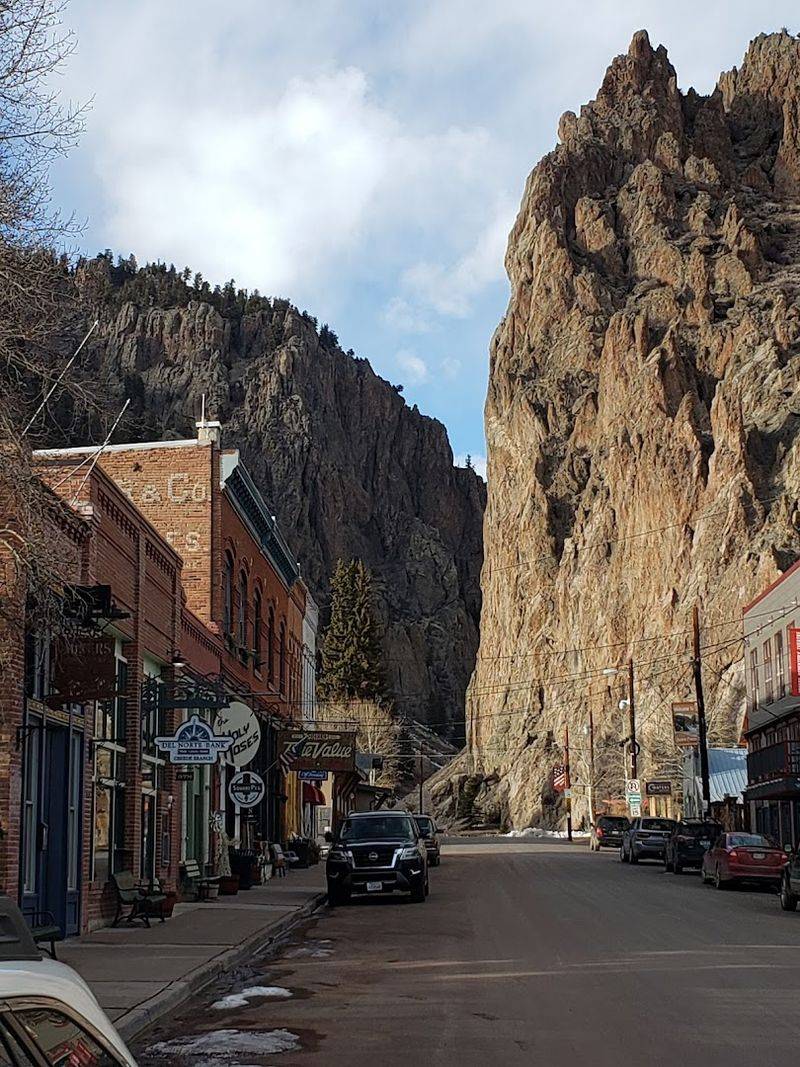
Can you believe there is a professional-level repertory theater operating in a town of fewer than 300 people?
Creede sits at the end of a narrow box canyon in the Rio Grande headwaters region of southwestern Colorado. The canyon walls tower so high above the main street that sunlight only reaches town for a few hours each day in winter.
Silver put Creede on the map in the 1890s, and the boom was wild enough to attract legendary frontier figures. The town swelled to 10,000 people almost overnight before the silver played out.
What remained after the rush faded is one of the most atmospheric small towns in the entire Rocky Mountain West.
The Creede Repertory Theatre has been performing here since 1966, drawing audiences from across the country every summer season.
Locals and tourists fill those seats together, which creates a surprisingly intimate community energy. The Rio Grande River running just outside of town offers some of the finest trout fishing in Colorado.
Nearby Wheeler Geologic Area features bizarre volcanic rock formations that look like something from another planet entirely. The drive in on Highway 149 follows the river through canyon scenery that builds anticipation perfectly.
4. Silverton
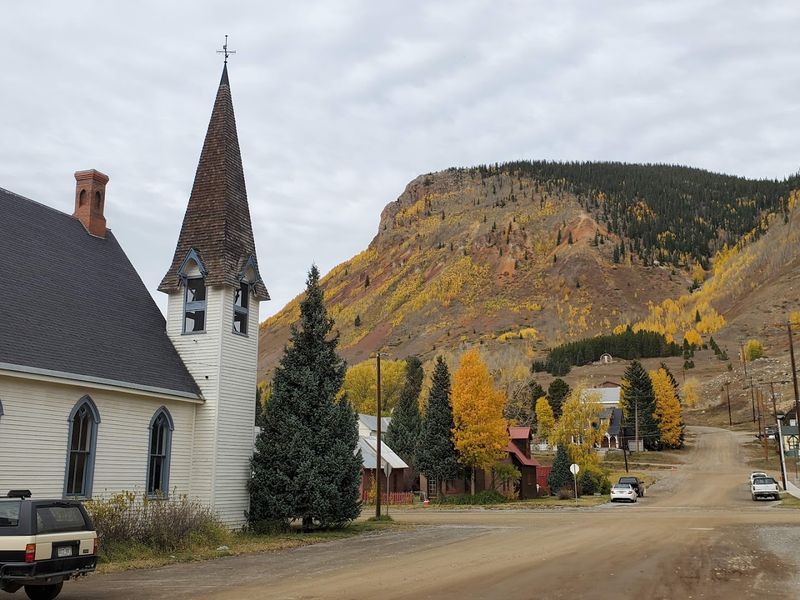
Who would have thought that one of the most cinematic towns in America sits at 9,318 feet and gets snowed in for months every winter?
Silverton occupies a high mountain valley in San Juan County, completely surrounded by 13,000-foot peaks in southwestern Colorado. The narrow-gauge railroad that still runs from Durango is the most popular way many people arrive.
The Durango and Silverton Narrow Gauge Railroad has been operating continuously since 1882, which is a staggering fact.
Riding it through the Animas River canyon is an experience that belongs on any serious Colorado itinerary. Steam engines pull vintage cars through scenery that feels completely untouched by the modern world.
Blair Street in historic downtown Silverton still looks like a Western film set, because it has actually been used as one multiple times.
The surrounding mountains draw hardcore backcountry skiers to Silverton Mountain, a no-frills resort with some of the most intense terrain in North America. Summer brings jeepers, hikers, and mountain bikers hunting for high-altitude adventure.
The town’s mining history runs deep, and several old mines still stand on the hillsides above town as quiet monuments. Snowfall averages over 400 inches per year up in those peaks.
5. Ridgway
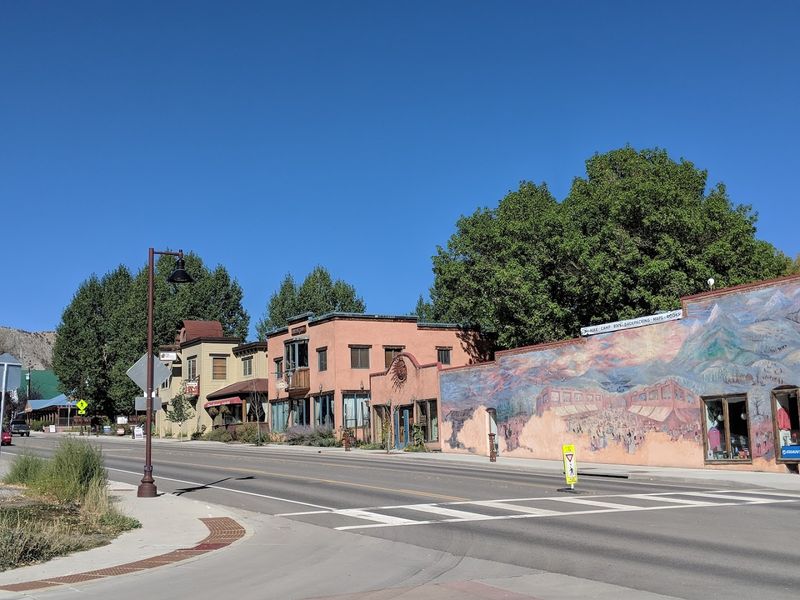
Trust me, most people drive straight through Ridgway on their way to somewhere else, and that is entirely their loss.
This small town sits at the northern end of the Uncompahgre Valley in Ouray County, with the jagged Sneffels Range rising dramatically to the south. The views from town are the kind that make people suddenly pull off the road.
Ridgway State Park sits just north of town and wraps around a reservoir that reflects those mountain peaks like a mirror on calm mornings.
Swimming, paddleboarding, and camping here are underrated Colorado outdoor experiences. The park draws far fewer crowds than the more famous reservoirs farther north.
The town itself has developed a quiet arts and culture scene that feels completely authentic. Independent galleries, a farmers market, and a handful of excellent restaurants give Ridgway a creative energy that surprises first-time visitors.
The surrounding ranchland and mountain scenery made it a filming location for the 1969 Western film True Grit. Fall is particularly spectacular here, when the aspens on the Dallas Divide turn gold against the dark peaks.
The drive along Highway 62 through that divide is one of the most photographed stretches of road in Colorado.
6. Crested Butte
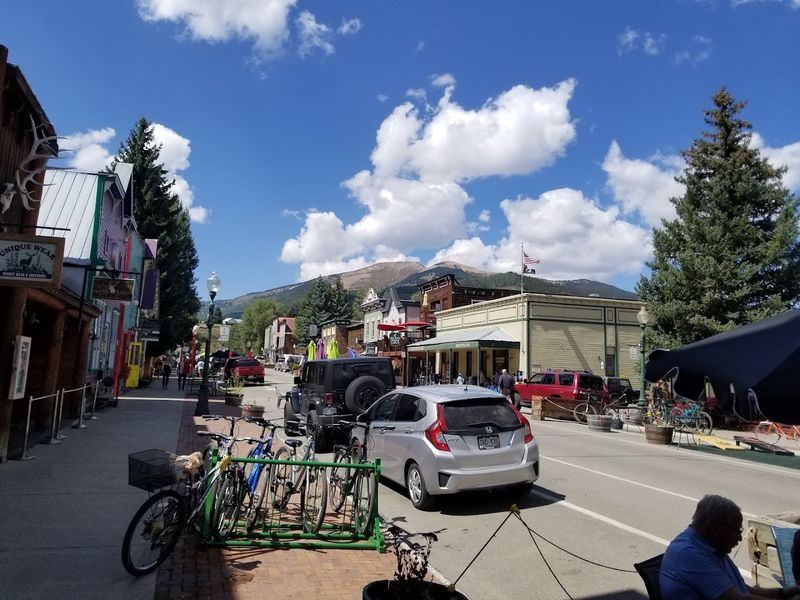
You might not believe me when I say this town is somehow still flying under the radar, but here we are.
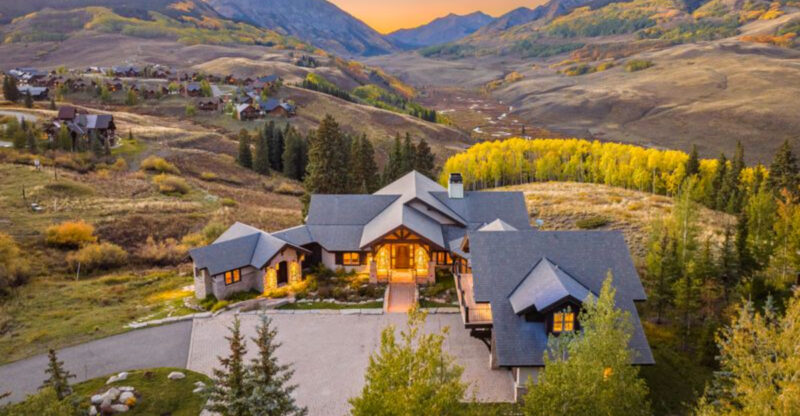
Crested Butte sits in a remote valley in Gunnison County in central Colorado, accessed by a single road that closes in winter for avalanche control. That isolation is exactly what has kept the character of this place so wonderfully intact.
The historic downtown is a National Historic District, packed with Victorian-era buildings painted in vivid colors that pop against the mountain backdrop.
No chain restaurants or big-box stores crowd the main street here. Local businesses fill every storefront, giving the town a personality that feels earned rather than manufactured.
Crested Butte is widely considered the wildflower capital of Colorado, and the meadows in July back that title up completely.
The surrounding Elk Mountains offer world-class mountain biking on trails that range from mellow cruises to terrifying descents. Crested Butte Mountain Resort handles the winter crowd, but the town itself always feels like the real attraction.
The Gothic Road north of town leads into the Maroon Bells-Snowmass Wilderness through scenery that stops conversations mid-sentence.
A summer hike over Schofield Pass connects Crested Butte to the Marble Valley in a way that feels like a secret only locals know.
7. Marble
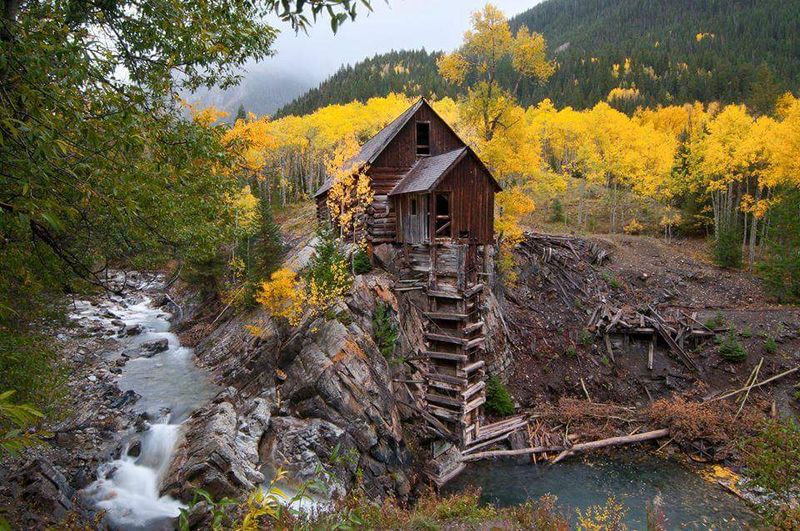
I know, a whole town named after the stone that built the Lincoln Memorial and the Tomb of the Unknown Soldier.
Marble sits in a narrow valley along the Crystal River in Gunnison County, about 30 miles south of Carbondale. The road in follows the river through canyon scenery so beautiful it feels almost too dramatic to be casual driving.
The Colorado Yule Marble Quarry above town has been producing some of the finest marble in the world since the late 1800s.
Tours of the quarry give visitors a close look at the brilliant white stone still being extracted from the mountain. Blocks of raw marble scattered around the old mill site create an outdoor sculpture garden that nobody officially planned.
The town itself holds only a few hundred permanent residents, but the community energy is warm and tight-knit.
Crystal Mill, a photogenic historic structure perched above a waterfall about four miles up the road, is one of the most photographed sites in Colorado. Reaching it requires a rugged jeep road that earns its reputation.
Lead King Basin above town bursts with wildflowers in midsummer and offers high-altitude hiking without the crowds found elsewhere. The Crystal River running through the valley is cold, clear, and perfect for a quick wade on a hot afternoon.
8. Paonia
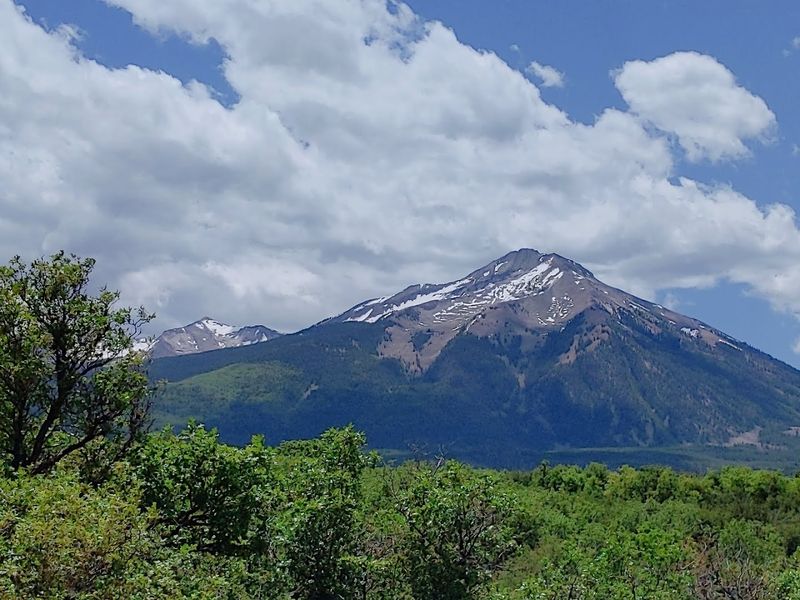
Doesn’t it seem surprising that one of Colorado’s best-kept secrets is actually a farming town rather than a ski resort?
Paonia sits in the North Fork Valley of Delta County in western Colorado, tucked between the West Elk Mountains and the massive flat top of Grand Mesa. The valley’s microclimate makes it one of the best fruit-growing regions in the entire Rocky Mountain West.
Cherry orchards, apple trees, and peach groves blanket the valley floor in a way that feels completely unexpected at this elevation.
The harvest season from late summer into fall transforms the town into a hub of farmers markets and roadside stands. Local farms produce everything from stone fruit to award-winning craft ciders that have drawn national attention.
Paonia also has a surprisingly robust arts community built around its small but fiercely independent population.
The local radio station KVNF has been broadcasting listener-supported programming since 1978 and is beloved across the region. The town’s bookstore, galleries, and annual events give it a creative pulse that feels organic and unhurried.
The West Elk Wilderness just east of town offers serious hiking and backpacking through terrain that sees a fraction of the foot traffic found in more famous Colorado wilderness areas.
Kebler Pass Road, accessible from nearby Crested Butte, passes through one of the largest aspen groves in North America.
9. Westcliffe
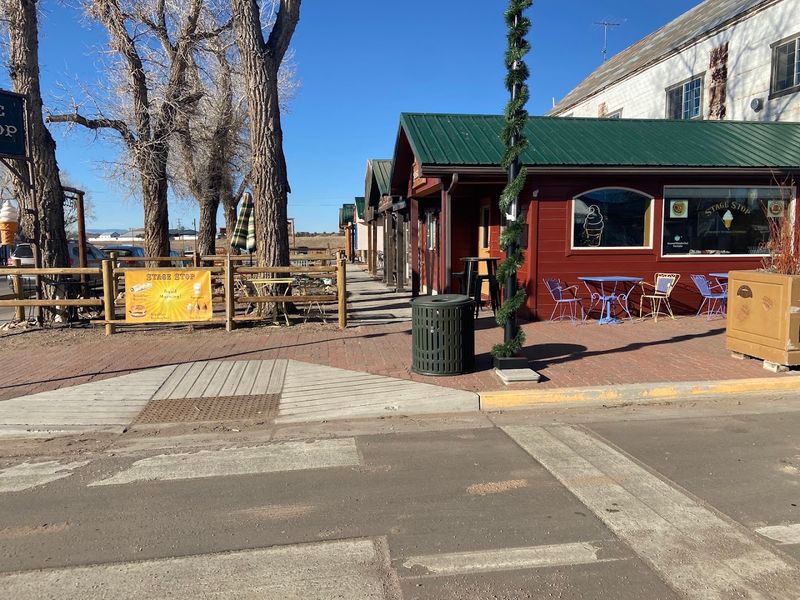
I never would have guessed that one of the darkest night skies in the entire United States hovers above a quiet Colorado ranching town.
Westcliffe sits in the Wet Mountain Valley in Custer County, about two hours south of Colorado Springs. The Sangre de Cristo Mountains rise directly to the west, creating a wall of jagged peaks that frames the valley on one side.
Westcliffe and neighboring Silver Cliff were designated an International Dark Sky Community in 2015, one of the first such designations in the country.
On a clear night the Milky Way blazes overhead with a clarity that shocks people seeing it for the first time. Star parties and astronomy events draw visitors from across the country throughout the warmer months.
The valley itself is classic Colorado high country ranching land, wide open and unhurried in a way that feels rare today.
Horseback riding, fly fishing on the Huerfano River, and hiking into the Sangre de Cristo Wilderness keep outdoor enthusiasts busy from May through October. The Sangre de Cristo range here is less crowded than sections farther north near Salida.
The small downtown has independent shops and a genuine small-town energy that has not been polished away for tourist appeal.
The views of the peaks from the valley floor are among the most dramatic front-row mountain panoramas in all of Colorado.
10. Crestone
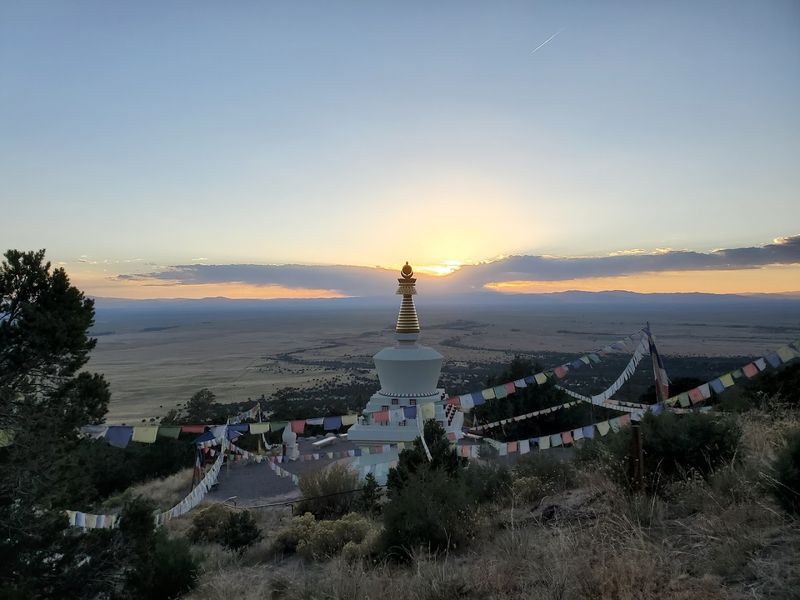
Would you ever think that a tiny Colorado mountain town holds one of the most unusual collections of spiritual centers in the Western Hemisphere?
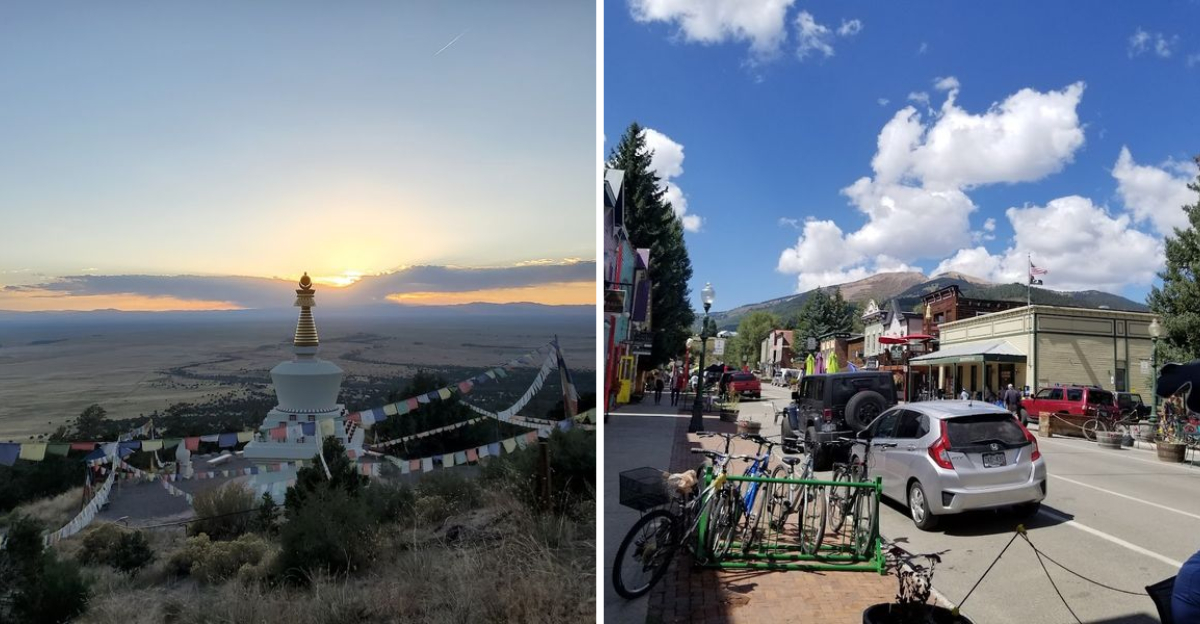
Crestone sits at the base of the Sangre de Cristo Mountains in Saguache County in the San Luis Valley of southern Colorado. The elevation here reaches about 8,000 feet, and the air has a quality that feels genuinely different from anywhere else.
The town is home to dozens of retreat centers, temples, and meditation sanctuaries representing Buddhist, Hindu, Carmelite, and various other spiritual traditions.
This concentration of sacred spaces came about through intentional land donations made in the 1970s and 1980s. The result is a community that draws seekers, artists, and free-thinkers from around the world in a way no other Colorado town does.
The Sangre de Cristo peaks directly behind town include several fourteeners that are among the most challenging in the state.
The approach trails climb steeply through spruce forests before opening onto dramatic ridgelines. The Baca National Wildlife Refuge spreads across the valley floor below town and protects an extraordinary range of ecosystems.
The San Luis Valley itself is one of the largest alpine valleys in the world, and the views from Crestone across that enormous flat expanse are humbling.
Great Sand Dunes National Park sits about 45 minutes south, making Crestone an excellent base for that visit too.
11. Salida
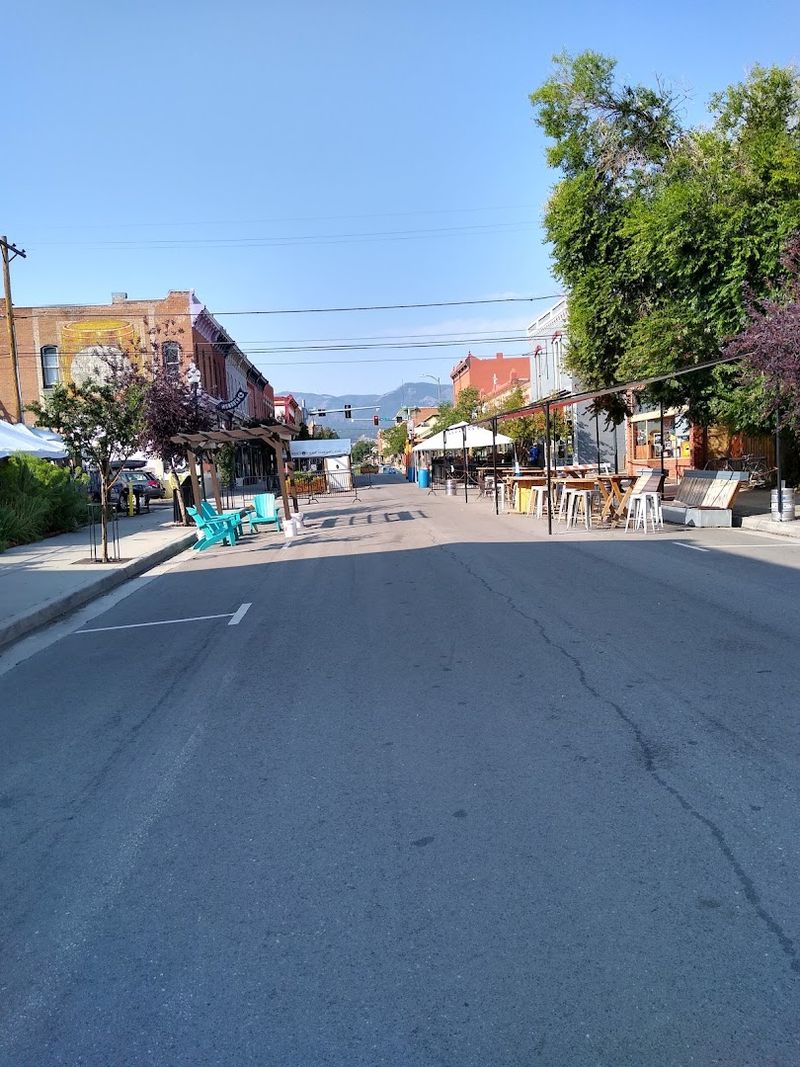
Doesn’t it sound interesting that one of Colorado’s most creative small cities sits right on the banks of one of the best whitewater rivers in the country?
Salida occupies the upper Arkansas River valley in Chaffee County, central Colorado, surrounded by more fourteeners than any other county in the state. The town sits at 7,036 feet, making it one of the lower-elevation mountain towns on this entire list.
The historic downtown, known locally as Salida’s SteamPlant District, is packed with art galleries, studios, and independent restaurants filling beautifully preserved brick buildings.
Salida has quietly built one of the strongest arts communities in rural Colorado over the past two decades. First Friday art walks draw crowds that fill the streets with a genuinely festive energy every month.
The Arkansas River through town and downstream through Browns Canyon National Monument offers world-class whitewater rafting from late spring through summer.
Browns Canyon was designated a National Monument in 2015, protecting a stretch of the Arkansas River corridor that is both ecologically rich and visually stunning.
Kayakers and rafters from across the country make Salida their base camp for that stretch of river.
Monarch Mountain ski area sits just 18 miles west on Highway 50, giving Salida easy access to uncrowded winter skiing. The Collegiate Peaks visible from downtown include some of the most beautiful fourteeners in Colorado.