Few People In Connecticut Have Heard Of This Stunning Historic Estate
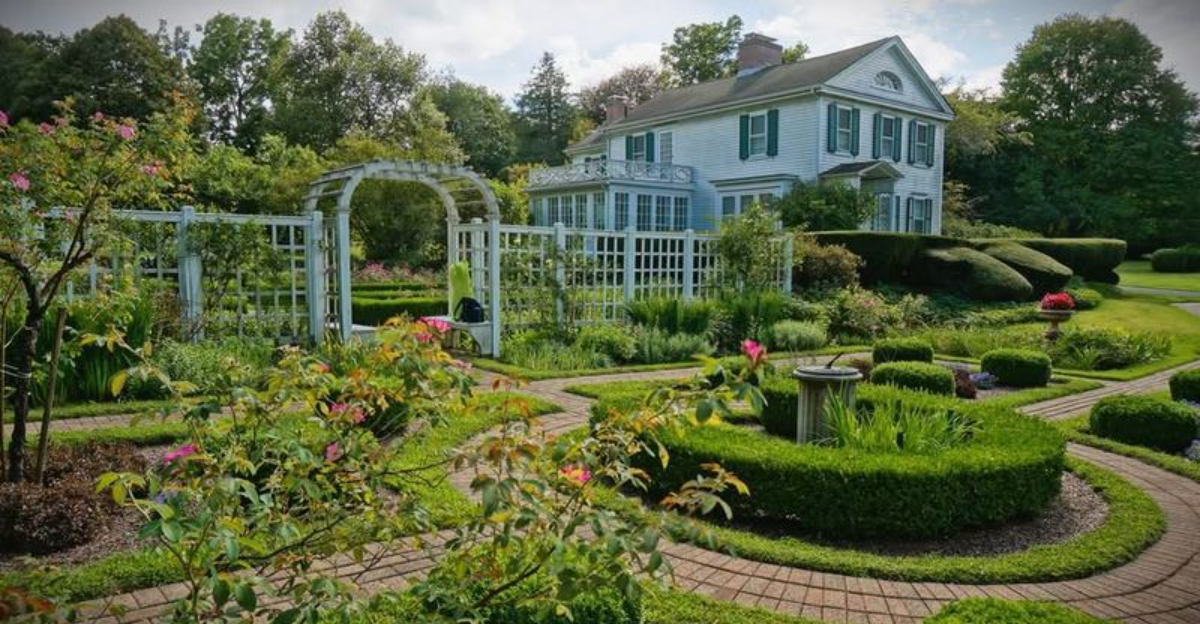
I’ve come across places that feel like they are holding onto another era, and this one has a quiet charm that is easy to miss. Few people in Connecticut have heard of this beautiful historic estate filled with stories from the past and charm.
The grounds have a calm feeling that makes the whole experience seem removed from the everyday rush. There is a lot of character here, from the older details to the sense of history that lingers around the property.
It feels like a place where every corner has a little something waiting to be noticed.
What makes it stand out is how peaceful and genuine it feels without needing to show off. The beauty comes from its connection to another time, giving visitors a glimpse of a slower and more thoughtful side of the area.
It has a presence that feels memorable, even after the visit is over and the details continue to stay with you.
1. A Historic Estate Hidden In Plain Sight
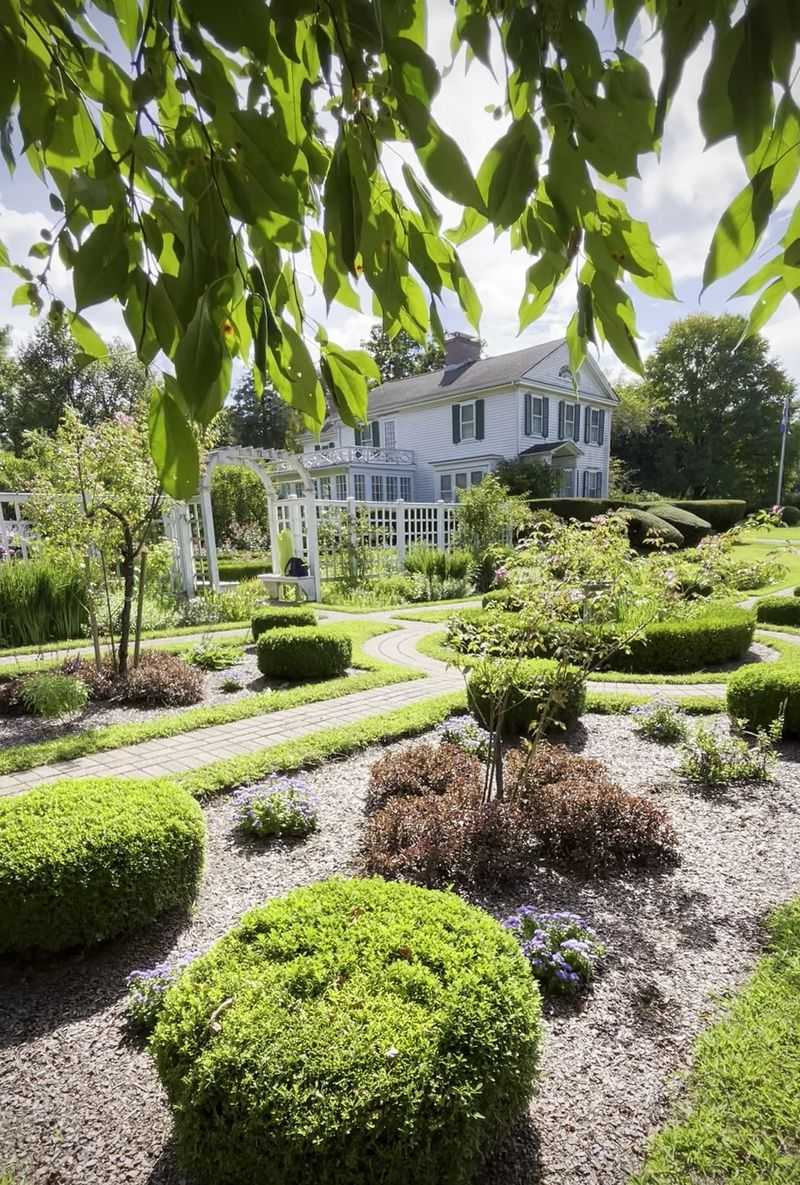
Most people driving through Derby have no idea a beautifully preserved historic estate is waiting just off the road, and that quiet obscurity is part of what makes discovering it feel genuinely rewarding.
Originally built as a farmhouse around 1840, the home was later enlarged and remodeled in the Colonial Revival style during the 1910s and 1920s, earning a well-deserved listing on the National Register of Historic Places for its cultural and architectural significance to the region.
The surrounding park covers roughly 350 acres of rolling hills and open meadows in the Naugatuck Valley just east of the Housatonic River, giving the property a natural setting that enhances the historic atmosphere considerably.
Grounds are open year-round at no charge while the museum itself operates seasonally from May through October with free guided tours available throughout that window.
The Osborne Homestead Museum at 500 Hawthorne Ave in Derby sits within Osbornedale State Park and remains surprisingly under the radar for a place this rich in history and this generous with public access.
2. The Family Legacy Behind The Property
Behind the preserved architecture of this Derby estate lies a personal story that makes a visit feel genuinely meaningful rather than purely historical.
The property traces its origins to a farmhouse built around 1840 and its narrative deepened when Civil War veteran Wilbur Fisk Osborne moved in with his wife in 1867.
The Osborne family became deeply connected to the brass manufacturing industry that defined the Naugatuck Valley throughout that era.
Their daughter Frances Eliza Osborne was born in the house in 1876 and went on to leave a remarkable mark on the state’s history. At just 31 years old she took over her father’s businesses after his passing, an unusually bold step for a woman of that time.
Under her leadership several companies including Union Fabric Company and Connecticut Clasp Co. continued to thrive and she became a founding partner of a firm in England.
Frances later married architect Waldo Stewart Kellogg in 1919 and together they developed the estate’s dairy farm into a recognized leader in Holstein-Friesian cattle breeding.
Before her passing in 1956 she deeded the entire 350-acre property to the state, ensuring it would be preserved for future generations rather than sold or developed.
Her legacy as a businesswoman, conservationist and philanthropist remains the central thread running through everything the estate represents today.
3. Elegant Rooms Preserved Through Time
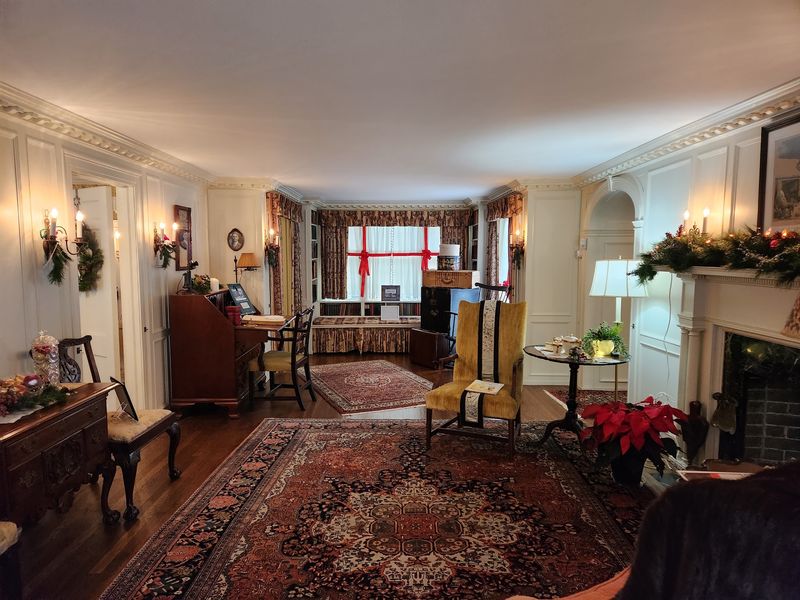
Time seems to slow down inside this carefully restored museum in a way that feels entirely unforced. The rooms reflect the early 1900s through original antiques, fine arts, ceramics and personal mementos that belonged to the Osborne and Kellogg families.
Each space feels genuinely lived-in rather than arranged for display, giving visitors a real sense of what daily life looked like for a family that called this house home across multiple generations.
Guided tours bring the rooms to life with stories about Frances Osborne Kellogg, her business achievements, her contributions to agriculture and her broader role in the state’s history.
For visitors who prefer moving at their own pace, an outdoor audio tour accessible via smartphone provides historical context without the structure of a scheduled group.
That range of options makes the museum genuinely accessible for history enthusiasts, families and casual visitors alike.
During winter months the interior takes on a festive character when garden clubs transform the rooms with seasonal decorations built around a chosen theme.
Holiday tours run from roughly Thanksgiving weekend through mid-December, offering an experience that feels completely different from a standard visit while remaining every bit as charming.
Admission stays free throughout the year with voluntary donations accepted to support the ongoing preservation work that keeps this place as meaningful as it has always been.
4. Gardens Designed To Impress Every Season
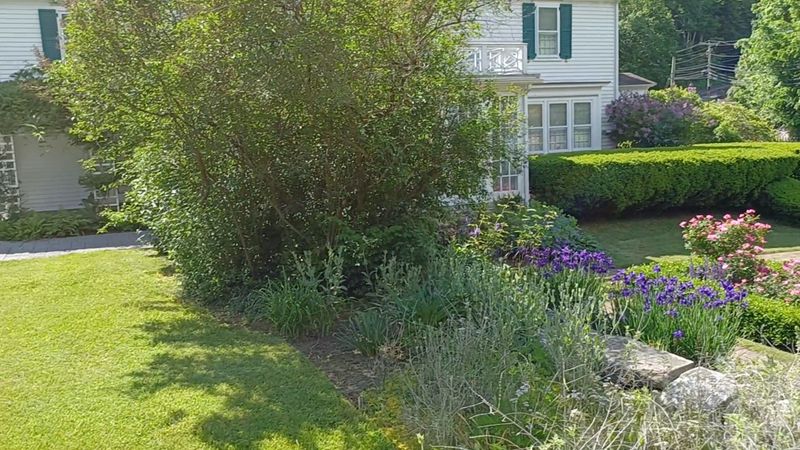
Horticulture was not a casual interest for Frances Osborne Kellogg but a driving passion that shaped every corner of the estate’s outdoor spaces in ways still visible today.
In 1910 she commissioned Yale architect Henry Killam Murphy to design the formal flower garden and brought Robert Barton from Kew Gardens to serve as her head gardener, a pairing that reflected the seriousness with which she approached the project.
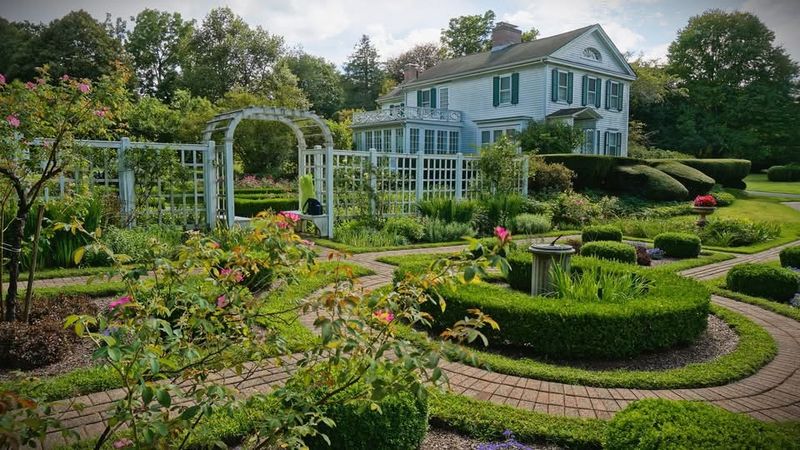
The Front Formal Garden, created in the Colonial Revival style in 1911, features five main flower beds filled with knockout rose trees, ornamental kale, daylilies, Siberian and bearded irises, peonies, yucca and globe thistle.
A separate Rose Garden contains four rectangular beds of knockout rose bushes and perennial salvia enclosed within a boxwood border.
An arched trellis connects the two areas, adding a charming structural element that ties the layout together.
Beyond the formal sections a rock garden on a nearby slope features dwarf conifers, ferns and perennials that hold visual interest well outside peak bloom season. A wildlife garden cultivated to support native species includes beebalm, butterfly weed, black-eyed Susans and coneflower.
The gardens reach their most vibrant point between mid-May and mid-June though color and texture remain present well into autumn, making the grounds worth visiting across a longer seasonal window than most visitors initially expect.
5. Quiet Walking Paths Few Visitors Expect
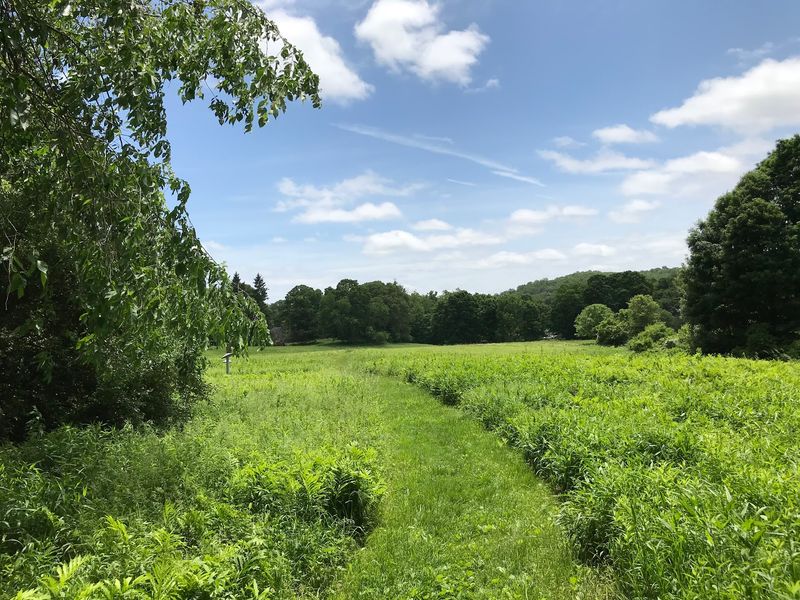
Beyond the cultivated gardens and the museum itself, Osbornedale State Park unfolds in a way that catches many visitors off guard. The park’s approximately 350 acres include rolling hills, open meadows, and wooded areas that feel genuinely removed from the surrounding suburban landscape.
Walking paths meander through terrain that was once part of Frances Kellogg’s working dairy farm, adding a quiet historical layer to an already peaceful outing.
A trail map for Osbornedale State Park is available for those who want to plan their route in advance, and the variety of terrain suggests options for different comfort levels and time constraints.
Along the side of the museum, a pathway mowed through very tall grass leads out into the open field, offering a simple and calming walk that requires no special equipment or preparation.
The sounds of rustling grasses and nearby birds tend to replace the usual background noise of daily life, which makes the experience feel like a genuine reset.
Historic hikes are occasionally offered on the grounds, giving participants a chance to learn about the land’s past while moving through it. Volunteer trail maintenance efforts keep the paths in good condition throughout the seasons.
Dogs are welcome on the grass field walkway, making the area a practical option for visitors who want to bring a pet along for the outing.
6. Architectural Details Worth A Closer Look
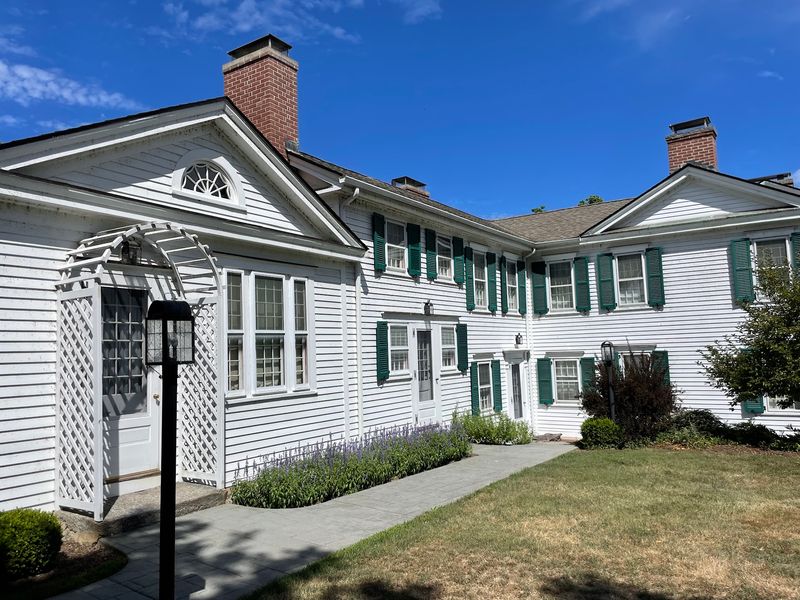
Architecture enthusiasts will find plenty to appreciate at the Osborne Homestead without needing a guidebook to point them in the right direction.
The house started out as a Greek Revival farmhouse around 1840, and its transformation over the following decades tells a clear story about changing tastes and growing ambitions.
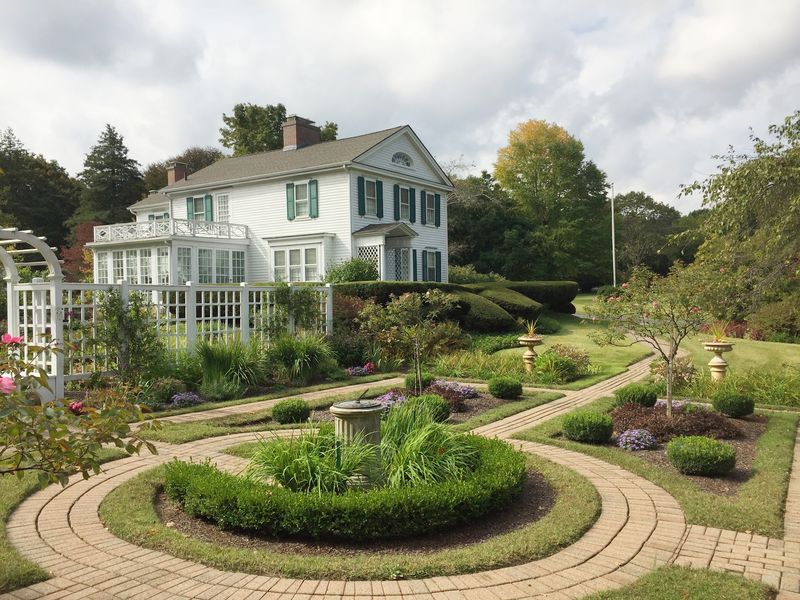
The Colonial Revival renovations carried out during the 1910s and 1920s gave the building its current character, blending classic proportions with refined ornamentation.
Henry Killham Murphy, an architect associated with Yale, supervised much of the Colonial Revival remodeling around 1910. Later, Frances Osborne Kellogg’s husband, Waldo Stewart Kellogg, who was himself a trained architect, continued enlarging and refining the home during the 1920s.
The result is a two-story structure with layered architectural history that rewards careful observation.
French doors connect the interior rooms and a conservatory directly to the formal gardens outside, suggesting that the family valued a seamless relationship between indoor comfort and outdoor beauty.
Details like window treatments, structural proportions, and the careful integration of additions from different periods all contribute to the home’s presence on the National Register of Historic Places.
For anyone who enjoys noticing craftsmanship rather than simply passing through a space, the building itself offers a rewarding and unhurried experience.
7. Wildlife And Nature Surrounding The Estate
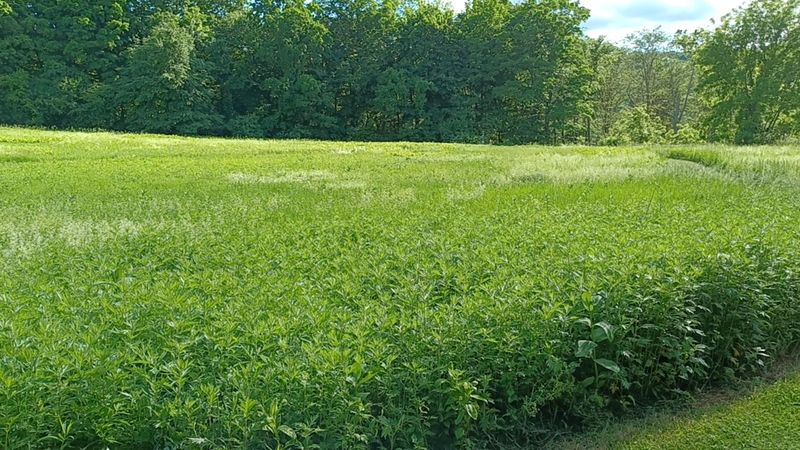
The natural setting around the homestead is more than just a pleasant backdrop. Osbornedale State Park, which surrounds the museum grounds, spans roughly 350 acres and supports a range of habitats from forested areas to open meadows.
Historically, the land was described as lushly forested hunting grounds, and that ecological richness continues to define the area today.
A dedicated wildlife garden on the estate grounds has been planted specifically to attract and support native species.
Yarrow, beebalm, columbine, butterfly weed, black-eyed Susans, dogbane, spicebush, and coneflower are among the plants chosen for their value to local pollinators and wildlife.
Ongoing volunteer programs including Monarch Larva Monitoring, Pollinator Monitoring, and Project FeederWatch reflect a serious and active commitment to supporting biodiversity across the property.
The adjacent Kellogg Environmental Center functions as a natural history museum and educational facility, offering programs and exhibits focused on the region’s environmental resources.
Visitors walking the paths through the park may encounter birds, insects, and small mammals that thrive in this protected setting.
The combination of cultivated wildlife habitat and preserved natural land makes the estate a genuinely layered destination for anyone with an interest in the local ecosystem, not just the history contained within the house itself.
8. Why This Historic Treasure Deserves More Attention
A free admission policy, ample on-site parking, and a location within a 350-acre state park already make the Osborne Homestead Museum a practical and accessible destination.
Add in the layered history, the formally designed gardens, the preserved interior rooms, and the quiet walking paths, and the question becomes less about why to visit and more about why so few people already have.
The estate appears on the Connecticut Women’s Heritage Trail and is recognized by Connecticut Historic Gardens, which speaks to its standing among those who study and preserve the state’s cultural heritage.
The museum’s seasonal schedule runs from May through October with free guided tours, and special holiday tours extend the visiting season into December. An outdoor audio tour available via smartphone makes it easy to explore the grounds independently and at a relaxed pace.
The Kellogg Environmental Center next door adds an educational dimension that broadens the appeal for families and school groups.
Crowds tend to be light, which means visitors can move through the gardens and rooms without feeling rushed or pressed for space.
For history enthusiasts, garden lovers, nature walkers, and anyone curious about the women who shaped the state’s past, the Osborne Homestead delivers a genuinely satisfying experience.
A place this well-preserved and this accessible deserves a much wider audience than it currently enjoys.