Fewer Than 100 People Live In This Idaho Mining Town Where A 1930s Dredge Still Sits In The Pond
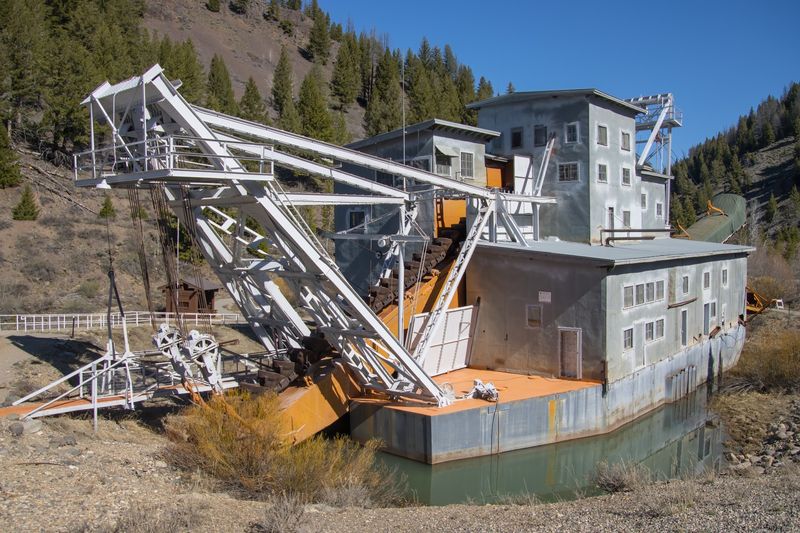
A gold-digging machine the size of a building still sits in its own pond in the Idaho mountains. You can walk through it, deck by deck, and that part still gets me.
It waits at the end of a gravel road. Along the way, long ridges of rock show exactly where the machine chewed through the valley floor.
Volunteers keep it open in summer and share the stories that came with it.
I like how this spot skips the glass cases and velvet ropes. It feels like the crew stepped out for lunch and simply never came back.
The rusty gears, the quiet water, and the empty decks do most of the talking.
So how does a machine this big end up parked in a mountain pond? The answer is one of the best backroad stories in central Idaho.
A Building-Sized Gold Machine Waits Up A Gravel Road
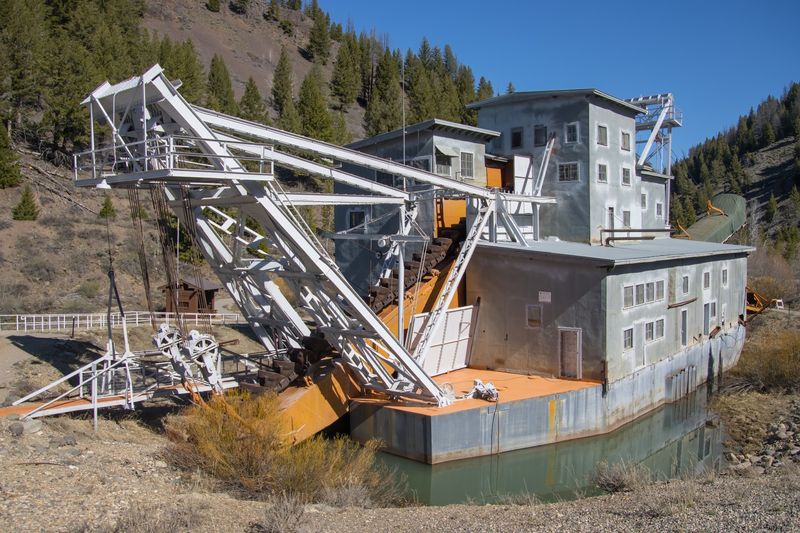
Few road trip stops come with a warning that the main attraction once ate a river valley. The Yankee Fork Gold Dredge sits in the mountains of central Idaho, a scenic drive from the small town of Stanley.
The official address is 300 Yankee Fork Rd, Stanley, ID 83278. Don’t let the Stanley mailing address fool your GPS into thinking it sits on Main Street.
Reaching it means leaving pavement behind and following the Yankee Fork up a gravel and dirt road. That road is well maintained, so a regular car or SUV handles it without drama in the summer season.
The dredge itself is a historical landmark and a true heavy-equipment giant. It floats in the pond it created, surrounded by the timbered slopes of the Salmon River country.
What makes it special is simple. You don’t just look at it from a fence line, because you get to step inside and roam around.
Plenty of Idaho mining relics have crumbled into piles of boards. This one still stands tall, still sits on the water, and still invites you aboard for a closer look at how gold mining really worked.
Bought, Sold, And Finally Parked For Good
Machines like this one rarely stayed with a single owner for long. The dredge changed hands several times over the years, and its early days came with real setbacks.
Then a famous Idaho name stepped in. The Warren Dredging Corporation, partially owned by J.R.
Simplot, bought the dredge in 1949.
Yes, that Simplot, the potato king whose name still shows up all over the Gem State. His company’s crew worked through the problems the previous owner couldn’t solve and got the machine digging again.
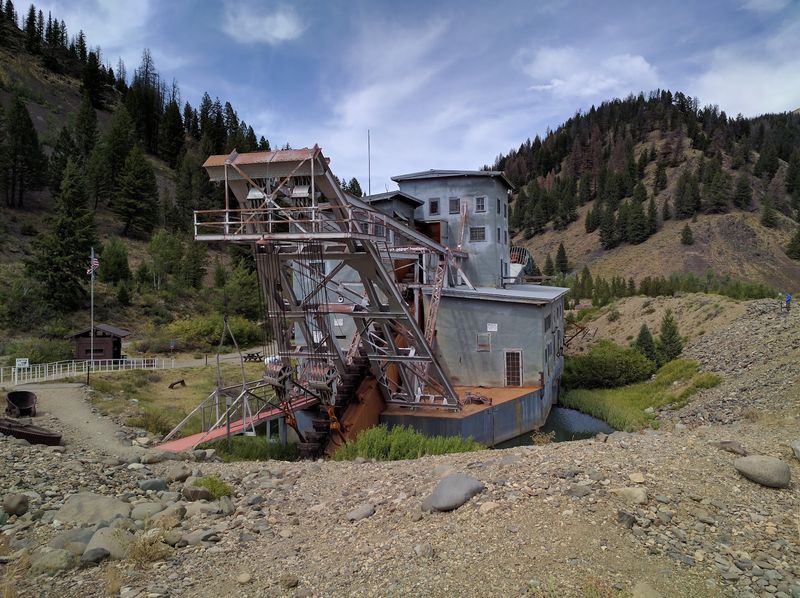
In 1953, the dredge moved to its final resting spot. It has stayed in that pond ever since, which makes it one of the most stubborn residents of the Yankee Fork valley.
I can’t imagine the effort it took to haul, float, and steer something this heavy through a mountain canyon. Every bolt had to arrive by rough road, and every repair happened far from any big-city machine shop.
Standing beside it today, you start to feel that struggle. The quiet pond hides decades of grinding work, risky money, and stubborn optimism that gold was waiting just a little deeper.
Those Rocky Ridges Along The Drive Tell A Story
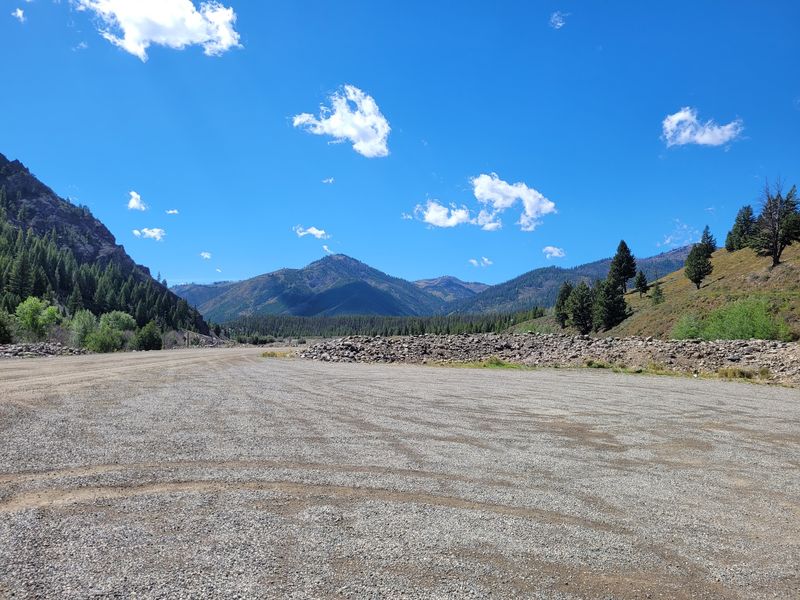
Long before the dredge comes into view, the landscape starts dropping hints. Rows of piled rock line the valley floor beside the road.
Those ridges are tailings, the leftovers the dredge spit out behind it as it worked. The machine scooped up the riverbed, pulled out the gold, and dumped the rest in neat, endless heaps.
Roadside signs along the way explain what you’re looking at. Stopping to read them is worth the few extra minutes, since they turn random rock piles into a timeline.
The scale hits hard once you understand it. Mile after mile of rearranged valley came from one floating machine creeping slowly upstream.
It’s an eye-opener about how much these dredges changed the land. The impact will linger for generations, and this style of gold digging is no longer allowed.
That honesty makes the trip better, not gloomier. You see the cleverness of the engineering and the cost of it in the same glance, which is a pretty rare history lesson to get from a car window in Idaho.
Every Single Deck Is Yours To Explore
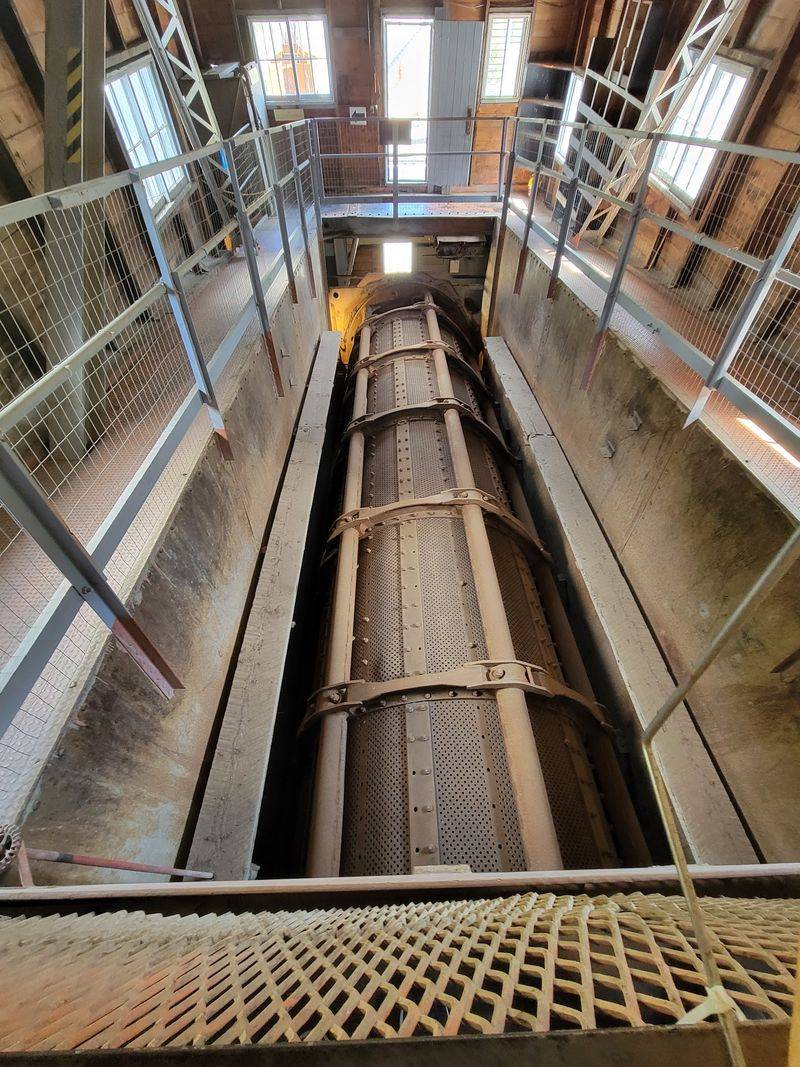
Here’s a bragging right worth knowing about. Only two dredges like this remain in the lower 48, and this is the one where you can walk every deck.
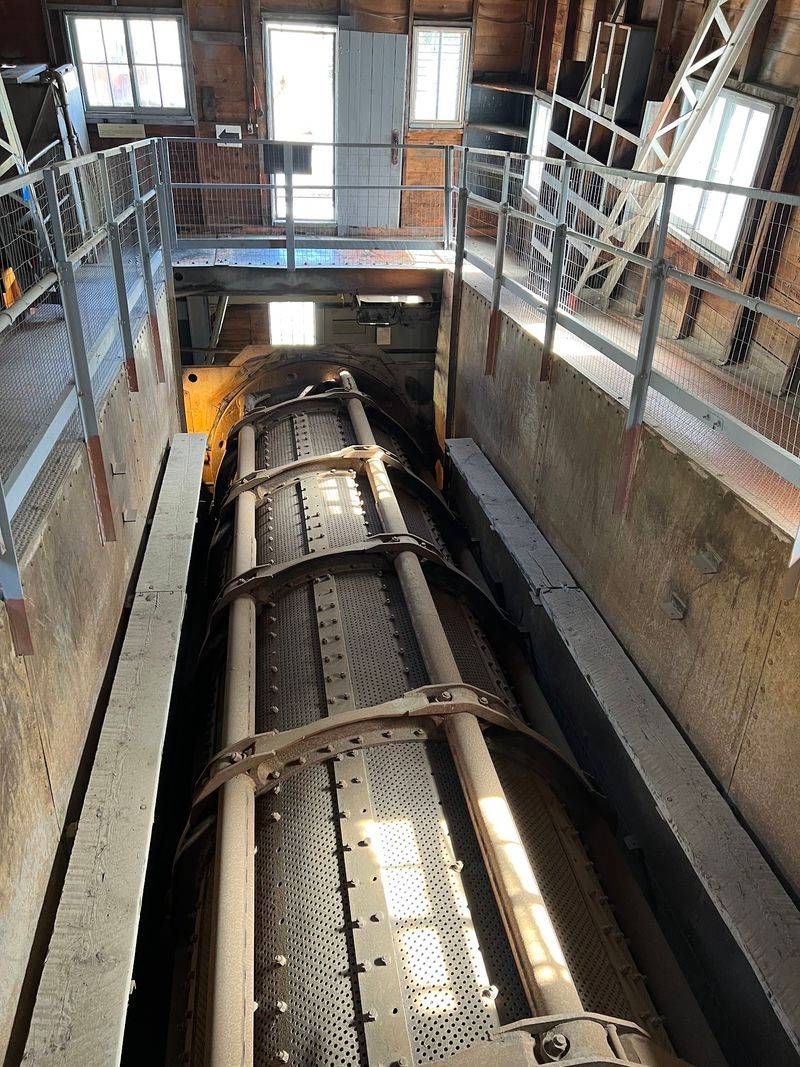
That means climbing through the guts of the machine instead of squinting at it from a parking area. You can touch the steel, peer at the gears, and follow the path the gold-bearing gravel once took.
The tour runs through the interior and wraps up near the end with more machinery stories. Mechanically minded folks tend to slow way down in here, and honestly, who could blame them?
Older visits included the engine room, and repairs have kept it on the tour after winter snow once damaged some rafters. Heavy snow is a real foe for a wooden-and-steel giant sitting in the mountains.
That ongoing restoration work keeps the decks open and safe. Each fixed beam is another season of visitors poking around this industrial maze.
If heavy equipment makes your heart beat a little faster, block out extra time. The decks reward curiosity, and there’s always one more lever or pulley to puzzle over.
Volunteers Who Bring The Rust To Life
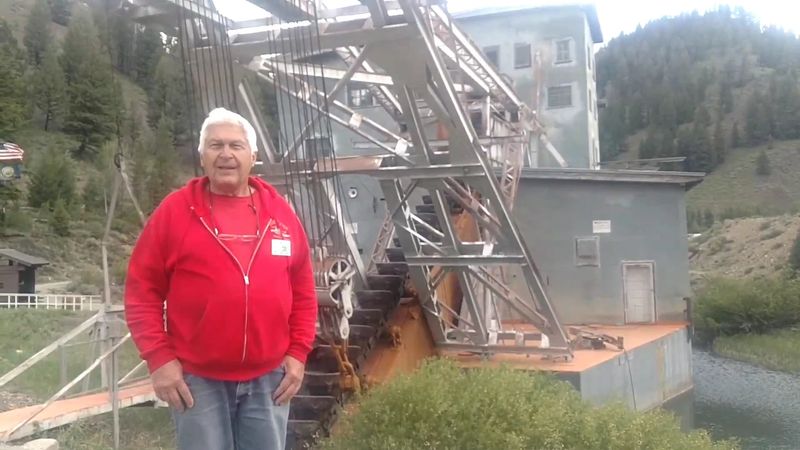
Old machines are cool, but stories make them unforgettable. At the Yankee Fork Gold Dredge, volunteers carry most of that storytelling load.
They staff the site, guide parts of the tour, and fill the space with facts you’d never find on a sign. Some have family roots in this valley, which gives their tales a personal, close-to-home flavor.
That local connection matters. Hearing about someone’s dad who grew up nearby turns a hulking machine into a neighbor’s workplace.
The volunteers also explain how the dredge actually pulled gold from gravel. Suddenly the buckets, screens, and gears make sense instead of looking like a giant metal puzzle.
Their friendliness is a big reason families with kids and grandparents alike leave happy. A good guide can hold a toddler’s attention and a retired engineer’s curiosity in the same breath.
Keeping a place like this open takes steady hands every summer. Without these folks, the dredge would just be a large silhouette in a pond, and I’d much rather have the stories that come with it.
A Little Gift Shop And A Donation Jar With A Purpose
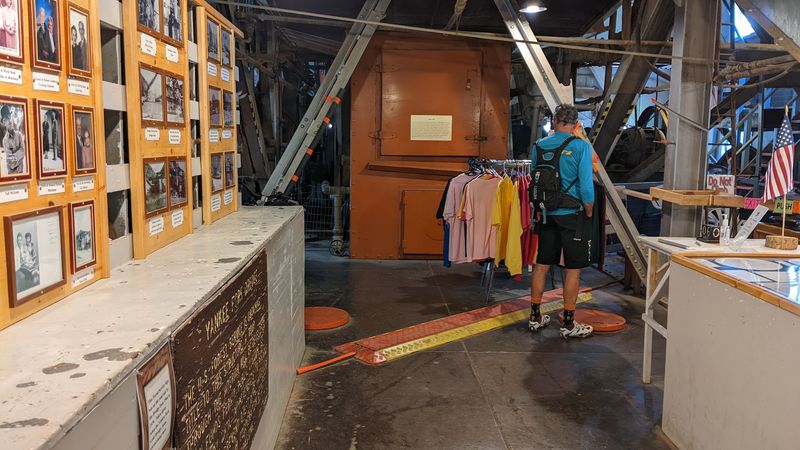
Tours that end in a gift shop are a classic for a reason. This one keeps it small and simple, with a little shop waiting near the end of the walk.
It’s a handy spot for a souvenir, a postcard, or something for the kids to clutch on the ride home. Don’t expect a sprawling store, though, because the dredge is clearly the star here.
Admission has shifted over the years. The site has moved away from a set fee and now asks visitors for a donation instead.
Those donations do real work. They help cover repairs, like the rafters that once needed fixing after heavy winter snow.
A machine this old needs constant attention to stay open and safe. Every gift helps keep the decks walkable for the next family that bumps up that gravel road.
So tuck a few dollars in your pocket before you go. Rules can change, so check before driving, but dropping something in the jar feels like buying the old dredge another season in the sun.
Keep Driving A Mile For A Ghost Town Bonus
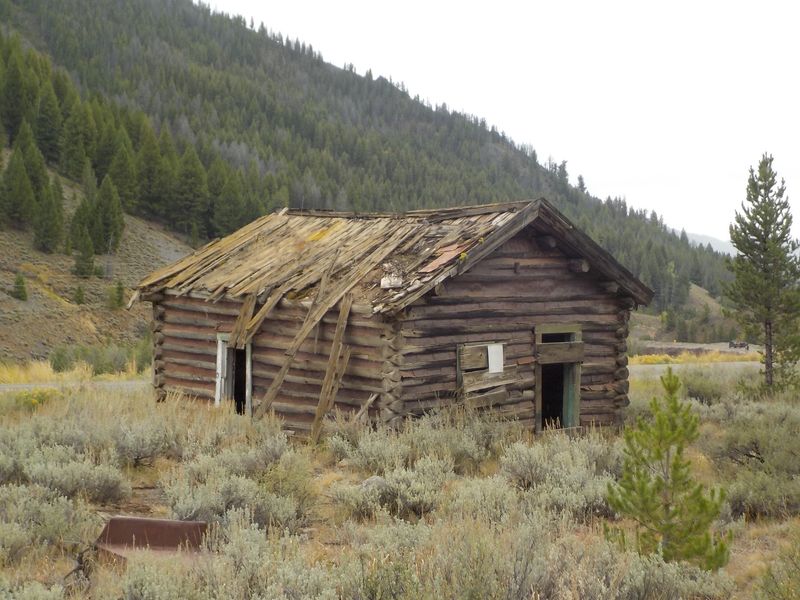
Turning around right after the dredge would be a rookie move. Custer Ghost Town sits about a mile farther up the road.
That short hop adds a whole mining-town chapter to your day. The dredge shows how gold came out of the ground, and Custer shows where miners and their families actually lived.
Both sites are restored enough to deserve real time and effort. Pairing them turns a quick stop into a satisfying afternoon of Idaho history.
Adventurous drivers can push even farther. An old stagecoach road climbs over the hill to the north, and it’s unpaved but manageable in an SUV.
The whole Yankee Fork corridor sits just far enough off the pavement to feel remote. Yet it isn’t so far out that the trip becomes a hassle.
Plenty of visitors wish they had saved more time for Custer. Learn from that and leave a cushion in your schedule, because rushing through two ghostly mining stops in one day feels like skimming the best pages of a good book.
Fun For Toddlers, Grandparents, And Gearheads Alike
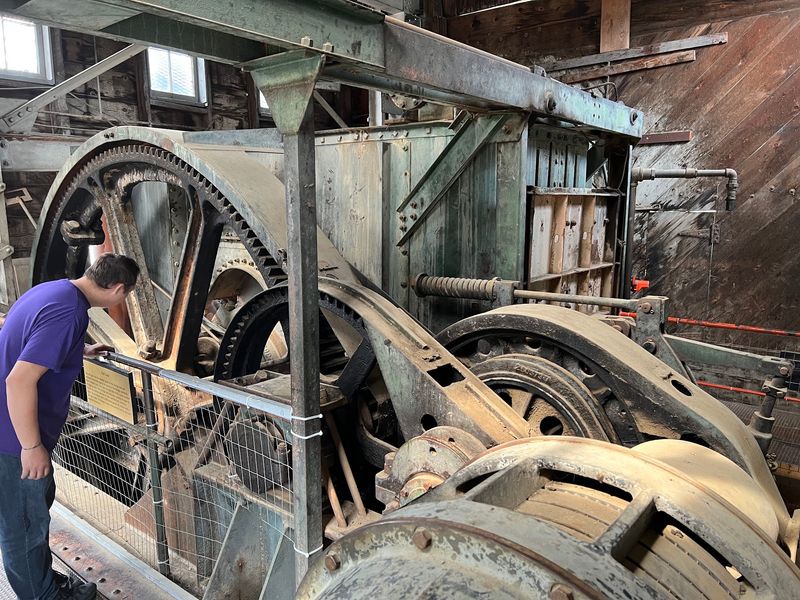
Group outings get tricky when ages range from diapers to reading glasses. This old dredge handles that spread surprisingly well.
Families with members from toddlers to fifty-somethings have walked away grinning together. Kids love the sheer size, while adults soak up the history and engineering.
History buffs get a front-row seat to one of the ways gold was mined in Idaho. Gearheads get a giant, walkable diagram of buckets, belts, and machinery.
Wildlife can steal the show too. The Yankee Fork backcountry is the kind of place where elk, deer, or even a wolf might cross your path, so keep a respectful distance.
The pace stays relaxed. There’s no theme-park rush here, just a quiet pond, mountain air, and a slow wander through a piece of the past.
Honeymooners have even counted it among their trip highlights, which says something about its staying power. If your crew likes big machines, open sky, and real stories, this stop earns its spot on the itinerary.
Timing Your Trip So The Doors Are Open
Nothing stings like rolling up after closing time. Tours generally run from mid-morning until mid-afternoon during the summer season, and the doors close earlier than many travelers expect.
Visitors who arrive late can still admire the outside. Still, the inside is the real treasure, so plan to show up well before closing.
The dredge operates seasonally, since winter snow buries this valley. Schedules can shift, so check before driving out of Stanley or anywhere else in Idaho.
Bring layers, snacks, and a full tank. The surrounding area is remote, and services are limited once you leave the highway.
Give yourself time for the roadside signs, the dredge tour, and that bonus mile to Custer. Rushing defeats the point of a place that rewards slow looking.
My honest take is simple. The Yankee Fork Gold Dredge is one of those rare stops that feels both huge and personal, with friendly volunteers and a machine you can actually climb through.
If you’re anywhere near the Sawtooths this summer, that gravel road is calling.