Find An Immersive Battle Theater Experience And A Ship Simulator At This Columbus Georgia Museum
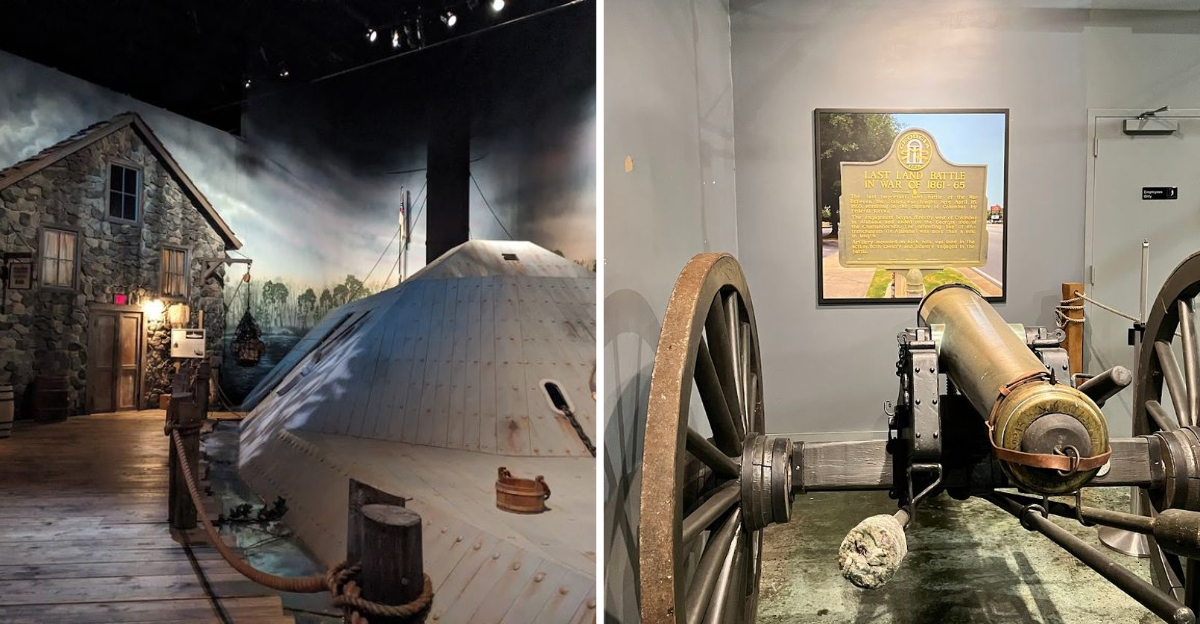
Along the banks of the Chattahoochee River in Columbus, Georgia, one museum offers a fascinating look at a lesser known chapter of American history. The National Civil War Naval Museum explores the dramatic role naval warfare played during the Civil War, bringing the era to life through immersive exhibits and carefully preserved artifacts.
Visitors can walk among full scale ship replicas, examine original equipment used by sailors, and learn how naval strategies shaped battles across rivers and coastlines. The exhibits blend storytelling with hands on displays that make the experience engaging for both dedicated history enthusiasts and curious newcomers.
The riverfront setting adds to the atmosphere, helping guests imagine the waterways that once carried warships and supply vessels through the region. For anyone interested in discovering a deeper side of Civil War history, this Columbus museum offers an experience that is both educational and memorable.
1. CSS Jackson: The Mighty Confederate Ironclad
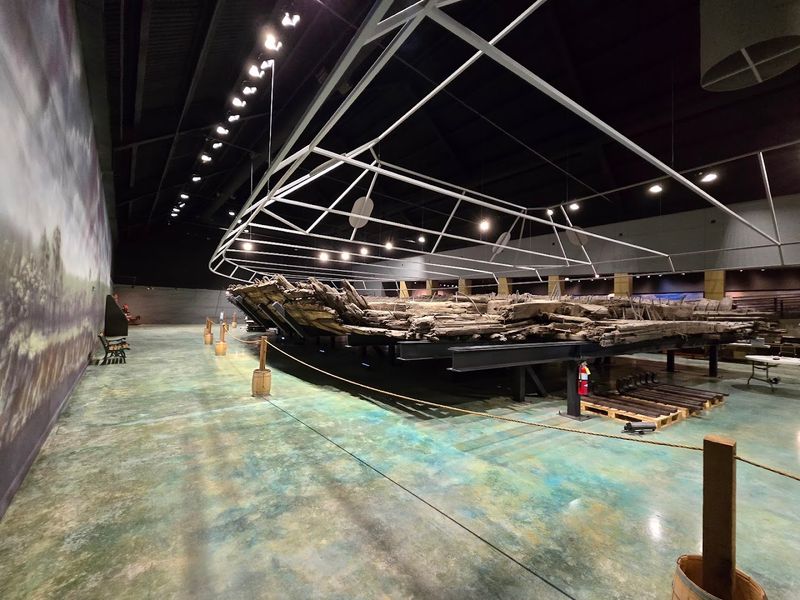
Few museum pieces command a room quite like the CSS Jackson. At 225 feet long, this Confederate ironclad is the largest surviving Confederate warship in existence, and standing beside its charred remains feels genuinely humbling. The vessel was set ablaze and sunk in the Chattahoochee River in 1865 to prevent Union capture.
The National Civil War Naval Museum, located at 1002 Victory Drive, Columbus, GA 31901, recovered and preserved these remarkable remains for public display. Up close, visitors can see the scale of Civil War-era naval engineering, from the heavy iron plating to the scorched wooden framing beneath.
Placards alongside the exhibit explain the Jackson’s construction timeline, its never-completed status, and the desperate final days of the Confederacy’s naval ambitions. History enthusiasts and casual visitors alike tend to linger here longer than expected. It is the kind of artifact that makes the past feel startlingly real.
2. CSS Chattahoochee: A Gunboat’s Final Story
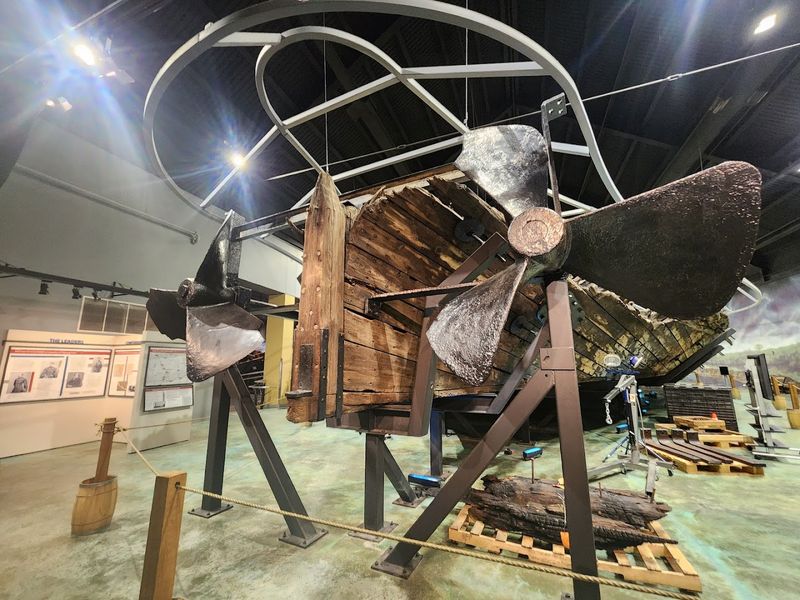
Not every warship ends its story in a blaze of glory, and the CSS Chattahoochee is proof of that. This Confederate gunboat was scuttled by its own crew in 1865 to keep it out of Union hands, sinking quietly into the same river that gave it its name.
The recovered wreckage is now preserved at the National Civil War Naval Museum where visitors can examine the salvaged components and learn about the vessel’s troubled service history. The Chattahoochee actually suffered a devastating boiler explosion during the war, killing several crew members before it was ever scuttled.
That layered story, of mechanical disaster and deliberate destruction, makes this exhibit particularly compelling. Informational panels walk visitors through the gunboat’s construction, its operational challenges, and the broader context of Confederate naval strategy in Georgia’s inland waterways. Plan to spend a good fifteen minutes here absorbing the details.
3. USS Hartford Replica: Walk Admiral Farragut’s Flagship
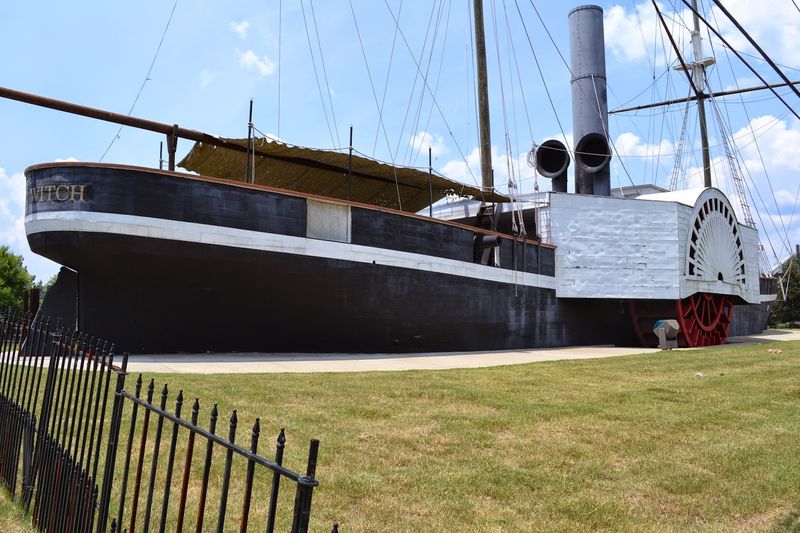
Stepping aboard the full-scale replica of the USS Hartford is one of those experiences that quietly reframes how people think about naval history. Admiral David Farragut commanded this ship during some of the Civil War’s most pivotal naval engagements, including the famous Battle of Mobile Bay in 1864.
The replica, housed at the National Civil War Naval Museum recreates the berth deck, ward room, and captain’s cabin with impressive attention to period detail. Visitors can move through the spaces where sailors actually lived and worked, getting a genuine sense of how cramped and demanding life aboard a 19th-century warship could be.
The contrast between the officer’s cabin and the enlisted berth deck tells its own quiet story about rank and daily life at sea. Guided or self-paced, this walk-through replica tends to be a crowd favorite. Comfortable shoes are recommended since the replica involves some climbing and ducking through low doorways.
4. USS Monitor Turret Replica: Engineering That Changed Warfare
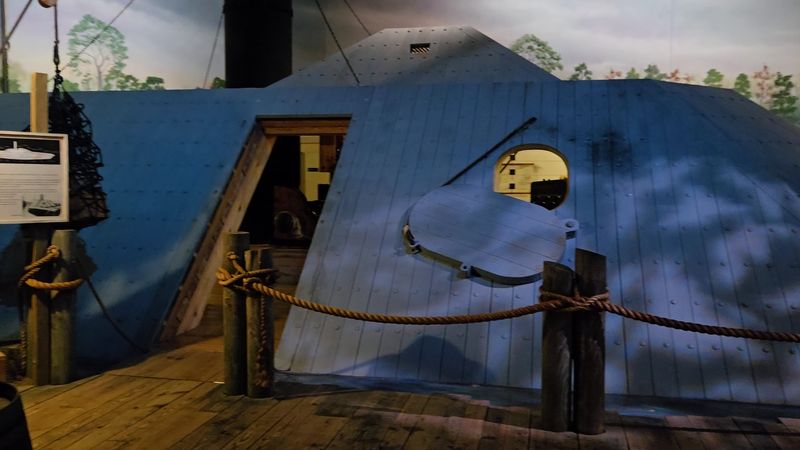
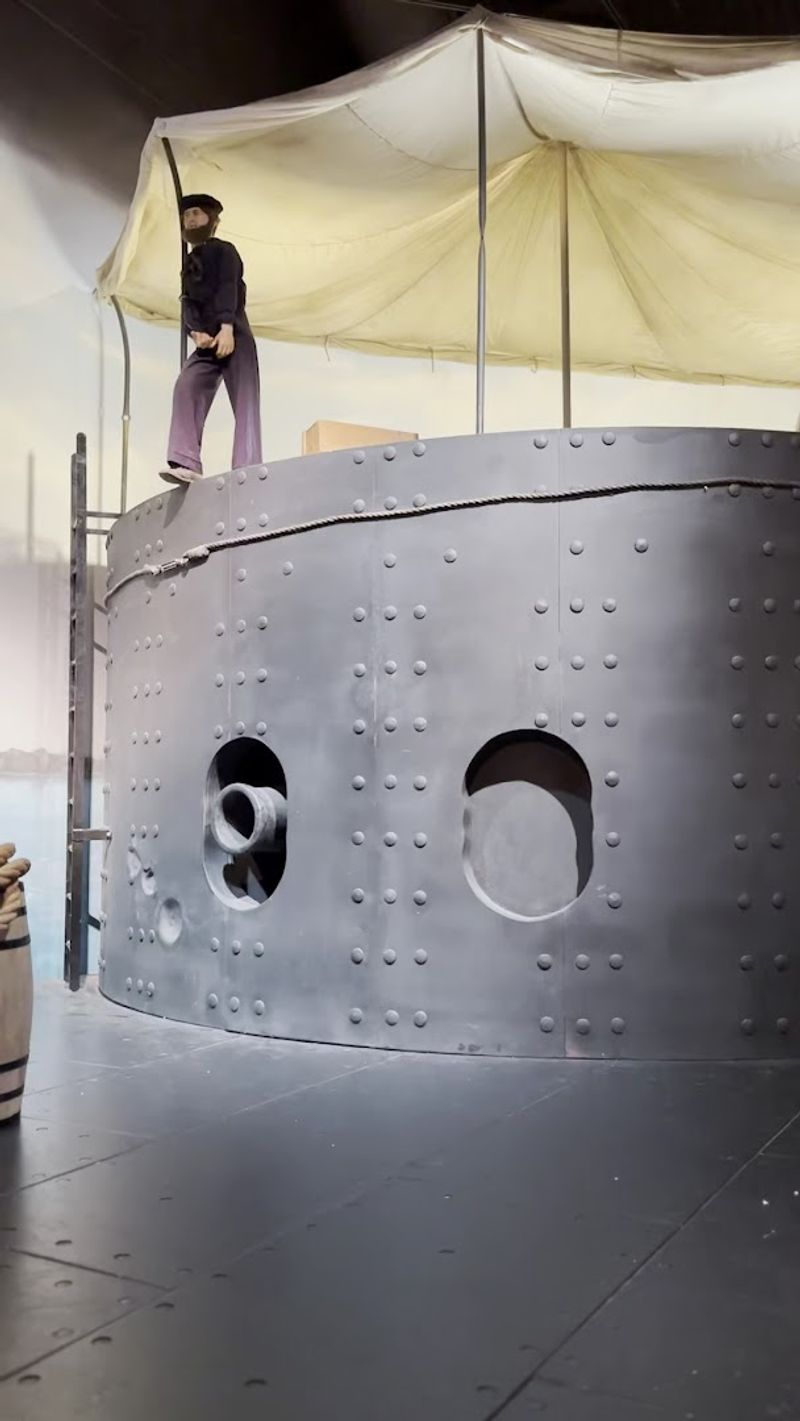
When the USS Monitor first appeared in 1862, naval warfare changed overnight. The rotating gun turret it introduced made traditional wooden warships almost instantly obsolete, and seeing a full-scale replica of that turret in person gives that historical shift a satisfying sense of physical weight.
The replica at the National Civil War Naval Museum lets visitors examine the turret’s design up close, appreciating just how innovative and strange it must have looked to sailors who had only ever seen broadside-armed ships. The turret’s circular iron walls and compact interior speak to both the ingenuity and the claustrophobic reality of early ironclad combat.
Exhibit panels explain the Monitor’s famous clash with the CSS Virginia, a battle that neither side technically won but that permanently altered naval strategy worldwide. For anyone with even a passing interest in engineering or military history, this exhibit rewards careful attention. Photography is welcome and the angles here make for excellent shots.
5. CSS Albemarle Panoramic Exhibit: Plymouth Comes Alive
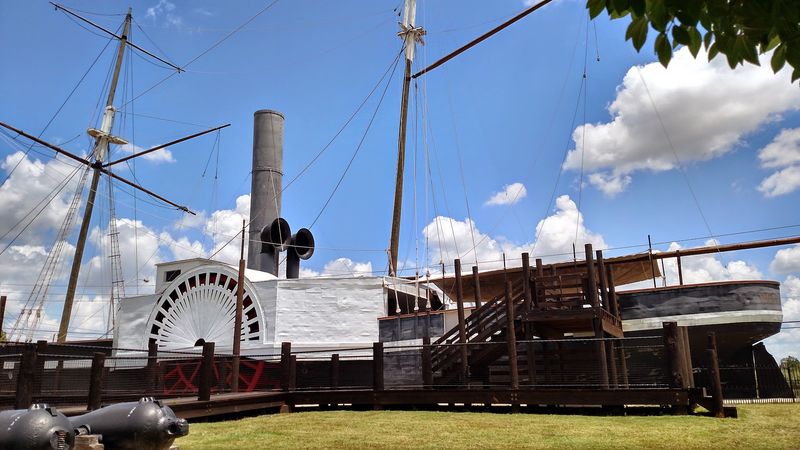
Immersive museum experiences do not always require screens and special effects. The CSS Albemarle exhibit proves that thoughtful design and historical accuracy can pull visitors into another time just as effectively.
Located at the National Civil War Naval Museum this panoramic dockside exhibit recreates the waterfront of Plymouth, North Carolina, complete with period-accurate surroundings and both exterior and interior views of the CSS Albemarle, the Confederate ironclad that terrorized Union forces in North Carolina waters during 1864.
The exhibit’s scale and wraparound presentation give it a theatrical quality that smaller displays simply cannot match. Visitors can see how the Albemarle was constructed, how it operated, and how Union Lieutenant William Cushing ultimately sank it using a torpedo spar in a daring nighttime raid. That story alone is worth the visit.
Children and adults alike tend to respond enthusiastically to the exhibit’s cinematic scope and the clear storytelling woven throughout the space.
6. Civil War Naval Flags: The Largest Collection in the Country
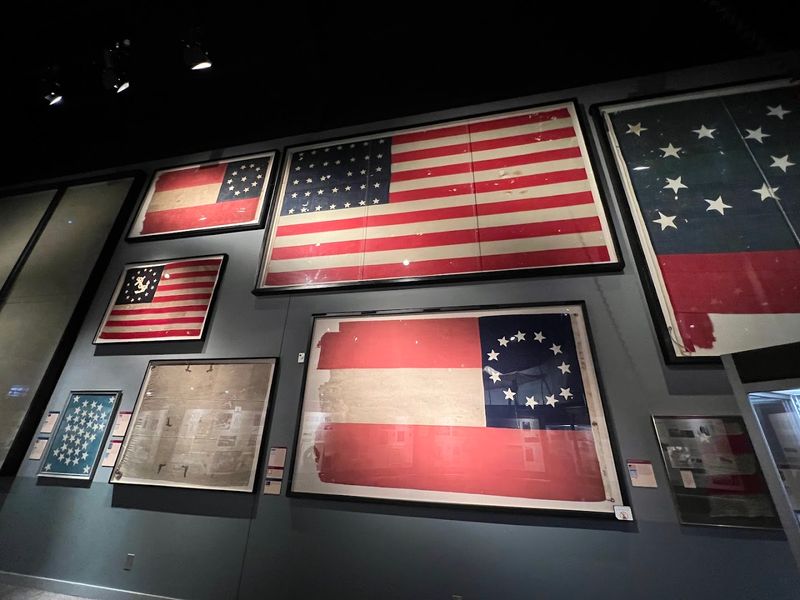
Flags might seem like a quiet exhibit topic, but the collection housed here is genuinely extraordinary. The National Civil War Naval Museum holds the largest collection of Civil War naval-related flags in the United States, a distinction that draws serious historians and curious general visitors alike.
The museum displays flags from warships, coastal forts, signal stations, and admirals’ pennants, each with its own documented history and provenance. The variety is striking, ranging from large battle ensigns to small signal flags that sailors used to communicate across open water before radio existed.
Many of the flags show real age and wear, which only adds to their power as artifacts. Conservation notes explain how the museum works to preserve these fragile textiles for future generations. Flag enthusiasts, textile historians, and anyone curious about military symbolism will find this section particularly rewarding.
Allow at least twenty minutes to move through the full display without rushing past the smaller pieces.
7. Timeline Exhibit: Month-by-Month Through Naval History
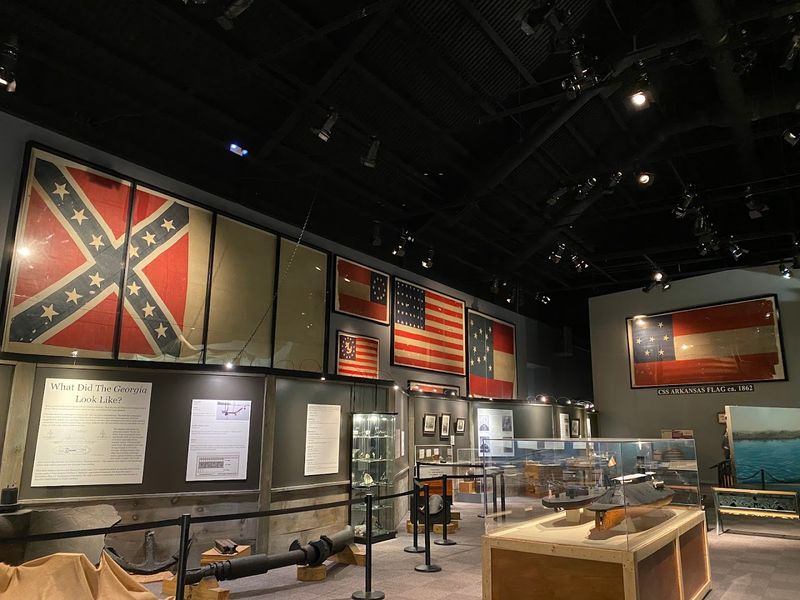
History can sometimes feel like a blur of dates and names, but the Timeline Exhibit at this Columbus museum approaches the Civil War naval story in a way that actually sticks. Moving through a chronological month-by-month account of naval events, visitors start to feel the rhythm and momentum of the war at sea.
The exhibit, part of the permanent collection features rare artifacts that anchor each chapter of the timeline. Highlights include the uniform coat of Captain Catesby Jones, who commanded the CSS Virginia during its legendary battle with the Monitor, and Admiral Farragut’s two-star hat insignia, a small object that carries enormous historical significance.
Seeing these personal items alongside the broader timeline creates a satisfying balance between the grand sweep of history and the very human figures who lived it. Visitors who enjoy reading exhibit panels at their own pace will find this section especially satisfying. A comfortable pace through the full timeline takes roughly thirty minutes.
8. USS Water Witch Replica: A Union Ship With a Dramatic End
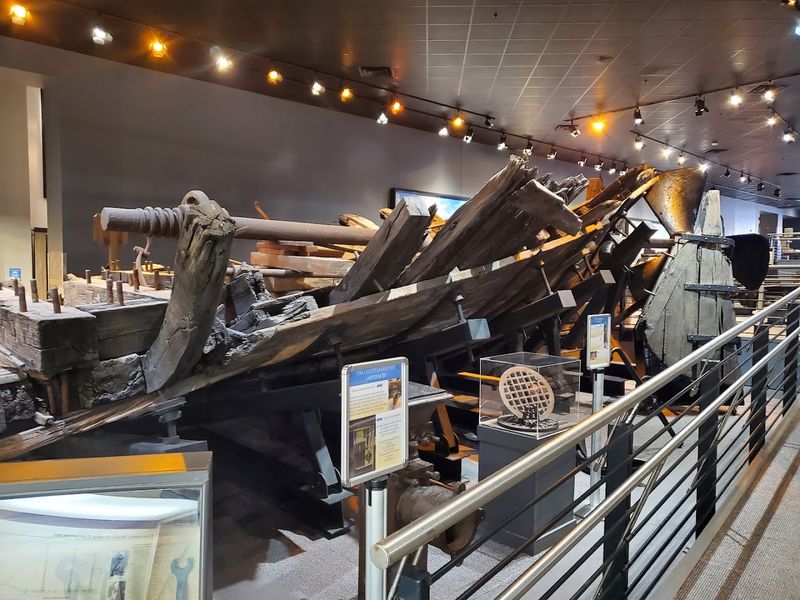
The USS Water Witch has a story that reads like something from an adventure novel. A Union warship operating in Georgia’s coastal waters, it was captured in a daring Confederate night raid in June 1864 and eventually destroyed near Savannah later that same year to prevent recapture.
A full-size replica of the vessel is now part of the permanent collection at the National Civil War Naval Museum giving visitors a tangible sense of what this type of Union gunboat actually looked like in service. The replica highlights the vessel’s relatively modest size compared to the massive ironclads elsewhere in the museum, which itself tells an important story about the variety of ship types used during the war.
Exhibit materials around the replica detail the night raid that captured the ship, named Operation Cutting Out, and the Confederate sailors who carried it off. For visitors who enjoy stories of naval audacity and clever tactics, this exhibit is a genuine highlight worth seeking out during any visit.
9. Battle Theater: Feel the Combat From the Inside
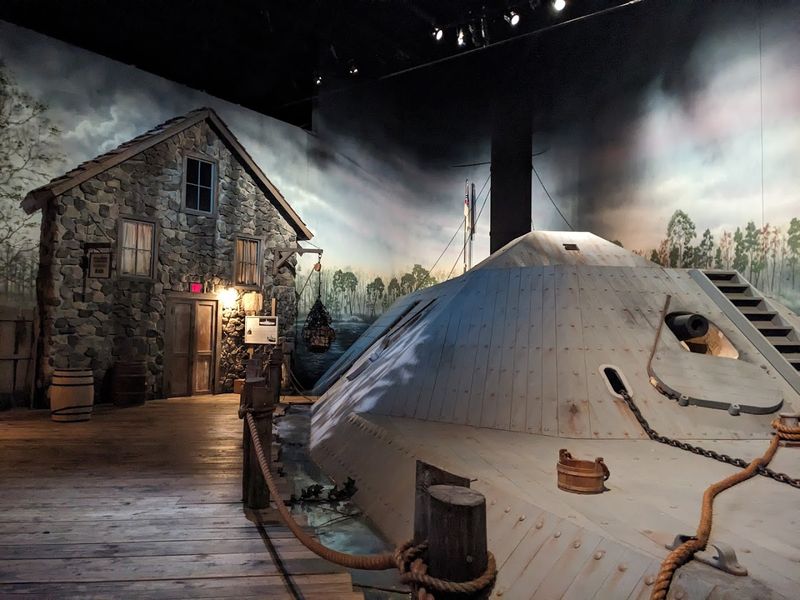
Some history lessons are best delivered with a little thunder. The Battle Theater at the National Civil War Naval Museum places visitors directly in the middle of a Civil War naval engagement, using dramatic presentation techniques to make the chaos and intensity of 19th-century sea combat feel immediate and real.
Rather than watching from a comfortable distance, the theater experience surrounds visitors with the sights and sounds of battle in a way that reading about it simply cannot replicate. The presentation covers the tactical realities of naval combat, from the deafening noise of cannon fire to the terrifying vulnerability of wooden ships facing ironclad opponents.
Families with school-age children tend to find this one of the most memorable parts of the entire visit. The experience runs on a schedule, so checking the museum’s daily program upon arrival is a smart first step. Seating is available, and the presentation is accessible for most ages and mobility levels.
10. Interactive Confederate Ironclad Ship Simulator: Take the Helm
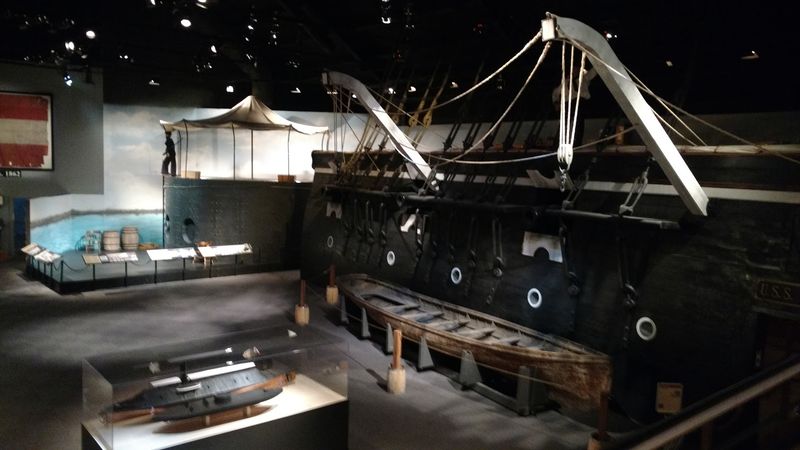
Knowing that ironclad ships were slow, hot, and difficult to maneuver is one thing. Actually trying to operate one, even in simulated form, is a completely different kind of understanding.
The interactive Confederate ironclad ship simulator at the National Civil War Naval Museum invites visitors to experience the physical and tactical challenges that 19th-century naval crews faced in combat. The simulator offers a hands-on engagement with steering, positioning, and combat decisions that reveals just how demanding ironclad warfare actually was for the men operating these revolutionary but deeply imperfect machines.
Kids absolutely love this exhibit, but adults consistently report finding it surprisingly absorbing too. The simulator provides context that no static display can fully communicate, particularly around the difficulty of visibility, communication, and coordination inside an ironclad hull during active battle. Lines can form during peak visiting hours, so arriving early in the day or on a weekday morning tends to offer the smoothest experience at this popular station.
11. Living History Events: History You Can Hear and Smell
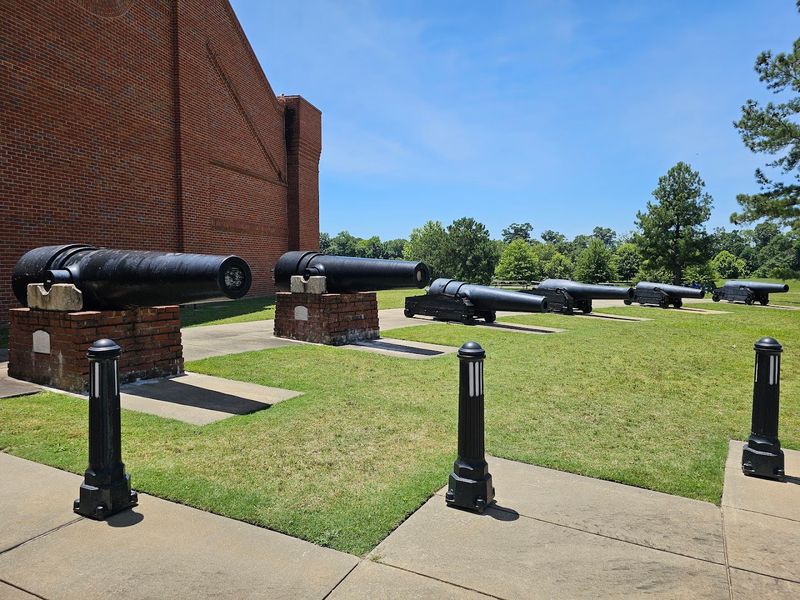
There is a particular kind of electricity that comes from watching a cannon fire in person. The National Civil War Naval Museum hosts regular living history events that bring Civil War-era military life to vivid, sensory reality through demonstrations, reenactments, and community history projects.
These events have included cannon firings, weapons demonstrations, and presentations focused on local Civil War history specific to the Columbus and Chattahoochee River Valley region. The schedule varies throughout the year, with some events tied to Civil War anniversaries and others organized around school holiday periods when family attendance tends to be highest.
Checking the museum’s official website before visiting is the best way to catch one of these events during a planned trip. Attendees are encouraged to ask questions during demonstrations, and the museum’s living history presenters are generally knowledgeable and enthusiastic about sharing details that go well beyond the standard exhibit text. These events genuinely reward the extra planning required to attend them.
12. Educational Programs: Learning That Goes Beyond Textbooks
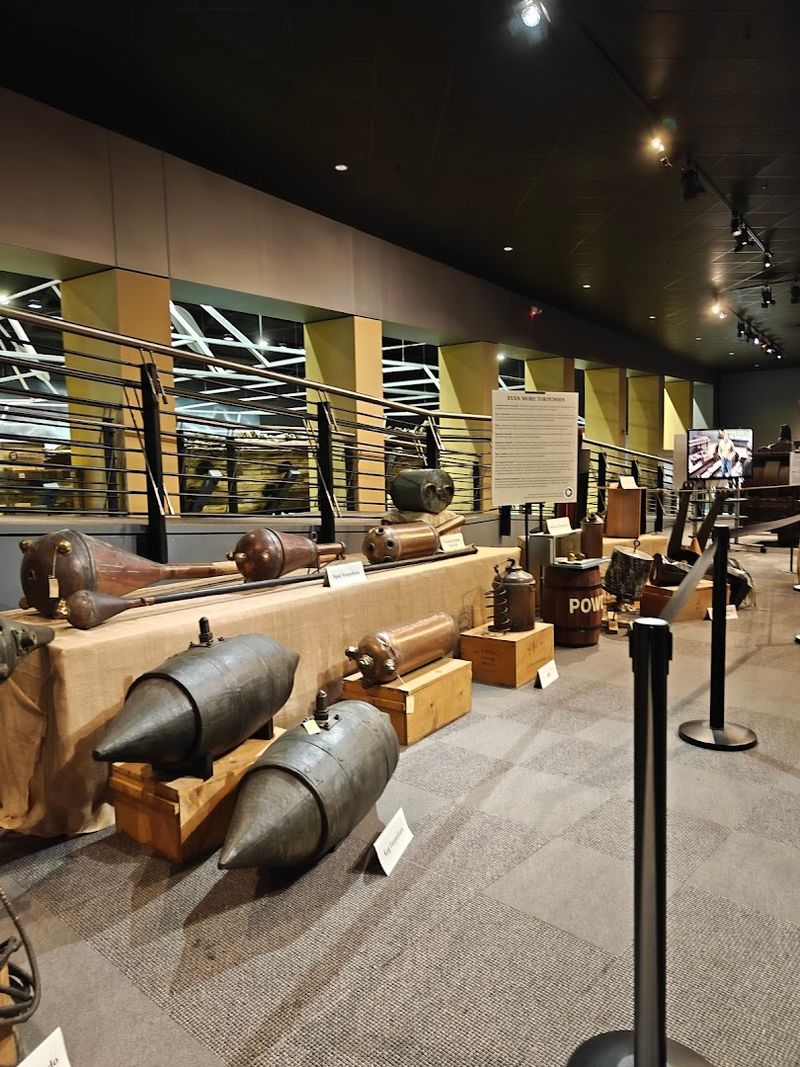
Not every museum manages to make history genuinely engaging for younger visitors, but the National Civil War Naval Museum has built a reputation for doing exactly that. Curriculum-based educational programs designed for elementary and middle school students offer interactive learning experiences that connect Civil War naval history to broader social studies and history standards.
Schools and homeschool groups visiting can pre-arrange programs tailored to specific grade levels and learning objectives, making the museum a practical destination for organized field trips rather than just casual family outings. Topics covered in these programs can include naval technology, the role of rivers in Civil War strategy, and the lives of sailors on both sides of the conflict.
Teachers and group leaders consistently note that students retain more from the hands-on museum experience than from classroom instruction alone on the same topics. Advance booking is strongly recommended for school groups, particularly during the spring semester when field trip demand tends to peak considerably across the Columbus region.
13. Temporary Exhibit Gallery: Something New Every Six Months
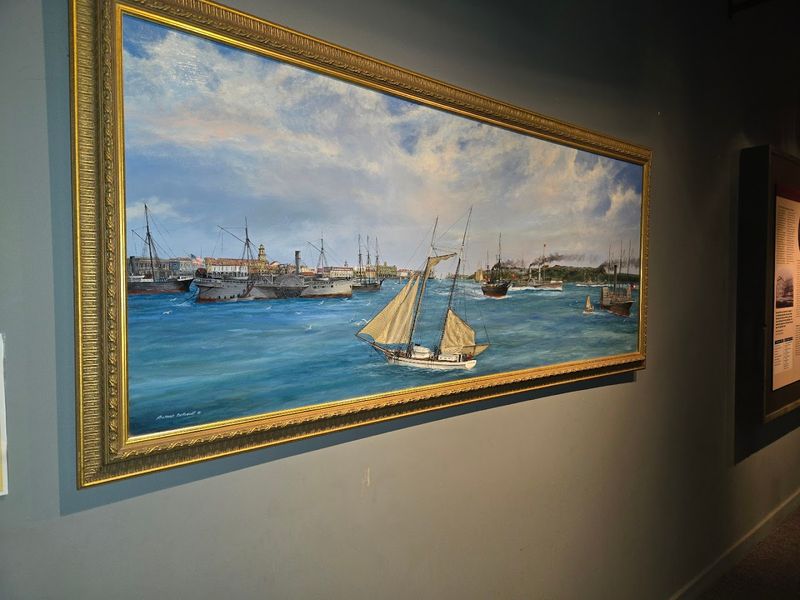
A museum with rotating exhibits gives visitors a genuine reason to return, and the National Civil War Naval Museum delivers on that front with a dedicated temporary gallery that refreshes its theme approximately every six months. Past exhibitions have explored Union Army flags, Civil War artwork, and battlefield photography, each bringing a fresh perspective to the broader Civil War story.
The gallery space is designed to accommodate a variety of display formats, from framed prints and photographs to three-dimensional objects and archival documents. The rotating nature of the programming means that even regular Columbus visitors can find something genuinely new on a return trip.
Checking the museum’s website or social media before visiting is the simplest way to find out what is currently on display in the temporary gallery. The exhibits tend to be well-curated and accessible, striking a balance between academic depth and general audience appeal that keeps the content engaging without becoming overwhelming for casual visitors.
14. Meet Mr. Lincoln: Ask the President Your Questions
Presidential history gets an unusually personal treatment in this exhibit. The Meet Mr. Lincoln experience invites visitors to pose questions directly to an interactive Abraham Lincoln display, covering topics ranging from war strategy and battlefield decisions to the moral weight of slavery and the personal highs and lows of his presidency.
The exhibit uses a question-and-answer format that feels surprisingly engaging, particularly for younger visitors who might otherwise struggle to connect with a figure from the 1860s. Lincoln’s responses draw on documented historical sources, giving the interaction a grounded authenticity rather than a purely fictional or dramatized feel.
This is one of those exhibits where adults often find themselves just as absorbed as the children they brought along. The format encourages curiosity and rewards follow-up questions, making it a natural conversation starter for families processing what they have seen elsewhere in the museum. Plan to spend at least ten to fifteen minutes here to get the full experience of the interactive format.
15. Cannon Firings: When History Gets Loud
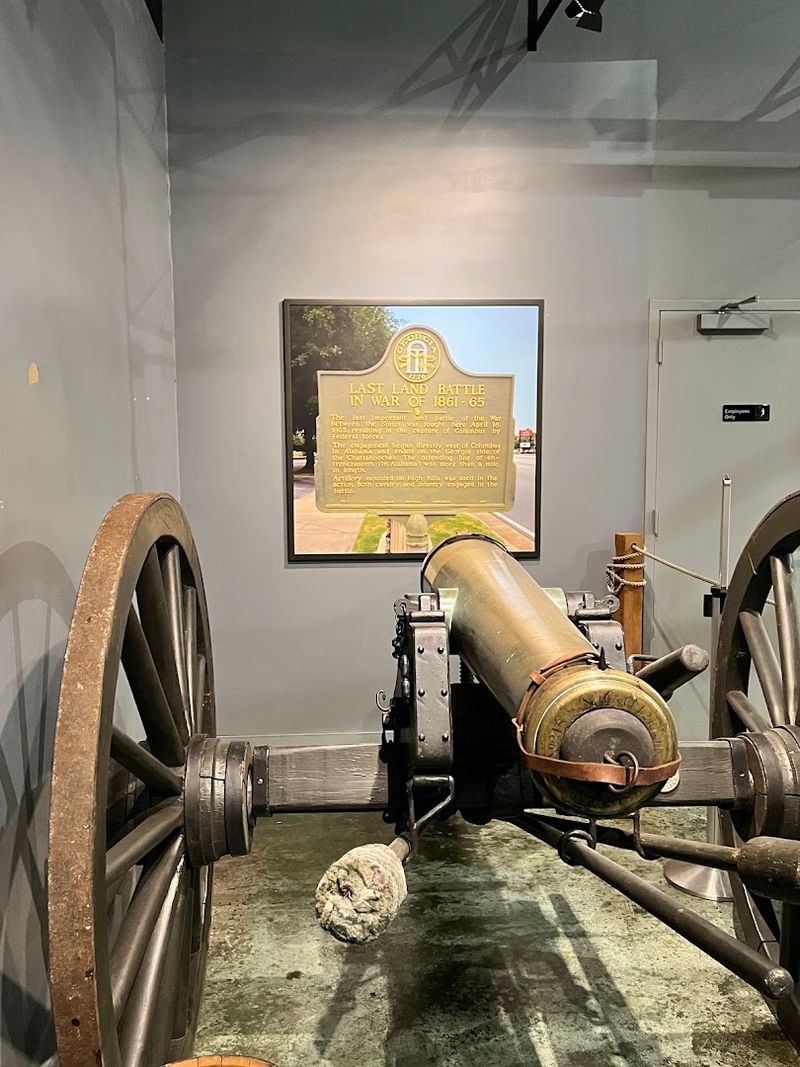
Few museum experiences match the raw sensory impact of a live cannon firing. On special occasions throughout the year, the National Civil War Naval Museum stages these demonstrations on its grounds, giving visitors a visceral, sound-and-smoke reminder of what Civil War artillery actually sounded and felt like in action.
The firings take place at the museum’s outdoor space and are typically staffed by knowledgeable presenters who explain the loading process, the mechanics of period artillery, and the tactical role that cannon fire played in naval engagements along rivers and harbors during the Civil War.
Hearing the actual concussive report of a cannon discharge in an open space has a way of making written descriptions of battle feel inadequate by comparison. Visitors with young children should be aware that the sound is genuinely loud, so some families choose to position themselves at a comfortable distance. Earplugs are a practical consideration for those with sound sensitivity attending these demonstrations.
16. Museum Store: Take a Piece of History Home
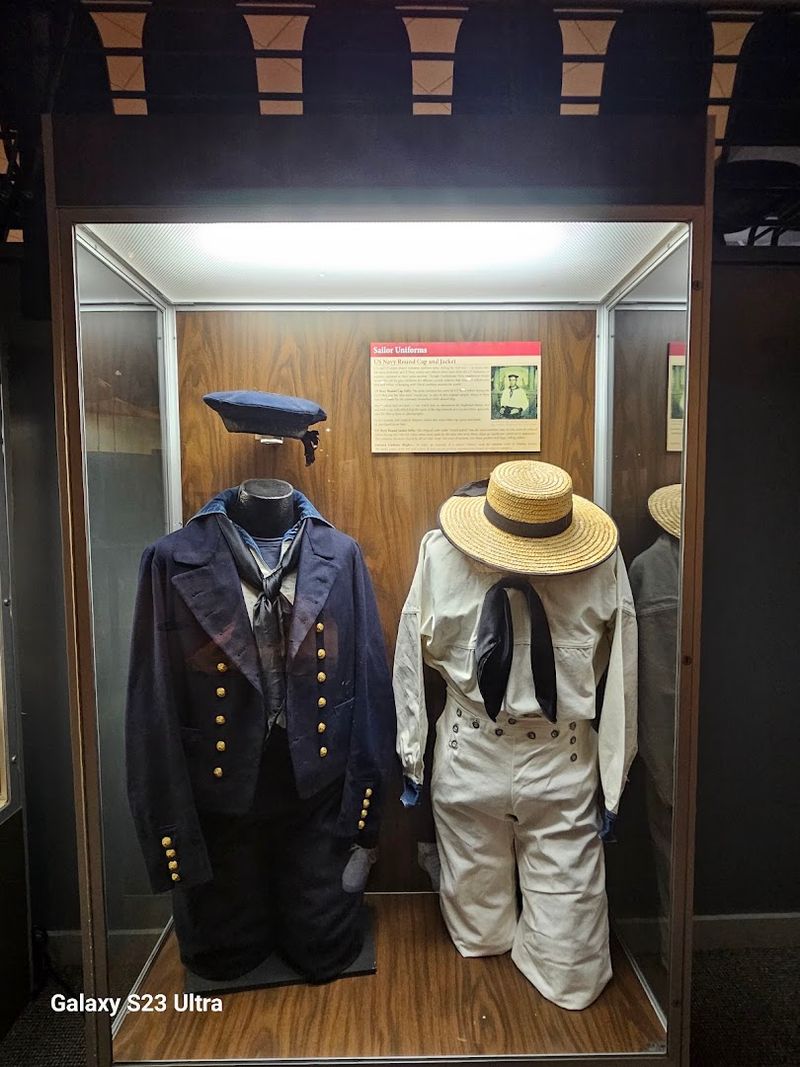
A well-stocked museum store is its own kind of exhibit, and the shop at the National Civil War Naval Museum offers a thoughtful selection of keepsakes, souvenirs, and Civil War-era memorabilia that extends the experience beyond the galleries themselves. Books, replica artifacts, prints, and themed merchandise cover a range of price points suitable for different budgets.
The store is located within the museum making it a convenient final stop before heading back out into Columbus. History-focused books available here tend to go deeper on specific topics covered in the exhibits, making them a natural complement to what visitors have just seen and learned throughout their time in the museum.
Gifts for children, including replica items and activity books, are also typically available, giving younger visitors something tangible to take home that reinforces the day’s learning. Supporting the museum store directly contributes to the institution’s ongoing preservation and educational work, which is worth keeping in mind when browsing the selection at the end of a visit.