Find Unusual Specimens And Surprising Gifts At This Offbeat Arizona Store
What exactly do you buy for the person who already owns everything?
Maybe a framed insect. Maybe a strange natural specimen. Maybe something you cannot identify until someone explains it.
One Arizona shop specializes in the kind of objects that make ordinary gift stores feel painfully safe.
The fun is not only buying something unusual. It is figuring out what half the shelves contain. Curiosity does most of the work here.
You browse, pause, ask questions, and keep moving deeper into the collection.
Even visitors who arrive without shopping plans can lose track of time. Weirdness, in this case, is the whole point.
A Cabinet Of Wonders Unlocked
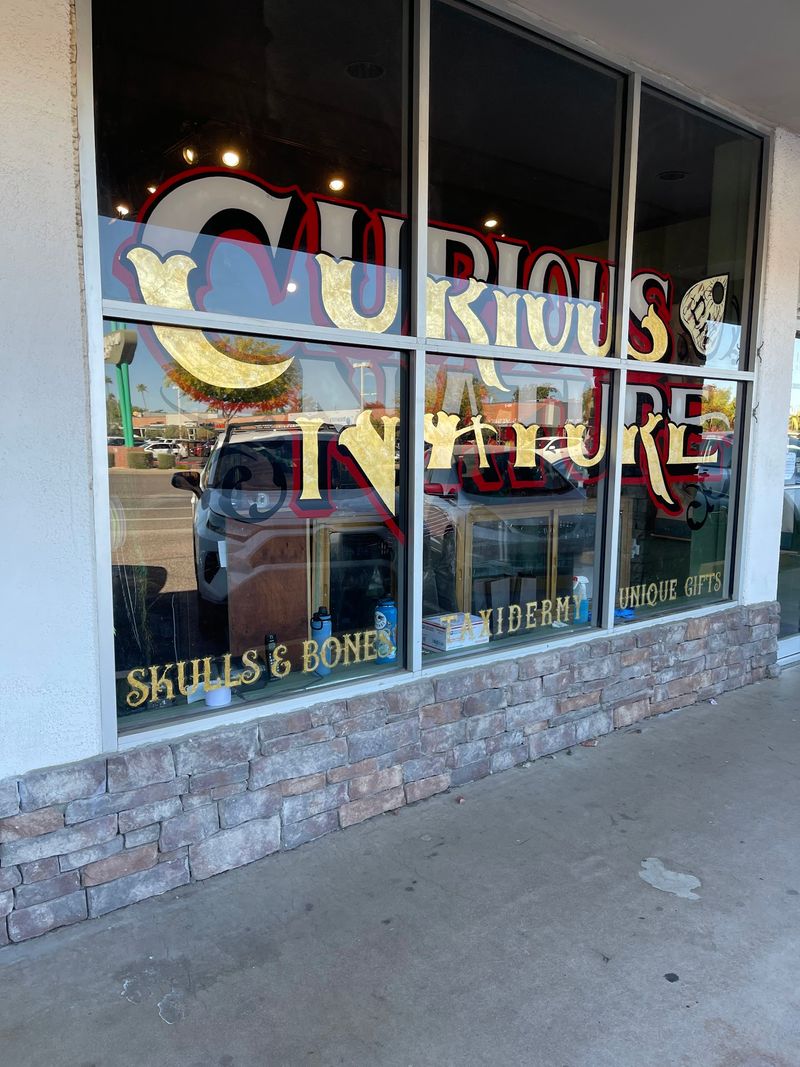
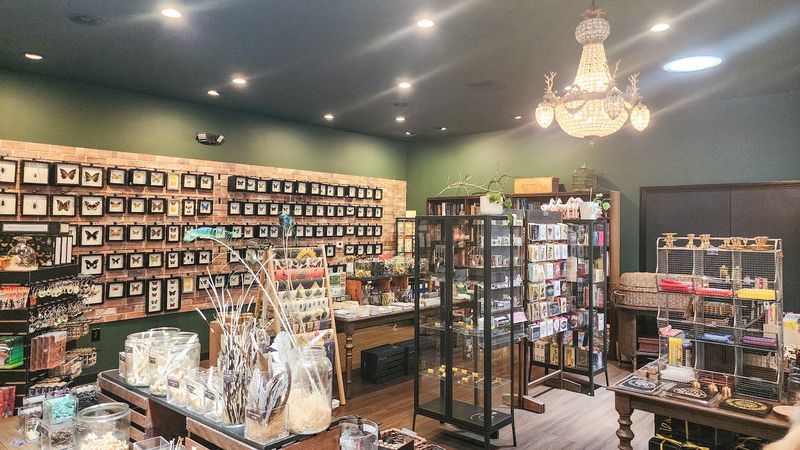
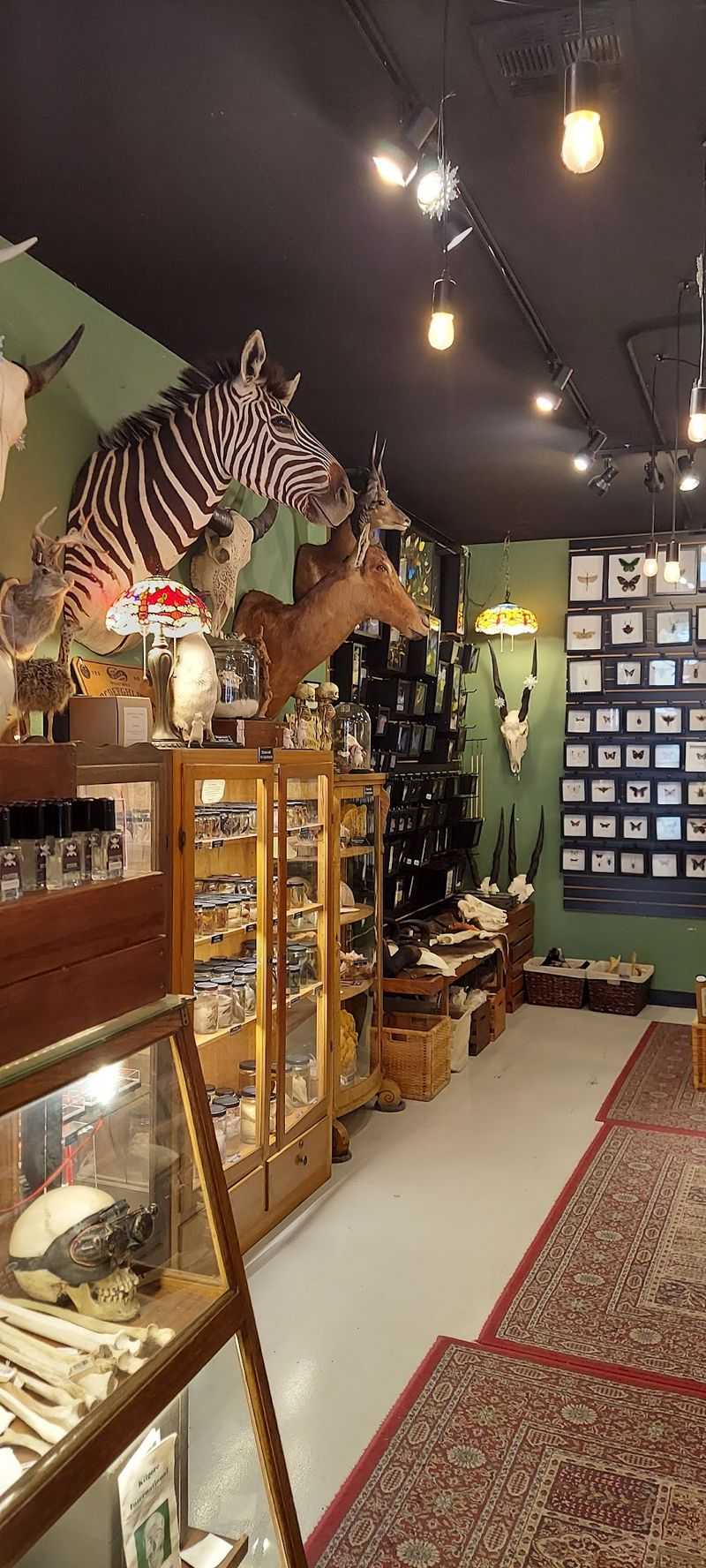
Shelves climb the walls with skulls, horns, framed insects, and other natural-history pieces arranged throughout the compact space.
Curious Nature calls itself a natural history emporium, and that title fits perfectly.
The space is compact but packed, so rushing through would be a mistake. Every few feet brings another cluster of objects worth stopping to examine.
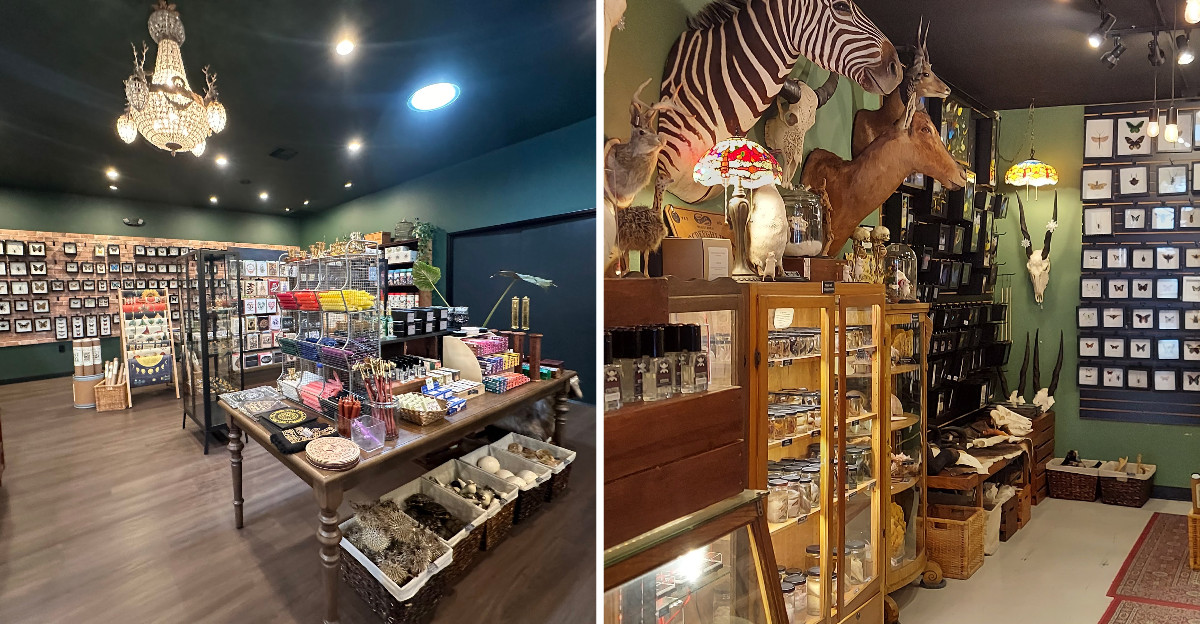
Display cases and shelving organize the dense collection into distinct sections around the shop.
The compact retail setting presents natural history in a more informal way than a traditional gallery. The shop grew from a longtime interest in natural history, and its motto says curiosity is eternal.
Displays continue around the room, with merchandise arranged across walls, shelves, and cabinets.
Arizona has plenty of shops selling desert souvenirs, but this one plays a completely different game. Bring patience and a curious mind.
Plan at least an hour, more if you like reading every tag. You will find the shop at 4346 N 7th Ave, Phoenix.
From Veterinary Work To Storefront
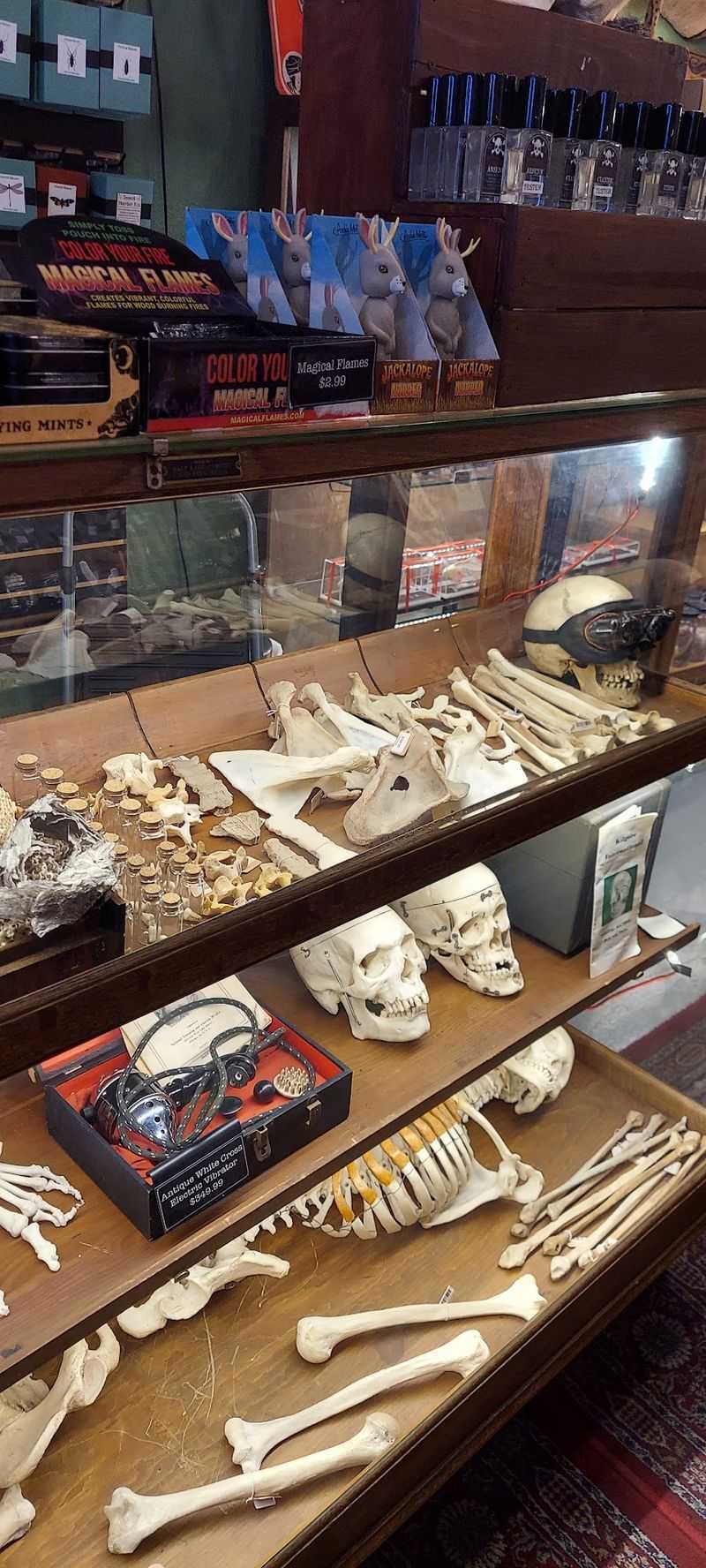
Behind the shelves sits a story that started long before any cash register rang.
The shop’s unusual identity makes more sense once you know how closely its roots are tied to animal care and education.
Before opening the shop, its founder spent about a decade in veterinary medicine and college-level teaching. He also worked with several animal-welfare organizations.
That background also included work with organizations focused on reptiles and other animals.
The business grew from a personal collection and an interest in presenting natural history as both beautiful and educational. That professional background helps explain the shop’s educational approach to natural-history specimens.
It also helps explain why so much of the experience encourages questions instead of treating the objects as simple curiosities.
The shop presents many specimens as educational objects as well as collectibles. The shop also publishes detailed sourcing information and offers educational classes on natural-history subjects.
Arizona is full of small businesses with heart, though few blend science and retail this neatly. The origin story alone justifies the drive across Phoenix.
Skulls, Bones, And Beetles
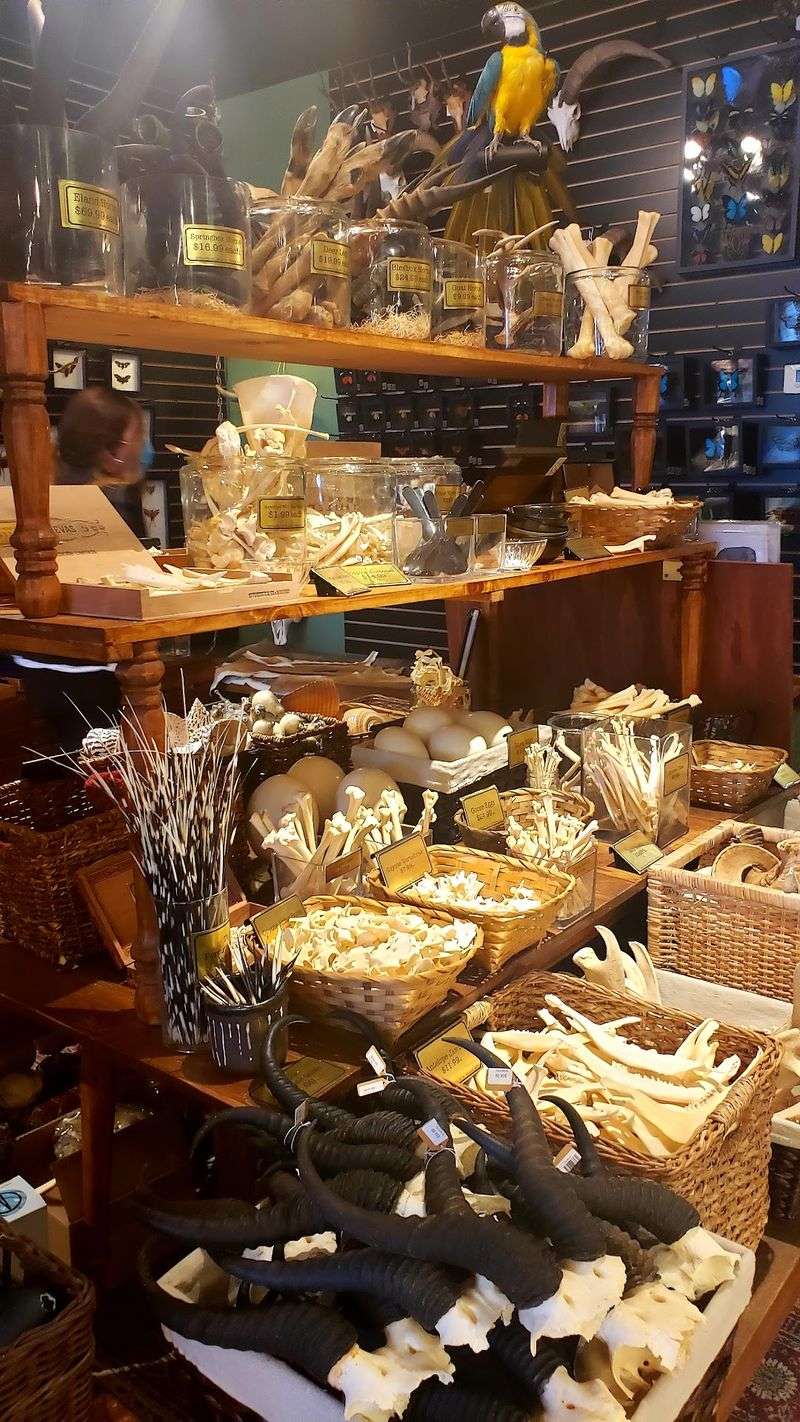
Skulls and bones make up a large part of the current inventory, alongside framed insects and other natural-history specimens.
There are femurs, hooves, horns, teeth, and complete articulated skeletons waiting for the right home. Some pieces are tiny enough to fit in a pocket.
Framed insects take up another section, with butterflies, moths, and hefty rhino beetles under glass. The colors on those wings look painted rather than natural.
Preserved specimens in jars currently include animals and anatomical material, with the selection changing as stock rotates.
Shells and mineral pieces round out the collection for anyone easing into the theme. Crystals and selenite lamps give the shop a softer corner.
Inventory changes regularly as one-of-a-kind and natural specimens move in and out of stock.
The catalog ranges from small curiosities to larger collector pieces, giving browsers several ways to approach the collection. Framed insects remain one of the shop’s established specialty categories.
Gifts Nobody Else Will Bring
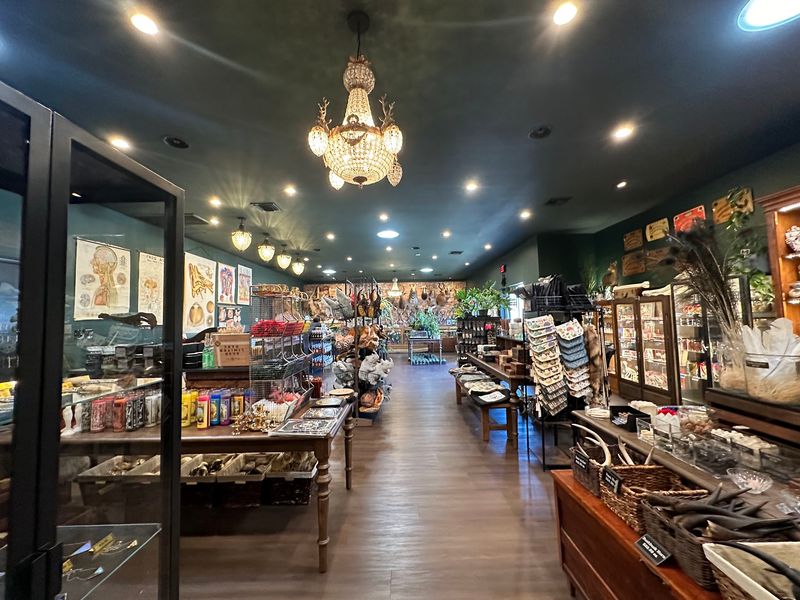
Gift options range from natural-history pieces to books, jewelry, paper goods, and surprise boxes.
That variety makes the shop useful even for visitors who have no interest in taking home an actual specimen.
Current jewelry includes pieces made with animal bones, claws, and specimen-inspired designs. Nobody receiving those will guess where they came from.
Tarot and oracle decks share the collection with antique and occult-themed pieces. Palmistry charts hang nearby for anyone drawn to fortune telling.
The store maintains a large book collection alongside its specimen and gift categories. Browsing here can easily turn into a hunt for something you did not know existed five minutes earlier.
Stickers, bookmarks, posters, clothing, candles, and other small gifts broaden the selection beyond specimens. Mystery boxes tempt shoppers who enjoy surprises.
Home goods include candle holders, mirrors, trays, prints, and other nature-inspired decor. The shop also maintains a botanical category, with its selection changing as inventory rotates.
Curious Nature makes holiday shopping genuinely enjoyable instead of stressful. For anyone tired of generic Arizona keepsakes, this shop solves the problem in one stop.
Where Every Specimen Has Permission
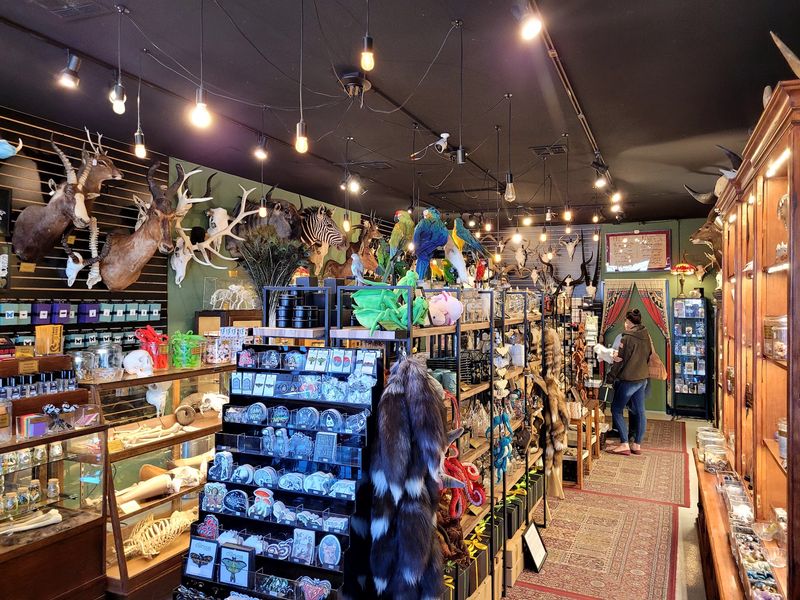
Ethics matter here more than most shoppers expect.
Most taxidermy is vintage, while some newer pieces come through zoos, farms, and other established sources.
That background gives the displays more context than a quick glance at the shelves might suggest.
Specimens come through several channels, including farms, zoos, rehabilitation sources, industry by-products, and salvaged material.
Many insects come from insect farms around the world, and the shop says those suppliers support conservation efforts.
The shop explains its sourcing policy online and outlines where many specimen categories come from. That transparency makes the collection feel less mysterious once you understand how the pieces enter the shop.
Knowing the sourcing lets you enjoy a display without a nagging worry. Curiosity and kindness turn out to be compatible after all.
The inventory also includes authentic human anatomical material, including pieces previously used for medical study.
Product descriptions present these pieces primarily as anatomical or medical-study material. The tone never tips into anything crude.
The sourcing policy is a central part of how the shop presents its specimen collections. Responsible collecting is a lesson worth carrying home from Arizona.
Classes That Fill Up Fast
Classes and events are a regular part of the shop’s current calendar, including several hands-on workshops. That gives repeat visitors a reason to come back even after they have explored the shelves.
Entomology sessions cover pinning and mounting insects properly, and participants take their work home. Supplies are provided, so beginners need no experience.
Current hands-on classes include insect mounting and taxidermy, with additional subjects rotating throughout the calendar.
Current talks include programs about bats alongside rotating educational Q&A sessions with visiting specialists. The schedule shifts enough that one visit may look completely different from the next.
Tarot reading, tea leaf reading, and palmistry classes serve the mystical crowd. Variety is the whole point of the schedule.
Instructors clearly love their subjects, and that energy makes even squeamish topics approachable. Questions are welcomed rather than rushed.
Class sizes are limited, and several upcoming 2026 sessions are already sold out, so advance registration is useful.
Curious Nature turns a retail visit into an education you actually remember. I cannot think of many Arizona shops offering a syllabus alongside a sales floor.
A Shop Built For Curious Browsing
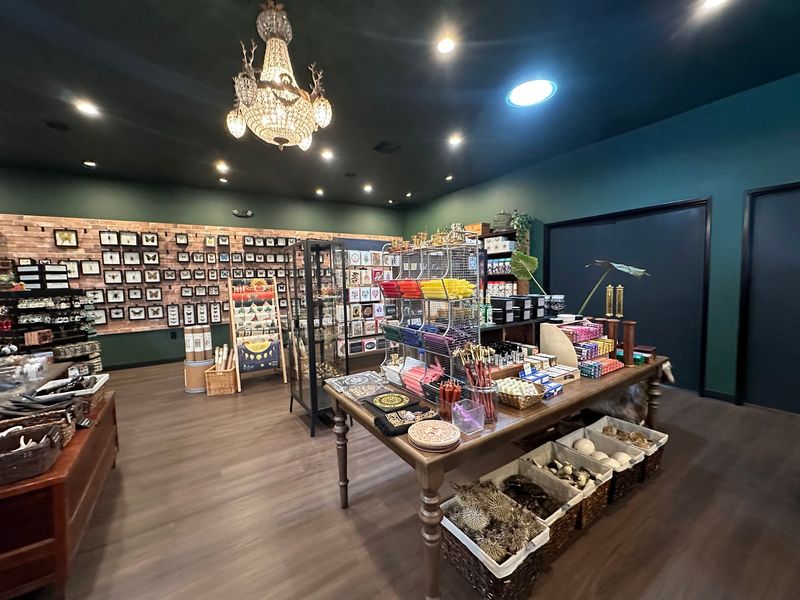
Unlike a formal museum, the specimens here are part of a retail collection rather than a permanent exhibition.
Handling depends on the individual item and shop guidance. That setup makes browsing feel more interactive, even when certain pieces are best admired without touching them.
The compact layout includes fragile merchandise, so younger visitors need close supervision around displays.
Sourcing details and class information are also published online for visitors who want more context.
Displays emphasize natural history, science, and collecting rather than a formal museum presentation. Visitors can move at their own pace, lingering over whatever unusual specimen catches their attention first.
The current website does not publish a general photography policy for in-store displays. Doors open at 11 a.m. daily, with weekday hours until 6 p.m. and weekend hours until 5 p.m.
The mix of retail, specimens, and educational programming gives the shop a distinctive natural-history focus. Bring someone curious and watch them light up.
October Energy All Year Long
Some people wish Halloween lasted twelve months. This shop quietly grants that wish every single day.
The mood stays pleasantly eerie without ever feeling like a haunted attraction. Think antique curiosity rather than plastic decorations.
The 2026 calendar includes two October market dates featuring local vendors. Those gatherings draw crowds from across the Phoenix area.
October includes multiple special-event dates in 2026, so normal store conditions can differ during those events.
Located on North 7th Avenue, the storefront looks modest from the sidewalk. That contrast between outside and inside makes the discovery sweeter.
The shop has received repeated local recognition for its unusual inventory and in-store events. Travelers regularly add it to their Arizona road trip lists.
I would pair the visit with a stroll along the surrounding avenue for coffee afterward. The neighborhood rewards a little extra exploring.
The shop ships many items within the continental United States, with some specimen categories subject to shipping restrictions.
Curiosity is the only ticket required at this Phoenix shop, and it never expires. Follow it inside and see what strange, wonderful thing chooses you.