Find Your Ancestors For Free At These 10 Kentucky Research Rooms
Everybody has that one family story. A great-grandmother who supposedly ran a boarding house.
A relative who came over with nothing and somehow ended up owning half a county. The details get fuzzier every time somebody retells it at a holiday dinner.
The records that could settle the argument are sitting in Kentucky right now. Census pages, land deeds, marriage bonds, county court minutes, old newspapers on microfilm.
Most of it is free to look at, and most people never think to go look.
Librarians in these rooms are the real secret. Ask one for help finding a name and watch what happens.
They will pull three things you did not know existed and then suggest a fourth.
You will need a notebook and a few hours. What you find may not match the family legend at all.
That is usually the best part.
1. Kentucky Historical Society
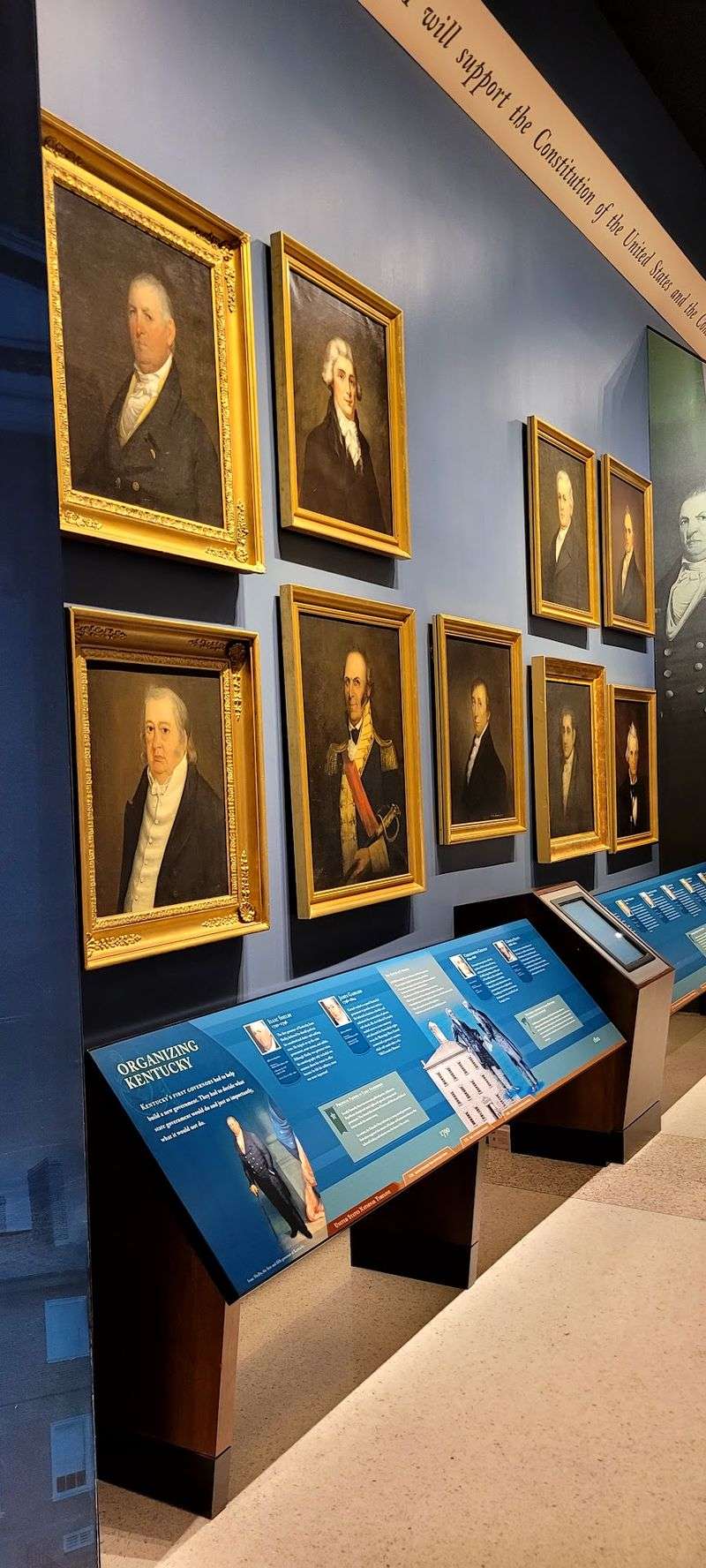
If Kentucky family history had a headquarters, this would be the front door. The Martin F.
Schmidt Research Library holds the largest genealogical collection in the state.
The numbers alone are worth bragging about. Over 16,000 rolls of microfilm sit here, along with 90,000 books and periodicals.
Then come the 30,000 vertical files, all focused on Kentucky history and family lines. These folders often hold newspaper clippings and notes that never made it into any book.
Archival holdings stretch to 1,900 cubic feet of manuscripts and 2,000 maps. Maps matter more than beginners expect, since county borders moved and took records with them.
Photographs number around 200,000, so there is a real chance a familiar face appears. Add 9,100 rare books and 8,000 oral histories to the pile.
Those recorded interviews are the part people forget. Hearing a neighbor describe your ancestor’s farm beats reading a census line.
Bring a list of names, counties, and rough dates before you arrive. Staff can point you toward the right film much faster when you know your county.
The address is 100 W Broadway St, Frankfort, Kentucky. Plan several hours, because one clue tends to lead straight to another.
2. Kentucky Department For Libraries & Archives
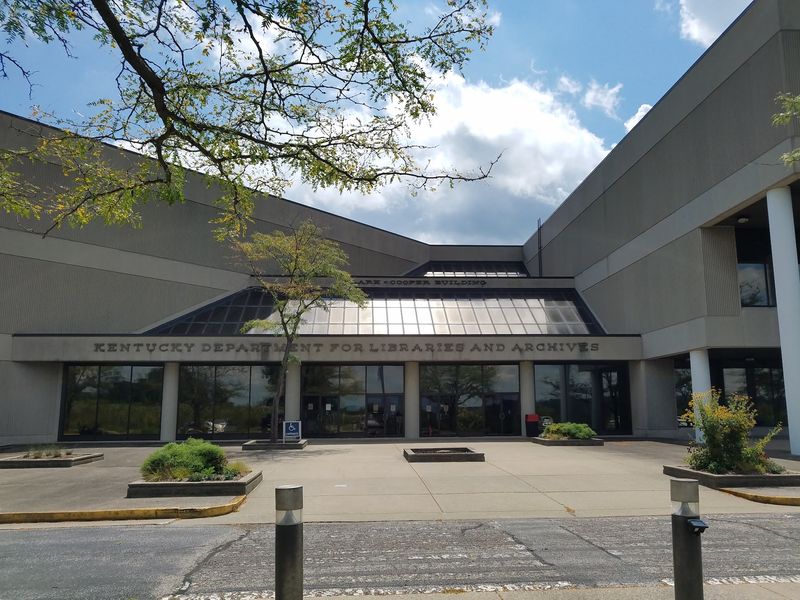
Government paperwork sounds boring until it spells out your family’s whole story. Kentucky’s city, county, and state records land here in one central repository.
Census records in print run from 1790 through 1870. Soundex indexes cover 1880, 1900, 1910, and 1920, which helps when a surname was spelled six different ways.
Deeds, bonds, wills, and estate settlements fill the shelves. Those documents list children, widows, land lines, and sometimes disagreements between siblings.
Marriage records help you bridge generations without guessing. Tax assessment books are underrated too, since they show who lived where in years between censuses.
Military researchers do well here. Compiled service records and pension applications cover veterans from 1776 to 1900.
Court records round it out with case files, dockets, and naturalization papers. Naturalizations are gold if your family arrived from another country and then headed inland.
Arrive with pencil and paper habits. Archives often limit pens near fragile originals, so check the rules at the desk.
You will find the building at 300 Coffee Tree Road, Frankfort. Parking is straightforward, and the reading room stays quiet enough to think.
Photograph what you find, then label the images immediately. Future you will be grateful.
3. Lexington Public Library Central Library
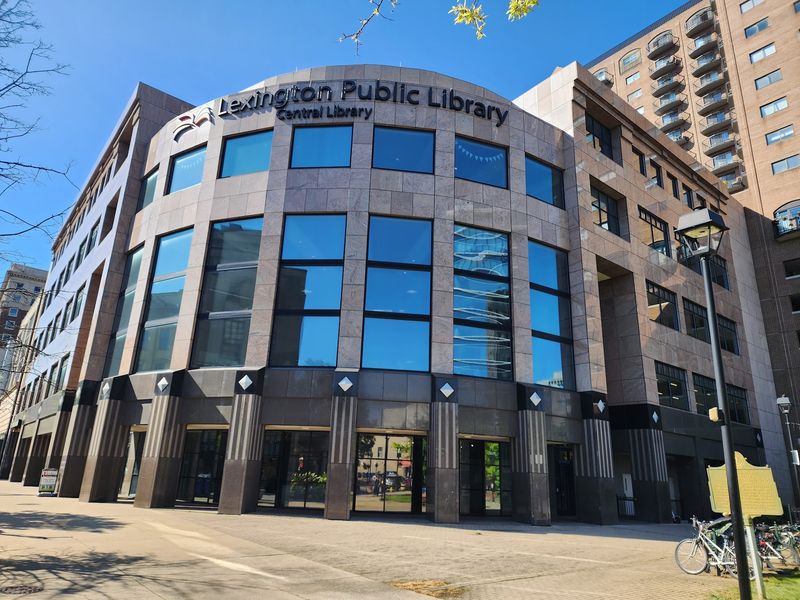
Head to the third floor and the search gets serious. The Kentucky Room focuses on Kentucky broadly and Fayette County closely.
Shelves hold books on every corner of state history. Subject files add clippings and local details you cannot find through a plain online search.
Newspapers are the real draw for many visitors. Obituaries name survivors, churches, and hometowns in one tidy paragraph.
City directories work like early phone books with jobs attached. Tracking an address year by year shows when a family moved or a household changed.
Maps and government documents sit nearby, including select census and vital records. Together they let you place an ancestor on an actual street.
Here is the practical bonus. The library is a FamilySearch Affiliate Library, so certain restricted digital records open up on site.
Their Digital Archives also give open access to Fayette County history from anywhere. Photo collections, historical newspapers, and community collections are all searchable.
Start online at home, then bring your unanswered questions downtown. That approach saves hours at the reader.
The Central Library stands at 140 E Main St, Lexington. Downtown parking exists, though arriving early makes life easier.
4. Special Collections Research Center
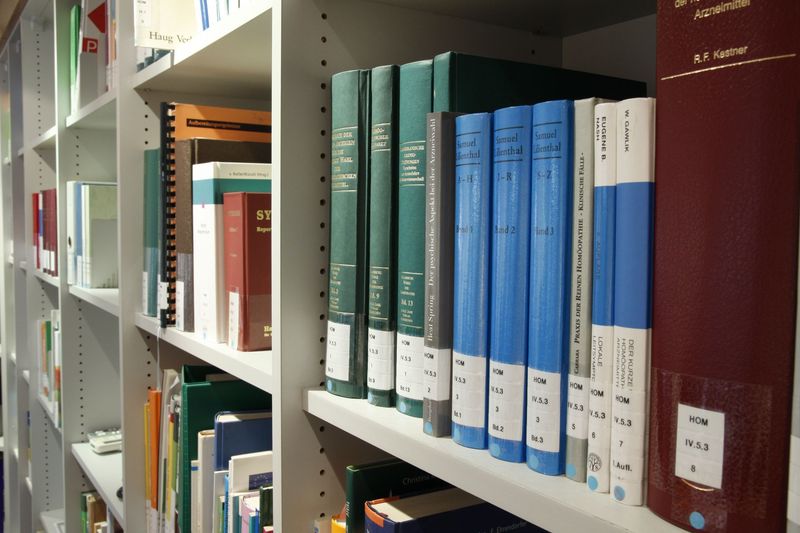
Family papers beat family rumors every single time. The University of Kentucky Libraries keeps stacks of them here.
Collections document Kentucky’s social, cultural, economic, and political history. Manuscript holdings include family papers, diaries, church records, and genealogical collections.
Church registers deserve special attention. Baptisms and memberships often predate official county records by decades.
Diaries give you weather, crops, prices, and visiting relatives in plain handwriting. Reading one feels closer than any index ever will.
Rare books, photographs, and historical newspapers fill out the research center. Anyone chasing a specific county newspaper should ask what has been filmed.
The Louie B. Nunn Center for Oral History holds over 17,000 interviews with twentieth century Kentuckians.
Search by place, occupation, or topic and surprising names appear.
The Notable Kentucky African Americans Database is another strong tool. It gathers biographies and references that are scattered elsewhere.
Academic archives usually ask you to request materials in advance. Checking the finding aids online first means boxes are waiting when you arrive.
Visit at 179 Funkhouser Dr, Lexington. Campus parking takes planning, so look at the visitor options before driving over.
Bring a laptop and a phone charger. Note taking here gets addictive.
5. Louisville Free Public Library Main Library
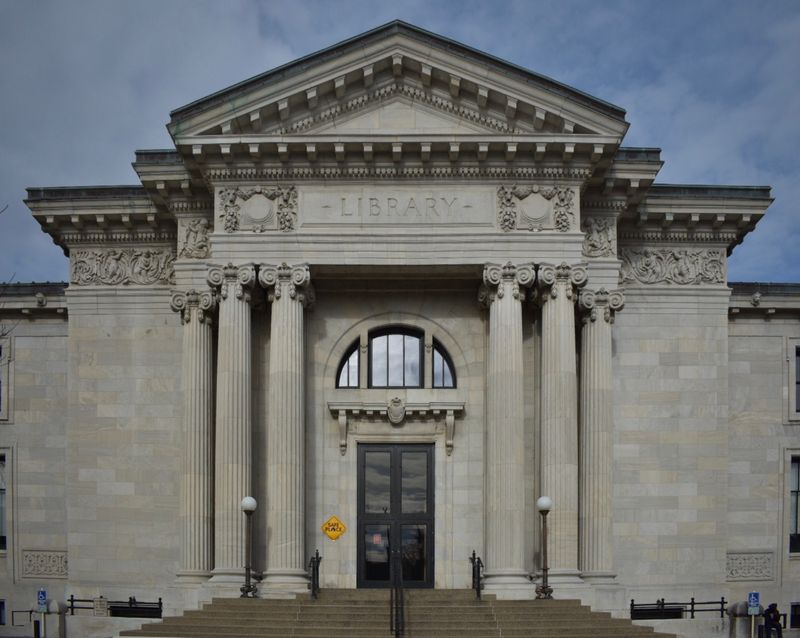
City ancestors leave paper trails thicker than country ones. Louisville’s Kentucky History and Genealogy Collection is built for exactly that mess.
The collection gathers primary and secondary sources with historical and genealogical value. Digital collections add material tied to Kentucky history and culture.
On site you can use Ancestry Library Edition at no cost. Subscription databases feel much friendlier when the subscription is not yours.
The library also maintains its own Kentucky History Research database. Local indexes often catch names that big national sites miss entirely.
A Louisville Newspaper Obituary Index covers 1918 through 1987. That single tool can crack a stubborn twentieth century branch wide open.
Obituaries lead to cemeteries, and cemeteries lead to whole family clusters. One find genuinely snowballs.
Renovations are underway, and the Kentucky History Room is being improved as part of that work. Check the library’s website before your trip so you know where the collection is sitting.
The Main Library sits at 301 York St, Louisville. The building itself is worth a slow look, columns and all.
Ask staff about the obituary index search process. A few minutes of guidance beats an hour of guessing.
6. Kenton County Public Library Covington Branch
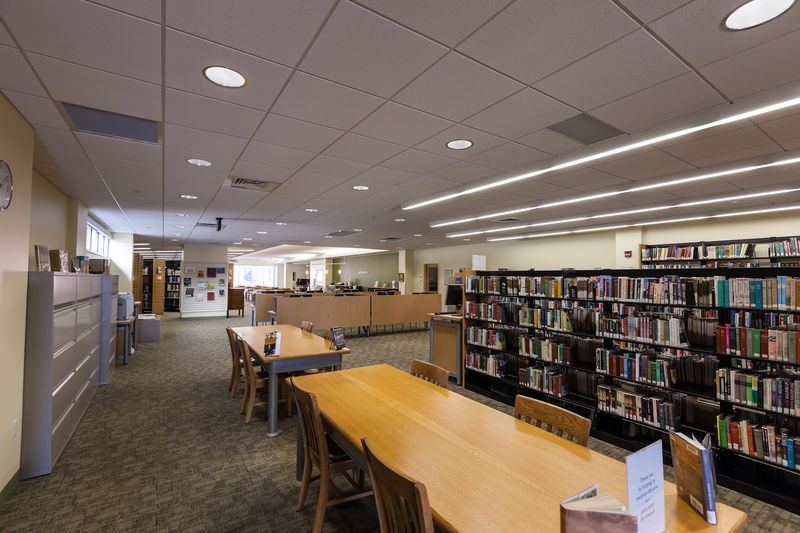
Northern Kentucky families crossed rivers, counties, and state lines constantly. Covington is the smart place to untangle that.
History and Genealogy is listed as a core service at this branch. That means dedicated resources and staff who actually enjoy the hunt.
Border research gets complicated fast. A family might appear in Kenton County one decade and across the Ohio River the next.
Librarians here understand those patterns. Explaining your brick wall out loud often produces a suggestion you never considered.
Come with what you already know written down clearly. Names, spellings, approximate years, and any address scraps you have collected.
Skip the assumption that spelling stayed consistent. Clerks wrote what they heard, so sound out every variation before giving up.
Photographs and local publications frequently hold details no database captured. Ask whether anything covers your ancestor’s neighborhood or church.
Free access is the theme of this whole list, and that includes expert help. Asking a question costs nothing but a moment of courage.
The Covington Branch is at 502 Scott St, Covington. Downtown Covington makes a pleasant break when your eyes need a rest.
Save your searches as you go, even the failed ones. Negative results prevent repeat work later.
7. Boone County Public Library Main Library
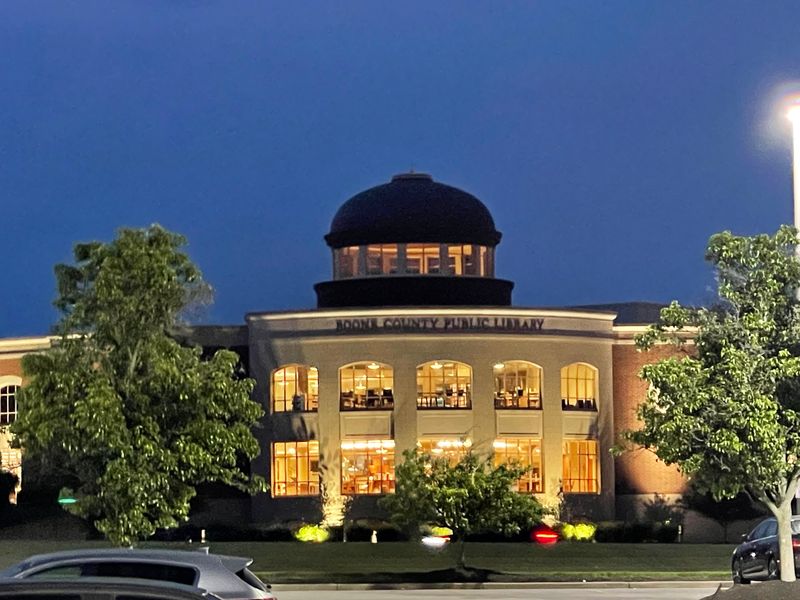
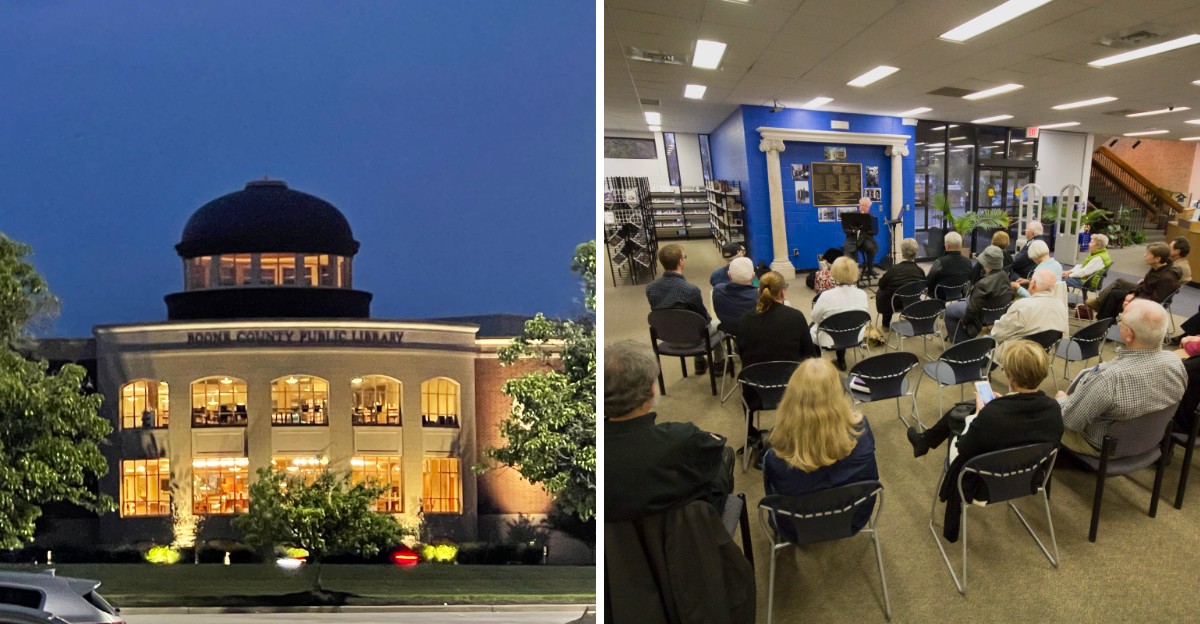
Records here reach back to 1798, which predates plenty of Kentucky counties. The Local History Department is the reason researchers make the drive to Burlington.
Early material like that changes what you can prove. Suddenly a family story about the first settlers has documents standing behind it.
The main branch is known for a thorough local history collection. Depth matters when your surname appears twenty times in one county.
Sorting out two men with the same name is a classic headache. Land records, tax lists, and court filings usually solve it.
Ask about indexes before opening any book. A good index turns a full afternoon into fifteen focused minutes.
Local historical publications often reprint hard to find originals. Society newsletters can also contain transcribed cemetery lists.
Bring a flash drive and small bills for copies. Digital photos work too, though check the room’s policy first.
Visit at 1786 Burlington Pike, Burlington. Parking is easy, which is a quiet luxury in genealogy travel.
Write down the exact source for everything you copy. Book title, page, and date save you from repeating the search in five years.
8. McCracken County Public Library
Western Kentucky researchers, this one is for you. Paducah’s library keeps a dedicated local and family history room.
The room concentrates on Paducah and the surrounding area. Regional focus means fewer dead ends when your people stayed put.
Here is the headline feature. All Paducah Sun microfiche has been digitized for on-site research.
Searchable newspapers are a different world from cranking film by hand. You can chase a surname across decades in an afternoon.
Obituaries, wedding notices, and small news items all count. A three-line mention about a barn raising can confirm a household.
The library is also a FamilySearch Affiliate Library. That unlocks in-house access to extensive genealogical collections you cannot see from home.
Combining the two tools works beautifully. Find a date in the newspaper, then go hunting for the matching record image.
Staff can show you how the digitized files are organized. Ten minutes of instruction prevents a frustrating start.
Find it at 555 Washington St, Paducah. Downtown Paducah is walkable, so a break between searches is easy.
Take screenshots with visible dates and page numbers. Citations keep your family tree trustworthy.
9. Daviess County Public Library

Owensboro punches far above its size in genealogy circles. This library is recognized for one of Kentucky’s best genealogy collections.
The Kentucky Room serves as both special collection and archive. Local and state history sit alongside deep genealogy material.
Newspapers span more than 160 years. That timeline covers nearly every generation an average researcher needs.
City directories, maps, and government documents fill in the details. Census, marriage, and vital records are part of the mix.
Genealogy Services are offered free, which is a genuine gift. Free also applies to Ancestry Library Edition, Fold3 Library, and HeritageQuest Online.
Fold3 leans military, so veterans in your family become much easier to trace. HeritageQuest adds books and local histories.
Their KY Room Digital Archive includes an Owensboro Obituary Index. Start there and you may walk in with a date already in hand.
Jerry Long’s West-Central Kentucky History and Genealogy collection covers regional family lines. If your relatives stayed in the area, look there early.
FamilySearch affiliate status rounds out the toolkit. Restricted images become viewable on site.
The address is 2020 Frederica St, Owensboro. Give yourself a full day here.
10. Hopkinsville-Christian County Public Library

Sometimes the smallest room on the list solves the biggest puzzle. Hopkinsville’s library names genealogy as a key service, and the resources are built to trace lineage.
Christian County sits near the Tennessee line, which shaped how families moved. Records can straddle two states, so local knowledge helps enormously.
Start by describing your goal in one sentence. Librarians work faster with a clear target than a family legend.
Bring photocopies of what you already have. Handing over a census printout beats reciting details from memory.
Local collections often include compiled family files. Someone may have already researched your surname and left notes behind.
Cemetery records and church histories are worth requesting too. Both frequently name relatives who never appeared in official paperwork.
Patience pays off in a place like this. The best discoveries usually arrive on the third or fourth try, not the first.
Keep a running list of questions as you work. Each answer tends to raise two more, which is the fun part.
The library is located at 1101 Bethel St, Hopkinsville. Free parking and a calm reading space make for a productive stop.
Thank the staff before leaving. They remember helpful researchers.