Florida’S Only Whitewater Rapids Churn Through Big Shoals State Park
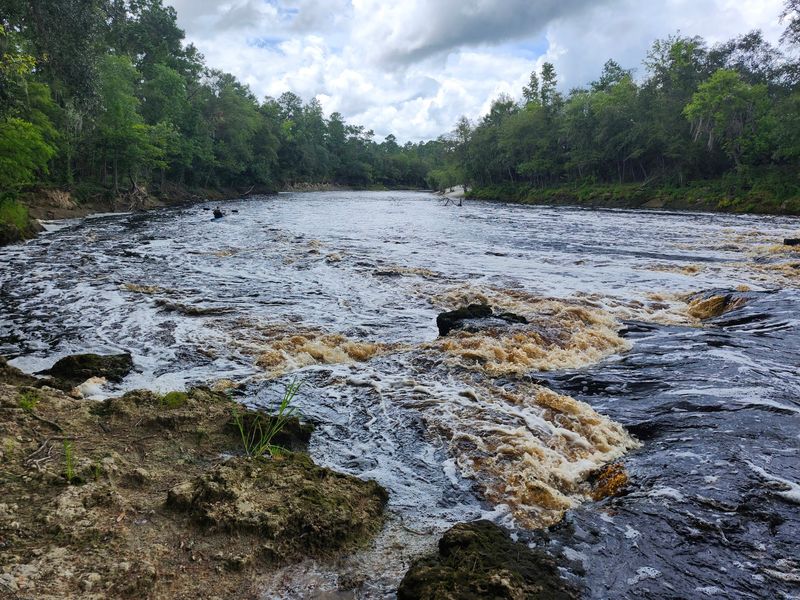
Nobody warns you that Florida has rapids. You expect flat water, slow current, maybe a heron standing around looking bored, and then you hear a sound in the woods that belongs somewhere in the Appalachians.
Somewhere in north Florida, a river drops over limestone ledges and turns loud enough to make people grin on the trail. It is the sort of surprise that rearranges what you thought this state was capable of.
Where the Suwannee Drops Its Manners
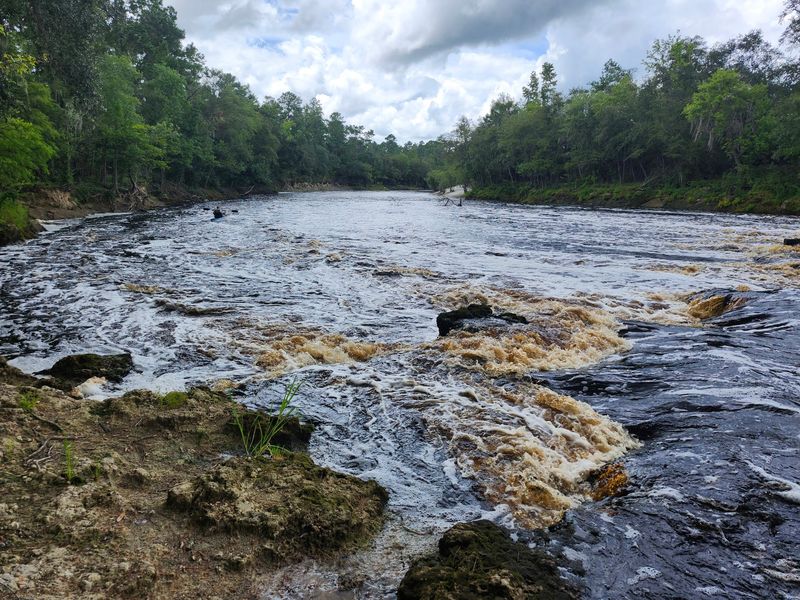
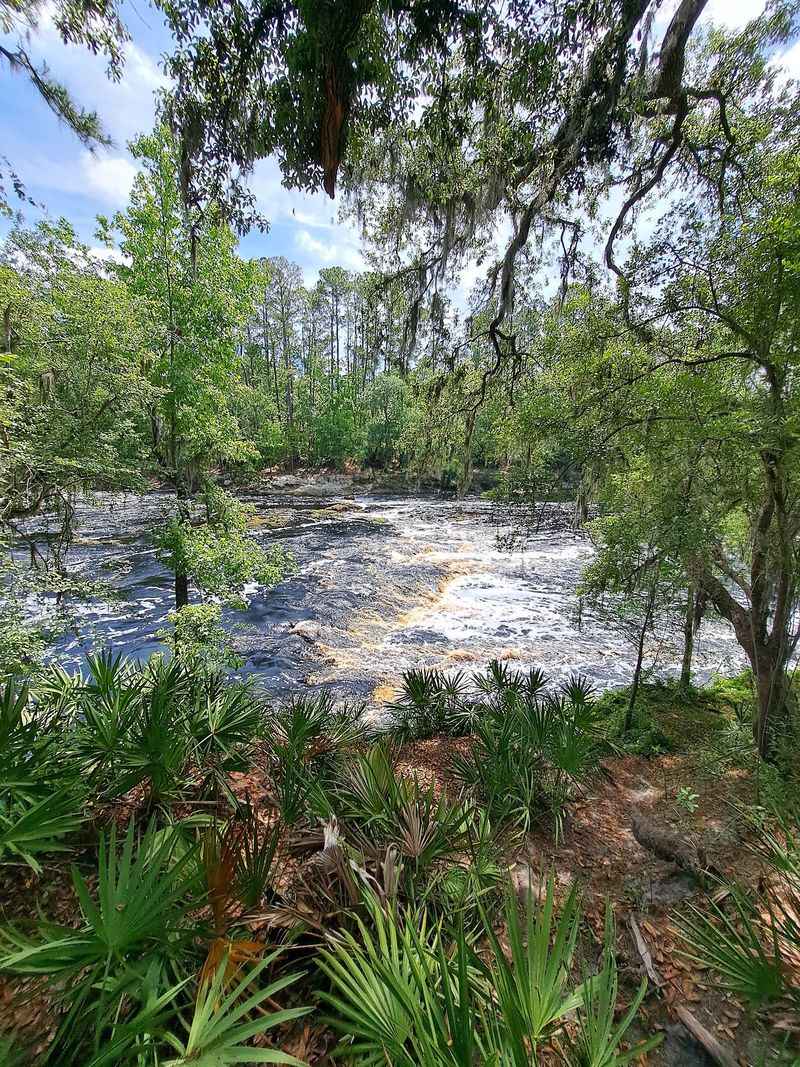
About nine miles of the Suwannee River run through this park, and one short stretch of it does something no other river in the state does. Limestone outcroppings, ancient coral, and water-resistant sediments interrupt the flow, and the river responds by breaking into waves, chutes, and small drops.
Big Shoals State Park sits near the community of White Springs, in Columbia County, well north of the theme parks and beach traffic that define Florida for most people. The rapids here are rated Class III when the river gauge reads between roughly 59 and 61 feet above mean sea level, which is the highest whitewater classification found anywhere in Florida.
Class III means high, irregular waves and narrow passages that require real skill to read and run. It also means the sound carries.
People hiking in from the parking area often hear the water before they see it, which is an unusual experience in a state where rivers tend to slide past in silence.
The park address is 18738 SE 94 St, White Springs, FL 32096.
An Ancient Shoreline Doing the Heavy Lifting
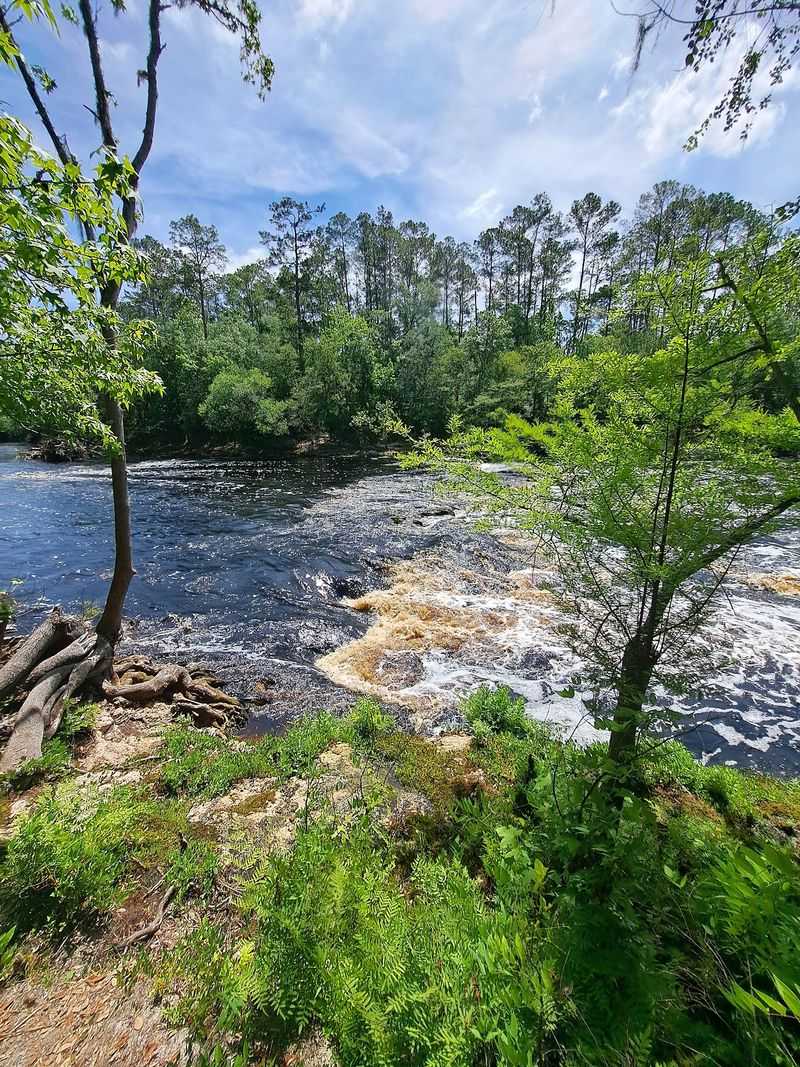
Geology explains the whole surprise. The park lies within the Cody Escarpment, an ancient shoreline that once marked the edge of the sea and now shows up as a ridge of higher, more broken ground running across north Florida.
As the Suwannee crosses this formation, it meets rock that refuses to erode politely. Layers of limestone and fossilized coral form shelves and steps in the riverbed, and the water piles up, accelerates, and tumbles through the gaps.
The result is a series of small cascades and powerful currents packed into a short run.
Bluffs rise as high as 80 feet above the water here, which is close to mountainous by Florida standards. Standing up there and looking down at moving whitewater rearranges your mental map of the state entirely.
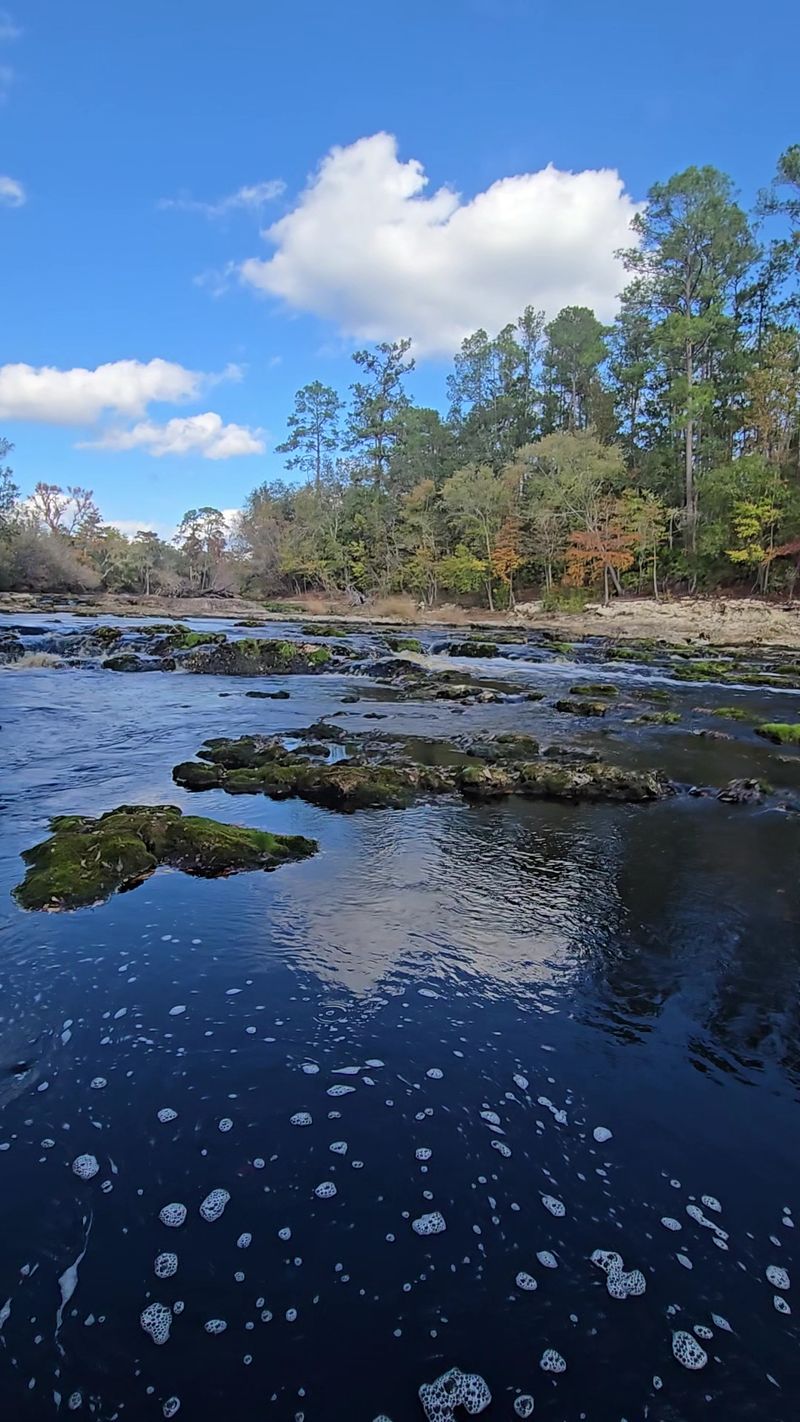
Hikers who come when the river is low get the best geology lesson. Exposed ledges, scoured pockets, and rock shelves become walkable, and the structure that creates the rapids sits right there in plain view.
Two visits in different seasons can feel like two different parks.
The Mile-Long Walk That Pays Off
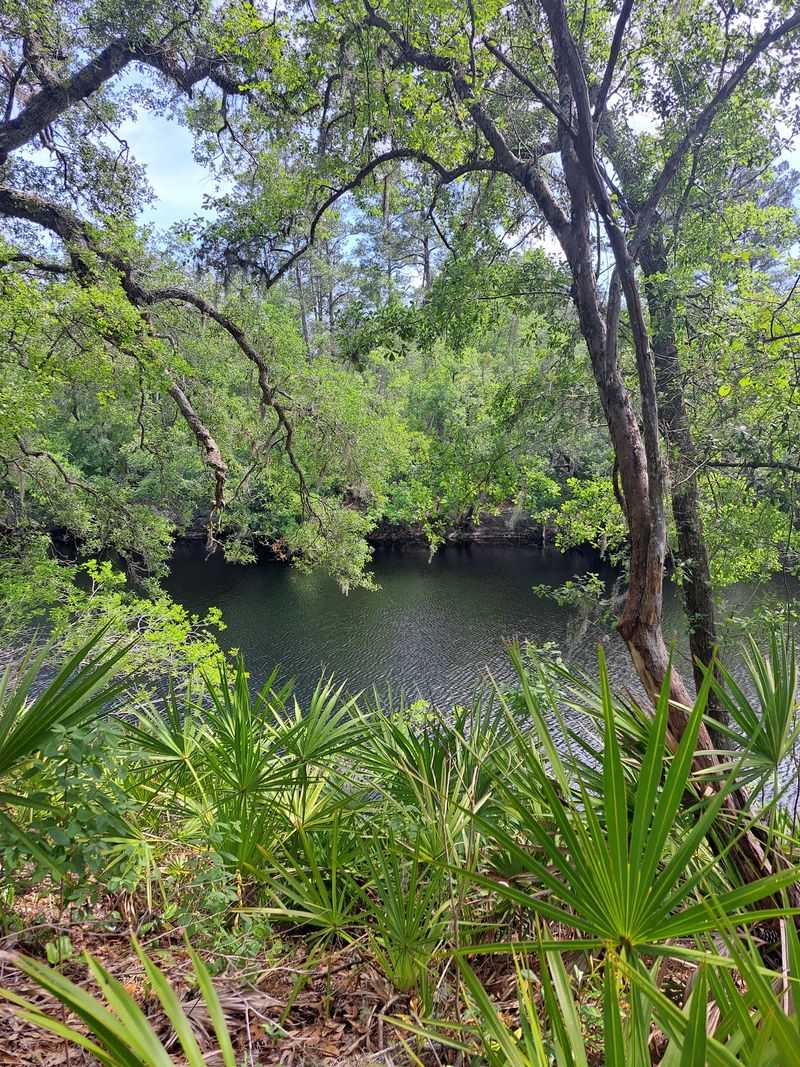
Not every payoff requires suffering. The Yellow Blaze trail runs roughly one mile from the Big Shoals parking area to the overlook, and while it is described as moderately strenuous, most of that reputation comes from a handful of short climbs and stretches of exposed roots.
Figure on a 45-minute walk at an unhurried pace, or about two and a half miles round trip if you wander down the side paths. Several spurs branch off toward the water, and those descents to the riverbank are steeper than the main trail, so decent shoes matter more than fitness.
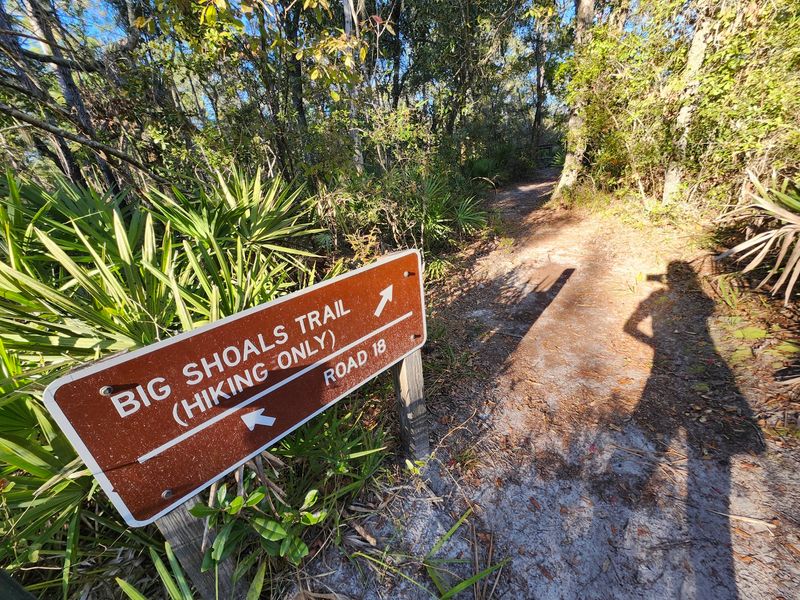
Footing is sandy in places and packed in others. The route stays shaded under pines and hardwoods, which makes a real difference in warm months, and the signage is clear enough that navigation never becomes a puzzle.
Trails loop through the surrounding management area too, so the hike stretches to whatever length suits you. Walk to the overlook and back for a quick outing, or link the loops together and turn the morning into a proper expedition with the river as your turnaround point.
Reading the River Before You Paddle
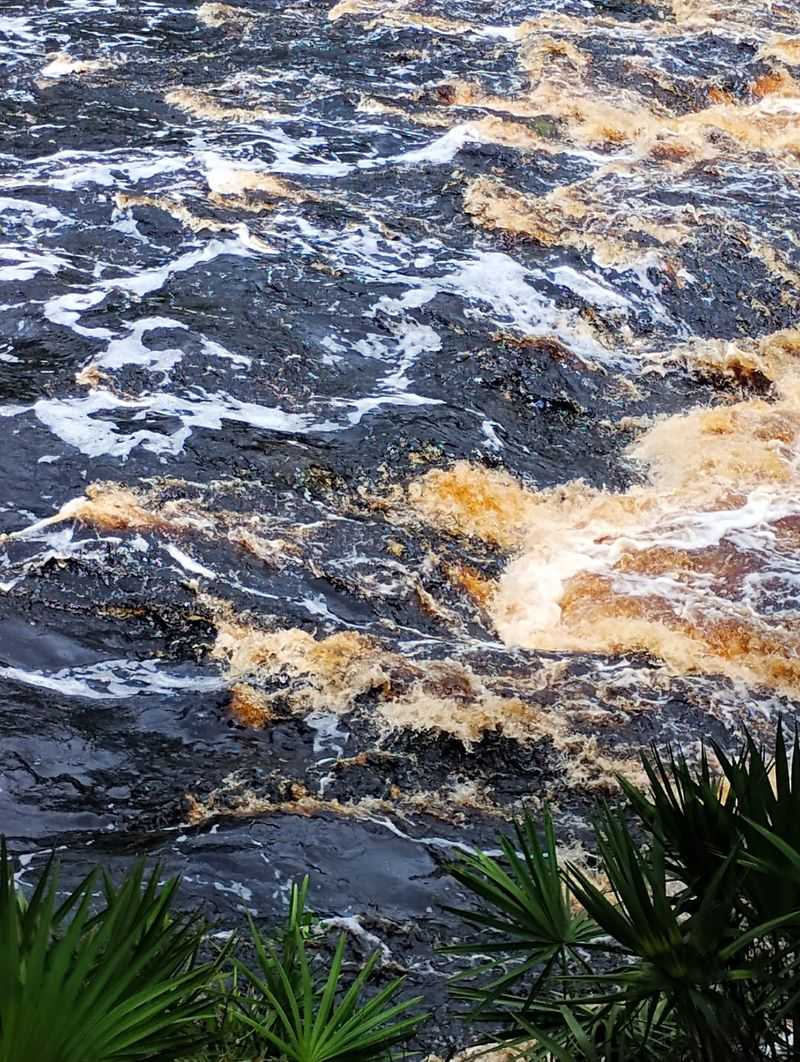
Water level decides everything at Big Shoals. Between about 59 and 61 feet on the White Springs gauge, the rapids stand up in full Class III form, with standing waves, hydraulics, and holes forming around large rocks.
Drop below that window and the same stretch becomes a staircase of exposed ledges and modest little waterfalls.
Higher flows usually follow the heavy rains of winter and spring. Drier winter stretches tend to pull the river down, which is when the rock shelves emerge and the riverbed becomes explorable on foot.
Paddling the main shoals belongs to experienced kayakers and canoeists who know how to scout a line and handle a swim. Obstacles are unforgiving, and the hydraulics are the real hazard rather than the waves themselves.
Everyone else has a clean solution: a clearly marked portage trail bypasses the rapids entirely, letting paddlers continue downstream on the calm Suwannee without a decision they might regret. Checking the gauge before loading boats is the single most useful thing you can do, whether you plan to run the shoals or walk around them.
Twenty-Eight Miles of Trail, and a Paved Ribbon Between Entrances
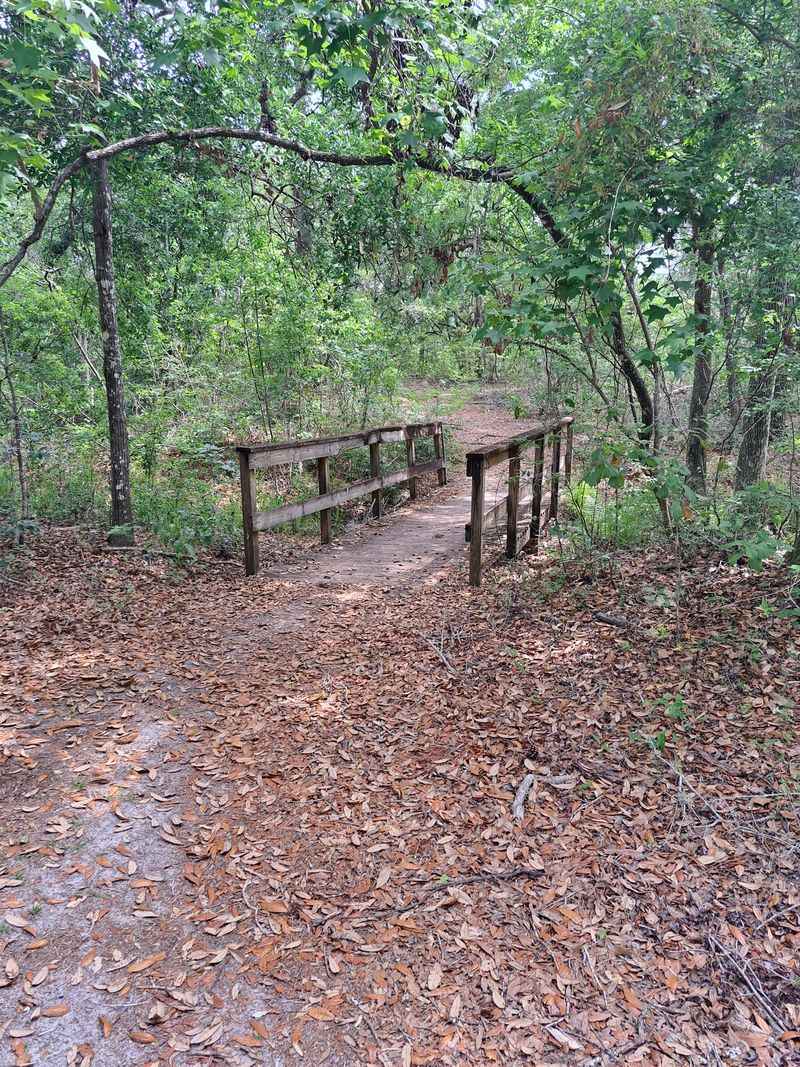
Beyond the rapids, the park spreads out into something much larger than a single overlook. More than 28 miles of trail thread through pine flatwoods, hardwood hammock, and river bluff, open to hikers, cyclists, and horseback riders depending on the route.
Cyclists get the Woodpecker Trail, a paved 3.4-mile path linking the Big Shoals and Little Shoals entrances. It is smooth, shaded in stretches, and gentle enough for families who want river country without loose sand under their tires.
Walking between the two shoals areas is entirely doable, though it turns a short outing into a few hours on foot. Little Shoals offers its own river access and a quieter feel, with fewer people drawn to it than the headline rapids upstream.
The looping trails through the adjacent management area let you dial the distance up or down as you go. Trail conditions can shift after storms, and the occasional closure or downed tree does happen, so a quick check of the Florida State Parks website before driving out saves disappointment.
Picnic spots are scattered near the main areas.
Wildlife That Shows Up Without an Invitation
A pair of small alligators drifting in the Suwannee. A gopher tortoise plodding across the sand.
A bald eagle riding thermals over the bluff. The wildlife roster here reads like a north Florida greatest hits list, and the animals do not seem especially impressed by hikers.
White-tailed deer move through the pines, and larger alligators turn up along the river when the weather warms. Trailside signs mention black bears, and wild pigs are part of the neighborhood too, so staying alert and making a little noise on blind corners is sensible practice rather than paranoia.
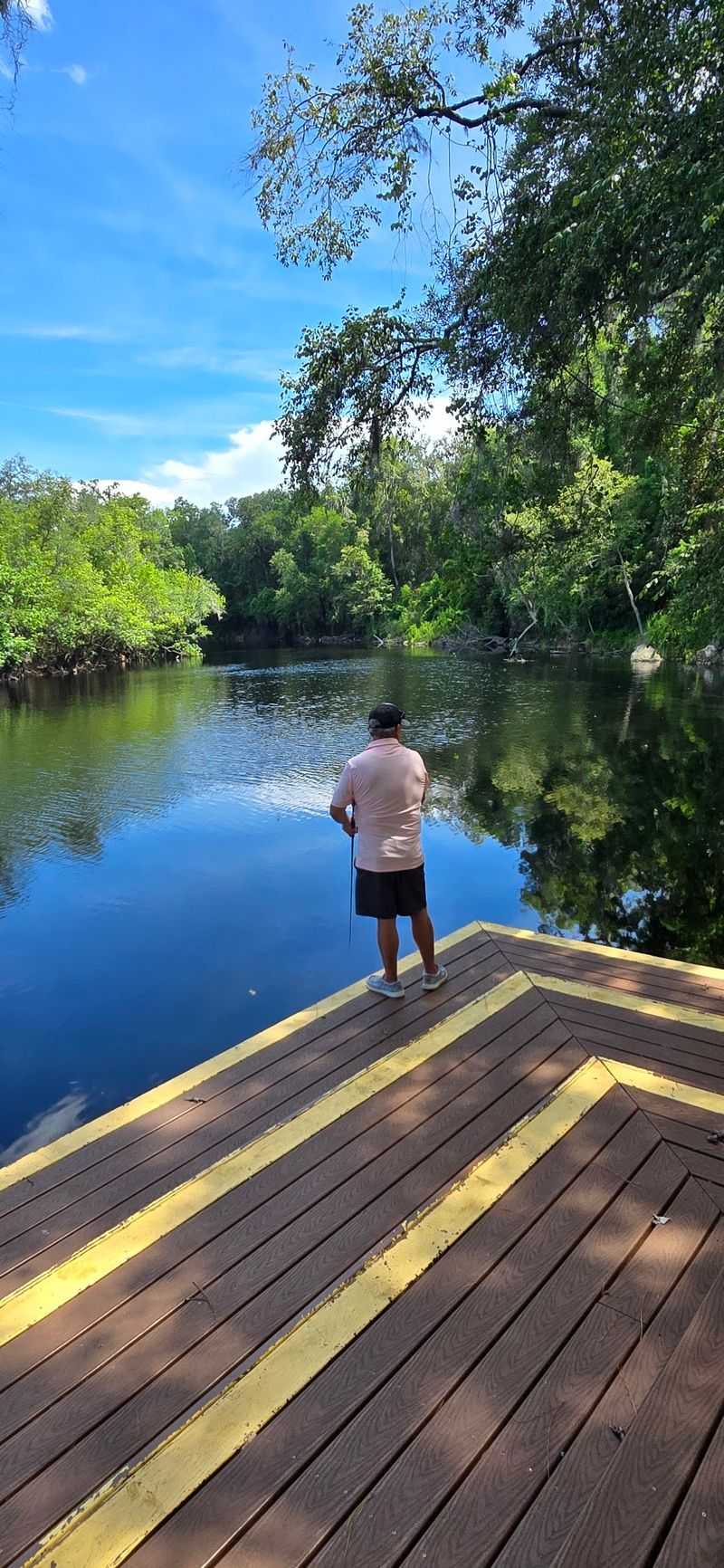
Birdlife is abundant along the bluffs and in the hammock, and the Suwannee supports freshwater fishing from the banks or by boat for anyone who brings a rod and a Florida license.
Insects deserve a mention of their own. Deer flies can be aggressive in warmer months and mosquitoes find the riverside quickly, which is why cooler months are the sweet spot for exploring.
Bug spray, long sleeves, and closed shoes make the difference between a pleasant walk and a hurried one.
A Quiet Park That Feels Like Old Florida
Crowds are not the problem here. The park stays uncrowded even on pleasant weekends, which gives the whole place a secluded, retreat-like quality that is increasingly rare in this state.
Maintenance is a strong point. Paths are clear and well signed, restrooms are clean and stocked, trash cans get emptied, and the parking area is kept tidy.
That level of upkeep makes an easy visit out of a spot that sits slightly out of the way.
Pets are welcome throughout most of the park, with the picnic area the exception, so leashed dogs can handle the trail to the overlook alongside you. Picnic tables sit in several spots for anyone packing lunch.
The soundscape is what sticks. Wind in the pines, water working over rock, and very little else.
Anyone who has spent time around Florida’s busier springs and boardwalks will notice the difference immediately, and it is the main reason this park earns repeat trips rather than a single check-off. Bring a rough plan for the driving, and the rest takes care of itself.
Hours, the Honor Box, and That Sandy Road
Gates open at 8 AM every day of the week and close at 6 PM, so early starts work well, especially in summer when heat and insects build through the afternoon.
Entry runs $4 per vehicle or $2 for pedestrians and cyclists, collected through an honor box system, and a cashless scan-and-pay option has been available at the entrance. Exact change is the safe bet if you prefer not to rely on a phone signal in the woods.
Now the part nobody mentions until it is too late: the access road is sandy. Deeply sandy in spots.
A low-clearance car can manage it with care, but an SUV removes the guesswork, and driving slowly is the right instinct regardless of what you are in.
Bring water, bug spray, and sturdy footwear, and check the park website for trail or entrance closures, since flooding has shut sections down in the past. From White Springs, the drive out is short.
The Stephen Foster Folk Culture Center sits nearby in town for anyone wanting to round out the day.
Why This One Sticks With You
Florida hands out plenty of superlatives, but this one is literal and uncontested: nowhere else in the state does a river break into Class III whitewater. That alone justifies the drive north.
What makes the place stay with you is smaller than the headline, though. It is the mile of shaded trail, the moment the sound of water reaches you through the pines, the view from bluffs that have no business existing in a state this flat, and the rock shelves you can walk on when the river runs low.
Hikers who like a short walk with a real reward will be happy. Skilled paddlers get a genuine challenge, and everyone else gets a portage trail and a calm float.
Cyclists have paved miles, anglers have riverbank access, and dog owners have almost the whole property.
Go in the cooler months, arrive near opening, and check the gauge if the rapids are your reason for coming. Whatever the water is doing on the day you show up, the Suwannee puts on a show that no other stretch of Florida can match.