11 Florida Swimming Destinations With Water So Clear You’ll Want To Dive Right In This Summer
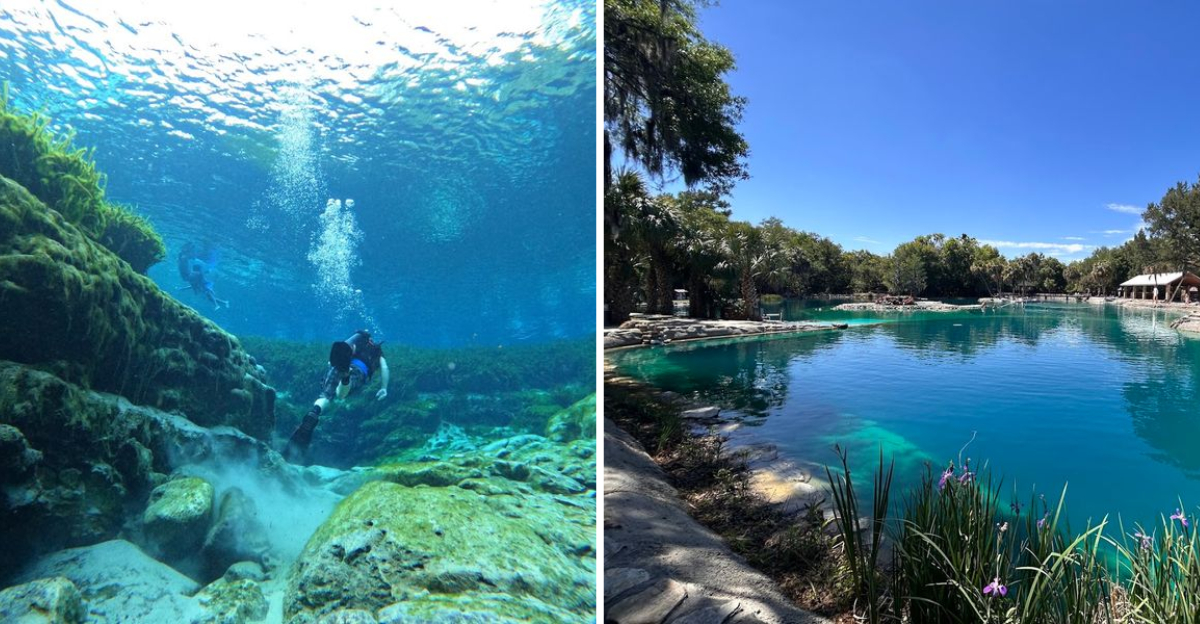
The real summer magic in this state bubbles up from underground, far from the crowded beaches.
Hundreds of freshwater springs pierce the ancient limestone, pushing out currents that run startlingly clear and cold.
Florida stashes its clearest swimming holes underground, glass-bright and refreshingly frigid, below the tourist crowds.
Ancient caves and spring-fed rivers brimming with wildlife invite you to drift, snorkel, and paddle for hours.
The temperature holds near seventy degrees all year, a real mercy on a scorching afternoon. Snorkelers regularly spot turtles and gentle manatees gliding through pools that look almost impossibly unreal.
These crystal hideaways make you forget your phone entirely and simply float the whole day away.
1. Devil’s Den Prehistoric Spring, Williston
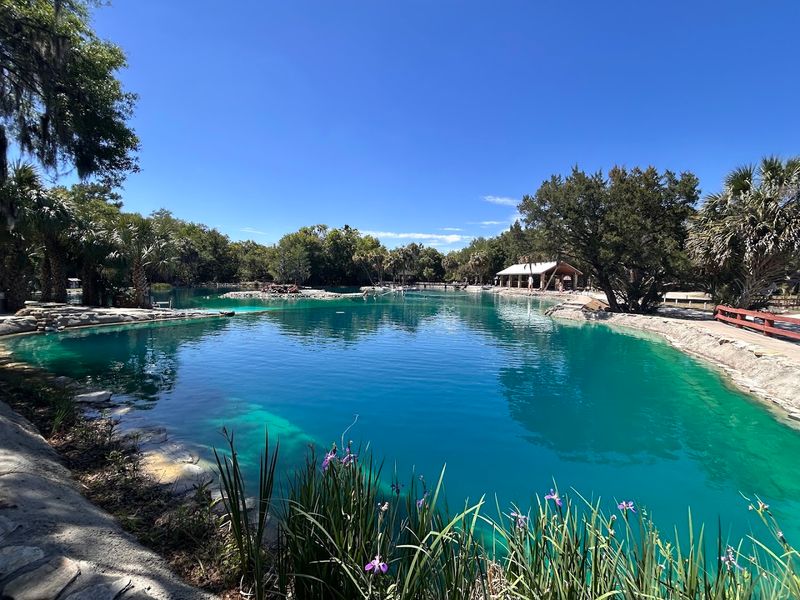
My jaw dropped when I first peered through the wooden staircase and saw that glowing blue water far below.
Devil’s Den Prehistoric Spring is one of those rare underground swimming holes that genuinely feels like another world. It sits tucked inside a dry cave, and the only natural light comes from an opening in the ceiling above.
The water temperature holds steady at around 72 degrees year-round. That makes it a cool refuge in summer and a warm escape in winter.
The cave walls are ancient limestone, and fossil bones from prehistoric animals were discovered here, giving the spring its dramatic name. Snorkeling is the best way to explore the underwater ledges and rock formations.
Scuba diving is also allowed with proper certification, and the visibility stretches for dozens of feet in every direction. Turtles and fish share the water with swimmers, adding a quiet, wild energy to the experience.
The spring is accessed at 5390 NE 180th Ave, Williston. Reservations are required, so plan ahead and book your time slot early, especially during peak summer months.
2. Ginnie Springs Outdoors, High Springs
What if the most fun you could have in Florida had nothing to do with the ocean at all?
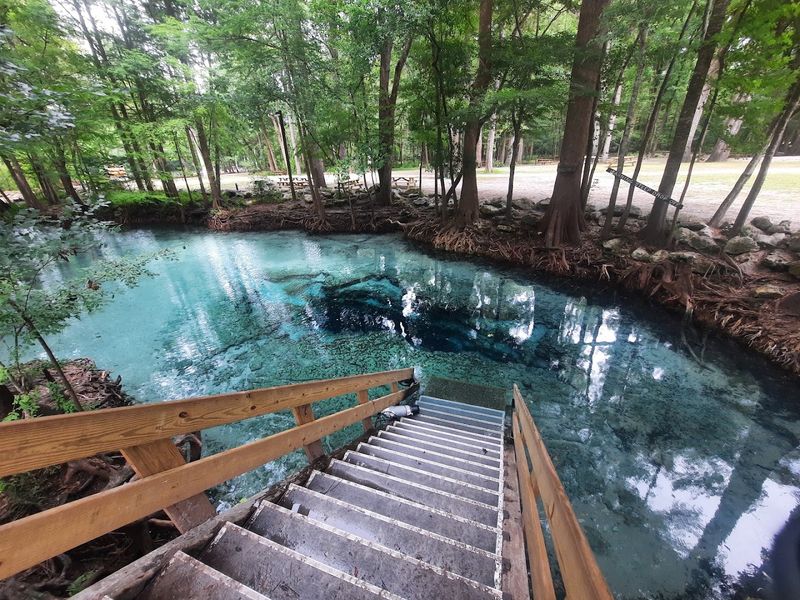
Ginnie Springs Outdoors in High Springs delivers that kind of summer energy, and then some. The property sits along the Santa Fe River and features seven individual spring vents, each with its own personality and depth.
The main spring boasts visibility that stretches up to 30 feet underwater. Snorkelers love floating above the sandy bottom and watching the water shimmer in the sunlight.
Scuba divers can explore underwater cave systems that wind deep into the earth, though cave diving requires advanced certification.
Tubing down the Santa Fe River is a favorite activity for families and groups. The current is gentle and the water is refreshingly cold, hovering around 72 degrees.
Kayaking and paddleboarding are also popular options for those who prefer to stay on the surface.
Camping is available on-site, which makes multi-day trips easy and rewarding. The address is 7300 NE Ginnie Springs Rd, High Springs.
Book campsites in advance during the busy summer season to avoid disappointment.
3. Ichetucknee Springs State Park, Fort White
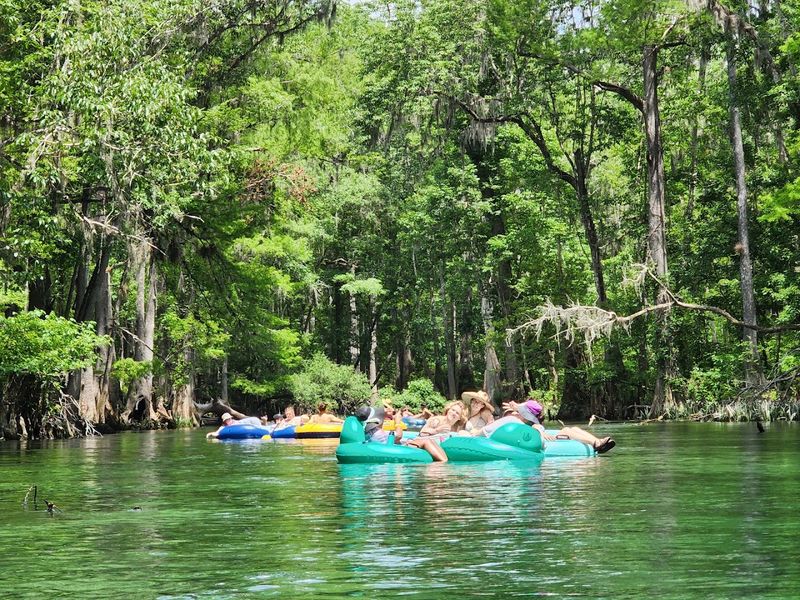
Tubing down the Ichetucknee River is one of the most purely enjoyable things you can do in all of Florida.
Ichetucknee Springs State Park in Fort White is home to a spring-fed river that flows for six miles through forests, wetlands, and meadows before meeting the Santa Fe River below.
The water stays a constant 68 degrees and runs so clear you can watch turtles and fish beneath your tube without any effort.
The river moves at a relaxed, natural pace, and the whole float takes between one and three hours depending on which section you choose. No paddling required.
Wildlife sightings along the riverbanks are common. Herons, otters, manatees, and white-tailed deer all call this corridor home.
The park limits the number of tubers per day to protect the ecosystem, so arriving early is strongly recommended during summer weekends.
Swimming is permitted at the head spring area, where the water is especially vivid and cold. The park is at 12087 Southwest US-27, Fort White. Weekday visits offer a quieter and more personal experience than weekend trips.
4. Blue Spring State Park, Orange City
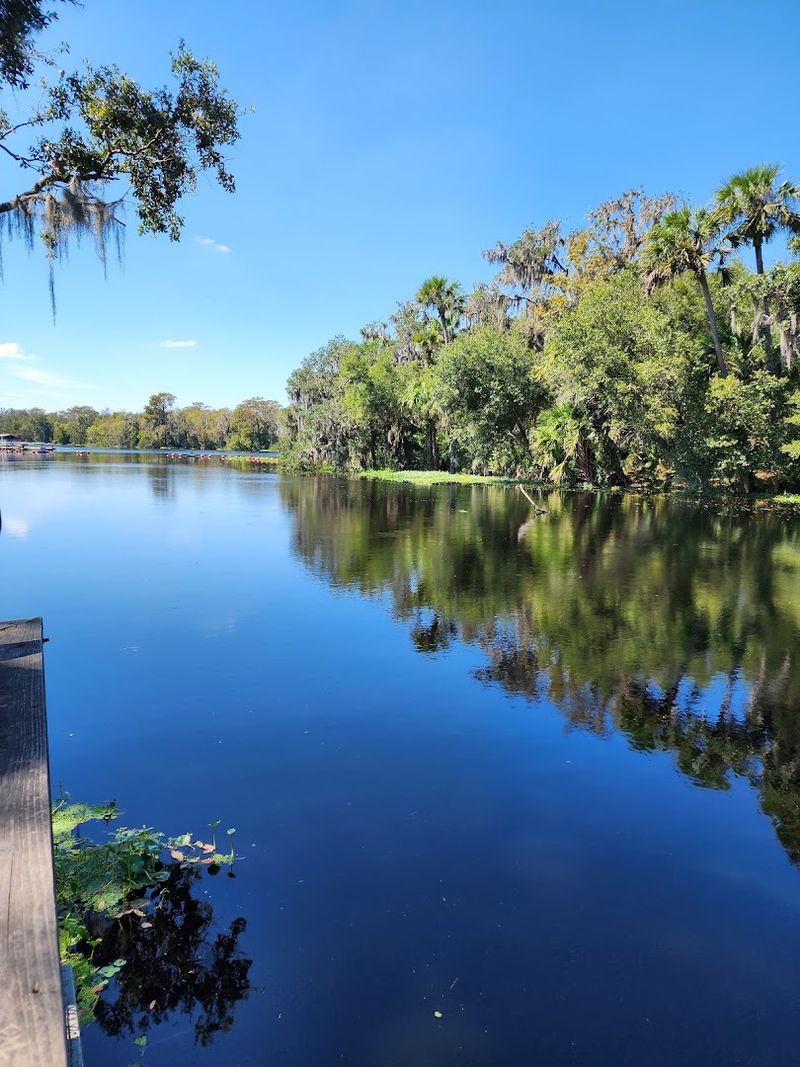
You could have knocked me over with a feather the first time I counted more than 20 manatees floating in one spring run at the same time.
Blue Spring State Park in Orange City is the most important manatee refuge in the entire state of Florida. Each winter, hundreds of the gentle sea cows gather here to warm up in the 72-degree spring water.
Swimming is allowed from spring through fall when the manatees have returned to the St. Johns River. The spring run is about half a mile long, and the water clarity is extraordinary.
You can see every grain of sand on the bottom from the surface.
Snorkeling along the run gives swimmers a close-up look at the underwater landscape. The spring vent itself is deep and dramatic, and the flow of water creates a surreal visual effect near the boil.
Kayaking and canoeing on the St. Johns River are also available from the park. Camping cabins and tent sites are offered on the property for overnight stays.
5. Weeki Wachee Springs State Park, Spring Hill
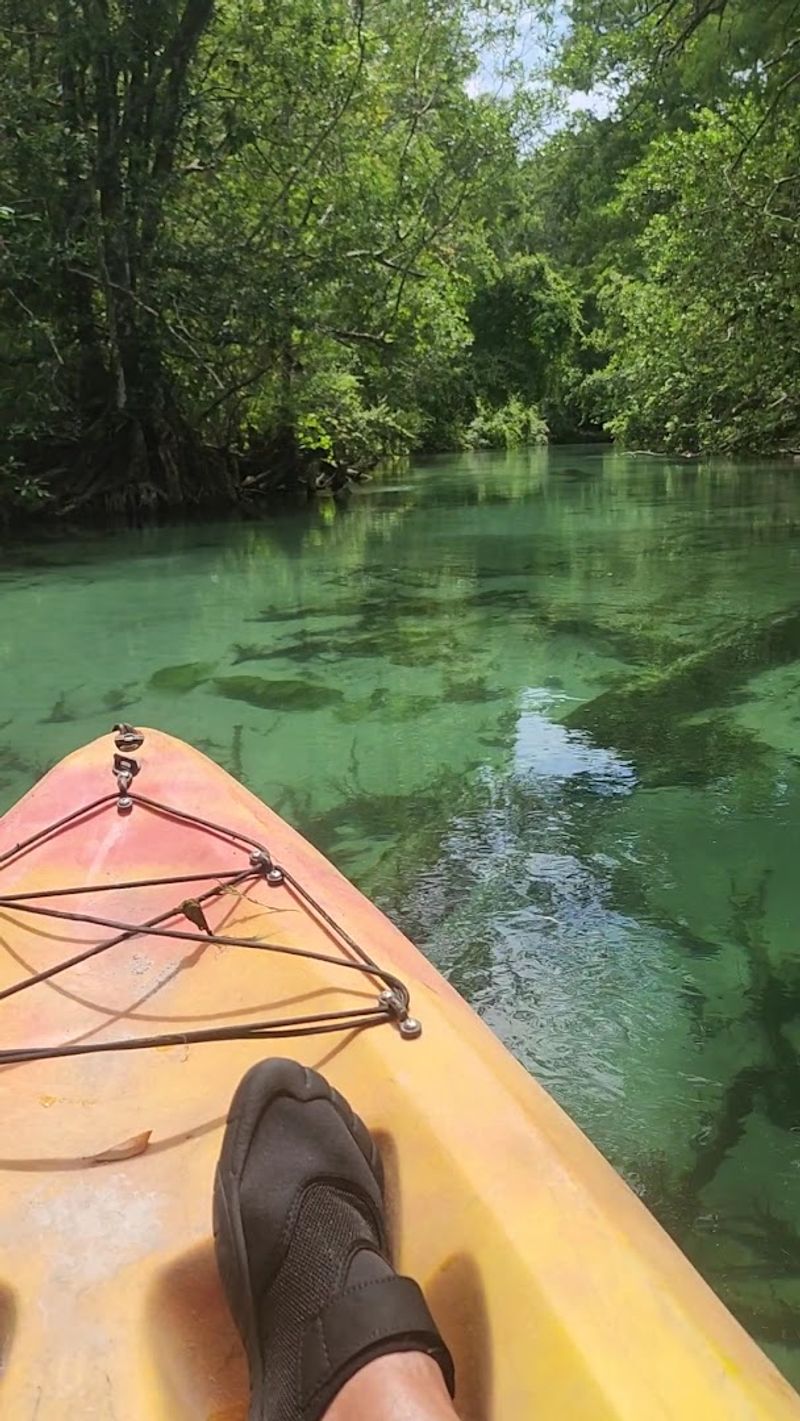
Not many swimming holes also come with a live mermaid show.
Weeki Wachee Springs State Park in Spring Hill is genuinely one of the most unique aquatic experiences in the United States. The spring pumps out more than 100 million gallons of fresh water every single day from one of the deepest natural springs ever measured.
The famous underwater theater has been running mermaid performances since 1947. Performers swim in the 74-degree water and breathe through air hoses hidden in the spring walls.
The show is theatrical, historic, and completely unlike anything else you will find at a state park.
Beyond the shows, Buccaneer Bay is the park’s water park area. It features waterslides, a lazy river, and a sandy beach fed directly by the spring.
The water is cold, clear, and endlessly refreshing on a hot Florida afternoon.
River kayak tours along the Weeki Wachee River offer a quieter and more nature-focused experience. The park address is 6131 Commercial Way, Spring Hill.
The mermaid shows run on a set schedule, so checking the park calendar before your trip is a smart move.
6. Rainbow Springs State Park, Dunnellon
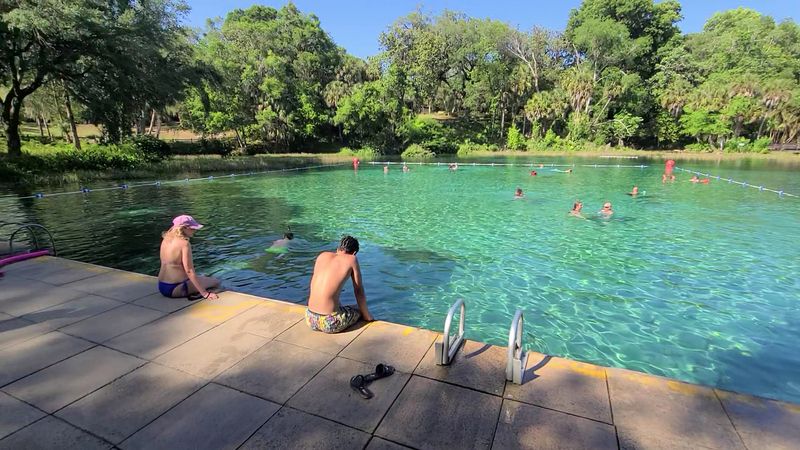
A spring that once attracted more than one million tourists per year before becoming a state park is probably worth a look.
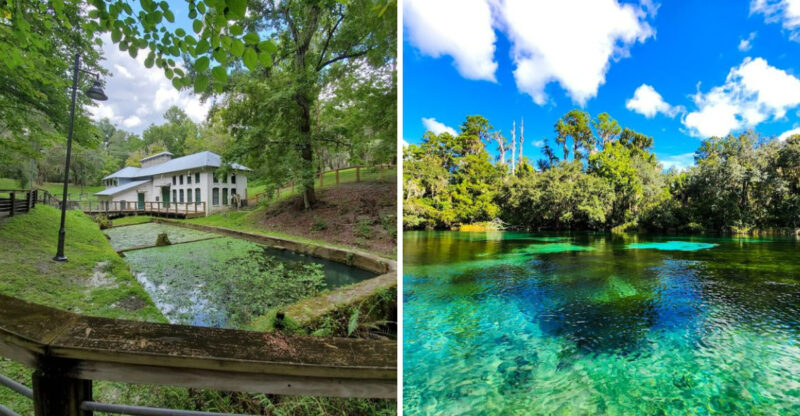
Rainbow Springs State Park in Dunnellon was a major commercial attraction in the mid-20th century, and the property still holds remnants of its former life, including old waterfalls and beautifully maintained botanical gardens.
The spring itself is the fourth largest in Florida. It releases around 400 million gallons of water daily, creating the Rainbow River that flows south for more than five miles.
The water is a vivid blue-green and exceptionally clear throughout the entire run.
Tubing down the Rainbow River is the top activity here, and it is easy to see why. The current is smooth and the scenery is lush with native plants and wildlife. Kayaking is another excellent way to take in the river at your own pace.
Swimming is permitted at the designated head spring area, where the water is coldest and most brilliant. The park address is 19158 SW 81st Pl Rd, Dunnellon.
Tubing requires a shuttle from a separate launch point, so planning logistics ahead of time will save stress on the day of your trip.
7. Edward Ball Wakulla Springs State Park, Wakulla County
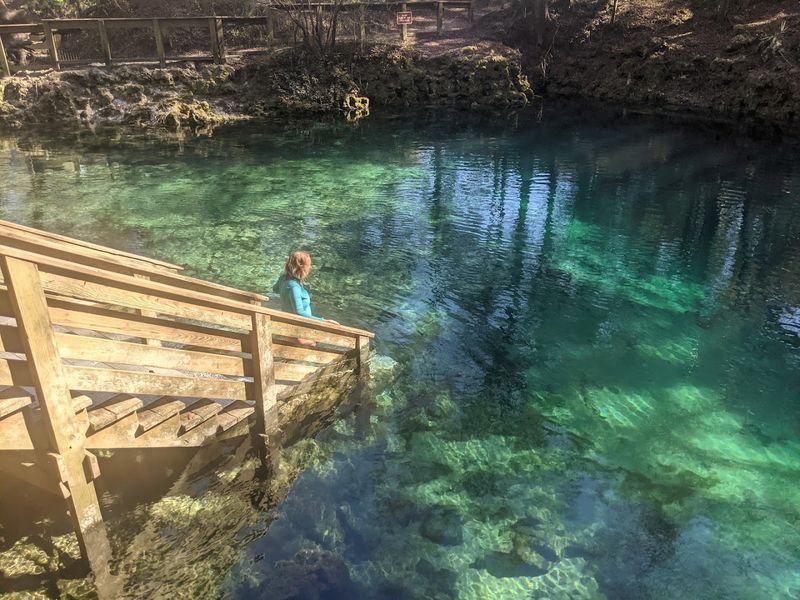
I’m still trying to wrap my head around the fact that one of the deepest freshwater springs in the world is tucked quietly into the Florida panhandle.
Edward Ball Wakulla Springs State Park in Wakulla County sits about 15 miles south of Tallahassee and holds a spring that plunges to a surveyed depth of around 300 feet in certain underwater passages.
The main spring basin is large, calm, and extraordinarily clear. Swimming is permitted in a designated area, and the water temperature stays around 68 to 70 degrees all year.
A historic wooden diving platform stands at the edge of the swimming area and adds a classic, old-Florida charm.
Glass-bottom boat tours are one of the park’s most popular experiences. The boat glides slowly over the spring basin, and you can look directly down through the glass floor to the underwater world below.
Wildlife is abundant here, including anhingas, alligators, and herons.
The old Wakulla Springs Lodge on the property is a National Historic Landmark. The park address is 465 Wakulla Park Dr. Boat tours run on a set schedule and tend to fill up quickly, so arriving early is highly recommended.
8. Alexander Springs Recreation Area, Altoona
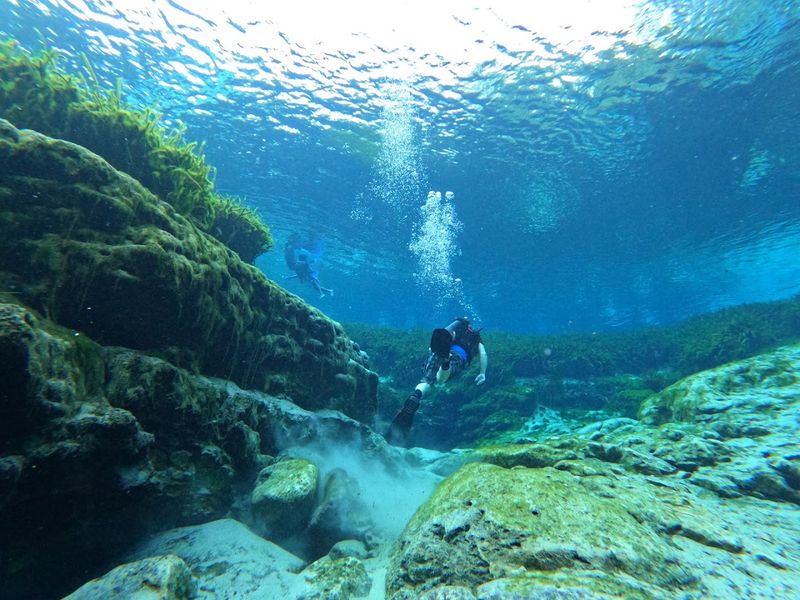
Sounds too good to be true, but Alexander Springs Recreation Area in Altoona really does offer one of the most serene spring swimming experiences in all of Central Florida.
The spring sits within the Ocala National Forest, surrounded by towering palms and ancient oaks that give the area a lush, almost tropical atmosphere.
The spring pool is large and spacious, with a sandy bottom and water so clear it looks almost artificially blue.
The temperature holds at a steady 72 degrees, which feels refreshing in summer and comfortable even in cooler months. Swimmers, snorkelers, and kayakers all share the space without it ever feeling cramped.
Paddling the spring run is a highlight of any trip here. The run flows for about seven miles through the forest before meeting the St. Johns River.
Wildlife along the route includes otters, turtles, alligators, and a remarkable variety of birds.
Camping is available on-site, with both tent and RV sites set among the trees near the spring. The address is 49525 County Rd 445, Altoona.
Weekday visits are significantly quieter than weekends, making them ideal for anyone seeking a peaceful swim.
9. John Pennekamp Coral Reef State Park, Key Largo
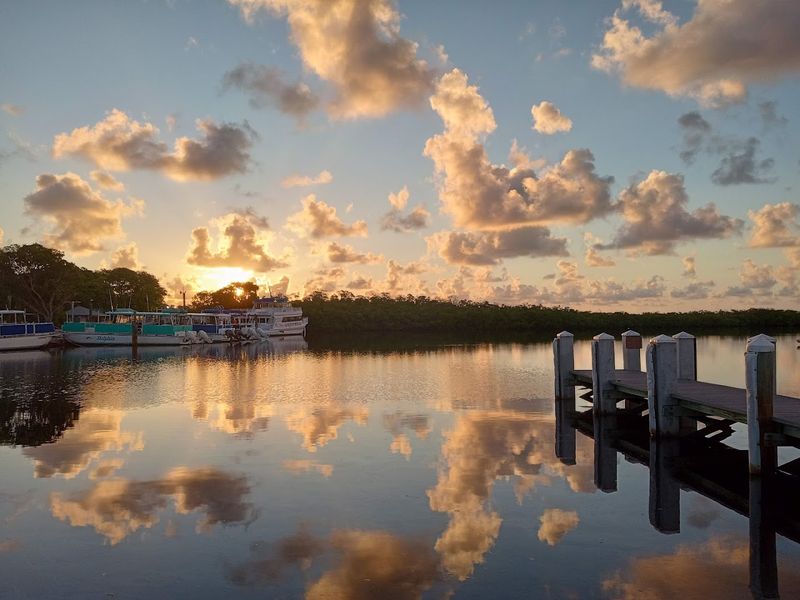
Have you given any thought to what it would feel like to snorkel over a living coral reef just minutes from shore?
John Pennekamp Coral Reef State Park in Key Largo makes that experience remarkably accessible.
Established in 1963, it was the first undersea park in the United States and protects a stunning stretch of the Florida Reef, the third largest coral barrier reef on the planet.
The water clarity here is exceptional on calm days. Parrotfish, angelfish, barracudas, and sea turtles move through the coral in stunning colors.
The famous Christ of the Abyss statue sits submerged about 25 feet below the surface and is a popular snorkeling and diving landmark.
Glass-bottom boat tours are available for those who prefer to stay dry. The boats glide over the reef and provide a clear view of the marine life below.
Kayaking through the mangrove trails is another excellent way to experience the park’s diverse ecosystems.
The park is located in Key Largo, at the northern gateway to the Florida Keys. Snorkel and dive tours depart from the park marina on a regular daily schedule.
Booking in advance during summer months is strongly advised to secure your spot on the water.
10. Three Sisters Springs, Crystal River
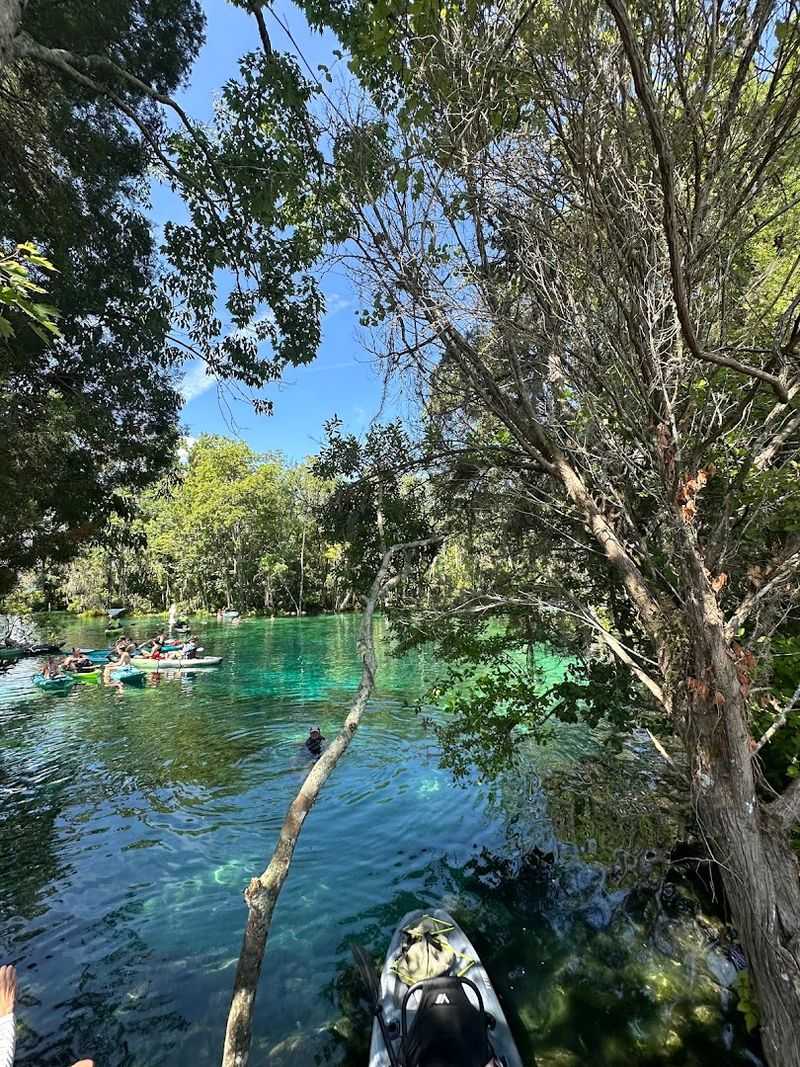
That makes two of us if you have ever dreamed of swimming alongside wild manatees in perfectly clear water.
Three Sisters Springs in Crystal River is one of the few places in the world where that experience is not only possible but also legal and well-managed.
The spring system is made up of three interconnected spring vents that bubble up from the limestone floor in shallow, glassy pools.
The water is brilliantly clear and stays around 72 degrees throughout the year. Manatees gather here in large numbers during winter months, but some individuals linger year-round.
Swimmers and snorkelers are required to maintain a respectful distance and follow strict wildlife interaction guidelines. Kayaking or paddleboarding from the nearby Kings Bay to the spring entrance is the most common way to reach the site.
The paddle is short and scenic, winding through channels lined with aquatic grasses and mangroves. Guided tour options are available for first-time visitors who want a more structured experience.
The spring entrance address is 917 Three Sisters Springs Trail, Crystal River. Entry is managed through the U.S.
Fish and Wildlife Service. Arriving early on weekday mornings gives you the best chance of a calm and uncrowded swim.
11. Silver Glen Springs, Ocala National Forest
Preaching to the choir here, but there is something deeply satisfying about swimming in water that looks like liquid glass.
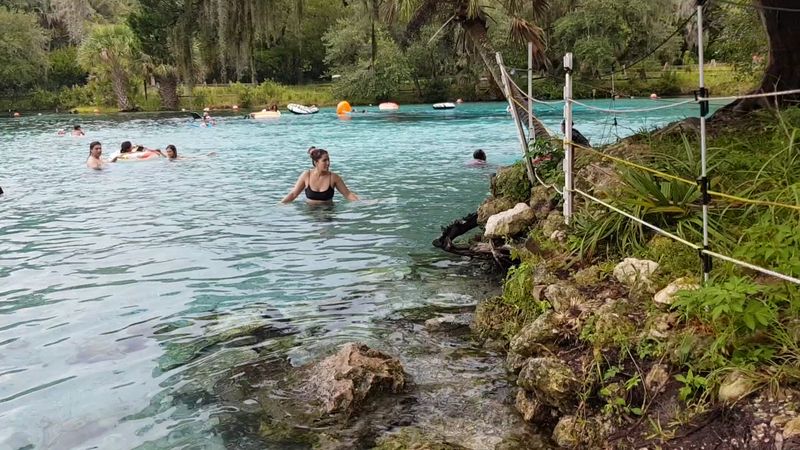
Silver Glen Springs sits within the Ocala National Forest and feeds directly into Lake George, one of the largest lakes in Florida. The spring run is short but absolutely vivid, with water that shimmers in shades of aquamarine and pale blue.
The spring vent itself sits at the bottom of a sandy pool, and you can watch the water boiling up from the earth below your feet.
The temperature is a crisp 72 degrees, which makes it especially welcome on blazing Florida summer days. The contrast between the cool spring and the warm surrounding air is instantly energizing.
Kayaking and canoeing down the spring run toward Lake George is a scenic and straightforward paddle. The run passes through a corridor of ancient cypress trees and submerged aquatic grasses.
Manatees occasionally wander up the run from the lake, adding an unexpected and magical element to the paddle.
The area is managed by the Ocala National Forest and has a small sandy beach for lounging between swims. Parking and entry fees apply. Going on a weekday morning gives you the clearest water and the most peaceful atmosphere.