10 Florida Towns Seeing Unexpected Grocery Shortages This Holiday Season
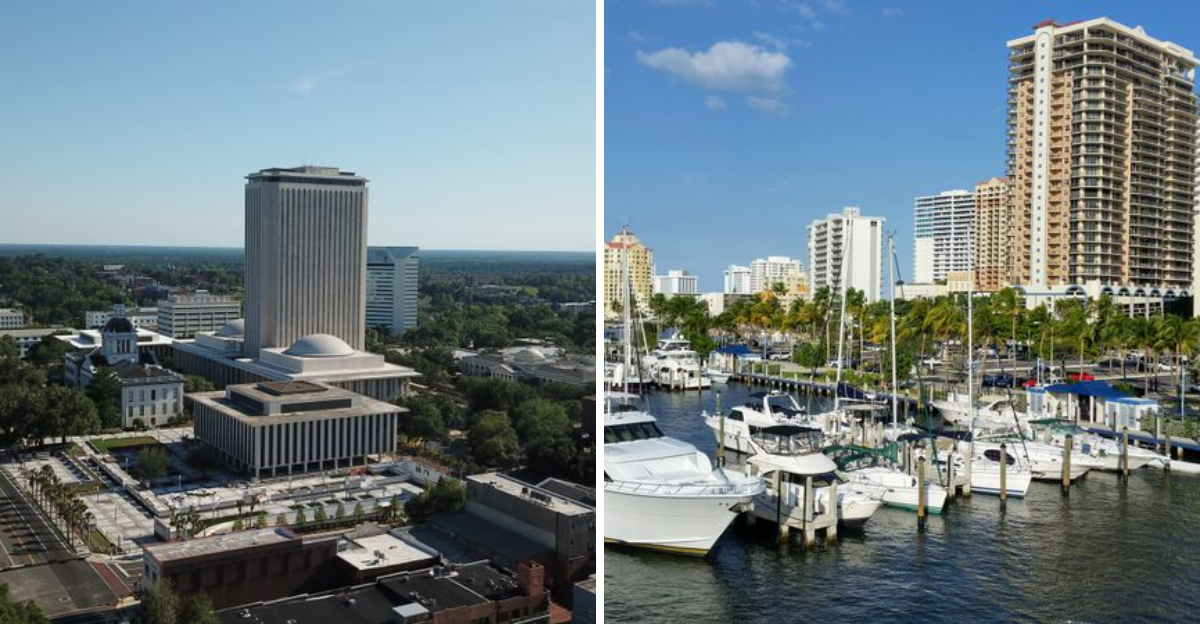
Holiday shopping just got a lot harder for some Florida residents. Grocery stores across the state are facing empty shelves and limited supplies right when families need them most.
From canned goods to fresh produce, finding everyday essentials has become a challenge in certain towns.
Supply chain disruptions, storm damage, and unexpected delays are all contributing to the shortages, leaving shoppers scrambling to adjust their holiday plans.
Local residents are feeling the impact, especially those trying to prepare for festive meals and gatherings.
Stores are working hard to restock, but the situation highlights how fragile supply lines can be, even in everyday life.
For shoppers, it’s a reminder to plan ahead, check availability, and sometimes get creative when favorite items aren’t on the shelves.
1. Cedar Key
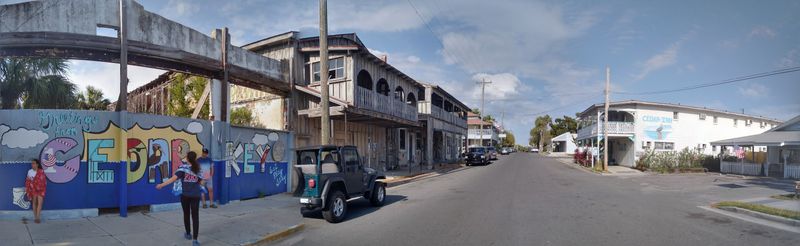
Hurricane Helene didn’t just damage this coastal community – it completely wiped out the only place to buy groceries.
The store at 12915 State Road 24, Cedar Key, FL 32625, sat in ruins for five months after the March 2025 storm.
Residents now face a 45-minute drive to Chiefland just to pick up milk or bread.
I can’t imagine making that trip every time you need something fresh.
Families are learning to plan ahead and stock up on non-perishables.
Many elderly residents who can’t drive that far are relying on neighbors for help.
The community has pulled together, organizing carpools and shopping trips for those without transportation.
This situation shows how vulnerable small towns can be when disaster strikes.
2. Groveland
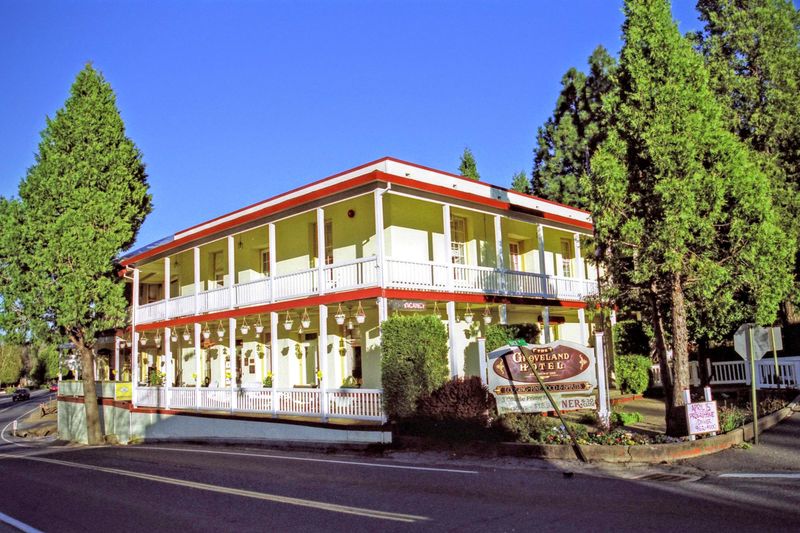
Kroger’s decision to shut down its fulfillment center here caught everyone off guard.
The facility located at 16000 Avalon Road, Groveland, FL 34736, will close its doors in January 2026.
Online grocery delivery customers are scrambling to find alternatives before the deadline hits.
This closure means no more convenient doorstep deliveries for busy families.
People who relied on this service because of mobility issues or hectic schedules are especially worried.
I think the timing couldn’t be worse with holiday meal planning in full swing.
Local stores might see increased foot traffic as former online shoppers adjust to in-person shopping again.
The ripple effects will likely impact surrounding communities too.
3. Tampa
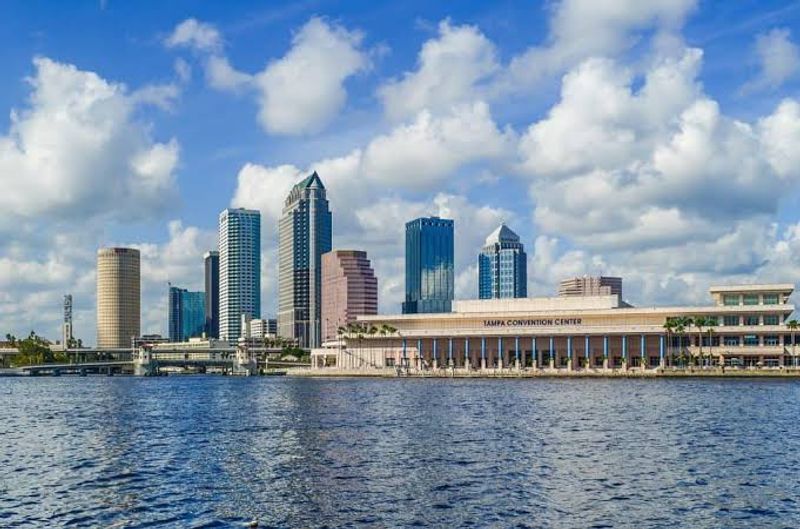
Prices have climbed so high that regular shopping trips now feel like major expenses.
Grocery stores throughout Tampa, including locations along Dale Mabry Highway and throughout Hillsborough County, have raised prices by 4.3% compared to last year.
Eggs, meat, and poultry jumped even higher at 7.8%.
That increase really adds up when you’re feeding a family.
What used to cost $100 now runs closer to $110, and protein-heavy meals hit the wallet especially hard.
I’ve noticed shoppers switching to store brands and hunting for sales more aggressively.
Some families are cutting back on meat purchases or choosing cheaper protein sources like beans and lentils.
The holiday season makes these price hikes even more painful.
4. Broward County
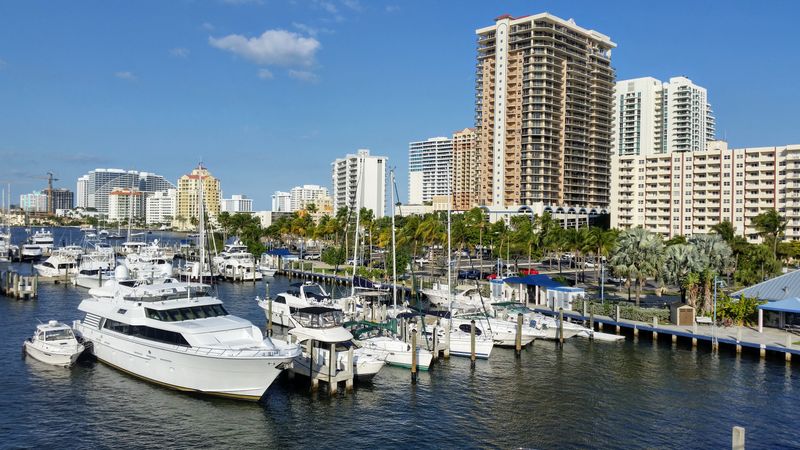
Federal budget cuts left food banks with nothing to give families in need.
The Salvation Army at 1445 W Sunrise Blvd, Fort Lauderdale, FL 33311, faced completely bare shelves in April 2025.
Government food deliveries stopped coming, leaving thousands of families without their usual assistance.
Food insecurity became a crisis almost overnight.
Parents who counted on these resources to feed their children suddenly had nowhere to turn.
I find it heartbreaking that this happened right when people needed help most.
Community members stepped up with private donations, but the need far exceeded what volunteers could collect.
Many families went hungry while waiting for the situation to improve.
The shortage highlighted how important federal food programs really are.
5. Rockledge
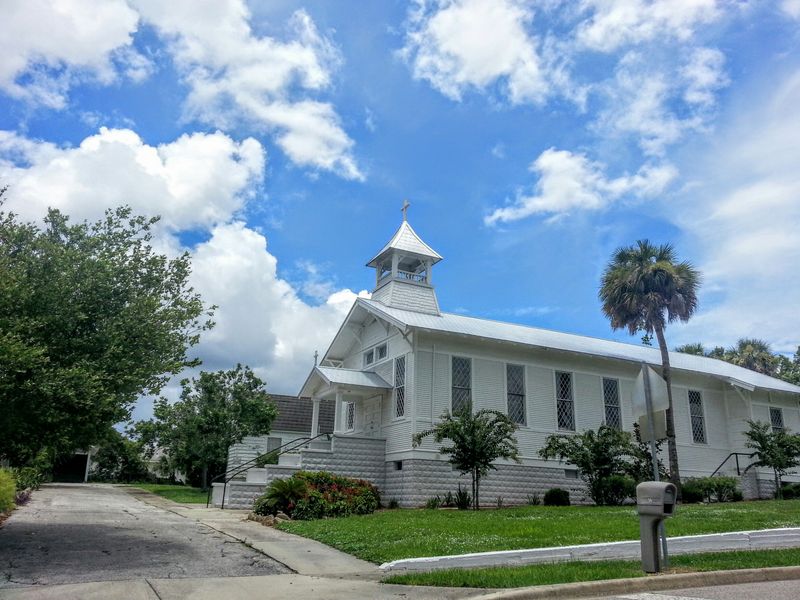
Another Kroger closure is hitting this Space Coast community hard.
The fulfillment center at 955 Barnes Blvd, Rockledge, FL 32955, will shut down alongside the
Groveland location in January 2026.
Residents who depend on grocery delivery services are losing a major convenience.
This affects working professionals, disabled individuals, and parents with young children most severely.
Online grocery shopping became essential for many during the pandemic, and giving it up feels like going backward.
I understand that companies make business decisions, but the impact on customers is real.
People are already looking into alternative delivery services, though options in this area are limited.
The closure creates an unexpected challenge during an already stressful season.
6. Jacksonville
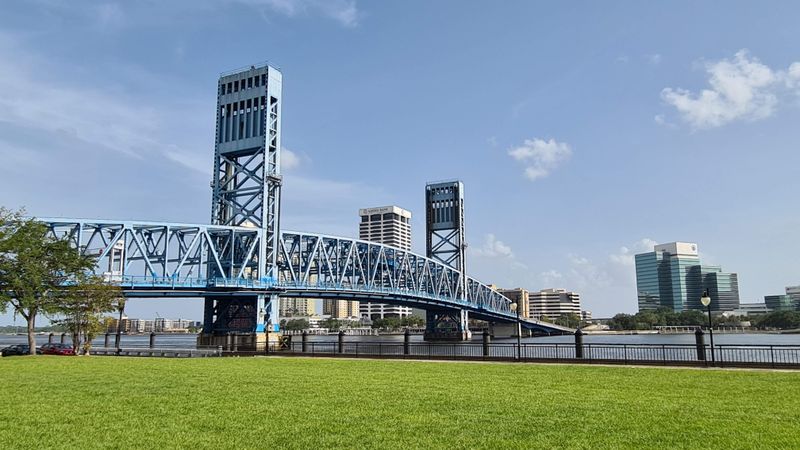
Kroger’s third Florida closure is disrupting grocery access in this major city.
The fulfillment center at 11041 Philips Highway, Jacksonville, FL 32256, joins the list of facilities shutting down in January 2026.
Thousands of customers across Jacksonville and surrounding areas will lose their delivery service.
This creates a significant gap in grocery access for a large population.
Many residents chose their homes based partly on the convenience of delivery services.
I think urban areas like this one need these services more than ever.
Traffic, parking challenges, and time constraints make in-store shopping difficult for many people.
The closure forces families to rethink their entire grocery routine.
Some might switch to competitors, while others will reluctantly return to traditional shopping methods.
7. Tallahassee
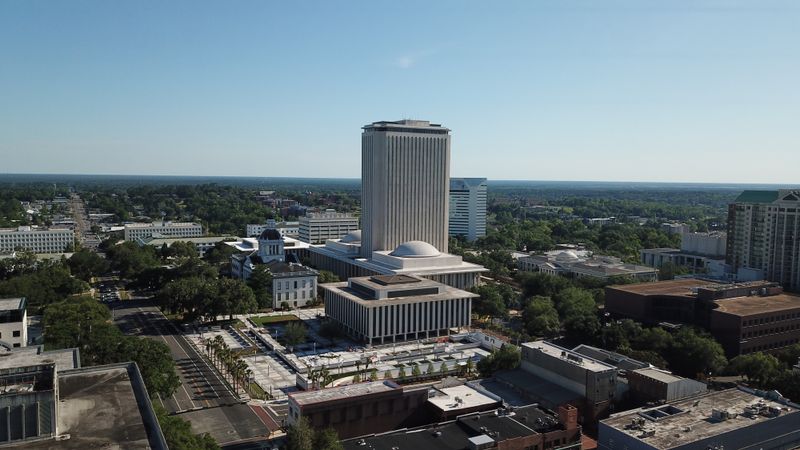
Supply chain disruptions have plagued stores in the state capital for years.
Grocery stores along Tennessee Street and throughout Leon County, Tallahassee, FL 32304, experienced significant shortages starting in late 2021.
The problems have continued affecting availability of various products through 2025.
Persistent supply issues make shopping unpredictable and frustrating.
You never know if your favorite items will be in stock when you need them.
I’ve heard shoppers talk about visiting multiple stores to find everything on their lists.
This wastes time and gas, adding stress to an already challenging situation.
The ongoing nature of these shortages suggests deeper problems in the distribution system.
Residents have learned to be flexible with their meal planning and brand preferences.
8. St. Petersburg
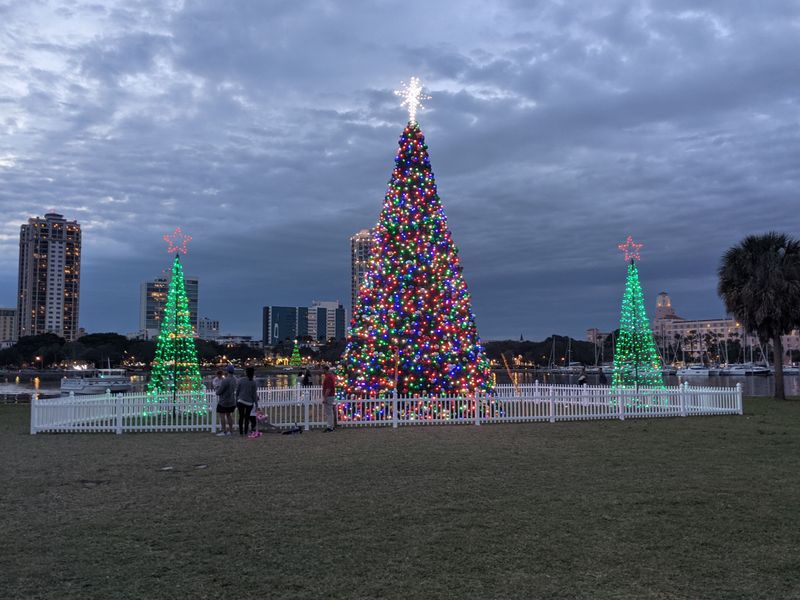
Rising costs are squeezing household budgets throughout the Tampa Bay region.
Supermarkets along 4th Street N and across Pinellas County, St. Petersburg, FL 33701, are part of the Tampa Bay area seeing 4.3% grocery price increases.
Bakery items and cereals jumped 5.3% higher than last year.
These increases make weekly shopping trips noticeably more expensive.
Bread, bagels, and breakfast cereals that used to be affordable staples now cost significantly more.
I notice families buying less or choosing cheaper alternatives to stay within budget.
Some people are baking their own bread or making homemade granola to save money.
The holiday season typically means extra baking and cooking, but these prices might change traditions.
Many residents are reconsidering their holiday menu plans.
9. Clearwater
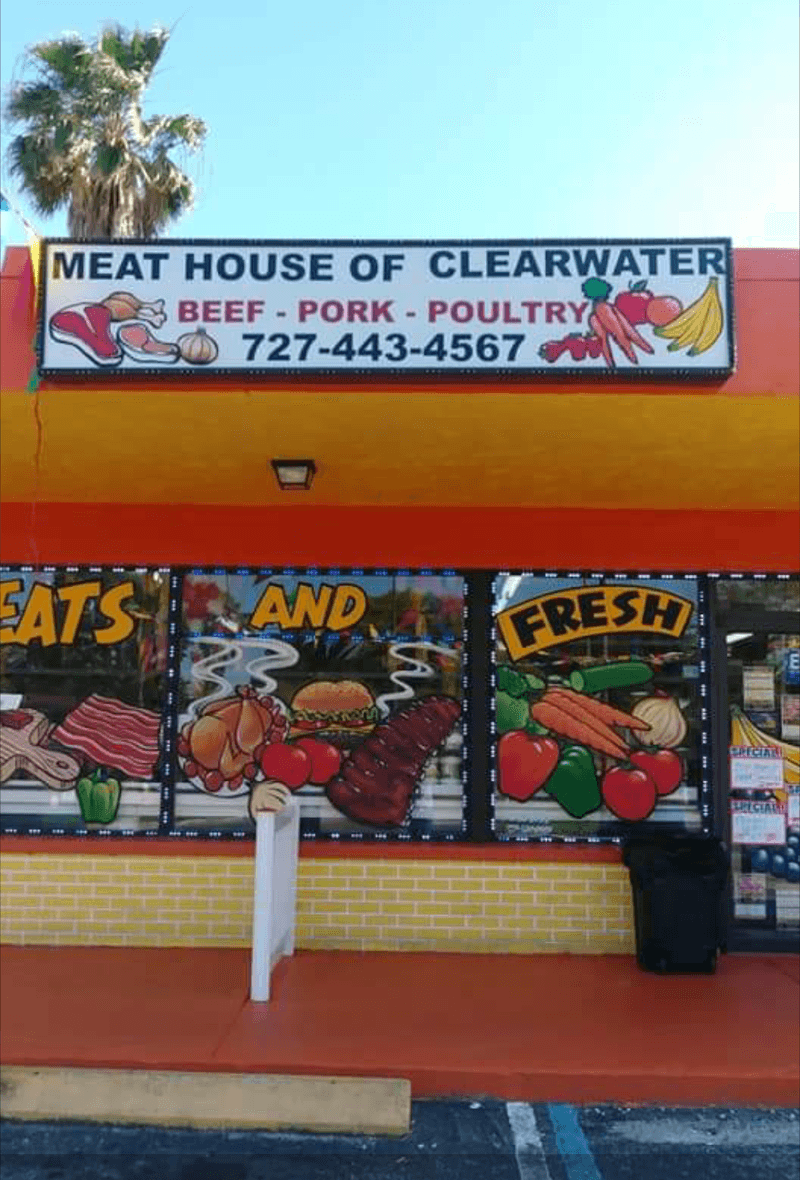
Shoppers here are dealing with the same price surge hitting the entire Tampa Bay area.
Grocery stores along Gulf-to-Bay Boulevard and throughout Clearwater, FL 33755, face the regional 7.8% increase in meat, fish, and poultry prices.
Protein sources that families rely on are becoming luxury items.
This makes meal planning incredibly difficult for budget-conscious households.
Chicken breast and ground beef that once seemed reasonably priced now require serious consideration before purchasing.
I see more people buying smaller portions or switching to plant-based proteins.
Some families are eating meat less frequently or only for special occasions.
The holiday season typically features expensive cuts of meat, but many households are scaling back.
Traditional turkey dinners might give way to more affordable alternatives this year.
10. Chiefland
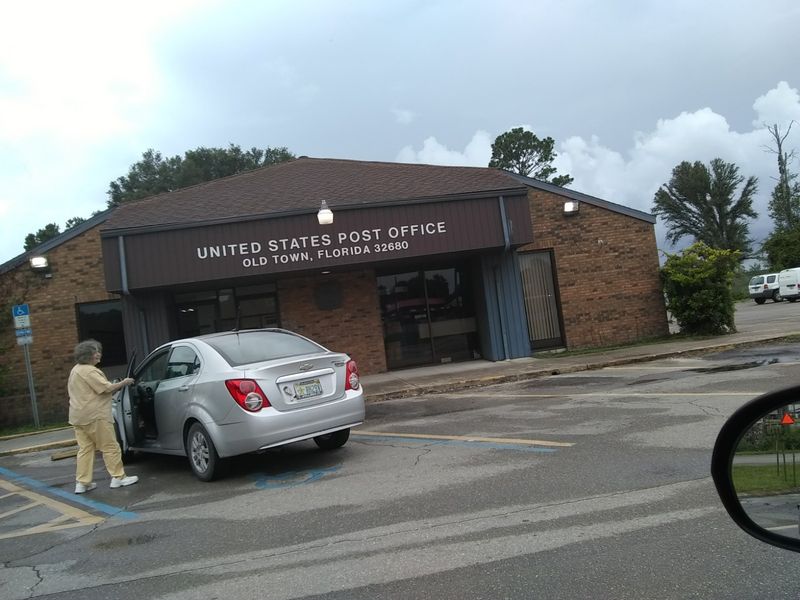
This small town suddenly became a grocery destination for displaced Cedar Key residents.
Stores along US Highway 19, Chiefland, FL 32626, are experiencing unexpected demand from customers driving 45 minutes from Cedar Key.
Local grocers weren’t prepared for this surge in shoppers.
The increased traffic has created occasional shortages of popular items.
Stores are working to adjust their inventory to meet the higher demand.
I imagine local residents are noticing longer checkout lines and busier aisles.
The situation has created an unusual strain on a small-town grocery infrastructure.
Store managers are ordering more stock, but distribution challenges affect everyone.
The ripple effects from Cedar Key’s disaster extend far beyond that community’s borders.