10 Florida Waterways And Fossil Sites Where Ancient Finds Tell A Prehistoric Story
I found my first shark tooth by accident. I was standing ankle deep in cold water, staring down at what looked like a plain black pebble.
It was not a pebble. Florida hides an entire fossil record right under the surface of its rivers, and almost nobody notices.
Millions of years of history sit quietly in gravel beds, waiting for someone to look down at the right moment. Once you find one tooth, you cannot stop searching for the next.
Your hands start moving through sand without thinking. Your eyes learn to spot shapes that do not belong.
Florida rewards patience here more than almost anywhere else in the country. Every river on this list turns an ordinary afternoon into a hunt for something ancient, something the water has kept hidden for longer than we can really picture.
1. Peace River, Arcadia
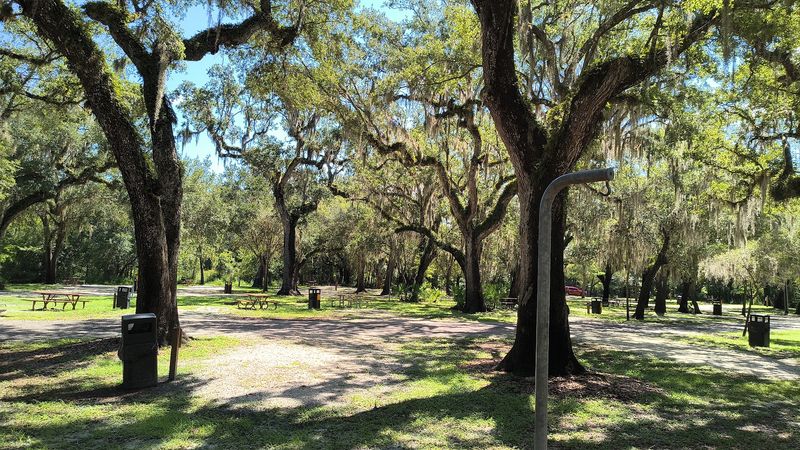
Some rivers just have a reputation, and the Peace River has earned every bit of its. Located near Arcadia at 1885 NE Brownville St, this stretch of water is one of the most productive fossil sites in the entire country.
Rockhounds have been pulling Megalodon teeth and Ice Age bones out of here for decades.
The river naturally erodes fossils from its banks and bed, depositing them in shallow gravel bars. You can find mammoth bones, mastodon teeth, ancient horse remains, and saber-toothed cat fragments.
Miocene and Pliocene shark teeth show up regularly, making every scoop of gravel feel like a lottery ticket.
The dry season, roughly late fall through early spring, is the best window. Lower water levels expose far more material along the banks.
Bring a sieve, a shovel, and a mesh screen for sifting. Shark teeth need no permit, but collecting vertebrate fossils requires a Florida Fossil Permit.
Guided tours run from Brownville Park if you want expert eyes helping you spot the good stuff. This river rewards patience more than luck.
2. Suwannee River, Live Oak
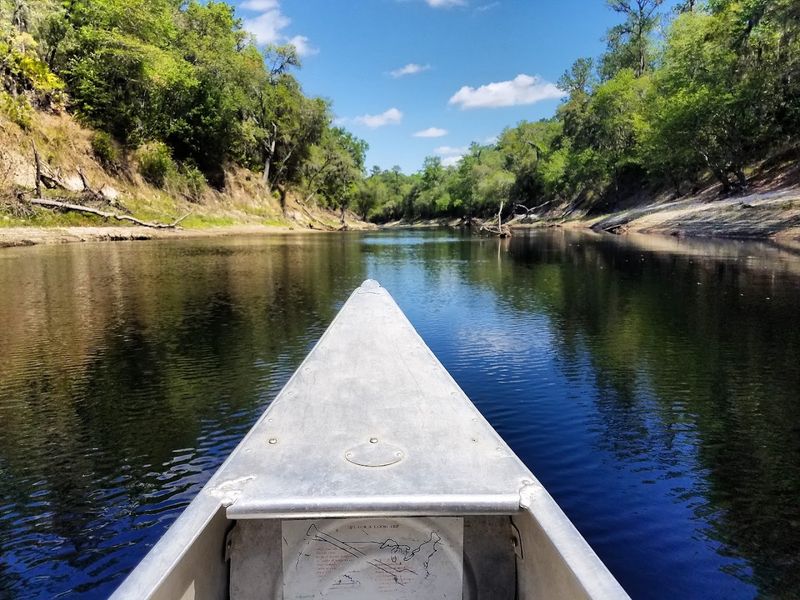
Not every river hands you a Megalodon tooth, and the Suwannee River near Live Oak is upfront about that. What it does offer is something arguably cooler: beautifully preserved Auriculatus shark teeth from the Late Eocene period.
These teeth have a distinct, almost artistic shape that makes collectors genuinely excited.
The fossils found here tend to be high quality and well-preserved. The river’s chemistry and surrounding limestone layers protect the color and fine edges of each piece.
That means what you find here often looks cleaner and sharper than finds from other spots.
Access the river near 3631 201st Path in Live Oak and look for shallow sections where gravel collects. The tannin-dark water can make spotting fossils tricky, so patience is your best tool.
Work slowly along exposed banks and check any gravel accumulations carefully. Megalodon teeth are extremely rare here, so reset your expectations and appreciate the unique Late Eocene specimens this river produces.
The Suwannee rewards hunters who do their homework before they ever get their feet wet. It is a different kind of treasure hunt, and honestly, a refreshing one.
3. Santa Fe River, Alachua
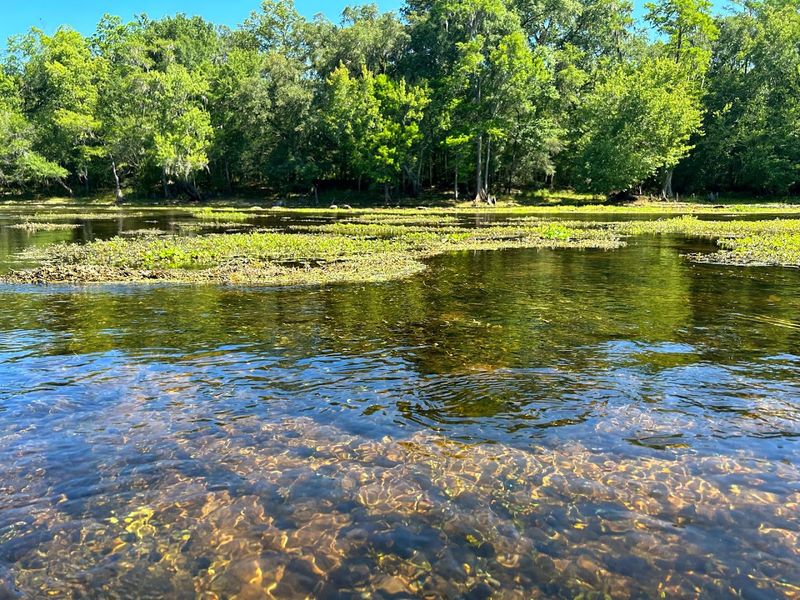
Limestone is basically nature’s fossil vault, and the Santa Fe River runs right through some of the best deposits in the state. The limestone here preserves fossil color and sharp edges in a way that makes finds look almost museum-quality.
During dry periods, entire sections of the riverbed can dry up and become walkable.
Located near 27025 N State Rd 121 in Alachua, this river has produced some truly jaw-dropping finds. Megalodon teeth, mammoth bones, mastodon remains, giant ground sloths, and saber-toothed cat fossils have all come from here.
There is even documented evidence of Titanis walleri, a giant prehistoric flightless bird, being found in this drainage.
The riverbed can be irregular with strong currents and unexpected deep holes, so always be cautious. Children should stay close to adults near the water at all times.
Guided fossil tours are available along the Santa Fe, which is a smart move for first-timers. Knowing where to look saves hours of wandering.
The variety of species represented in this river is genuinely staggering. Every visit feels like flipping through a different chapter of prehistoric life.
4. Withlacoochee River, Brooksville
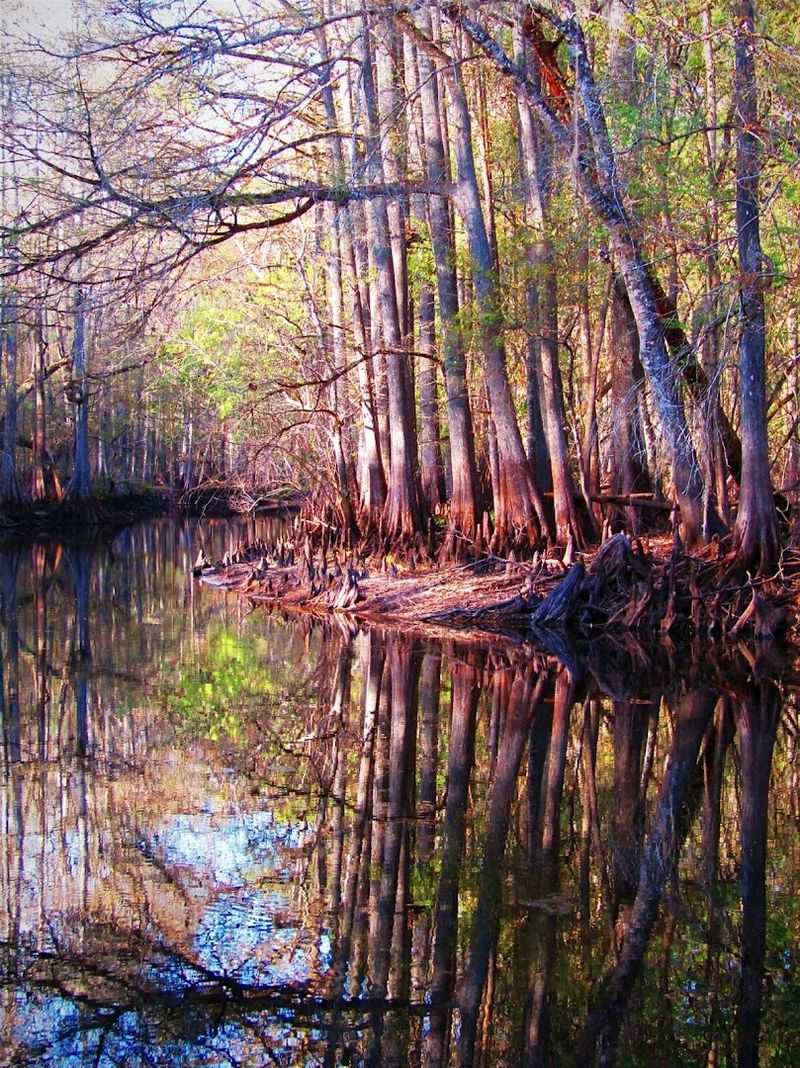
River bends are where the magic happens, and the Withlacoochee River near Brooksville has plenty of them. Erosion works overtime on the outer curves, constantly exposing older fossil layers buried beneath the surface.
That steady geological turnover keeps this river interesting for repeat visitors.
Located near 15003 N Broad St, the northern Withlacoochee yields a surprisingly diverse mix of finds. Megalodon teeth, Auriculatus teeth, and coral pieces show up alongside Pleistocene-era mammal remains.
Small tortoise shell fragments and armadillo osteoderms are common enough that finding them almost feels routine after a while.
Mammalian carnivore fossils are unusually well-represented in certain sections of this river. Gravel and shell deposits near the banks are your best starting points.
Look especially where the current slows, since heavier fossils settle out there first. Sharp river bends consistently produce older material that has been undercut by water over time.
The Withlacoochee is a great intermediate-level hunting spot. It rewards hunters who understand basic river geology and know how to read the water before they start digging.
Bring your screen and expect a productive afternoon.
5. Alafia River, Lithia
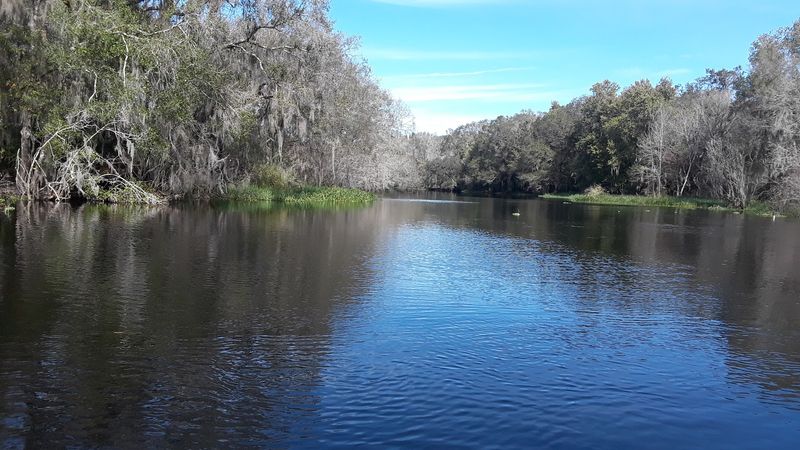
Heavy rain is most people’s least favorite thing, but fossil hunters on the Alafia River treat storm season like a gift. Increased water flow stirs up sediment and reveals fossil layers that had been buried for thousands of years.
Within days of a good storm, fresh material becomes accessible along the banks near Lithia.
Located near 13016 S County Rd 39, this river consistently produces Megalodon teeth, ray plates, various shark species teeth, and prehistoric bone fragments. Microfossils from sharks, rays, fish, and mammals are abundant enough to keep even experienced collectors busy for hours.
The variety here is genuinely impressive.
Gravel bars at sharp river curves are your prime real estate. The current slows at those bends and deposits heavier material, including fossils, right where you can reach them.
The North Prong and upper sections of the river also hold small gravel bars packed with tiny teeth. Bring a fine mesh screen to catch the microfossils that larger sieves miss entirely.
Lower water levels and newly exposed gravel bars often create the best conditions for fossil hunting, but always wait until river conditions are safe before entering the water.
6. Econfina River, Lamont
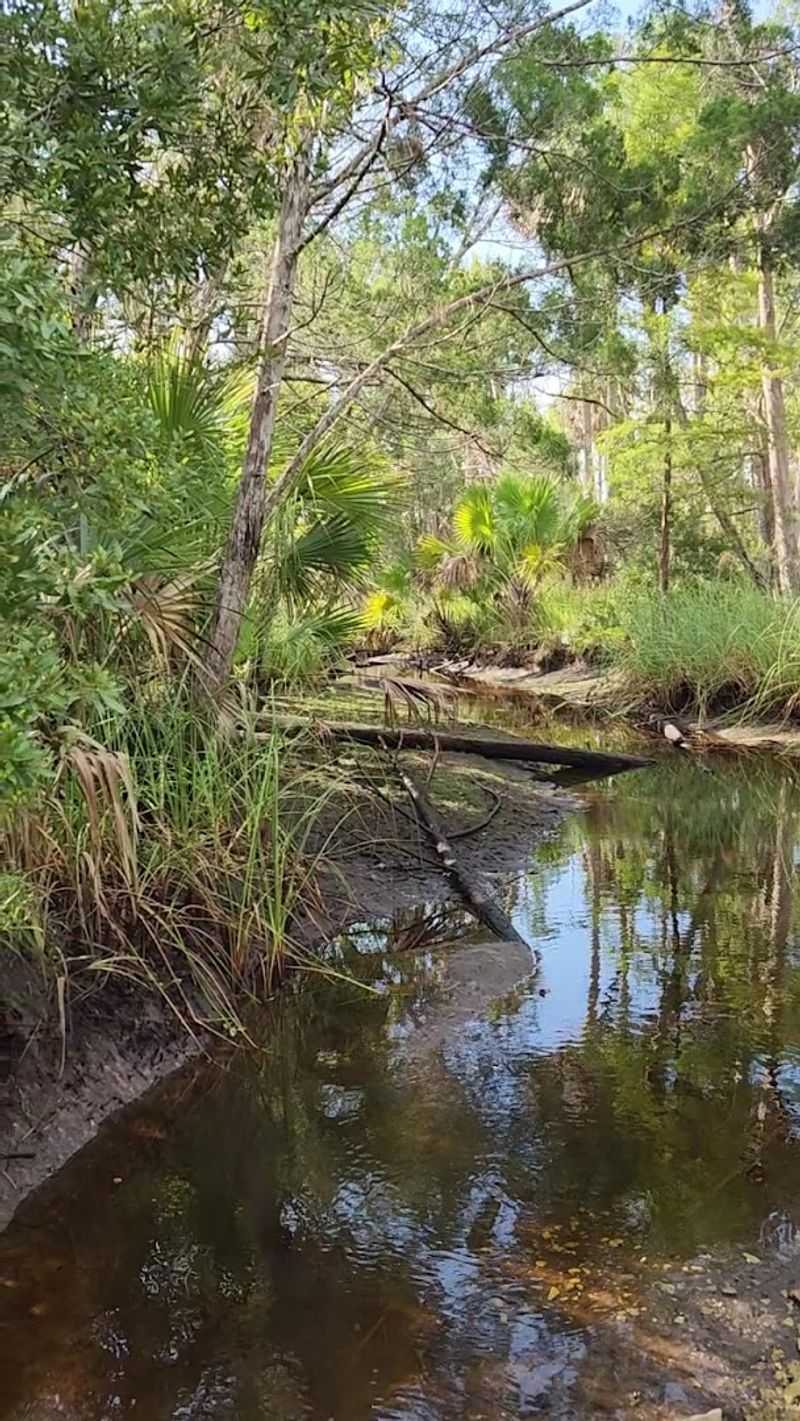
Spring-fed rivers have a clarity that makes fossil hunting feel almost meditative, and the Econfina River near Lamont delivers exactly that kind of experience. After moderate rainfall, Miocene-age limestone exposures appear along the riverbed and banks.
Those ancient limestone surfaces are where the fossils have been waiting, sometimes for millions of years.
Located near 4741 Econfina River Rd, this river is part of the Econfina River Water Management Area. Snaggle-tooth shark fossils are among the notable finds here, along with other Miocene-era specimens that surface after the water moves sediment around.
The geological age of the material here is part of what makes it so appealing to serious collectors.
Because parts of the Econfina River are protected, always check current regulations before collecting anything. Fossil collecting is not permitted in many state-managed areas, even if you have a Florida Fossil Permit.
The area is primarily managed for water resource protection, so always respect the environment and leave the habitat intact. Tread carefully on exposed limestone, as it can be slippery.
The Econfina is quieter and less crowded than some of the bigger-name rivers. That solitude makes the whole experience feel like a private window into prehistoric time.
7. Chassahowitzka River, Brooksville
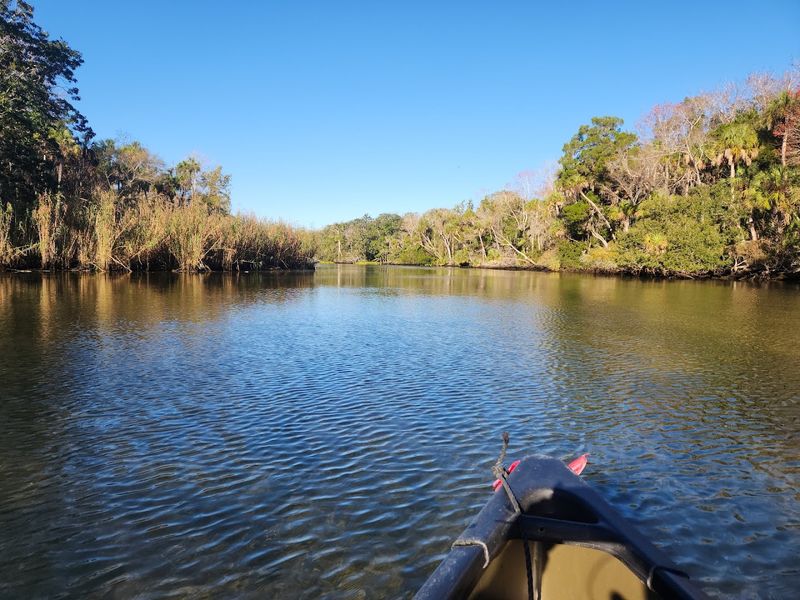
Crystal-clear spring water and ancient forest canopy make the Chassahowitzka River one of the most visually stunning waterways in this part of the state. The river near 13243 Commercial Way in Brooksville runs cold and clear year-round, fed by natural springs that maintain a constant temperature.
That warmth draws West Indian manatees in impressive numbers during winter months.
Fossil hunting is not a permitted or commonly practiced activity along the Chassahowitzka. State-managed areas and wildlife refuges generally prohibit fossil collecting to protect the natural ecosystem.
The focus here is conservation, and that boundary deserves full respect from every visitor.
What the Chassahowitzka offers instead is a genuinely world-class wildlife experience. Paddling through the spring run with manatees gliding beneath your kayak is something that stays with you.
The river is a reminder that not every treasure comes in the form of a fossilized tooth. Sometimes the reward is watching a prehistoric-looking creature move silently through water so clear it looks like glass.
Plan a kayak trip here and enjoy one of Florida’s most beautiful spring-fed rivers. While this is not a destination for fossil collecting, it offers an unforgettable wildlife experience.
8. Homosassa River, Homosassa
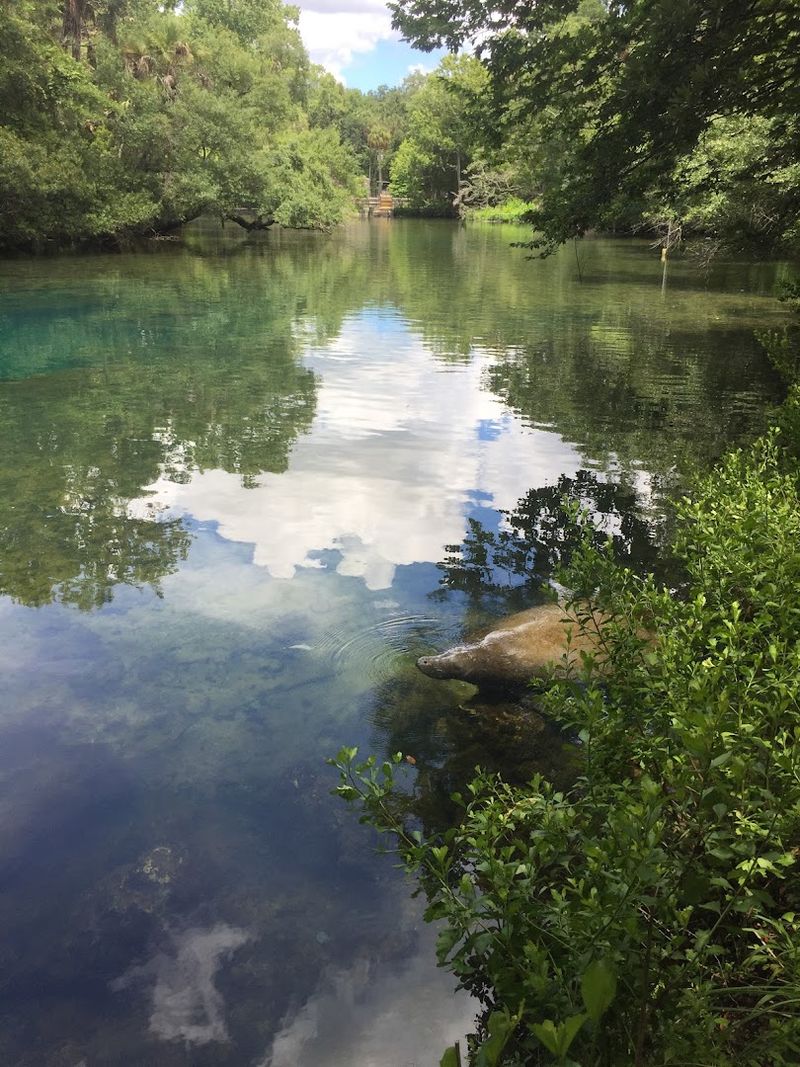
Warm spring water and slow-moving currents have made the Homosassa River one of the most important manatee refuges in the entire country. Located near 5568 S Mason Creek Rd, the river draws large gatherings of West Indian manatees every winter.
Watching dozens of these gentle giants congregate in the spring run is genuinely breathtaking.
Like its neighbor the Chassahowitzka, the Homosassa River is not a place where fossil collecting is permitted or commonly practiced. Wildlife management areas and state parks prohibit fossil removal to protect the integrity of the natural habitat.
Respecting those rules keeps these places healthy for future generations of visitors and wildlife alike.
What makes the Homosassa special is the sheer density of wildlife encounters available here. Snorkeling alongside manatees in clear spring water is an experience very few places on Earth can offer.
The river also supports diverse fish populations and abundant birdlife throughout the year. Think of this stop as a different kind of ancient treasure hunt.
The manatees themselves are living links to prehistoric megafauna lineages, and observing them up close puts the whole fossil hunting journey into a fascinating new perspective. Follow all posted wildlife regulations and enjoy observing manatees responsibly from approved areas.
9. Myakka River, Sarasota
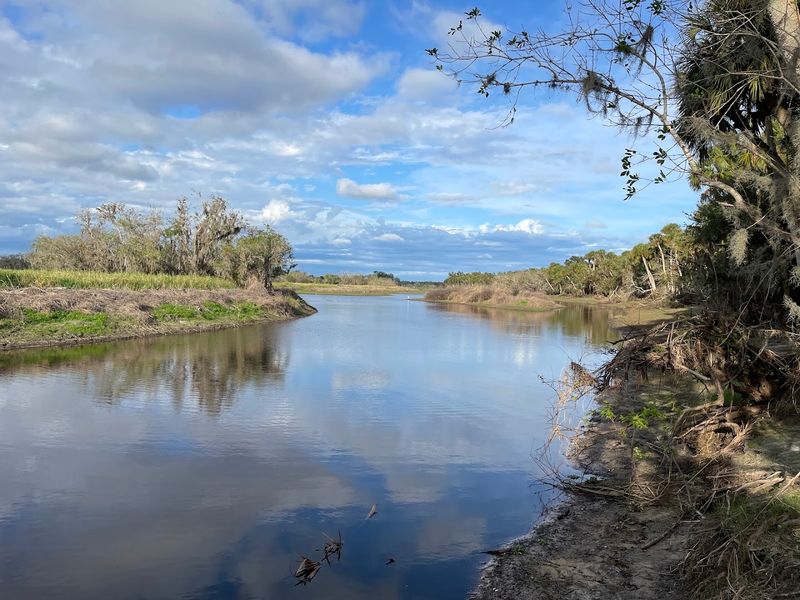
Rules matter in fossil hunting, and the Myakka River near Sarasota is one of the clearest examples of why knowing the regulations before you go saves a lot of trouble.
Collecting fossils is prohibited within Myakka River State Park and its tributaries, which are designated special waters by the Department of Environmental Protection.
Conservation goals drive that restriction, and it is strictly enforced.
Although fossil collecting is prohibited within Myakka River State Park, nearby private fossil hunting operations in the Myakka area provide a legal alternative for collectors. Relic Reef in Myakka City runs guided shark tooth hunting experiences on privately owned dig sites.
Visitors there can find Megalodon, Great White, Hastalis, Bull Shark, and Lemon Shark teeth alongside other fossilized bone material.
The guided private experience is actually ideal for beginners who want structure and expert guidance. You get the thrill of the find without the legal gray areas that come with public waterways.
The Myakka region sits on rich prehistoric deposits from the same geological formations that make neighboring rivers so productive. Booking a session at a private dig site here is a smart, responsible way to explore the area’s ancient past.
The fossils are real, the experience is hands-on, and the finds go home with you legally.
10. Caloosahatchee River, Alva
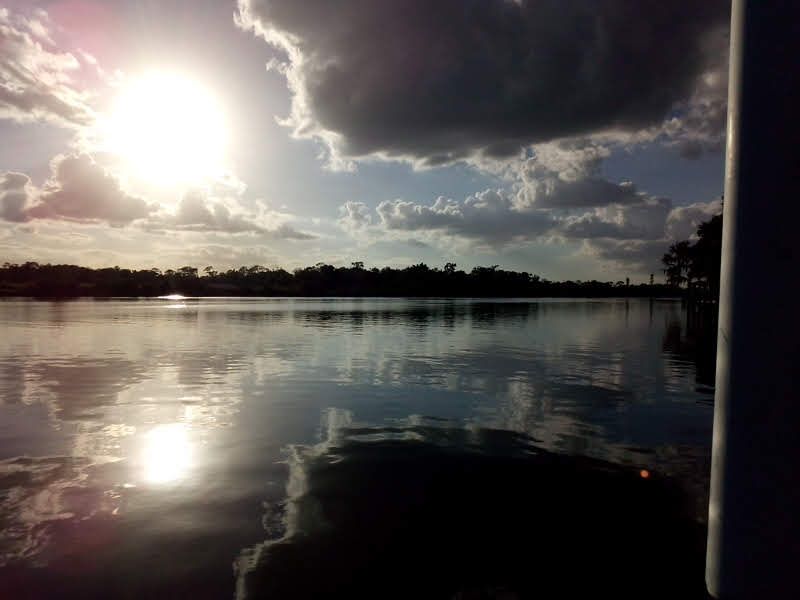
Geological time has a way of showing up right at your feet along the Caloosahatchee River near Alva. The Caloosahatchee Formation exposes fossils from both the Pliocene and Pleistocene epochs along its banks.
That means the material here spans millions of years of prehistoric life packed into one accessible stretch of freshwater.
Located near 19130 N River Rd, this river has produced an impressive and varied collection of finds. Megalodon teeth and Carcharhinus genus shark species, including Bull, Dusky, and Silky shark teeth, show up regularly.
Fossilized horse teeth, tortoise shell fragments, armadillo armor pieces, and prehistoric turtle remains have all been documented here.
Tributaries feeding into the Caloosahatchee, like the Orange River, are also worth exploring for shark teeth. These smaller channels can concentrate material in ways that make hunting surprisingly efficient.
Gravel bars and exposed bank sections after dry spells are the most productive spots to target. The sheer diversity of species represented in this formation is what sets the Caloosahatchee apart from many other rivers.