10 Forgotten North Carolina Piedmont Mill Villages That Were Company Towns A Century Ago And Are Becoming Food Destinations Today
Old mill villages were never supposed to become dinner plans, which makes the whole idea oddly satisfying.
Across North Carolina, former workday towns are finding a second life that smells a lot better than cotton dust and factory shifts.
Brick buildings that once meant long hours now frame the kind of meals people happily slow down for.
That contrast is the hook.
A place built around work suddenly learns how to linger, and the whole town starts feeling more interesting than a quick drive-by ever suggested.
The history is still there, but it no longer feels stuck in place.
It sits beside warm plates, busy tables, and streets that have learned a new rhythm.
These revived Piedmont communities prove that a good meal can do more than fill a stop.
It can make an old mill town feel alive again.
1. Saxapahaw: The Haw River Food Revival
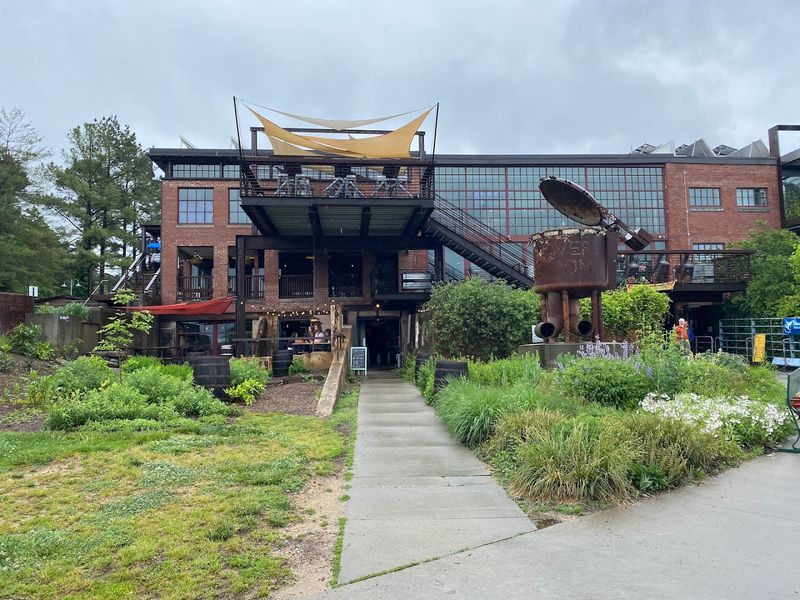
Along the Haw River, Saxapahaw has become one of the clearest examples of how a former mill village can evolve without sanding off its history.
Repurposed mill buildings still define the landscape, yet daily life here now revolves around food, community events, outdoor recreation, and a slower kind of destination energy that feels earned rather than staged.
Dining plays a major role in that shift. Saxapahaw General Store, at 1735-I Saxapahaw-Bethlehem Church Road in Graham, is a longtime local anchor, while The Eddy at 1715 Saxapahaw-Bethlehem Church Road draws visitors with river views and comfort-focused food.
Weekend traffic often spills beyond mealtimes because the village also functions as a gathering place, not just a restaurant stop.
Old brick, the nearby ballroom, and the walkable riverfront help every visit feel textured by the place’s textile past.
Plenty of North Carolina towns have tried to revive old industrial districts, but Saxapahaw feels unusually cohesive because food is only one part of a wider community identity.
That balance is what keeps it from feeling like a one-note attraction and makes it one of the Piedmont’s most convincing mill-village success stories.
2. Kannapolis: From Cannon Mills To Food Hall
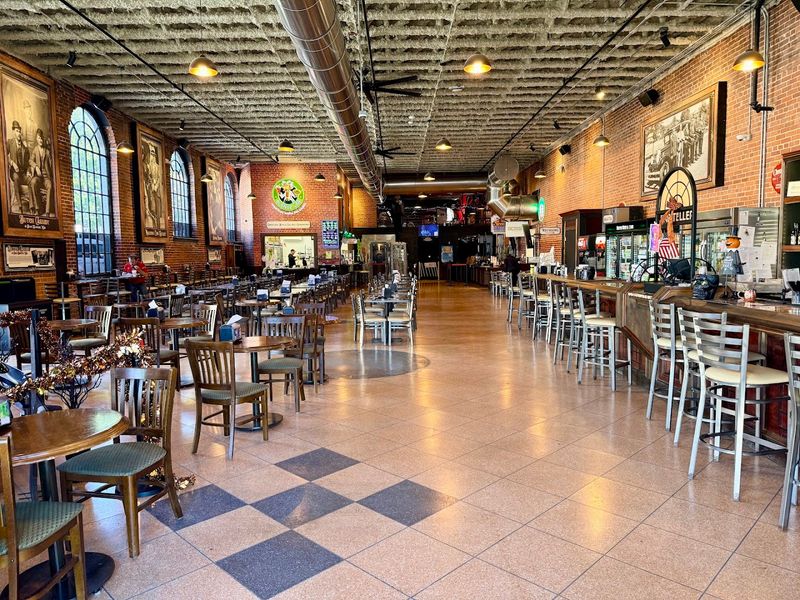
Back in the early twentieth century, Kannapolis rose as a Cannon Mills company town built around textile production on a massive scale.
Much of that industrial foundation still shapes the city’s identity, but downtown now feels increasingly oriented toward visitors, local entrepreneurs, and a more modern form of gathering.
Much of that energy runs through The Bank Food Hall at 201 West Ave, which occupies the historic Cabarrus Bank Building and serves as one of the clearest symbols of Kannapolis’s reinvention.
Multiple vendors share the space, creating a format that fits the communal spirit of an old mill town while giving newer food businesses a highly visible stage.
Foot traffic has increased as the downtown district has gained momentum, and recent social activity from the hall shows it still actively adding tenants in 2026. Growth here feels less accidental than strategic.
Revitalization in Kannapolis has been discussed for years, but food has become one of the most visible ways visitors can experience it firsthand. Historic bones remain intact, yet the atmosphere no longer reads as a city trying to relive a vanished era.
Instead, Kannapolis comes across as a place using that history as structure for something current, lively, and much more delicious than its company-town founders could have imagined.
3. Cramerton: Quiet Mill Town, Growing Table
Near the South Fork Catawba River, Cramerton still carries the imprint of its planned mill-village past.
Town history traces that identity directly to Stuart Cramer and Cramerton Mills, with local records describing the community as a company-owned village shaped with unusual care for layout and civic design.
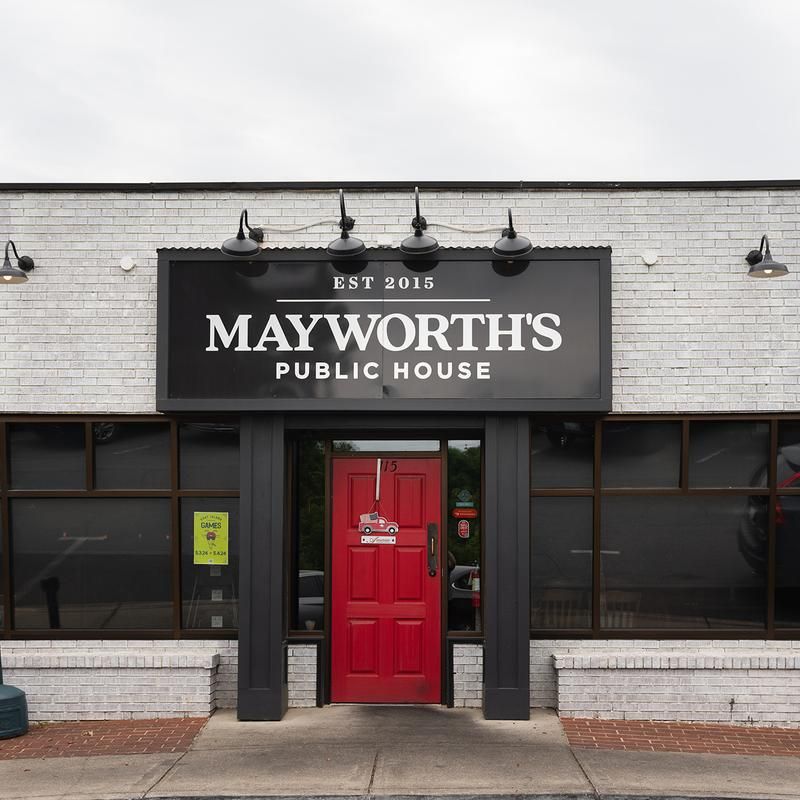
Much of that character remains visible today, which helps explain why the dining scene feels meaningful rather than random. Mayworth’s Public House at 115 Center Street has become one of the easiest ways to understand that shift.
Regular service, a prominent downtown position, and a neighborhood following give it the kind of presence that suggests a place people actually use, not a one-off novelty for weekend visitors.
Cramerton does not have the scale of a bigger Piedmont food hub, and that turns out to be part of its appeal.
Streets still feel intimate, the pace remains manageable, and meals land in a setting where history has not been pushed into the background. Plenty of former mill communities across North Carolina struggle to convert charm into present-day momentum.
Cramerton feels different because its restaurant growth seems tied to local life first.
Results are quieter here, but also more believable, which is often a stronger sign that a small food destination is becoming something durable.
4. McAdenville: More Than Christmas Lights
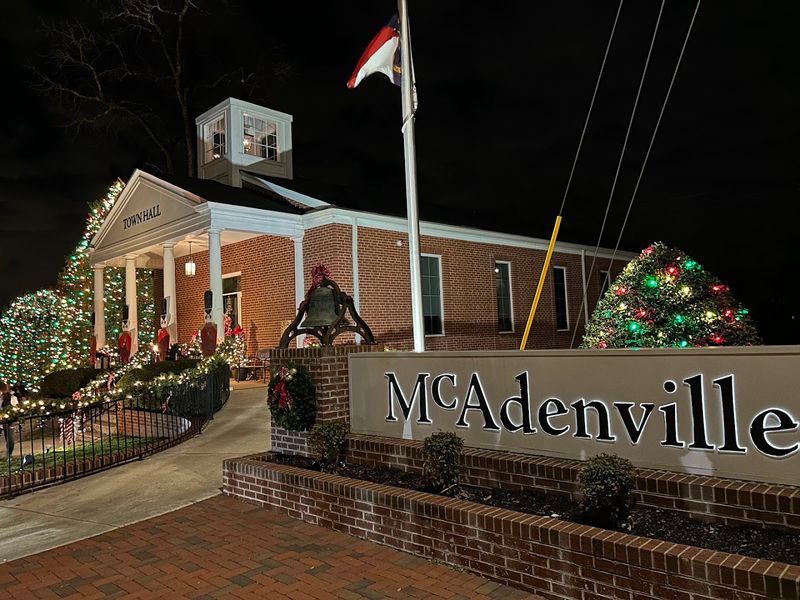
For many travelers, McAdenville is synonymous with Christmas lights. Underneath that holiday identity sits a much older story tied to McAden Mills, the company-built village that helped define the town from the 1880s forward.
Official local history still foregrounds that textile past, including the mill’s importance in Gaston County and the planned character of the surrounding village. Food is starting to broaden the town’s appeal beyond its famous winter crowds.
Terra Mia Italian Restaurant, currently operating at 129 1/2 Main Street, has given downtown a more substantial dining anchor, while nearby local options have added to the sense that McAdenville is no longer only a once-a-year stop. Main Street’s compact scale works in its favor.
Rather than overwhelming visitors with choices, the town offers a quieter kind of food discovery in a setting where mill-era buildings and streetscapes remain central to the experience. Curiosity is rewarded here.
People who arrive expecting only seasonal nostalgia often find a place that feels more layered than advertised, especially once lunch or dinner becomes part of the visit.
North Carolina has plenty of better-known food destinations, but McAdenville stands out because its second act is unfolding in a village that still looks and feels deeply shaped by its industrial beginnings.
5. Belmont: Mill Heritage Meets Main Street Dining
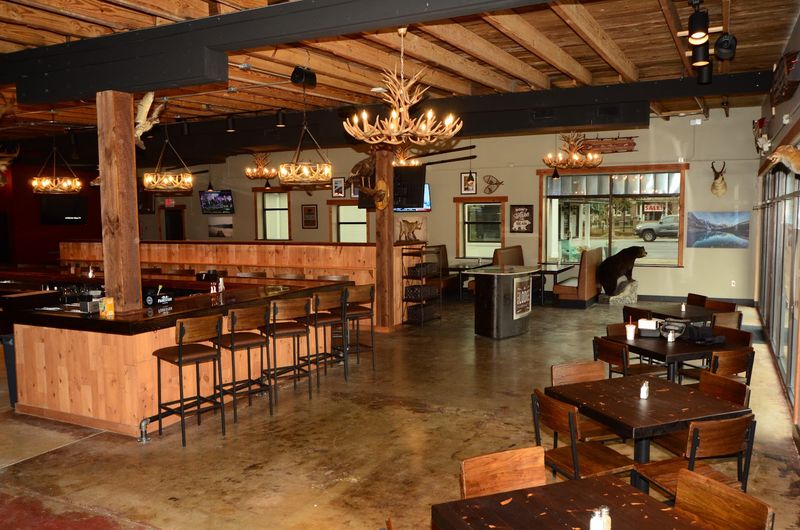
Across downtown Belmont, food and history sit unusually close together. Textile heritage runs deep here, and local preservation groups still frame that past as central to the city’s identity.
Dining has become one of the clearest ways visitors experience that evolution now, especially along Main Street where restaurants, cafés, and specialty food businesses occupy restored buildings and well-kept historic blocks.
Dining is now one of the clearest ways to see that evolution along Main Street, with restaurants and cafés in restored historic buildings.
Old Stone Steakhouse at 23 South Main Street and the broader downtown dining mix show how Belmont has become a true food and leisure destination.
Walkability helps, too. One meal can easily turn into coffee, dessert, or an unplanned extra hour on foot, which is usually a sign that a food district has real staying power.
Plenty of former textile towns are trying to turn history into momentum. Belmont has done it with enough consistency that the result no longer feels emerging.
At this point, it feels established.
6. Eden: Three Mill Towns, One Hungry City
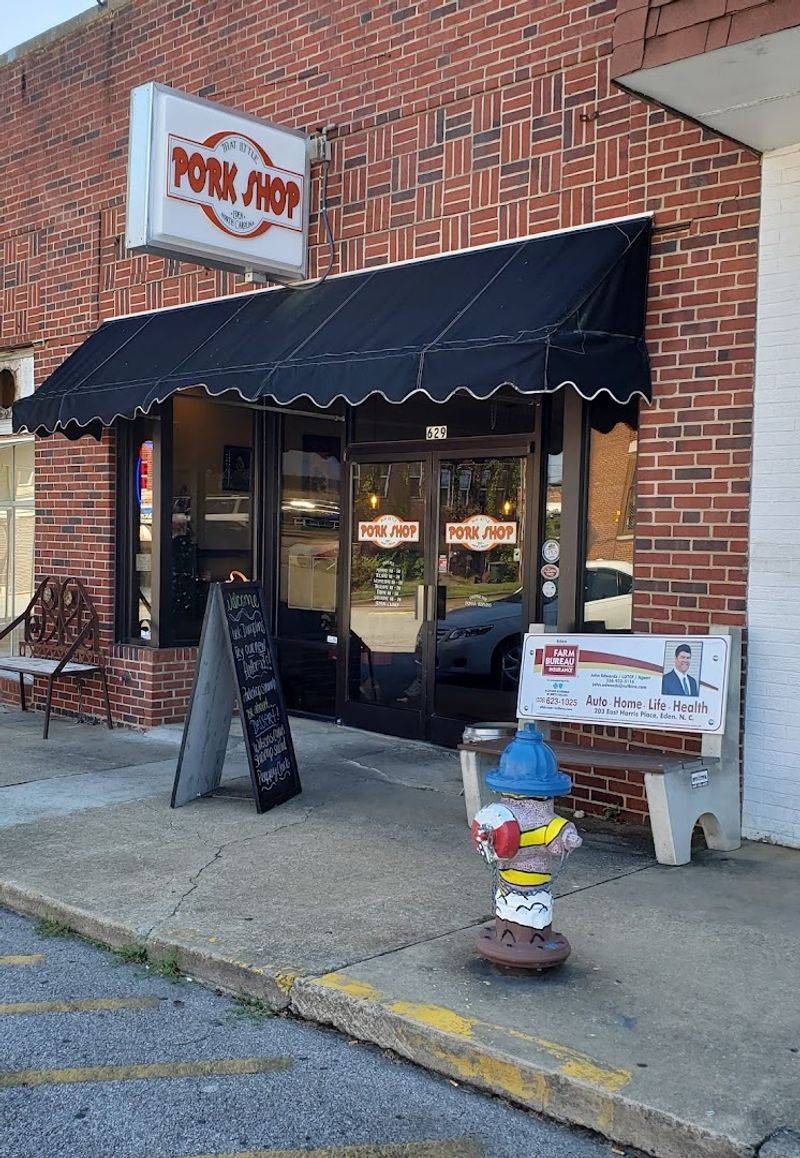
Unlike many former mill villages, Eden carries the combined legacy of three older communities: Leaksville, Spray, and Draper.
That layered origin gives the city a different feel from a one-mill town, and it also helps explain why the food scene can feel more varied than outsiders expect.
Explore Eden highlights That Little Pork Shop as one of the city’s notable dining stops, with current public listings placing it on Monroe Street in Eden, though sources differ between 629 and 633 Monroe Street.
Barbecue is the obvious draw, but the larger point is that Eden is no longer relying on history alone to pull visitors through.
Local pride is visible in how the city promotes its restaurants and downtown corridors, and that confidence makes a difference. Food here feels tied to working-town character rather than trend-chasing.
Brick storefronts, layered mill history, and a citywide sense of reinvention give meals a context that suits the place. Bigger Piedmont destinations still get more attention, yet Eden has quietly become one of those towns where a lunch stop can turn into a deeper look around.
Former industrial consolidation once defined its map. Today, a more grounded culinary identity is helping define how people experience it.
7. Mooresville’s Merino Mill: Adaptive Reuse Done Right
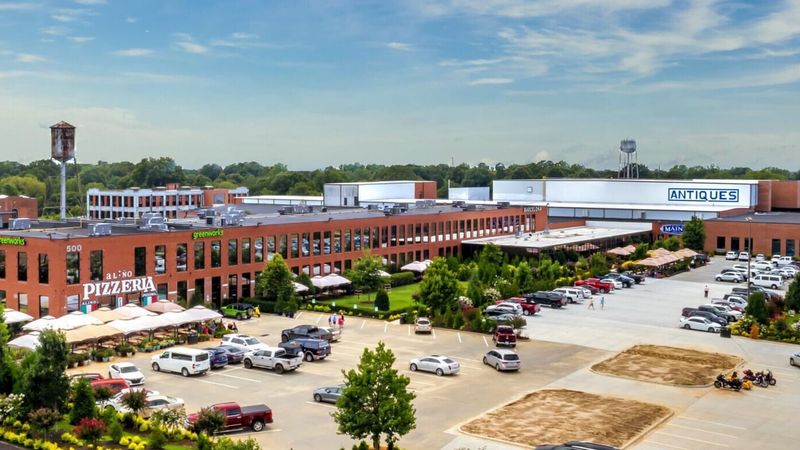
Mooresville Cotton Mills gave rise to a mill-centered community that grew steadily alongside the textile operation, and today that legacy is being honored in the most practical way possible.
Merino Mill has become one of the Piedmont’s most compelling examples of adaptive reuse, transforming the old industrial campus into a food and beverage destination that feels cohesive and carefully considered.
Multiple restaurants and specialty drink spots now share the grounds, creating a place where an entire evening can unfold without ever leaving the property.
The campus atmosphere is part of the draw, with the original mill architecture providing a dramatic visual contrast against modern menus and contemporary design touches.
Found at 500 South Main Street, Mooresville, NC 28115, the site sits in a town better known for its NASCAR connections than its culinary scene, which makes the food quality here feel like a pleasant and welcome surprise.
Visitors who arrive expecting something modest tend to leave genuinely impressed.
North Carolina has seen many mill rehabilitation projects, but Merino Mill stands out for how fully it has committed to the food-and-community vision.
The mix of concepts under one roof means there is genuinely something for everyone, from casual snackers to serious diners looking for a full evening experience in a setting with real historical weight.
8. Gibson Mill In Concord: A Food Hall With History
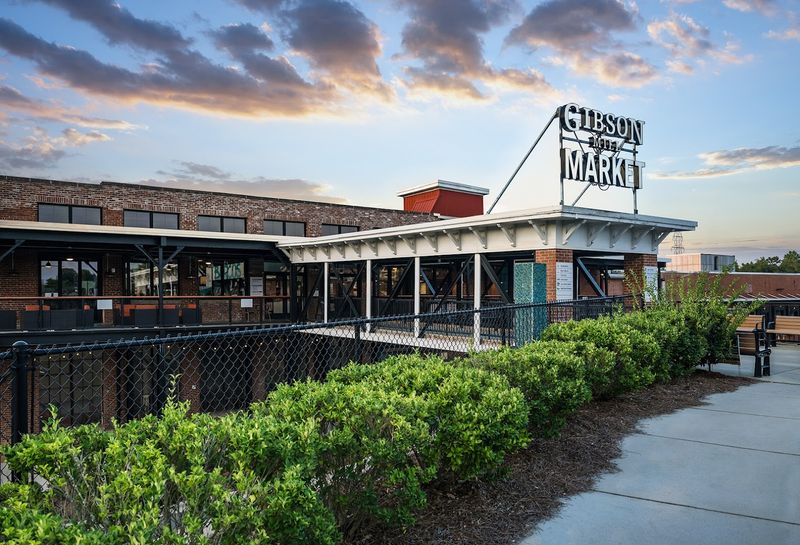
Inside Concord’s Gibson Mill, history is not background decoration. Size, brickwork, and the sheer industrial heft of the place still communicate exactly what kind of building this once was.
A historic Concord mill building that has since been transformed into a multi-use food and retail destination.
Gibson Mill Market now anchors that culinary role, with current listings placing it at the McGill Avenue campus and describing a food-hall format that continues to draw a mix of diners, shoppers, and eventgoers.
Additional restaurant activity around the site has helped reinforce the idea that this is more than a single-vendor success. Concord coverage has even described Gibson Mill as “the new downtown,” which says a lot about how much gravity the property now carries.
Industrial architecture always helps a place stand out, but repeat visits usually depend on whether the food actually holds up. Gibson Mill appears to have crossed that threshold.
Energy stays fresh because options shift, tenants change, and the broader campus offers reasons to wander beyond one meal.
Few former mill buildings in the region combine scale, food variety, and reuse this effectively, which keeps Concord firmly in the conversation.
9. Mount Holly: A Cotton Town Finds Its Flavor
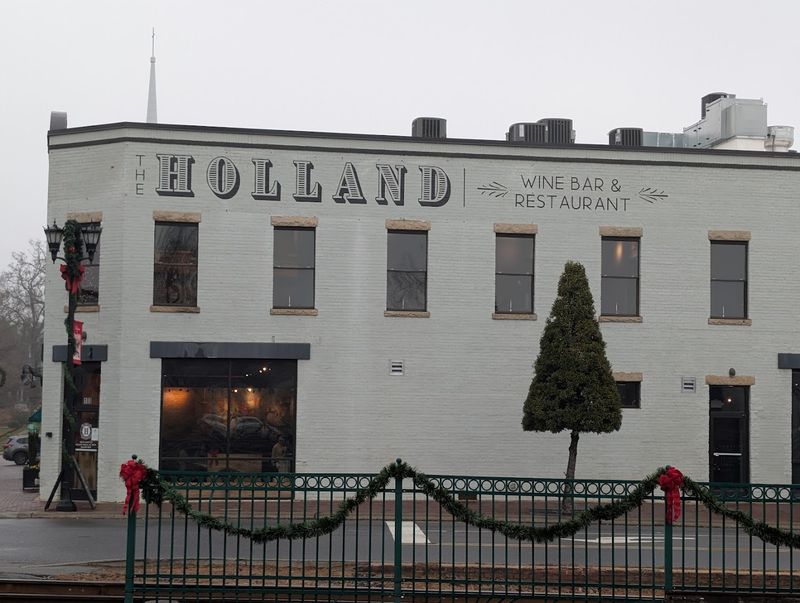
Mount Holly’s industrial roots run deep, with the old Mount Holly Cotton Mill remaining one of the community’s most important historic reference points.
Local and regional coverage continues to tie the town’s identity closely to that mill legacy, even as downtown develops a stronger modern business and dining profile.
Food has become one of the more noticeable parts of that transition.
Main Street Mount Holly promotes the historic center as an active downtown district, and The Holland has emerged as one of the clearest signs that the city’s restaurant scene is aiming higher.
Current business information places it at 100 North Main Street in a restored historic building, where lunch, dinner, and brunch now help pull people into the center of town. Ambition is part of the story here, but so is setting.
Meals feel more memorable when they happen in a district that still carries visible weight from the past, and Mount Holly has that sense of substance in its streetscape.
Newer communities can imitate charm, but they cannot fabricate historical depth especially well.
Mount Holly benefits from having both. Mill-town identity remains legible, while a more polished dining scene suggests the city is moving into a fresh phase without pretending it started from scratch.
10. Haw River: Small Town, Steady Flavor
Compared with Saxapahaw or Kannapolis, Haw River remains a quieter stop and a less fully formed food destination. Even so, its company-town history is very real.
Official town history describes Haw River as a typical mill village where the mill owned worker housing and ran the company store, and that legacy still gives the town more historical weight than many travelers realize.
Food growth here is happening on a smaller scale, which calls for a more careful description than the original version.
Big food-hall energy is not the story. Instead, Haw River feels like a place where independent local spots are gradually giving visitors more reason to stop along Main Street and nearby commercial stretches.
Taqueria 3 Hermanos, for example, is currently listed in Haw River at 1003 West Main Street, while other small cafés and casual restaurants continue to give the town a modest but active dining base. What makes Haw River interesting is not polish or breadth.
Authenticity is the draw. Former mill villages do not all need dramatic reinvention to matter on a food circuit.
Some earn their place through quieter momentum, a lived-in atmosphere, and the sense that visitors are catching a community in the middle of becoming something more visible.