This Forgotten Nuclear Site Hidden In Georgia’s Woods Is Fascinating
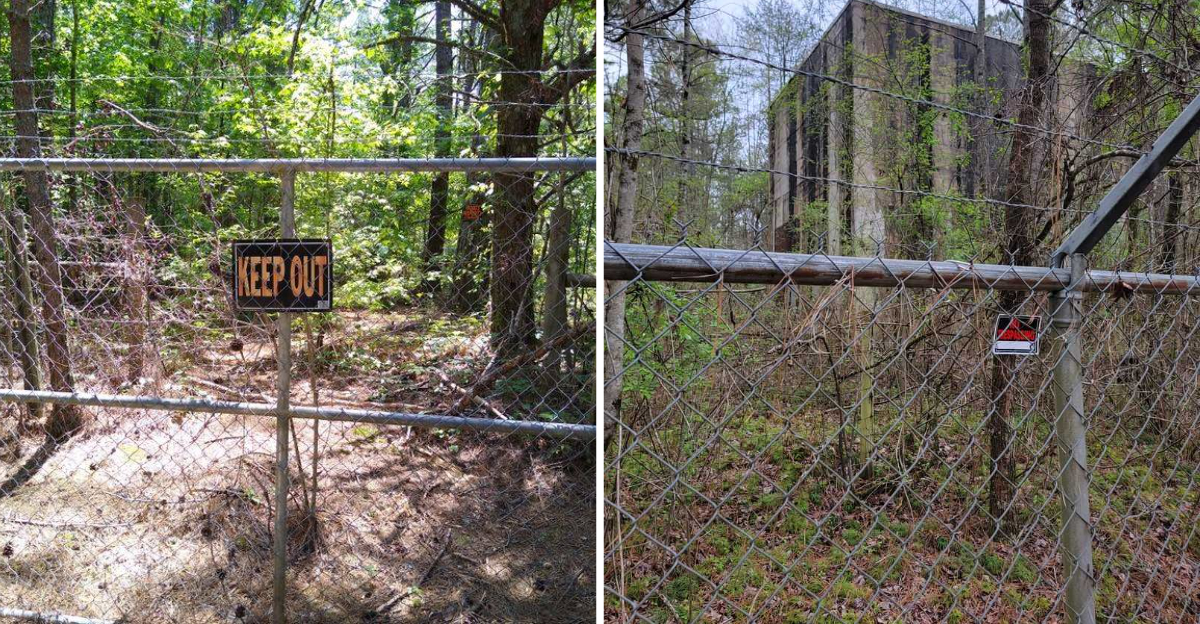
Deep in Georgia’s forests sits a forgotten reminder of a tense and secretive time in American history. Hidden from view and unknown to most people, Air Force Plant #67 once played a vital role during the Cold War, when national security depended on preparation and secrecy. This facility was part of America’s nuclear defense program, operating quietly while the world lived under the shadow of potential conflict.
Today, the site is abandoned, slowly being reclaimed by nature, yet its story remains powerful and unsettling. Crumbling structures and empty spaces hint at the urgency and fear that once surrounded this place. Few realize how important it was or why it existed in the first place.
Exploring its past offers a rare look into how close to home Cold War history really was. I am going to share 15 fascinating facts about Air Force Plant #67 that reveal a hidden chapter of American history most people never learn about.
1. The Plant’s Secret Location Near Marietta
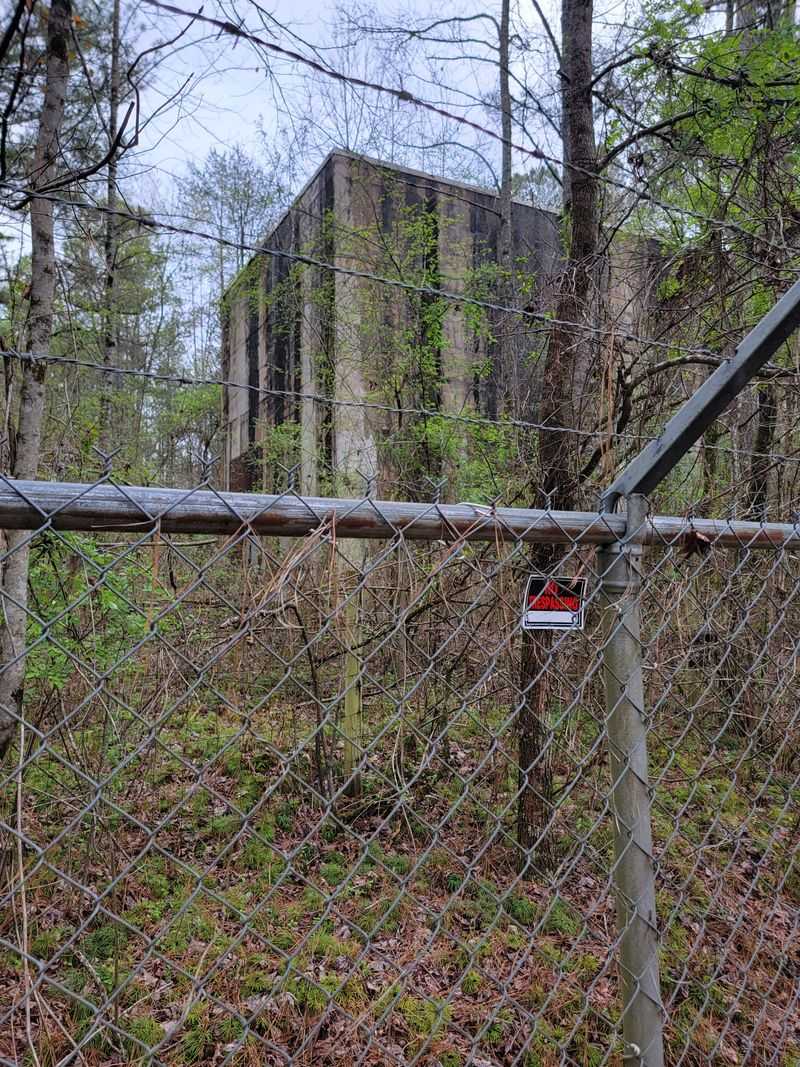
Hidden among the trees, this facility operated in near-total secrecy for decades. You’ll find the remains of Air Force Plant #67 at 1675 Powder Springs Road SW, Marietta, GA 30064, tucked away from public view. The location was deliberately chosen for its proximity to major transportation routes while remaining concealed from prying eyes.
During its operational years, the plant covered hundreds of acres of Georgia woodland. Security was incredibly tight, with armed guards and multiple checkpoints controlling access. Workers were sworn to secrecy about what happened inside.
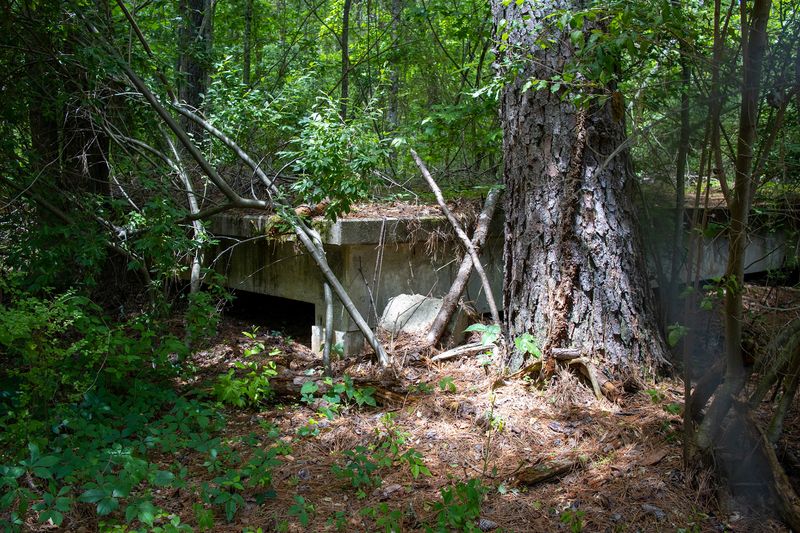
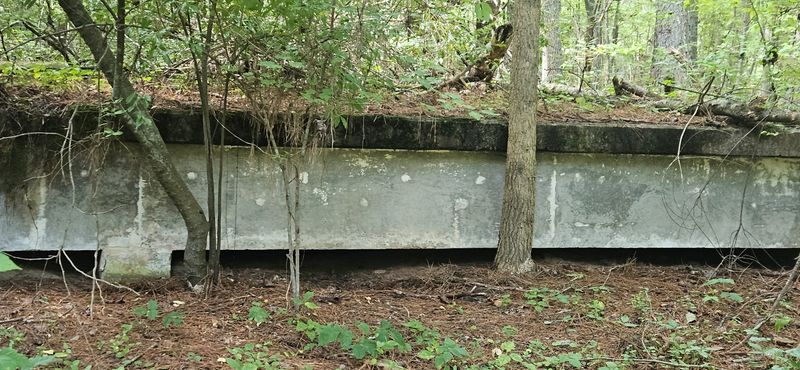
Today, nature has started reclaiming much of the property. Trees grow through cracked concrete, and vines cover old buildings. The isolation that once protected national secrets now makes this place feel like a forgotten time capsule from the Cold War.
2. Built During the Height of Cold War Tensions
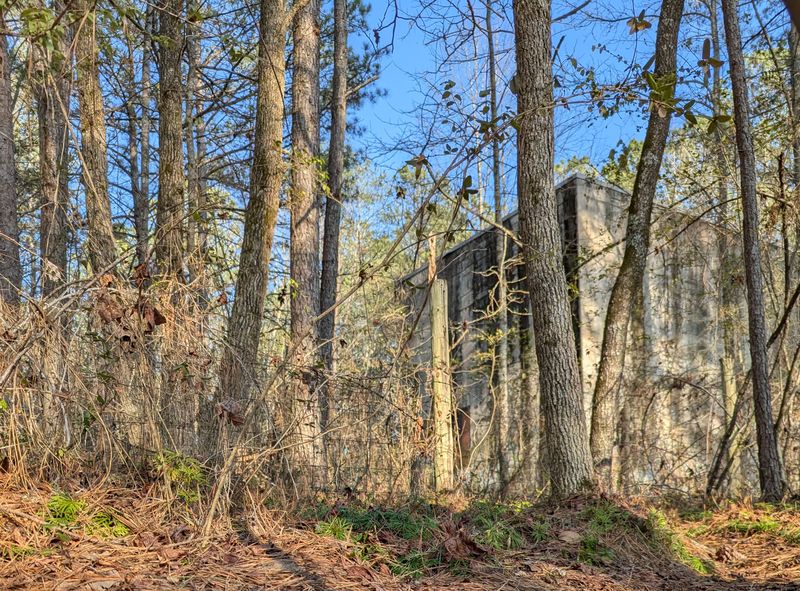
Construction began in the early 1950s when fear of nuclear war gripped America. The Soviet Union had just tested its first atomic bomb, and the government needed facilities to produce nuclear weapons components. Air Force Plant #67 was part of this massive defense buildup.
Engineers designed the facility to withstand potential attacks. Thick concrete walls and specialized ventilation systems protected workers and equipment. The construction employed thousands of local Georgians, though most had no idea what they were building.
The plant became operational in 1951, representing one of the most significant military investments in the Southeast. Millions of dollars poured into the project. Every detail reflected the era’s paranoia and determination to stay ahead in the nuclear arms race that defined international relations for the next four decades.
3. Lockheed Martin Operated the Facility
Lockheed Martin, one of America’s largest defense contractors, managed day-to-day operations at Plant #67. The company brought expertise in handling sensitive military projects and maintained strict security protocols. Their reputation for excellence made them the perfect choice for such classified work.
Employees underwent extensive background checks before starting work. Everyone needed top-secret clearance just to enter the premises. Lockheed supervisors enforced rules about what workers could and couldn’t discuss, even with family members.
The company invested heavily in specialized equipment and training programs. Workers learned skills found nowhere else in civilian industry. Lockheed’s management ensured production quotas were met while maintaining the highest safety standards possible given the dangerous materials involved in nuclear component manufacturing.
4. Production of Nuclear Weapon Components
The plant’s primary mission involved manufacturing critical parts for America’s nuclear arsenal. Workers assembled components that would eventually become part of bombs and warheads. The precise nature of these parts remained classified for many years after production ceased.
Assembly lines operated around the clock during peak production periods. Quality control was absolutely critical since any defect could have catastrophic consequences. Technicians used specialized tools and followed exact specifications down to microscopic measurements.
Each completed component underwent rigorous testing before shipment to other facilities. The work required incredible precision and attention to detail. Thousands of nuclear weapon parts left Plant #67 during its operational lifetime, contributing significantly to America’s Cold War military capabilities and deterrence strategy against potential adversaries.
5. Thousands of Workers Were Sworn to Secrecy
Employment at Plant #67 came with a heavy burden of silence. Workers signed non-disclosure agreements that lasted their entire lifetimes. Breaking these oaths could result in federal prosecution and prison time.
Families often had no idea what their loved ones did all day. Conversations at dinner tables remained deliberately vague. Many employees simply said they worked in manufacturing without elaborating further, even decades after retirement.
The secrecy created a strange bond among those who worked there. They shared experiences they could never fully discuss with outsiders. Some workers have only recently begun talking about their time at the plant now that many documents have been declassified and the facility has long since closed its doors.
6. Environmental Contamination Became a Major Issue
Decades of nuclear work left behind serious pollution problems. Radioactive materials and toxic chemicals seeped into the soil and groundwater. The full extent of contamination wasn’t understood until environmental testing began in the 1980s.
Government agencies identified multiple hazardous substances on the property. Heavy metals, radioactive isotopes, and industrial solvents posed risks to human health and local ecosystems. Cleanup efforts would eventually cost taxpayers hundreds of millions of dollars.
Local residents became concerned about potential health effects from living near the contaminated site. Some studies suggested elevated cancer rates in surrounding neighborhoods. The Environmental Protection Agency added portions of the property to its Superfund list, designating it as one of the nation’s most polluted places requiring extensive remediation work.
7. Operations Continued for Nearly Four Decades
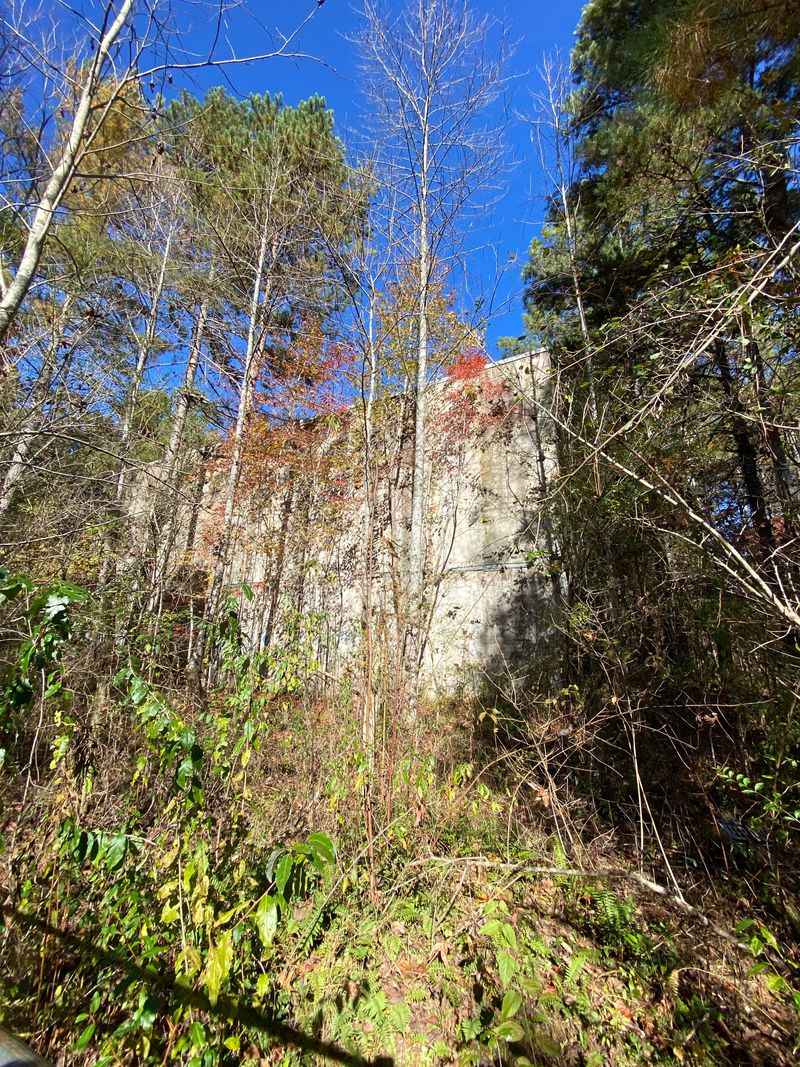
From 1951 until the late 1980s, Plant #67 remained a vital part of America’s nuclear infrastructure. Production levels fluctuated based on military needs and international tensions. During certain crises, like the Cuban Missile Crisis, the facility operated at maximum capacity.
The plant evolved with changing technology over the years. New equipment replaced outdated machinery as manufacturing techniques improved. Workers adapted to new processes and materials as weapons designs became more sophisticated.
Employment numbers varied from hundreds to thousands depending on production demands. The facility provided stable, well-paying jobs for generations of Georgia families. Many workers spent their entire careers there, retiring after 30 or 40 years of service to a mission they couldn’t fully discuss but knew was important to national security.
8. The End of the Cold War Led to Closure
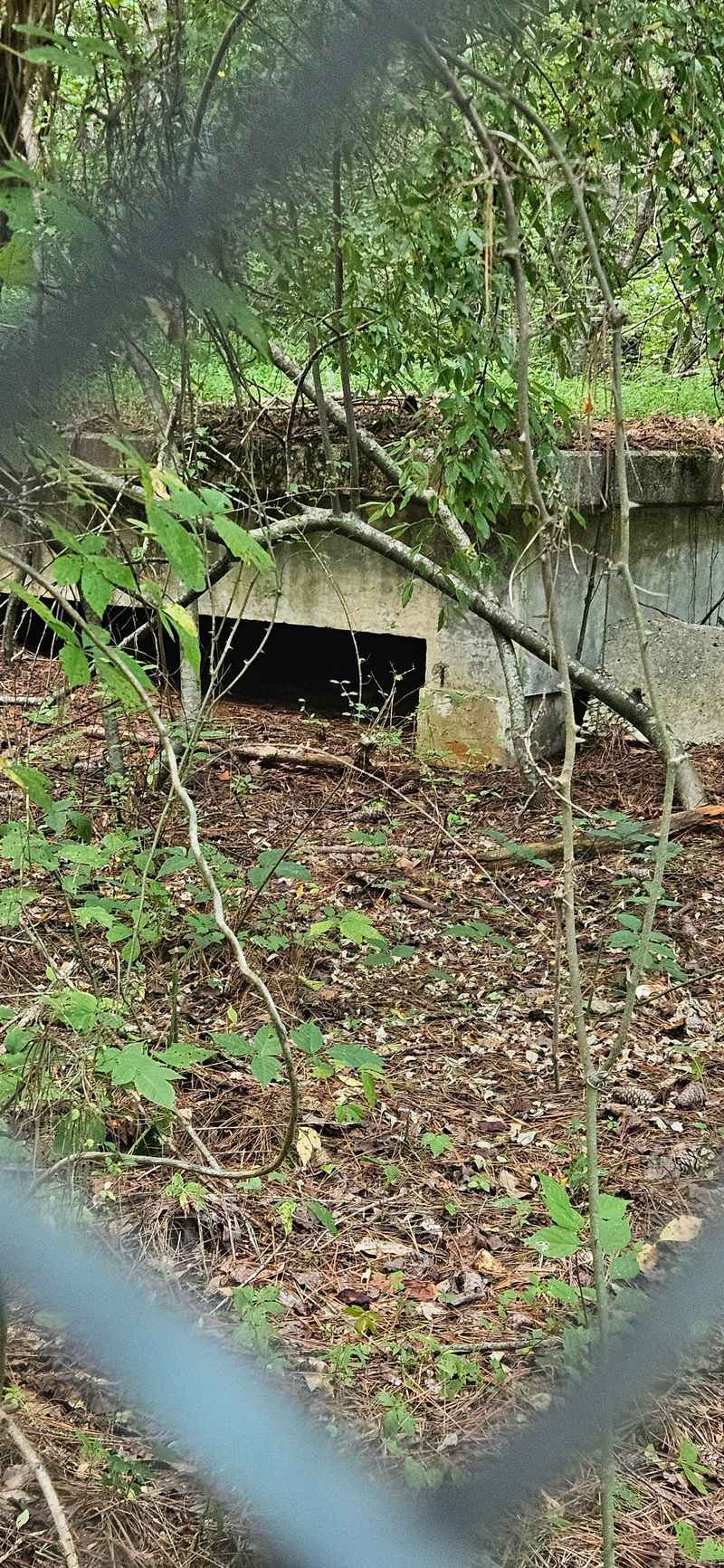
Everything changed when the Soviet Union began to collapse in the late 1980s. The nuclear arms race that had driven production for decades suddenly seemed less urgent. Military budgets faced cuts as politicians talked about a peace dividend.
Air Force Plant #67 received its closure notice in 1989. The last components rolled off the assembly lines, and workers began the difficult process of decommissioning equipment. For many employees, it felt like the end of an era.
The shutdown happened relatively quickly compared to the facility’s long operational history. Within a few years, the once-bustling plant stood empty and silent. Former workers struggled to find new employment with their specialized but non-transferable skills, facing an uncertain future in a changing world.
9. Massive Cleanup Efforts Cost Hundreds of Millions
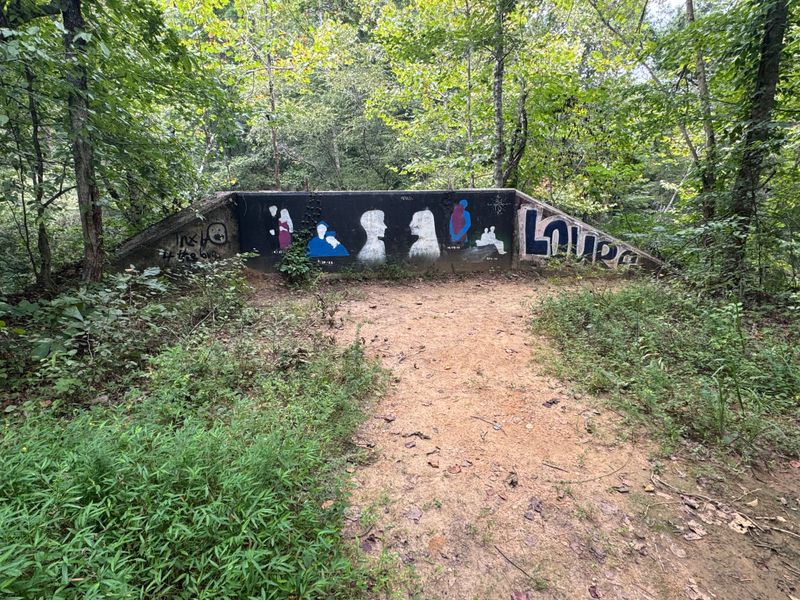
Removing decades of radioactive and chemical contamination proved incredibly expensive and time-consuming. Federal agencies allocated over $300 million for remediation work at the site. Specialized contractors spent years carefully removing contaminated soil and treating polluted groundwater.
The cleanup involved excavating thousands of tons of earth. Workers in protective suits carefully packaged radioactive materials for transport to secure disposal facilities. Every step required meticulous documentation and monitoring to ensure public safety.
Some areas required such extensive work that buildings had to be completely demolished. Concrete was crushed, tested for contamination, and properly disposed of. The process continues even today in certain parts of the former plant, making it one of the longest-running environmental remediation projects in Georgia’s history.
10. Abandoned Buildings Still Stand on the Property
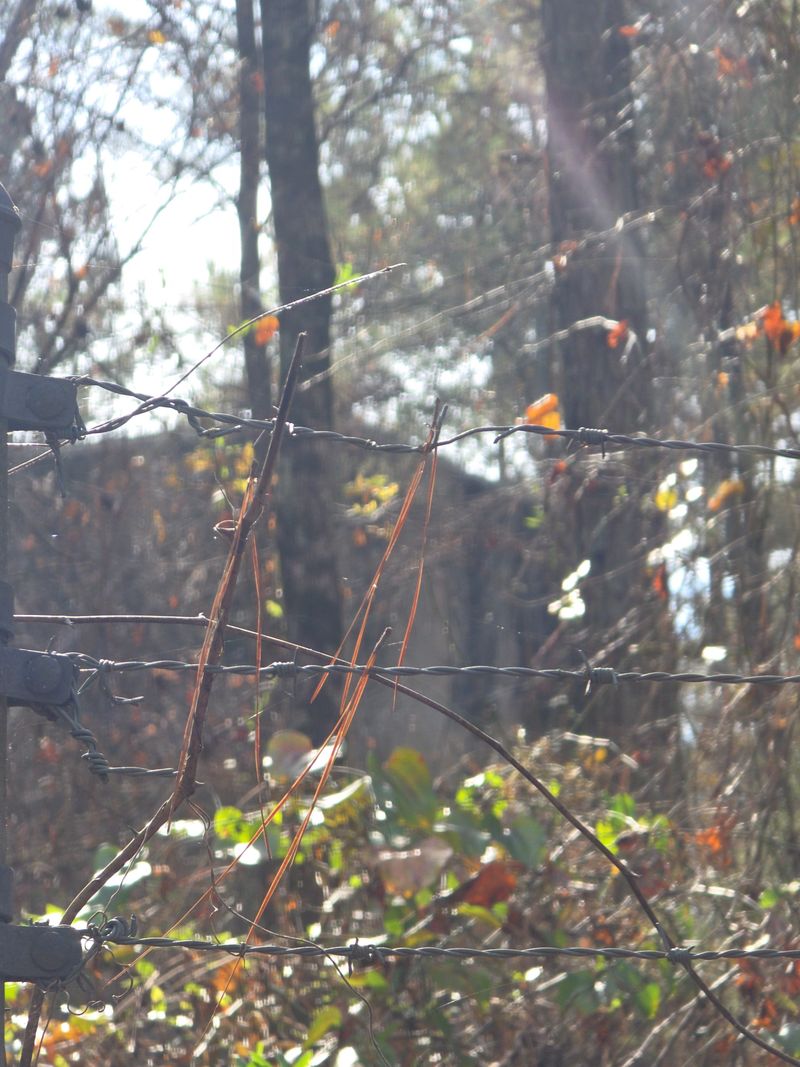
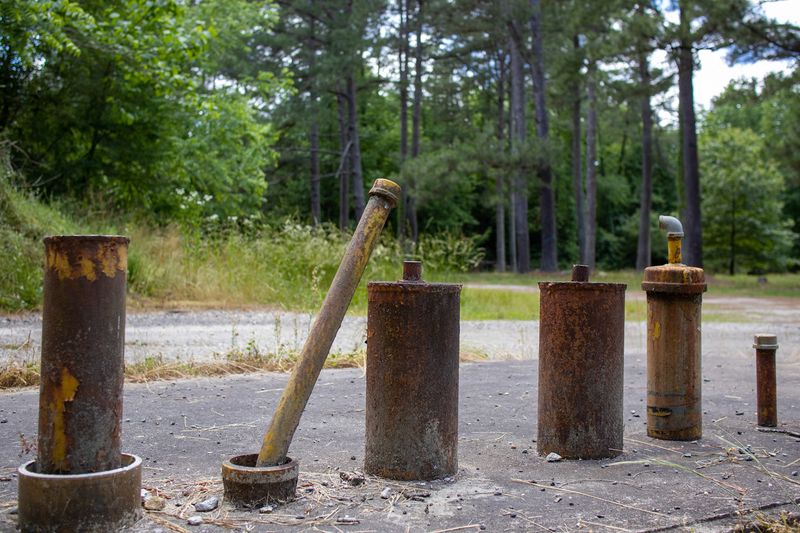
Walking through the site today feels like stepping into a time capsule. Numerous structures remain standing, though many are deteriorating rapidly. Concrete walls show cracks and water damage, while metal roofs rust away in Georgia’s humid climate.
Some buildings still contain remnants of their former purpose. Old control panels, mysterious equipment, and faded warning signs hint at the facility’s nuclear past. Graffiti artists and urban explorers have left their marks, though trespassing is illegal and dangerous.
The buildings represent different architectural styles from various decades of operation. Earlier structures show 1950s industrial design, while later additions reflect 1970s and 1980s construction techniques. Each empty room and silent hallway tells part of the story of America’s Cold War nuclear program and the people who worked there.
11. Security Measures Were Extraordinarily Strict
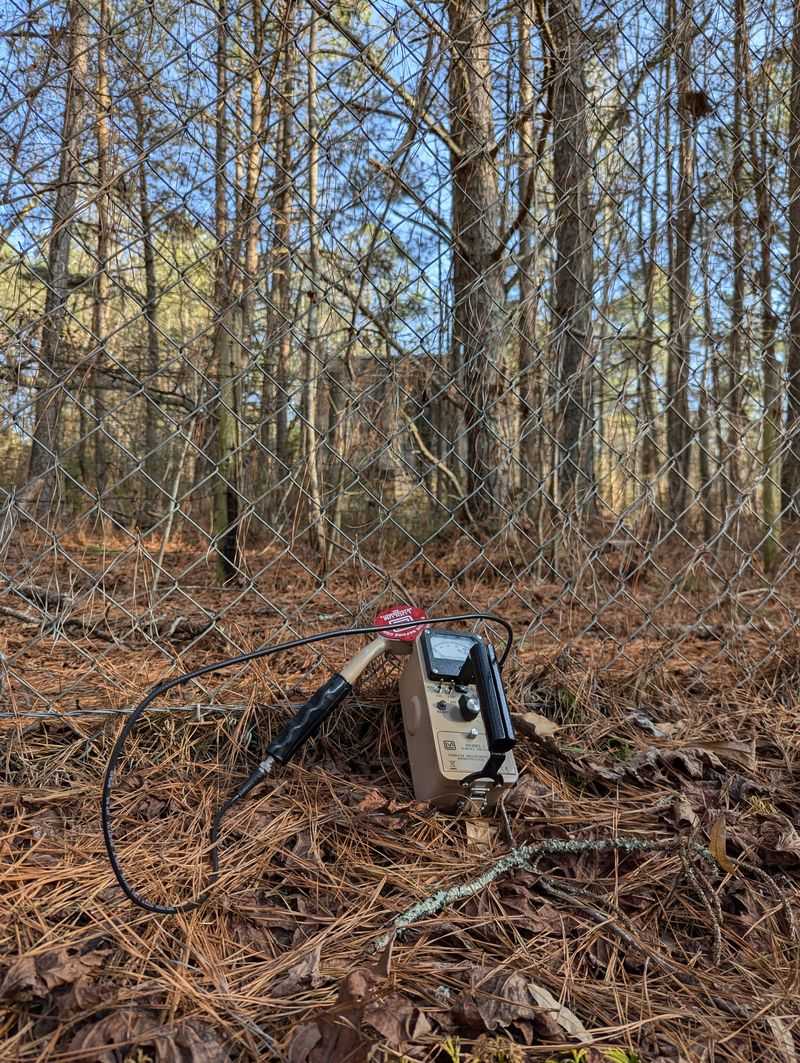
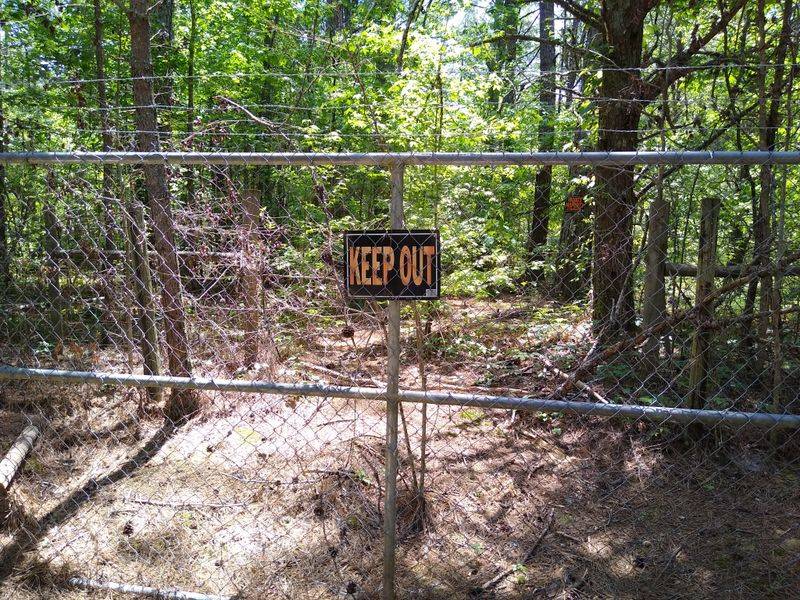
Getting inside Plant #67 during its operational years was nearly impossible without proper authorization. Multiple layers of fencing surrounded the entire facility, with some sections topped by razor wire. Guard towers provided 360-degree surveillance of the perimeter.
Armed security personnel patrolled constantly, both inside and outside the buildings. Employees wore special badges that indicated their clearance levels and which areas they could access. Random searches of vehicles and personal belongings were common practice.
The plant maintained its own security force separate from local police. These guards received specialized training in protecting nuclear facilities and responding to potential threats. Cameras, alarms, and motion sensors created an integrated security system that was state-of-the-art for its time, ensuring no unauthorized person could compromise the sensitive work happening inside.
12. The Plant’s Connection to Major Historical Events
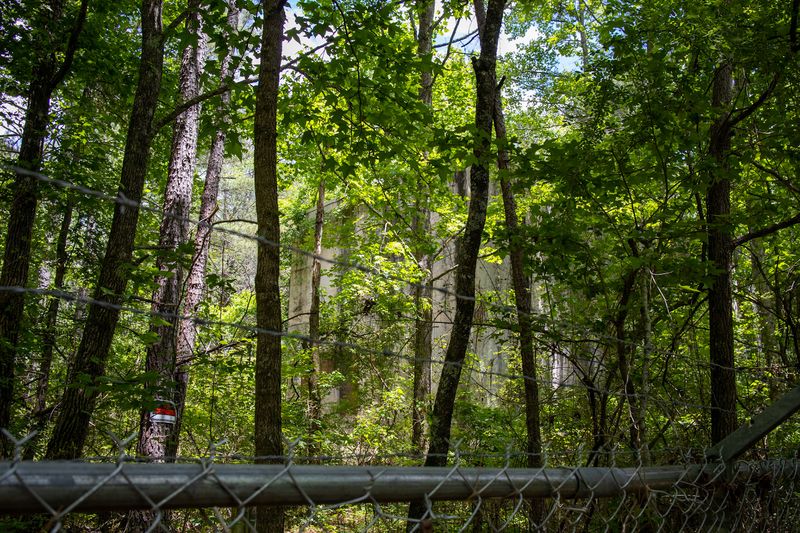
Plant #67 played a role in some of the most tense moments of the Cold War. During the Cuban Missile Crisis in 1962, production ramped up dramatically as America prepared for potential nuclear conflict. Workers put in extra shifts, knowing their work might be needed in a real war.
The facility also contributed to the nuclear stockpile during the Vietnam War era. As global tensions shifted, so did the plant’s production priorities. Components manufactured here ended up in weapons systems deployed around the world.
Each major international crisis affected operations at the plant in some way. The Korean War, various Middle East conflicts, and confrontations with the Soviet Union all influenced what happened inside those Georgia woods, making this forgotten site an important piece of world history.
13. Local Community Impact and Economic Influence
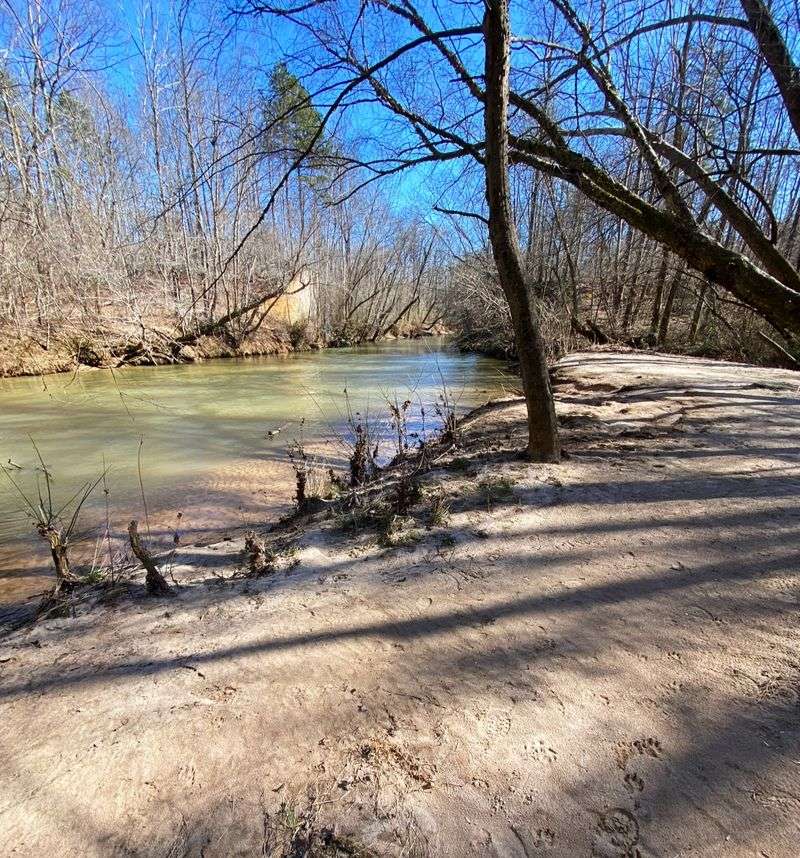
Plant #67 significantly shaped the Marietta area’s economy for decades. Thousands of jobs provided stable incomes for families throughout Cobb County. Local businesses thrived by serving plant workers, from restaurants to retail stores.
The facility attracted skilled workers from across the country, increasing the area’s population and diversity. Housing developments sprang up to accommodate the influx of employees and their families. Schools expanded to educate the children of plant workers.
When the plant closed, the local economy felt the impact immediately. Unemployment rose as former workers struggled to find comparable positions. The loss of this major employer created economic challenges that took years to overcome.
Today, the site’s legacy continues to influence local development plans and community discussions about industrial heritage and environmental responsibility.
14. Health Concerns for Former Workers
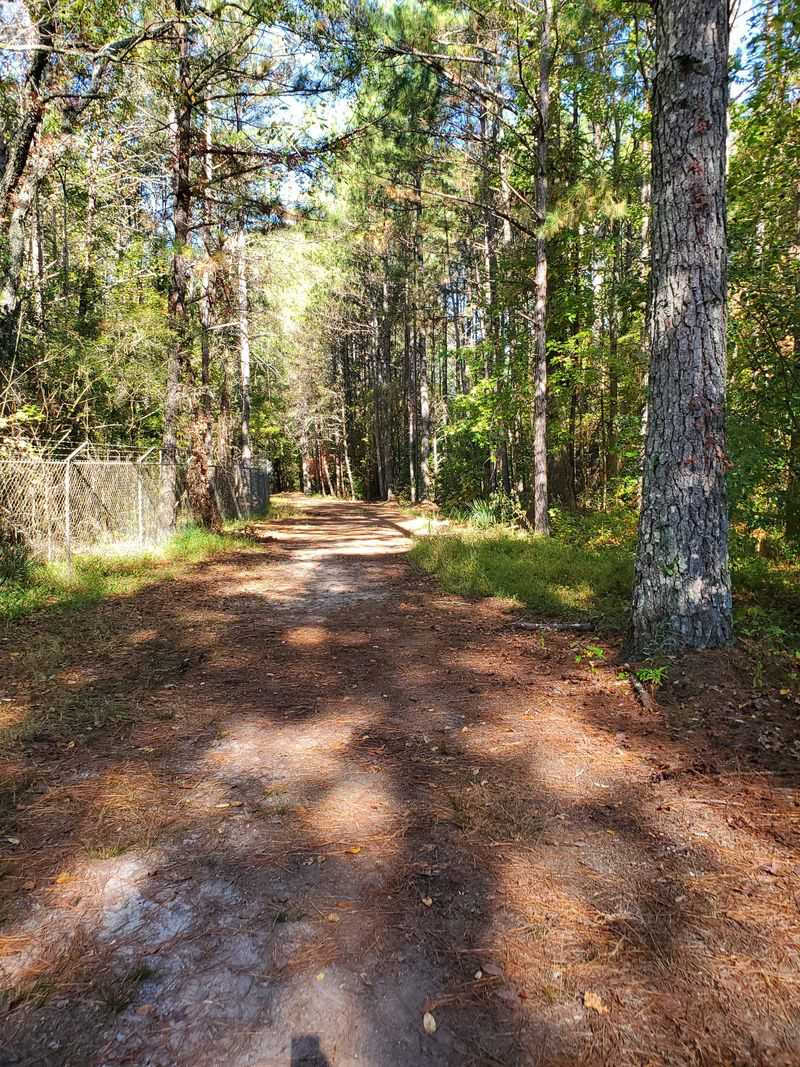
Many people who worked at Plant #67 later developed serious health problems. Exposure to radioactive materials and toxic chemicals took a toll on workers’ bodies, sometimes not appearing until decades after employment ended. Cancer rates among former employees raised troubling questions.
Former workers have filed numerous lawsuits seeking compensation for workplace-related illnesses. Some received settlements, while others fought lengthy legal battles. The government eventually created programs to help workers who became sick from nuclear facility employment.
Medical researchers have studied the health outcomes of Plant #67 workers to better understand long-term radiation exposure effects. These studies have contributed to improved safety standards at modern nuclear facilities. For many former employees, however, the knowledge came too late to prevent their suffering or save their lives from radiation-related diseases.
15. Future Plans for the Contaminated Site
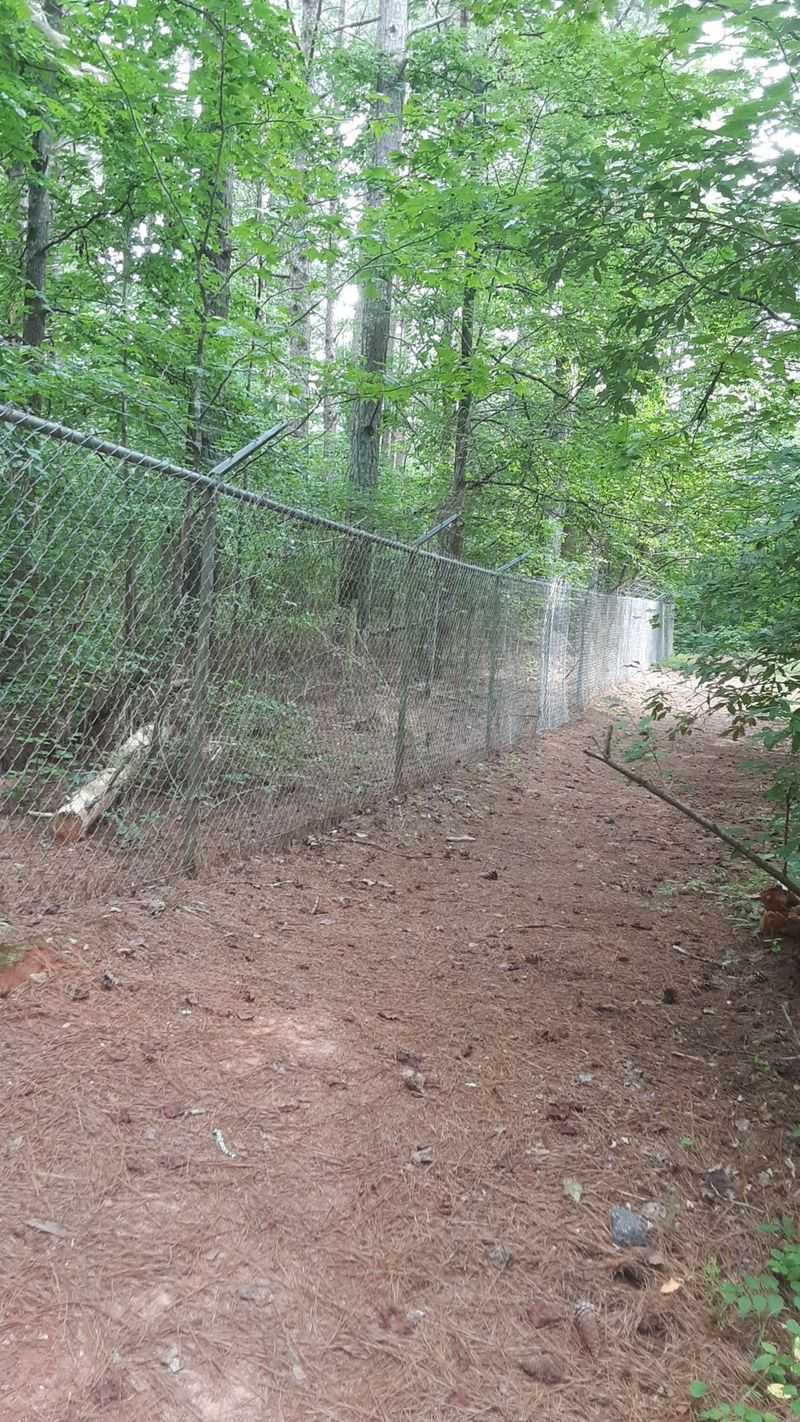
What happens next with the former Plant #67 property remains uncertain. Environmental cleanup continues in sections still deemed too contaminated for public use. Some areas have been declared safe and could potentially be redeveloped for commercial or industrial purposes.
Local officials have proposed various ideas for the land, from parks to business developments. Any future use must account for the site’s contaminated history and ongoing monitoring requirements. Some portions may never be suitable for residential development due to lingering environmental concerns.
Preservationists argue that parts of the facility should be maintained as a historical site. They believe the plant’s Cold War significance deserves recognition and remembrance. Whatever the future holds, Plant #67 will remain an important reminder of Georgia’s role in nuclear history and the lasting consequences of Cold War military production.