Fort Robinson Still Keeps Its 1870s Adobe Officer Quarters Standing In Nebraska’s Pine Ridge
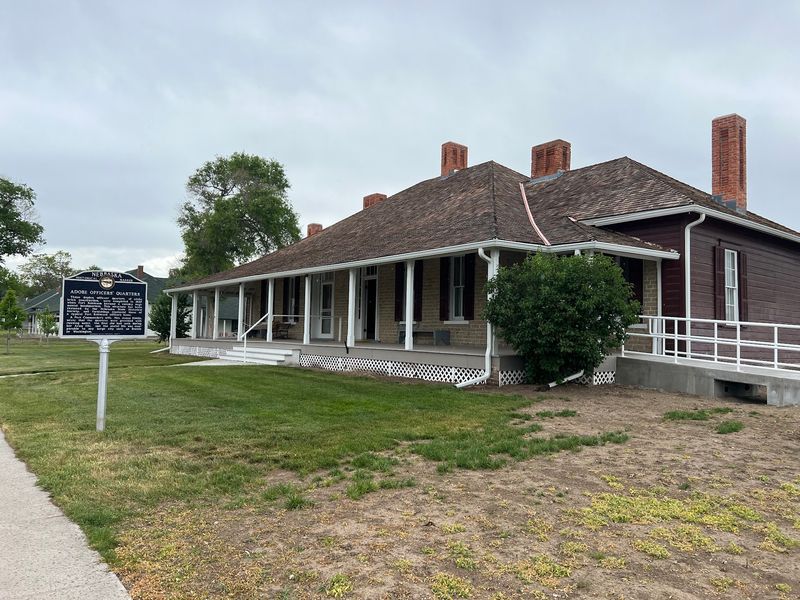
You can book a night inside walls that went up in 1874, and the original adobe is still in there. Those first officer quarters now wear wood siding, with fishscale shingles trimming the gables.
They are the oldest original buildings on a former cavalry post in northwest Nebraska. Officers lived in them back when the Pine Ridge frontier was still raw and brand new.
I like how the place refuses to act like a dusty museum piece. The quarters come with kitchens, bedrooms, and baths, so you can cook supper right where officers once ate theirs.
I can’t imagine a better way to meet Nebraska history than by sleeping inside it. Bison graze nearby, pine-covered buttes rise past the old parade ground, and the whole place keeps going for miles.
So what else is still standing out there?
A Former Cavalry Post Spread Across 22,000 Acres Of Buttes
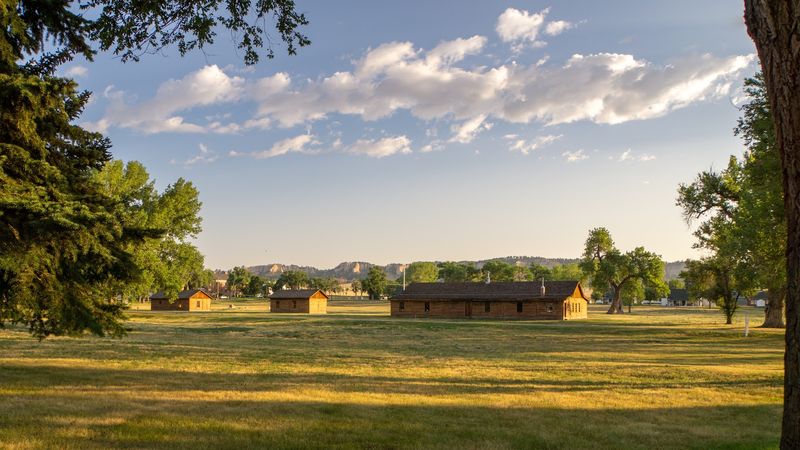
Most state parks give you a lake and a picnic table. Fort Robinson State Park hands you a whole frontier military post, plus roughly 22,000 acres of rugged Pine Ridge country to go with it.
The park sits in the far northwest corner of Nebraska, near the small town of Crawford. Pine-covered buttes and sandstone bluffs ring the grounds, and they look nothing like the flat plains many folks picture.
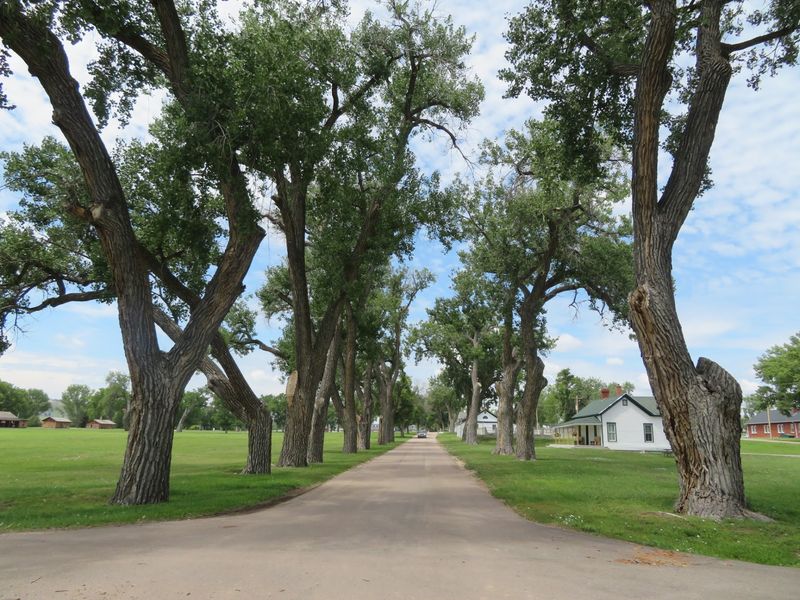
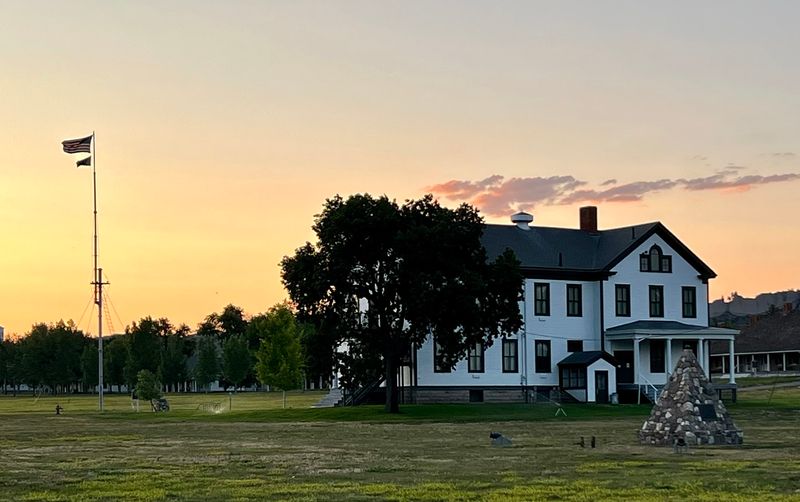
Right in the middle stands the old fort itself. Rows of historic buildings line the grounds, some dating to the 1870s and others to the early 1900s.
That mix is the real charm here. You get preserved architecture, working stables, museums, and open prairie, all within one sprawling property.
The Nebraska Game and Parks Commission runs the place today. It operates as a full-service park with lodging, camping, trails, dining, and a long list of seasonal activities.
A bison herd roams the hills, which sets the mood quickly. Add the buttes glowing at sunset, and the Old West stops feeling like a movie set.
It starts feeling like a place you can actually walk around in, sturdy boots strongly encouraged.
From A Spring 1874 Camp To A Post With Many Lives
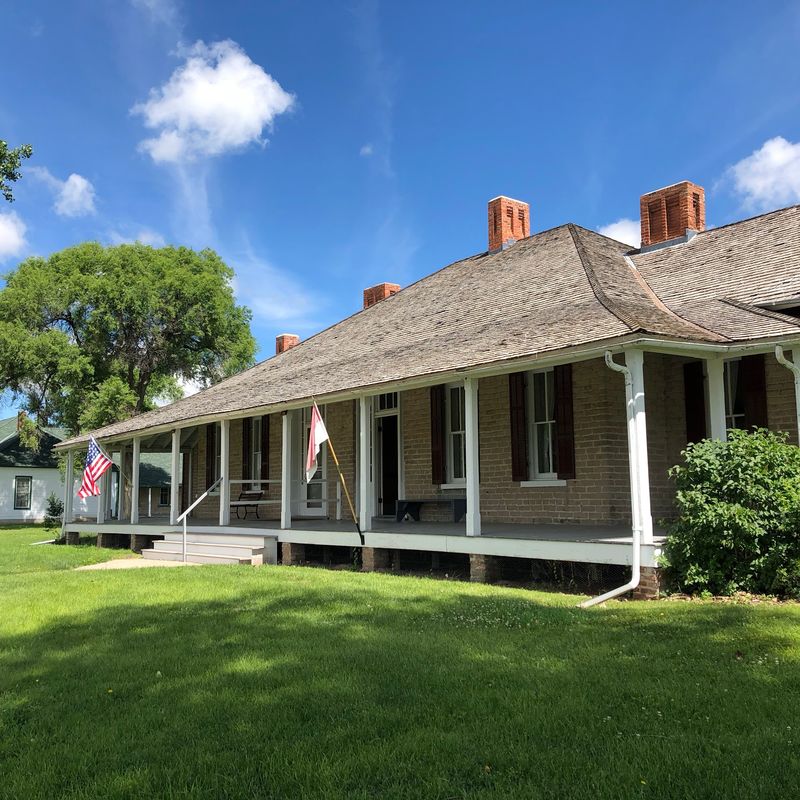
March 1874 is where the story starts. Soldiers set up a camp near the Red Cloud Agency, and by 1878 the post officially carried the name Fort Robinson.
The years that followed packed in a remarkable amount of history. A memorial marks the spot connected to Lakota leader Crazy Horse in September 1877, and visitors still pause there quietly today.
The Northern Cheyenne Outbreak of 1879 is also part of the fort’s record. Interpretive markers and memorials share those Native American stories, and they deserve slow, thoughtful reading.
Later, the fort became home base for the Ninth Cavalry, famous as Buffalo Soldiers. After that came a long run as a remount depot, raising and training horses and mules for the Army.
The 1940s brought even more surprises. The post trained military dogs in a K-9 program and also held a prisoner camp during that decade.
The Army left in 1947, and a beef research station took over for years. Nebraska eventually turned the grounds into a state park.
Few places in the state can claim this many chapters on a single patch of ground, and nearly every one left a building behind.
Those 1874 Adobe Walls Are Hiding Under Wood Siding
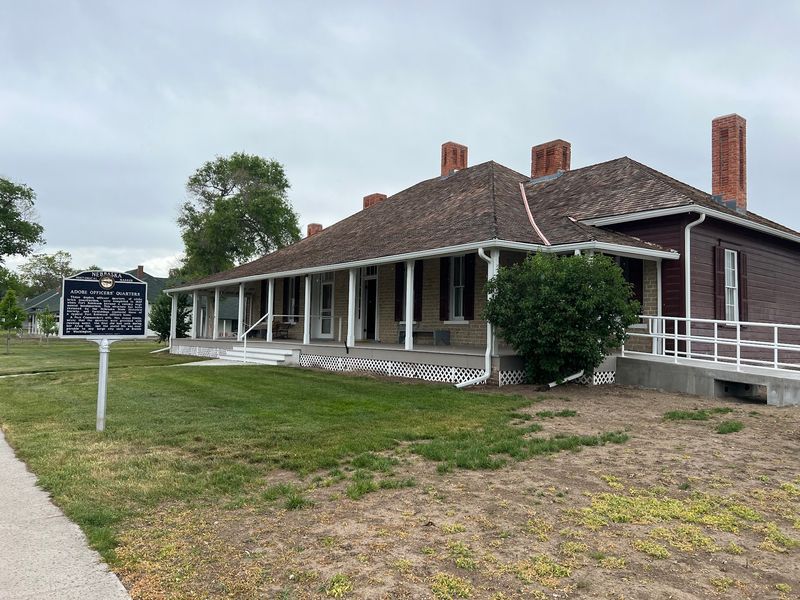
Adobe in Nebraska? It sounds more like New Mexico, yet the earliest officer quarters at the fort went up with thick adobe walls back in 1874.
Here’s the fun twist. Those sun-dried walls now sit under wood siding, so the buildings look like classic frontier homes from the outside.
Look up at the gable ends for the giveaway charm. Fishscale shingles decorate the peaks, adding a bit of Victorian flair to rugged cavalry life.
These are the oldest original structures still standing at Fort Robinson State Park. Plenty of frontier posts across the West vanished into foundations and fields, which makes these survivors pretty special.
More than 150 years later, the quarters remain in use. That’s a serious track record for buildings made partly from earth.
Other officer homes followed over the decades, built between the 1870s and 1909. Strolling the row lets you trace how the post grew from a rough camp into a polished military town.
Bring your camera and a little patience. Morning light on those gables, with the buttes behind them, makes a picture worth framing on the living room wall back home.
Your Suitcase Can Unpack Right Inside Frontier History
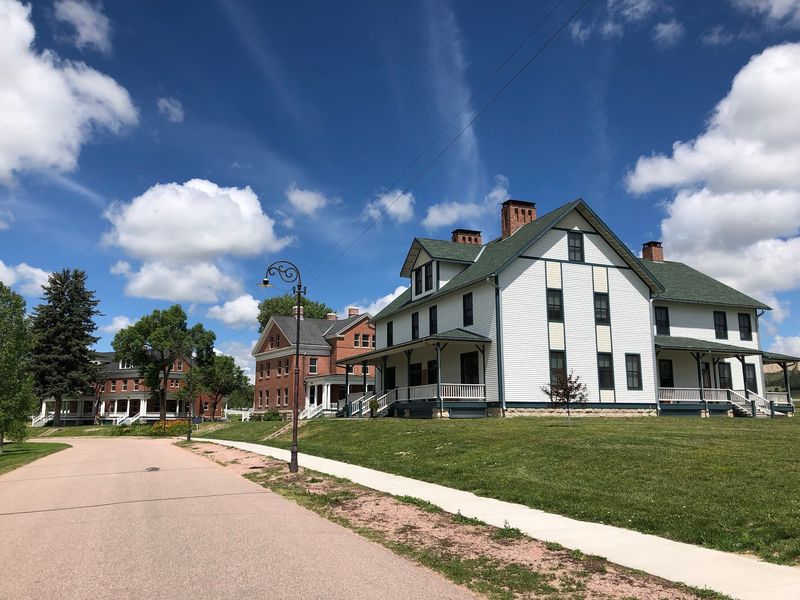
Sleeping in a museum usually gets you escorted out. At Fort Robinson State Park, it gets you a key, because many former officer quarters now serve as guest lodging.
The park calls them cabins, but they’re far roomier than that word suggests. Units sleep anywhere from two people up to about twenty, which makes family reunions much easier to plan.
Each one works as a full housekeeping unit. You get kitchens, baths, and bedrooms, and the larger homes add living rooms for evening card games.
Prefer a different era? Rooms in the 1909 enlisted men’s quarters and the historic lodge offer more choices on the same grounds.
Big groups often book the brick homes, which can spread several families across separate floors. Horse owners can even stable their animals in the historic barn while they stay.
Lodging generally runs from spring through late fall, so plan ahead. Popular weekends and summer holidays fill up early, and booking well in advance is the smart move.
One more perk catches families off guard. Without much screen time, kids tend to head outside, and suddenly the old parade ground becomes the best backyard in Nebraska.
Two Mammoths With Locked Tusks Steal The Museum Show
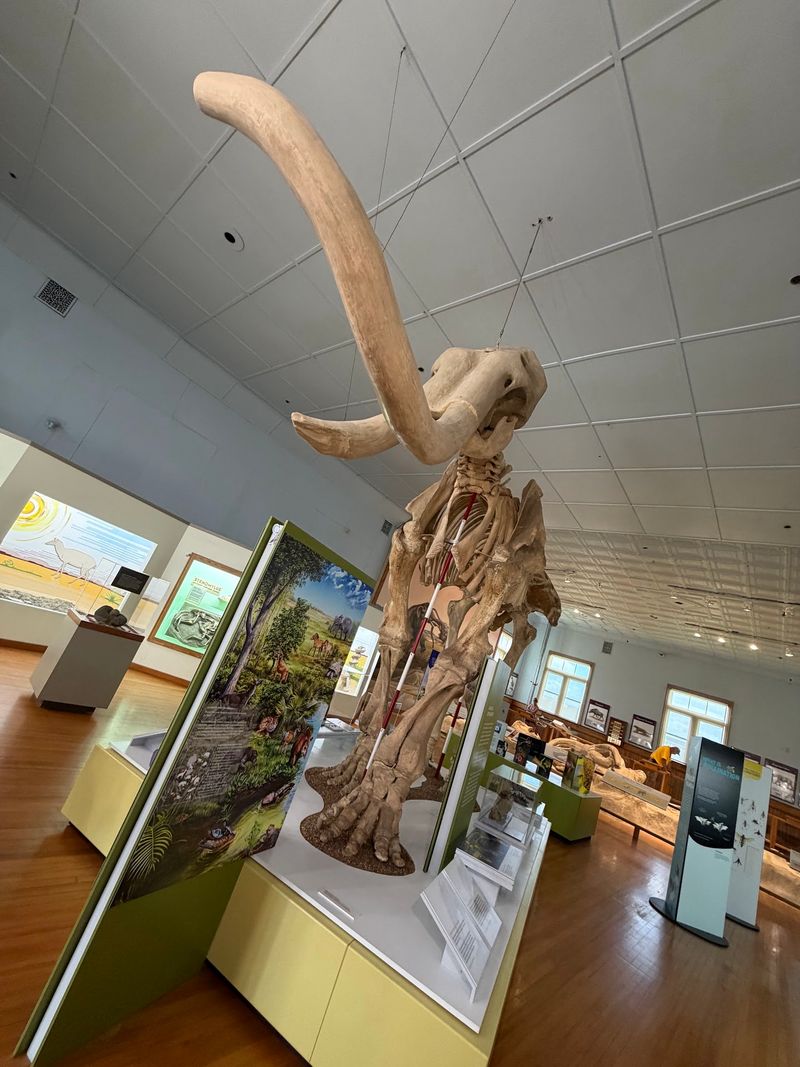
Two Columbian mammoths got their tusks tangled thousands of years ago and never pulled apart. Their fossilized skeletons now anchor the Trailside Museum of Natural History inside the park.
Nobody forgets that display, and kids tend to stare at it the longest. The museum also explains how ancient seas once covered this part of Nebraska, which surprises plenty of grown-ups too.
History fans get their own stop at the Fort Robinson History Center. Exhibits there walk through the post’s long timeline, from frontier days to the remount years and beyond.
Beyond the main museums, several historic buildings open their doors for exploring. Reconstructed quarters, old stables, and memorial sites spread across the grounds.
Give yourself a few hours rather than a quick peek. The stories here range from cavalry life to Lakota and Cheyenne history, and they reward slow reading.
A rainy afternoon suddenly becomes a bonus rather than a bummer. Between fossils, artifacts, and original buildings, there’s plenty to keep curious minds busy indoors.
Then the clouds clear, the buttes reappear, and you’re back outside comparing your own tusks, or at least your elbows, with the kids.
Jeeps, Stagecoaches, And Horses Will Carry You Into The Buttes
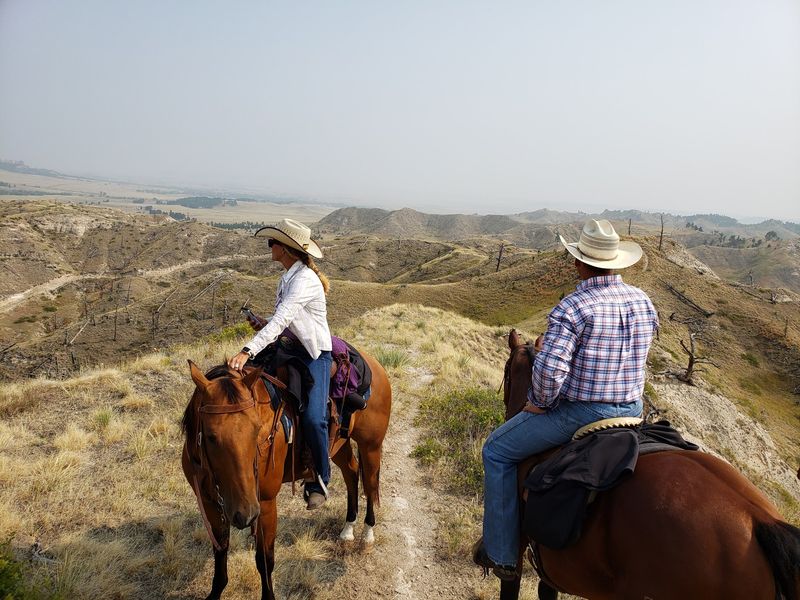
Horsepower comes in three flavors here. Open-air jeep tours climb into the prairie for big views, while stagecoach rides roll along at a gentler pace.
Then there are the real horses. Guided trail rides head out from the stables, with a shorter ride and a longer option that climbs up into the buttes.
Kids can try pony rides, and families who bring their own horses will find a horse camp. Stalls, water, and well-marked trails make the park a favorite with riders.
On foot or on two wheels, the choices keep stacking up. The park offers around 60 miles of hiking trails and about 20 miles of mountain biking routes.
The Soldier Creek Wilderness area brings pine forest, wild turkeys, and serious elevation gain. Pack plenty of water, since parts of the trail run exposed under the summer sun.
Fishing ponds and cold-water streams round things out for anglers. Keep an eye on the hillsides too, because bison and longhorn roam the grounds.
Whether you ride, roll, hike, or paddle, the buttes stay in view the whole time, and they never get old.
Buffalo Stew Under The Buttes Beats Any Drive-Thru Supper
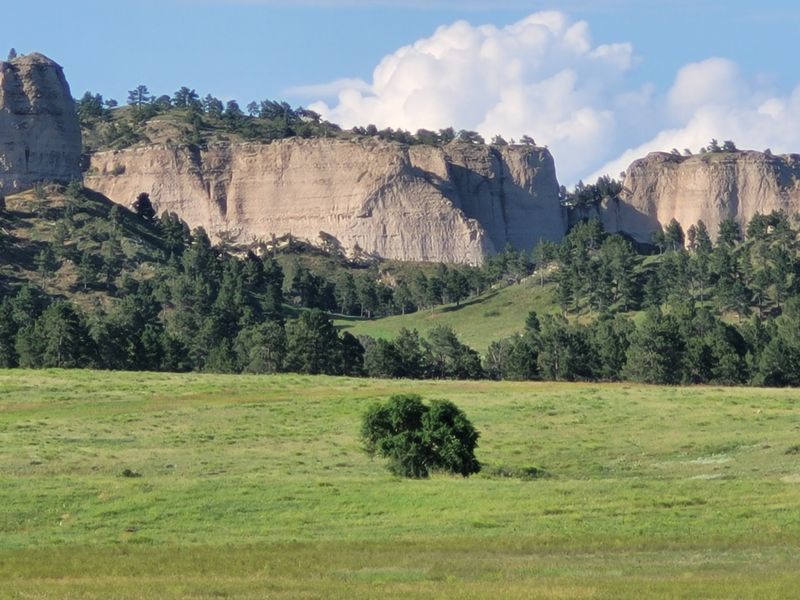
Supper here can arrive with a wagon ride. Seasonal cookouts shuttle guests out into the park for a buffalo stew dinner or a steak fry near the base of the buttes.
The buffalo stew usually comes with cornbread, and it suits the setting perfectly. A chuck wagon breakfast is offered too, for early risers who like their bacon with a view.
Back at the main grounds, the Fort Robinson Inn restaurant serves breakfast, lunch, and dinner during the busy season. A buffalo burger fits right in with the bison grazing over the hill.
Need a snack instead? The Sutler’s Store inside the Activity Center keeps quick bites and essentials on hand.
Evenings often belong to the Post Playhouse. The summer repertory theater stages shows in a historic setting, and musicals have filled its calendar in recent seasons.
Hot afternoons now have a cooler answer as well. A brand-new aquatic center opened recently, with a pool, a big slide, and a splash pad.
That combination makes a full day surprisingly easy to build, from pancakes to pool time to a curtain call under the stars.
Plan Around The Season Before You Hit Highway 20
Getting there is half the scenery. Fort Robinson State Park sits at Soldier Creek Rd and US Hwy 20, Crawford, NE 69339, a few miles west of town.
The park stays open year-round for day use. Winter visitors can hike or even try cross-country skiing when snow cooperates.
Most lodging, rides, cookouts, and shows run on a warm-weather schedule, though. Summer, roughly Memorial Day through Labor Day, brings the fullest activity lineup.
Fall has its own appeal for quieter trips. Big trees across the grounds turn color, and midweek visits tend to feel peaceful.
A Nebraska park entry permit is required for vehicles. Check the park’s schedule before you go, since activity times shift by season.
Trail conditions can change too, especially after recent wildfires in the area touched some rangeland and routes. Staff at the information desk can point you toward what’s open.
Summers run hot, and the wind can kick up hard. Tie down tents and gear, and pack sunscreen.
Chadron sits about a half hour east for groceries and supplies, which helps if you’re staying a while.
An Old Fort Worth Building A Whole Weekend Around
Some road trips need a payoff, and this one delivers several. You get 1870s adobe quarters, locked mammoth tusks, bison, buttes, and stew, all inside one Nebraska park.
History lovers will find layers in every direction. Families will find pony rides, a new pool, and a game room to burn off energy.
Riders get trails and stalls, while hikers get pine forest and big climbs. Theater fans get a summer stage that punches well above its small-town size.
Nearby side trips stretch a weekend nicely. Toadstool Geologic Park is roughly a half hour away, and Smiley Canyon and the old Belmont railroad tunnel sit close by too.
What sticks with me most is how alive Fort Robinson State Park still feels. Those 1874 walls aren’t roped off behind glass; they still hold suitcases and supper dishes.
That’s a rare thing in any state. Here in the Pine Ridge, it comes with a sunset over the buttes as a bonus.
So pick a season and pick a building. Then go see how history feels when the porch light is yours for the night.