Fossils Of An Ancient One-Toed Horse Came Out Of The Rock At This Idaho Quarry Above The Snake River
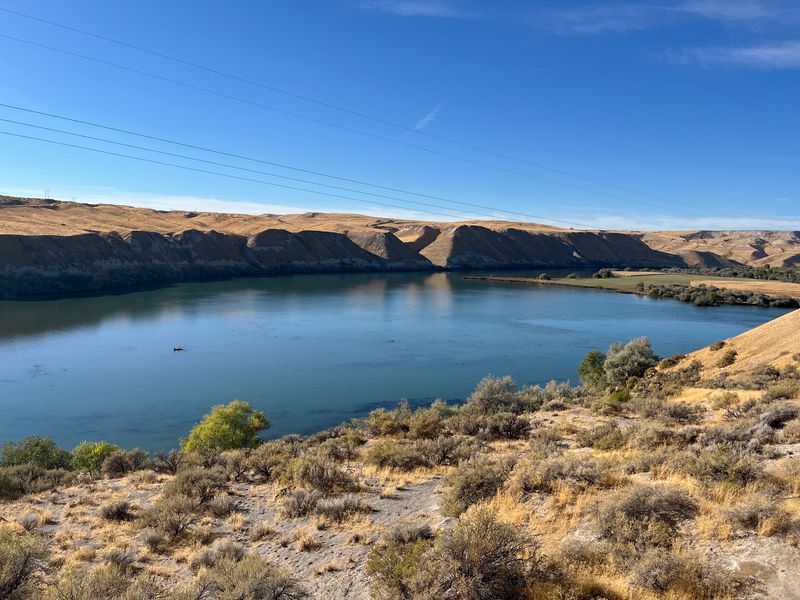
More than 200 ancient horses came out of one hillside here. Twenty of them were complete skeletons.
That horse walked on a single toe, roughly 3 to 4 million years ago. It was about the size of an Arabian horse, but it probably looked more like a zebra.
Scientists call it the earliest known member of the same family as today’s horses, donkeys, and zebras.
A rancher spotted the first bones poking out of the bluffs in 1928. The Smithsonian showed up the next year and shipped three tons of fossils to Washington, D.C.
I love that a quiet slope in southern Idaho helped rewrite the story of the horse.
Today you can stand on a deck above the river and look right toward that famous dig. So what exactly are you looking at down there?
A Viewing Deck Above The Most Famous Horse Bones In Idaho
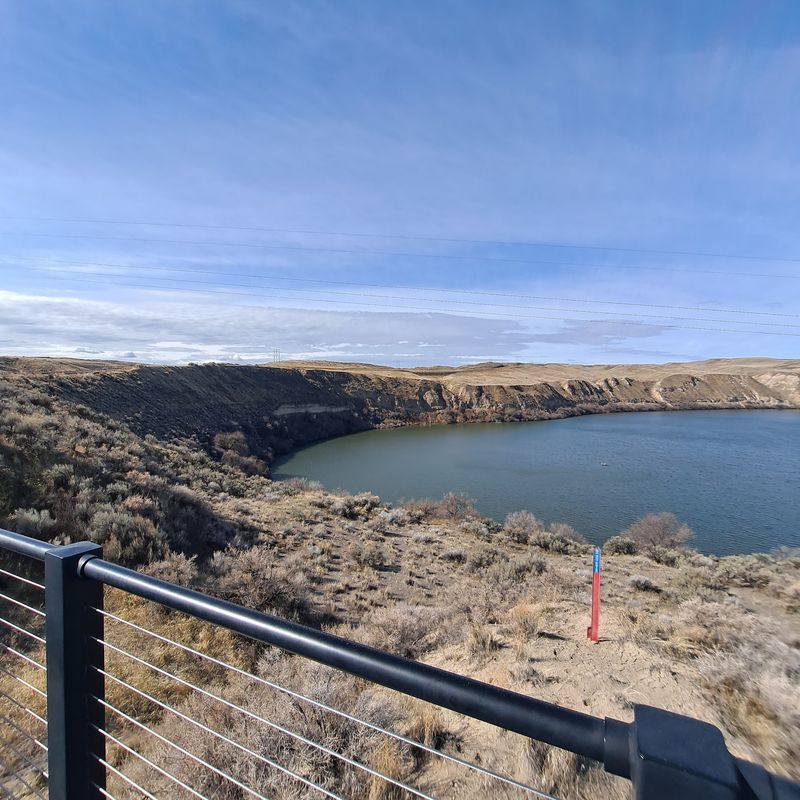
Short drives can lead to big stories. The Snake River Overlook sits inside Hagerman Fossil Beds National Monument, a few miles southwest of the town of Hagerman, Idaho.
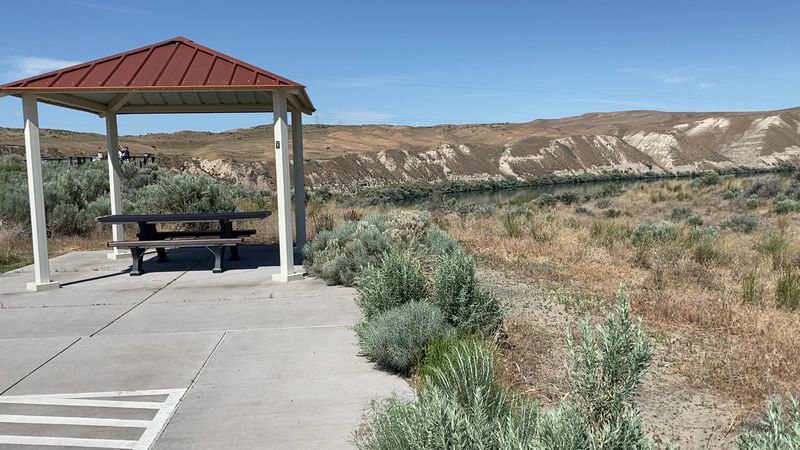
The overlook is a small stop on Bell Rapids Road. A short, paved path leads from the parking area to a viewing deck above the river.
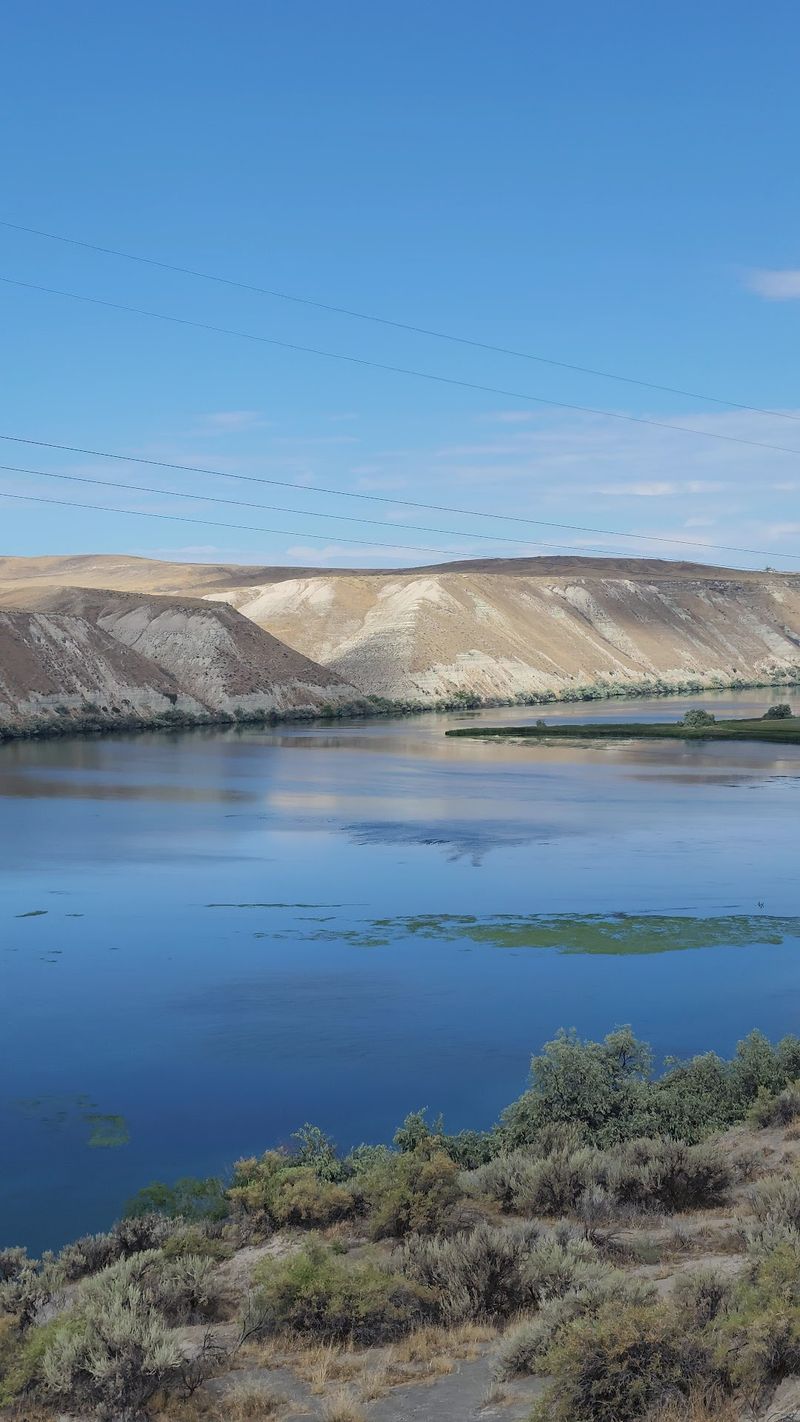
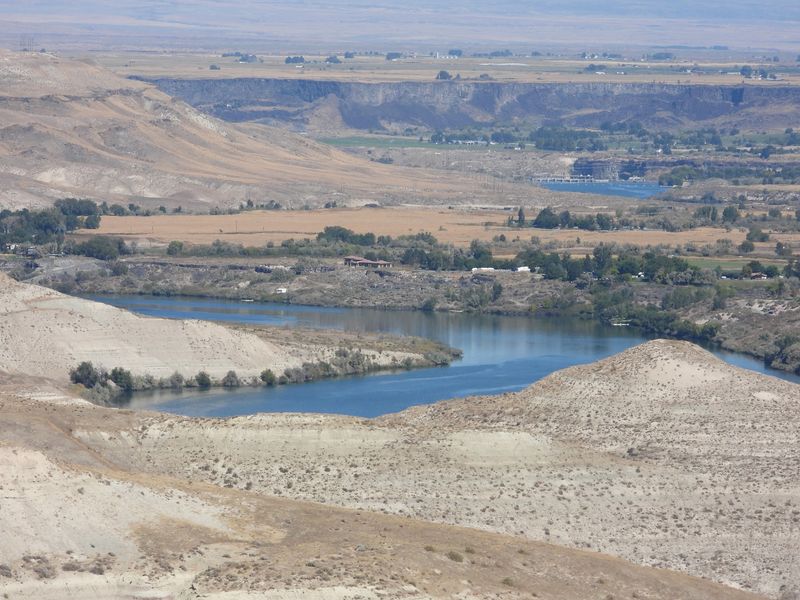
Out there, the bluffs across the water hold the fossil layers that made this place famous. The view also points toward the area of the Hagerman Horse Quarry, where the big finds came out of the rock.
Keep your expectations honest, though. You won’t see bones lying around on the ground, and the quarry itself is closed to visitors.
What you get instead is the setting, the scale, and signs that explain the ancient world hiding in those slopes.
I think that’s part of the fun. You’re looking at a landscape that quietly held millions of years of animal history until someone noticed.
The deck gives your imagination a front-row seat.
Think of it as the outdoor half of the monument. The fossils themselves live at a separate visitor center in town, which we’ll get to later.
How A Rancher’s Find Sent Three Tons Of Bones East
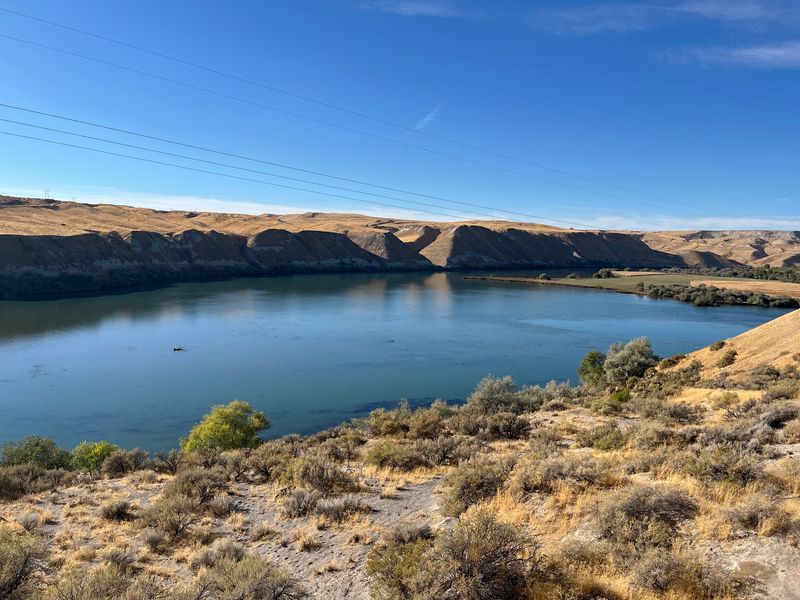
Elmer Cook was a local rancher, not a scientist. In 1928, he noticed fossils eroding from the bluffs above the Snake River and reported them to the U.S.
Geological Survey.
That one report started something huge. The Smithsonian Institution ran fossil expeditions here from 1929 to 1934.
The numbers still sound a little wild. Crews excavated thousands of fossils, including more than 200 horse specimens and 20 complete skeletons.
In 1929 alone, three tons of fossils were shipped to Washington, D.C. That’s a lot of crates leaving rural Idaho on the strength of one rancher’s sharp eyes.
The site earned national natural landmark status in 1975. Then, on November 18, 1988, it became Hagerman Fossil Beds National Monument.
Today it’s protected as one of North America’s most important paleontological localities. That protection matters, because fossil collecting is strictly prohibited anywhere within the monument.
So no souvenir rocks in your pocket, please. The bones stay put, or they go to the experts.
I like that this whole story began with somebody simply paying attention. Plenty of people probably walked past those bluffs.
One guy finally asked what was sticking out of them.
Meet Idaho’s State Fossil, The Zebra-Looking Horse With One Toe
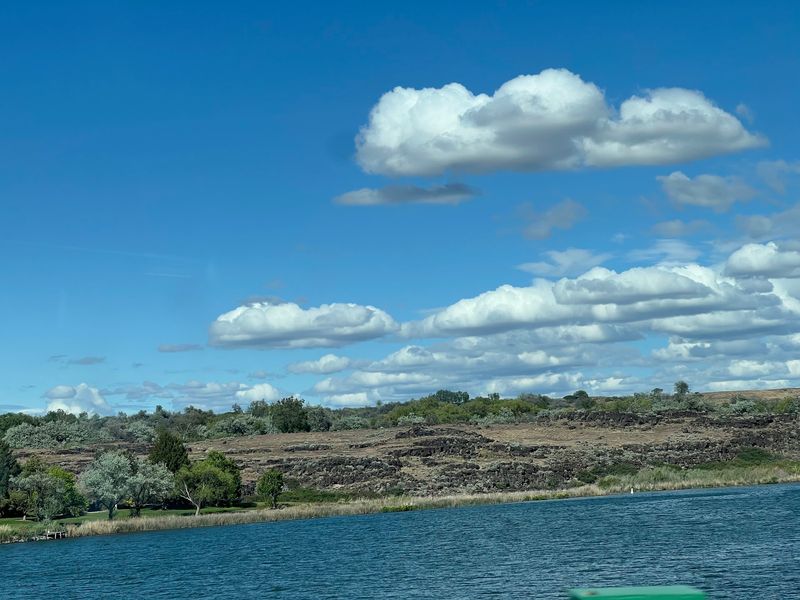
One toe per foot. That’s the headline feature of the Hagerman Horse, known to scientists as Equus simplicidens.
It roamed this part of Idaho about 3 to 4 million years ago. It was roughly the size of a modern Arabian horse, but it likely looked more like a zebra.
Here’s why paleontologists care so much. The Hagerman Horse is considered the earliest known representative of the genus Equus, the same group that includes modern horses, donkeys, and zebras.
Basically, this is a very early branch on the family tree of every pony at the county fair. Not bad for an animal found in a hillside near a farm town.
Idaho took the hint and made it the official state fossil. With more than 200 individuals recovered here, it’s the largest single find of this species anywhere.
Twenty complete skeletons is a rare gift in paleontology. Usually scientists piece together a creature from scattered teeth and fragments.
Here, they had whole herds to study. That kind of sample helps researchers compare young and old animals, plus differences between individuals.
Next time someone asks for a fun Idaho fact, you’re ready. Our state fossil wore stripes, probably.
The Neighbors Were Saber-Toothed Cats And Giant Sloths
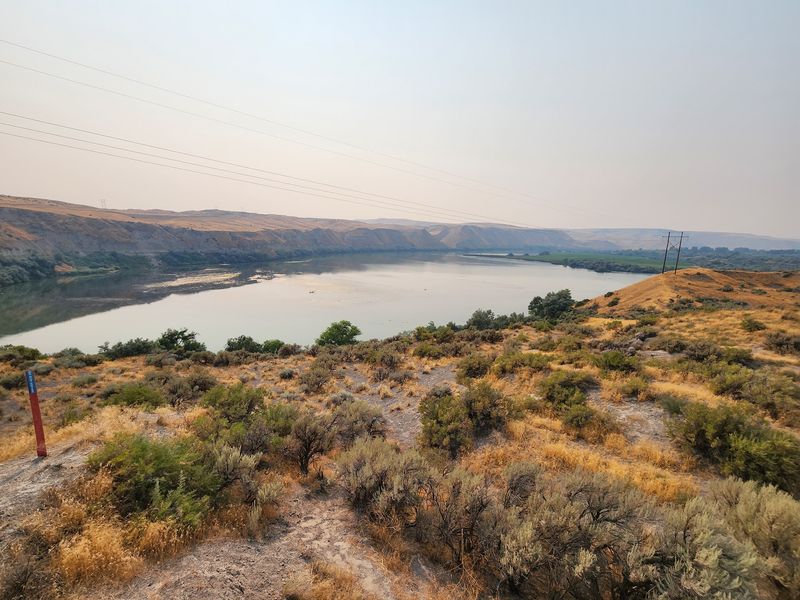
Horses weren’t alone out here. The monument preserves fossil remains of more than 140 species from the Pliocene epoch.
The guest list gets pretty exciting. Saber-toothed cats, mastodons, and giant ground sloths all show up in the record.
Then come the stranger characters. There were large river otters, a badger-like animal called Ferinestrix vorax, and an ancient peccary named Platygonus pearcei.
My favorite might be Borophagus hilli, a bone-crushing dog. That name alone deserves its own museum shelf.
Smaller creatures matter too. Rodents, fish, frogs, and turtles help scientists picture the wetlands and waterways these animals shared.
Together, the fossils track an environment changing over about 500,000 years. That’s a long, detailed snapshot of one place, which is unusual.
Standing at the overlook, the dry sagebrush hills seem worlds away from that scene. Back then, rivers and wet ground supported a crowded mix of grazers and hunters.
It’s fun to stack the eras together in your head. Mastodons first, then pioneers, then you with a water bottle and a phone.
Few roadside stops in Idaho can claim a cast list this wild.
Ancient Lake Idaho And A Flood That Opened The Pages
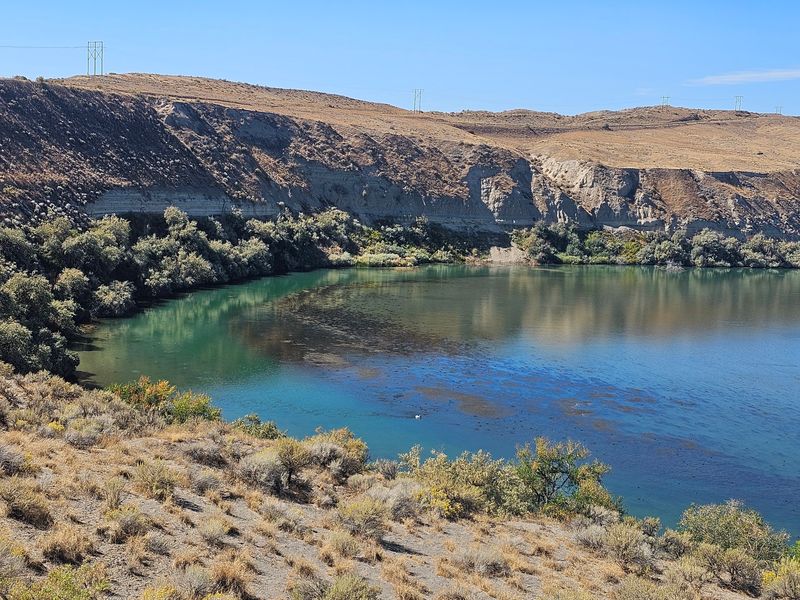
Rock layers work like a stack of old newspapers. At Hagerman, those pages belong to the Glenns Ferry Formation.
About 3 to 4 million years ago, rivers flowing into ancient Lake Idaho flooded this area. They dropped layers of sediment, and animal remains got buried along the way.
Burial was the key. Covered by mud and sand, bones had a chance to become fossils instead of simply weathering away.
Then the story needed someone to open the book. The Bonneville Flood, about 15,000 years ago, helped carve the high bluffs you see along the river today.
That cutting exposed the fossil-rich layers to wind and weather. Slowly, bones began peeking out of the slopes.
Fast forward to 1928, and Elmer Cook noticed them. Geology set the stage, and a rancher happened to be walking by.
From the overlook, look at the bands in the bluffs across the water. Those stripes are the reason this patch of Idaho became a national monument.
Honestly, it changes how you see the whole Snake River Plain. Those plain-looking hills are full of records, waiting on the next good erosion season.
Wagon Ruts And Wide-Open Miles On The Emigrant Trail
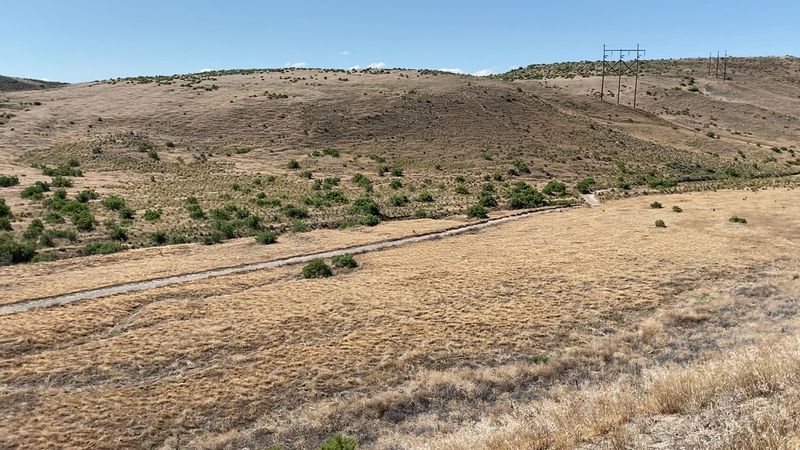
Pioneers rolled through here too, millions of years after the horses. The Emigrant Trail runs about 6 miles out and back between the Snake River Overlook and the Oregon Trail Overlook.
Along the way, the path runs parallel to sections of the historic Oregon Trail. Visible wagon ruts are preserved in the landscape.
The trailhead sits across the road from the Snake River Overlook parking area. Most of the route stays fairly flat, with an uphill stretch toward the Oregon Trail Overlook end.
Got two cars? You can shuttle one to the upper overlook and cut the walk to about 3 miles.
The terrain is open and wind-swept, with very little development around you. Bring water, sun protection, and a jacket for gusts.
The ruts can be subtle, so slow down and scan the ground. Some stretches are faint enough to make you squint.
Seasonal overgrowth and tumbleweeds can show up on the path. A quick check on trail conditions before heading out is smart.
I can’t imagine a better way to feel two kinds of history at once. Ancient bones in the bluffs, wagon wheels in the dirt.
Pelicans, Picnics, And A Surprisingly Decent Restroom
Bring binoculars, not just a camera. The river below attracts water birds, and pelicans, cormorants, ducks, and red-winged blackbirds have all been spotted around this stretch of canyon.
Birds of prey sometimes ride the air above the bluffs too. A slow scan of the water can turn a quick stop into a longer one.
The overlook keeps things simple. There’s a covered picnic table, garbage cans, and a vault-style restroom.
That makes it an easy lunch break on a Magic Valley drive. Pack sandwiches and let the view do the entertaining.
The paved path to the viewing deck is short, which helps families and folks who prefer easy footing. It’s designed to be accessible.
Interpretive signs cover the fossil beds, the region’s indigenous people, and animals that once lived here. Kids who love dinosaurs usually warm up fast to a bone-crushing dog.
Parking is limited, though. If the lot is full, continue up the road to the Oregon Trail Overlook.
Morning light suits this spot nicely, and sunrise or sunset should paint those bluffs well. Midday still works if your schedule says so.
Where The Real Bones Wait Behind Glass
Want to actually see the fossils? Head into town to the Thousand Springs Visitor Center at 17970 U.S.
Hwy 30, Hagerman, ID 83332.
It’s the only public area in the monument where real Pliocene fossils are on display. The overlook sits roughly nine miles away, so plan to visit both.
Inside, you’ll find a full Hagerman Horse skeleton behind glass. Exhibits explain the Pliocene ecosystem, and cast replicas show off key specimens.
Park rangers are on hand to answer questions and lead programs. Those conversations fill in what the outdoor signs can’t.
Maps, restrooms, drinking water, and a gift shop round things out. Grab a map before heading to Bell Rapids Road.
The center is jointly run by the National Park Service and Idaho Department of Parks and Recreation. Hours shift with the seasons, with longer days in summer and a shorter schedule in fall.
Check before driving, especially in the cooler months. Nobody wants to stare at a locked door after a long ride.
Some people visit the center first for context. I’d suggest it, because the overlook view means a lot more once you’ve met the horse.
Worth The Detour For Curious Minds And Road-Trippers
Quiet places reward the right visitor. The outdoor areas of Hagerman Fossil Beds National Monument are open year-round from sunrise to sunset.
That flexibility makes the Snake River Overlook an easy add-on to a drive along Highway 30. It’s a short hop off the main road.
Set your expectations, and you’ll leave happy. This is a view and a story, not a dig site with bones on display.
Pair it with the visitor center, and the whole thing clicks. Add the Emigrant Trail if your legs are up for it.
History fans, birders, and families with dinosaur-crazy kids should fit right in. Photographers might want to aim for early light on the bluffs.
Remember the basic rule. Fossil collecting is strictly prohibited, so admire everything and leave it in place.
I believe this stop proves how much Idaho hides in plain sight. A sagebrush bluff turned out to hold the earliest known member of the modern horse family.
Not many overlooks can say that. Grab a picnic, read the signs slowly, and look across the water toward where it all began.