Four Idaho Old Mining Towns Where You Still Walk Wooden Boardwalks And Peek Into Saloons
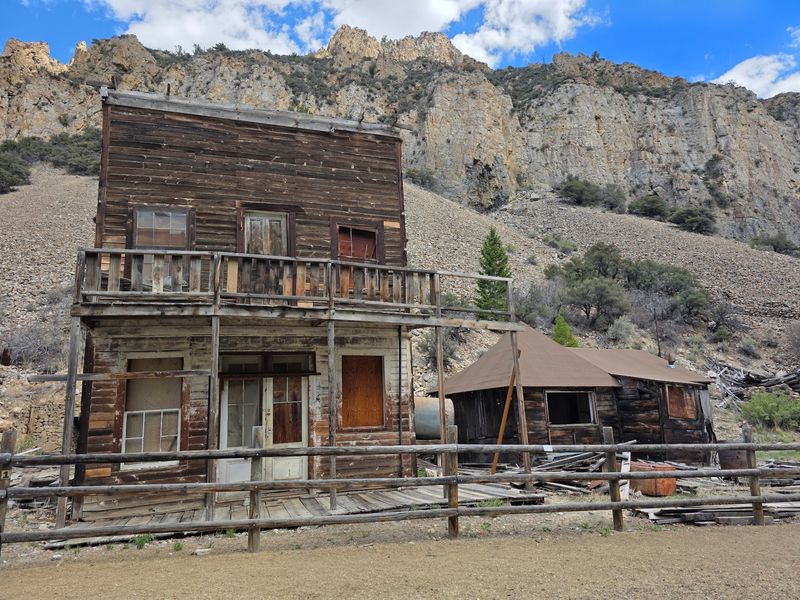
One Idaho hotel has run without grid electricity since the 1940s, and it still serves dinner to guests who drive a dirt road to reach it. Solar panels power its little 12-volt lights.
I love that detail more than I can explain.
That hotel sits in a mining camp that once counted eight saloons. Another town on this list grew past 7,000 people within two years of a gold strike.
For a moment, it was one of the biggest cities in the region.
The best part is how much of that era survives. You can still walk raised wooden boardwalks past false fronts and old saloon doors.
Some of those saloons are open, and others now hold museums or gift shops.
So which Idaho mining town deserves your next tank of gas? I have four strong candidates, and each one tells a different story.
1. Idaho City
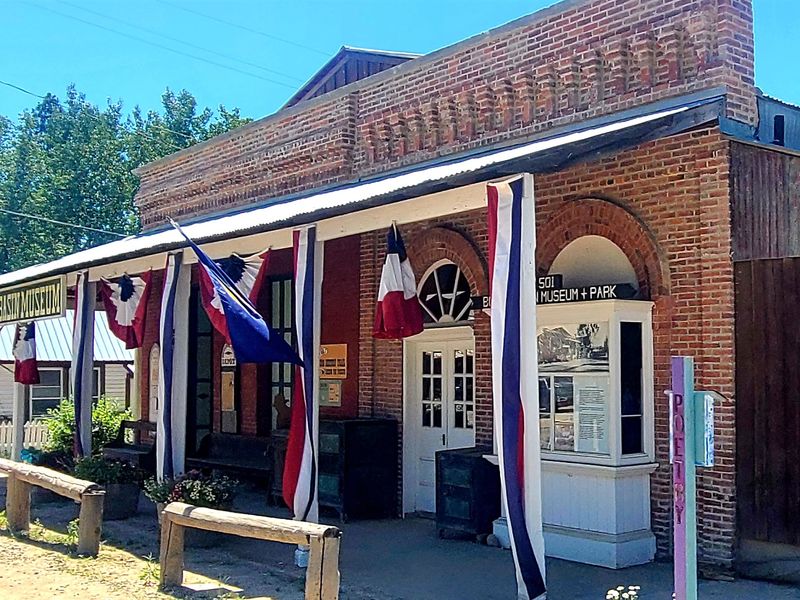
Back in 1862, gold in the Boise Basin turned a quiet creek bottom into a boomtown called Bannock. Within two years, more than 7,000 people crowded in, making it the biggest city in the Pacific Northwest at the time.
The name changed, but the bones stayed put. Today you can stroll raised wooden boardwalks along Main Street and Montgomery Street, and those boards still work as everyday sidewalks.
Weathered false fronts line the way, mixed with old wood and brick buildings from the gold rush. It feels less like a theme park and more like a town that simply never tore anything down.
Hungry? Diamond Lil’s Steakhouse and Saloon serves up Old West flavor, and its money bar is covered in historic currency.
The walls hold plenty of history too, so give yourself time to look around.
Over at The Gold Mine Grill, Saloon and Hotel, the menu runs from burgers and steaks to elk and bison burgers. The hotel itself traces back to the 1860s and has been restored with care.
History buffs should save time for the Boise Basin Museum and its gold rush collections. The old jail is nearby, and it makes a fun stop for curious kids.
Address: Idaho City, ID 83631
2. Silver City
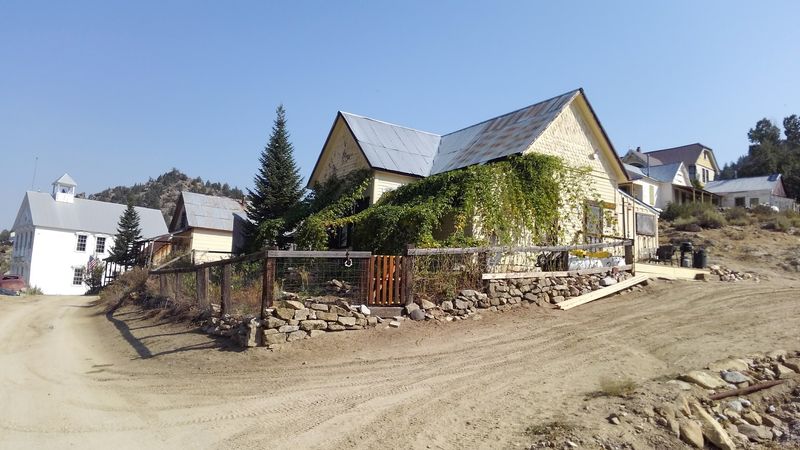
Eight saloons once served a camp of about 2,500 people high in the Owyhee Mountains. By the 1880s, Silver City had roughly 75 businesses and plenty of swagger to match.
It also held the Owyhee County seat from 1866 to 1934. That is a long run for a place you now reach only on an unpaved road.
Timing matters here, since access is seasonal, roughly late May through early October. Check road conditions before you go, because the drive is part of the adventure.
Once you arrive, weathered wooden storefronts line a dirt street. Elevated boardwalks run along the facades, including right outside the historic Idaho Hotel.
That hotel dates to 1863, and it still welcomes guests with rustic rooms and meals. Family-style dinners are by reservation, so plan ahead if you want a seat.
Step inside and you can see the old dining room and saloon parlor. Since the 1940s, the building has run without grid electricity, relying on solar power for 12-volt lights.
Shoppers have options too. Pat’s What Not Shop carries jewelry, books, souvenirs, and local mineral samples, while the Fire and Rescue Store offers art, antiques, and gifts.
Address: Silver City, ID 83650
3. Custer Idaho
Few saloons get a second career selling homemade ice cream, but the Empire Saloon pulled it off. Today the old miners’ hangout works as a gift shop with souvenirs and treats.
Custer sprang up in early 1879 when gold seekers arrived along the Yankee Fork. It peaked at about 600 residents in 1896, then emptied out by 1910.
Luckily, the buildings stayed. The town joined the National Register of Historic Places in 1981, and Idaho Parks and Recreation now helps care for it with the Forest Service.
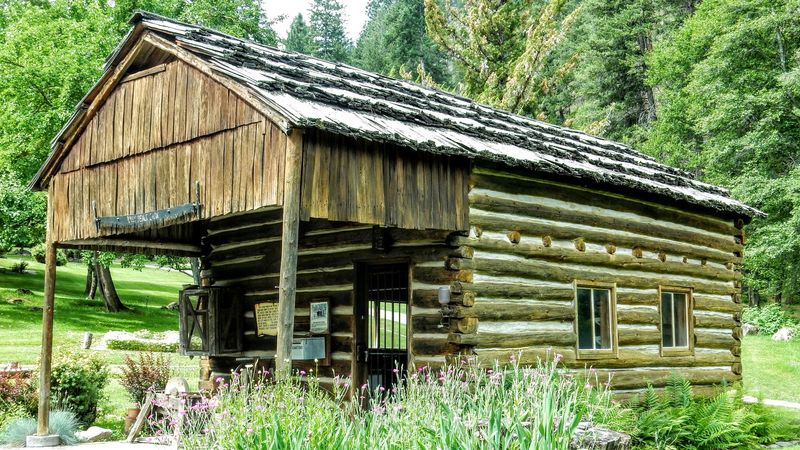
You’ll find one main street lined with preserved homes, businesses, and a jail. Wooden paths link building to building, so wandering is easy.
Signs explain each structure, which makes the stroll feel like a history class you actually enjoy. Kids tend to stay curious longer when there’s a story on every door.
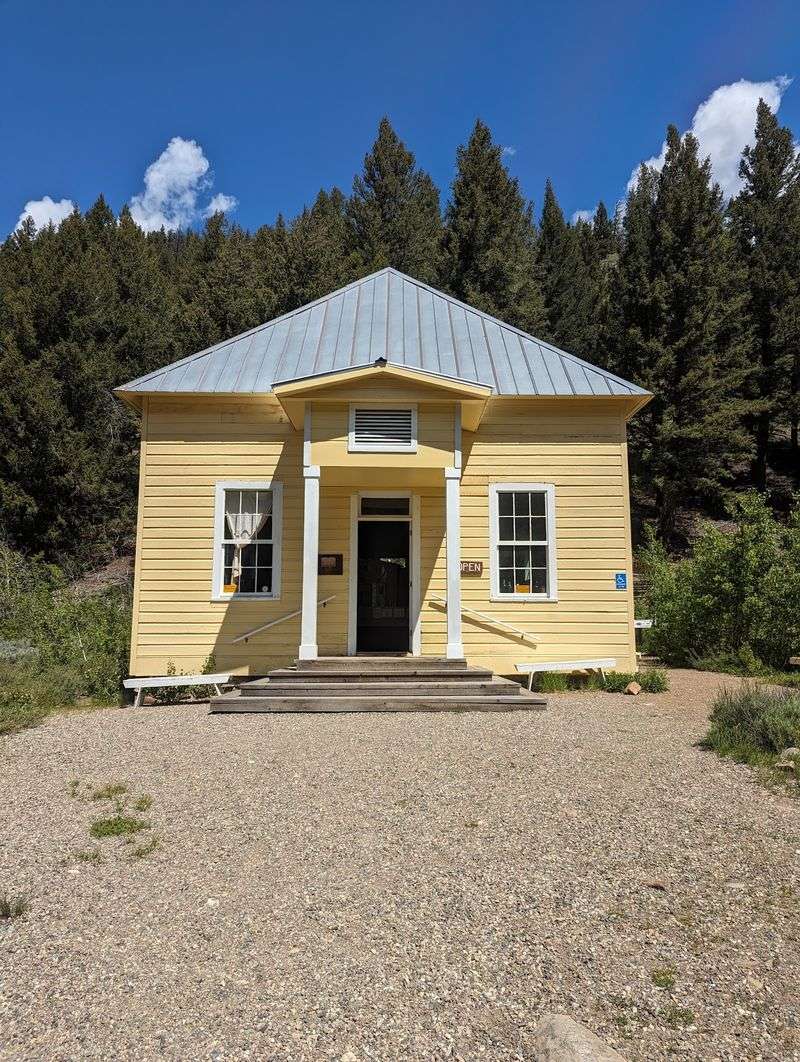
Don’t skip the big schoolhouse with its high ceilings. Children learned there, adults gathered for dances, and it now serves as the Custer Museum.
Guided and self-guided tours run in summer, typically Memorial Day through Labor Day. Reach it via Forest Road 013 off Highway 75, between Stanley and Challis.
Address: Stanley, ID 83278
4. Bayhorse Ghost Town
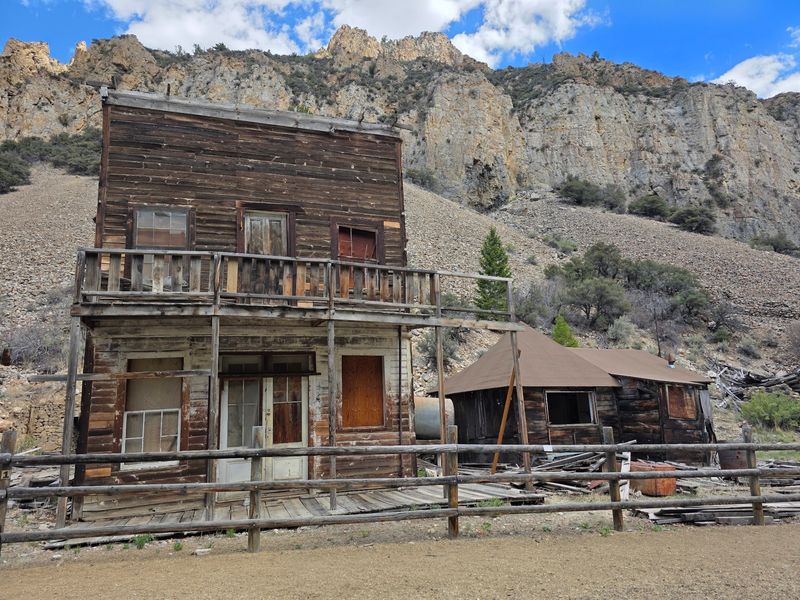
Silver and lead, not gold, built this canyon camp during the 1870s mining boom. That twist alone sets Bayhorse apart from its neighbors on this list.
The town sits in a tight canyon near Challis, part of Land of the Yankee Fork State Park. Its isolation helped keep the old structures standing long after the miners left.
Wooden boardwalks and walking trails connect the mining-era buildings. You can poke along at your own pace and study the old commercial fronts up close.
Original saloon buildings still stand among them. Park signs explain what each spot was, so you’ll know which door once led to a busy evening.
Got questions? A park ranger is often on hand with answers and stories, which turns a quick look into a much richer visit.
Plan on a small per-vehicle entry fee, just a few dollars. It’s a fair trade for a well-kept slice of Salmon River country history.
Families will find plenty of room to roam, and scenic hiking trails stretch beyond the townsite. Pair it with Custer for a full Idaho ghost town day in the same park.
Address: Challis, ID 83226