9 Free Kentucky Historic Sites Where Every Visit Feels Like Stepping Back In Time
History class probably never felt this exciting when you were a kid. Back then, the past lived inside dusty textbooks and long lectures.
Now you can see it with your own eyes, and the price is even better. These Kentucky historic sites cost absolutely nothing to visit.
Your wallet gets a day off while your imagination gets a workout. You can stand in places where history actually happened.
You can explore old buildings that have watched centuries roll by. Some spots tell stories of early settlers and the families who built new lives here.
Others hold quiet reminders of moments that shaped the whole country. Kids will love the adventure, and you might learn something yourself.
Bring comfortable shoes and a curious mind for the whole day. Check the hours before you go, since some sites change with the seasons.
Now let’s take a trip back in time together.
1. Abraham Lincoln Birthplace National Historical Park
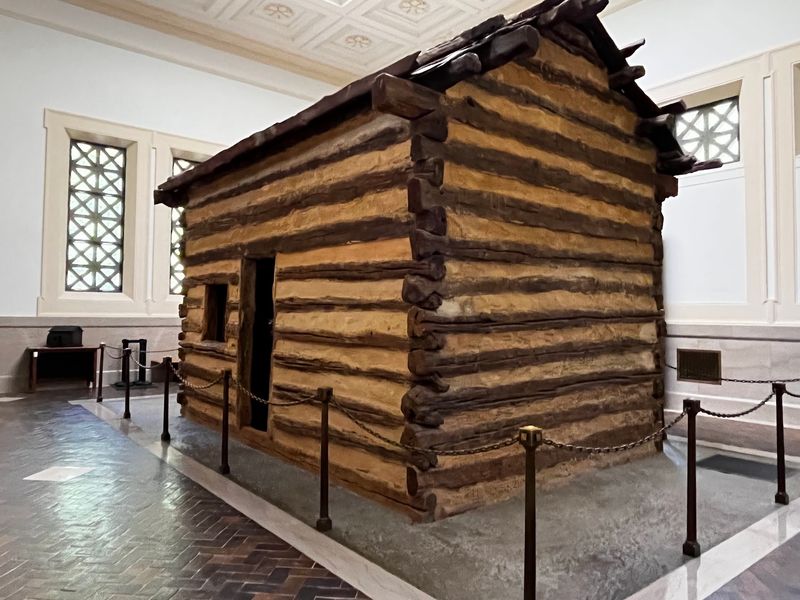
A log cabin sits inside a granite temple, and yes, that’s exactly as surprising as it sounds. Abraham Lincoln was born on this rural Kentucky farm on February 12, 1809.
The farm was called Sinking Spring, named for the natural spring that still bubbles at the bottom of the hill. Young Lincoln lived here during his earliest frontier years, so you can stand right where his story started.
Climb the steps up to the Memorial Building and count as you go. There are 56 of them, one for each year of Lincoln’s life.
Inside, you’ll find a one-room cabin typical of the early 1800s. It’s a symbolic cabin, not the actual birth cabin, but it shows how tiny frontier homes really were.
The Memorial Building at Abraham Lincoln Birthplace National Historical Park is one of the earliest memorials built to honor Lincoln. Theodore Roosevelt laid the cornerstone in 1909, and that alone makes the visit feel like a history class field trip.
Wooden walkways and easy paths loop through the grounds. They’re simple to follow, so kids and grandparents can stroll along at the same relaxed pace.
Don’t stop at the birthplace if you have extra time. The park also protects Lincoln’s Boyhood Home at Knob Creek, just a few miles away.
The visitor center has a small museum that fills in the details of his childhood. Hours run 9 AM to 5 PM daily, and the parking lot is free too.
Address: 2995 Lincoln Farm Rd, Hodgenville, KY 42748
2. Perryville Battlefield State Historic Site
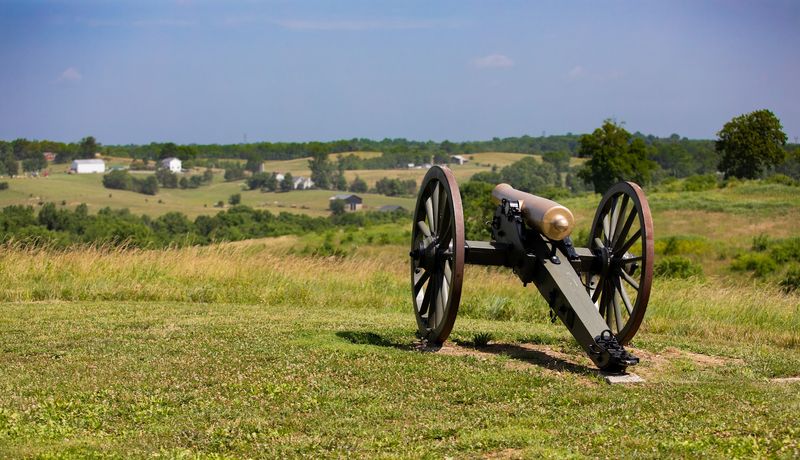
Quiet fields can hold loud stories. On October 8, 1862, these rolling hills hosted the largest Civil War battle ever fought in Kentucky.
Today, the landscape looks remarkably close to how it did back then. That’s a big reason historians call it one of the best-preserved Civil War battlefields in the country.
Start at the visitor center, where a short film explains the battle. It gives you the big picture before you head outside to see the ground itself.
Next comes the fun part. Trails cut through tall grass across the actual fighting ground, and cannons sit where they were placed during the battle.
Plaques pop up at key spots along the way. Read them as you walk, and the empty fields suddenly fill with marching soldiers in your mind.
Prefer to stay on wheels? A driving trail with roadside signs points out notable moments, so you can tour the battlefield from your car.
Make sure to visit the burial monument on the grounds. It honors soldiers who fell here and adds a thoughtful pause to your day.
Picnic tables and swings make it easy to stay a while. Pack lunch, and let the kids burn off energy after a morning of history.
Plan around the schedule, since the site is open Wednesday through Saturday from 10 AM to 3 PM. Leashed dogs are welcome on the grounds.
Address: 1825 Battlefield Rd, Perryville, KY 40468
3. Camp Nelson National Monument
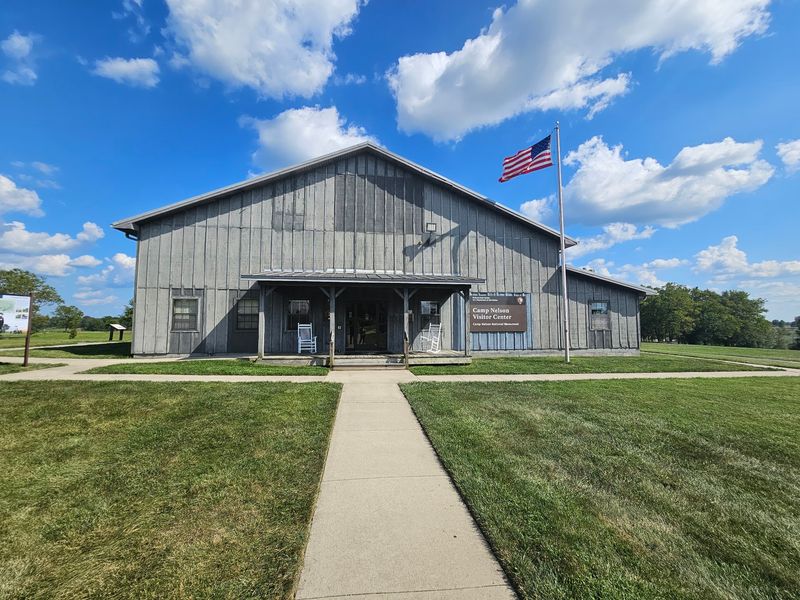
Freedom had a recruitment office in Jessamine County. During the Civil War, Camp Nelson became one of the largest training centers for United States Colored Troops.
The U.S. Army first built it in 1863 as a fortified supply depot.
It quickly grew into something much bigger and far more meaningful.
Thousands of enslaved men came here to enlist and fight for the Union. Their families often followed, and the camp turned into a refuge for people seeking freedom.
In 1865, Congress passed a law that freed the families of men who enlisted. That one change transformed countless lives, and this camp was right at the center of it.
Head to the museum first to get the backstory. The exhibits explain how the camp worked and who passed through its gates.
Then step outside and see the restored house that once served as officers’ quarters. Reconstructed barracks nearby help you picture daily life for the soldiers.
More than 400 acres of grounds wait beyond the buildings. Trails wind past old earthworks and fortifications, so wear shoes that can handle a real hike.
Bring the dog along if you’d like, since the trails welcome four-legged hikers. The site became a national monument in 2018, making it one of the newest in the park system.
It’s open Wednesday through Sunday from 9 AM to 5 PM. Parking is free and right on site.
Address: 6614 Danville Rd, Nicholasville, KY 40356
4. Mill Springs Battlefield National Monument
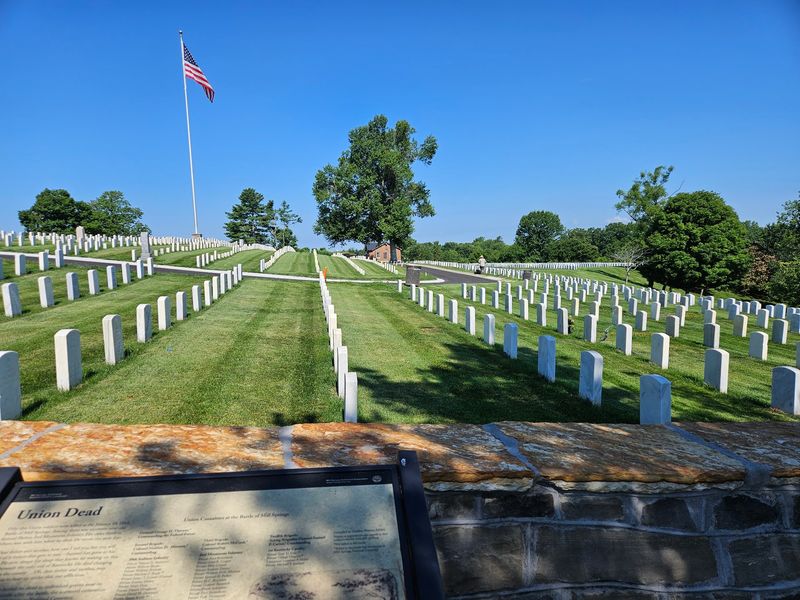
Early wins matter, and the Union badly needed one in January 1862. The Battle of Mill Springs delivered it, becoming one of the first significant Union victories in the Western Theater.
That win helped shape the early direction of the war. It also opened a path for Union forces to push deeper south.
For decades, the battlefield was a quiet local secret. Then, in 2020, it officially became a national monument under the National Park Service.
Your visit should begin inside the visitor center. A video of about 20 minutes sets the scene, and it’s worth every minute before you explore.
Afterward, browse the museum to see how the battle unfolded. The exhibits connect the hills outside with the people who fought there.
Ready to roam? A 10-stop self-guided driving tour leads you across preserved hills and timber lines that shaped the fighting.
Take your time at each stop. Reading the markers and looking at the land helps the whole battle click into place.
Don’t skip the Mill Springs National Cemetery nearby. Its neat rows of headstones offer a calm, moving end to the tour.
Opening hours run Wednesday through Sunday from 10 AM to 4 PM. Check before you go, since the museum is closed Monday and Tuesday.
Small rural roads lead you here, so enjoy the drive through south-central Kentucky. The scenery makes the trip feel like part of the history lesson.
Address: 9020 W Hwy 80, Nancy, KY 42544
5. Constitution Square Historic Site
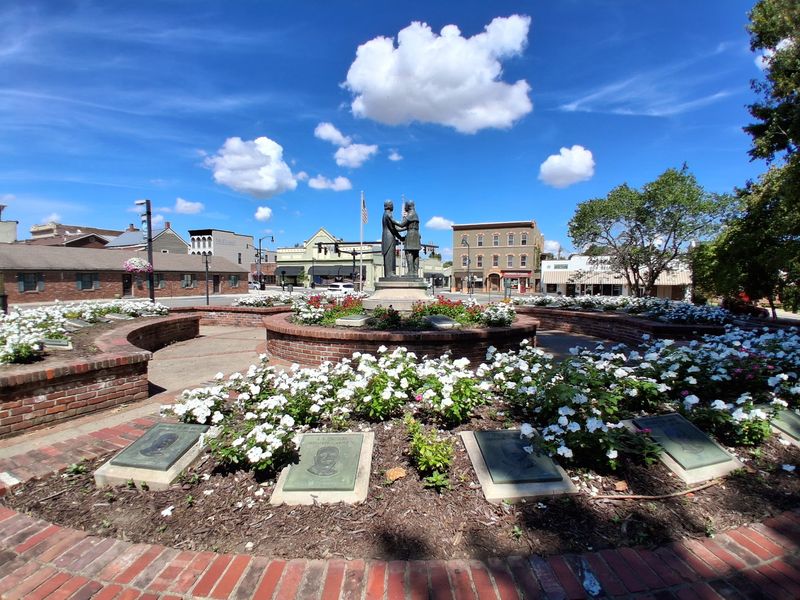
Kentucky didn’t become a state overnight. It took ten conventions in Danville between 1784 and 1792, and this little square is where much of that talking happened.
All that debating finally paid off in 1792. Kentucky became the 15th state, and its first constitution was framed right here.
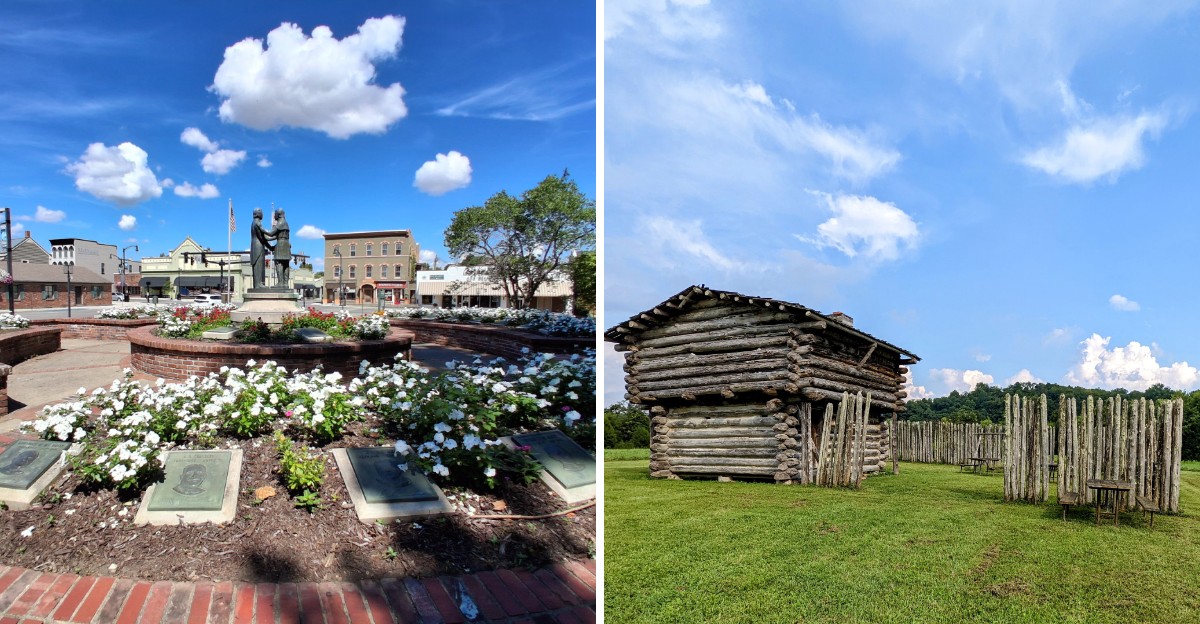
The site covers about three acres in downtown Danville. Think of it as an open-air museum where interpretive signs tell the story as you walk.
Replica log buildings show what frontier government looked like. You’ll spot a courthouse, a meetinghouse, and a jail that look built for a much simpler time.
Fans of old mail will love the post office building. It’s tied to Kentucky’s first post office, which is a fun reminder that letters once traveled by horse.
Shady trees and tidy grounds make the square a great spot to slow down. Grab a bench, read a few signs, and watch downtown life roll by.
Hungry after your history lesson? Restaurants sit within easy walking distance, so lunch is only a short stroll away.
Keep an eye on local event calendars before your trip. The square sometimes hosts live performances, which adds music to the old-time setting.
Hours run 10 AM to 4 PM most days, with longer Saturday hours. Restrooms are on site, and tours are offered too.
Address: 105 E Walnut St, Danville, KY 40422
6. Cumberland Gap National Historical Park
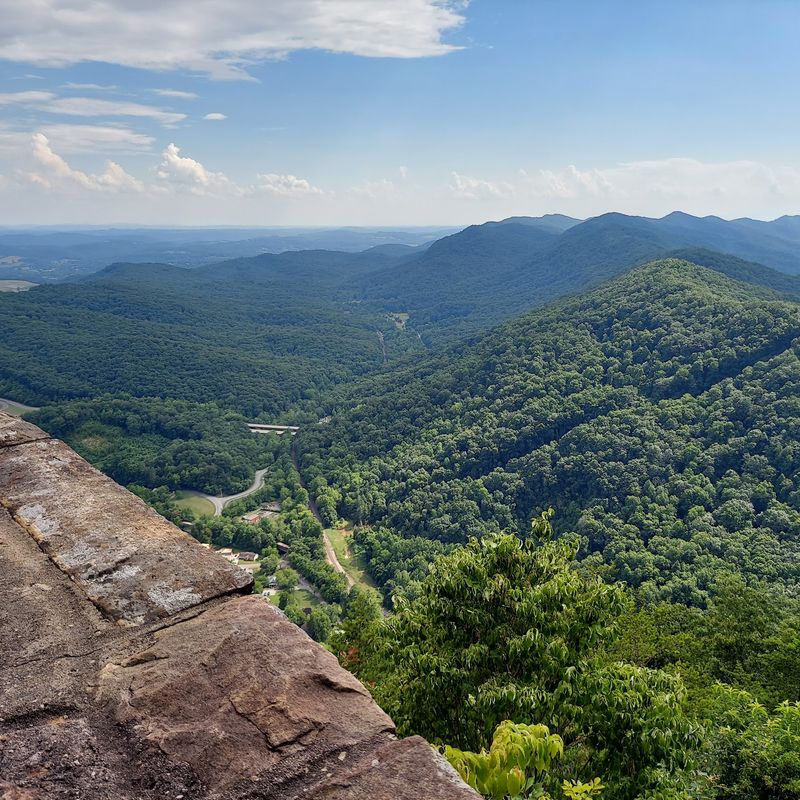
Standing in three states at once sounds like a party trick. At Cumberland Gap, it’s simply geography, since Kentucky, Virginia, and Tennessee meet in these mountains.
The gap itself is a natural pass through the Appalachians. For early settlers, it was the doorway to the West.
Daniel Boone helped blaze the Wilderness Road through here in 1775. Over the following years, more than 200,000 settlers followed that route into Kentucky and beyond.
Start at the visitor center and catch the film about the Gap. It tells the story of Boone and the travelers who trudged through with everything they owned.
Next, head up to Pinnacle Overlook. You can drive or hike to the top, and the view stretches across three states.
Trail lovers get plenty of options here. The park holds about 85 miles of trails, so you can pick a short stroll or a full-day trek.
History buffs should look into the Hensley Settlement. This preserved mountain community shows how families lived far from towns well into the 1900s.
Walking the restored Wilderness Road is another highlight. Your feet follow the same path settlers used, minus the oxen and wagons.
The park is open daily, and parking is free. Bring water and layers, because mountain weather can change quickly.
Address: Middlesboro, KY 40965
7. Big Bone Lick State Historic Site
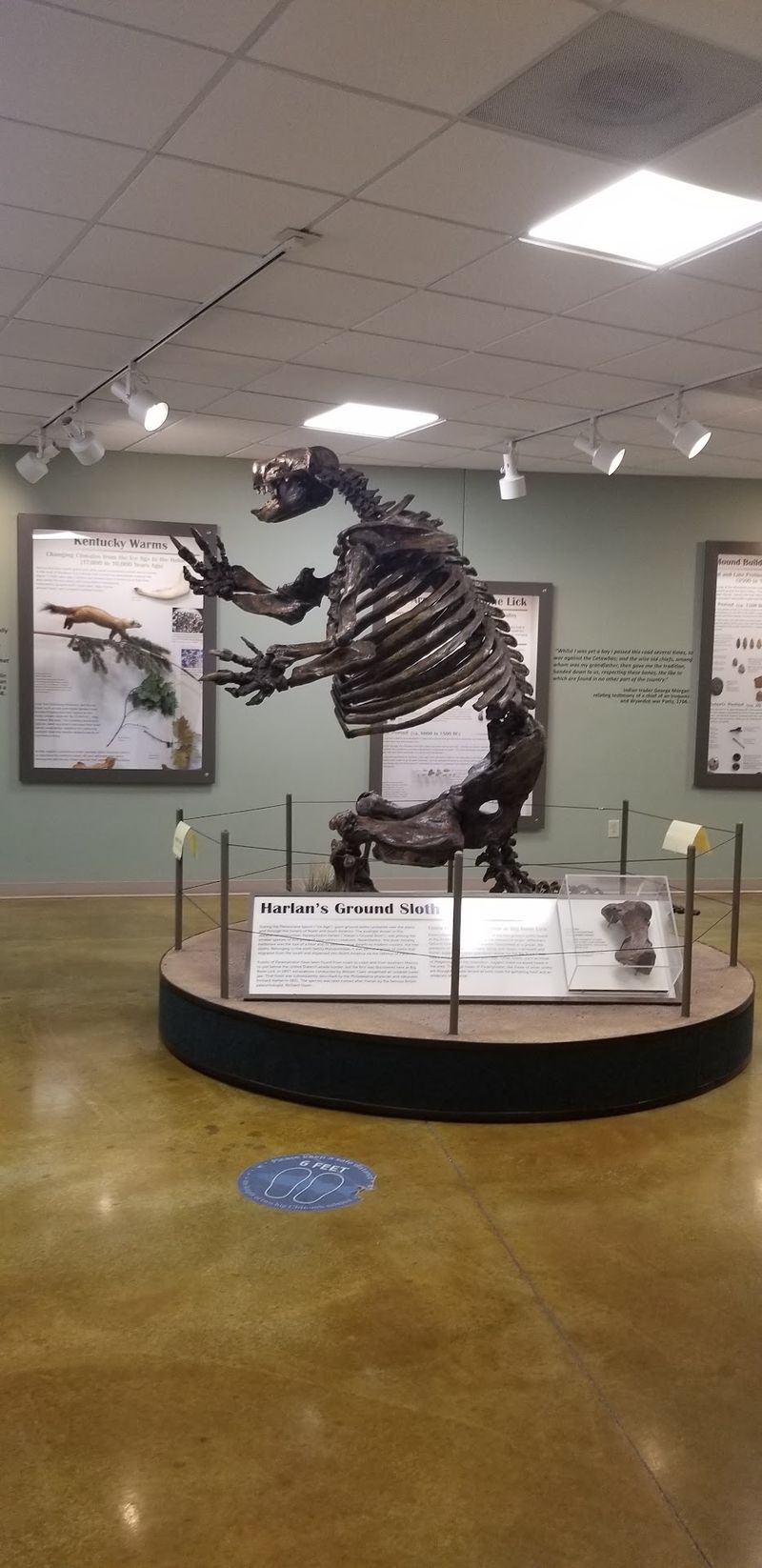
Mammoths, mastodons, and a president walk into a swamp. That’s not a joke setup, it’s the real story behind Big Bone Lick.
Ice Age animals once gathered here to lick the salt from natural springs. Many got stuck in the mud, leaving behind piles of bones for future scientists.
In 1807, Thomas Jefferson sent William Clark to collect fossils here. The finds went to the White House, and the site earned the nickname birthplace of American vertebrate paleontology.
Start in the museum to see fossilized bones up close. Exhibits also cover the Native Americans and early settlers who knew about these salty springs.
Outside, the trails lead past the salt springs and signs about prehistoric giants. Kids can even play a scenic bingo game while they hike.
The real scene-stealers live in the bison enclosure. A herd roams the grounds, giving you a peek at the kind of animals that once filled Kentucky.
Plan to spend more than an hour if you have little ones. A playground, mini-golf, and picnic tables keep the fun going after the history part.
The gift shop sells fossils, too. It’s a great spot to grab a souvenir that’s older than your great-great-grandparents.
Hours run 9 AM to 4 PM daily, and parking is free. Dogs are welcome, so the whole family can come.
Address: 3380 Beaver Rd, Union, KY 41091
8. Blue Licks Battlefield State Resort Park
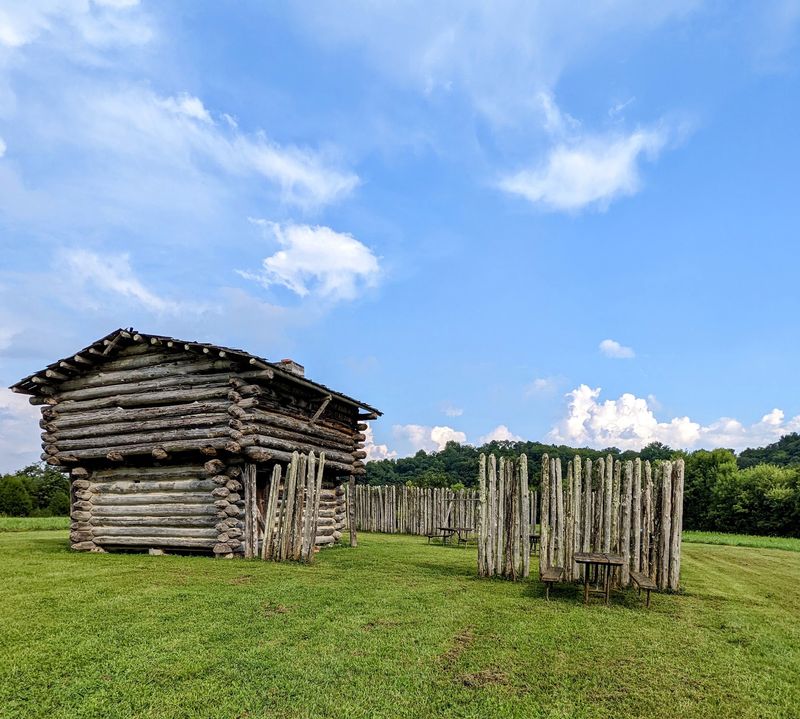
Most people think the American Revolution ended at Yorktown in 1781. Kentucky had other plans, and fighting continued here on August 19, 1782.
The Battle of Blue Licks is often called one of the last battles of the Revolutionary War. Daniel Boone was there, fighting alongside other Kentucky settlers.
Today, a tall granite monument marks the battlefield. Standing beside it, you can look out over the land and picture frontier militia moving through the woods.
The park museum fills in the story. Exhibits explain the battle and the frontier world Boone and his neighbors knew.
After the history lesson, take to the trails. Forest paths wind through quiet woods, offering a peaceful way to spend an afternoon.
Families will find plenty to keep busy. The park has a playground, mini-golf, and an outdoor pool for hot summer days.
Pack a picnic and grab a table near the grills. It’s an easy way to turn a quick history stop into a full day out.
Staying overnight is an option, too. The park includes a lodge with dining and a campground for those who want more time.
Entry to the grounds, trails, and monuments is free. Some extras like the pool may cost a bit, so check before you go.
Address: 10299 Maysville Rd, Carlisle, KY 40311
9. Cave Hill Cemetery & Arboretum
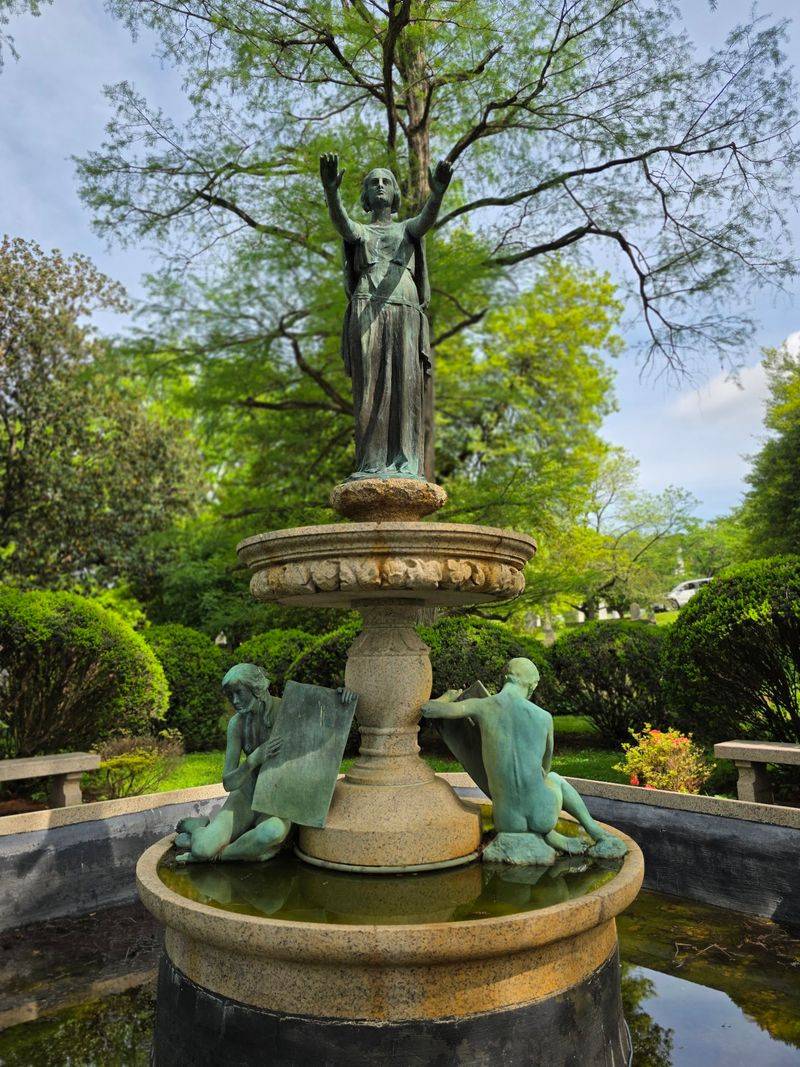
A cemetery might not be your first idea for a fun day out. Cave Hill changes that fast, because it’s part history museum and part botanical garden.
The grounds opened in 1846 in Louisville. Back then, garden cemeteries doubled as parks where families came to stroll and relax.
That tradition still fits today. The 296 acres feature rolling hills, winding roads, and mature trees that shade the paths.
Plant lovers, take note of the arboretum. Hundreds of tree varieties grow across the grounds, turning a simple walk into a nature tour.
Art fans get a treat, too. Mid-1800s stonework, carved monuments, and grand mausoleums show off the craftsmanship of the Victorian era.
Famous names rest here, which adds another layer of history. Boxing legend Muhammad Ali and Colonel Harland Sanders of fried chicken fame are both buried at Cave Hill.
You can drive or walk the grounds, depending on your energy level. Walking lets you catch more details on the old monuments.
Visiting is free during daily hours, which run 8 AM to 4:45 PM. Plan to arrive early so you don’t feel rushed at closing time.
Treat it with respect, since families still visit loved ones here. Keep voices low and enjoy the peace.
It’s a fitting final stop on a Kentucky history tour. Your time machine ride ends among old trees and older stories.
Address: 701 Baxter Ave, Louisville, KY 40204