Fresh Mamey And Key Lime Milkshakes Pour Out Of This Roadside Florida Fruit Stand
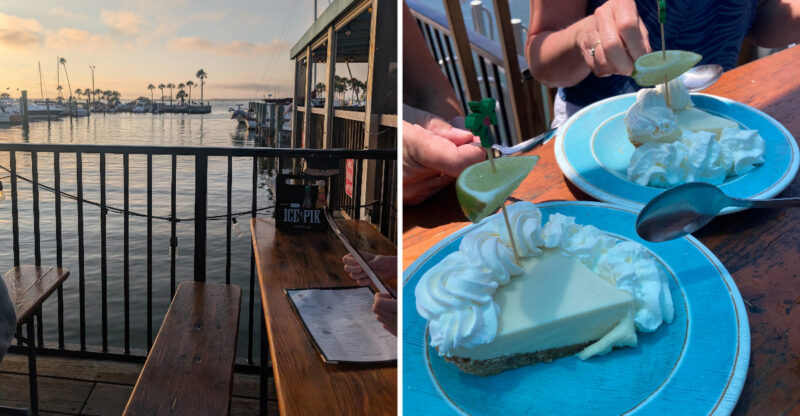
I have never wanted to drink a pie before, but a key lime milkshake made with real fruit has me rethinking my whole life.
This Florida fruit stand blends shakes from fruit hand-cut daily, with flavors like mamey, guanabana, sapodilla, and canistel. You can mix up to three flavors in one cup, which feels like a dangerous amount of freedom.
The whole operation started with a young boy selling cucumbers beside a farm road. His father painted a simple sign announcing his name, and it worked.
That boy still helps run the place today.
Out back, emus, goats, tortoises, and parrots wait for company. I like that a milkshake stop doubles as a farmyard visit.
So which flavor would you gamble on first? Pick one, then plan a second stop for the next.
A Roadside Stand That Grew Into A South Florida Legend
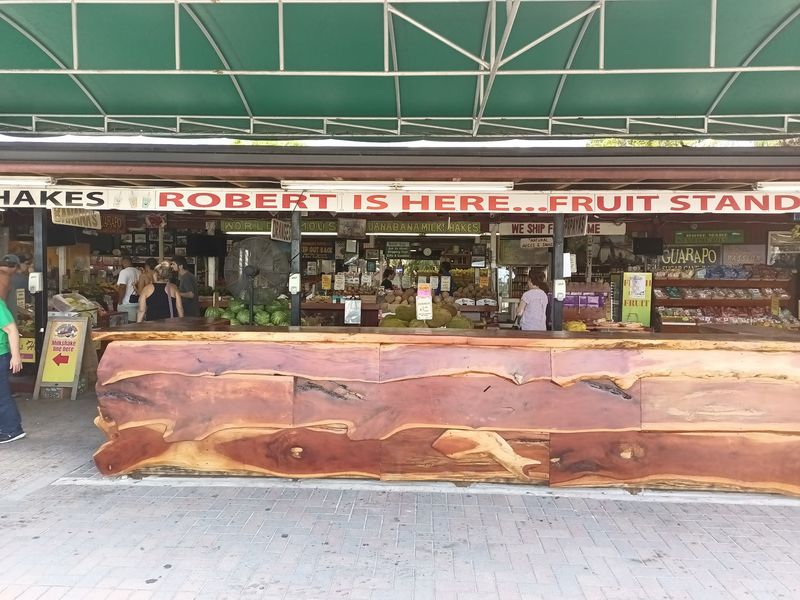
Bright fruit crates and a big painted sign greet drivers heading toward the Everglades. Robert Is Here Fruit Stand sits in Homestead, Florida, and it looks every bit like an old farm market.
Don’t let the simple setup lower your expectations. Inside, the stand carries local and exotic fruits, vegetables, honey, jams, sauces, and a busy milkshake counter.
The stand is family-owned and still run by its original owners. That matters in an area where new townhomes keep popping up nearby.
Robert Is Here works as a produce market, a shake shop, and a small animal farm all at once. Most stops at a fruit stand take five minutes.
This one tends to swallow an afternoon.
It also lands in a handy spot. The stand sits near the entrance to Everglades National Park, so it fits neatly into a day of airboats, trails, or alligator spotting.
Travelers headed to the Florida Keys use it as a pit stop too. It is a short detour off US-1, which makes skipping it feel a little silly.
You’ll find it at 19200 SW 344th St, Homestead, Florida 33034.
How A Pile Of Cucumbers And One Painted Sign Started Everything
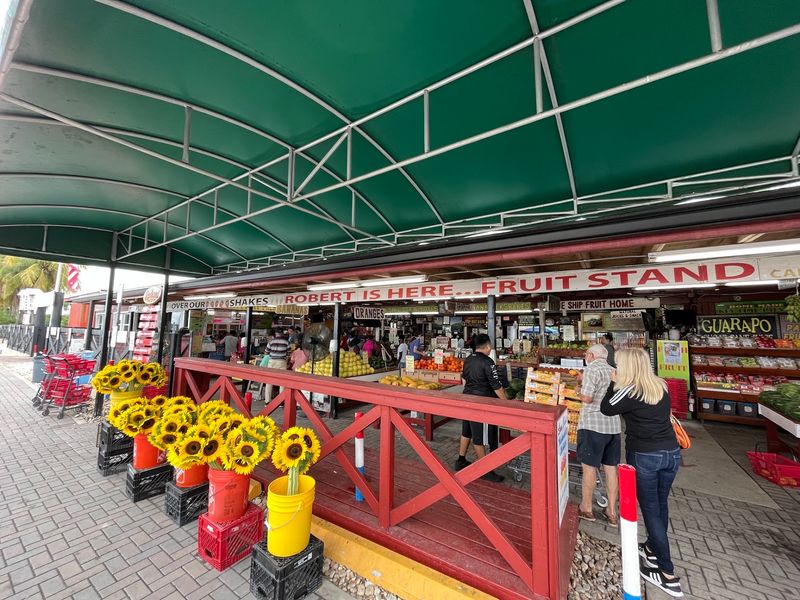
Back in 1959, a little boy named Robert Moehling stood by the road selling cucumbers from his family’s farm. Sources say he was six or seven years old at the time.
Sales were slow at first. Cars rolled right past a kid and a table of cucumbers, which honestly seems fair from a busy driver’s point of view.
His father had a clever fix. He painted a sign that simply said “Robert Is Here,” so passing drivers knew someone was actually manning the stand.
That plain sign did the trick. Customers started stopping, and the name stuck for good.
Decades later, the business remains under its original ownership. Robert and his family still work at the stand, and visitors sometimes get the chance to meet him in person.
He’s known for being low-key about it. You might be chatting with the founder while picking out mangoes and never realize it.
I love that the name still works the same way it did on day one. It’s friendly, direct, and a little funny.
It also proves that great marketing doesn’t always need a big budget, just a good paintbrush and a proud dad.
The Key Lime Shake Tastes Like Pie Through A Straw
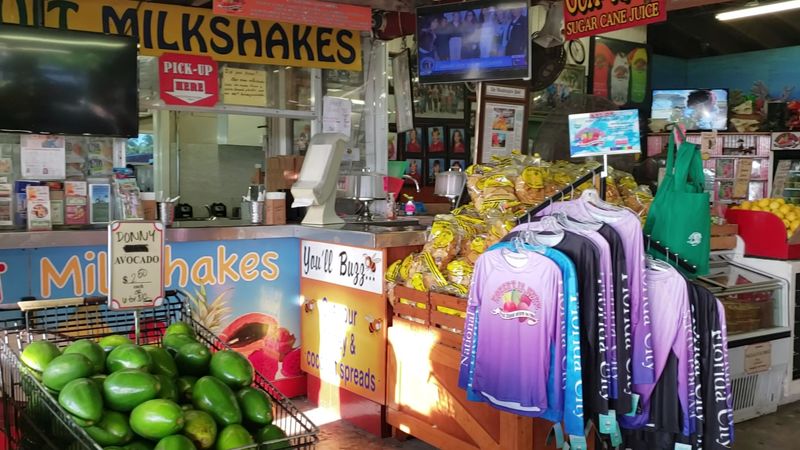
Tart, sweet, and creamy all at once. That’s how the key lime milkshake at Robert Is Here usually gets described, and it sounds like key lime pie without the fork.
Key lime belongs on this menu for obvious reasons. It’s one of Florida’s most famous flavors, and the shake turns it into something you can sip while walking around.
The shakes here are made with real fruit cut fresh every day. Much of it comes from the family’s own farm, with no artificial colors or preservatives.
Prefer to skip dairy? Ask for a smoothie instead, since those are blended with ice rather than milk.
You can also choose how it gets sweetened. Sugar, Splenda, and honey are all options, with honey costing a little extra.
Here’s a fun move for the indecisive. Customers can combine up to three flavors in one shake, so key lime can team up with mango, coconut, or strawberry.
A key lime and coconut combo sounds like a beach vacation in a cup. Then again, I believe the plain key lime deserves at least one solo run first, just to honor its reputation properly.
Mamey Brings A Flavor Most Visitors Can’t Quite Name
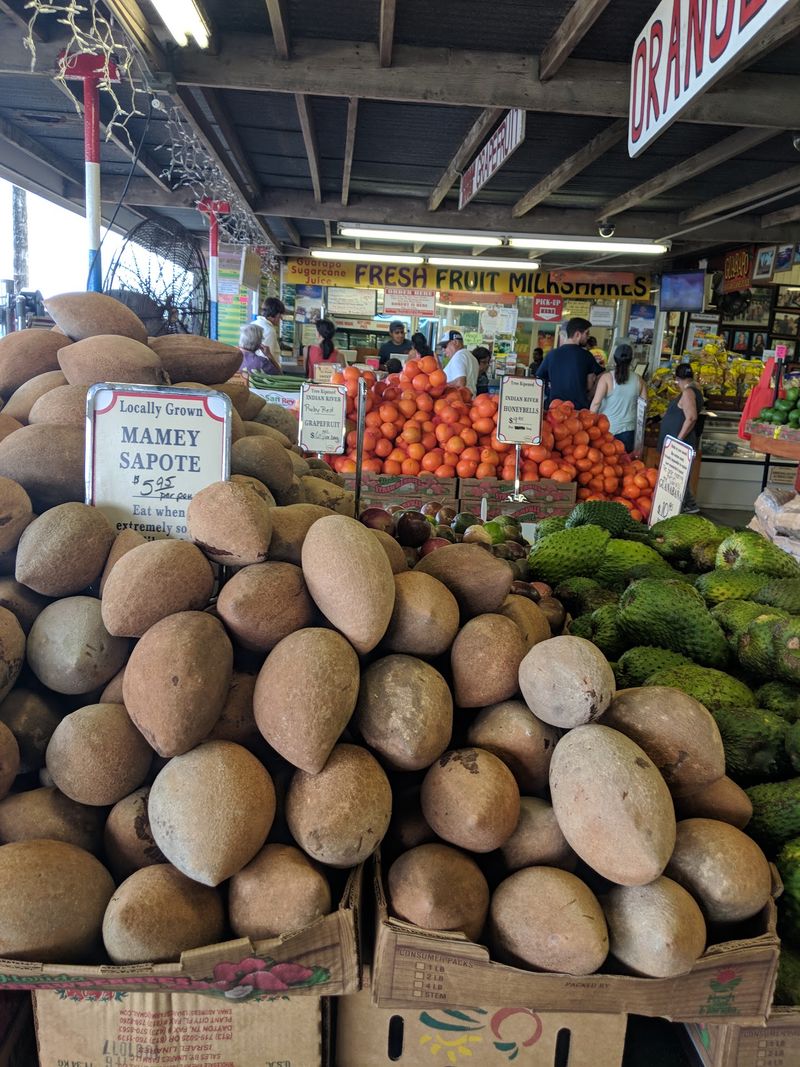
Sweet potato, pumpkin, honey, maybe a little banana and peach? People struggle to pin down mamey, and that mystery is half the fun.
Mamey is a tropical fruit with salmon-colored flesh, and it makes one of the richest shakes on the menu. The texture is known for being especially thick.
Many visitors from colder states have never tasted it before. Ordering one feels like a small adventure without leaving the parking lot.
The menu goes deep on tropical choices. Guanabana, also called soursop, shows up alongside sapodilla, black sapote, canistel, dragon fruit, papaya, tamarind, and guava.
Familiar flavors are there too. Strawberry, banana, pineapple, blueberry, cherry, cantaloupe, chocolate, coffee, and Oreo give cautious sippers an easy way in.
Keep an eye on the specials board as well. Combos like banana with sapodilla or strawberry with canistel can show up there.
My strategy would be simple. Bring a friend, order two different shakes, and swap halfway through.
You get double the flavors and only half the decision anxiety. Groups often order a variety and pass cups around, which seems like the smartest approach at a counter this big.
Fruit You May Need Help Pronouncing
Jackfruit the size of a small toddler isn’t something you see at most grocery stores. Here, it’s just part of the lineup.
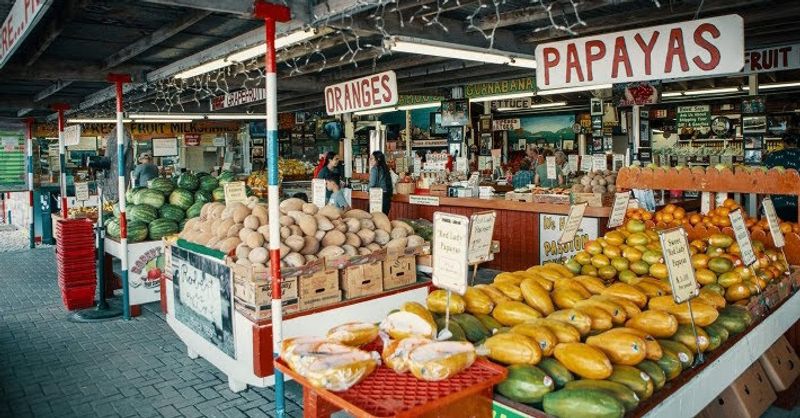
The produce selection at Robert Is Here runs from everyday vegetables to tropical oddities. Lychee, longan, star fruit, sugar apple, atemoya, monstera, avocado, and kumquat can all appear depending on the season.
Florida sweet onions sit in the mix too. So do mangoes, which become a huge draw during South Florida’s summer mango season.
Not sure what something tastes like? Samples are often set out, so you can try before committing.
Staff members are also known for helping shoppers pick ripe fruit. Some will even cut fruit for you, which makes eating it at a picnic table outside very easy.
That service matters with unfamiliar produce. Nobody wants to haul home a mystery fruit and then stare at it on the counter for a week.
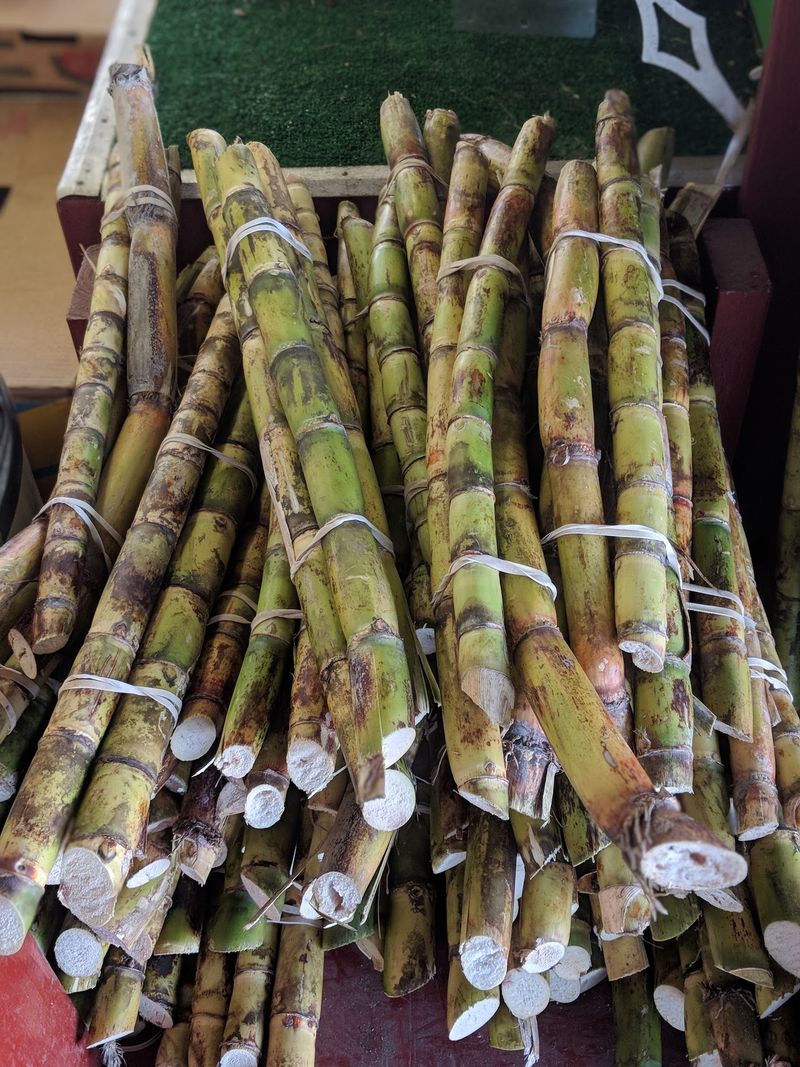
Fresh sugarcane juice, called guarapo, is another treat worth knowing about. You can order it with or without ice.
It’s a sweet, simple drink with deep roots in South Florida, and it pairs nicely with a slow lap through the fruit bins.
Shelves Stacked With Jams, Honey, And Oddly Named Spreads
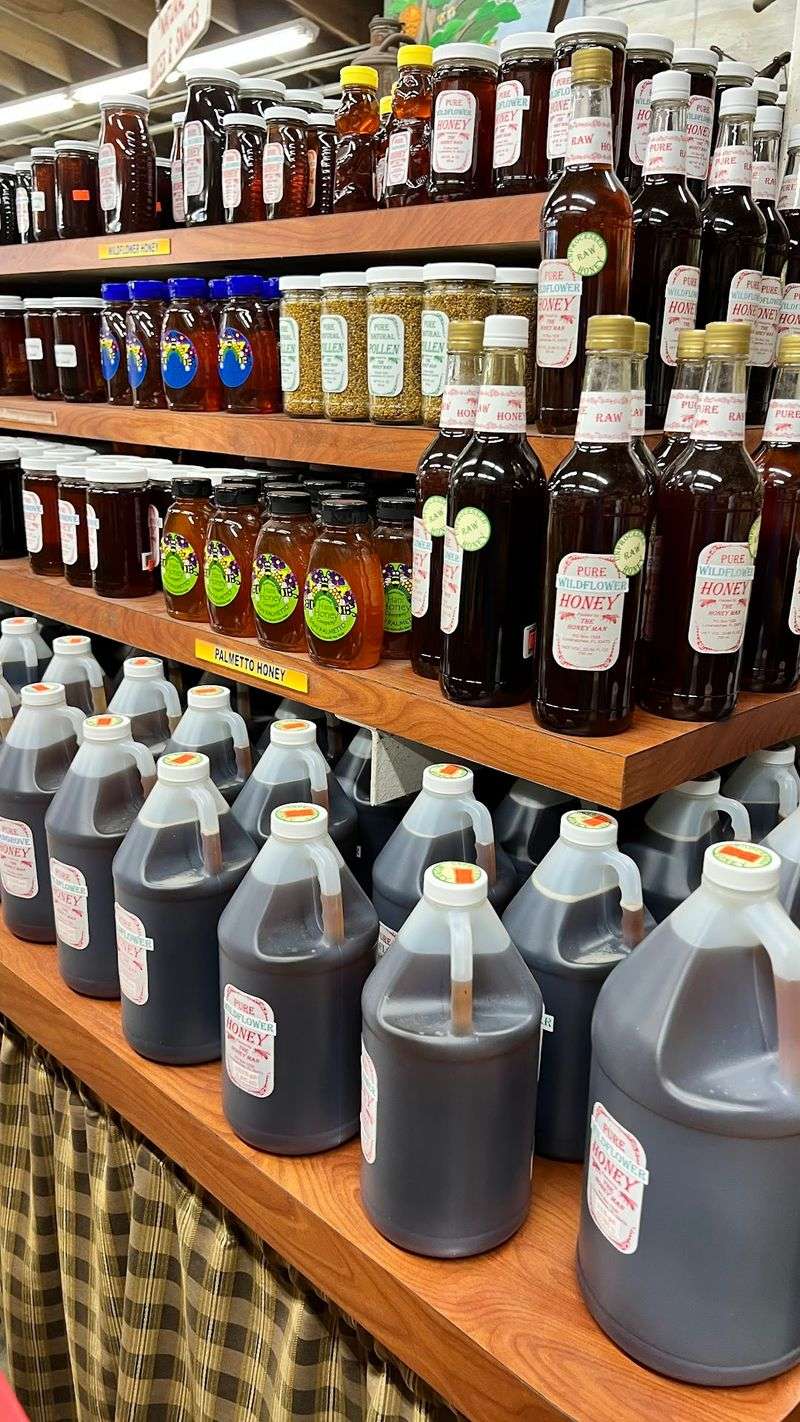
Traffic Jam, TOE Jam, and Monkey Butter. Those names alone make the shelves worth a slow browse.
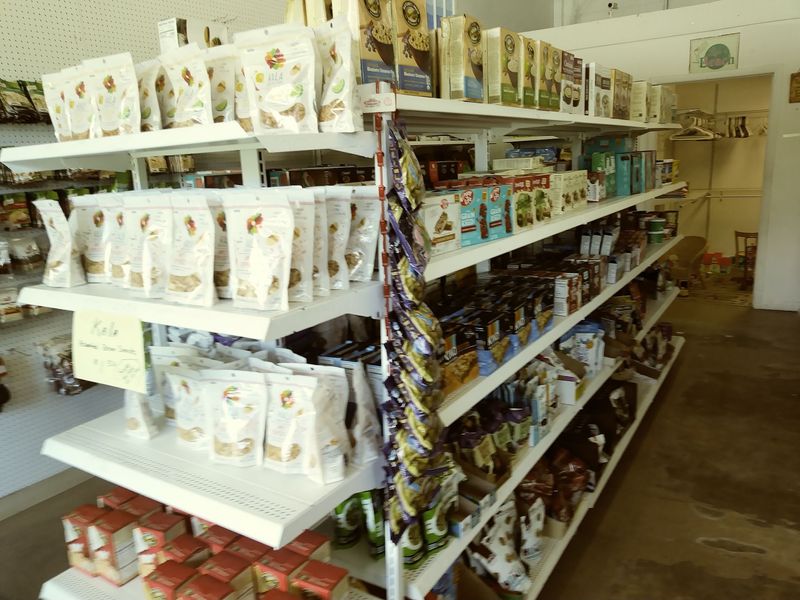
Beyond the fruit bins, Robert Is Here stocks local honey, preserves, jams, jellies, and plenty of sauces. Dressings, spices, pickled goods, and kitchen staples fill out the space.
It’s easy to lose track of time here. One minute you’re grabbing honey, and the next you’re reading every label on a vinaigrette shelf.
Local honey is a popular pickup. Some travelers have actually found the stand while specifically hunting for it.
The variety makes this a smart stop for souvenirs. A jar of Florida honey or a quirky jam travels much better than a ripe mango in a hot car.
Snacks sneak in too. Plantain chips, cookies, and hot boiled peanuts can turn a quick shopping trip into a full road-trip haul.
Orchids and flowers add even more color around the market. They brighten the place up, even if you only came for a shake.
Here’s a tip for planning. Leave some extra room in your trunk and your schedule, because these shelves reward the curious shopper who isn’t in a rush.
Emus, Goats, And Tortoises Are Waiting Out Back
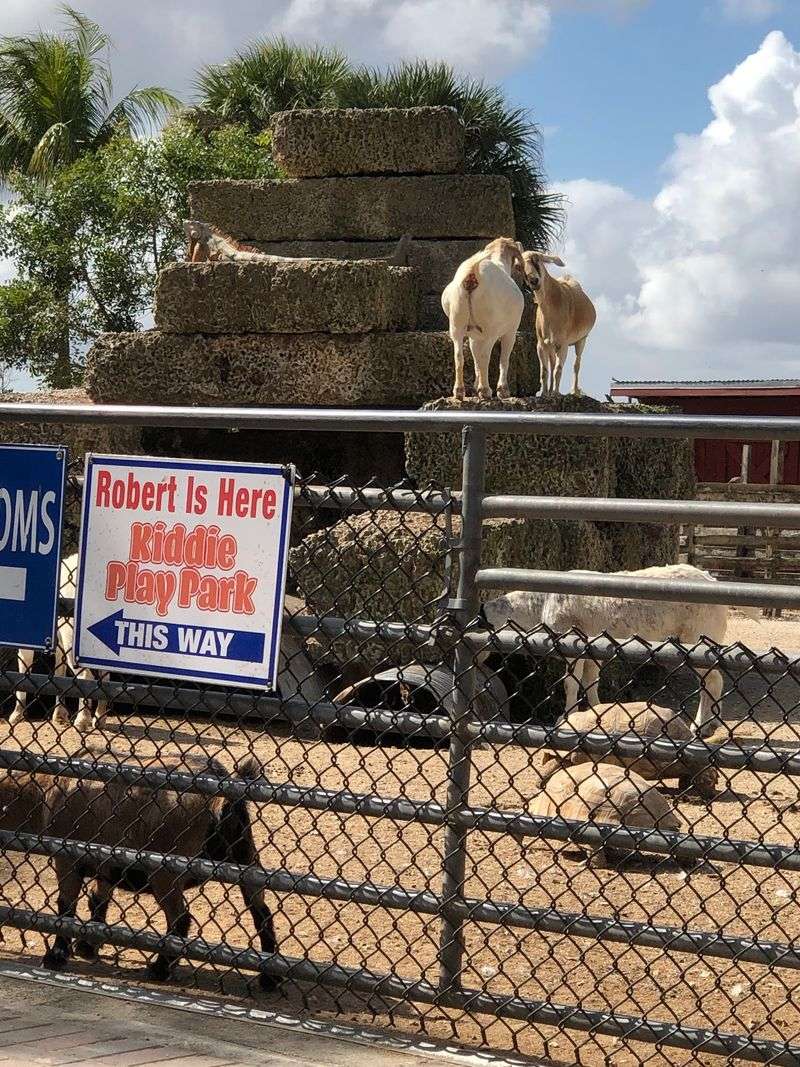
Who expects to meet an emu while finishing a milkshake? At this stand, it comes with the territory.
Walk through to the back of Robert Is Here and you’ll find a small animal farm. Peacocks, emus, donkeys, goats, parrots, chickens, geese, and tortoises all live there.
Sulcata tortoises, cows, and iguanas have also been spotted in the fenced areas. An aviary holds a lively collection of birds.
Kids can often feed the animals using food provided on site. It’s a hands-on bonus that turns a grocery stop into a field trip.
Honeybees are part of the farm too. That’s a nice connection to all those honey jars inside.
The animal area works well as a stroll while your shake slowly disappears. Sip, watch the goats, repeat.
Handcrafted art and sculptures decorate the grounds as well. They give the backyard a quirky, homemade personality that matches the whole stand.
I can’t imagine a better way to stretch your legs after a long Florida drive. The Everglades can be hot and tiring, so a shady wander among chickens and tortoises feels like a well-earned reset before getting back on the road.
Picnic Tables, Live Music, And Room For Little Ones To Roam
Weekends bring an extra soundtrack. Live music is often featured, adding a relaxed vibe to the outdoor spaces.
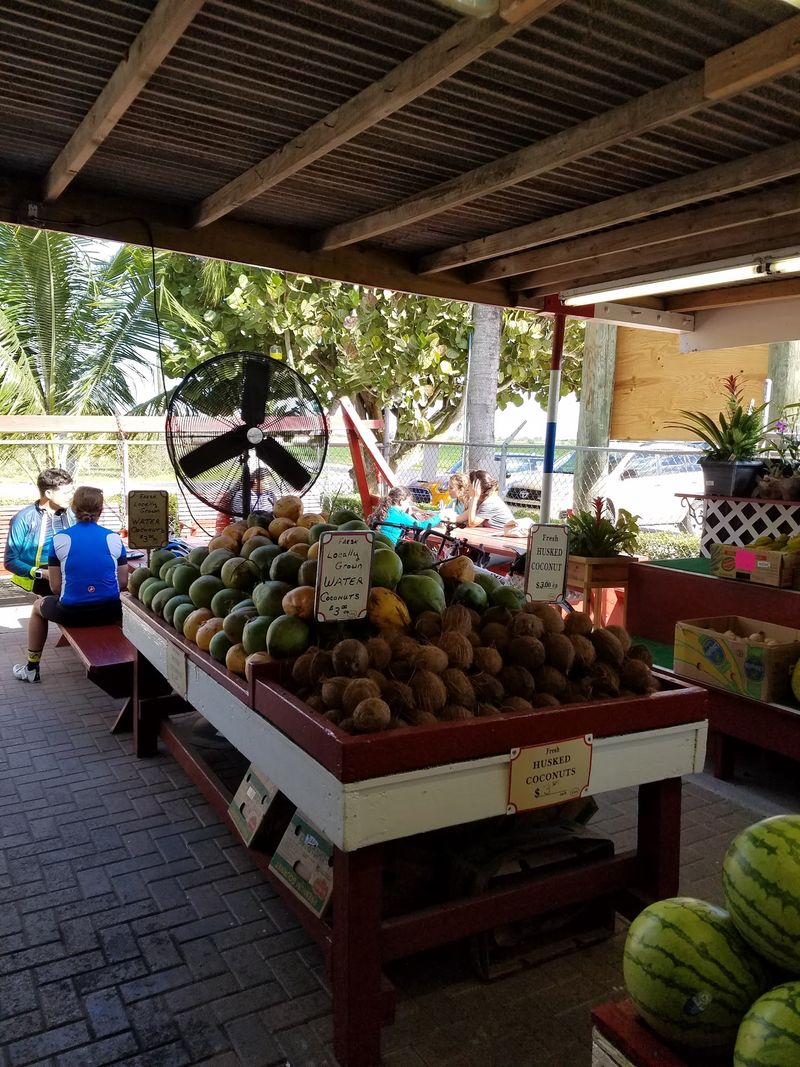
Picnic tables are scattered outside, which makes them perfect for eating freshly cut fruit or sipping that shake. It’s a casual setup where nobody rushes you along.
Families get plenty to work with here. A playground sits on the property, and little bikes and trikes have been available for small kids to ride.
Food trucks often park on site too. Tacos and Cuban sandwiches show up in the conversation, making it easy to turn a snack stop into lunch.
The whole place has a friendly, old Florida feel. It’s casual, colorful, and a little bit unpredictable in the best way.
Who does it suit? Road-trippers, families with restless kids, fruit lovers, and anyone who enjoys a place with personality.
Even dogs seem to enjoy the outdoor area, based on visitors bringing their pets along. Check current pet rules before bringing yours, though.
Plan to linger a bit. Between the music, the animals, and the snacks, a fifteen-minute stop can easily stretch into an hour without anyone complaining.
Timing Your Visit So The Shake Line Stays Friendly
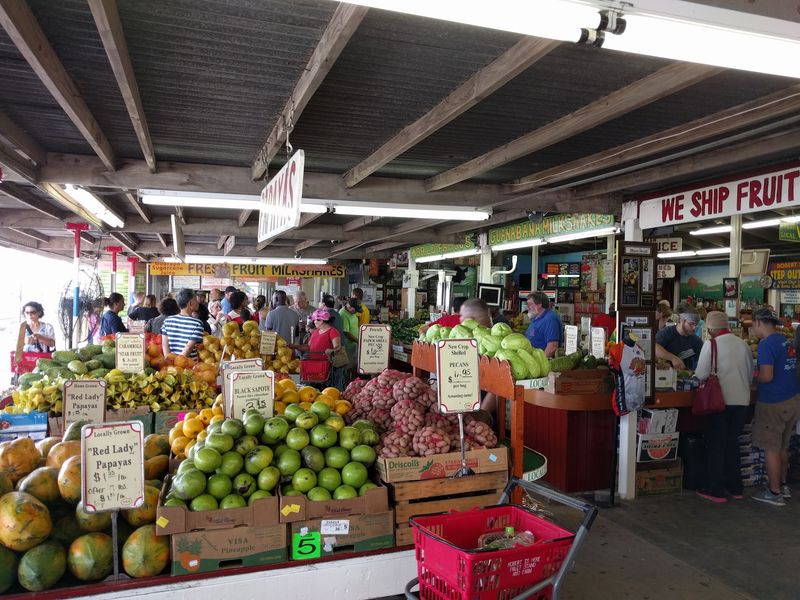
Weekend afternoons can get busy. The main parking lot sometimes fills, and cars get directed to overflow parking.
Weekday mornings tend to be calmer. If you want a relaxed browse and shorter lines, that’s your window.
Good news for the impatient crowd. Even when the shake line looks long, the staff is known for moving it along quickly.
The stand is generally open daily, with longer hours on weekends. It closes on Thanksgiving and Christmas Day.
There’s one seasonal quirk worth remembering. The stand may close for a few weeks in early fall after mango season, so check before driving out.
That early fall window also falls in Florida’s hurricane season. Afternoon thunderstorms are common in summer too, so a quick weather check makes sense.
Winter brings cooler drives and pleasant outdoor time with the animals. Summer brings heat, but it also brings piles of fresh mangoes.
Prices are reasonable for what you get, though exotic fruit can cost more than grocery store basics. Bring a little extra for honey, jams, and that second shake you’ll probably talk yourself into.
Worth Every Mile Of The Drive South
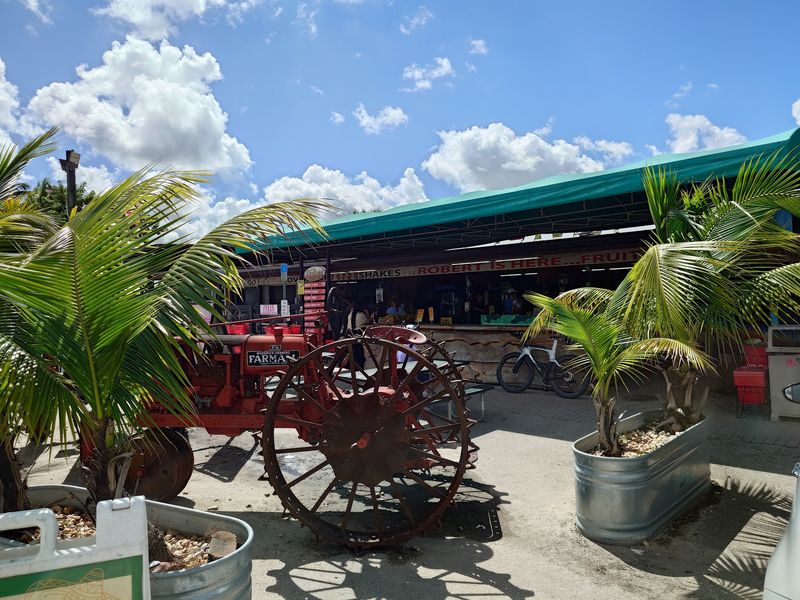
Few road-trip stops manage to be a market, a shake shop, a farmyard, and a history lesson. Robert Is Here pulls off all four without trying too hard.
Homestead sits roughly an hour south of downtown Miami, depending on traffic. From the Florida Turnpike or US-1, the detour is short and easy.
Pair your visit with Everglades National Park, just down the road. A morning on the trails followed by a mamey shake sounds like a very good day.
Heading to the Keys? Make this your last mainland stop before the islands, then grab more honey on the way home.
The stand also offers a peek at South Florida’s farming roots. Homestead is changing quickly, and a family-run market from 1959 feels special in that setting.
My honest take is simple. Come for the key lime shake, stay for the emus, and leave with a fruit you can’t pronounce yet.
Then, maybe, plan the next trip around mango season. Robert Is Here has been saying hello to drivers for more than six decades, and it still gives you plenty of reasons to pull over.