From The Valley To The South Bay: Inside Greater Los Angeles, California’s New Million-Dollar Neighborhoods

For decades, million-dollar homes in Southern California felt confined to a familiar handful of zip codes. That boundary has quietly disappeared.
In recent years, a growing number of everyday neighborhoods have crossed into seven-figure territory, reshaping expectations of where luxury begins and ends.
What was once considered attainable housing has rapidly become part of an exclusive market, changing the character of entire communities along the way.
Across Los Angeles, California, this shift extends far beyond celebrity enclaves and coastal hillsides.
From the San Fernando Valley to the South Bay, longtime residential neighborhoods are seeing home values surge, drawing new buyers while challenging those who built their lives there decades ago.
These changes ripple through schools, local businesses, and community identity, making the impact far more complex than rising price tags alone.
Tracing the rise of these new million-dollar neighborhoods reveals how demand, limited inventory, and shifting lifestyles continue to reshape greater Los Angeles.
Together, these areas tell a larger story about growth, pressure, and transformation, offering a clearer picture of where the city’s housing market is headed next.
Adams Hill (Glendale)

Nestled near Glassell Park and Atwater Village, Adams Hill has quietly climbed into million-dollar territory with a median home value reaching $1.12 million in 2025, up from $983,515 in 2021.
The neighborhood showcases charming 1920s bungalows alongside elegant Spanish Colonial-style homes that define its architectural character.
Tree-lined streets wind through hillside terrain, creating a sense of privacy and elevation that many buyers find appealing.
Properties with panoramic views often command prices well above the neighborhood median, sometimes exceeding $1.2 million depending on size and condition.
The area maintains a residential calm while remaining conveniently close to the dining and shopping districts of neighboring communities. Buyers appreciate the blend of historic charm and accessible location.
Home sizes vary considerably, with smaller bungalows offering cozy layouts and larger Spanish-style properties providing multiple bedrooms and outdoor spaces.
The architectural consistency throughout Adams Hill creates visual harmony that adds to the neighborhood’s desirability. Rising values reflect broader appreciation trends across Glendale’s hillside communities.
Chatsworth
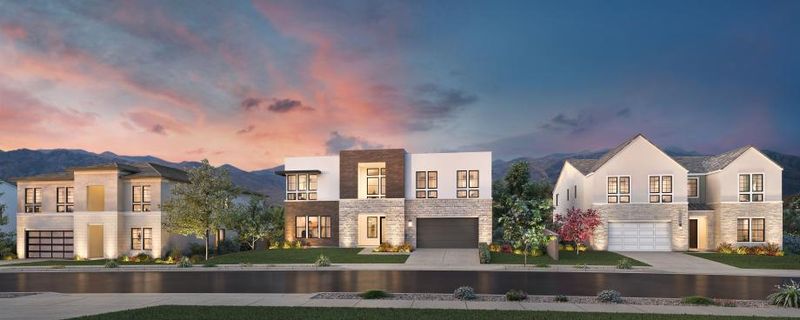
Chatsworth carries a unique legacy as a former backdrop for countless western films and television shows, though today it functions primarily as a suburban residential area.
The neighborhood’s median home value rose from $925,501 in 2021 to $1.02 million by 2025, marking its entry into the million-dollar club.
Tract houses built during the 1950s through 1970s dominate the housing stock, offering single-story and two-story layouts.
Many properties sit on larger lots compared to newer developments, providing yard space that families and pet owners value.
The neighborhood stretches across the northwestern corner of the San Fernando Valley, bordered by rocky hills and open spaces that create a sense of separation from denser urban areas.
Buyers often cite the suburban feel and relative quiet as primary attractions.
Housing styles range from mid-century ranch homes to updated properties with modern finishes, though original architectural details remain visible throughout many blocks.
Proximity to parks and hiking trails adds recreational appeal. The steady appreciation in home values reflects growing demand for Valley locations that offer space and accessibility.
El Dorado South / El Dorado Park / Los Altos (Long Beach)
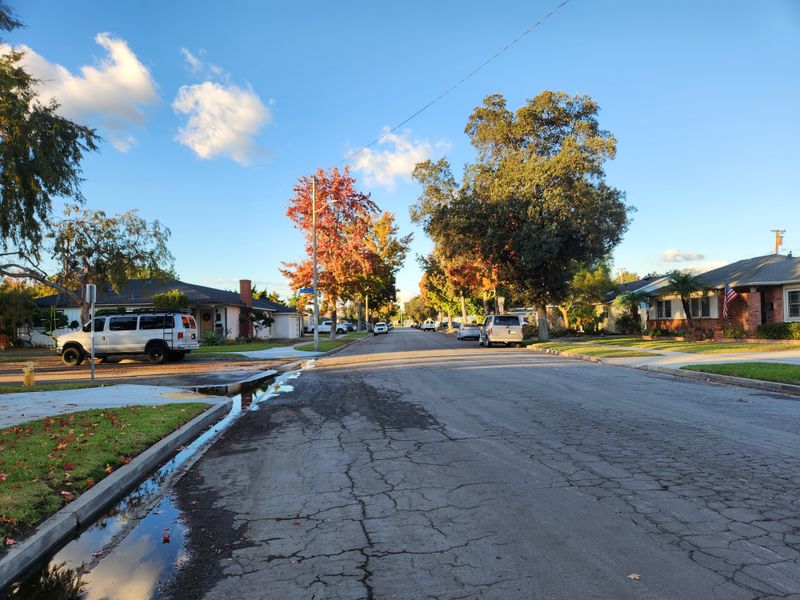
Three interconnected neighborhoods in east Long Beach – El Dorado South, El Dorado Park, and Los Altos – have collectively crossed the million-dollar threshold with median values reaching $1.04 million in 2025, up from $906,912 in 2021.
Classic California ranch-style homes define the architectural character, featuring low-slung rooflines, attached garages, and landscaped front yards.
The neighborhoods surround El Dorado Regional Park, providing easy access to green space and recreational facilities.
Most homes were built during the post-war housing boom and typically include three to four bedrooms with single-story floor plans.
Properties generally sell within a range of $800,000 to $1.2 million depending on size, updates, and lot characteristics.
Tree-canopied streets create a suburban atmosphere despite the proximity to Long Beach’s urban core.
Buyers appreciate the established neighborhood feel, mature landscaping, and relative quiet compared to areas closer to the coast.
Schools and shopping centers sit within reasonable driving distance, making daily logistics manageable. The steady rise in home values mirrors broader trends across Long Beach’s inland neighborhoods.
Granada Hills
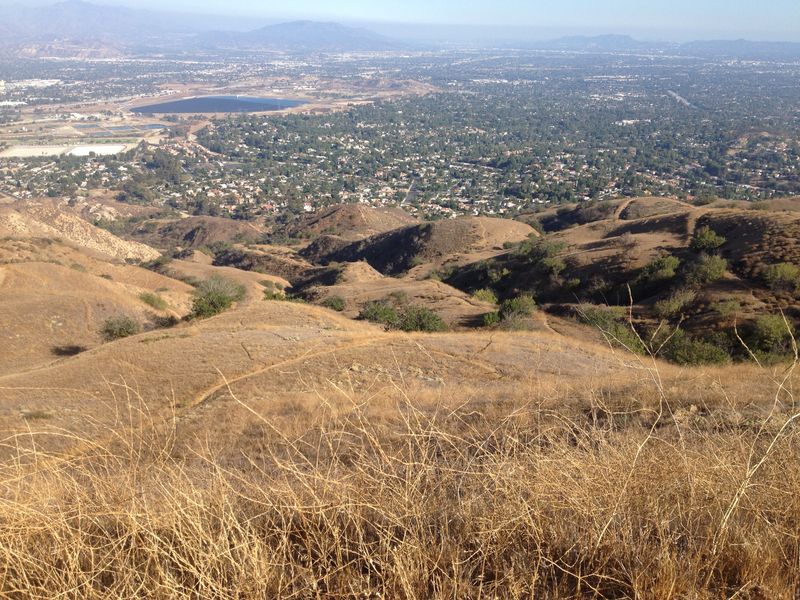
Granada Hills has long served as a suburban anchor in the northern San Fernando Valley, and its housing market reflects this stability with median values climbing from $894,428 in 2021 to $1.02 million by 2025.
The neighborhood offers a diverse mix of housing stock, from modest three-bedroom homes to spacious four- and five-bedroom properties that appeal to larger families. Streets are laid out in a grid pattern with wide sidewalks and mature trees.
Luxury properties in areas like the historic Balboa Highlands tract command significantly higher prices, sometimes reaching $1.7 million or more depending on size and condition.
These homes often feature custom architectural details and larger lots compared to standard tract developments.
The neighborhood maintains a family-oriented atmosphere with parks, schools, and shopping centers distributed throughout.
Residents enjoy access to recreational facilities and proximity to hiking trails in the surrounding foothills.
Housing styles span several decades, with mid-century ranch homes sitting alongside more recent construction.
The appreciation in home values reflects sustained demand for Valley neighborhoods that balance suburban comfort with reasonable commute access.
Historic Quarter (Agoura Hills)
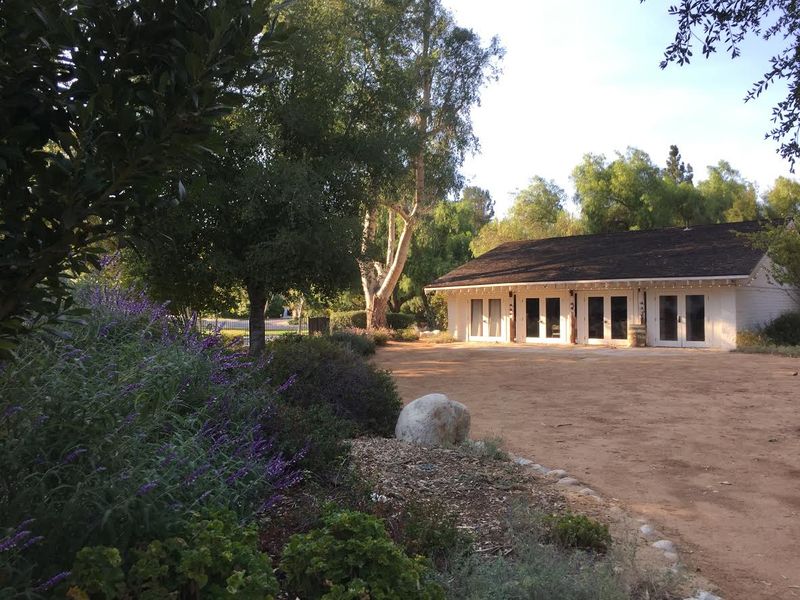
Agoura Hills sits at the western edge of Los Angeles County, and its Historic Quarter neighborhood has seen home values rise from $974,384 in 2021 to $1.1 million in 2025.
The area features sizable homes built primarily during the 1980s, with many properties offering four or more bedrooms and multi-car garages.
Lot sizes tend to be generous compared to newer developments, providing yard space and a sense of openness.
Properties in the Historic Quarter typically range from $1 million to $2 million depending on square footage, condition, and specific location within the neighborhood.
The architectural style reflects the era of construction, with stucco exteriors, tile roofs, and layouts designed for family living. Proximity to open space and hiking trails adds recreational appeal.
The neighborhood benefits from Agoura Hills’ overall reputation for good schools and low crime rates, factors that influence buyer decisions.
Commute times to employment centers vary depending on direction and traffic patterns.
The steady appreciation in home values aligns with broader trends across western Los Angeles County communities that offer suburban characteristics and natural surroundings.
Mid-Central (Pasadena)
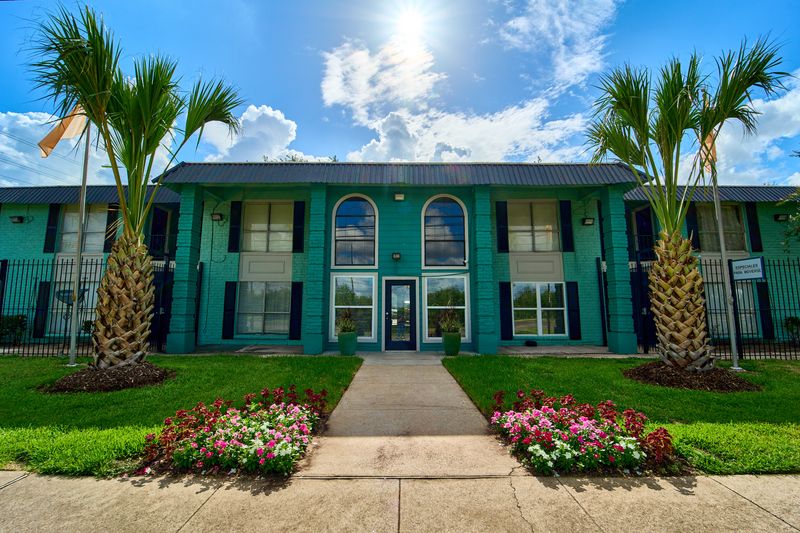
Mid-Central Pasadena has experienced notable appreciation, with median home values climbing from $993,704 in 2021 to $1.11 million by 2025.
The neighborhood showcases a diverse architectural mix, from compact bungalows starting around $700,000 to well-preserved Craftsman and Tudor homes that can reach $1.5 million or more.
Tree-shaded streets and sidewalks encourage walking, creating a pedestrian-friendly atmosphere. Smaller bungalows typically offer two to three bedrooms with period details like built-in cabinetry, hardwood floors, and front porches.
Larger Craftsman and Tudor properties may include four or more bedrooms, original woodwork, and mature landscaping that enhances curb appeal.
The neighborhood sits centrally within Pasadena, providing access to dining, shopping, and cultural institutions.
Buyers often cite the architectural character and walkable layout as primary attractions, along with proximity to Old Pasadena and the city’s downtown core.
Home conditions vary, with some properties fully updated and others retaining original features that appeal to preservation-minded buyers.
The steady rise in values reflects sustained demand for Pasadena’s established neighborhoods that balance historic charm with urban convenience.
Montrose-Verdugo City (Glendale)
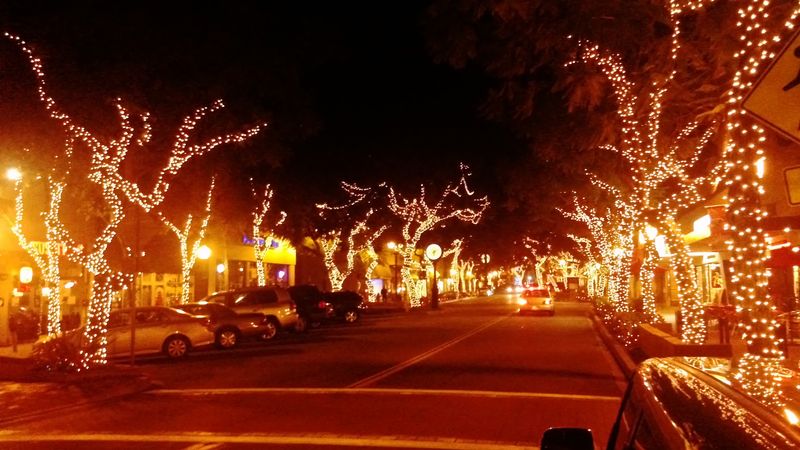
Montrose-Verdugo City offers a small-town atmosphere within the larger framework of Glendale, and its housing market has crossed into million-dollar territory with median values reaching $1.09 million in 2025, up from $990,002 in 2021.
The neighborhood features a mix of architectural styles, including bungalows, ranch homes, and Spanish-style properties that line quiet residential streets.
A walkable commercial district along Honolulu Avenue provides local shopping and dining options.
Most homes in the area now sell for $1.1 million or more, reflecting steady appreciation driven by the neighborhood’s desirable characteristics and convenient location.
Properties typically include three to four bedrooms with single-car or two-car garages, and many retain original architectural details that add character.
The neighborhood’s elevation provides cooler temperatures compared to lower-lying areas. Residents appreciate the sense of community fostered by local events and the pedestrian-friendly layout of the commercial corridor.
Schools and parks sit within walking or short driving distance, making daily routines manageable for families.
The rise in home values mirrors broader trends across Glendale’s foothill neighborhoods that combine residential charm with urban accessibility.
Northeast Torrance / Old Torrance
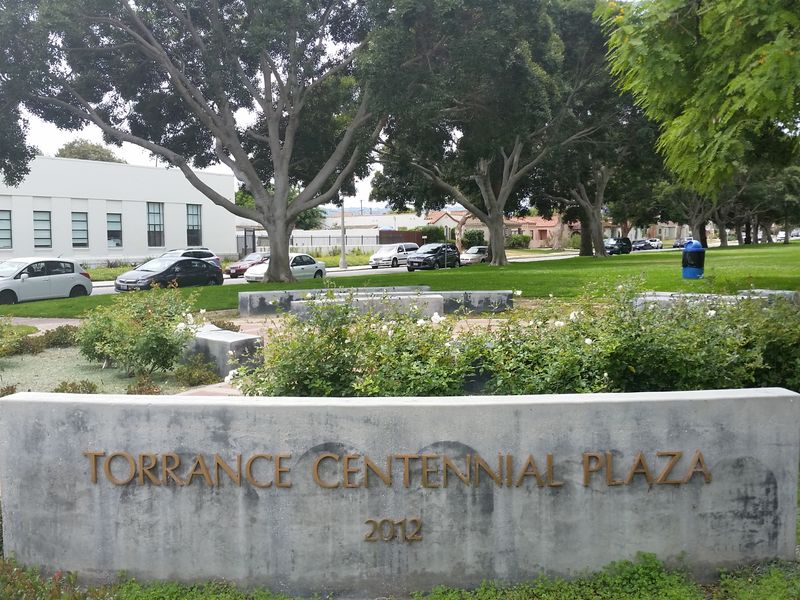
Northeast Torrance and Old Torrance have joined the million-dollar club with median home values climbing from $906,287 in 2021 to $1.01 million by 2025.
Old Torrance retains some of the city’s earliest residential development, with Craftsman-style homes and vintage bungalows that appeal to preservation-minded buyers.
Northeast Torrance features a broader mix of housing types, including mid-century ranch homes and more recent construction.
Properties range widely in price, from smaller fixer projects starting around $600,000 to larger remodeled homes or well-maintained Craftsman properties that can reach $1.7 million.
The neighborhoods benefit from Torrance’s overall reputation for good schools, low crime rates, and convenient access to employment centers and coastal areas.
Tree-lined streets and established landscaping create a settled residential atmosphere.
Buyers often cite the combination of location, school quality, and architectural variety as key factors in their purchasing decisions. Walkability varies by specific street and proximity to commercial corridors.
The appreciation in home values reflects sustained demand for South Bay neighborhoods that offer suburban characteristics with reasonable commute access to multiple employment hubs.
Northridge
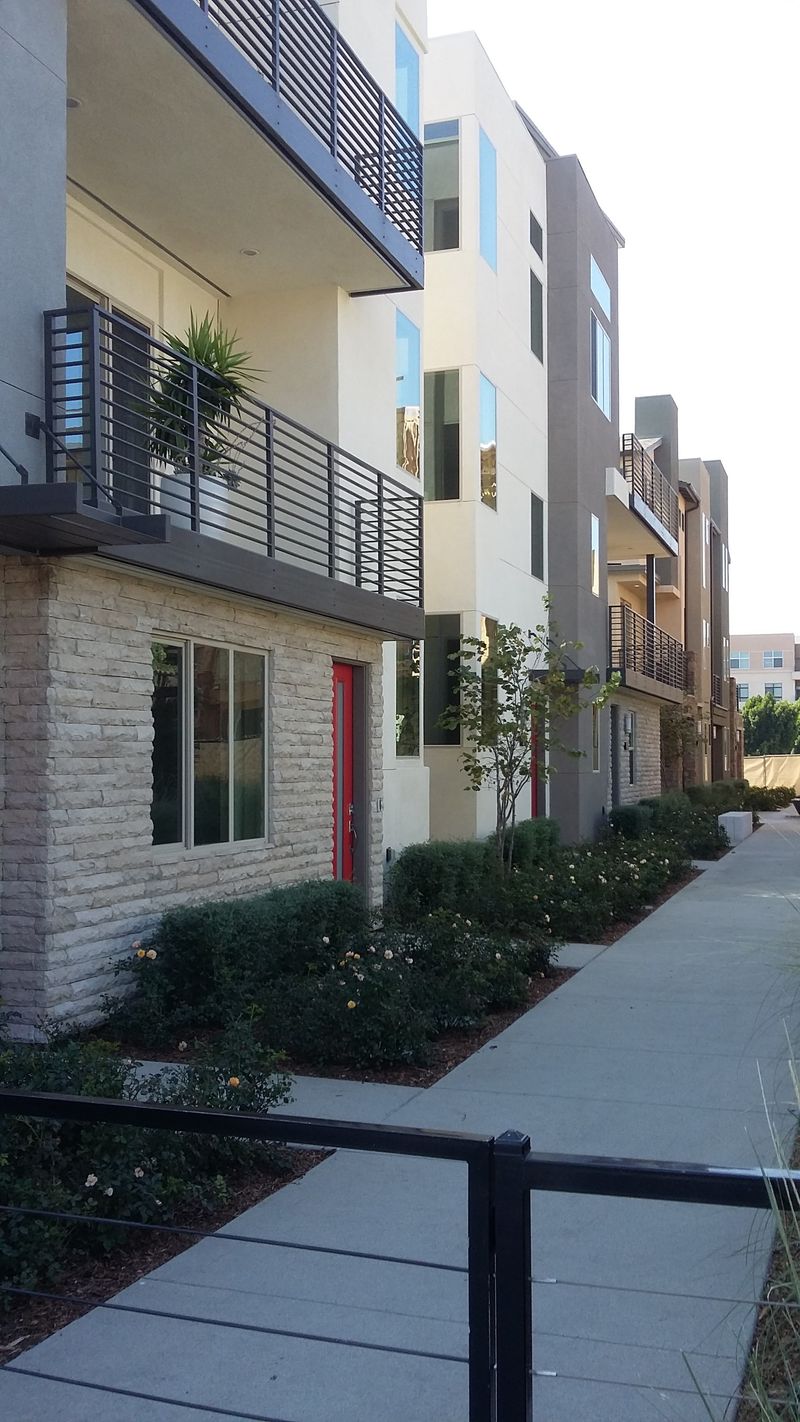
Home to California State University, Northridge, this neighborhood has seen median home values rise from $970,785 in 2021 to $1.1 million in 2025.
The housing stock varies considerably, with larger properties of 4,000 square feet or more commanding at least $1.4 million, while smaller two- and three-bedroom homes typically sell in the $800,000 to $900,000 range.
The university’s presence influences the neighborhood’s character, bringing a mix of student renters, faculty homeowners, and families.
Streets are laid out in a suburban grid pattern with sidewalks and mature street trees providing shade during warmer months.
Properties built during different decades create architectural variety, from mid-century ranch homes to more recent construction with contemporary finishes.
Parks and recreational facilities are distributed throughout the area. Buyers appreciate the combination of housing options, proximity to the university, and access to shopping centers and dining along major corridors.
Commute times to employment centers vary depending on direction and traffic conditions.
The steady appreciation in home values reflects broader demand for San Fernando Valley neighborhoods that offer suburban amenities and relative affordability compared to areas closer to the coast.
Riverside Rancho (Glendale)
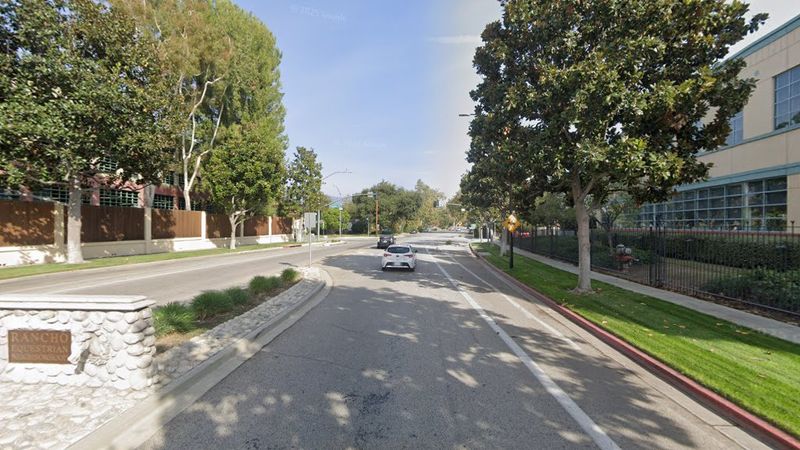
Riverside Rancho stands out as an equestrian haven nestled next to Griffith Park, with median home values climbing from $951,705 in 2021 to $1.08 million by 2025.
The neighborhood’s defining characteristic is its network of horse trails and equestrian-friendly infrastructure, including properties with stables, barns, and riding arenas.
Residents can ride directly onto trails that connect to Griffith Park’s extensive trail system.
Equestrian properties complete with horse facilities often fetch $2 million or more depending on lot size, home square footage, and the extent of horse-related improvements.
Non-equestrian homes in the area also command premium prices due to the neighborhood’s unique character and proximity to open space. The setting offers a rural atmosphere despite being located within an urban area.
Buyers drawn to Riverside Rancho typically prioritize outdoor recreation, privacy, and the opportunity to keep horses on their property.
The neighborhood maintains a tight-knit community feel among residents who share an interest in equestrian activities.
Rising home values reflect the scarcity of urban equestrian communities and sustained demand from horse enthusiasts seeking proximity to extensive riding trails.
Valley Glen
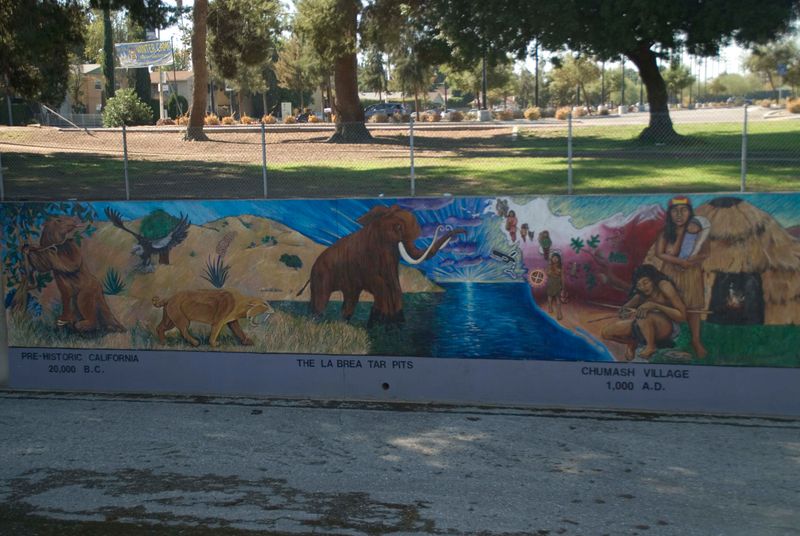
Valley Glen separated from Van Nuys and North Hollywood in 1998 to establish its own neighborhood identity, and its housing market has since outpaced both of those areas with median values reaching $1.03 million in 2025, up from $952,921 in 2021.
The majority of single-family homes now sell for over $1 million, reflecting steady appreciation driven by the neighborhood’s central Valley location and established residential character.
Housing stock includes a mix of mid-century ranch homes and more recent construction. Properties typically feature three to four bedrooms with attached garages and landscaped yards that vary in size depending on lot dimensions.
The neighborhood maintains a suburban atmosphere with tree-lined streets and sidewalks that encourage walking.
Commercial corridors along major streets provide shopping and dining options within short driving distance.
Buyers often cite the combination of location, housing stock, and neighborhood identity as factors in their purchasing decisions.
Schools and parks are distributed throughout the area, making daily logistics manageable for families.
The appreciation in home values reflects broader demand for San Fernando Valley neighborhoods that offer established communities with convenient access to employment centers.
West Hills
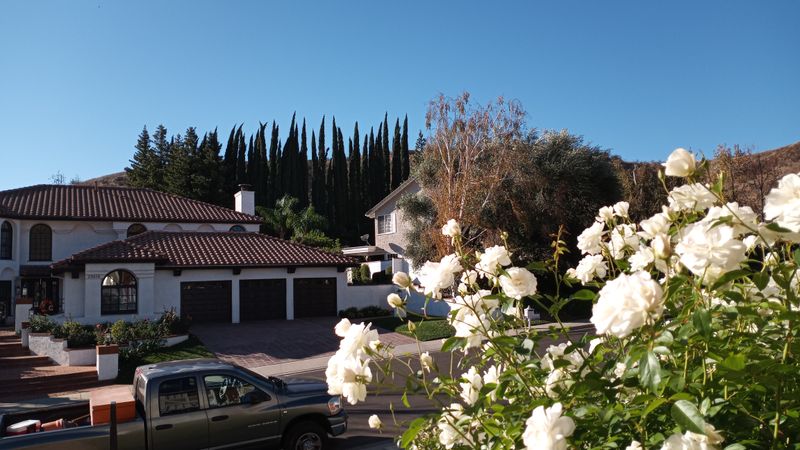
West Hills occupies the western edge of the San Fernando Valley, and its housing market has crossed the million-dollar threshold with median values rising from $951,441 in 2021 to $1.04 million by 2025.
Single-family homes in the neighborhood range from $700,000 to $1.5 million depending on size, condition, and specific location.
The area offers a suburban environment with proximity to natural escapes like the Simi Hills and El Escorpion Peak.
Housing styles vary, with properties built across several decades creating architectural diversity throughout the neighborhood.
Many homes sit on larger lots compared to newer Valley developments, providing yard space that families and outdoor enthusiasts appreciate.
The neighborhood’s western location creates a sense of separation from denser urban areas while maintaining reasonable access to employment centers.
Residents enjoy access to hiking trails and open space that begin at the neighborhood’s edges, offering recreational opportunities without lengthy drives.
Schools, parks, and shopping centers are distributed throughout West Hills, supporting daily routines.
The steady appreciation in home values reflects sustained demand for Valley neighborhoods that combine suburban characteristics with natural surroundings and outdoor recreation access.