Furniture Styles From Decades Ago That Are Seeing A New Life In North Carolina Homes
North Carolina homes are embracing a fascinating blend of old and new as vintage furniture styles make their way back into modern living spaces.
Homeowners across the state are rediscovering the charm, craftsmanship, and unique character that these classic pieces bring to contemporary interiors.
From ornate Victorian highboys to sleek mid-century modern chairs, these furniture styles from decades past are finding fresh appreciation in today’s design landscape.
1. Skirted Sofas and Chairs
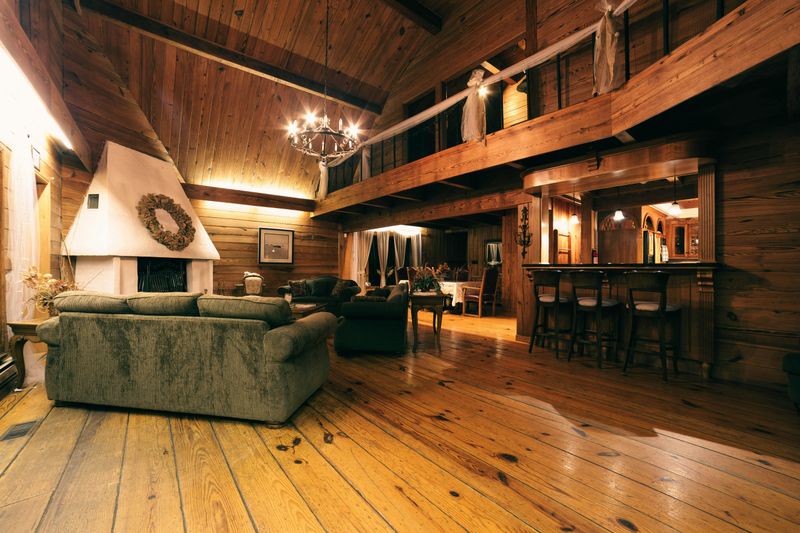
Fabric skirts cascading to the floor have returned to living rooms throughout the state, bringing with them an air of timeless sophistication that pairs surprisingly well with modern design elements.
These traditional pieces feature gathered or pleated fabric that conceals the legs and base, creating a soft, finished look that adds warmth to any space.
Many homeowners appreciate how skirted furniture can hide storage underneath while maintaining an elegant appearance.
The versatility of this style allows it to work in both formal parlors and casual family rooms.
Choosing washable slipcovers makes these pieces practical for households with children or pets.
Local upholsterers can customize skirt styles to match personal preferences, from tailored box pleats to romantic gathered ruffles.
This furniture trend proves that classic doesn’t mean outdated when integrated thoughtfully into contemporary homes.
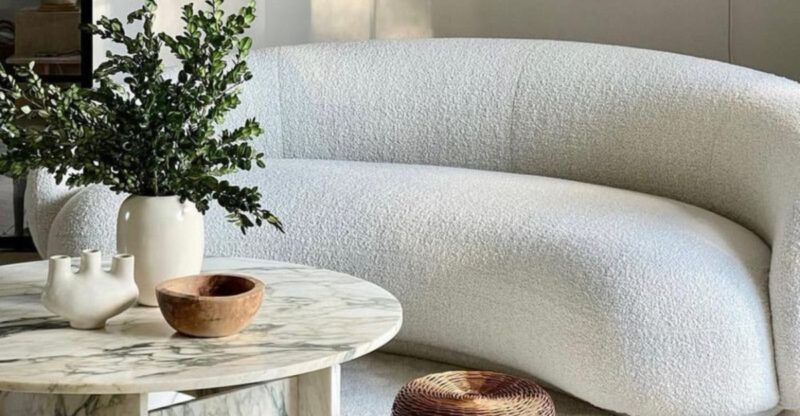
2. Curved Silhouette Seating
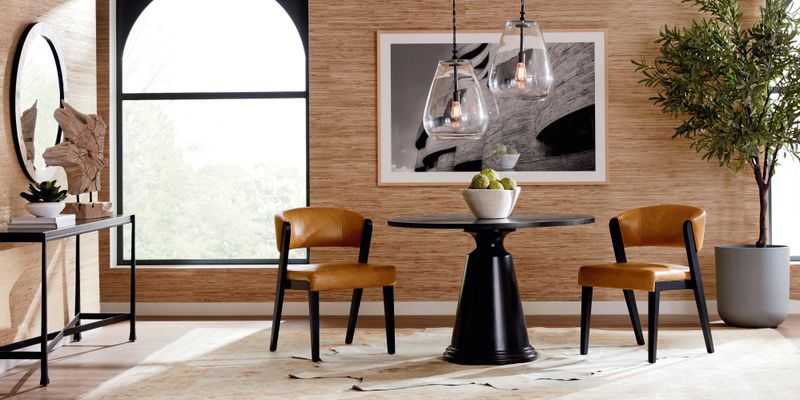
Rounded backs and gracefully scrolled arms define this furniture style that brings English heritage charm into modern North Carolina residences.
The gentle curves create visual softness that balances the straight lines common in contemporary architecture and décor.
These pieces invite relaxation with their ergonomic shapes that naturally support the body.
Scroll-armed chairs work beautifully as accent seating in bedrooms, reading nooks, or conversation areas.
The curved silhouette adds movement and flow to room layouts that might otherwise feel too rigid or boxy.
Upholstery choices range from rich velvets to durable linens, allowing homeowners to adapt the look to their specific style preferences.
Pairing curved furniture with geometric rugs or angular coffee tables creates interesting visual contrast that keeps spaces feeling dynamic and balanced.
3. Vintage Ceramic and Glass Wall Sconces
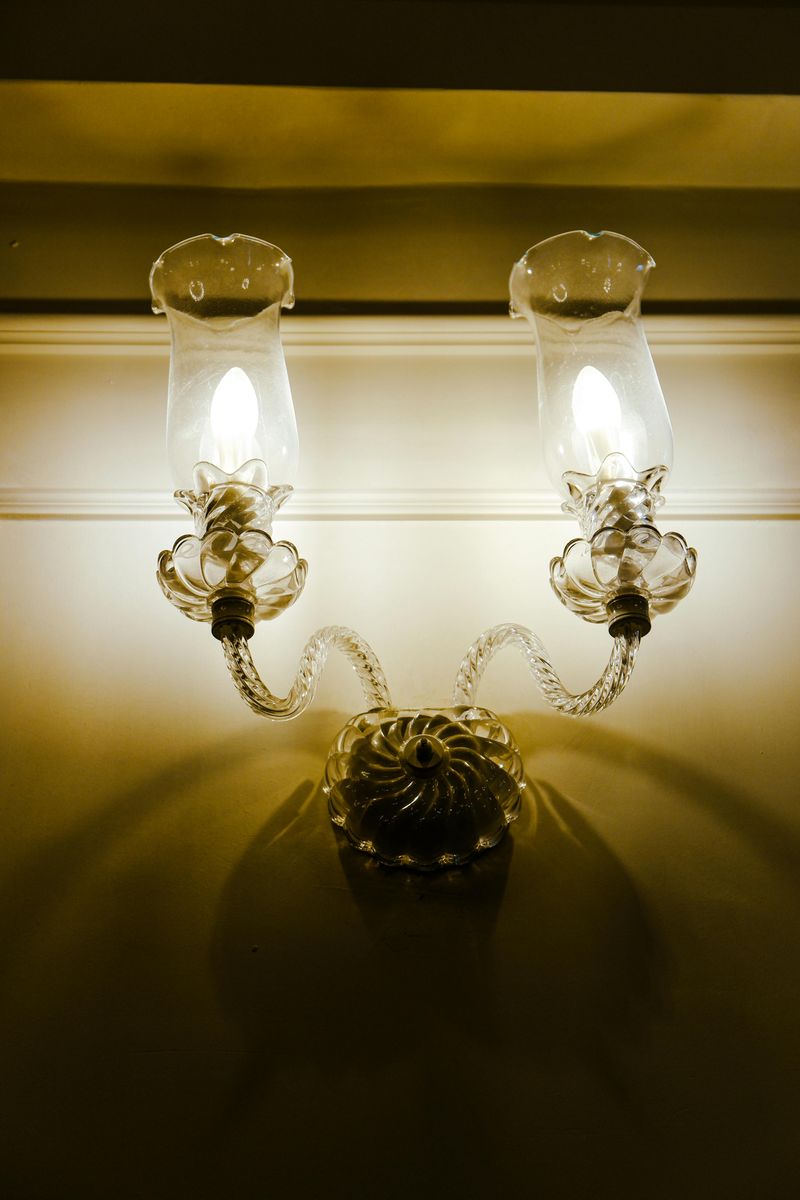
Wall-mounted lighting from past decades adds layers of character that overhead fixtures alone cannot achieve.
Ceramic and glass sconces from the 1940s through 1970s feature unique glazes, shapes, and light diffusion patterns that create ambient warmth throughout rooms.
These fixtures often showcase craftsmanship that mass-produced modern lighting simply cannot replicate.
Installing vintage sconces flanking mirrors, artwork, or doorways adds architectural interest to plain walls.
The soft, diffused light they provide is gentler on the eyes than harsh overhead lighting, making spaces feel more intimate and welcoming.
Many homeowners hunt for matching pairs at antique shops or estate sales, though mixing complementary styles can create an eclectic, collected-over-time look.
Rewiring vintage sconces to meet current electrical codes ensures safety while preserving their historic charm and aesthetic appeal in contemporary North Carolina homes.
4. Arts and Crafts Movement Pieces
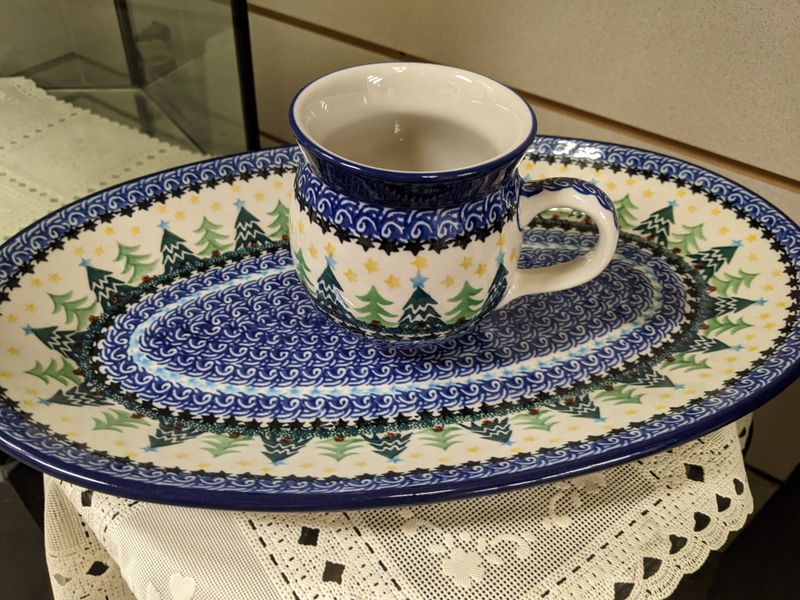
Handcrafted quality and honest construction define furniture from the Arts and Crafts movement that’s finding new appreciation in today’s homes.
These pieces, typically made from oak or other solid hardwoods, feature visible joinery, straight lines, and minimal ornamentation that celebrates the beauty of natural materials.
The movement’s emphasis on craftsmanship over mass production resonates with current values around sustainability and authenticity.
Mission-style chairs, sideboards, and bookcases bring warmth through their rich wood tones and sturdy construction.
The simple designs work surprisingly well with modern minimalist aesthetics while adding organic texture and history.
Many Arts and Crafts pieces were built to last generations, making them practical investments that reduce furniture waste.
Their neutral color palettes and straightforward forms allow them to adapt to changing décor trends without looking out of place in evolving North Carolina interiors.
5. Queen Anne Highboys
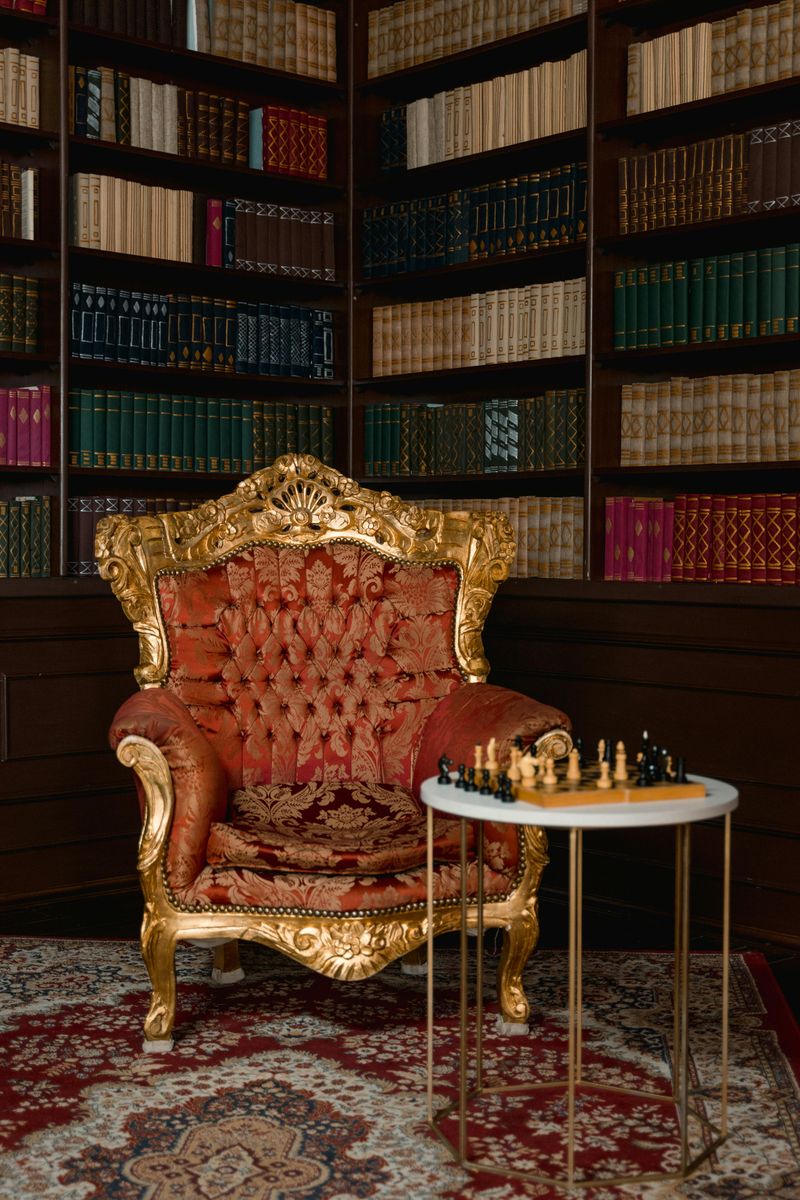
Tall chests with graceful cabriole legs and ornamental hardware have emerged from storage to reclaim their place in modern bedrooms.
Queen Anne highboys feature distinctive curved legs, often ending in pad or ball-and-claw feet, along with decorative brass pulls and elegant proportions.
These statement pieces provide substantial storage while occupying relatively little floor space, making them ideal for homes where square footage is precious.
The vertical emphasis of highboys draws the eye upward, making rooms feel taller and more spacious.
Their ornate details add visual interest that contrasts beautifully with simpler, more contemporary furnishings.
Many homeowners refinish inherited highboys or discover them at estate sales, giving these pieces new life after decades in attics or basements.
Pairing a Queen Anne highboy with modern bedding and minimal accessories creates an interesting dialogue between eras that feels intentional rather than dated.
6. Mid-Century Modern Credenzas
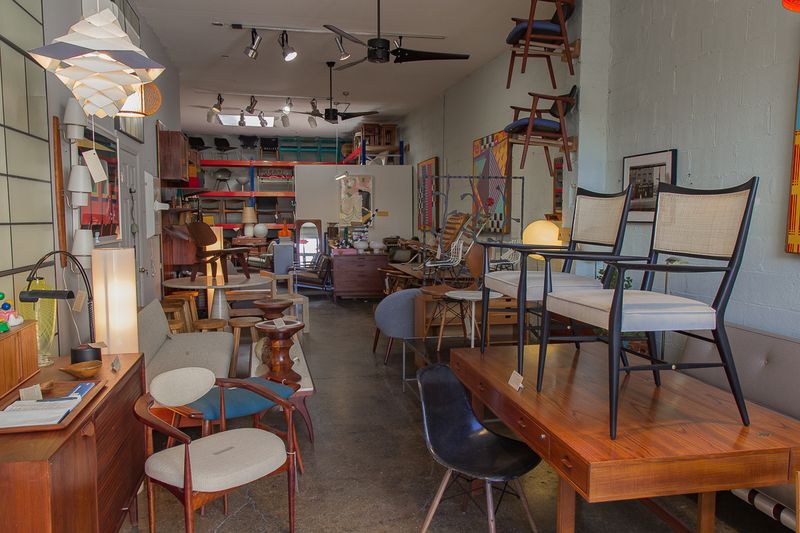
Low-slung storage cabinets from the 1950s and 1960s have become highly sought-after pieces that blend seamlessly into contemporary North Carolina homes.
These credenzas typically feature clean lines, tapered legs, and beautiful wood grain in teak, walnut, or rosewood.
Their horizontal emphasis and modest height make rooms feel more open and spacious compared to bulkier traditional furniture.
The sliding doors or hinged cabinets provide concealed storage for media equipment, dinnerware, or office supplies while maintaining a streamlined appearance.
Many mid-century credenzas showcase innovative design details like asymmetrical drawer arrangements or contrasting wood inlays.
Their timeless aesthetic works equally well in living rooms, dining areas, or home offices.
The quality construction of vintage pieces often surpasses that of modern reproductions, making authentic mid-century credenzas worthwhile investments that appreciate in value over time.
7. Cane and Rattan Furniture
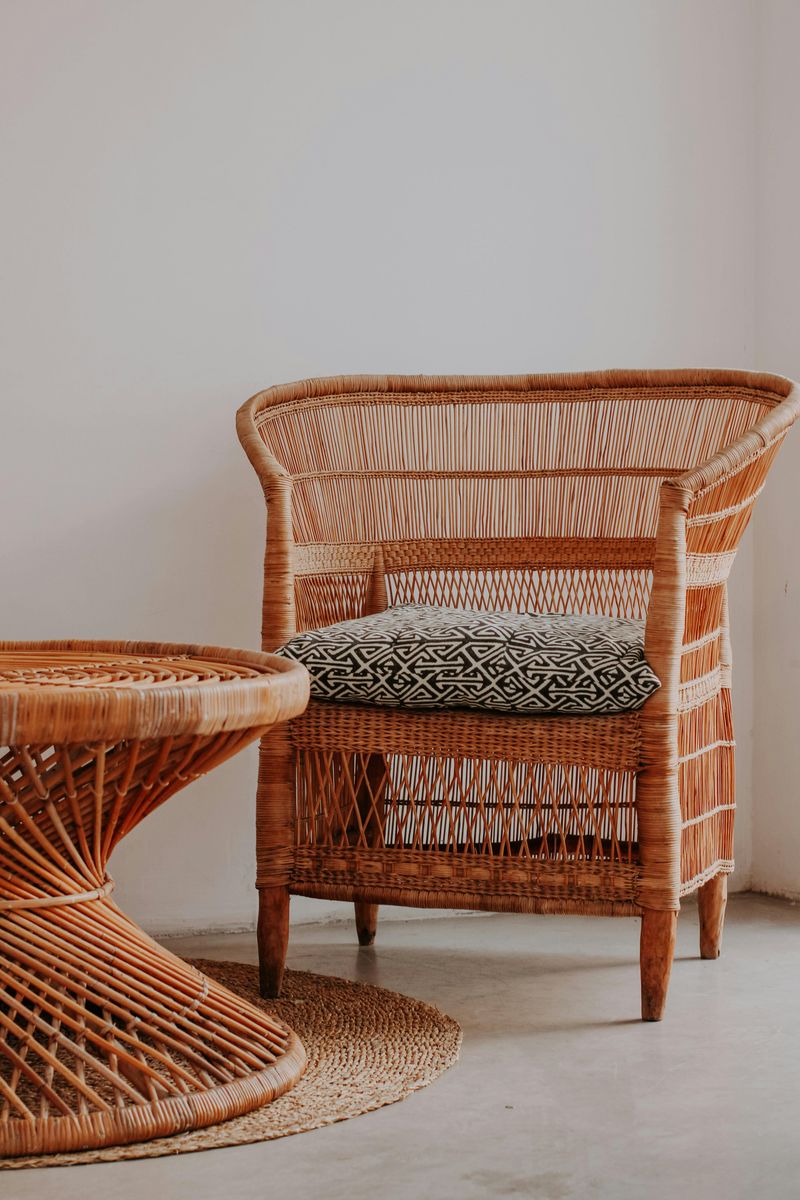
Natural fiber furniture that was popular in the 1970s has returned with renewed appreciation for its organic texture and sustainable materials.
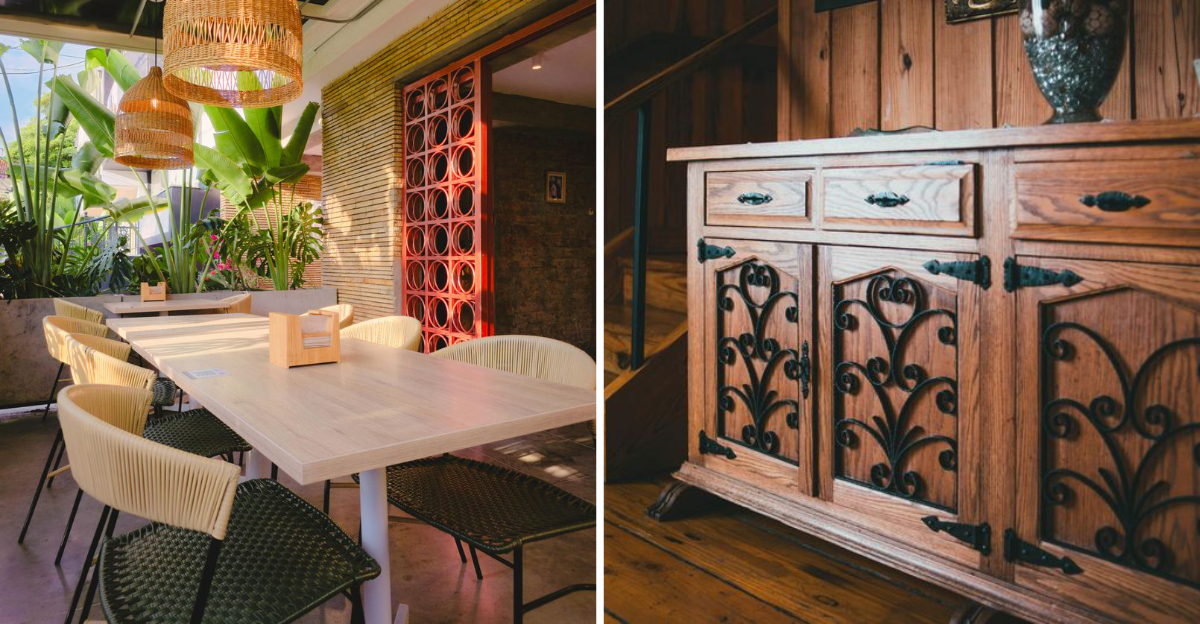
Cane backs on dining chairs, rattan peacock chairs, and woven storage pieces add tactile interest and visual lightness to interiors.
The open weave patterns allow light to pass through, preventing these pieces from feeling heavy or overwhelming in smaller spaces.
Rattan and cane furniture works particularly well in sunrooms, breakfast nooks, and bedrooms where a relaxed, casual atmosphere is desired.
The neutral tones complement a wide range of color schemes and decorating styles.
Many vintage pieces can be refreshed with new cushions or a coat of paint while preserving the original woven elements.
The natural materials age beautifully, developing a patina that adds character rather than looking worn, making them practical choices for busy North Carolina households seeking durable yet stylish furnishings.
8. Tufted Velvet Upholstery
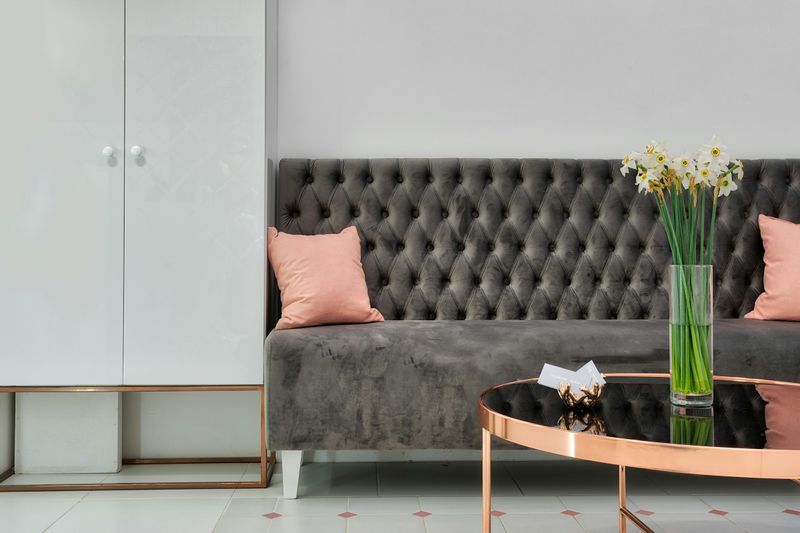
Deep button tufting and plush velvet fabrics evoke the glamour of past decades while adding luxury and comfort to modern living spaces.
This upholstery style, popular in Victorian and Hollywood Regency periods, creates dimensional texture through buttons sewn deeply into cushions and backs.
The resulting diamond or square patterns catch light differently throughout the day, adding visual interest that flat upholstery cannot achieve.
Velvet’s rich texture and sheen bring warmth and sophistication to rooms that might otherwise feel too stark or minimal.
Jewel tones like emerald, sapphire, or ruby make bold statements, while neutral grays and creams offer subtler elegance.
Tufted velvet pieces work well as focal points in living rooms or as accent chairs in bedrooms and home offices.
Modern stain-resistant velvet fabrics make these luxurious pieces more practical for everyday use than their vintage counterparts, combining classic style with contemporary functionality.
9. Spindle-Back Windsor Chairs
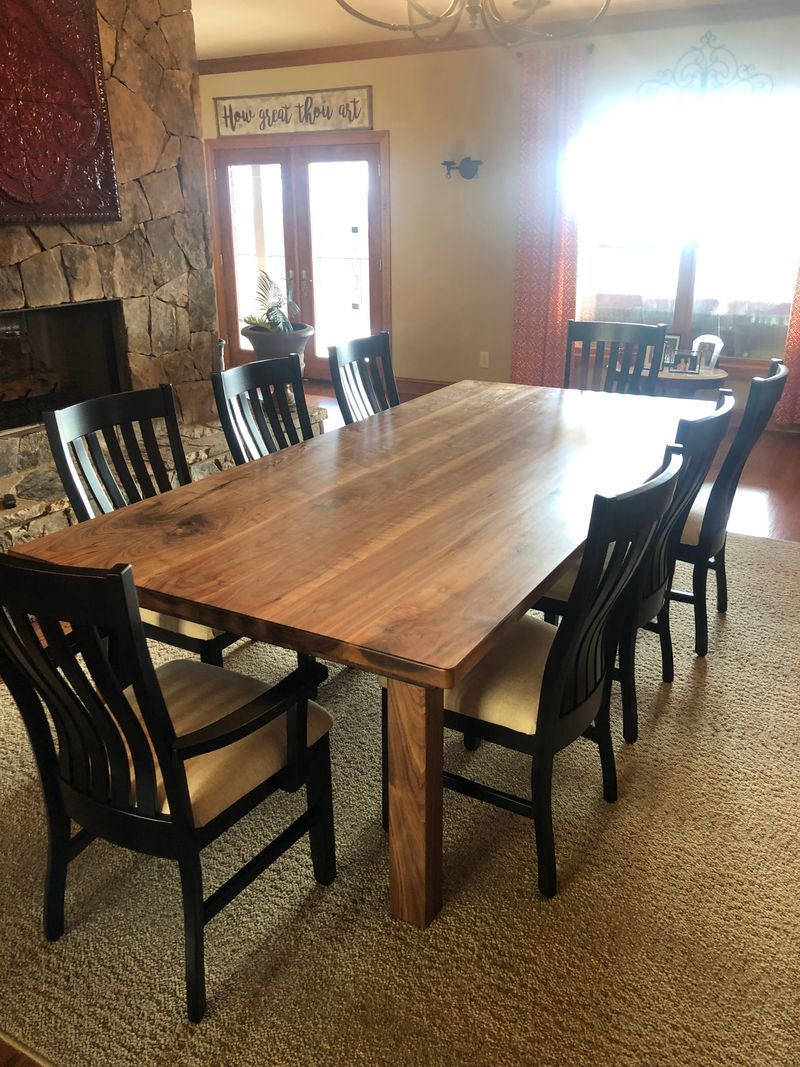
Turned wooden spindles forming chair backs bring colonial charm and sturdy construction into kitchens and dining rooms across the state.
Windsor chairs originated in 18th-century England and America, featuring steam-bent backs, saddle seats, and splayed legs that provide both comfort and stability.
The individual spindles create an open, airy appearance that prevents dining areas from feeling cluttered or closed in.
These chairs pair beautifully with farmhouse tables, creating a warm, welcoming atmosphere perfect for family meals and gatherings.
The all-wood construction ages gracefully and can be refinished multiple times over decades of use.
Many homeowners mix Windsor chairs with other seating styles for an eclectic, collected look that feels personal rather than overly coordinated.
Available in various finishes from natural wood to painted colors, Windsor chairs adapt easily to changing décor preferences while maintaining their timeless appeal in North Carolina homes.
10. Parsons Tables

Square-legged tables with equal-width legs and tops represent modernist design principles that remain remarkably current decades after their introduction.
Parsons tables, designed in the 1930s at the Parsons School of Design, feature legs with the same dimensions as the table’s apron, creating a unified, geometric form.
This simple yet striking design works as coffee tables, end tables, dining tables, or desks in contemporary North Carolina homes.
The clean lines and lack of ornamentation allow Parsons tables to blend with virtually any decorating style without competing for attention.
Vintage examples come in various materials including wood, lacquer, marble, and laminate.
Their straightforward construction makes them durable and easy to refinish when needed.
The timeless design means these tables never truly go out of style, making them smart investments that can move through different rooms and serve different purposes as household needs change over the years.
11. Bentwood Chairs
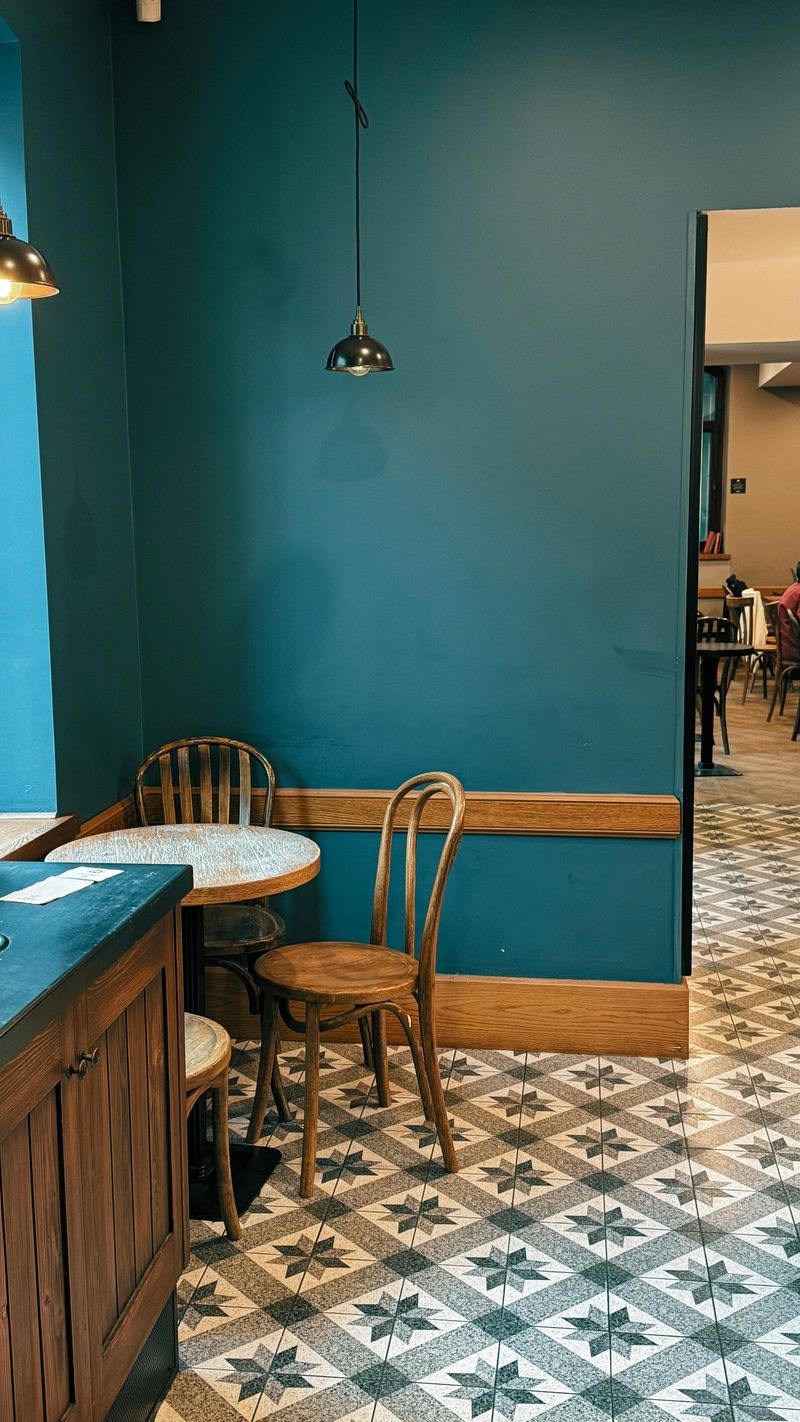
Steam-bent wood forming graceful curves represents 19th-century innovation that continues to impress with its elegant simplicity and structural integrity.
Bentwood chairs, pioneered by Michael Thonet in the 1850s, use steam to bend solid wood into flowing shapes without joints or hardware.
The resulting chairs are remarkably lightweight yet strong, with organic curves that provide comfortable support.
These chairs work well in dining rooms, kitchens, or as desk chairs where their understated design doesn’t overwhelm spaces.
The visible wood grain and simple forms complement both traditional and contemporary décor schemes.
Authentic vintage bentwood chairs often bear manufacturer stamps that add historical interest and collectible value.
Their café-style charm brings European sophistication to North Carolina homes while remaining practical for everyday use.
The timeless design has inspired countless reproductions, but vintage examples offer superior wood quality and craftsmanship that discerning homeowners appreciate when furnishing their spaces with pieces that honor design history.
12. Carved Oak Sideboards
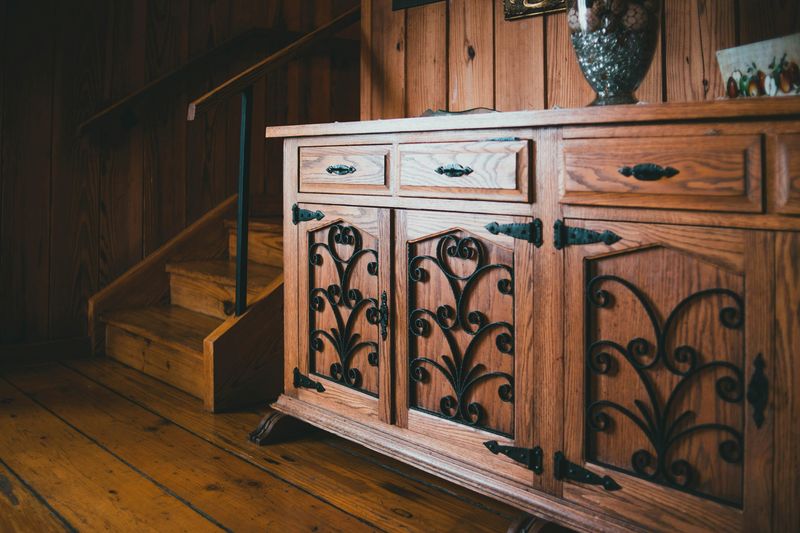
Heavily detailed dining room storage pieces showcase the woodworking artistry of Victorian and Edwardian craftsmen that machine production cannot replicate.
These sideboards feature hand-carved details including fruit motifs, scrollwork, lion heads, or geometric patterns that demonstrate exceptional skill and patience.
The solid oak construction ensures these pieces remain sturdy and functional more than a century after their creation.
Sideboards provide valuable storage for table linens, serving pieces, and dinnerware while offering surface space for buffet-style serving or display.
The substantial presence of carved oak pieces anchors dining rooms and adds gravitas that lighter, more modern furniture lacks.
Many homeowners appreciate how these sideboards tell stories of craftsmanship and family history, particularly when inherited from previous generations.
The warm oak tones and intricate details create visual interest that draws the eye and starts conversations, making them worthy focal points in North Carolina dining rooms that honor tradition.
13. Eames-Style Molded Chairs
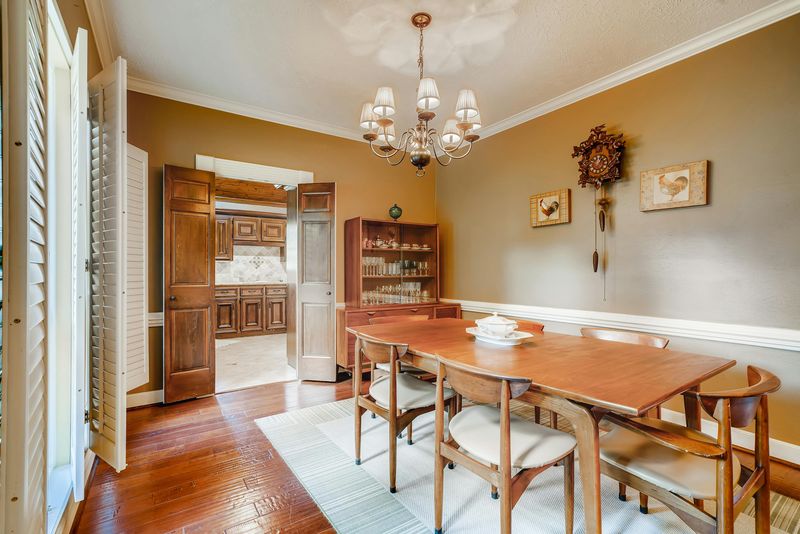
Sculptural seating that revolutionized furniture design in the 1950s continues to look forward-thinking in contemporary interiors.
Charles and Ray Eames pioneered the use of molded plywood and later molded plastic to create ergonomic chairs with organic shapes.
These designs prioritized comfort and affordability while maintaining aesthetic appeal, democratizing good design for everyday households.
The single-piece shells and various base options (wire, wood, or metal legs) create visual lightness that works well in compact spaces.
Vintage Eames chairs or quality reproductions serve beautifully as dining chairs, desk chairs, or accent seating throughout homes.
The timeless design means these chairs have remained in continuous production for decades, though vintage examples often feature superior materials and construction.
Their sculptural quality makes them as much art as furniture, adding design credibility to North Carolina homes while providing comfortable, practical seating that has proven its worth across multiple generations of use.
14. Secretary Desks with Drop-Front Compartments
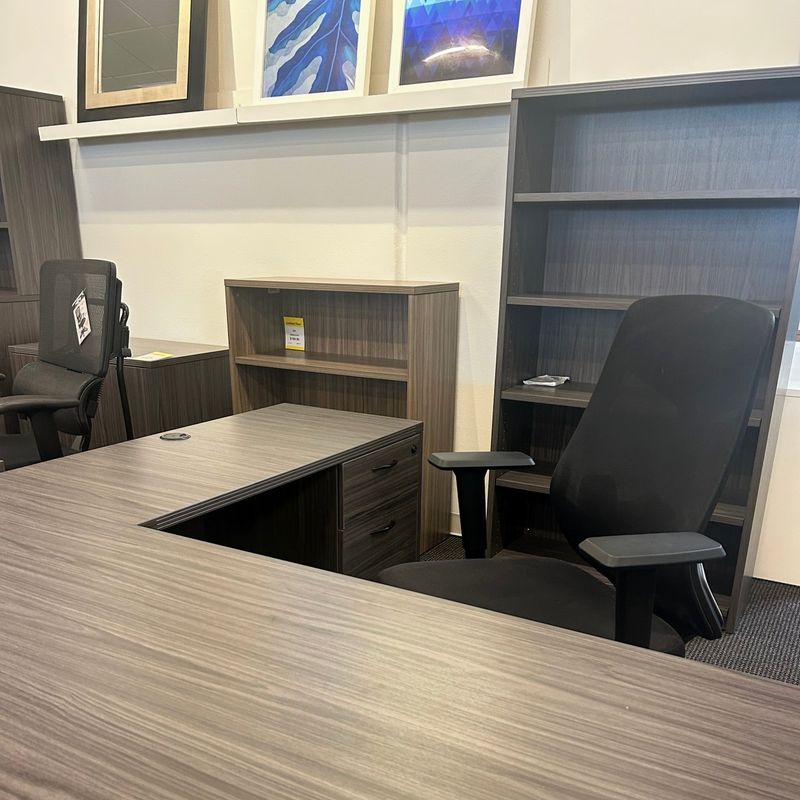
Compact writing desks with fold-down surfaces and hidden compartments offer space-saving solutions that work perfectly in modern homes with limited square footage.
Secretary desks combine storage, display, and workspace in a single vertical piece of furniture, maximizing functionality in minimal floor space.
The drop-front surface creates a writing area when needed, then folds up to conceal clutter and maintain a tidy appearance.
Interior cubbies, small drawers, and sometimes secret compartments add organizational charm that modern desks often lack.
The upper hutch portion provides shelving for books or decorative objects while the lower cabinet offers enclosed storage.
These versatile pieces work well in living rooms, bedrooms, or hallways where dedicated home offices aren’t possible.
The vintage craftsmanship and attention to detail found in older secretary desks far exceeds that of contemporary alternatives, making them practical investments for North Carolina homeowners who appreciate furniture that combines beauty, history, and genuine utility in their living spaces.