George Lucas’ Spaceship Museum In Los Angeles, California Is Nearly Finished (Here’s How To Get A Sneak Peek Before It Opens)
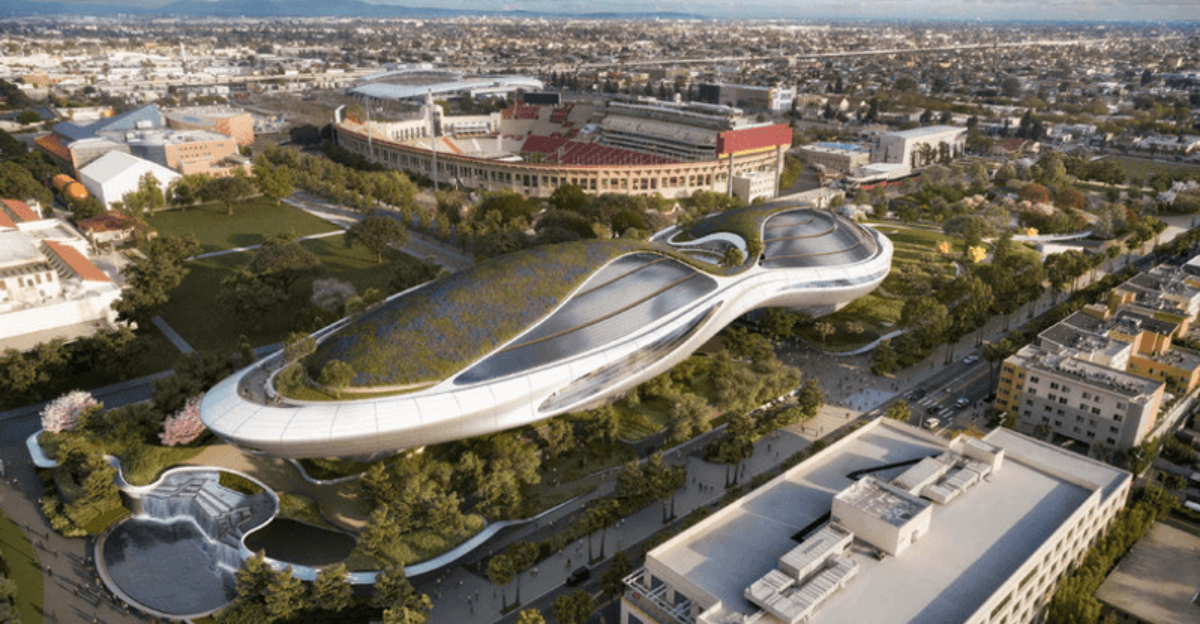
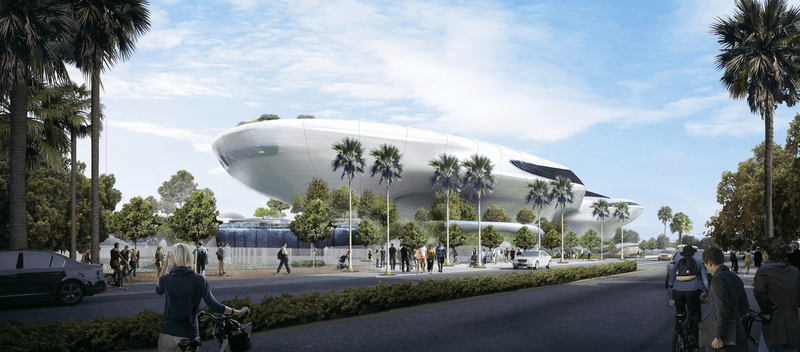
A gleaming, otherworldly structure now commands attention in Exposition Park, its sweeping curves and spaceship-like silhouette stopping passersby in their tracks.
Conversations spark instantly. Cameras come out fast. The building alone pulls people in before they even reach the doors.
The Lucas Museum of Narrative Art feels less like a traditional museum and more like something imagined straight out of science fiction.
Inside, the experience dives deep into the power of storytelling through visuals that span film, illustration, and fine art.
Legendary movie props appear alongside original artwork and cinematic imagery that shaped generations of audiences.
The atmosphere blends blockbuster spectacle with intimate creative detail. One moment feels epic. The next feels personal.
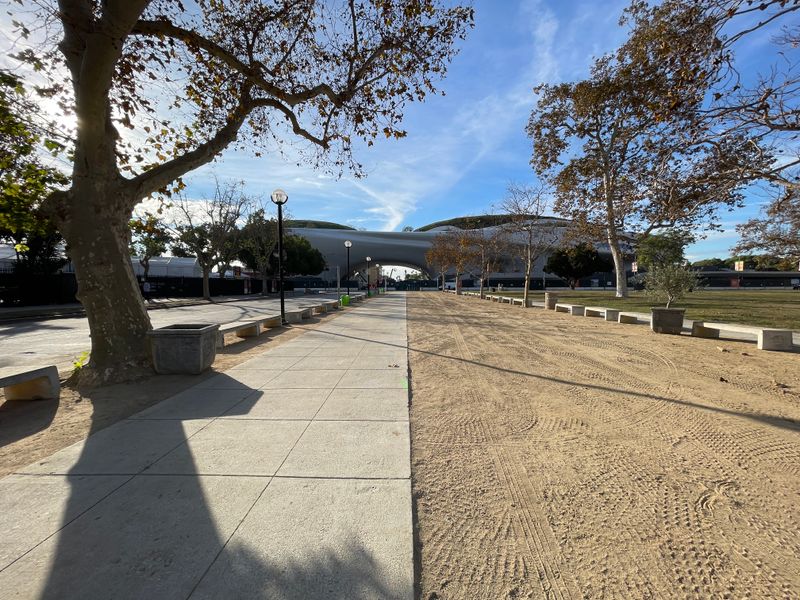
Surrounding gardens soften the futuristic architecture, offering space to pause, reflect, and take in the scale of the vision.
This California destination redefines what a museum can be, inviting visitors to see storytelling as a universal language that connects people, cultures, and eras through the power of images.
1. The Billion-Dollar Vision Takes Shape In Exposition Park
George Lucas and Mellody Hobson committed over a billion dollars to create a museum dedicated to narrative art, making this one of the most ambitious cultural projects in recent memory.
The Lucas Museum of Narrative Art sits on an 11-acre campus in Exposition Park at One Lucas Plaza, Los Angeles, CA 90037, positioned between the Natural History Museum of Los Angeles County and the iconic Los Angeles Memorial Coliseum.
This location places the museum within a cluster of cultural and educational institutions that draw millions of visitors annually.
The investment covers not just the building itself but also the surrounding landscape, community spaces, and the infrastructure needed to support a world-class institution.
Funding comes entirely from Lucas and Hobson rather than public money, reflecting their personal commitment to making narrative art accessible.
The scale of the project demonstrates their belief that illustrated storytelling deserves the same recognition as traditional fine art.
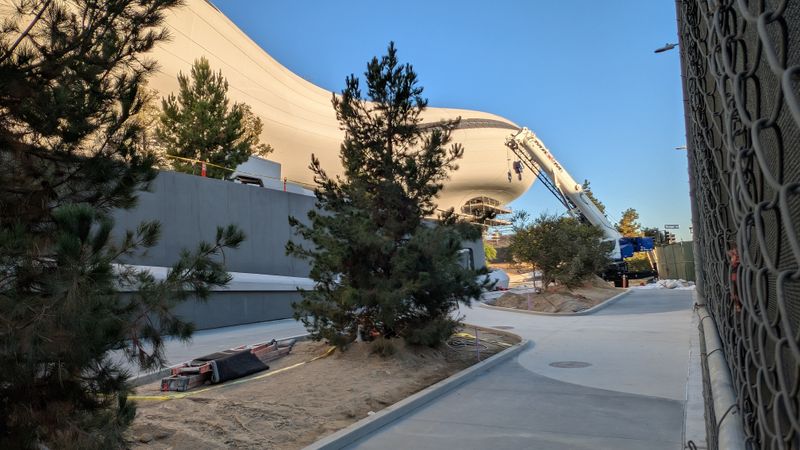
Construction crews have worked for years to bring the architectural vision to life, coordinating complex engineering challenges with artistic goals.
The museum represents a rare opportunity to see private philanthropy create a public resource of this magnitude.
Visitors approaching from any direction will recognize the building immediately thanks to its distinctive silhouette against the sky.
2. A Spaceship Lands In Southern California
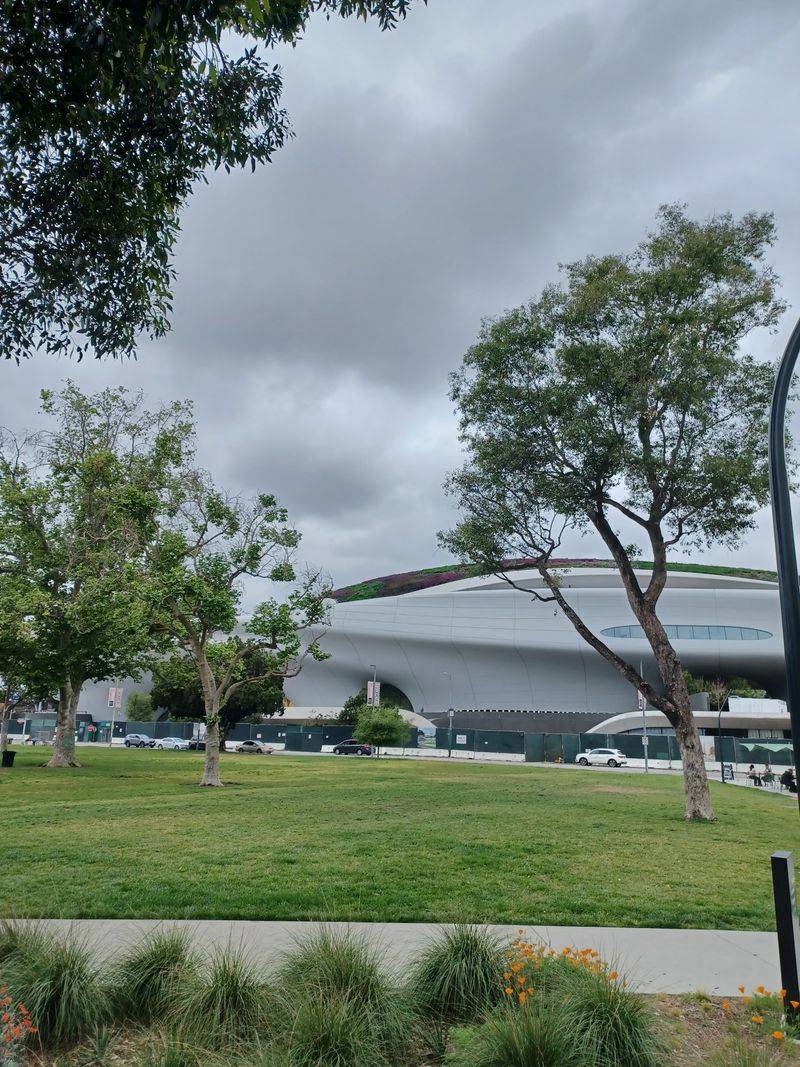
MAD Architects, led by Ma Yansong, designed the museum to look like a vessel moving through space, with flowing curves and a silhouette that defies traditional museum architecture.
The building’s organic shape stands in deliberate contrast to the rectangular structures that dominate most city skylines.
Yansong drew inspiration from the idea of a journey, wanting visitors to feel they’re entering something that could transport them to different worlds and times.
The exterior features smooth surfaces that catch light differently throughout the day, creating a dynamic appearance that changes with the sun’s position.
This design choice reinforces the museum’s focus on visual experience and perception. The spaceship comparison isn’t accidental; it connects directly to Lucas’s filmmaking legacy while suggesting that art itself can be a vehicle for exploration.
From certain angles, the building appears to float above its landscaped grounds, an effect achieved through careful structural engineering.
The design has generated considerable discussion in architectural circles, with some praising its boldness and others debating its fit within the park’s context.
Regardless of opinion, the structure succeeds in its primary goal of capturing attention and inviting curiosity about what lies inside.
3. 300,000 Square Feet of Storytelling Space
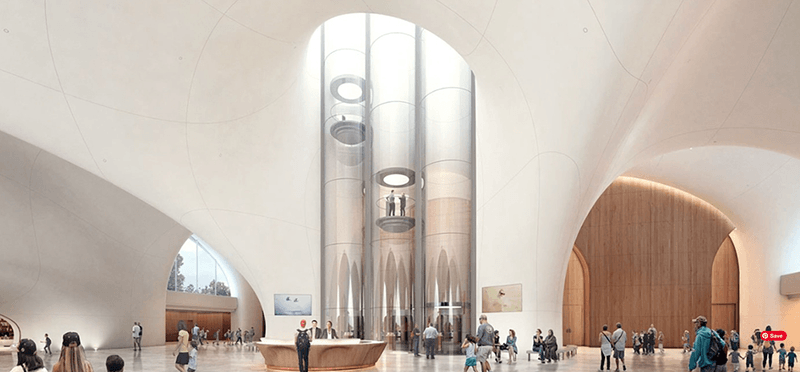
The museum encompasses 300,000 square feet across multiple levels, creating room for 35 distinct galleries, two theaters, a library, dining areas, retail spaces, and community gathering spots.
This expansive footprint allows curators to display thousands of works simultaneously while maintaining breathing room between exhibits.
The size rivals major metropolitan museums, signaling the institution’s ambition to become a permanent fixture in the cultural landscape.
Each gallery received a name reflecting human experiences like love, family, community, play, work, sports, childhood, and adventure, helping visitors navigate thematically rather than chronologically or geographically.
This organizational approach emphasizes how storytelling connects to daily life regardless of when or where a piece was created.
The naming system makes the museum feel more approachable than institutions that rely heavily on art historical terminology.
Two theaters provide spaces for film screenings, lectures, and performances, extending the museum’s mission beyond static displays.
The library offers research opportunities for scholars while welcoming casual visitors who want to learn more about specific artists or techniques.
Retail areas will stock books, prints, and educational materials related to narrative art, allowing guests to take inspiration home with them after their visit.
4. Over 40,000 Works Spanning Centuries And Cultures
The permanent collection contains more than 40,000 objects acquired over decades of passionate collecting by Lucas and Hobson.
Works range from centuries-old paintings to contemporary digital art, encompassing illustration, comics, animation, photography, and film-related materials.
This breadth allows the museum to demonstrate how narrative art has evolved while maintaining core storytelling principles across vastly different contexts.
Famous names in the collection include Norman Rockwell, whose paintings captured mid-century American life with warmth and detail, and Frida Kahlo, whose self-portraits conveyed intense personal narratives.
N.C. Wyeth’s adventure illustrations share space with Beatrix Potter’s gentle animal tales and Jack Kirby’s dynamic superhero comics.
Contemporary artists like Chris Ware and Alison Bechdel represent ongoing innovations in graphic storytelling.
The collection deliberately avoids hierarchies that place some forms of visual narrative above others, treating a Rockwell painting and a comic book panel as equally valid expressions of storytelling craft.
This democratic approach challenges traditional museum practices and invites visitors to reconsider their own assumptions about what counts as art.
The sheer volume of works means that even frequent visitors will discover new pieces on return trips.
5. Star Wars And Indiana Jones Treasures On Display
Film fans will find special appeal in the Lucas Archives, which showcase models, props, concept art, and costumes from productions that defined modern cinema.
Items from Star Wars and Indiana Jones films provide tangible connections to beloved stories, allowing visitors to see the physical objects that appeared on screen.
Concept art reveals how designs evolved from initial sketches to final versions, offering insight into the creative process behind blockbuster filmmaking.
Original costume pieces let viewers appreciate the craftsmanship and detail that went into creating iconic looks for characters like Darth Vader, Princess Leia, and Indiana Jones.
Models used for special effects shots before the digital era demonstrate practical techniques that required ingenuity and precision.
These artifacts carry historical significance beyond their entertainment value, documenting how filmmaking technology and techniques advanced during pivotal decades.
The archives serve multiple purposes, functioning as both nostalgic attractions for longtime fans and educational resources for students studying film production.
Displaying these materials in a museum context elevates them from movie memorabilia to cultural artifacts worthy of preservation and study.
The collection will rotate periodically, ensuring that even dedicated visitors encounter different pieces on subsequent visits rather than seeing the same items repeatedly.
6. Gardens And Green Spaces Surround The Building
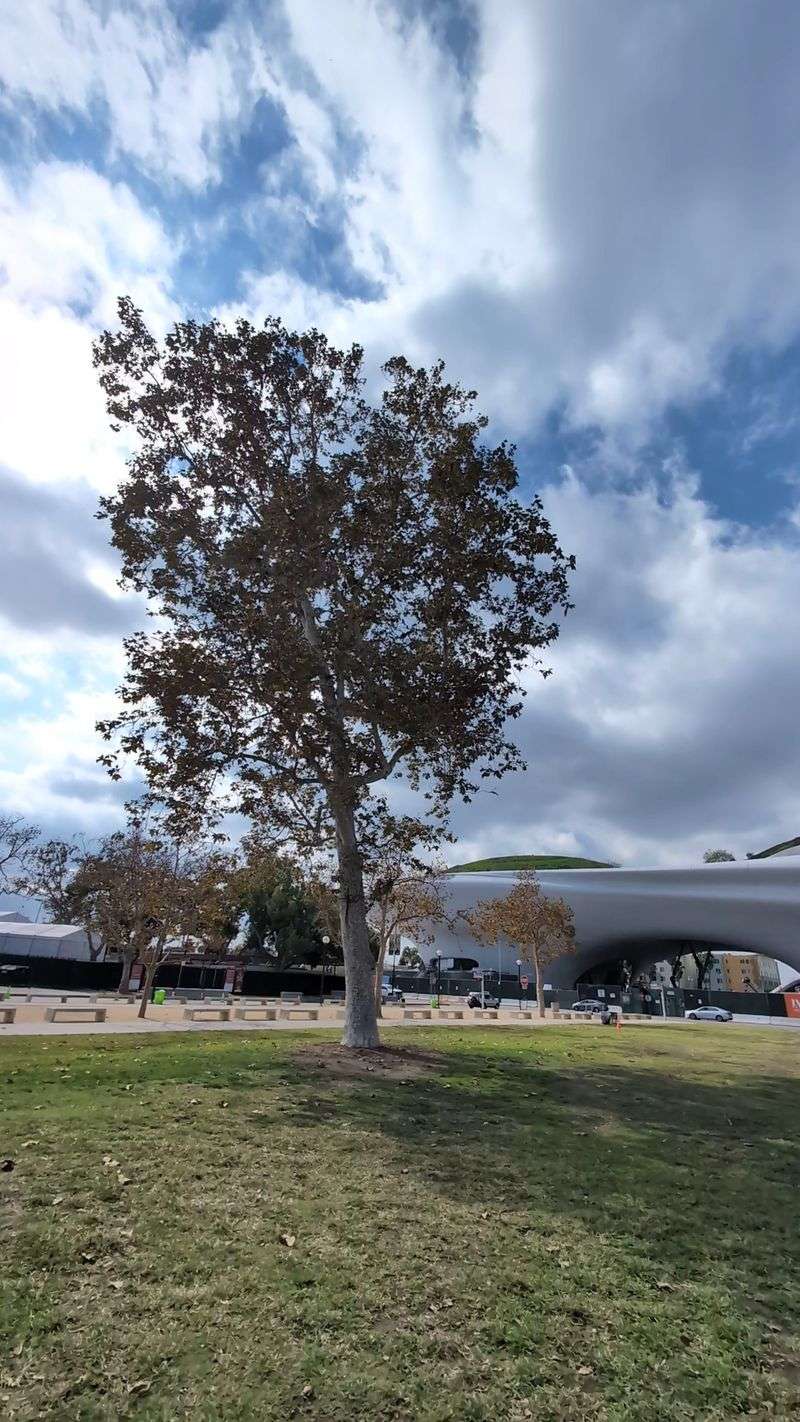
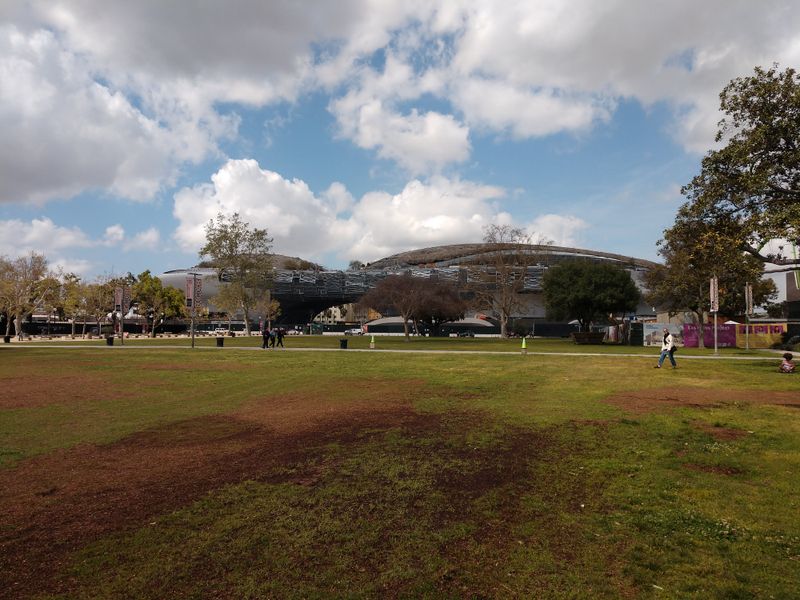
Landscape architect Mia Lehrer designed 11 acres of gardens and public spaces around the museum, creating a welcoming environment that extends the visitor experience beyond the building’s interior.
The landscaping incorporates native California plants that thrive in the local climate while requiring less water than traditional ornamental gardens.
Pathways wind through planted areas, offering quiet spots for reflection and conversation between gallery visits.
An outdoor amphitheater provides a venue for performances, film screenings, and community events, activating the grounds for programming beyond exhibition hours.
A pedestrian bridge improves connectivity within Exposition Park, making it easier for visitors to move between the Lucas Museum and neighboring institutions.
These infrastructure improvements benefit the entire park rather than serving only museum guests.
Seating areas scattered throughout the landscape give visitors places to rest, eat packed lunches, or simply enjoy being outdoors.
The design philosophy emphasizes accessibility and inclusivity, ensuring that people of varying mobility levels can navigate the grounds comfortably.
Trees planted now will mature over coming decades, gradually transforming the campus as the museum establishes its presence in the neighborhood.
The gardens represent a long-term investment in creating a pleasant, sustainable environment that will serve multiple generations.
7. September 22, 2026 Opening Day Announced
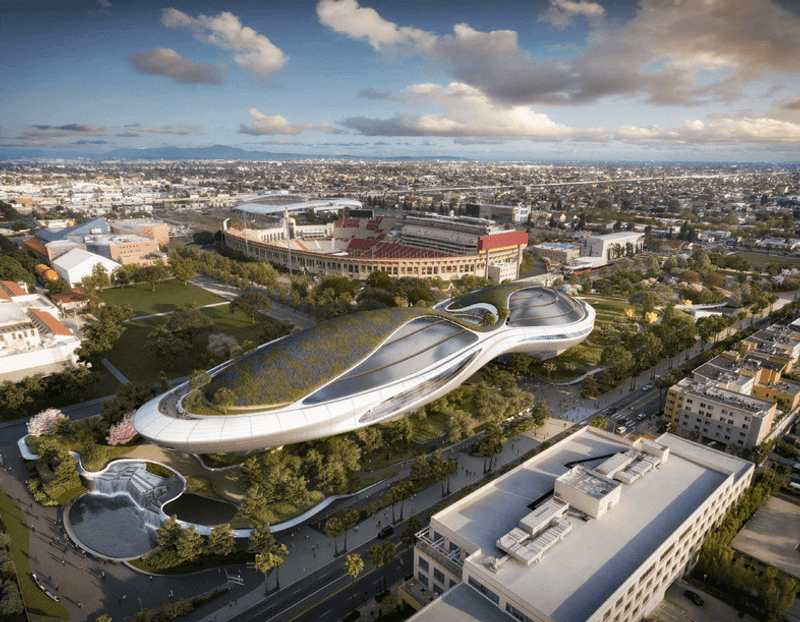
The museum officially opens its doors to the public on September 22, 2026, giving art enthusiasts and curious visitors a concrete date to anticipate.
This announcement allows the institution to plan programming, hire staff, and coordinate with community partners well in advance.
Setting a specific opening date also builds public excitement and gives the project a clear deadline that focuses construction and preparation efforts.
The choice of late September positions the opening after summer vacation season but before winter holidays, potentially allowing the museum to establish its rhythm before peak tourist periods.
Opening day will likely feature special events, speeches from Lucas and Hobson, and possibly appearances by artists whose work fills the galleries.
Media coverage of the opening will introduce the museum to audiences far beyond Los Angeles, raising awareness nationally and internationally.
Advance ticketing information has not been released yet, but interested visitors should monitor the museum’s official website for updates as the date approaches.
The opening represents the culmination of years of planning, fundraising, construction, and collection development.
Staff members are already being hired and trained to ensure smooth operations from day one.
The September 2026 opening gives the institution time to work through any final construction details while building anticipation in the community.
8. Comic Con Panels Offer Preview Experiences
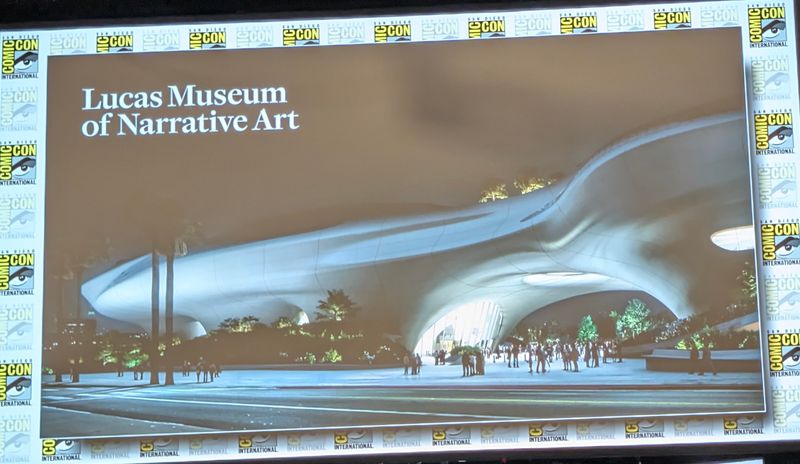
Before the physical building opens, the museum has engaged potential visitors through panel discussions at major conventions including Los Angeles Comic Con and New York Comic Con.
These appearances serve multiple purposes, building awareness among communities passionate about visual storytelling while offering previews of what the collection contains.
Panels typically feature museum staff, curators, and sometimes artists whose work will be displayed.
Discussions focus on themes like the power of visual storytelling, the evolution of narrative art forms, and how different media convey stories in unique ways.
Attendees get to see images of works from the collection and hear about the museum’s mission directly from people involved in creating it.
These events generate enthusiasm and create advocates who will spread word about the museum within their own networks.
Convention appearances also demonstrate the museum’s commitment to engaging with fan communities rather than positioning itself as an exclusive or intimidating institution.
By meeting audiences where they already gather, the museum signals that it values accessibility and relevance to contemporary culture.
Recordings or summaries of these panels sometimes appear on the museum’s website, extending their reach beyond convention attendees.
These preview events help the institution build momentum and public interest during the months leading up to opening day.
9. A Mission To Connect People Through Stories
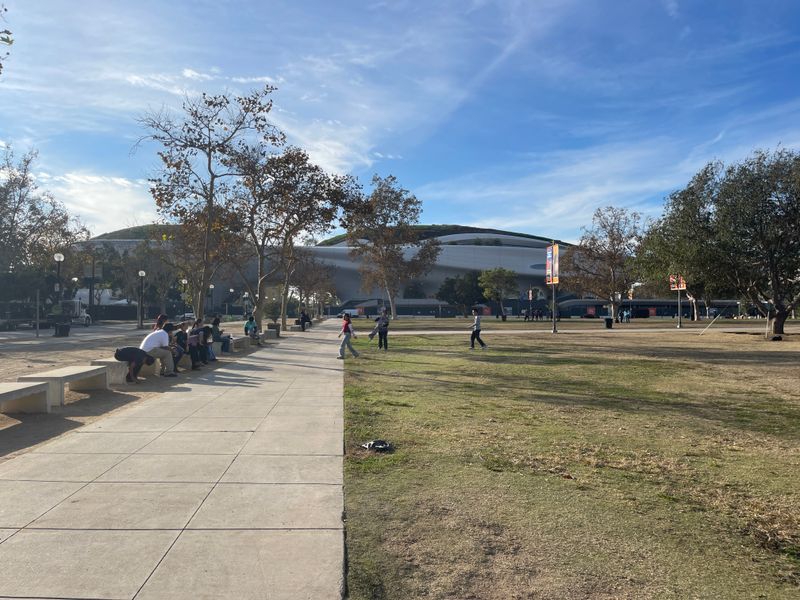
The museum’s stated mission emphasizes exploring how stories connect people and capture the human experience, positioning illustrated storytelling as a universal language that transcends cultural and linguistic barriers.
This philosophical foundation shapes every aspect of the institution, from which artworks get acquired to how galleries are organized and interpreted.
The mission statement reflects Lucas and Hobson’s belief that visual narratives deserve recognition as vital forms of human expression.
Rather than focusing narrowly on high art or popular culture, the museum embraces the full spectrum of narrative art, arguing that a comic strip and an oil painting both serve storytelling functions worthy of serious attention.
This inclusive approach challenges traditional hierarchies in the art world while inviting broader audiences to engage with visual culture.
Educational programming will likely emphasize connections between different storytelling traditions and techniques.
The mission extends beyond simply displaying art to fostering dialogue about why humans tell stories and how those stories shape individual and collective identities.
Gallery labels, audio guides, and docent tours will probably explore these themes, encouraging visitors to think critically about the narratives they encounter daily.
By framing storytelling as fundamental to human experience, the museum positions itself as relevant to everyone rather than just art enthusiasts or film fans.
10. Visiting Information And How To Stay Updated
The official Lucas Museum website serves as the primary source for accurate, up-to-date information about opening hours, ticket prices, special exhibitions, and educational programming.
While specific visitor policies have not been fully announced yet, the website will eventually provide details about accessibility accommodations, parking options, and public transportation access.
Interested visitors should bookmark the site and check back periodically as the opening date approaches.
Social media accounts allow the museum to share construction updates, collection highlights, and behind-the-scenes glimpses of preparation work. Following these accounts provides an easy way to stay informed without actively searching for news.
Email newsletters will likely offer another channel for receiving announcements directly, particularly regarding membership programs and advance ticket sales.
The museum is within easy reach of downtown Los Angeles and accessible via multiple transportation options.
Visitors planning trips from outside the region should consider combining a museum visit with exploration of other Exposition Park institutions to make the most of their time.
The park’s central location and proximity to major highways makes it relatively convenient for both local residents and tourists.
As opening day nears, expect more detailed visitor information to become available through official channels.