14 Georgia Beaches Where The Coast Feels Peaceful And Undiscovered
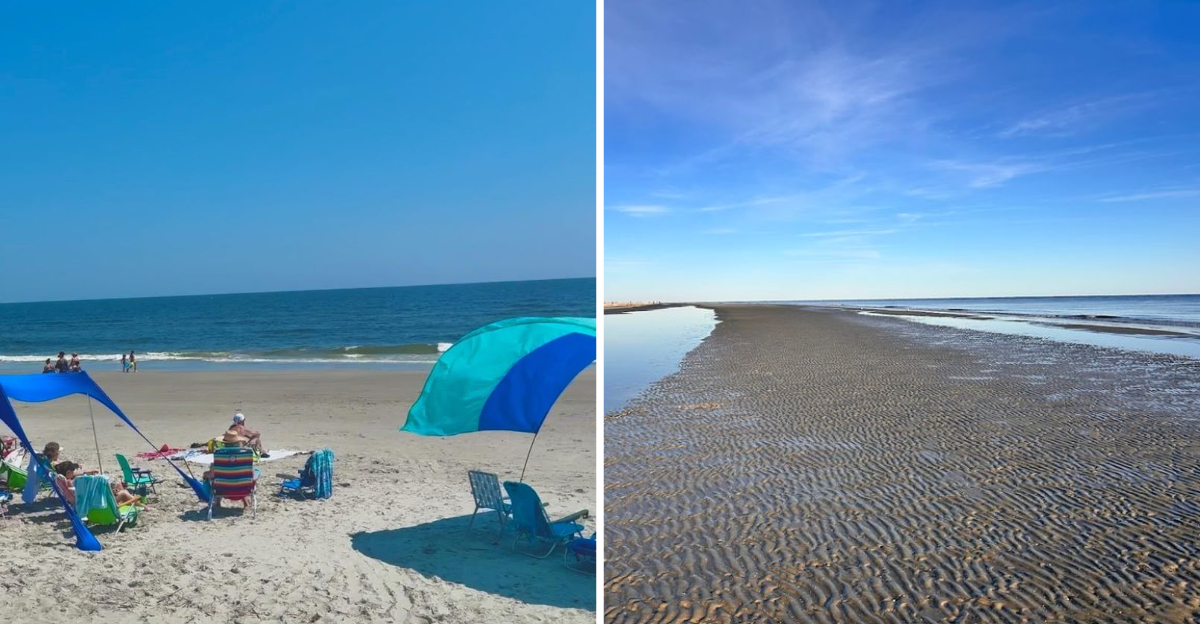
Not every coastline competes for attention, and that is exactly what makes Georgia’s so appealing. Stretching across barrier islands and winding marshlands, this stretch of the South offers a quieter, more natural beach experience that feels far removed from crowded shorelines. Here, the pace slows down, wildlife becomes part of the scenery, and long walks along the sand feel uninterrupted.
Some beaches require a ferry ride to reach, while others are tucked behind maritime forests that make the discovery feel even more rewarding. The variety adds to the experience, with each spot offering its own mix of views, solitude, and coastal charm. Visitors often arrive expecting something simple and leave surprised by how memorable it feels.
For anyone looking to explore beyond the usual beach destinations, these Georgia coastal spots offer a refreshing and genuinely peaceful escape.
1. Cumberland Island National Seashore
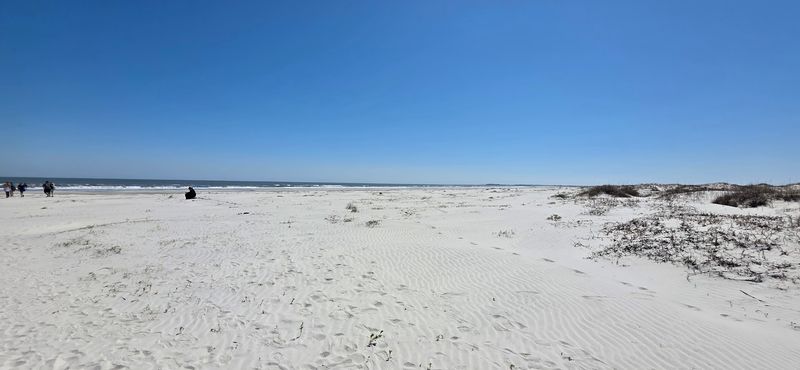
Wild horses wander freely across this breathtaking barrier island, and that alone makes Cumberland Island feel like a place out of a storybook. Located off the coast of St. Marys, Georgia, the island is accessible only by ferry from St. Marys, GA 31558, which keeps foot traffic refreshingly low. Over 17 miles of undeveloped white-sand beach stretch along the Atlantic side, offering some of the most pristine shoreline in the entire Southeast.
Visitors often spot loggerhead sea turtles, armadillos, and over 300 bird species during a single visit. Camping is available for those who want a full overnight experience under the stars. The Plum Orchard mansion ruins and the First African Baptist Church add a quiet historical depth to the island’s natural beauty.
Reservations for the ferry should be made well in advance, especially during spring and fall. Weekday visits tend to feel noticeably quieter than weekend trips.
2. Driftwood Beach on Jekyll Island
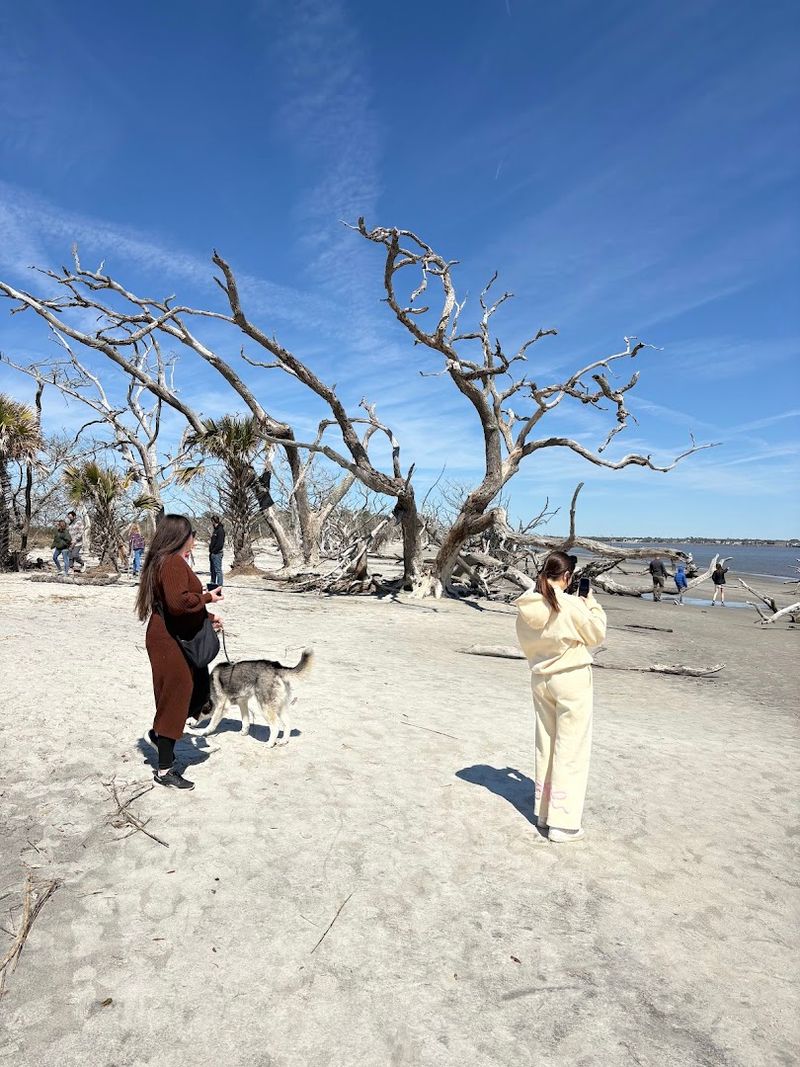
Few beaches in the world look quite like Driftwood Beach, where the skeletons of ancient oak and cedar trees rise dramatically from the sand. Situated at the northern tip of Jekyll Island, Georgia, the beach is located along Beachview Drive, Jekyll Island, GA 31527, and can be reached easily by car or bicycle. The weathered, sun-bleached trees create a striking landscape that photographers and nature lovers find endlessly compelling.
Erosion has slowly claimed this section of shoreline over decades, leaving behind the haunting trunks and twisted roots that give the beach its name. Sunrise visits are especially rewarding here, when soft golden light filters through the bare branches and reflects off the wet sand. The atmosphere is quiet and contemplative in a way that feels rare along any coastline.
There are no lifeguards on duty, so swimming is at personal discretion. A short paved path leads from the parking area directly to the beach.
3. Little St. Simons Island
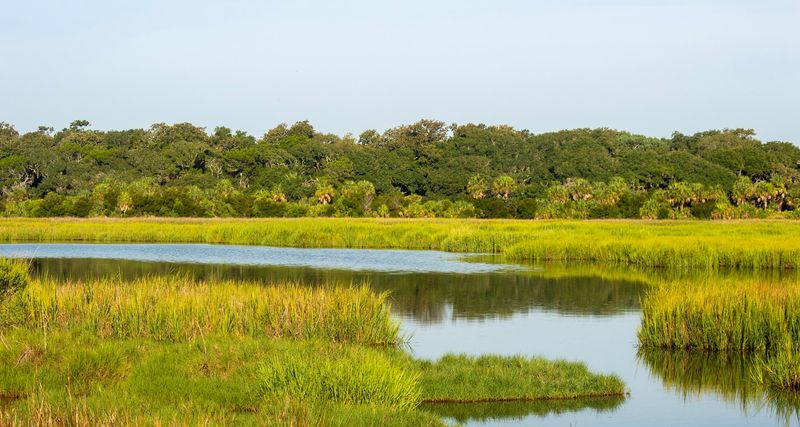
Access to this island is intentionally limited, and that exclusivity is exactly what makes it so special. Little St. Simons Island, reachable by private ferry from St. Simons Island, GA 31522, accommodates only a small number of guests at any given time, creating an experience that feels genuinely personal rather than touristy. Seven miles of untouched beach await, backed by ancient maritime forest and tidal creeks teeming with wildlife.
Guided nature walks, kayaking, and birding tours are available for guests staying at the Lodge on Little St. Simons Island. The property operates as an all-inclusive eco-lodge, meaning meals, activities, and transportation are typically bundled into the stay. It is not a budget destination, but the level of seclusion offered is nearly impossible to find elsewhere on the Georgia coast.
Shorebirds and dolphins are frequently spotted along the beach, especially during morning low tides. Reservations should be secured months ahead for peak season visits.
4. Nanny Goat Beach on Sapelo Island
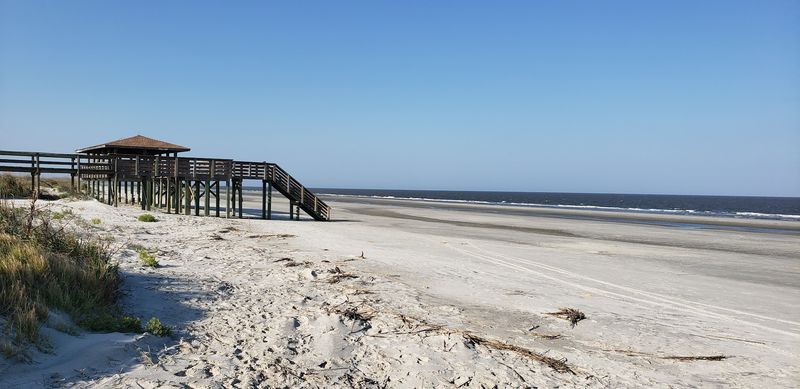
Getting to Nanny Goat Beach requires some effort, and that effort is a big part of why it stays so beautifully quiet. Sapelo Island is accessible only by ferry or private boat from the Sapelo Island Ferry Dock at 1766 Landing Road NE, Darien, GA 31305, and day trips must be arranged through the Georgia Department of Natural Resources. The island is home to the Gullah-Geechee community of Hog Hammock, adding a rich cultural layer to the natural experience.
Nanny Goat Beach sits within the Sapelo Island National Estuarine Research Reserve, so the ecosystem here is actively protected and carefully managed. The shoreline is wide and undisturbed, with soft sand that sees very few footprints on any given day. Shell collecting and wildlife observation are popular activities among those who make the journey.
Ferry schedules are limited and vary by season, so planning ahead is essential. The island has no commercial tourist infrastructure, so visitors should bring everything they need.
5. North Beach on Tybee Island
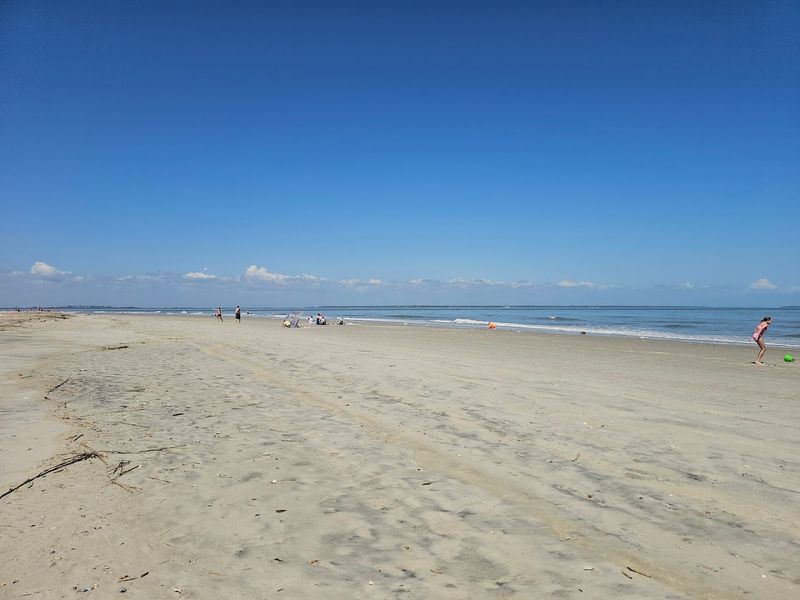
Tybee Island gets its fair share of visitors, but most of them cluster near the main pier and south end of the island, leaving North Beach refreshingly calm. Located near the Tybee Island Light Station at 30 Meddin Drive, Tybee Island, GA 31328, this stretch of shoreline benefits from its proximity to the historic lighthouse and surrounding nature preserve. The vibe here leans toward relaxed exploration rather than beachside parties.
North Beach is a favorite among birdwatchers because the nearby Back River marshes attract a wide variety of shorebirds and wading species throughout the year. The beach also tends to collect interesting shells and sea glass after storms, making it a rewarding spot for casual beachcombers. Parking is available nearby, though it fills up on sunny summer weekends.
Mornings are the best time to visit for solitude and cooler temperatures. The lighthouse and adjacent museum are worth visiting before or after a beach walk.
6. St. Andrews Beach on Jekyll Island
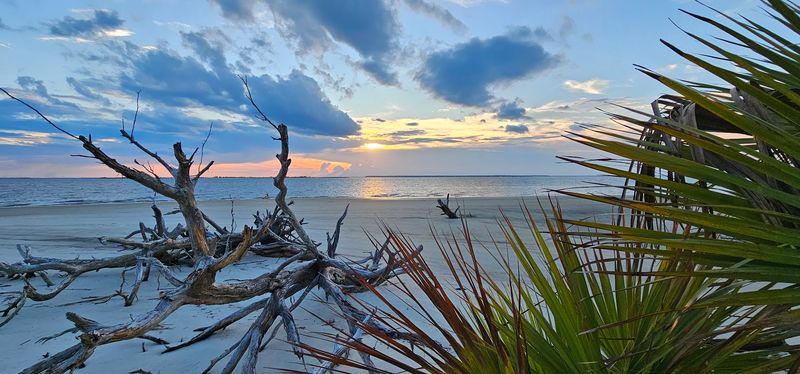
Tucked away at the southern tip of Jekyll Island, St. Andrews Beach offers a level of quiet that surprises even regular island visitors. The beach is located near the St. Andrews Picnic Area off South Beachview Drive, Jekyll Island, GA 31527, and is reachable by bike, car, or on foot along the island’s extensive trail network. The surrounding dunes and sea oats give the area a natural, undisturbed character that the busier central beaches lack.
Shelling is excellent here, particularly after a strong tide or storm pushes new finds onto the shore. The shallow, calm water near the southern tip makes it a comfortable spot for wading and watching the natural interplay between the ocean and the marsh. Dolphins are frequently seen just offshore, especially in the early morning hours.
Jekyll Island’s flat terrain makes it easy to reach St. Andrews by bicycle from anywhere on the island. Picnic tables and restrooms are available nearby at the picnic area.
7. Gould’s Inlet on St. Simons Island
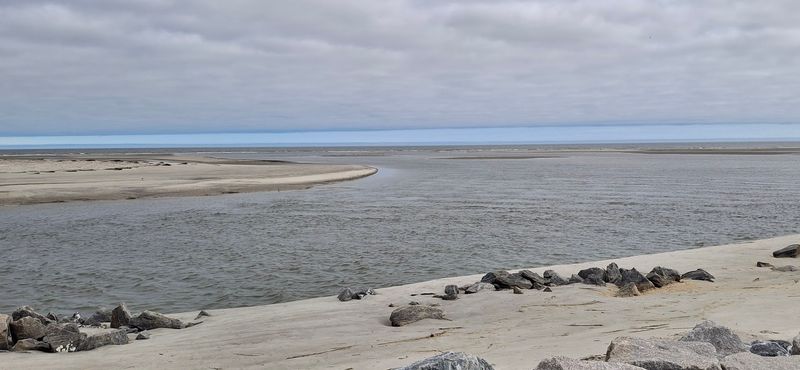
Locals have long considered Gould’s Inlet one of the most peaceful corners of St. Simons Island, and it earns that reputation every single day. The inlet is located at the end of Bruce Drive, St. Simons Island, GA 31522, where a small parking area provides access to a stretch of natural shoreline that feels genuinely removed from the island’s more developed areas. The tidal inlet shifts constantly, creating dynamic sandbars and shallow pools that change with every tide cycle.
Birdwatchers consider this one of the premier shorebird spots on the Georgia coast, with oystercatchers, terns, and various sandpiper species commonly spotted here. The lack of development means there are no vendors, no lifeguards, and no crowds competing for the same patch of sand. Sunrise visits reward early risers with spectacular light and near-total solitude.
The area is best explored at low tide when the sandbars are exposed. Sturdy sandals or water shoes are recommended for navigating the shell-covered areas near the inlet.
8. Cabretta Beach on Sapelo Island
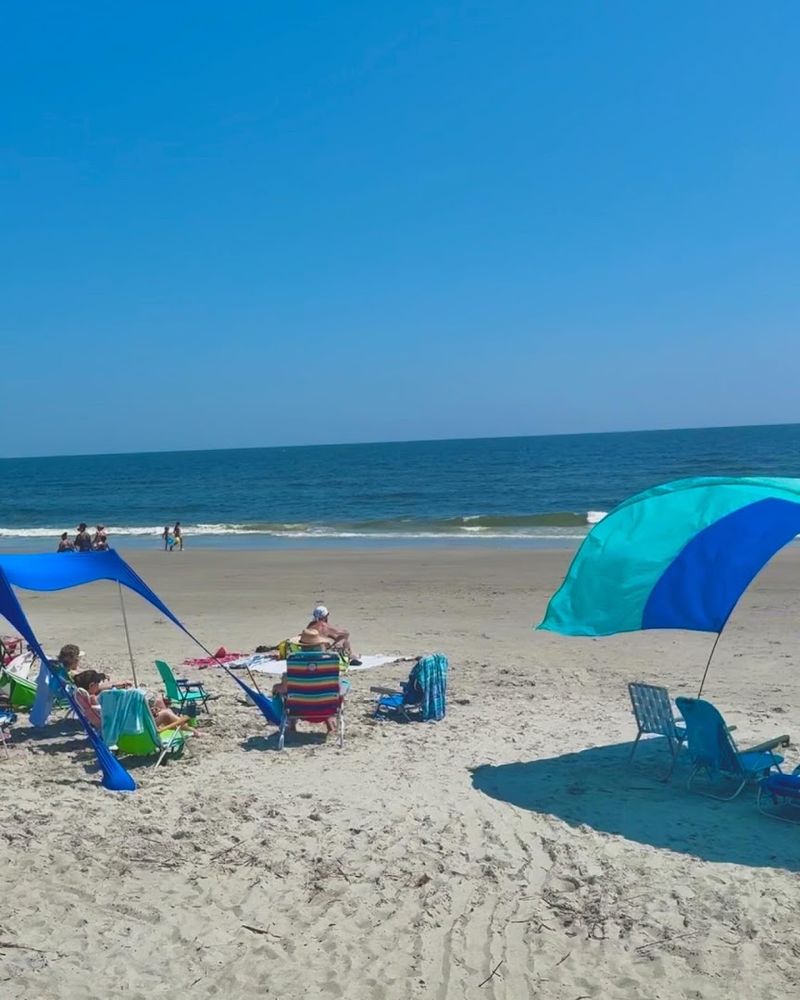
Even among Sapelo Island’s already remote offerings, Cabretta Beach stands out as particularly wild and hard to reach. The beach is located on the southern end of Sapelo Island, accessible via the Sapelo Island Ferry from 1766 Landing Road NE, Darien, GA 31305, with transportation across the island arranged through the Sapelo Island National Estuarine Research Reserve. The shoreline here is wide, windswept, and almost entirely free of human footprints on most days.
Sea turtle nesting activity is common along this stretch of beach during summer months, and the reserve actively monitors nests throughout the season. The raw, elemental quality of Cabretta Beach makes it feel less like a recreational destination and more like a window into what Georgia’s coast looked like centuries ago. That sense of genuine wildness is what draws naturalists and photographers back repeatedly.
Visitors should wear sun protection and bring plenty of water, as shade is minimal and facilities are nonexistent. Guided tours through the reserve are the most reliable way to reach this area.
9. Pelican Spit on Little Tybee Island
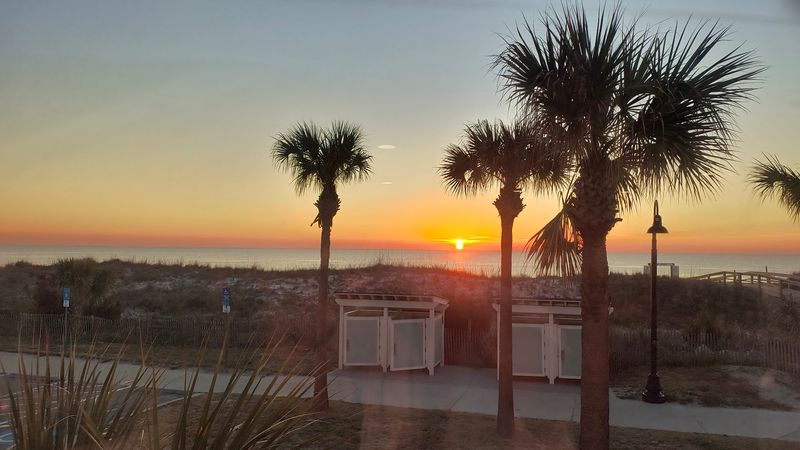
Little Tybee Island sits just south of Tybee Island but feels like an entirely different world, one without roads, buildings, or any permanent human presence. Pelican Spit, a popular sandbar on the island’s edge, is reachable only by kayak or boat from the Tybee Island area near 1 Old US Hwy 80, Tybee Island, GA 31328. The paddle across takes roughly 20 to 30 minutes depending on tides and conditions, making the journey itself part of the adventure.
Brown pelicans, dolphins, and various shorebirds are regular residents here, often showing little concern for human visitors who arrive quietly and respectfully. The sandbar shifts with tidal patterns, so the landscape looks slightly different on every visit. Low tide exposes wide flat areas perfect for walking, exploring tide pools, and simply sitting in silence with the marsh all around.
Kayak rentals and guided tours to Little Tybee are available from outfitters on Tybee Island. Checking tide charts before departure is strongly recommended.
10. East Beach on St. Simons Island
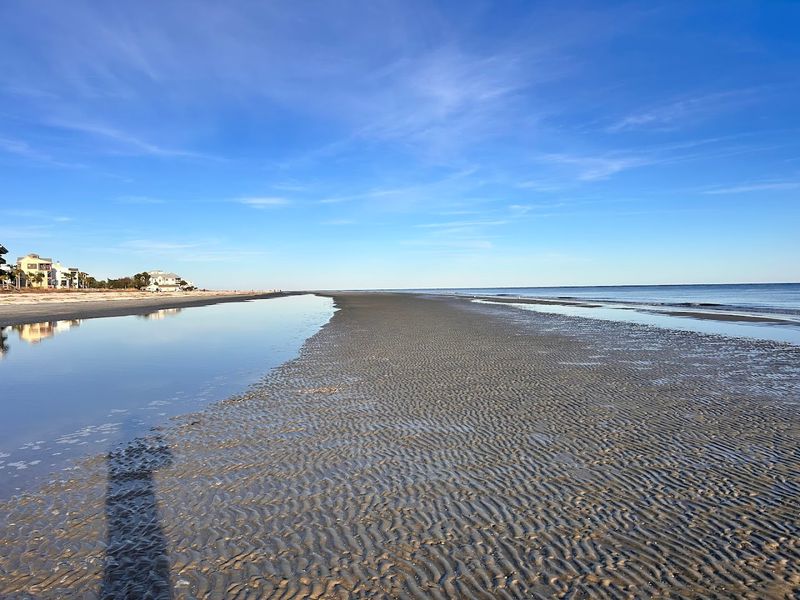
East Beach stretches along the southeastern edge of St. Simons Island and manages to feel spacious even on busy days, thanks to its generous width and the way visitors naturally spread out along the shore. The beach is accessible from the East Beach Parking Area near 100 Demere Road, St. Simons Island, GA 31522, with a bathhouse and facilities that make it one of the more visitor-friendly spots on the island. The surf here tends to be gentle, and the broad flat sand is easy to walk for long distances.
Morning light on East Beach is particularly lovely, casting a warm glow over the dunes and highlighting the texture of the wet sand near the waterline. Joggers, dog walkers, and shell seekers tend to take over the beach in the early hours before families with children arrive midday. The nearby Neptune Park adds a convenient option for a post-beach picnic or playground visit.
Seasonal lifeguard coverage is available during summer months. Parking fees apply at the main lot.
11. Massengale Park Beach on St. Simons Island
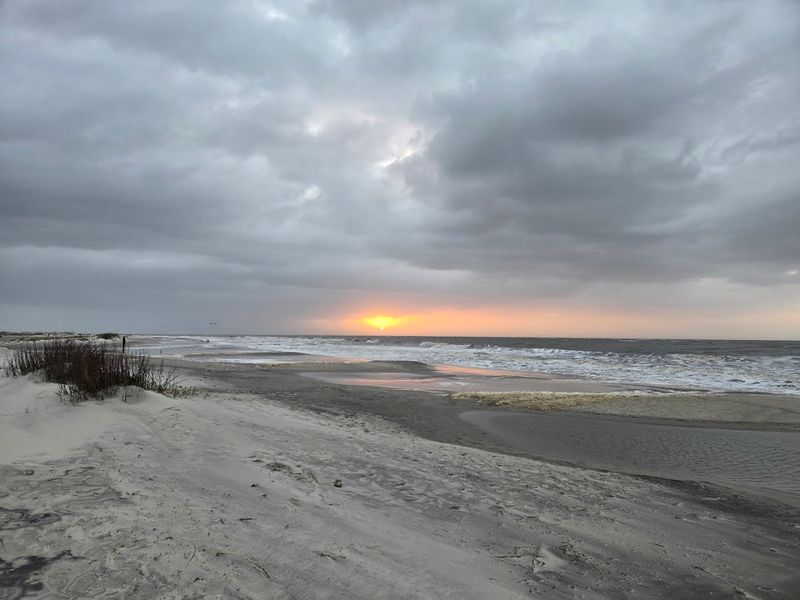
Massengale Park is the kind of place that regulars keep quietly to themselves, a shaded, relaxed beach area that feels more like a neighborhood retreat than a tourist attraction. Located at 1300 Ocean Blvd, St. Simons Island, GA 31522, the park offers direct beach access along with shaded picnic areas, grills, and restroom facilities that make it genuinely family-friendly without the commercial noise of busier spots. The tree canopy near the park’s edge provides welcome shade on hot summer afternoons.
The beach itself is clean and moderately wide, with the same gentle Atlantic surf found elsewhere on the island. What sets Massengale apart is the atmosphere, which feels unhurried and local in a way that commercial beach areas rarely manage. Families often set up for the entire day here, bringing coolers and lawn chairs and simply enjoying the simplicity of it all.
The park tends to be quieter on weekday mornings. No lifeguards are on duty, so swimming is at personal discretion.
12. South Beach on Jekyll Island
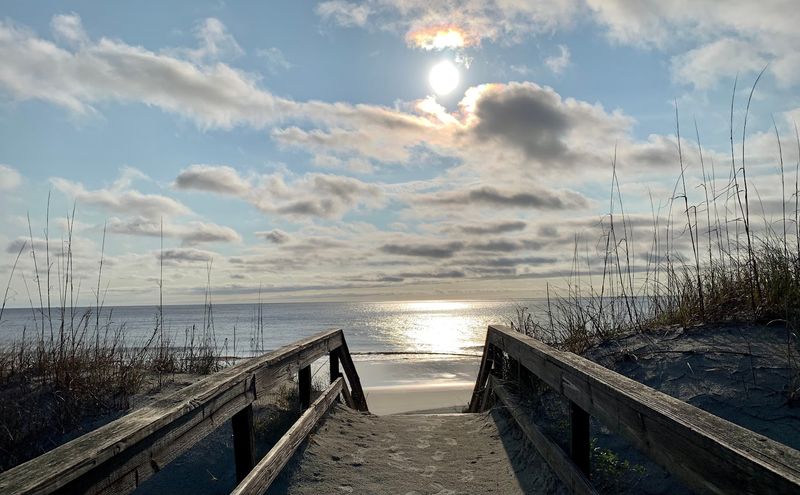
Jekyll Island’s South Beach offers a broad, sweeping stretch of Atlantic shoreline that rarely feels overcrowded, even during the busiest summer weekends. The beach is accessible from the South Dunes Picnic Area near 1 Stable Road, Jekyll Island, GA 31527, where parking, restrooms, and picnic facilities are conveniently available. The wide, flat sand makes it one of the easier beaches to walk along the entire Georgia coast.
Sea turtle nesting season runs from May through August, and Jekyll Island’s sea turtle program is one of the most active in Georgia, with volunteers regularly monitoring nests along this stretch of beach. Watching a nest emergence, when dozens of tiny hatchlings scramble toward the ocean, is a genuinely moving experience that many visitors describe as a trip highlight. The beach faces directly east, making sunrise here consistently spectacular.
Swimming conditions are generally calm, though rip currents can develop. Lifeguards are on duty during summer months at designated areas of Jekyll Island’s beaches.
13. Blackbeard Island National Wildlife Refuge
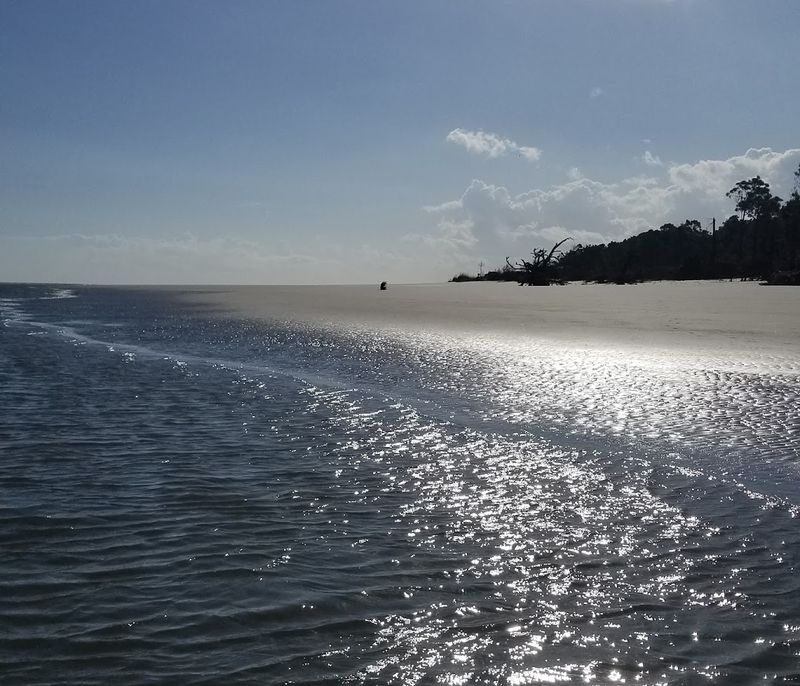
Named after the legendary pirate who reportedly used it as a hideout, Blackbeard Island carries an air of mystery that its wild, undeveloped shoreline does nothing to dispel. The island is managed as part of the Blackbeard Island National Wildlife Refuge, accessible by private boat from the mainland near Meridian, GA 31319, with no ferry service making it even more remote than Sapelo. The beach is long, flat, and almost entirely without human footprints on most days.
White-tailed deer, alligators, and a remarkable variety of migratory birds share the island with any visitors who make the journey. The refuge encompasses over 5,600 acres of maritime forest, freshwater ponds, and beach habitat, all in a state of genuine wilderness. Fishing and wildlife photography are the primary draws for the small number of visitors who reach the island each year.
No facilities of any kind exist on the island, so preparation is essential. Visiting during cooler months reduces mosquito activity significantly.
14. Wassaw Island National Wildlife Refuge Beach
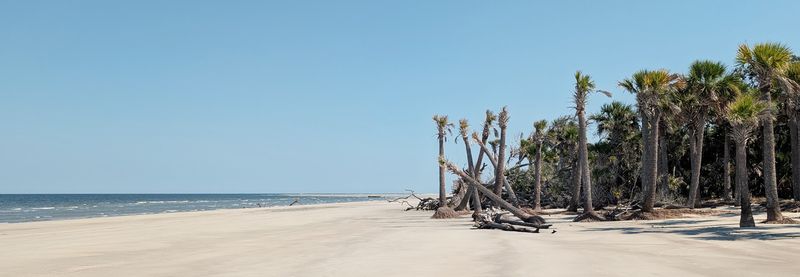
Wassaw Island is one of the least-visited barrier islands on the entire Georgia coast, and its beach reflects that solitude in the most rewarding way possible. The island is part of the Wassaw Island National Wildlife Refuge, reachable only by private boat from Savannah-area marinas near Savannah, GA 31401, with no commercial ferry service available. The beach stretches for several miles along the island’s eastern edge, backed by dunes and maritime forest that remain completely undisturbed.
Because Wassaw has never been developed for agriculture or residential use, its ecosystem is considered one of the most intact barrier island environments on the Atlantic coast. Nesting loggerhead sea turtles use the beach heavily during summer, and the refuge actively protects nesting sites throughout the season. Birding here is exceptional, with painted buntings, wood storks, and numerous raptor species recorded regularly.
Visitors must arrange their own boat transportation and bring all supplies. The absence of any infrastructure is precisely what makes Wassaw feel so genuinely wild and worth the effort.