This Georgia Beer Museum Is The Perfect February Adventure
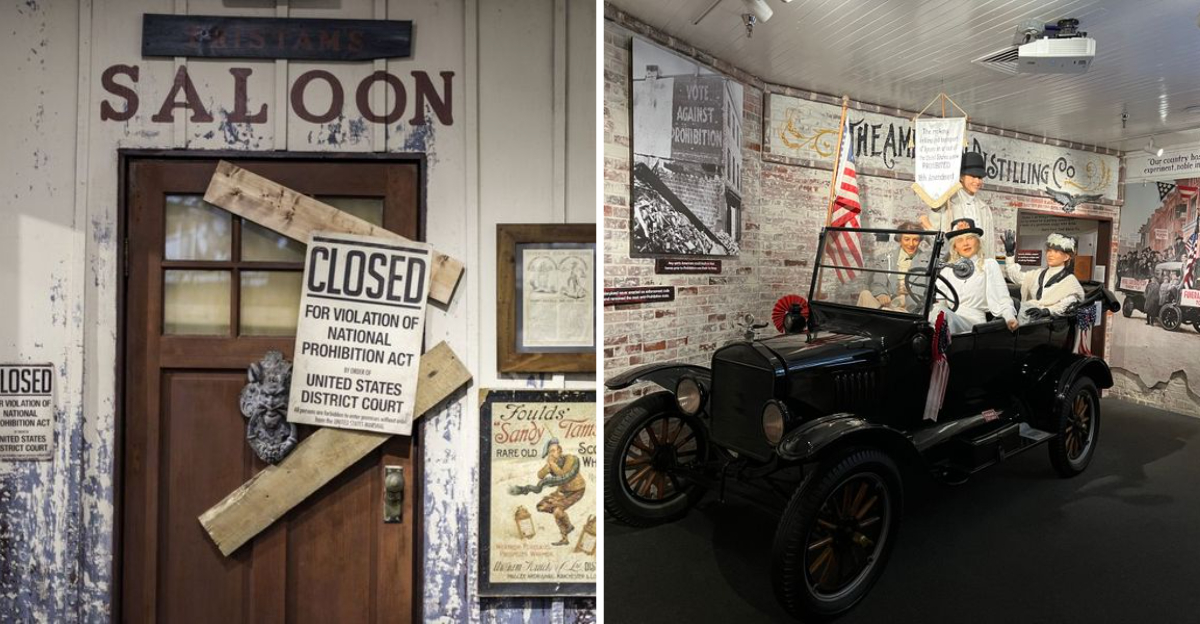
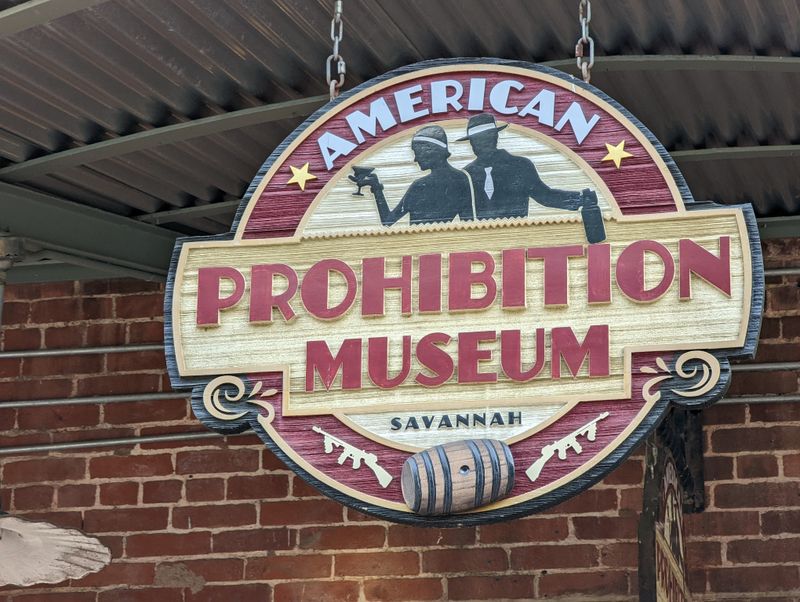
February in Savannah offers mild temperatures and a quieter pace, creating the perfect window to explore the city’s cultural gems without the usual crowds. One of the most fascinating stops during this season is the American Prohibition Museum, an attraction that brings one of America’s most controversial eras vividly to life. Located in the heart of Savannah’s historic district, the museum blends storytelling, artifacts, and immersive design to transport visitors straight into the 1920s.
Interactive exhibits trace the rise and fall of Prohibition, revealing the social movements, bootlegging operations, and political tensions that shaped the time. Vintage displays, recreated environments, and engaging multimedia elements make the history feel tangible rather than distant. A period style speakeasy bar adds an entertaining twist, allowing guests to experience the era’s secret nightlife in a safe, modern setting.
Whether you are a dedicated history enthusiast or simply curious, this museum delivers an educational and memorable winter adventure.
1. Step Back Into The Roaring Twenties
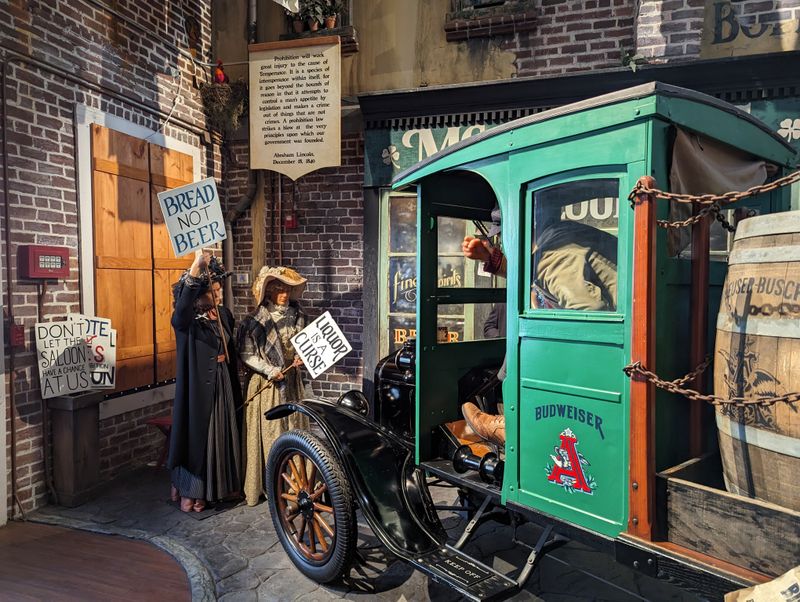
Walking through the museum’s entrance feels like traveling through time to an era of flappers, gangsters, and secret passwords. You’ll find yourself surrounded by authentic artifacts from the 1920s and early 1930s that bring this fascinating period to life. The museum is located at 209 West St. Julian Street in Savannah’s historic district, making it easy to find and visit.
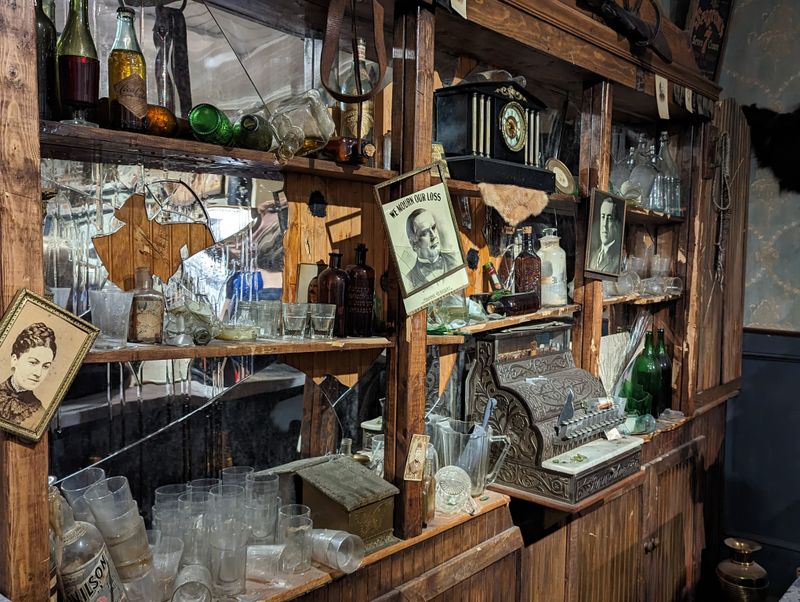
Interactive displays let you experience what life was really like during America’s failed experiment with banning the production and sale of liquor. You can see actual equipment used by bootleggers and law enforcement officers during the cat-and-mouse game that defined the era. The attention to detail in every exhibit creates an atmosphere that makes history feel immediate and real.
Period music plays throughout the galleries, adding another layer of authenticity to your visit. The combination of sights, sounds, and stories creates an immersive experience that goes far beyond traditional museum displays.
2. Enjoy A Real Working Speakeasy Bar
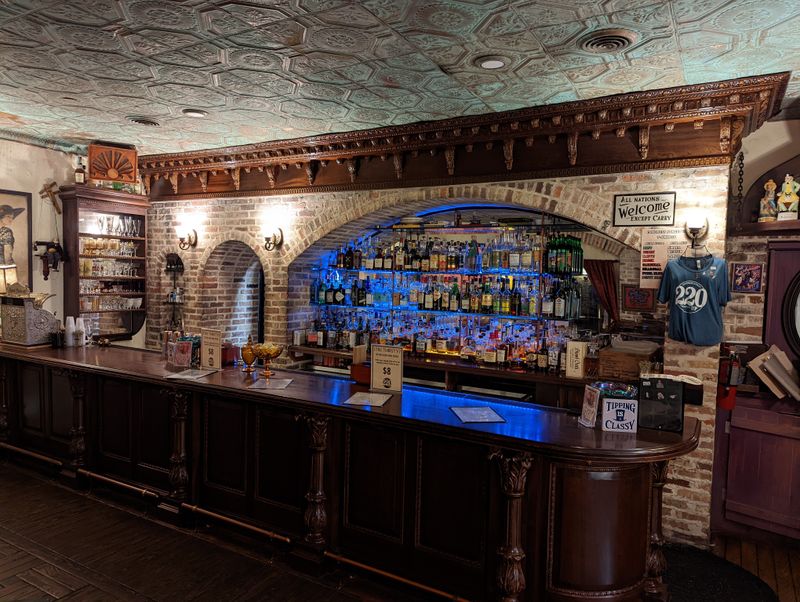
After exploring the exhibits, you can relax in Congress Street Up, the museum’s authentic speakeasy-style bar. This isn’t just a themed attraction but a fully licensed establishment serving creative cocktails inspired by prohibition-era recipes. The bartenders are knowledgeable about the history behind each drink they serve.
The bar maintains the secretive atmosphere of a genuine 1920s speakeasy, complete with password entry and period-appropriate decor. You’ll sip your cocktail surrounded by the same ambiance that made these hidden bars so thrilling during prohibition. The drink menu features both classic recipes and modern interpretations that honor the bootlegger’s craft.
This combination of education and entertainment makes the museum stand out from typical historical attractions. You’re not just learning about history; you’re experiencing a taste of it firsthand. The bar creates a social atmosphere that encourages conversation and makes the visit feel like a special occasion rather than just another museum tour.
3. Learn About Georgia’s Bootlegging History
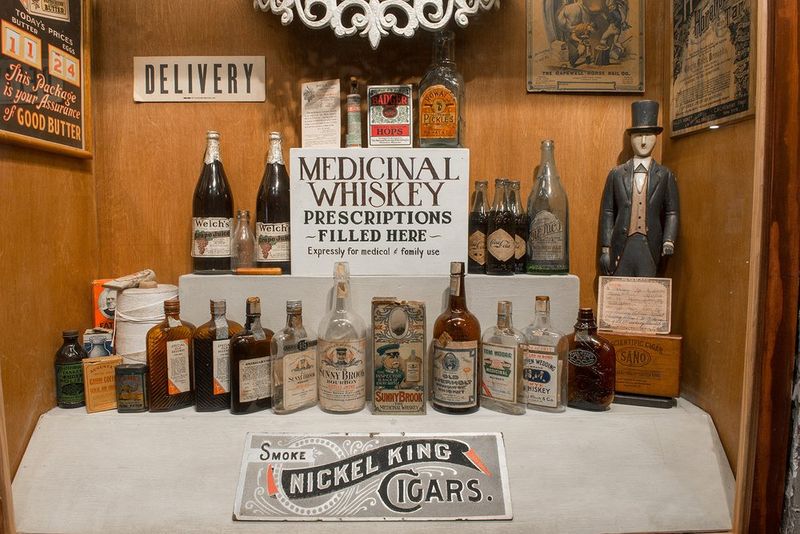
Georgia played a significant role in the Prohibition story, with moonshine production becoming a major underground industry across the state. The museum dedicates special attention to how Georgians responded to the nationwide ban on liquor, from rural stills hidden in the mountains to urban speakeasies in Atlanta and Savannah. These local connections make the national story feel more personal and relevant.
You’ll discover how Georgia’s geography made it ideal for bootlegging operations, with remote mountain areas providing perfect hiding spots for illegal distilleries. The exhibits showcase actual equipment used by Georgia moonshiners and the creative methods they employed to avoid detection. Stories of well-known local bootleggers and the lawmen who chased them add drama to the historical narrative.
Understanding Georgia’s specific role in this nationwide movement gives you a deeper appreciation for the state’s history. The museum connects these local stories to the broader American experience, showing how Prohibition affected different regions in unique ways.
4. Experience Interactive Exhibits And Displays
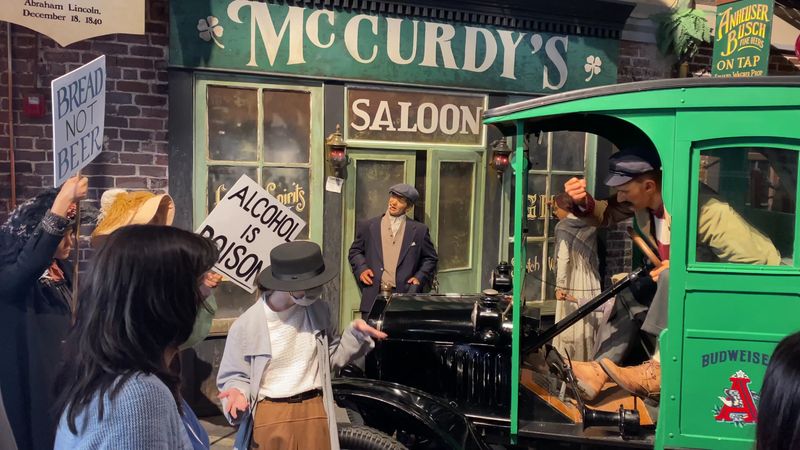
Modern technology brings prohibition history to life through touchscreens, audio recordings, and video presentations throughout the museum. You won’t just read about history; you’ll interact with it in ways that make learning feel like entertainment. The museum designers understood that engagement leads to better retention and more enjoyable visits.
Hands-on exhibits let you try activities like mixing cocktails virtually or cracking codes used by bootleggers to communicate secretly. You can listen to actual recordings from the era and watch footage that captures the spirit of the times. These interactive elements appeal to visitors of all ages and learning styles.
The combination of traditional artifacts and modern presentation methods creates a balanced experience. You get the authenticity of historical objects alongside the accessibility of contemporary technology. This approach makes the museum feel fresh and relevant rather than dusty and outdated, which is why it attracts younger visitors alongside history enthusiasts.
5. Discover The Rise Of Organized Crime
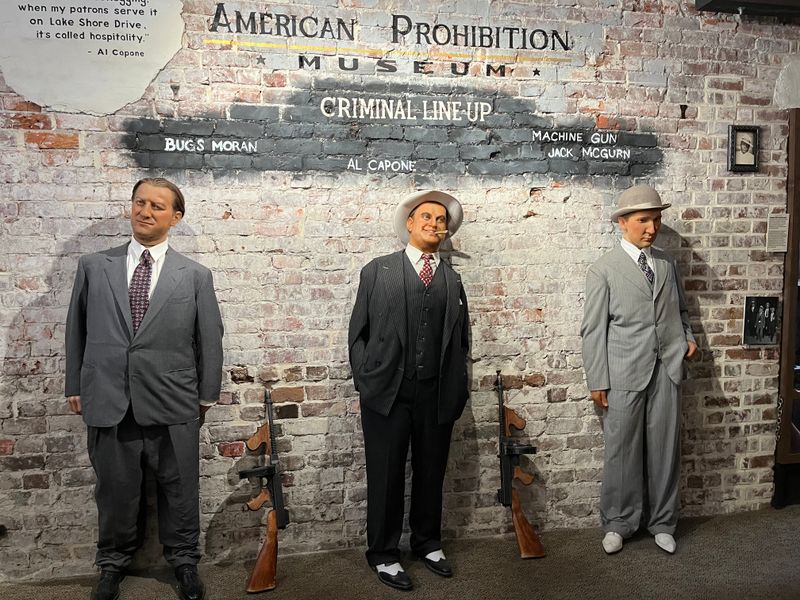
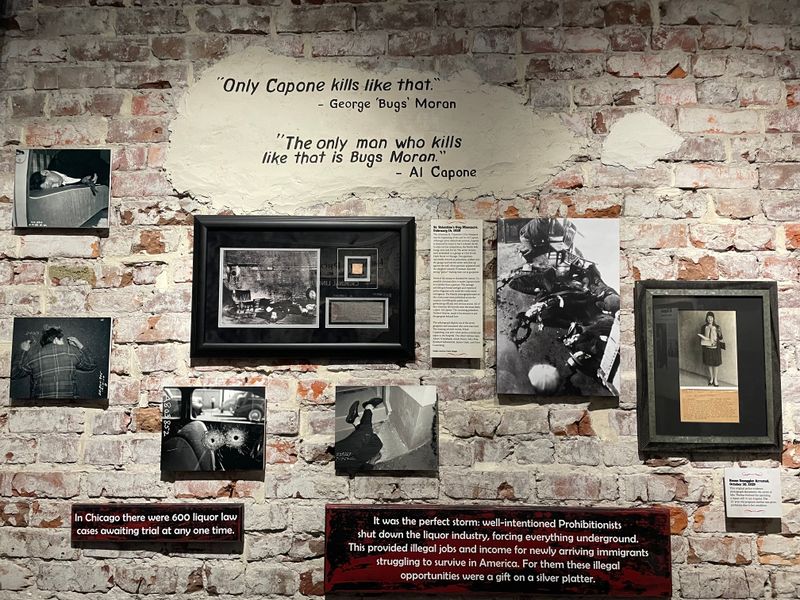
Prohibition didn’t eliminate drinking; it simply pushed it underground and opened the door for criminal organizations to expand. The museum explains how the nationwide ban on liquor unintentionally fueled the rise of powerful crime syndicates that would influence American history for decades. You’ll learn about infamous figures like Al Capone and how this era helped build their wealth and influence.
Exhibits detail the violent turf wars that erupted as rival gangs fought for control of the profitable black-market trade in spirits. Weapons, photographs, and original documents reveal the reality of this turbulent chapter in American history. Rather than glorifying crime, the museum offers a clear-eyed look at how unintended consequences created challenges far beyond what lawmakers anticipated.
Exploring the link between well-meaning legislation and organized crime provides lasting insight into policy and human behavior. The displays highlight how efforts to regulate personal choices can sometimes produce the opposite effect, strengthening underground networks instead of eliminating demand.
6. Perfect Indoor Activity For February Weather
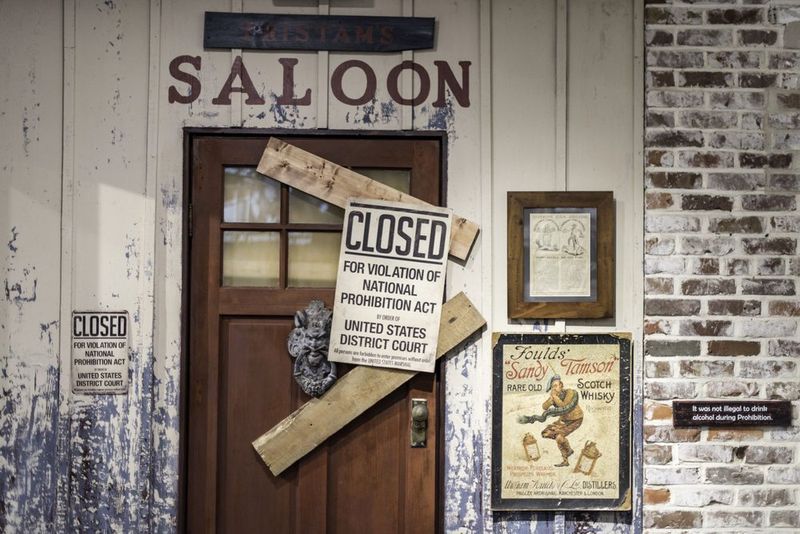
February in Savannah brings comfortable temperatures that make exploring the city pleasant, but having indoor options is always smart. The museum provides a climate-controlled environment where you can spend an hour or two regardless of weather conditions. This makes it an excellent backup plan if rain interrupts your outdoor activities.
The museum’s location at 209 West St. Julian Street puts you in the heart of Savannah’s historic district, surrounded by other attractions and restaurants. You can easily combine your museum visit with lunch, shopping, or exploring nearby squares and landmarks. The central location makes it convenient to include in any Savannah itinerary.
Visiting during February also means you’ll encounter smaller crowds than during peak tourist season. You can take your time with exhibits, enjoy conversations with staff, and have a more relaxed experience overall. The combination of comfortable weather and fewer visitors makes February an ideal month for this particular adventure.
7. Guided Tours With Knowledgeable Staff
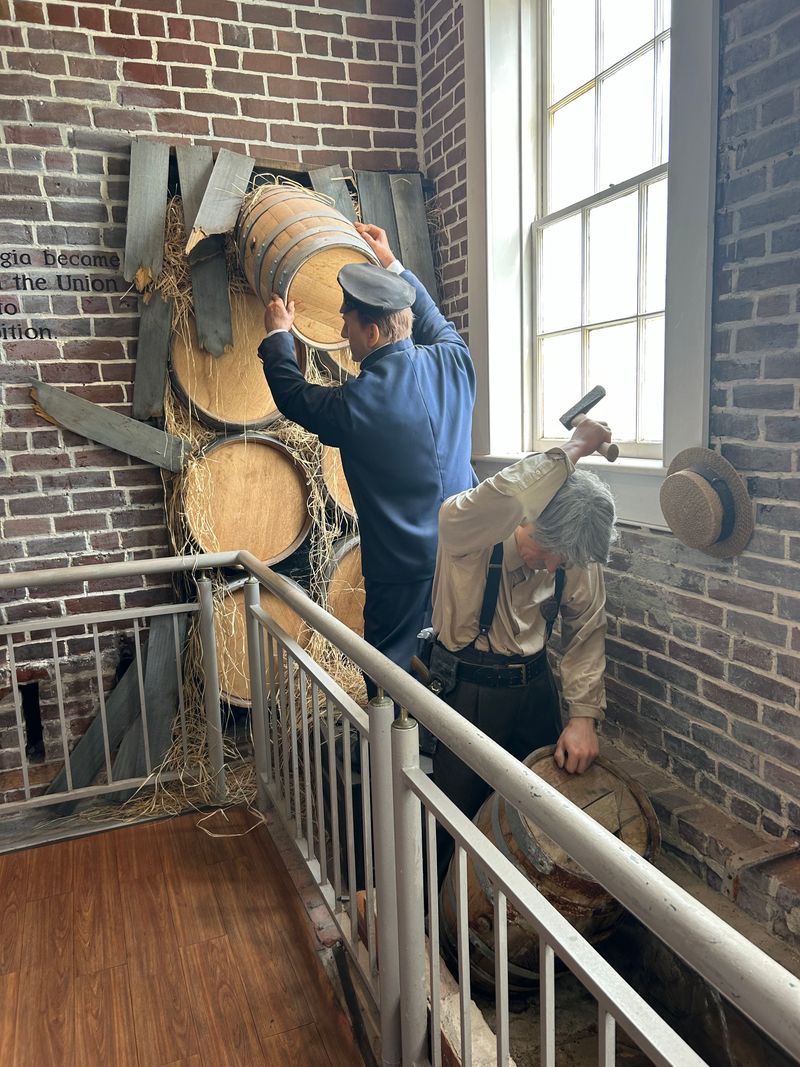
Knowledgeable guides enhance your visit by sharing stories and details you might miss exploring on your own. The museum staff members are passionate about prohibition history and skilled at making the subject engaging for diverse audiences. They can answer questions, provide context, and point out particularly interesting artifacts or connections.
Tours are designed to flow naturally through the museum’s chronological narrative, from the temperance movement through prohibition’s enactment, enforcement, and eventual repeal. Guides share anecdotes about real people and events that humanize the historical record. Their enthusiasm is contagious, making even visitors who aren’t typically interested in history find themselves engaged.
The personal touch that guides provide transforms a good museum into a great experience. They adapt their presentations to their audience, emphasizing different aspects depending on who’s visiting. This flexibility ensures that everyone gets something valuable from their tour, whether they’re serious history students or casual tourists looking for interesting stories.
8. Photography Opportunities Throughout
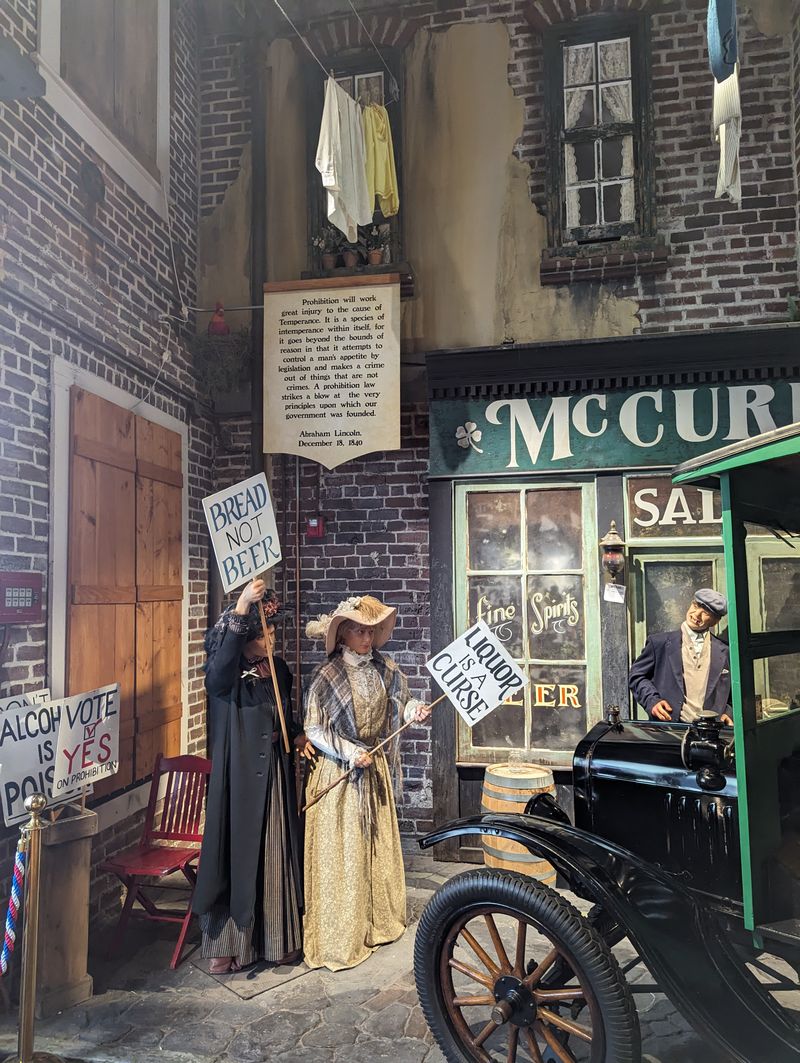
Instagram-worthy moments await around every corner, from the speakeasy entrance to vintage advertisements and recreated scenes from the 1920s. The museum’s designers created visually striking displays that photograph beautifully, making it easy to capture memories of your visit. Good lighting throughout the facility ensures your photos turn out well without needing professional equipment.
Period costumes and props are available in certain areas, letting you pose for fun photos that make you look like you’ve stepped back in time. These interactive photo opportunities add entertainment value and give you unique images to share with friends and family. The museum encourages photography, understanding that sharing experiences on social media helps spread awareness.
The combination of authentic artifacts and theatrical staging creates a visual feast that appeals to photography enthusiasts. You’ll find yourself wanting to capture details and overall scenes alike. These photos serve as lasting reminders of your visit and often inspire friends to plan their own trips to the museum.
9. Educational Experience For All Ages
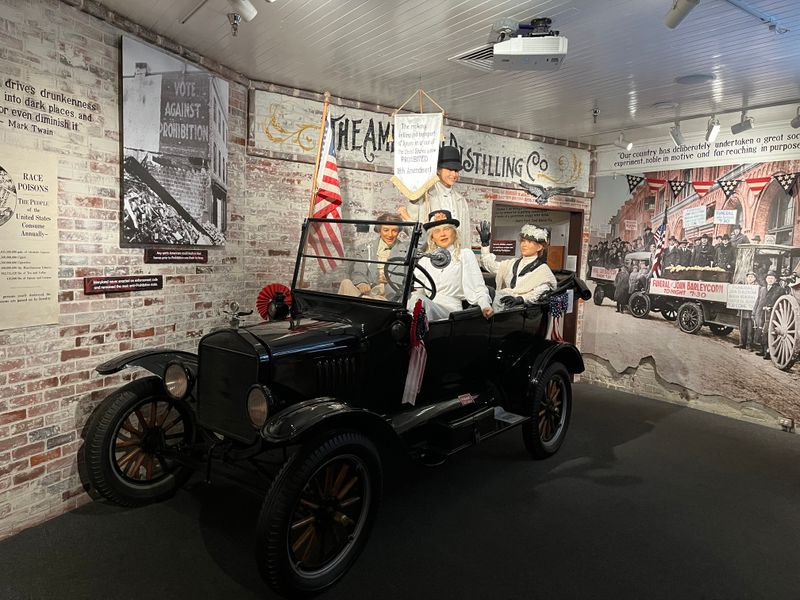
History comes alive in ways that engage visitors from teenagers to senior citizens, making this a rare attraction that truly works for multiple generations. The museum balances serious historical content with entertaining presentation methods that prevent the experience from feeling like a dry lecture. You’ll leave knowing significantly more about American history than when you arrived.
The prohibition era touches on numerous subjects including politics, social movements, law enforcement, economics, and cultural change. This multifaceted approach means different visitors can focus on aspects that interest them most. Teachers often bring student groups because the museum aligns with curriculum standards while being more engaging than textbook learning.
The educational value extends beyond just knowing dates and facts; you’ll understand the complex motivations and consequences surrounding prohibition. This deeper comprehension helps you think critically about current policy debates and how government decisions affect society. The museum proves that learning about history can be both intellectually stimulating and genuinely fun.
10. Explore The Temperance Movement Origins
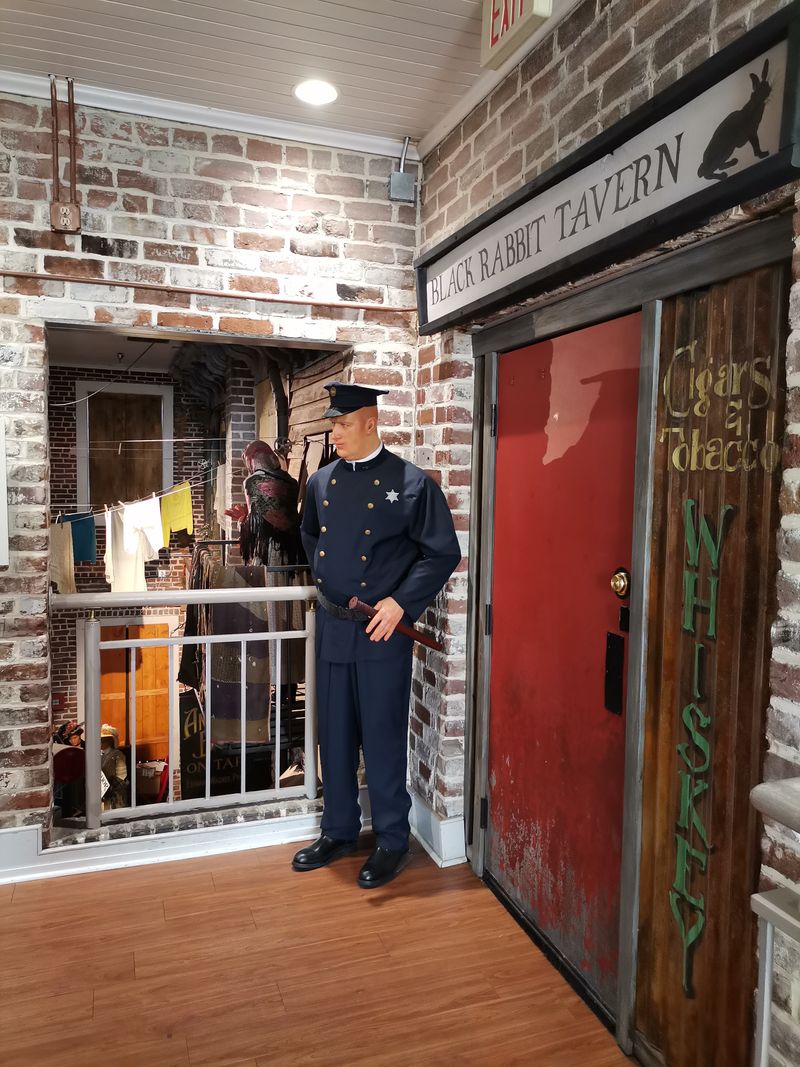
Before Prohibition became law, decades of activism by temperance advocates laid the groundwork for a constitutional amendment. The museum explores these origins, showing how concerns about the social costs of liquor gradually built support for a nationwide ban. You’ll see propaganda posters, publications, and artifacts from organizations like the Woman’s Christian Temperance Union.
Understanding the motivations behind Prohibition helps you view it as more than just a failed policy experiment. Many supporters truly believed they were addressing serious issues tied to domestic violence, poverty, and public health. The exhibits present these perspectives in a balanced way, offering insight into why so many Americans backed what later proved difficult to enforce.
The temperance movement’s tactics and strategies provide a closer look at how organized campaigns can shape public opinion and influence legislation. You may even notice similarities to modern advocacy efforts. This broader historical context deepens your understanding of how American democracy reacts to sustained public pressure sometimes with results no one fully anticipates.
11. Learn About Prohibition’s Repeal
After thirteen years of Prohibition, Americans finally acknowledged the experiment had failed and moved to repeal the Eighteenth Amendment. The museum explains this historic turning point, outlining the economic and social pressures that brought the era to a close. You’ll see how the Great Depression reshaped public opinion, as many began to view the return of regulated liquor sales as a way to create jobs and generate much-needed tax revenue.
Exhibits highlight the celebrations that followed when Prohibition officially ended in December 1933. Photographs and newspaper headlines capture the relief and excitement people felt at being able to enjoy spirits legally once again. The museum also breaks down how the repeal process unfolded, noting that it remains the only time a constitutional amendment has been fully reversed.
Exploring repeal brings the Prohibition story full circle and underscores important lessons about unintended consequences and the need for policy flexibility. The displays suggest that recognizing missteps and adjusting course even on major national issues can be a sign of strength rather than failure, leaving you reflecting on how societies adapt and evolve.
12. Convenient Location In Historic Savannah
Savannah’s historic district offers one of America’s most walkable and beautiful urban environments, and the museum sits right in the middle of it all. After your visit, you can easily stroll to nearby restaurants, shops, and historic squares that make Savannah famous. The address at 209 West St. Julian Street places you within walking distance of dozens of other attractions.
The surrounding neighborhood features the architectural beauty and Southern charm that draw millions of visitors to Savannah each year. You’ll find yourself on streets lined with historic buildings, hanging Spanish moss, and carefully maintained green spaces. The museum’s location lets you combine your prohibition history lesson with broader exploration of Savannah’s rich past.
Parking can be challenging in downtown Savannah, but the museum’s central location means you can park once and walk to multiple destinations. Many visitors make the museum part of a full day exploring the historic district on foot. This walkability adds value to your museum ticket by putting you in position to enjoy much more of what Savannah offers.
13. Unique Date Night Destination
Looking for something more interesting than dinner and a movie? The museum offers a sophisticated alternative that combines culture, history, and cocktails in one location. Couples appreciate the opportunity to learn something new together while enjoying the speakeasy bar’s romantic atmosphere.
The experience provides natural conversation topics and shared memories that strengthen relationships.
The prohibition theme lends itself to dressing up a bit, making the evening feel special without requiring formal attire. Many couples enjoy the playfulness of the speakeasy concept, from giving passwords at the bar entrance to ordering vintage cocktails. This element of fun distinguishes it from more serious museum dates.
February’s association with Valentine’s Day makes this an especially appealing option for couples seeking unique ways to celebrate. The museum offers something different from typical romantic gestures while still creating an intimate, memorable experience. You’ll leave with stories to share and possibly a new appreciation for craft cocktails and American history.
14. Special Events And Programming
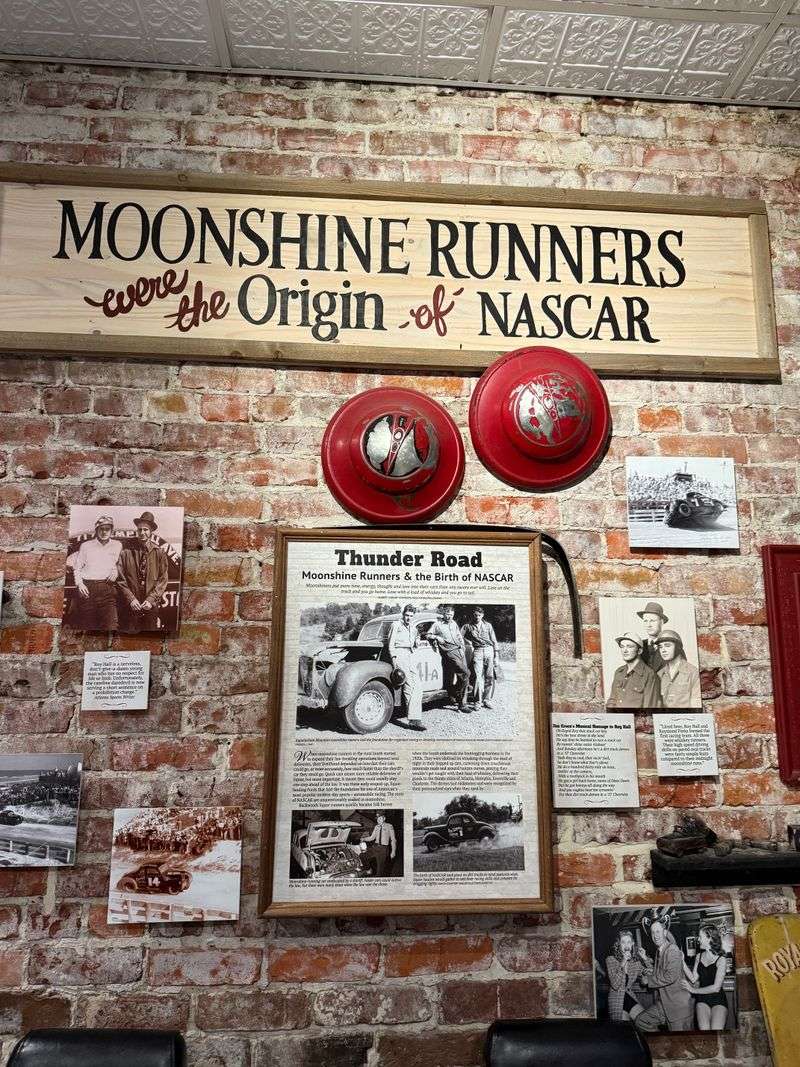
Beyond regular exhibits, the museum hosts special events throughout the year that add extra entertainment value to your visit. These programs might include cocktail-making classes, jazz performances, or lectures by historians specializing in the prohibition era. Checking the museum’s event calendar before your visit can help you time your trip to coincide with something special.
Themed events often encourage period costumes, letting visitors fully embrace the 1920s atmosphere. These occasions create a party-like environment that differs significantly from a standard museum visit. You’ll meet other history enthusiasts and people who simply enjoy the prohibition era’s style and culture.
Special programming demonstrates the museum’s commitment to being a living, dynamic institution rather than a static collection of artifacts. These events give locals reasons to return multiple times and provide tourists with potentially unique experiences they couldn’t get on any random visit. The variety of programming ensures there’s always something new to discover at the museum.
15. Supporting Local Savannah Culture
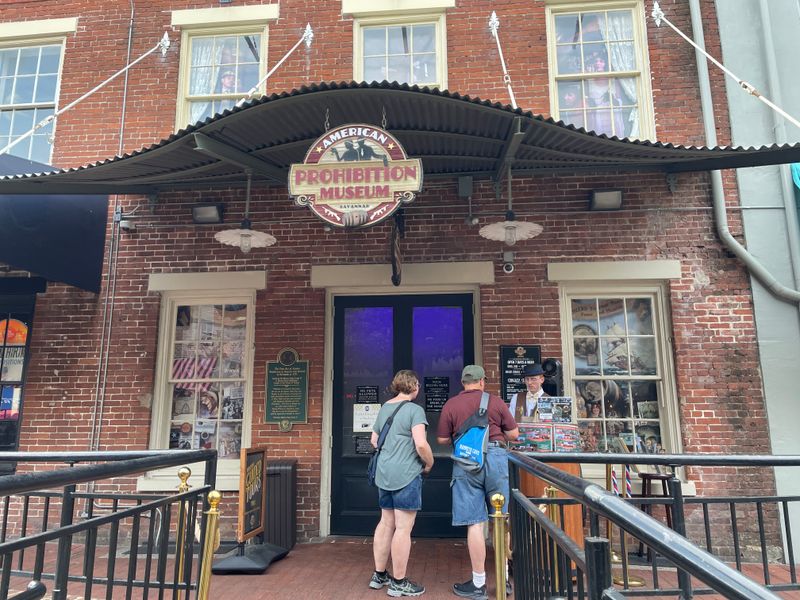
Visiting the museum supports Savannah’s cultural ecosystem and helps preserve this unique institution for future generations. Small, specialized museums like this one depend on ticket sales and word-of-mouth recommendations to survive. Your visit contributes to keeping this piece of history accessible to the public.
The museum employs local residents and works with other Savannah businesses, creating economic benefits that extend beyond its walls. By choosing to spend your time and money here, you’re investing in the local community rather than sending profits to distant corporations. This kind of tourism helps maintain the authentic character that makes Savannah special.
Cultural institutions like the American Prohibition Museum add depth and variety to a city’s attractions, making it more interesting for both residents and visitors. Supporting these venues ensures that Savannah remains a destination with diverse offerings rather than becoming homogenized. You’re not just getting entertainment for your ticket price; you’re helping preserve something valuable for everyone who comes after you.