Georgia Foods Outsiders Can’t Say But Locals Love To Correct
Ever tried ordering food in Georgia and watched a local’s eyebrow raise when you mangle the pronunciation?
Food names here carry generations of Southern tradition, and getting them right is practically a badge of honor.
From sweet treats to savory dishes, these Georgia favorites have pronunciations that trip up visitors every single time.
I’m sharing the foods that separate the tourists from the locals, so you can sound like you belong at any Georgia table.
1. Pecan Pie
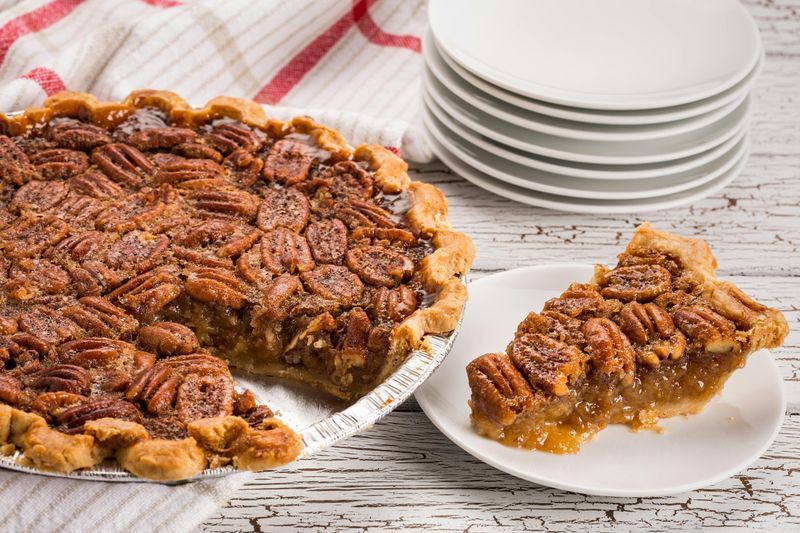
Nothing starts an argument faster in Georgia than mispronouncing this classic dessert.
You might think it’s “PEE-can,” but locals will quickly tell you it’s “puh-KAHN.” The debate runs deep, with some Georgians insisting on “PEE-kahn” as a compromise.
Walk into any bakery across the state and you’ll hear the correct pronunciation flowing naturally from every local’s mouth.
The sweet, nutty pie has been a Georgia staple since pecan trees started dotting the landscape centuries ago.
Getting the name right shows respect for Southern baking traditions.
Your best bet is listening carefully when ordering at places like 2 Martin Luther King Jr Dr SE, Atlanta, GA 30334.
Most locals use the “puh-KAHN” pronunciation, especially in South Georgia where pecan orchards thrive.
Practice saying it a few times before you order, and you’ll blend right in with the regulars at any Georgia diner or restaurant.
2. Vidalia Onions
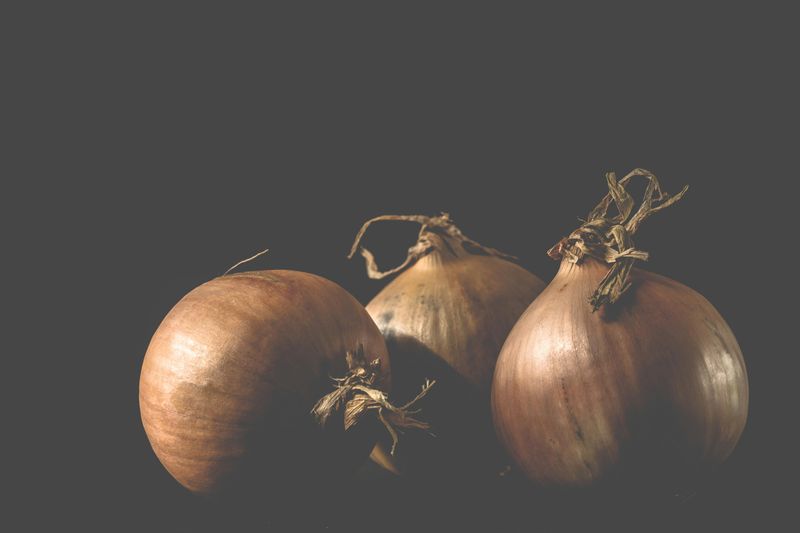
Most visitors stumble over this one, saying “vih-DAL-ee-uh” when they should be saying “vie-DALE-yuh.” These sweet onions come from Vidalia, Georgia, a small town that’s given the world one of its most beloved vegetables.
The name rolls off local tongues with ease, but outsiders almost always get it wrong on the first try.
Farmers have grown these mild, sweet onions in the area around 100 E 1st St, Vidalia, GA 30474 since the 1930s.
The unique soil composition gives them their signature sweetness.
Only onions grown in specific Georgia counties can legally carry the Vidalia name.
Listen to how produce clerks and farmers market vendors say it, and you’ll notice the emphasis on the second syllable.
The “vie” sounds like “eye” with a “v” in front.
Once you nail the pronunciation, you’ll sound like a true Georgian when discussing your favorite recipes or shopping for these prized onions at local markets throughout the state.
3. Pimento Cheese

Calling it “pih-MEN-toe” instead of “puh-MEN-toe” will instantly mark you as an outsider.
This spread is considered the pâté of the South, and Georgians take both the recipe and pronunciation seriously.
The creamy, tangy mixture appears at every gathering from tailgates to wedding receptions.
You’ll find it served on crackers, spread on sandwiches, or stuffed in celery at restaurants near 233 Peachtree St NE, Atlanta, GA 30303.
The combination of sharp cheddar, mayonnaise, and chopped pimentos creates a flavor that defines Southern cuisine.
Every Georgia grandmother has her own secret recipe passed down through generations.
The first syllable gets a soft “uh” sound, not a sharp “ih” like many visitors assume.
Watch how locals order it at delis and country clubs, paying attention to that subtle vowel sound.
Master this pronunciation and you’ll earn nods of approval from any Georgian who hears you order this beloved spread with confidence and proper Southern inflection.
4. Boiled Peanuts
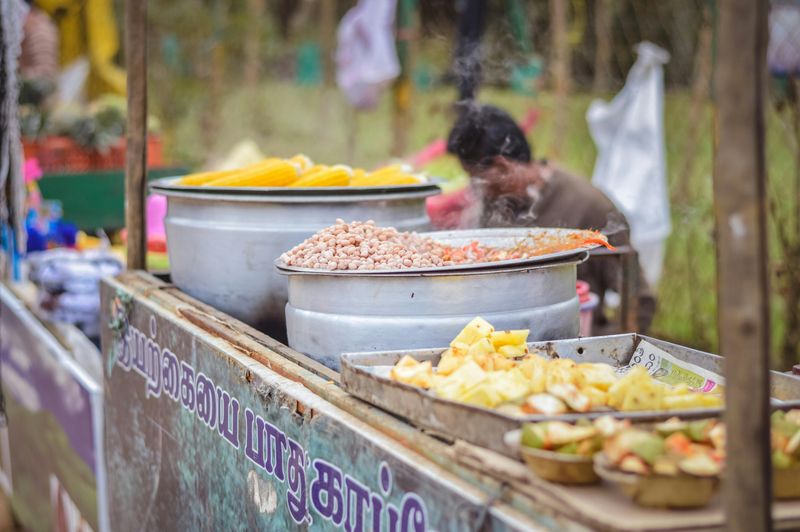
Saying “boiled PEE-nuts” instead of “boiled PEA-nuts” might seem like a small difference, but locals notice immediately.
This salty, soggy snack is a Georgia roadside staple that confuses visitors with both its texture and pronunciation.
You’ll see them sold from roadside stands in steaming pots throughout the state.
The correct pronunciation emphasizes the first syllable with a long “e” sound, just like the vegetable.
Vendors along highways near Savannah and throughout rural Georgia have perfected both the recipe and the sales pitch.
The tradition dates back generations, with recipes varying by region and family preference.
Pull over at any boiled peanut stand and listen to how the seller describes their product.
The soft, mushy texture surprises first-timers who expect the crunch of roasted peanuts.
Locals around 301 Martin Luther King Jr Blvd, Savannah, GA 31401 grew up eating these as snacks during road trips and sporting events.
Say it right and you’ll fit in perfectly at any Georgia gas station or farmer’s market where these salty treats are sold fresh from huge cooking pots.
5. Pralines
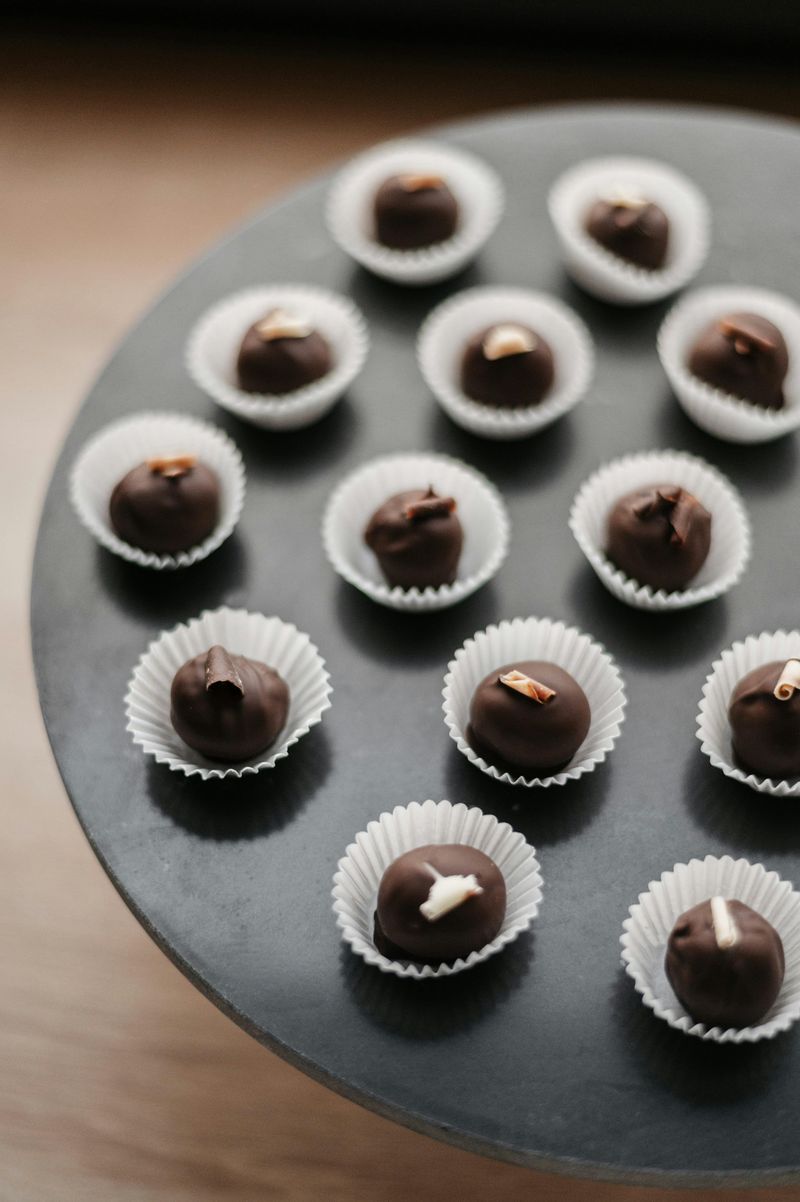
Ask for “PRAY-leens” and every Georgian within earshot will know you’re not from around here.
The correct pronunciation is “PRAH-leens,” with the emphasis on the first syllable and a softer “a” sound.
These sweet, nutty candies are a Southern tradition that requires proper pronunciation respect.
Walk through Savannah’s historic district near River St, Savannah, GA 31401 and you’ll find shops selling these pecan-studded confections.
The French-influenced candy became a Georgia favorite generations ago, though the pronunciation evolved into something distinctly Southern.
Each candy shop has its own recipe, with some making them soft and creamy while others prefer a harder, crunchier texture.
The pronunciation difference comes from the Southern drawl that softened the original French word over time.
Listen to candy shop owners describe their pralines and you’ll hear that distinctive “ah” sound in the first syllable.
Practice it before you order, because using the wrong pronunciation might get you friendly correction from the person behind the counter who’s been making these treats for decades.
6. Okra
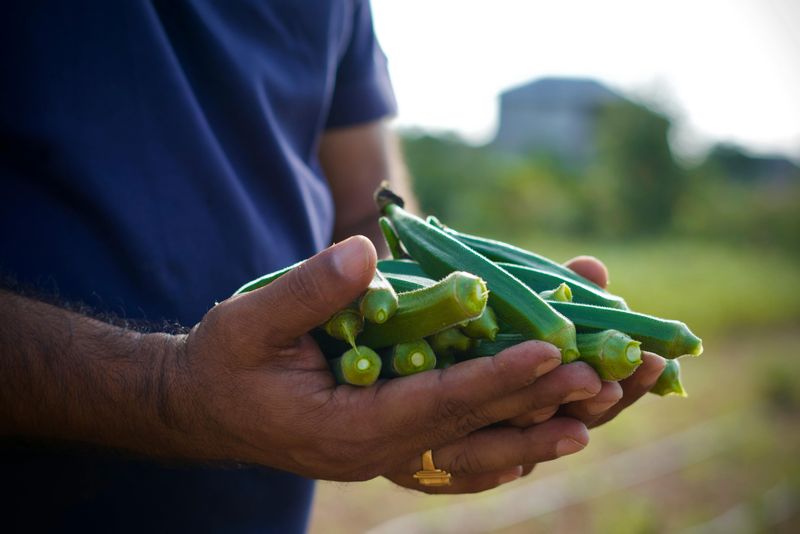
Many visitors say “OH-krah” with equal emphasis on both syllables, but Georgians pronounce it “OH-kruh” with the second syllable barely there.
This green vegetable shows up fried, pickled, or in gumbo across the state.
The slimy texture when cooked makes it controversial, but Georgians grew up eating it and pronouncing it correctly.
Visit any farmers market around 285 Andrew Young International Blvd NW, Atlanta, GA 30303 during summer and you’ll see piles of fresh okra.
Vendors will happily discuss the best cooking methods while demonstrating the proper pronunciation.
The vegetable came to Georgia through enslaved Africans who brought seeds from their homeland, making it an important part of Southern agricultural and culinary history.
That second syllable gets swallowed up in the Southern accent, becoming almost silent.
Listen to cooking demonstrations at state fairs and agricultural events to hear how locals discuss this polarizing vegetable.
The pronunciation flows naturally when you soften that ending.
Once you’ve got it down, you can confidently order fried okra at any meat-and-three restaurant without revealing your outsider status to the locals.
7. Sorghum
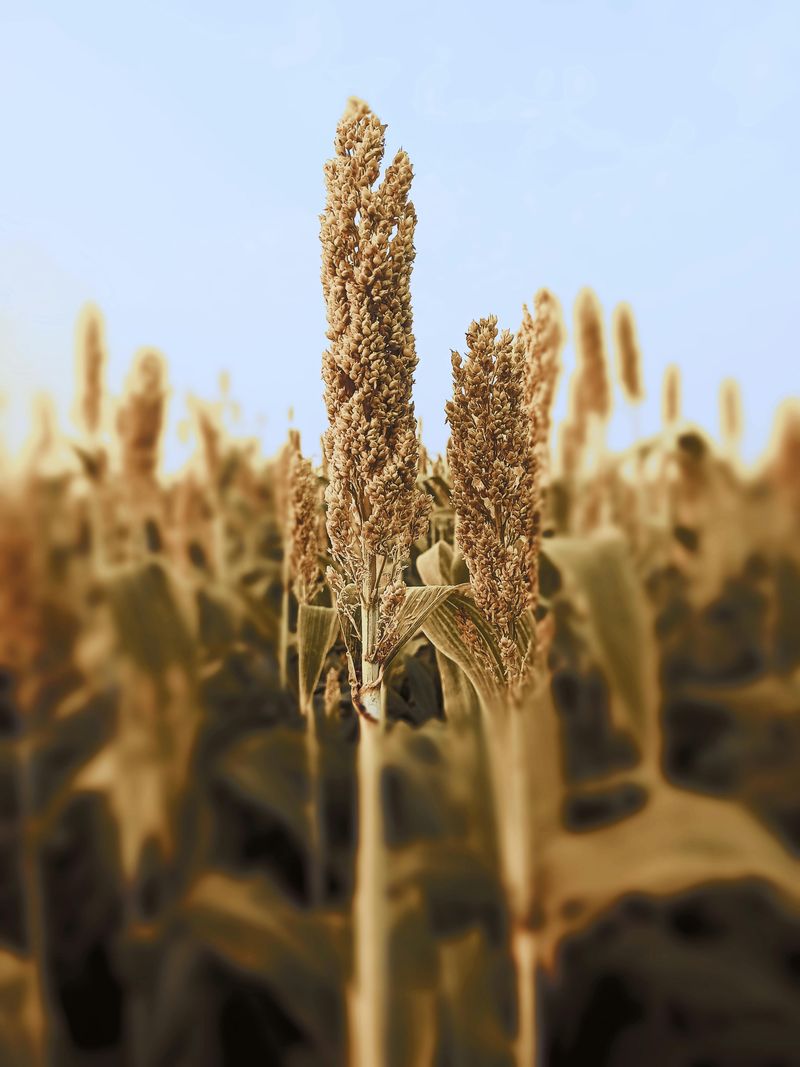
Saying “SOR-gum” with a hard “g” sound reveals you’ve never ordered this at a Georgia table.
The correct pronunciation is “SOR-gum” but with the “g” barely audible, almost like “SOR-um.” This thick, molasses-like syrup sweetens biscuits and cornbread throughout the South.
The syrup comes from sorghum cane, which farmers grow throughout Georgia’s rural areas.
You’ll find bottles of sorghum at country stores and farmers markets, especially near 135 Mississippi Ave, Atlanta, GA 30313.
The production process involves crushing the cane and boiling the juice until it thickens into syrup.
Many small farms still make sorghum using traditional methods passed down through generations.
That “g” gets softened almost to nothing in the Southern pronunciation, making it sound gentler than the spelling suggests.
Watch cooking demonstrations at heritage festivals to hear how locals discuss this traditional sweetener.
The flavor is less sweet than honey but more complex than maple syrup.
Practice the pronunciation before visiting any Georgia pancake house or country cooking restaurant, because sorghum is a breakfast table staple that deserves your respectful attempt at saying it correctly.
8. Conecuh Sausage
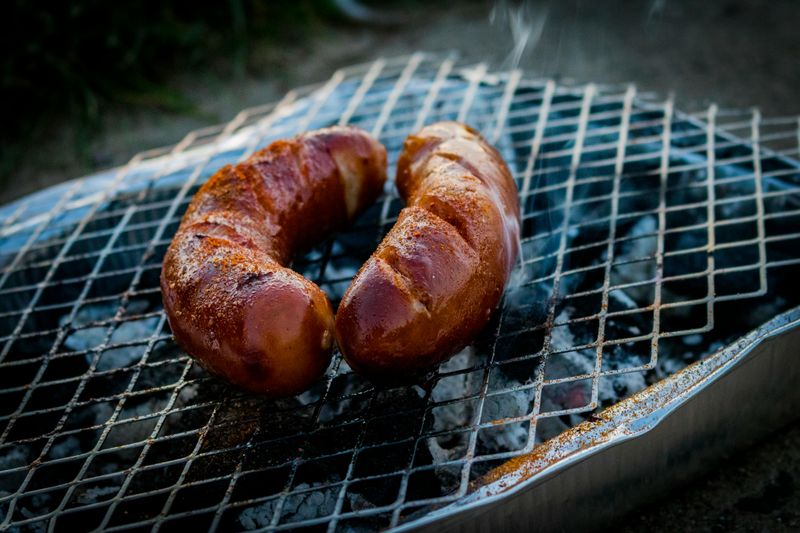
This Alabama-made sausage is beloved in Georgia, but visitors butcher the name constantly.
You might guess “CON-uh-kuh” or “con-EE-kuh,” but locals say “kuh-NECK-uh” with the emphasis squarely on the middle syllable.
The smoky, flavorful sausage appears in everything from breakfast scrambles to jambalaya across the state.
Though it originates from Conecuh County, Alabama, Georgia grocery stores stock it everywhere, especially near 675 Ponce De Leon Ave NE, Atlanta, GA 30308.
The hickory-smoked flavor makes it a favorite for adding depth to Southern dishes.
Many Georgia restaurants feature it in their breakfast menus, and home cooks keep it stocked in their freezers for quick meal additions.
The pronunciation trips people up because the spelling doesn’t match the sound at all.
Listen to butchers and deli workers at Georgia grocery stores to hear the correct way to ask for it.
That middle syllable gets all the emphasis, with the first and last syllables barely pronounced.
Once you nail it, you can confidently order this sausage without the inevitable correction from whoever’s behind the counter waiting to set you straight.
9. Buttermilk Biscuits
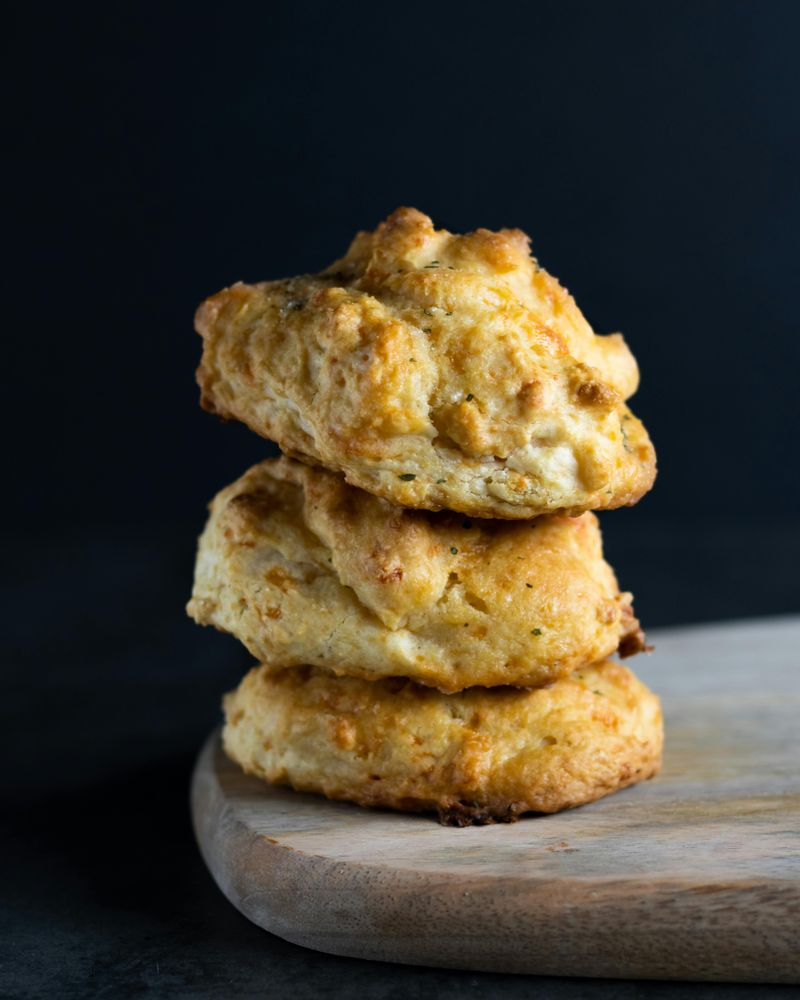
Most people get “biscuits” right, but the real test is pronouncing “buttermilk” the Georgian way.
Locals say “BUH-ter-milk” so quickly that it almost becomes two syllables instead of three.
These flaky, buttery biscuits are the cornerstone of Southern breakfast and appear at every meal from fancy brunches to fast food chains.
Walk into any restaurant near 50 Hurt Plaza SE, Atlanta, GA 30303 for breakfast and you’ll hear servers and customers saying this word lightning-fast.
The key is blending those syllables together naturally without overemphasizing each one.
Georgia grandmothers have been making these biscuits from scratch for generations, using recipes that require no written measurements.
That middle syllable gets compressed in casual conversation, making the word flow more smoothly.
Listen to Southern cooking shows and pay attention to how chefs discuss their biscuit recipes.
The pronunciation becomes almost musical when said with a proper Georgia accent.
Master this one before ordering breakfast anywhere in the state, because buttermilk biscuits are non-negotiable on every morning menu, and locals will definitely notice if you’re saying it like someone who just moved here yesterday from somewhere up North.
10. Country Captain Chicken
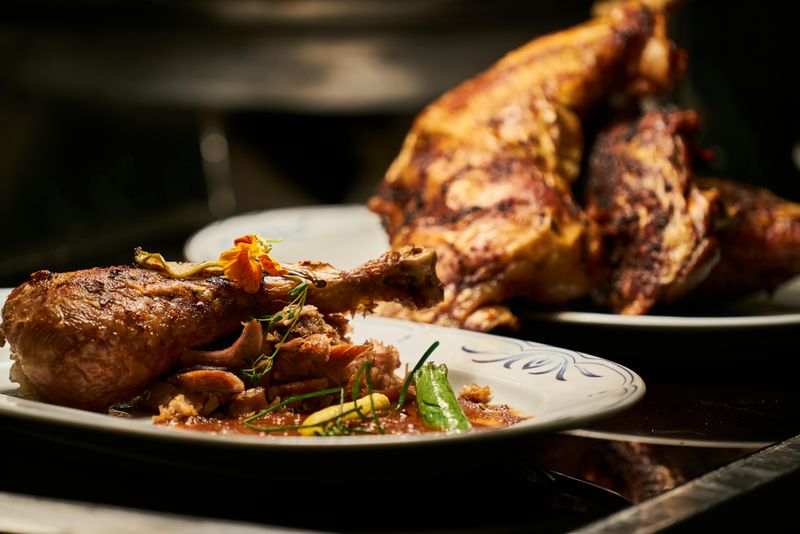
People often emphasize “captain” wrong, saying “CAP-tin” with a hard “t” sound.
Georgians soften it to “CAP-uhn,” making the second syllable almost disappear.
This curry-spiced chicken dish has been a Georgia favorite since the 1800s, supposedly brought to Savannah through the spice trade.
The recipe includes unusual ingredients for Southern cooking like curry powder, tomatoes, and raisins.
You’ll find it on menus at historic restaurants near 301 E Bay St, Savannah, GA 31401, where the dish has been served for generations.
The combination of savory and sweet flavors reflects the international influences that shaped Georgia’s coastal cuisine.
That “t” in captain gets softened to almost nothing, becoming more of a glottal stop than a hard consonant.
Listen to servers at Savannah’s historic restaurants describe this dish to hear the proper pronunciation.
The name sounds elegant when said correctly, flowing smoothly without harsh consonants.
Practice it before ordering at any restaurant that serves traditional Savannah cuisine, because this dish represents the city’s rich culinary history and international trading past that brought exotic spices to Georgia’s tables centuries ago.