This Georgia Forest Trail Is Filled With Strange Watchful Doll Faces
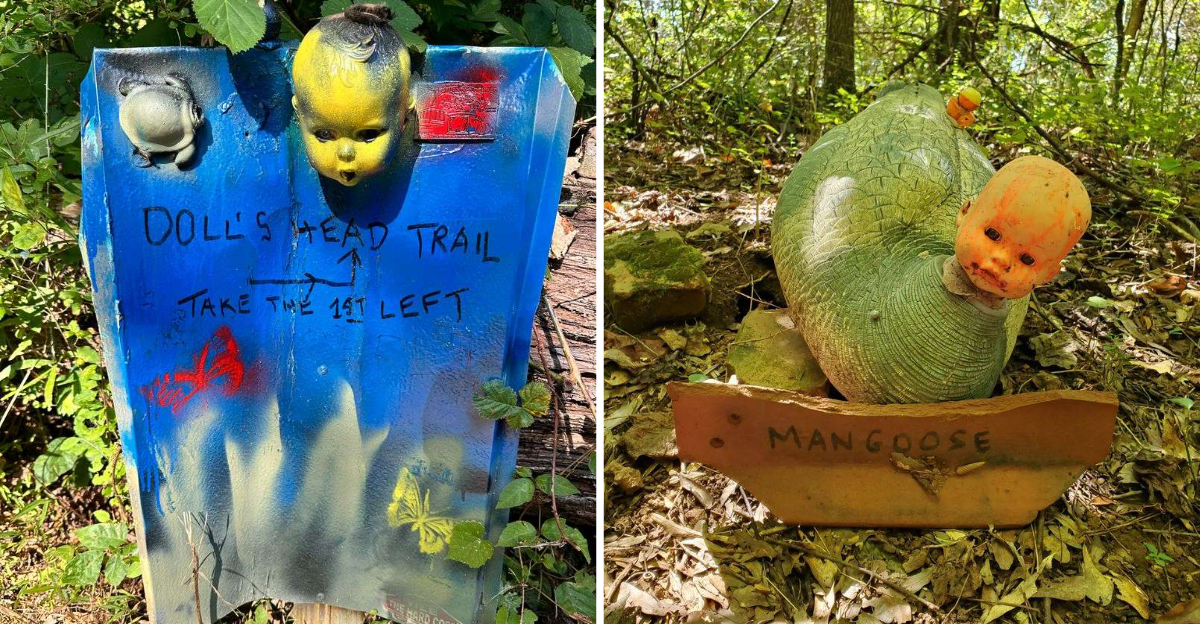
Have you ever walked through a forest where hundreds of doll heads seem to watch you from every direction? The Doll’s Head Trail in Georgia delivers exactly that eerie and unforgettable experience. Tucked inside Constitution Lakes Park near Atlanta, this unusual hiking path blends nature with haunting creativity.
What began as one artist’s effort to clean up discarded trash has grown into a community driven art installation unlike anything else in the state. Along the trail, visitors encounter sculptures and displays made from abandoned dolls, toys, and found objects, each one arranged in ways that feel both fascinating and unsettling. The contrast between peaceful wetlands and surreal artwork makes the walk feel dreamlike.
Located at 1305 South River Industrial Boulevard, the trail attracts hikers, photographers, and curious explorers year round. Whether you find it creepy, artistic, or both, the Doll’s Head Trail transforms an ordinary nature hike into an experience you will not soon forget.
1. The Original Doll Head Installation
Back in 2012, a local carpenter named Joel Slaton started placing doll heads along this trail as a form of environmental art. He wanted to draw attention to illegal dumping in the area.
Slaton’s original installations featured doll heads carefully arranged on tree stumps and branches. Each placement told a story about waste and nature reclaiming what humans discard. The weathered plastic faces created an immediate emotional response from hikers.
Over time, other visitors began adding their own contributions to the collection. What began as one person’s statement about environmental protection became a collaborative outdoor gallery. The original pieces still stand today, marking the birthplace of this strange artistic tradition.
2. Baby Doll Faces Watching From Trees
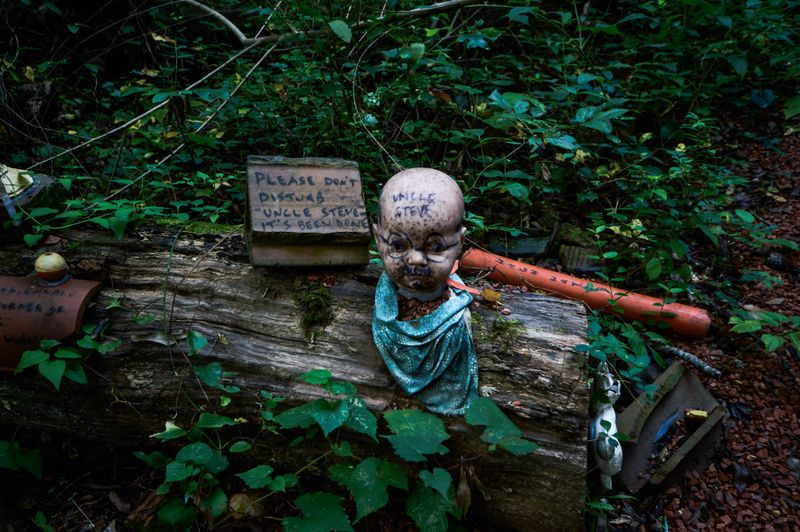
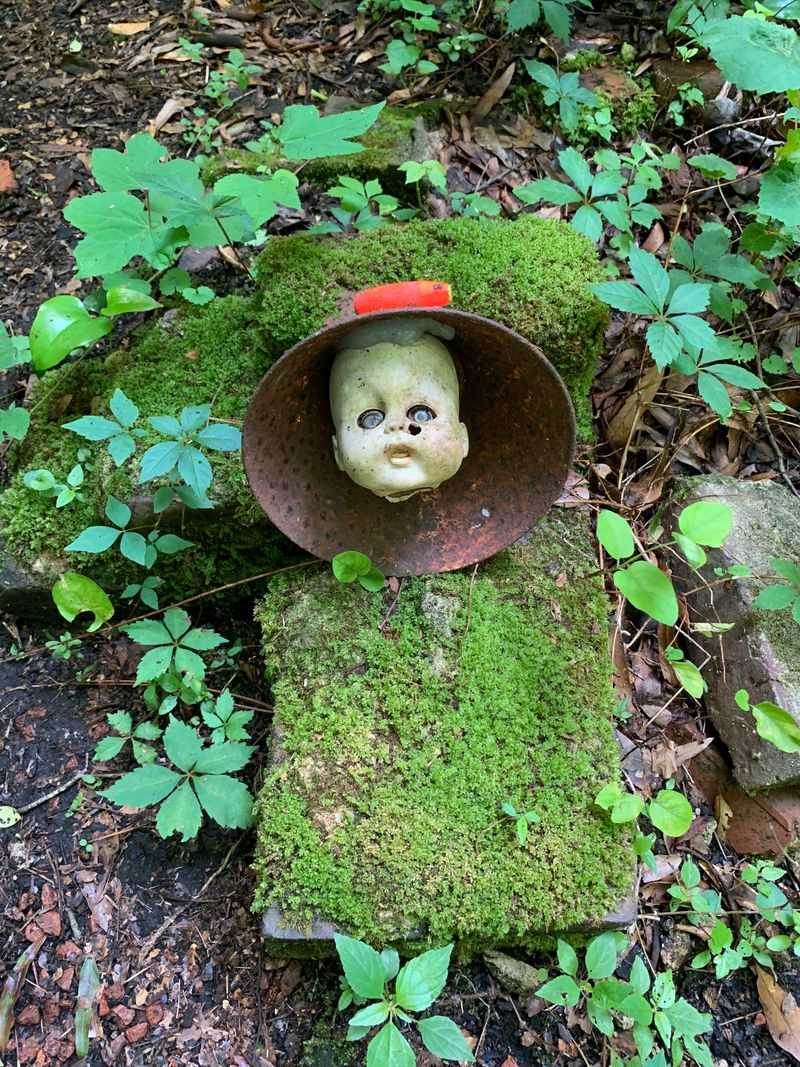
Walking deeper into the forest, you’ll notice baby doll faces peering out from unexpected places. Their innocent expressions create a striking contrast against the dark bark and green foliage. Some faces have been there so long that moss has started growing across their cheeks.
The baby doll installations are scattered throughout the 1.5-mile loop trail. You’ll find them nailed to trees, wedged between branches, and even half-buried in the ground. Their wide eyes seem to follow you as you pass by.
Many visitors say these are the most unsettling pieces on the trail. The combination of childhood innocence and decay triggers something primal in our minds. Yet they also remind us how nature slowly reclaims everything we leave behind, transforming trash into something thought-provoking and strangely beautiful.
3. Action Figure Army Display
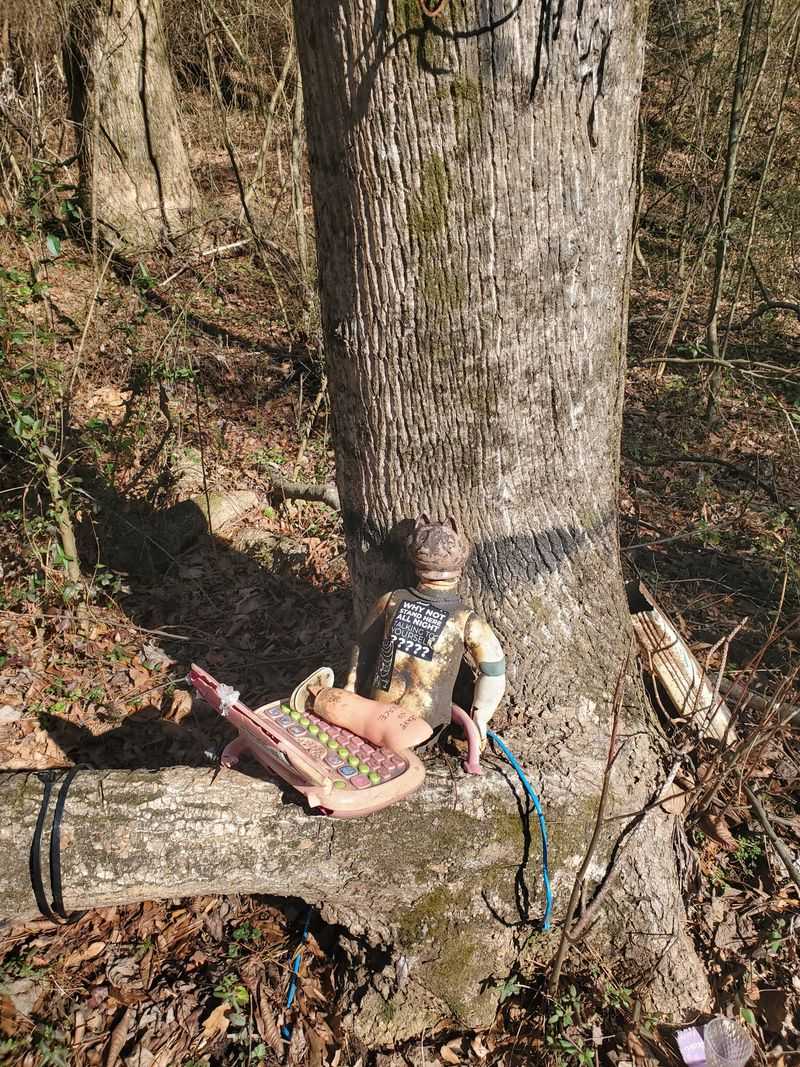
Someone with a sense of humor created an entire army of action figures along one section of the trail. G.I. Joes, superheroes, and random toy soldiers stand at attention on a massive fallen log.
Their plastic bodies have faded from years of sun exposure.
This installation shows incredible creativity in how the figures are positioned. Some appear to be marching, others stand guard, and a few seem to be in battle poses. The arrangement changes periodically as visitors add new soldiers to the ranks.
Kids especially love this display because they recognize many of the characters from their own toy boxes. Parents appreciate how it sparks conversations about recycling and giving old toys new life. The action figure army proves that art doesn’t always need to be serious to make people think about consumption and waste.
4. The Doll Head Totem Poles
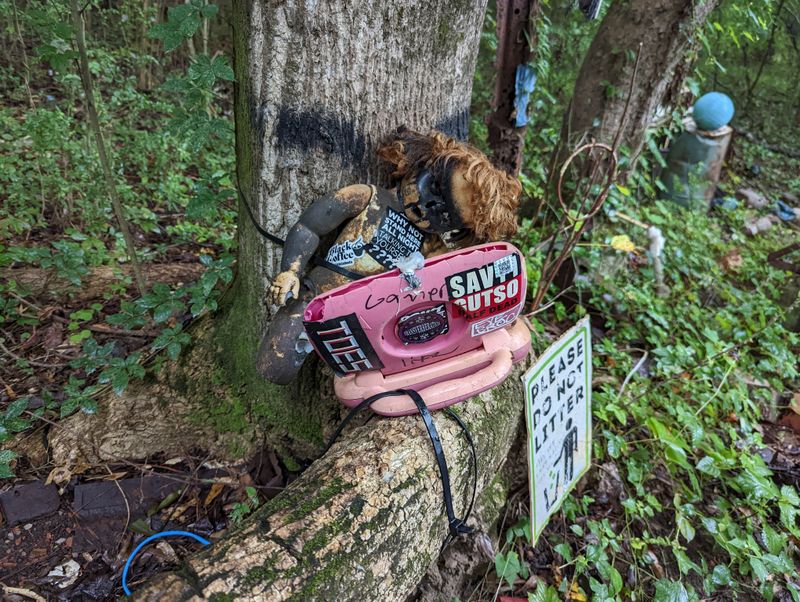
Several impressive totem poles made entirely from doll heads stand like sentinels along the trail. These towering structures stack multiple heads vertically, creating columns of staring faces. Each pole features different hair colors, skin tones, and facial expressions arranged in deliberate patterns.
Creating these totem poles requires careful balance and engineering. The heads must be secured properly to withstand wind and rain. Some poles reach over six feet tall, making them impossible to miss as you round certain bends in the path.
These installations draw inspiration from traditional Native American totem poles while commenting on modern consumer culture. Instead of carved wood depicting clan symbols, we see mass-produced plastic faces. The contrast makes you think about what our generation will leave behind for future archaeologists to puzzle over and interpret.
5. Barbie Doll Garden Shrine
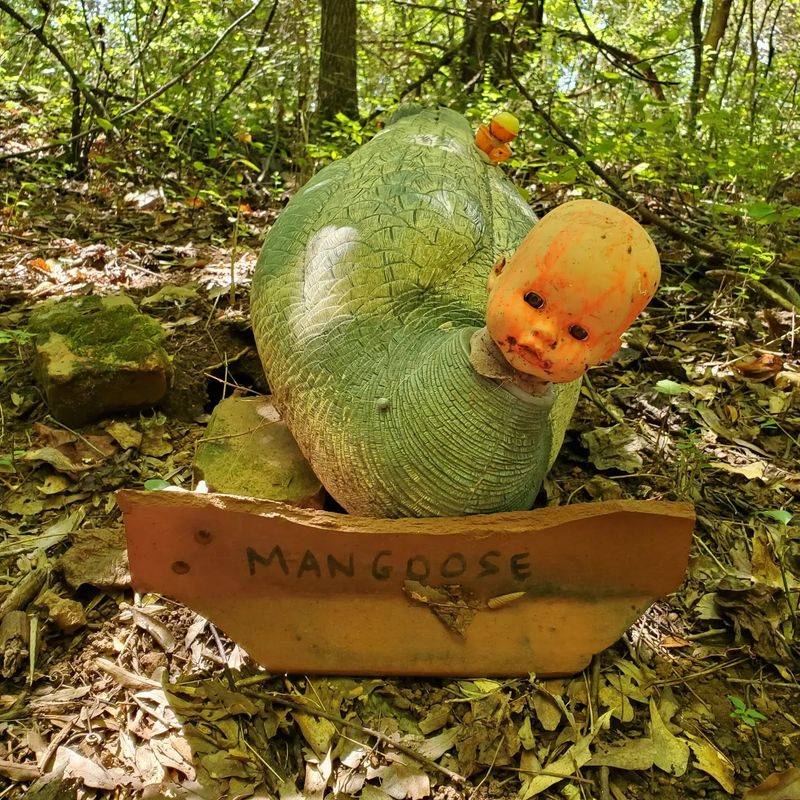
A particularly colorful section of the trail features dozens of Barbie dolls arranged in a garden-like shrine. Blonde hair mingles with brunette and red locks as the dolls lean against trees and rocks. Their glamorous features look surreal covered in dirt and surrounded by natural decay.
This installation makes a powerful statement about beauty standards and disposable culture. Once-perfect dolls now show cracks, missing limbs, and faded clothing. Yet arranged together in nature, they take on new meaning beyond their original purpose as toys.
Photographers love this spot because the pink plastic creates striking contrast against green moss and brown leaves. The Barbie shrine has become one of the most photographed locations on the entire trail. Visitors often spend extra time here, contemplating how something designed to represent perfection becomes beautiful in its imperfection.
6. Creepy Porcelain Doll Collection
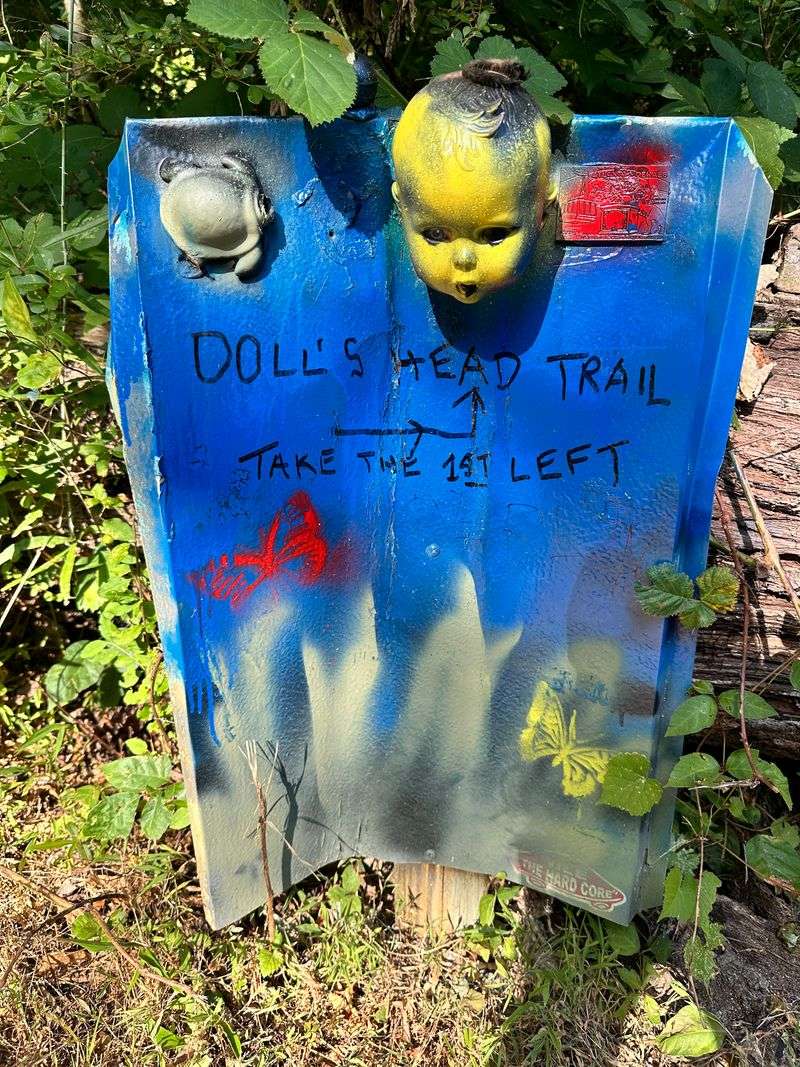
Among the plastic toys, you’ll discover genuine porcelain dolls from decades past. Their cracked faces and glass eyes create the most genuinely eerie atmosphere on the trail. These antique dolls once sat on bedroom shelves as prized possessions before ending up here.
The porcelain pieces show more dramatic aging than their plastic counterparts. Cracks spiderweb across their faces, paint flakes away, and their delicate features slowly erode. Some have real human hair that has become matted and tangled over the years.
These older dolls connect visitors to history in unexpected ways. You might wonder about the children who once played with them or the families who eventually discarded them. The porcelain collection transforms the trail into something resembling an outdoor museum, preserving forgotten objects while letting nature slowly reclaim them through weathering and decay.
7. Stuffed Animal Memorial Wall
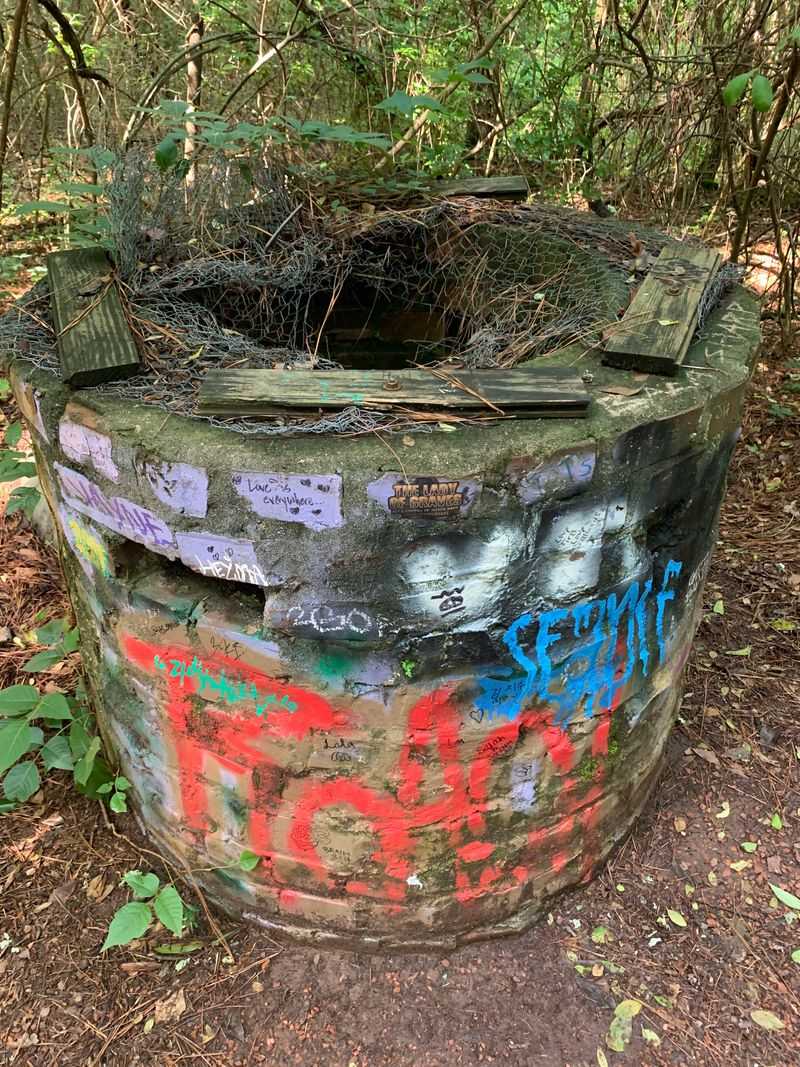
A wooden fence structure serves as the backdrop for a memorial wall of stuffed animals. Teddy bears, bunnies, and other plush creatures hang side by side, their fur matted from rain and sun. Some have lost their button eyes, while others show significant wear from years of exposure.
This installation feels different from the doll displays because stuffed animals carry such personal memories. Many people keep childhood teddy bears for decades, making this collection feel like a tribute to lost innocence. The arrangement honors these once-loved companions rather than simply discarding them.
Visitors often leave new stuffed animals at this location, contributing to the ever-growing memorial. Reading the tags reveals names and dates, suggesting some animals were left intentionally as part of letting go. The wall serves as a reminder that all physical things eventually fade, but memories and emotions connected to them persist.
8. The Doll Head Bridge Crossing
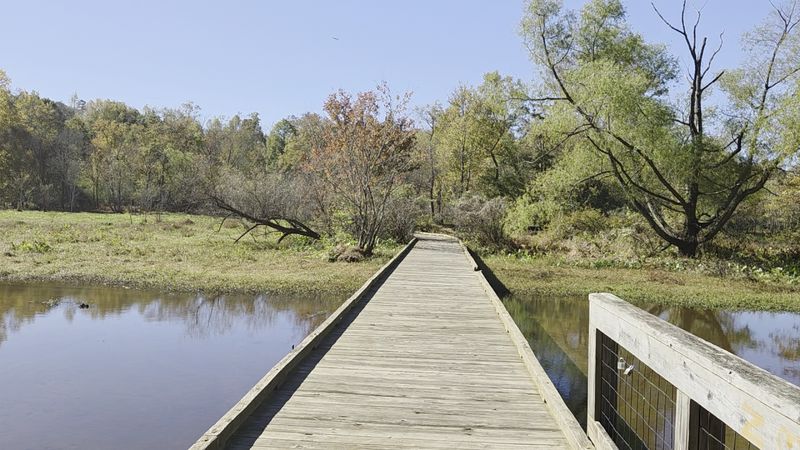
A small footbridge crosses one of the streams in Constitution Lakes Park, and someone transformed it into a doll head gallery. Heads line both railings, creating a gauntlet of staring faces you must walk between. The sound of water flowing below adds to the surreal experience.
This bridge represents one of the most photographed spots on the trail. The contrast between the peaceful stream and the unsettling doll faces creates visual tension. Many visitors pause here to take selfies with the installations before continuing their hike.
The bridge location makes practical sense for art placement since everyone must cross it to complete the loop trail. You can’t avoid seeing these installations, which forces engagement with the environmental message. The flowing water below symbolizes time passing and nature’s constant movement, while the static doll faces represent our permanent impact through waste and pollution.
9. Toy Car and Truck Graveyard
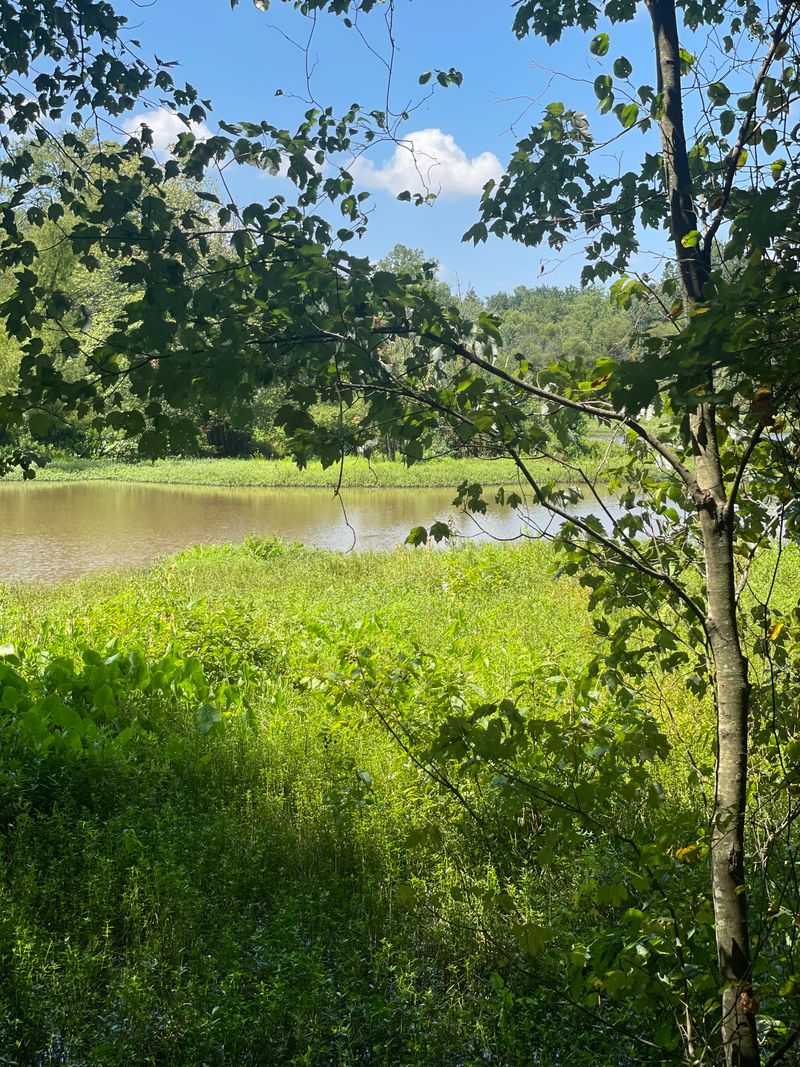
Beyond the dolls, you’ll find a section dedicated to toy vehicles. Matchbox cars, Tonka trucks, and plastic racers sit in neat rows like a miniature junkyard. Rust covers the metal toys, while plastic ones show sun bleaching and cracks from years outside.
This vehicle graveyard appeals especially to visitors who grew up playing with similar toys. Seeing them weathered and abandoned triggers nostalgia mixed with melancholy. The installation asks us to consider how many toys we buy and quickly forget about.
Some vehicles are arranged to look like they’re racing or parked in formation. Others appear crashed or overturned, adding to the post-apocalyptic feeling of the display. The toy graveyard serves as a miniature version of real automotive waste, reminding us that our consumption habits create lasting environmental impacts regardless of scale or toy versus real vehicle.
10. Religious Statue Garden
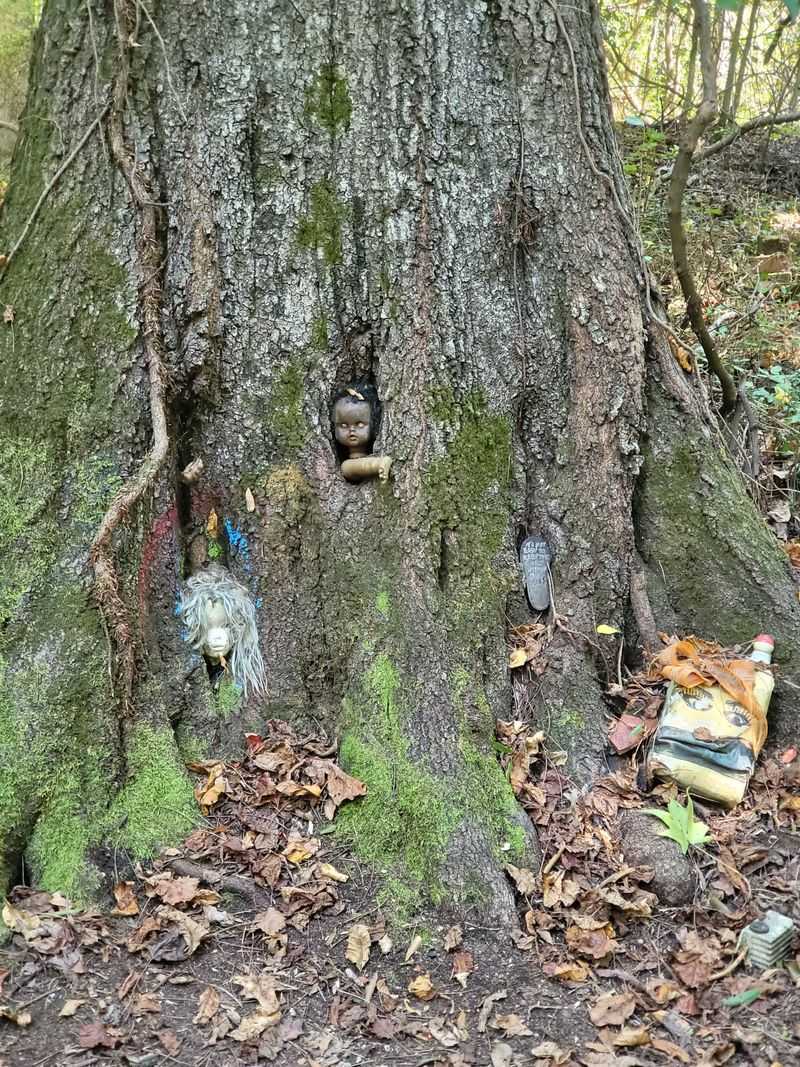
A more solemn area features discarded religious statues and figurines arranged in a peaceful garden setting. Angels, saints, and other spiritual figures stand among the trees as if blessing the forest. Their aged appearance adds to the sacred atmosphere despite being made of cheap plaster and plastic.
This collection raises interesting questions about faith and materialism. These objects once held religious significance in someone’s home before being thrown away. Now they serve a different purpose as art that makes people contemplate spirituality and impermanence.
The statue garden feels quieter than other sections of the trail. Visitors often speak in hushed tones here, showing respect for the religious imagery even in this unusual context. The installation demonstrates how objects can maintain emotional power even after being discarded, and how context changes meaning in powerful ways throughout our lives and beyond.
11. Halloween Mask Forest
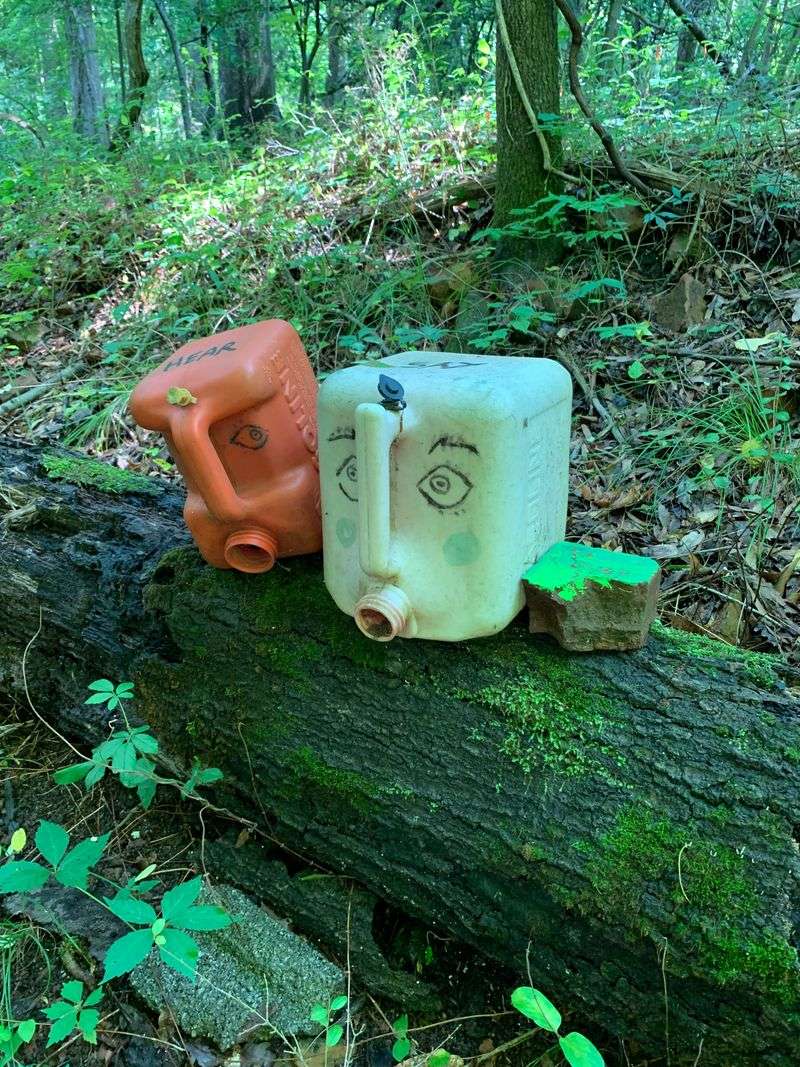
October decorations have found permanent homes along one stretch of the trail. Monster masks, skull faces, and horror movie characters dangle from branches like strange fruit. The rubber and latex materials have deteriorated in fascinating ways, creating even more grotesque appearances than originally intended.
This section perfectly captures the trail’s blend of humor and horror. Some masks are recognizable as popular characters, while others have aged into unidentifiable nightmares. Kids find it thrilling, while adults appreciate the commentary on seasonal consumerism and single-use decorations.
The Halloween mask collection grows significantly each November as people clean out their decorations. What might have ended up in landfills instead becomes part of this evolving outdoor exhibit. The masks serve as a reminder that holiday decorations represent a massive waste stream, with millions of items purchased and quickly discarded each year after brief use.
12. The Doll Hospital Station
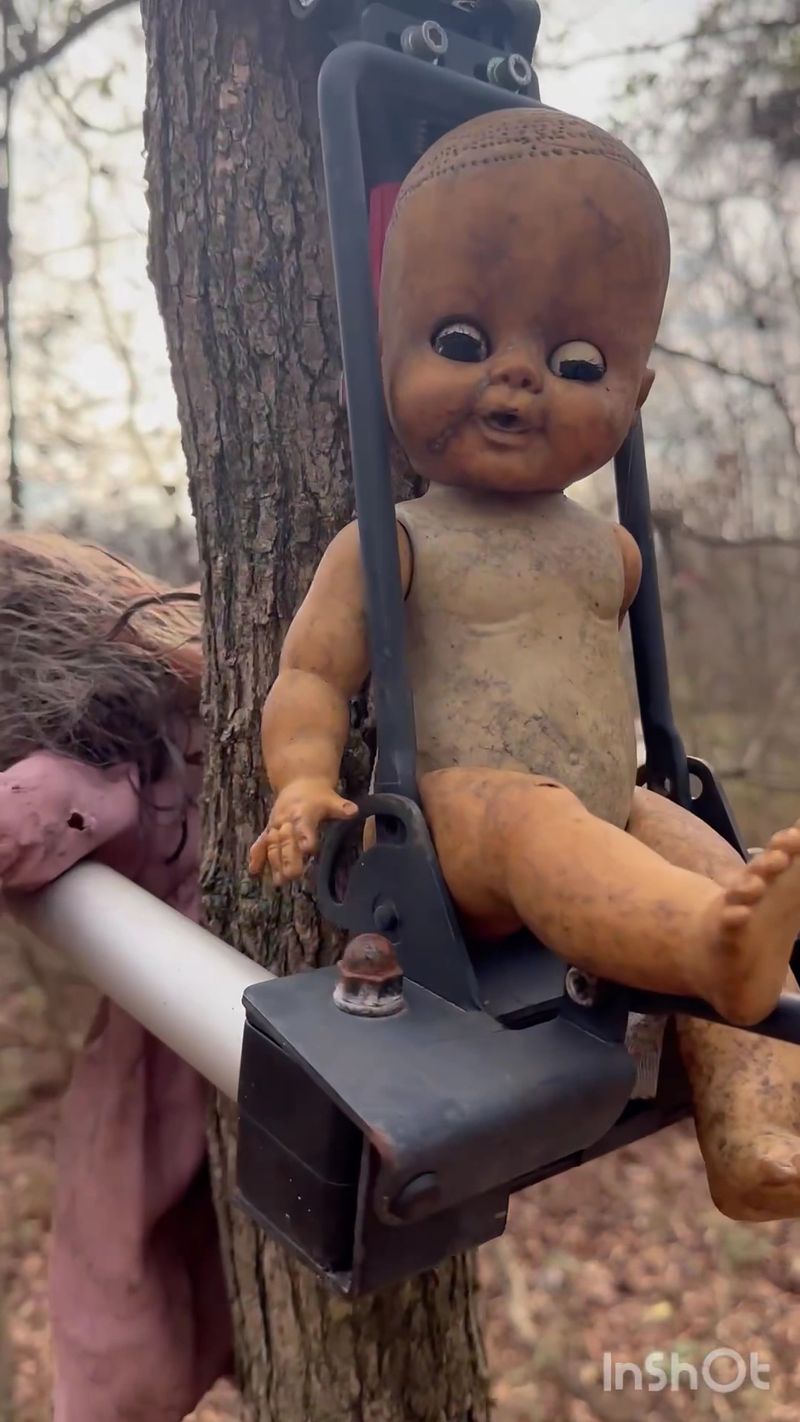
Someone created a mock hospital or repair station using a flat surface covered with disassembled doll parts. Arms, legs, torsos, and heads lay scattered as if awaiting surgery or reassembly. The arrangement is both darkly humorous and slightly disturbing, like a crime scene for toys.
This installation plays with the concept of broken things waiting to be fixed. Of course, no repairs will happen here in the forest. The parts will continue weathering until they eventually decompose or crumble completely into the soil beneath.
The doll hospital makes visitors think about our throwaway culture and broken items we replace rather than repair. Modern toys are designed for obsolescence, not longevity. This display turns that reality into visible art, forcing us to confront the waste we create when we choose convenience over conservation and new over repaired items.
13. Sports Equipment Sculpture Garden
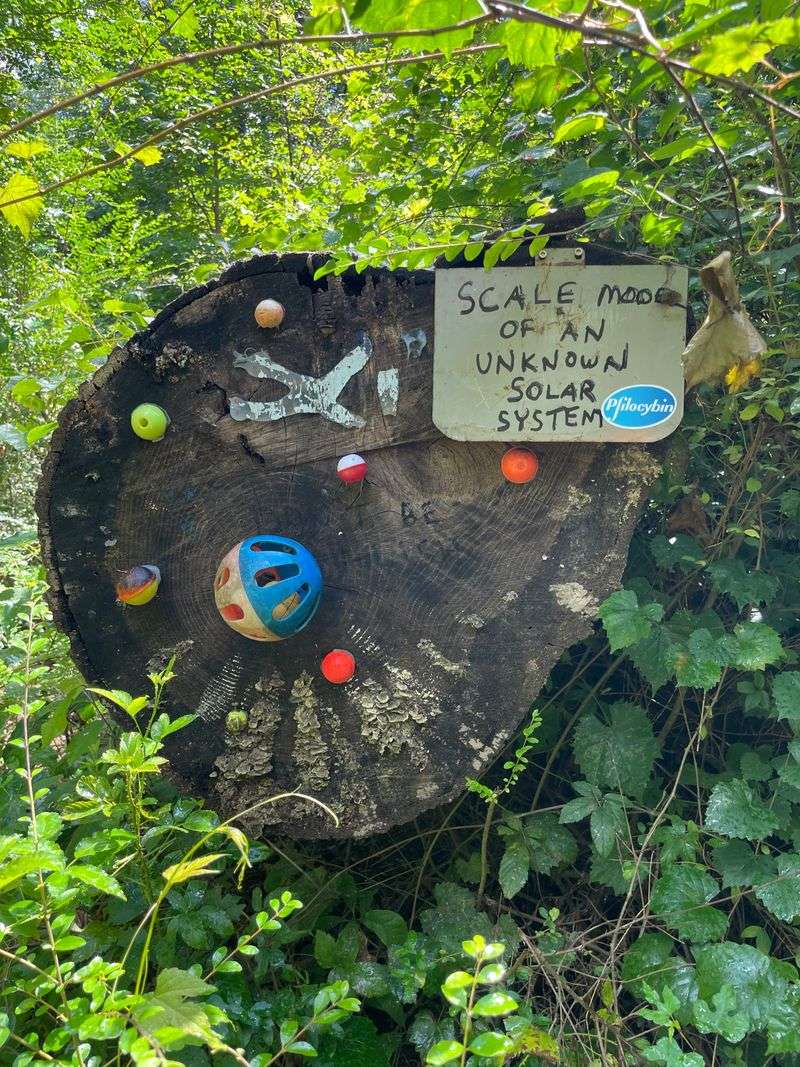
Athletic equipment gets artistic treatment in a section devoted to sports sculptures. Old baseballs, deflated footballs, cracked tennis rackets, and bent baseball bats are arranged into creative structures. The worn leather and rusted metal show years of use followed by abandonment.
This area resonates with former athletes and sports enthusiasts who remember similar equipment from their youth. The installations honor these objects while acknowledging their eventual obsolescence. Even beloved sports gear eventually wears out and gets replaced, adding to our waste stream.
Some pieces are arranged to suggest action, like a frozen moment in a game. Others are stacked or balanced in impossible ways that draw attention to their shapes and materials. The sports garden proves that any discarded object can become art with creative vision, and reminds us that everything we own will someday need disposal.
14. Musical Instrument Memorial
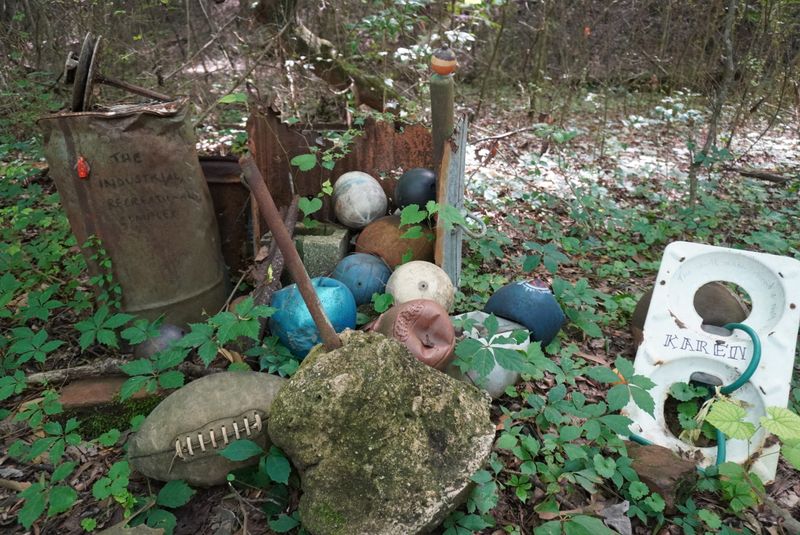
Damaged musical instruments create a haunting memorial to silenced music. Broken guitars lean against trees, keyboards missing keys rest on stumps, and cracked drum shells serve as planters for moss. Each piece once made beautiful sounds before damage or neglect ended its musical life.
This installation carries particular emotional weight because instruments represent creativity and expression. Seeing them broken and abandoned feels like witnessing the death of art itself. Yet their presence here gives them new purpose as visual rather than auditory art.
The memorial raises questions about the value we place on creative tools and how we treat them when they stop functioning. Many instruments could be repaired but get discarded instead because replacement seems easier. This collection preserves their memory while letting nature slowly reclaim the materials, creating a poignant statement about impermanence and artistic legacy.
15. The Final Viewing Platform
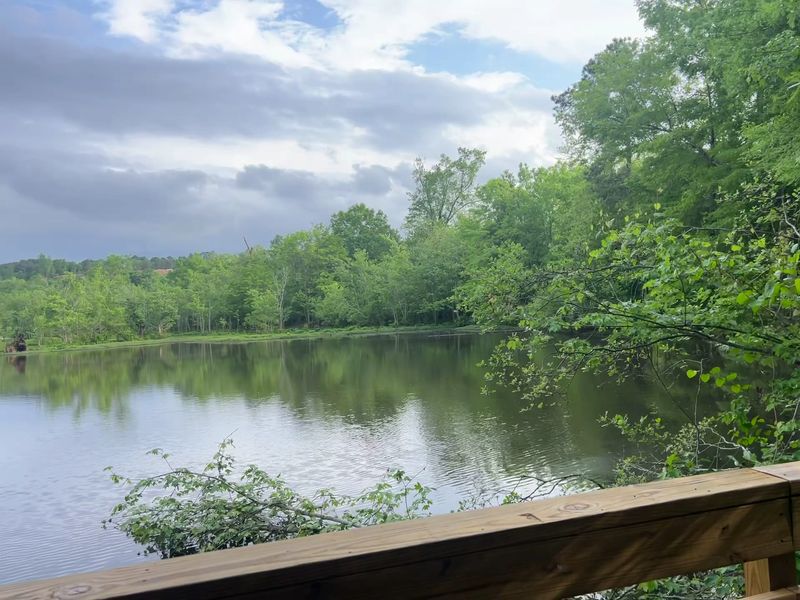
The trail ends at a viewing platform overlooking Constitution Lakes, where doll heads line the railings like spectators enjoying the view. This final installation combines natural beauty with the trail’s signature strangeness. The peaceful water creates perfect reflection shots with doll faces in the foreground.
This spot serves as the perfect conclusion to your strange journey through the forest. After walking past hundreds of discarded toys and objects, you arrive at this tranquil lake view that reminds you of nature’s enduring beauty. The contrast makes both elements more powerful.
Many visitors sit here for a while, processing everything they’ve seen along the trail. The viewing platform offers a moment of rest and reflection before heading back through the installations. It represents hope that nature persists despite human impact, and suggests that awareness through art might inspire better environmental choices moving forward into the future.