Georgia Has A History Museum Where You Can Climb Aboard Towering Railway Giants That Most People Never Knew Existed
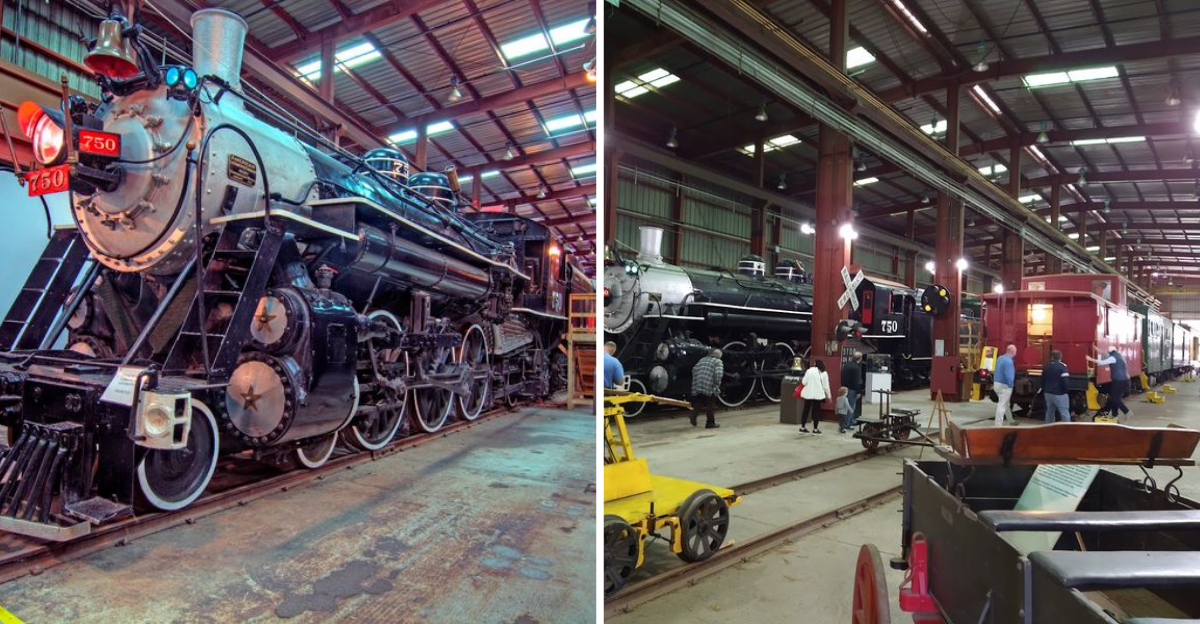
If you have ever genuinely wanted to understand what a locomotive feels like from the inside, Georgia has a museum that makes that absolutely and wonderfully possible.
These are not exhibits behind a barrier. They are towering machines at full scale, completely climbable.
It’s like they’re waiting to give anyone willing to go up a completely new sense of what this era of history actually meant.
The gap between reading about something and standing inside it is enormous, and this museum exists entirely to close that gap. It does so beautifully and generously.
Come expecting a museum. Leave having experienced something much closer to a full-body history lesson.
The Story Behind the Museum
Long before GPS and ride-shares, trains were the backbone of American travel.
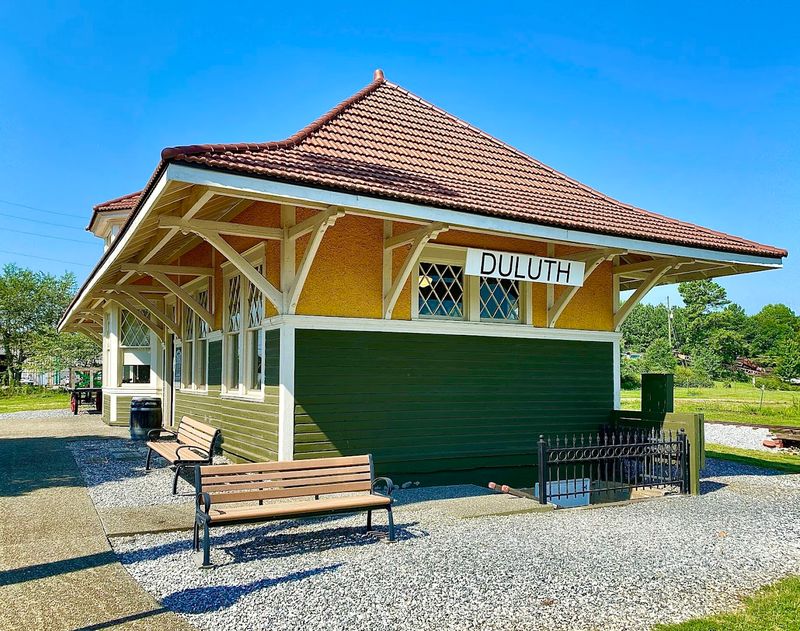
The Southeastern Railway Museum in Duluth was founded by the Atlanta chapter of the National Railway Historical Society, a group of dedicated rail enthusiasts who wanted to preserve that legacy.
Their mission was simple: save the machines before they disappeared forever.
The museum operates as a nonprofit, which means every ticket sold goes directly back into restoration and preservation.
Most of the staff you meet are volunteers who show up because they genuinely love trains. That passion is obvious the moment you walk through the gate.
The museum has grown from a modest collection into one of the Southeast’s most respected railway preservation sites. Georgia has a rich railroad history, and this institution works hard to honor it.
The collection at 3595 Buford Hwy spans decades of transportation evolution, from early steam engines to mid-century diesel power, making it a surprisingly deep experience.
The Rolling Collection
Forget dusty glass cases. The collection here is massive, metal, and magnificently real.
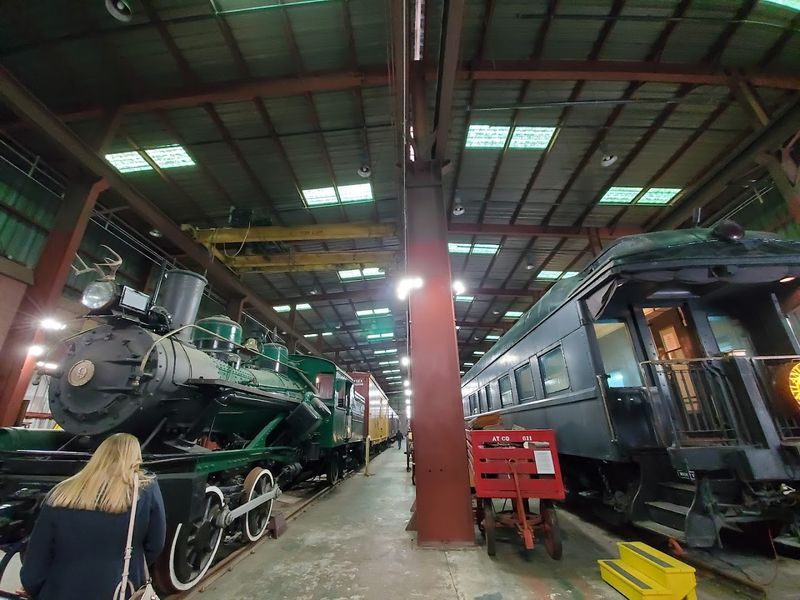
The museum holds an impressive lineup of steam tractors, steam engines, diesel locomotives, Pullman passenger cars, cabooses, freight cars, and even a vintage plane train. The sheer variety catches most visitors completely off guard.
What makes this collection stand out is accessibility. Many museums keep their exhibits behind ropes.
Here, a large number of cars are open for you to walk through, touch the handrails, and imagine the journeys they once made.
Historically accurate setups inside many of the cars add a layer of storytelling that no placard alone could match.
Classic buses are also part of the mix, and longtime Atlanta residents have reported spotting old city transit buses they remember from decades past.
The museum does not limit itself strictly to rail, which gives the whole experience a broader transportation history feel.
Each piece in this collection was saved from potential scrapping, and walking among them feels like wandering through a working timeline of how this state and the rest of the country once connected its cities and towns.
Climbing Aboard Giants
Here is the part that separates this museum from nearly every other rail exhibit in the country.
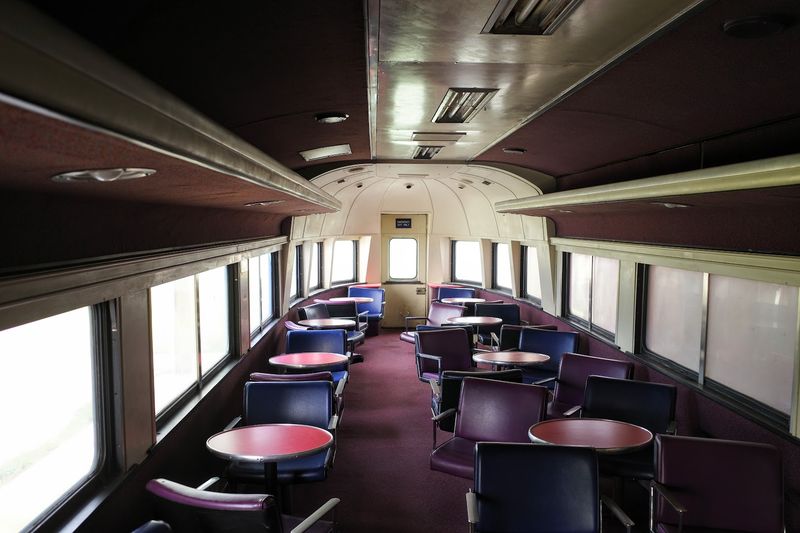
You are not just looking at these trains from a safe distance. You are actually climbing up the steps and walking through them. Pullman sleeping cars, dining cars, and freight cabooses are all fair game for exploration.
Standing inside a Pullman car is a different kind of history lesson. The narrow corridors, the fold-down berths, the small windows framing the Georgia sky outside. All of it clicks together in a way that no textbook can replicate.
Kids especially love scrambling through the different cars, and more than a few adults have admitted to getting equally swept up in the experience.
The interiors are arranged in historically accurate configurations, so you get a real sense of how passengers once lived during long cross-country trips.
Some cars still carry the faint echo of their original character through preserved fixtures and period-appropriate details.
Climbing aboard one of these towering machines and standing in the exact space where travelers once slept and ate is genuinely one of the more memorable things.
The Train Rides
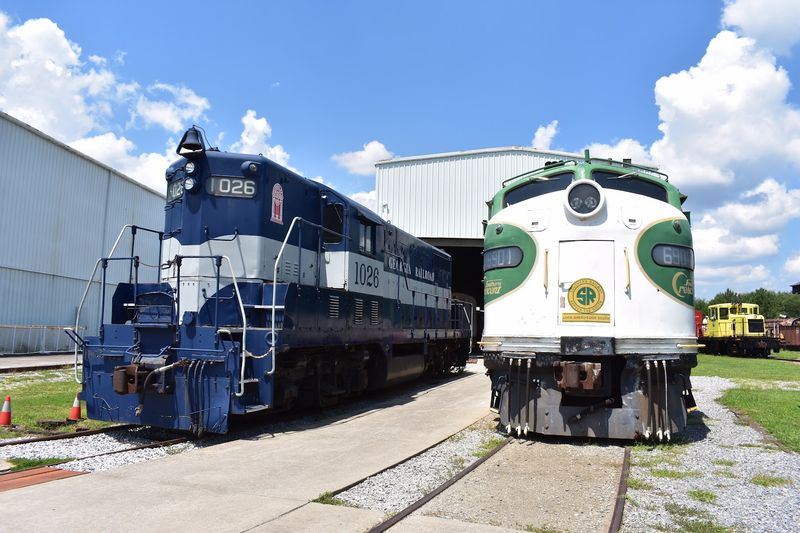
Seeing old trains is one thing. Riding one is something else entirely.
This museum offers actual train rides as part of the visitor experience, and this is consistently the highlight for families with young children.
A caboose ride on the full-sized working diesel locomotive is included with general admission, which already makes the ticket feel like a bargain.
During the ride, passengers sit in a classic caboose car as the locomotive pulls them around the museum’s track.
If you choose to sit in the blue caboose car, the train backs toward the workshop, and staff sometimes invite riders to stand at the very back for an unobstructed view.
A smaller, kid-friendly miniature train ride is also available for an additional fee, and younger visitors tend to adore it.
Conductors on the full-sized train have been known to let children pull the horn and ring the bell, which creates the kind of spontaneous joy that parents remember long after the trip home.
On a warm Georgia afternoon, rolling through the grounds on a real diesel train is one of the most satisfying ways to spend an hour.
The Model Train Layout
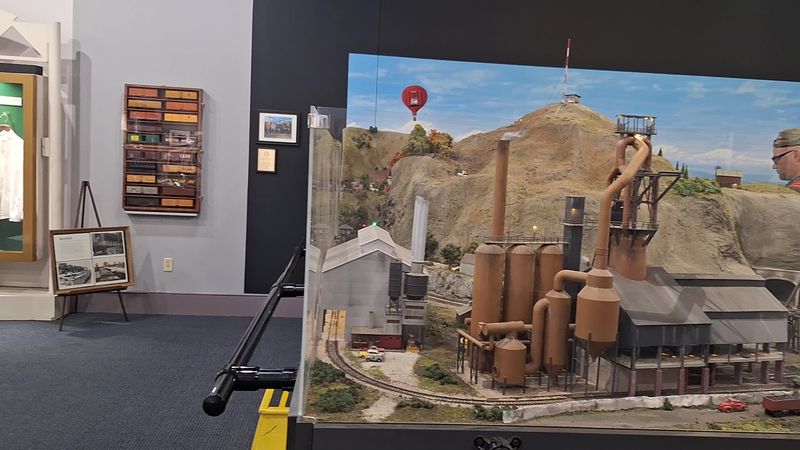
Not every highlight at this museum is full-sized. Inside the main building is a model train layout that draws its own crowd of admirers.
The HO scale display features intricate miniature locomotives winding through detailed landscapes, tiny towns, and scaled-down bridges. It is the setup that makes you crouch down to get a better look.
Model train enthusiasts will appreciate the craftsmanship, but even casual visitors find themselves lingering longer than expected.
There is something almost meditative about watching a perfectly scaled locomotive loop around a handcrafted world.
It also gives younger visitors a chance to see how trains operate in a more contained and visually clear way before heading back out to the full-sized collection.
It is worth noting that the layout has occasionally been closed for mechanical maintenance, so checking ahead is a smart move if this is a must-see for your group.
When it is running, though, it adds a genuinely charming counterpoint to the massive machines outside.
Seasonal Events And Festivities
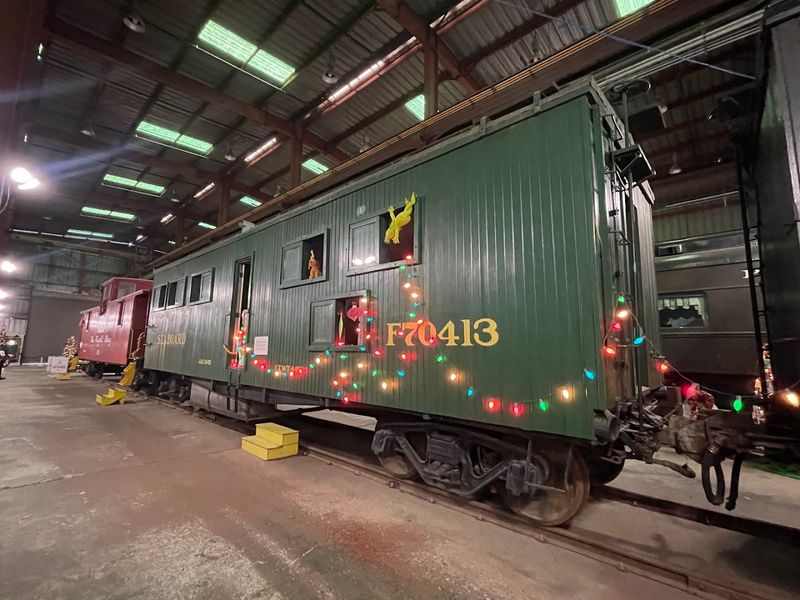
The Southeastern Railway Museum does not slow down when the regular calendar winds up.
Throughout the year, the museum hosts a rotating lineup of special events that give people a fresh reason to return again and again.
The holiday season is particularly popular, with a Festival of Trees that fills the museum with elaborately decorated Christmas trees and seasonal displays.
Halloween brings a Trunk or Treat event that has become a community favorite in Duluth. Families arrive in costumes, and the backdrop of vintage locomotives and weathered rail cars gives the whole event a wonderfully atmospheric quality.
Summer and fall also see themed weekends that often incorporate train rides with special programming for children.
Because the museum is a nonprofit, these events serve a dual purpose. They are fun for attendees, but they also generate crucial funding that supports ongoing restoration work.
Volunteers pour enormous energy into making each event feel special, and that effort shows.
Visiting Tips And Tricks
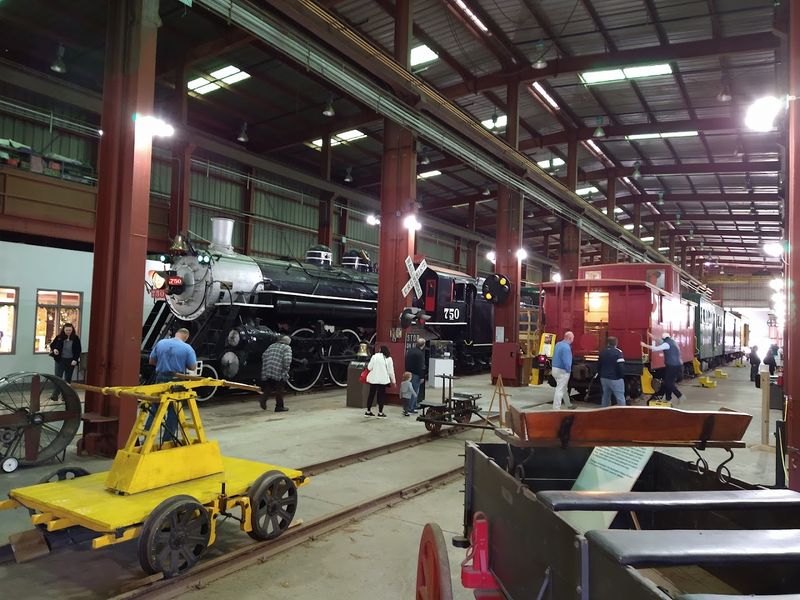
Planning a visit to the Southeastern Railway Museum takes a small amount of homework, but it pays off.
The museum is open Thursday through Sunday, from 10 AM to 5 PM, and remains closed on Monday, Tuesday, and Wednesday. This schedule surprises some first-time visitors who show up on a Tuesday expecting to walk right in, so mark your calendar carefully.
Admission is considered a genuine bargain by most visitors, especially given that a caboose ride on the full-sized train is included in the ticket price.
The museum is covered enough that rainy days are manageable. That makes it a solid backup plan when weather does not cooperate with outdoor activities.
Picnic benches are available on the grounds, so packing a lunch is a popular move for families looking to stretch the visit into a full afternoon.
Parking is available on-site, and the grounds are accessible enough for strollers and wheelchairs. Arriving closer to opening time on weekends is a good strategy, since the train rides can draw a line as the day progresses and the crowds build up.
Why It Stays Carved In Your Memory
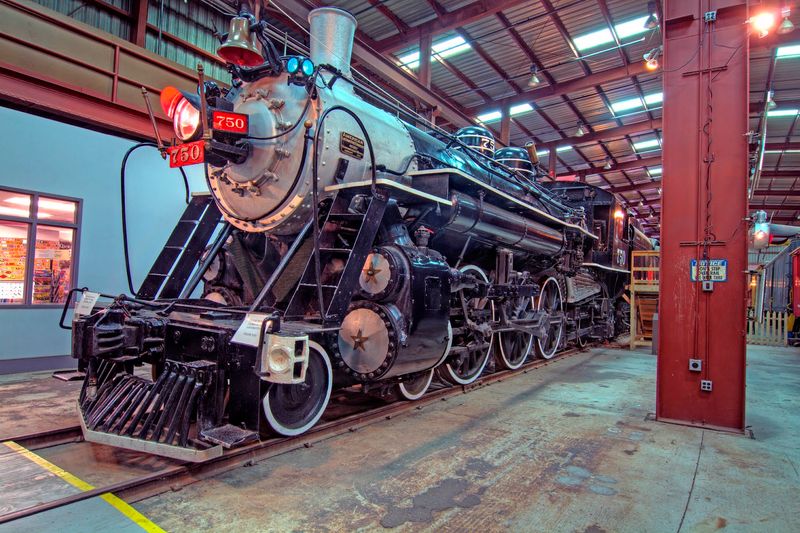
Some places leave a mark that is hard to explain until you have been there yourself.
The Southeastern Railway Museum has a quality that more polished, heavily funded museums sometimes lack: it feels lived-in and real.
The equipment shows its age in places, and that honesty is part of the appeal. These machines worked hard, and the evidence is right there in front of you.
Volunteer staff are one of the museum’s quiet strengths. Because they choose to be there, conversations tend to be rich with personal knowledge and genuine enthusiasm.
Ask a volunteer about a specific locomotive and you may end up getting a fifteen-minute story that covers the train’s entire operational history. That kind of human connection is rare in any museum setting.
Georgia has no shortage of history to explore, but few places pack so much tactile, hands-on experience into a single afternoon.
Standing next to a machine that once pulled hundreds of passengers, you realize pretty quickly that this is exactly the kind of place worth telling everyone you know about.