Georgia Has 12 Beaches Where Sea Glass And Rare Shells Are Still Easy To Find
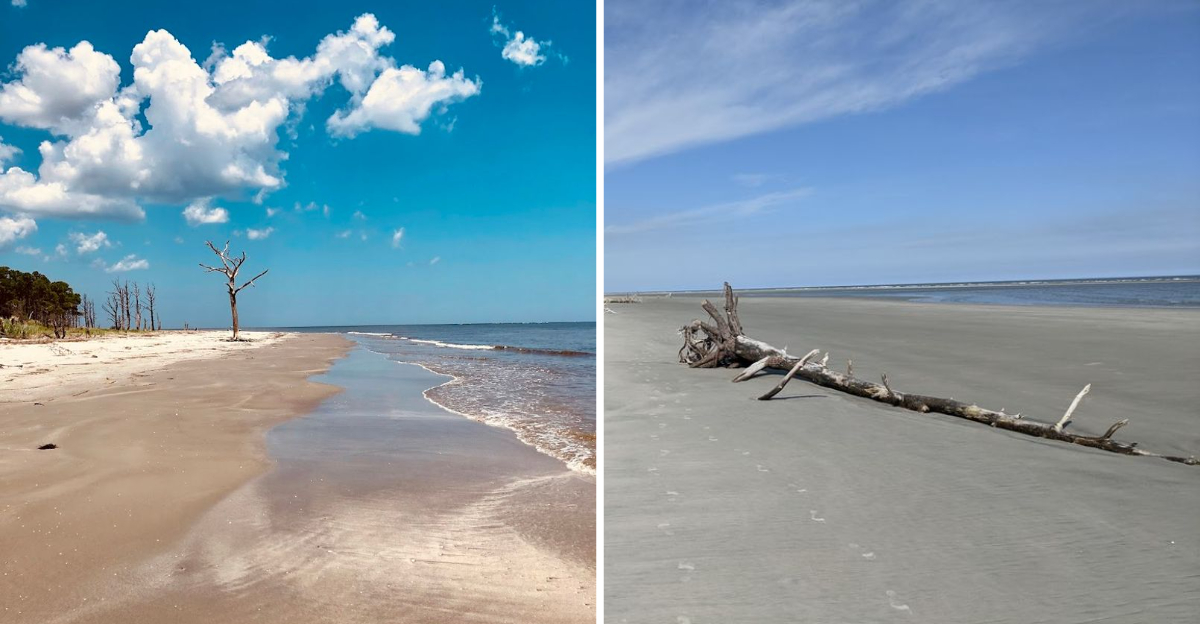
Every tide quietly rearranges the whole beach overnight. What was bare sand yesterday becomes a fresh scatter of treasure by morning, and no two walks ever turn up the same haul.
Georgia’s coast plays that game better than people give it credit for. Along the barrier islands and quiet coastal shores, the sand holds colorful sea glass, oddly shaped shells, and small natural finds that most visitors stroll right past without a glance.
You might be a seasoned collector who knows exactly what to look for. You might just be curious about whatever the water decided to leave behind.
Either way, these beaches reward the slow, downward-gazing walk. Some hide on wild, undeveloped islands you have to work to reach.
Others sit on easy family-friendly shores. The state has a stretch of sand for every kind of explorer.
1. Driftwood Beach – Jekyll Island
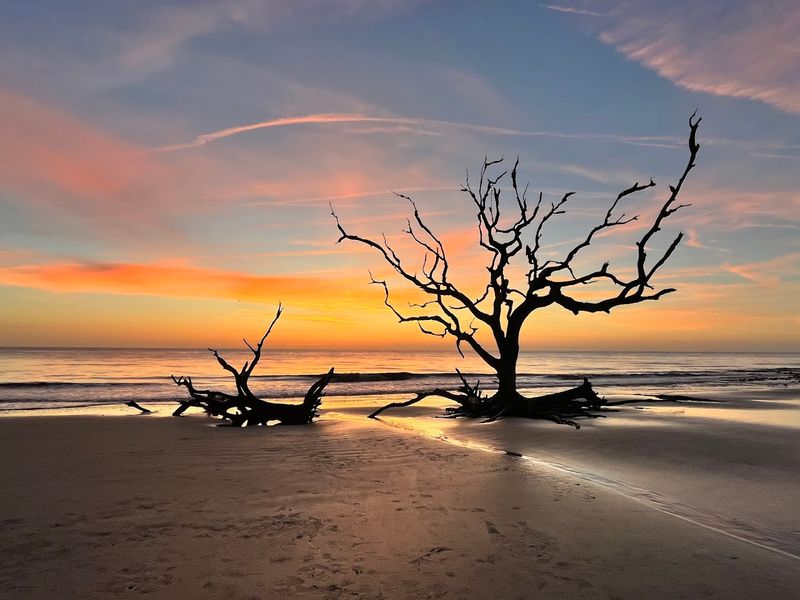
Few beaches in the entire country look quite like this one. Driftwood Beach, located on Jekyll Island, GA 31527, is famous for its hauntingly beautiful landscape of bleached, skeletal trees rising directly from the shoreline.
The surreal scenery draws photographers and shell hunters alike, making it one of Georgia’s most memorable coastal spots.
Because the beach sits in a relatively sheltered area, pieces of sea glass and worn shells tend to collect in the soft sand around the driftwood bases. Arriving at low tide gives the best access to freshly exposed treasures.
Mornings on weekdays are noticeably quieter, which means more ground to cover without competition.
Parking is available nearby, and the area is walkable from several Jekyll Island access points. Wear comfortable shoes since the terrain shifts between firm packed sand and softer, looser sections.
Always carry a small bag to hold your finds safely on the walk back.
2. Sharktooth Beach – Jekyll Island
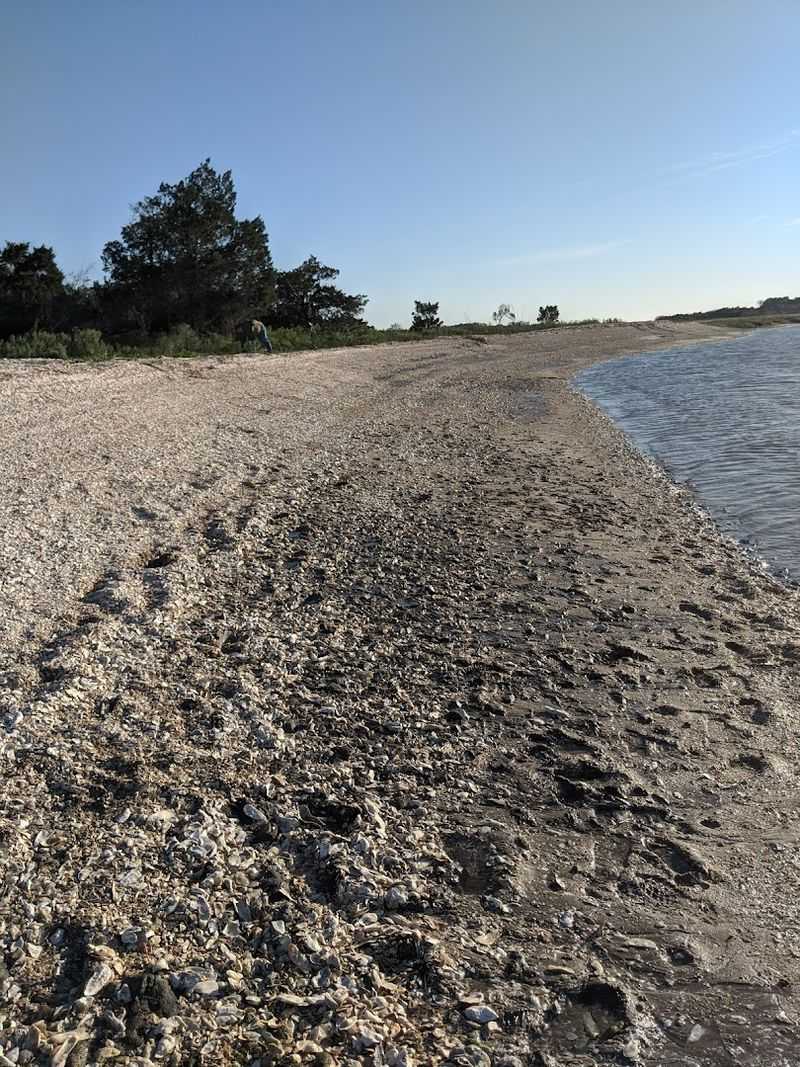
Sharktooth Beach earned its name honestly. Located on Jekyll Island, GA 31527, this stretch of shoreline is one of the few places in Georgia where fossilized shark teeth wash ashore regularly alongside colorful shell fragments and occasional pieces of sea glass.
Collectors make special trips here just for the teeth alone.
The key to finding the best pieces is timing. Arriving within an hour after low tide exposes the most recently uncovered material, and scanning the darker, heavier patches of shell hash near the water’s edge tends to yield the most rewarding results.
A small sifting screen or mesh bag can help separate tiny teeth from surrounding sand.
Access to this beach is straightforward from the Jekyll Island causeway, and the island charges a small parking fee. Weekdays attract far fewer visitors than weekends, so planning a mid-week visit improves the chances of a productive and peaceful morning of searching along the Georgia coast.
3. Great Dunes Beach – Jekyll Island
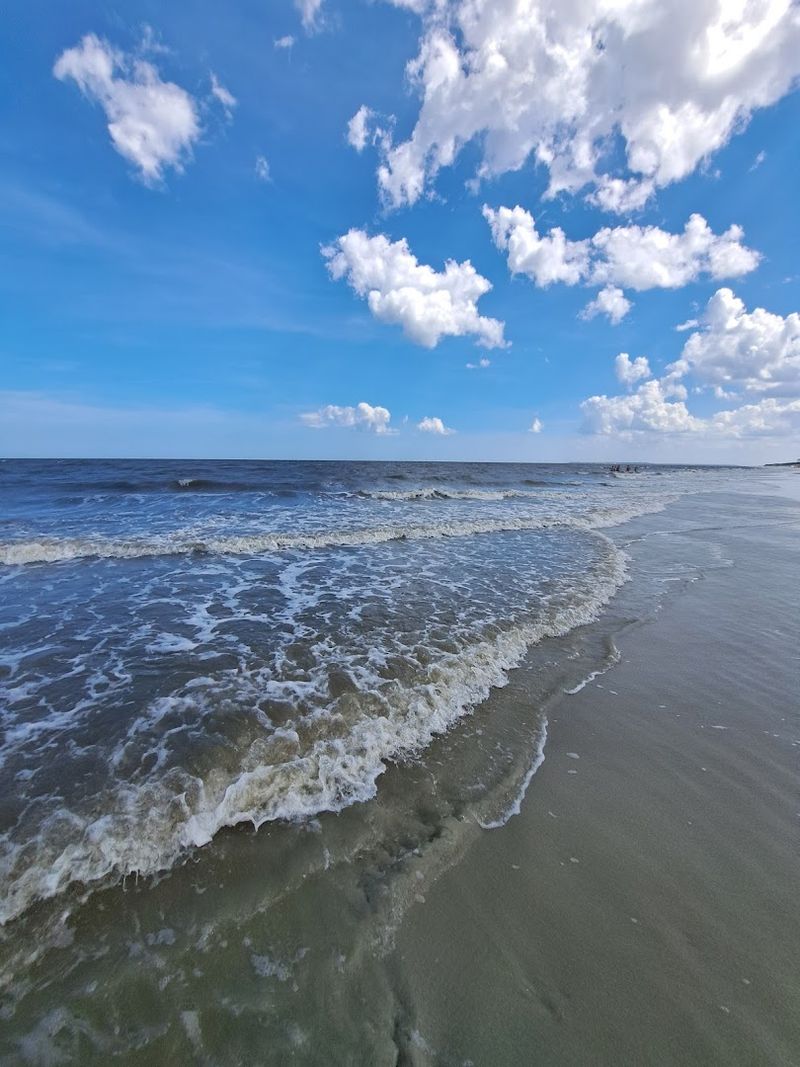
Great Dunes Beach offers a classic Georgia barrier island experience with a reliable reward for patient beachcombers. Situated on Jekyll Island, GA 31527, this beach fronts the Atlantic directly and catches a steady stream of shells, driftwood, and sea glass pushed in by longshore currents.
The wide, open shoreline makes scanning for treasures both easy and enjoyable.
The wrack line, which is the dark band of debris left by the last high tide, is the most productive zone for finding unusual shells and frosted glass pieces. Olive shells, lightning whelks, and moon snail casings are among the species commonly found here.
Sea glass in green and brown tones appears regularly, with white and amber pieces showing up after storms.
Great Dunes Park sits adjacent to the beach, offering restrooms, a picnic area, and easy parking. Visiting during shoulder season in spring or fall means milder temperatures and thinner crowds, which makes for a far more relaxed and productive Georgia beachcombing outing.
4. East Beach – St. Simons Island
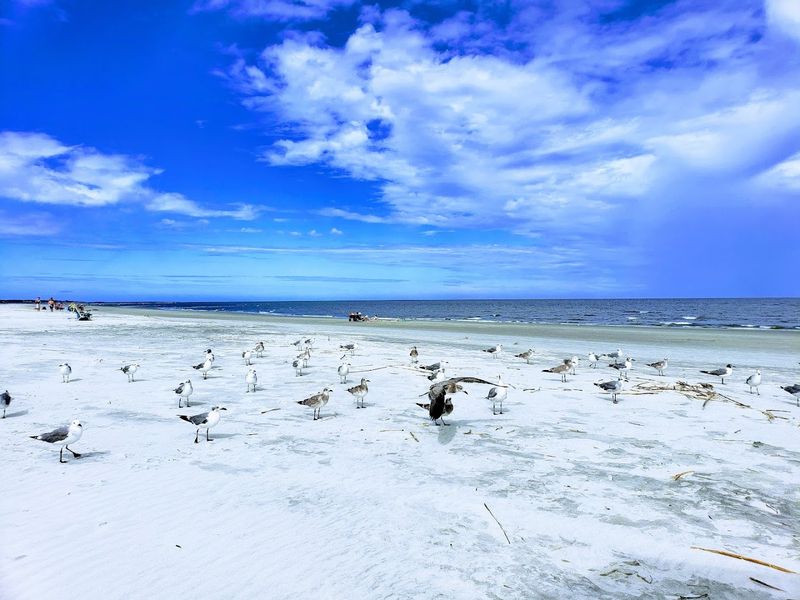
East Beach is one of the most beloved stretches of sand on St. Simons Island, and it delivers consistent results for shell collectors.
Located at 4202 1st St, St Simons Island, GA 31522, this beach faces the open Atlantic and benefits from strong tidal action that regularly deposits fresh material along its shores.
The sand here tends to be firm and easy to walk on for extended periods.
Knobbed whelks, angel wings, and scotch bonnets have all been reported by regular visitors who know where to look. Sea glass appears most frequently near the northern end of the beach, where older debris fields seem to concentrate.
After any significant storm system passes, the variety and quantity of finds increases noticeably.
Parking at East Beach is available through the adjacent parking lot, and facilities including restrooms are nearby. The beach is family-friendly and accessible, making it a practical choice for anyone planning a full morning of Georgia coastal exploration with children in tow.
5. Massengale Park Beach – St. Simons Island
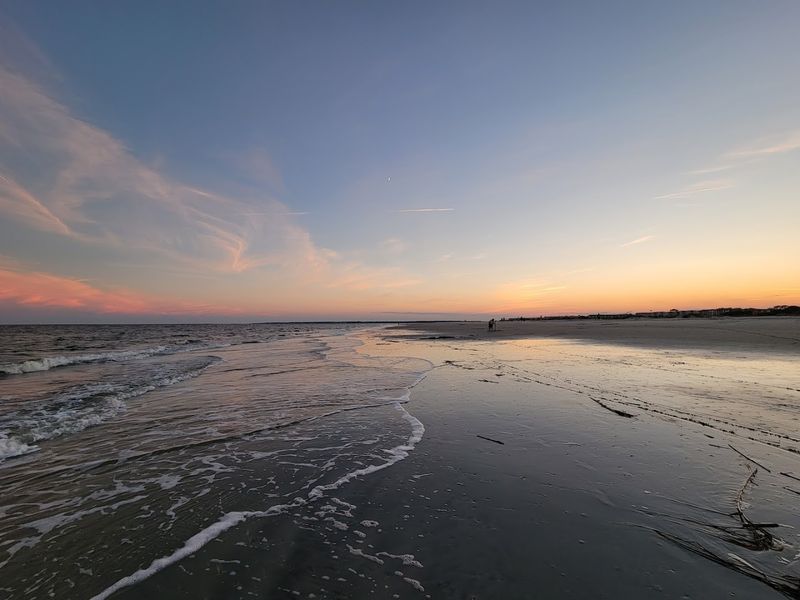
Massengale Park Beach tends to fly under the radar compared to the more publicized spots on St. Simons Island, and that lower profile works in a beachcomber’s favor.
Found at 1350 Ocean Blvd, St Simons Island, GA 31522, this beach sits just south of East Beach and shares the same productive tidal patterns that push shells and sea glass onto the shore.
The quieter atmosphere here makes it easier to focus on searching.
Visitors have reported finding sand dollars, olive shells, and small fragments of cobalt blue sea glass along this stretch. Blue glass is among the rarer colors to find on any Georgia beach, making each piece a genuine keepsake.
Scanning slowly and methodically near the tide line right after the water retreats gives the best odds.
The adjacent park provides shaded picnic areas and restrooms, which adds to the comfort of a longer visit. Arriving early in the morning before other beachgoers show up means the sand is essentially undisturbed and full of overnight deposits.
6. Cumberland Island National Seashore
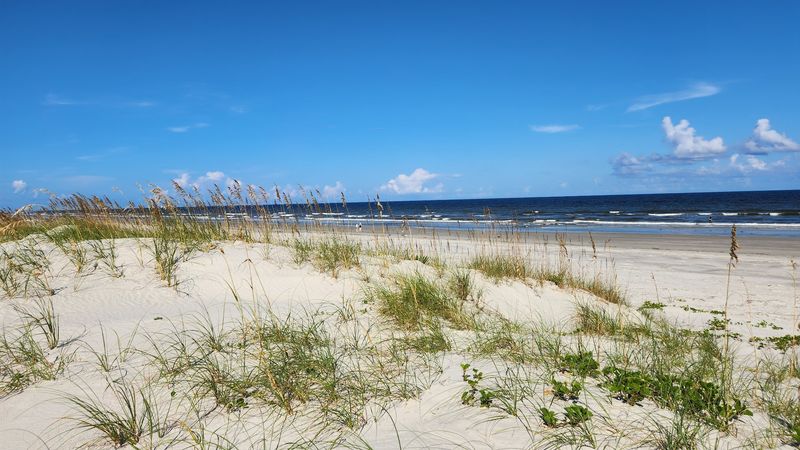
Cumberland Island National Seashore is one of Georgia’s true natural gems, and its beaches reward those willing to make the effort to reach them.
The address for ferry access is Plum Orchard Dr, St Marys, GA 31558, and visitors must take a ferry from St. Marys to reach this protected barrier island.
The lack of vehicle access keeps the beaches in remarkably pristine condition, which means shells and sea glass remain undisturbed for longer periods.
The shoreline here stretches for miles with almost no development in sight. Lightning whelks, horse conchs, and channeled whelks wash ashore regularly, and sea glass in various stages of frosting can be found along the high tide line.
The northern and southern ends of the island tend to accumulate the most debris after storms.
Reservations for the ferry are strongly recommended, especially during spring and fall. Bringing water, sunscreen, and a sturdy bag for collecting is essential since there are no shops on the island.
Georgia does not get wilder or more rewarding than this.
7. North Beach – Tybee Island
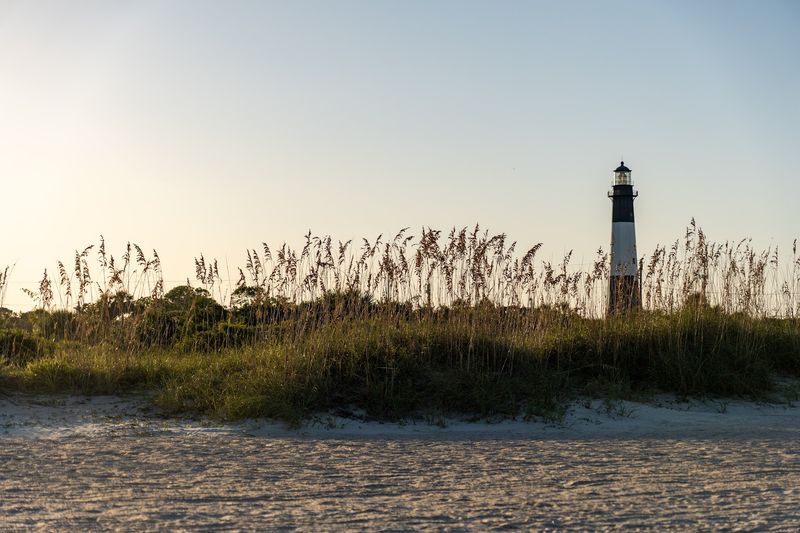
North Beach on Tybee Island has a character all its own, shaped by its position near the Savannah River inlet where tidal currents converge and deposit an interesting mix of material.
Located near Railwood Ave, Tybee Island, GA 31328, this beach sits at the northern tip of the island and benefits from both river-carried debris and ocean-delivered shells.
That combination makes finds here distinctly varied compared to other Georgia beaches.
Pottery shards, which are sometimes called sea pottery, show up alongside traditional sea glass and shells at this location. Older bottle glass in aqua and amber tones appears with some regularity, hinting at the long maritime history of the Savannah area.
The historic Tybee Island Lighthouse stands nearby, adding a scenic backdrop to any beachcombing session.
Parking near the north end of the island can be limited during summer weekends, so arriving before 9 AM is a practical strategy. The beach is open year-round, and cooler months often produce excellent finds after winter storm systems push fresh material ashore along this stretch of the Georgia coast.
8. South Beach – Tybee Island
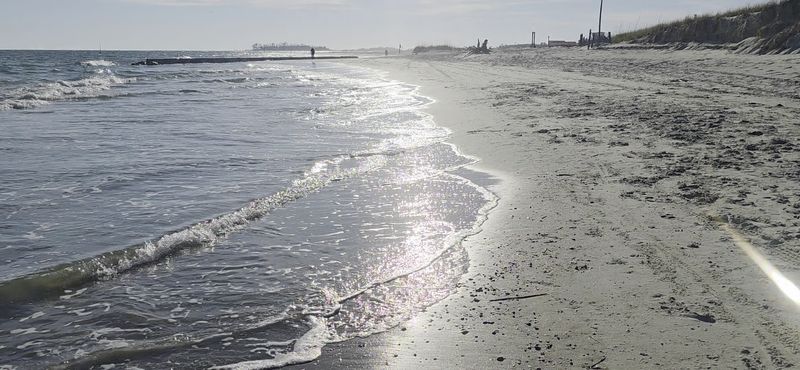
South Beach is the most visited part of Tybee Island, but that does not mean the beachcombing opportunities have dried up. Anchored near 1 Tybrisa St, Tybee Island, GA 31328, this beach sees heavy wave action that continuously cycles new material onto the sand.
Persistent searchers who work the less-trafficked sections away from the main pier area consistently turn up interesting finds throughout the year.
Green and brown sea glass pieces are common here, with occasional white and clear fragments mixed in. Shell variety includes coquina clams, whelk fragments, and sand dollars, particularly after strong offshore winds push material toward shore.
The area near the old pier pilings is worth checking since broken glass from decades past has had time to become beautifully frosted.
South Beach has full amenities including restrooms, outdoor showers, and nearby dining options along Butler Avenue.
Visiting on a weekday morning during the off-season gives access to a far less crowded Georgia beach experience while still enjoying all the conveniences this popular stretch has to offer.
9. Little St. Simons Island Beach
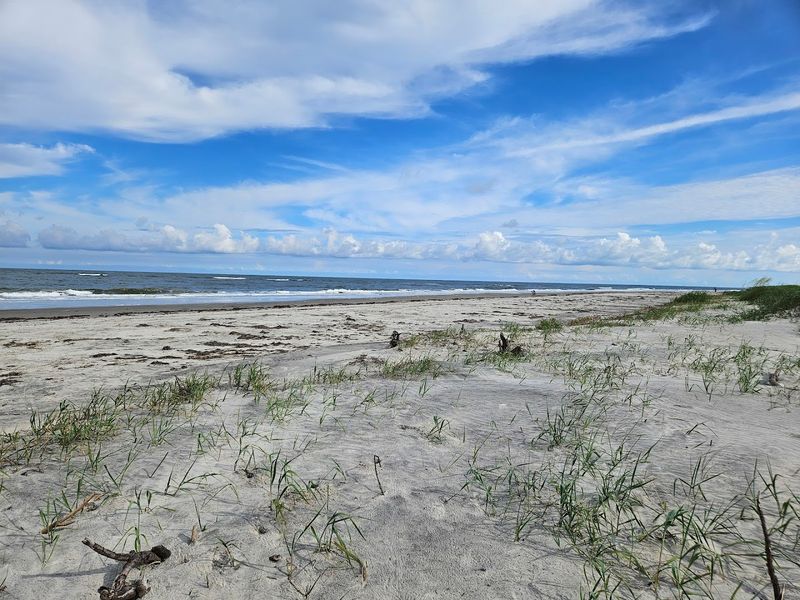
Little St. Simons Island is one of Georgia’s best-kept coastal secrets, accessible only by private ferry and largely undeveloped. The island is reached through 1 Little St Simons Is, St Simons Island, GA 31522, and access is primarily available to guests staying at the island’s lodge or on select day tours.
That limited access is exactly what keeps the beaches here so extraordinarily productive for shell and sea glass hunters.
Because foot traffic is minimal, shells accumulate undisturbed across long stretches of beach. Horse conchs in excellent condition, lightning whelks, and even whole sand dollars are found regularly.
Sea glass here tends to be well-frosted due to the natural wave action, and pieces in less common colors like seafoam green occasionally surface after strong tidal events.
Planning ahead is essential since visits require advance reservations. The experience of walking a genuinely wild Georgia barrier island beach where the only footprints in the sand may be your own is something that stays with visitors long after they return home.
10. Cabretta Beach – Sapelo Island
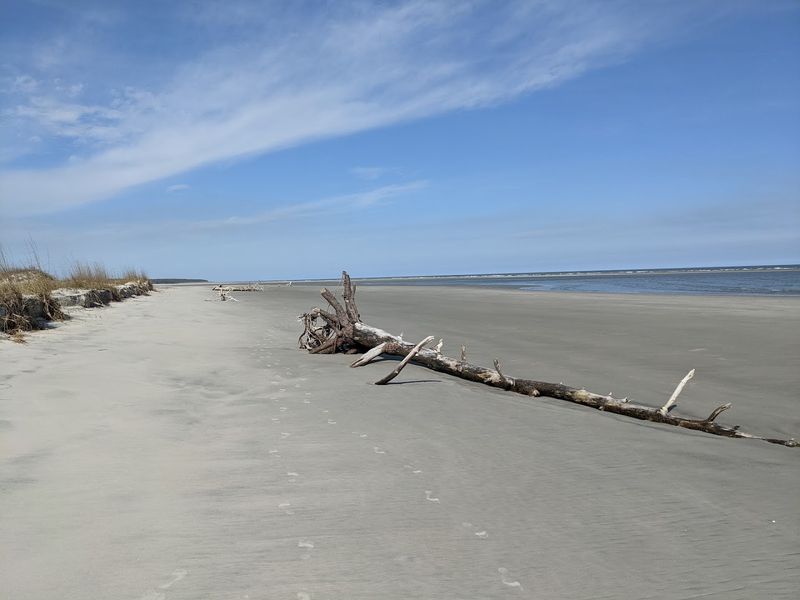
Sapelo Island is one of Georgia’s most ecologically significant barrier islands, and Cabretta Beach on its Atlantic-facing shore reflects that wild, protected character.
Access to Sapelo Island, GA 31327 is limited to a state-operated ferry from Meridian, and the number of visitors allowed on the island at any time is intentionally kept small.
That restriction translates directly into beaches that are consistently rich with undisturbed natural finds.
Cabretta Beach stretches along the island’s eastern edge and sees strong wave action from the Atlantic, which delivers a steady supply of shells and sea glass. Channeled whelks, lettered olives, and fragmented coral pieces appear regularly along the tide line.
Sea glass here tends to be older and more thoroughly frosted than on heavily visited Georgia beaches, which increases its collectible value.
Visiting requires booking the ferry in advance through the Georgia Department of Natural Resources.
Weekday trips offer a more intimate experience, and the surrounding salt marsh scenery adds a layer of beauty that makes the journey to this remote Georgia beach feel genuinely special and worth every bit of planning.
11. Wassaw Island Beach
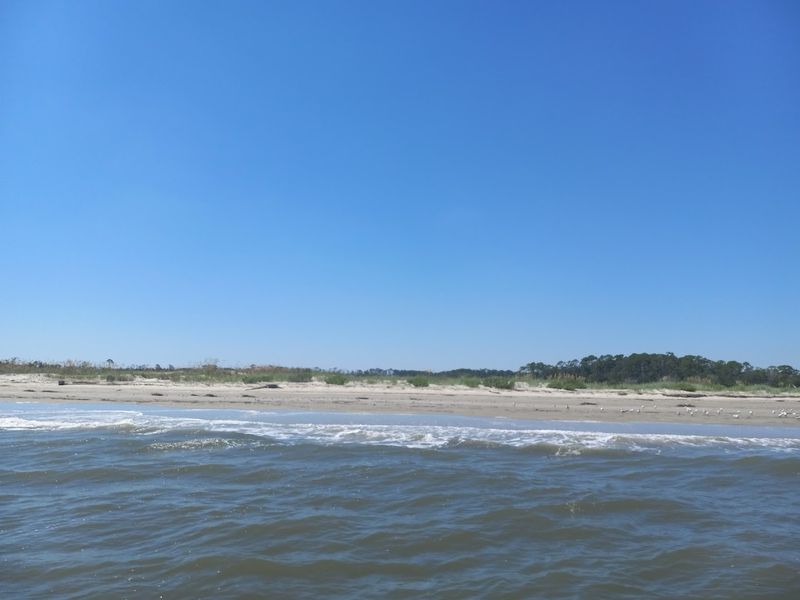
Wassaw Island is a federally protected national wildlife refuge, and its beaches reflect that high level of environmental stewardship. Located on Wassaw Island, Savannah, GA 31411, this barrier island is accessible only by private boat, which immediately filters out casual visitors and leaves the shoreline in exceptional condition for those who make the trip.
The beaches here are among the most productive in all of Georgia for serious collectors.
The combination of strong Atlantic tidal action and zero commercial development means shells arrive and stay undisturbed for longer than on any mainland-adjacent beach. Whole whelks, intact sand dollars, and sea glass in various colors including the coveted red and orange tones have been reported by visitors.
Orange and red sea glass are among the rarest colors found anywhere, making Wassaw a bucket-list destination for dedicated hunters.
Boat charters from Savannah can be arranged through local outfitters. Checking tide charts before departure and planning to arrive at low tide maximizes the time available for searching the exposed sand flats along this remarkable Georgia barrier island shoreline.
12. Ossabaw Island Beach
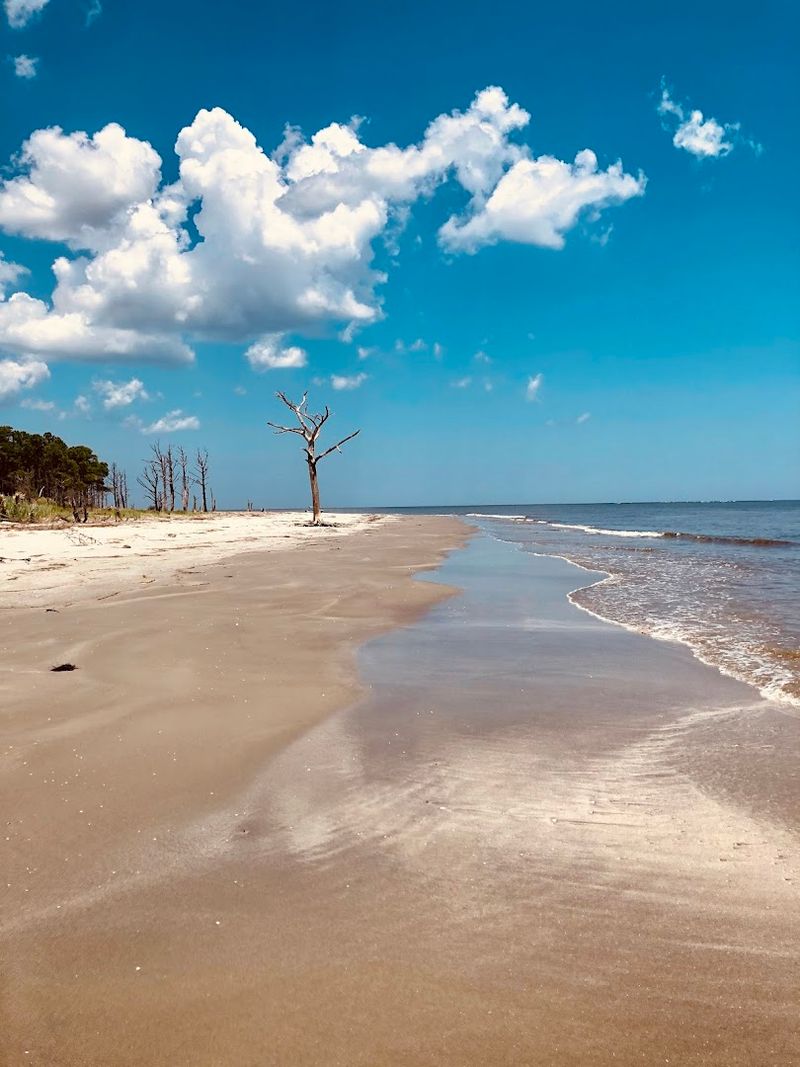
Ossabaw Island holds a special status in Georgia as one of the state’s Heritage Preserves, managed specifically to protect its natural and cultural resources. The beaches of Ossabaw Island, GA 31401 are accessible only through permitted visits coordinated with the Ossabaw Island Foundation, which keeps visitor numbers low and the environment beautifully intact.
For beachcombers, that protection means extraordinary finds await on nearly every visit.
The island’s position south of Savannah places it in the path of strong tidal currents that sweep material from the open Atlantic onto its shores. Whole conch shells, large whelk specimens, and sea glass in good condition appear along the high tide line with pleasing regularity.
The relative isolation also means that once-common finds like intact sand dollars and lettered olive shells remain abundant here.
Securing a permit to visit requires advance planning and coordination, but the effort pays off handsomely. Walking a Georgia barrier island beach that looks and feels essentially unchanged from centuries past is a rare and genuinely moving experience for anyone who loves the natural coast.