This Georgia Home Preserves The Legacy Of Br’er Rabbit And American Folklore
Historic homes preserve cultural narratives shaping American literary and social history. Atlanta’s West End neighborhood hosts a Victorian structure connecting visitors to significant storytelling traditions. The residence represents architectural preservation efforts celebrating regional heritage.
Literary history intertwines with complex cultural legacies requiring thoughtful interpretation. Folklore traditions originate from diverse cultural sources and oral transmission methods. American storytelling reflects multicultural influences often overlooked in mainstream narratives.
Historical context enriches understanding of literary significance and cultural evolution. Guided tours provide educational opportunities exploring nuanced historical perspectives. Architectural details showcase period design reflecting social and economic conditions.
Neighborhood preservation efforts maintain authentic character resisting commercialization pressures. Cultural landmarks serve communities through education and meaningful engagement. Visitors discover connections between literature, history, and contemporary society.
Storytelling traditions continue evolving through community participation and shared experiences.
1. A Victorian Farmhouse Frozen in Time
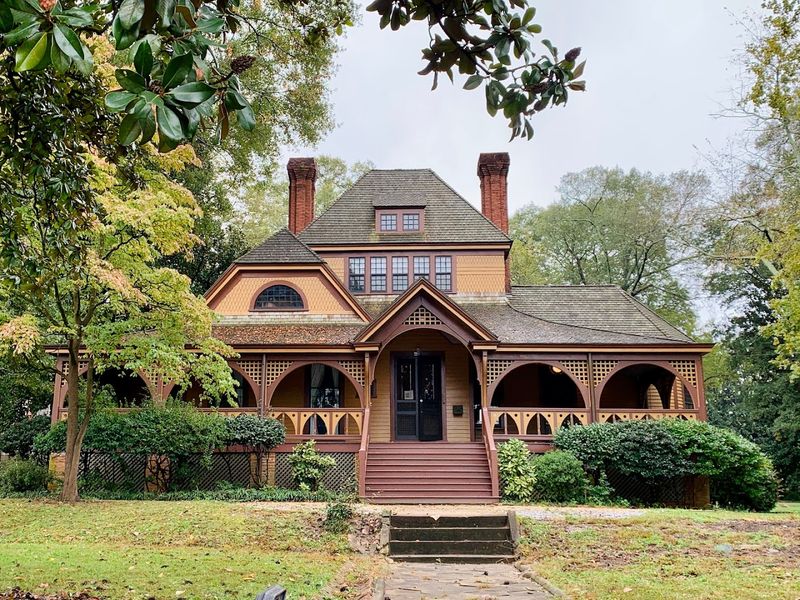
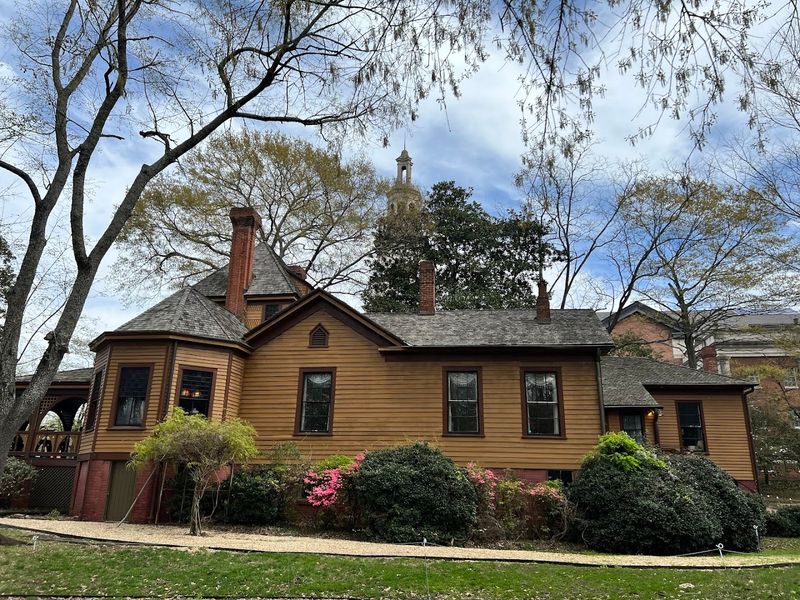
Walking up to The Wren’s Nest feels like stepping through a doorway into the 1880s. Located at 1050 Ralph David Abernathy Blvd SW, Atlanta, GA 30310, this Victorian farmhouse has been remarkably well maintained since Joel Chandler Harris lived here with his family.
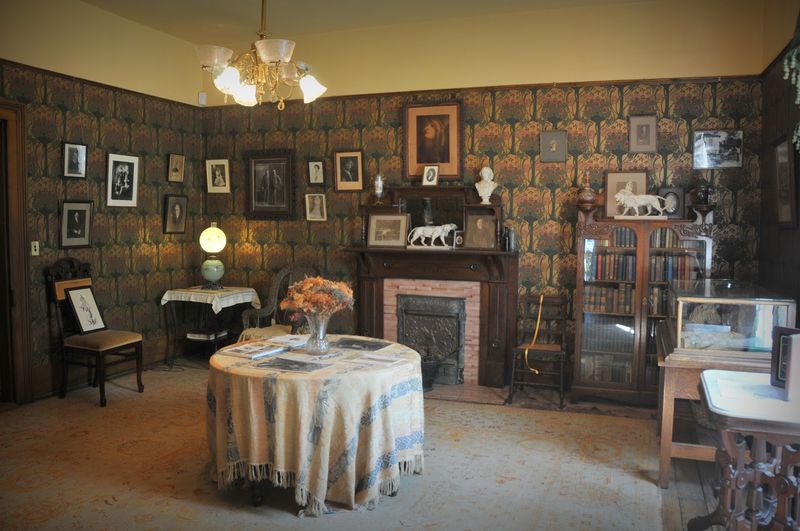
Original furnishings, period decor, and carefully preserved rooms give the home an atmosphere that feels lived-in rather than staged. Visitors consistently describe the sensation of traveling back in time the moment they cross the threshold.
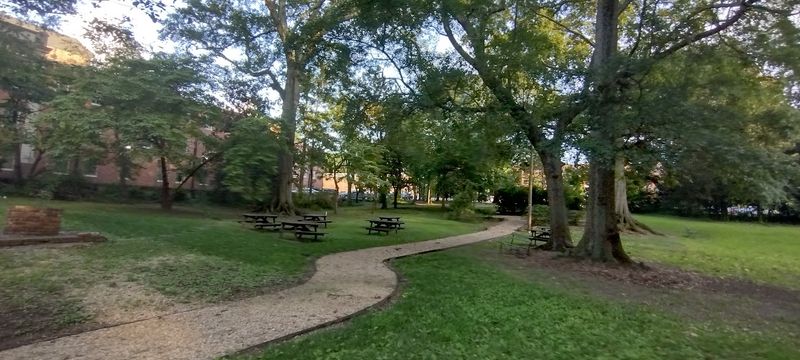
The structure itself is a visual treat, with its classic wraparound porch, wooden detailing, and lush surrounding greenery. Arriving on a Saturday morning when the museum opens at 11 AM gives you the best chance to soak in the quiet, unhurried charm of the exterior before heading inside for a guided tour.
2. The Birthplace of Br’er Rabbit’s American Story
Br’er Rabbit is one of the most recognizable trickster figures in American folklore, and the story of how those tales reached a wide audience begins right here. Joel Chandler Harris, a typesetter and journalist by trade, listened carefully to the folk stories shared by enslaved Africans during his childhood and later committed them to print.
Harris himself acknowledged the African origins of these narratives, and the museum presents this history honestly and thoughtfully. The staff are well-prepared to discuss both the cultural significance and the ongoing conversations around how these stories have been represented over time.
For anyone who grew up with Br’er Rabbit or simply wants to understand where these tales truly come from, The Wren’s Nest offers a grounded, fact-based education. It goes far beyond what popular culture, including Disney’s controversial adaptation, ever managed to convey about the real roots of the stories.
3. Guided Tours That Bring History to Life
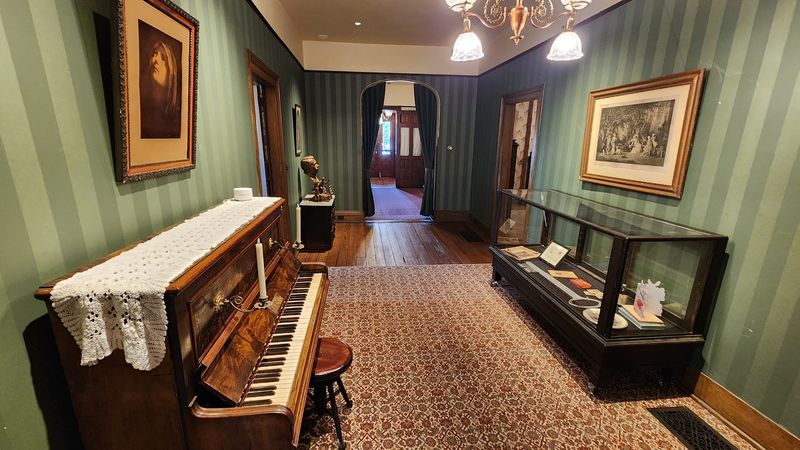
One of the most praised features of a visit here is the guided tour experience. Docents at The Wren’s Nest are known for being enthusiastic, knowledgeable, and genuinely open to questions, even the challenging ones about the cultural controversies surrounding Joel Chandler Harris and the Uncle Remus stories.
Visitors have described spending the entire day asking questions and receiving thoughtful, well-researched answers. The tour moves through the original rooms of the home, pointing out period furniture, personal belongings, and architectural details that tell the story of Harris and his era.
Groups of all ages, from elementary school students to adults with a lifelong interest in American literature, tend to find the tour engaging and appropriately paced. Planning to arrive right at 11 AM on a Saturday helps ensure you catch the full experience without feeling rushed. Tours typically run under two hours, making this a comfortable half-day outing.
4. Live Storytelling Sessions That Steal the Show
Ask almost any visitor what they remember most about The Wren’s Nest, and the storytelling will come up almost immediately. The museum hosts live storytelling performances, often scheduled around 1 PM on Saturdays, where trained storytellers bring the Uncle Remus tales to life in ways that are interactive, emotionally resonant, and surprisingly layered for audiences of all ages.
Storyteller Gwendolyn J. Napier, also known as Miss Luv Drop, has earned particular praise from visitors who describe her performances as unforgettable. Third graders, teenagers, and adults have all been seen fully absorbed in the same session, which speaks to the universal appeal of a well-told story.
The storytelling goes beyond entertainment, offering context about the African oral traditions that gave these tales their original meaning and power. Catching this session is strongly recommended, and timing your Saturday visit to include the 1 PM performance makes the trip significantly more rewarding.
5. Original Family Furnishings and Authentic Antiques
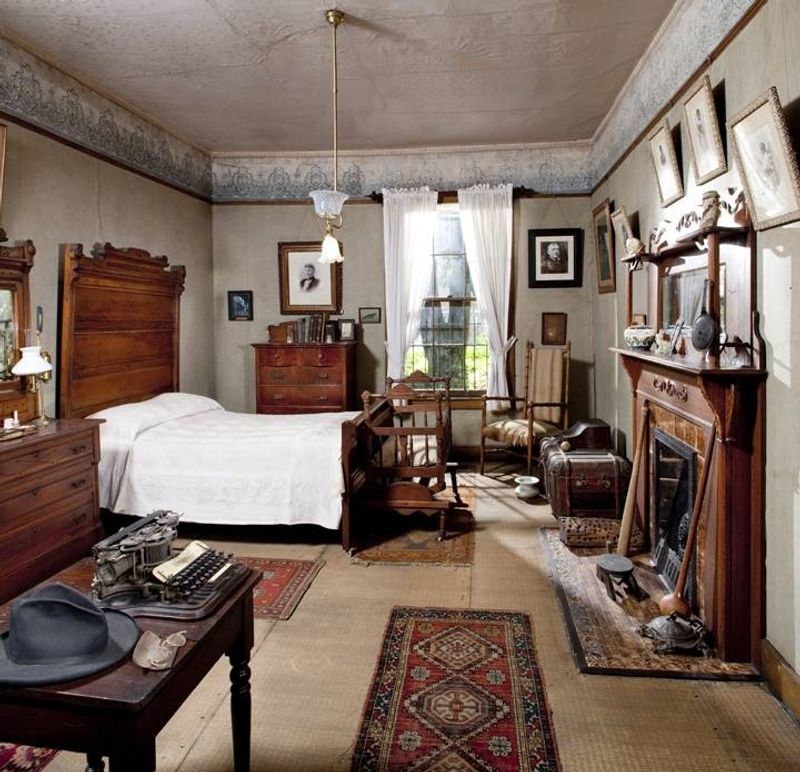
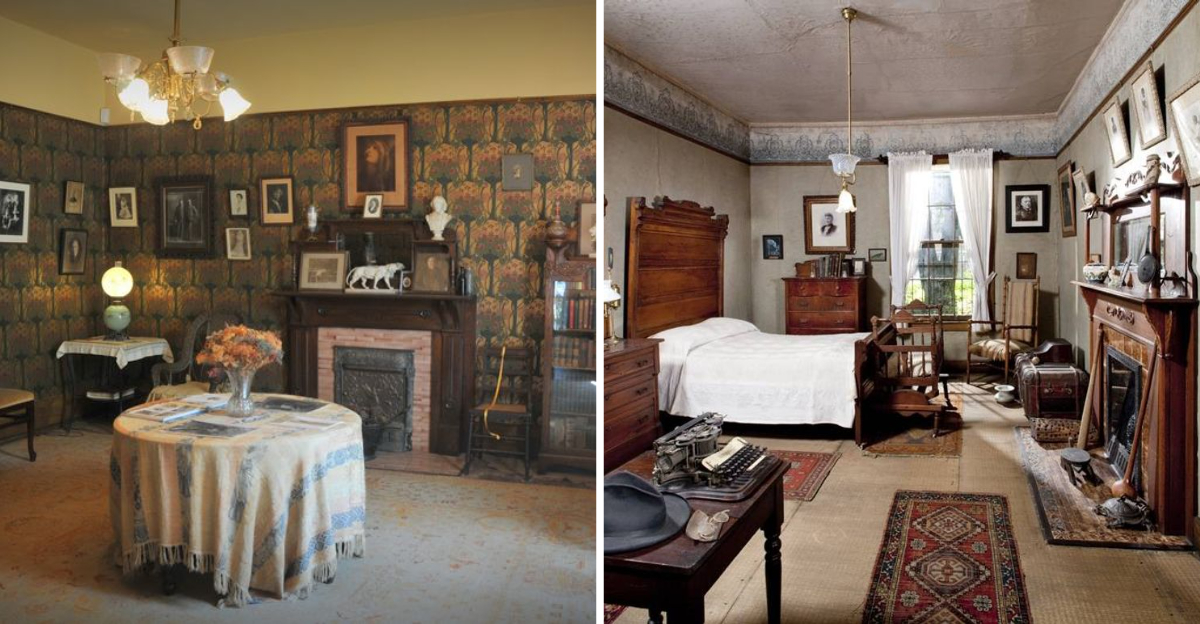
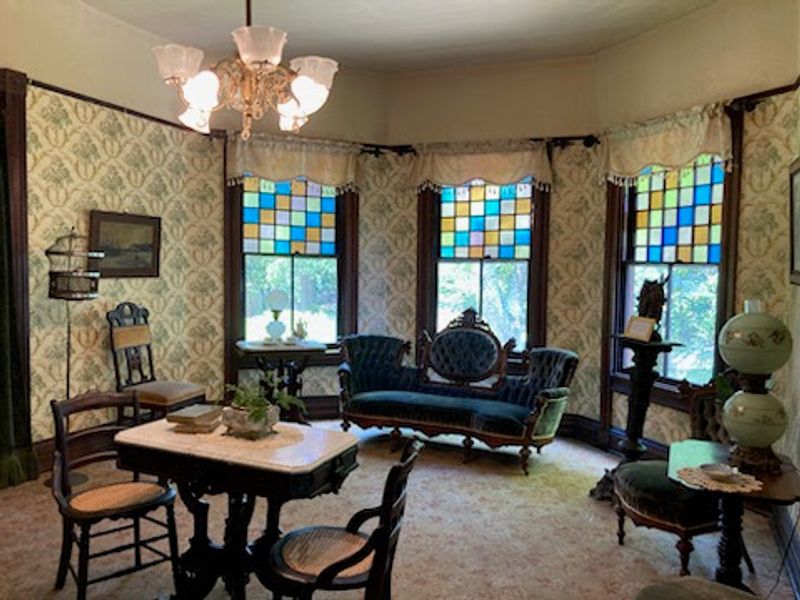
There is something quietly remarkable about standing in a room where the furniture has not moved in over a century. The Wren’s Nest has preserved an impressive collection of original family furnishings and antiques that belonged to the Harris household, giving the space an authenticity that replica museums simply cannot replicate.
Visitors with an eye for Victorian decor will find plenty to admire, from ornate wooden pieces to personal objects that hint at everyday life in late 19th-century Atlanta. The home was built in the early 1880s, and much of what you see inside reflects the tastes and habits of that specific era.
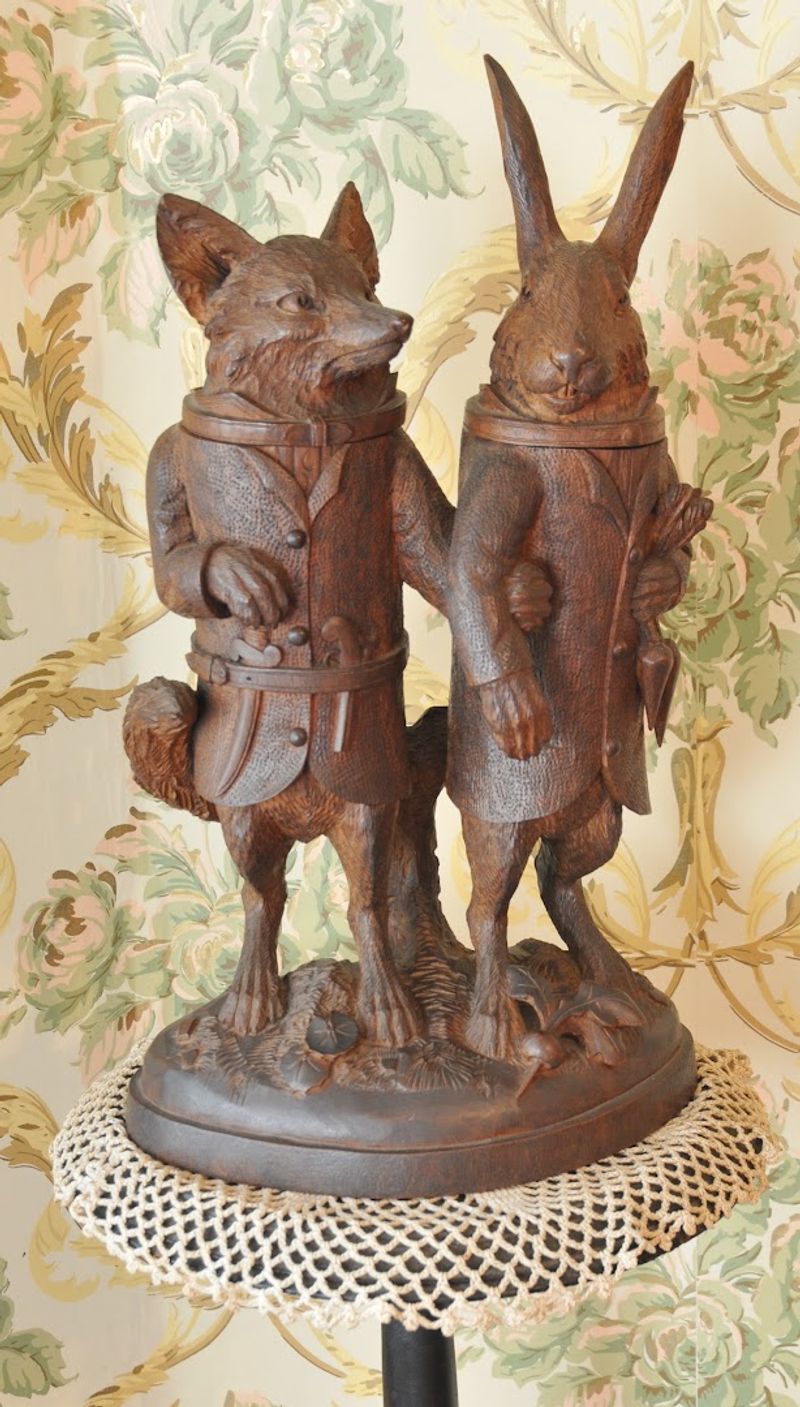
One reviewer made a point of seeking out the owl figure tucked into a corner of the museum, a small but charming detail that rewards curious visitors who take their time. The overall cleanliness and condition of the space, given its age, consistently earns high marks from guests.
6. The Famous Stepping Stones Signed by Celebrities
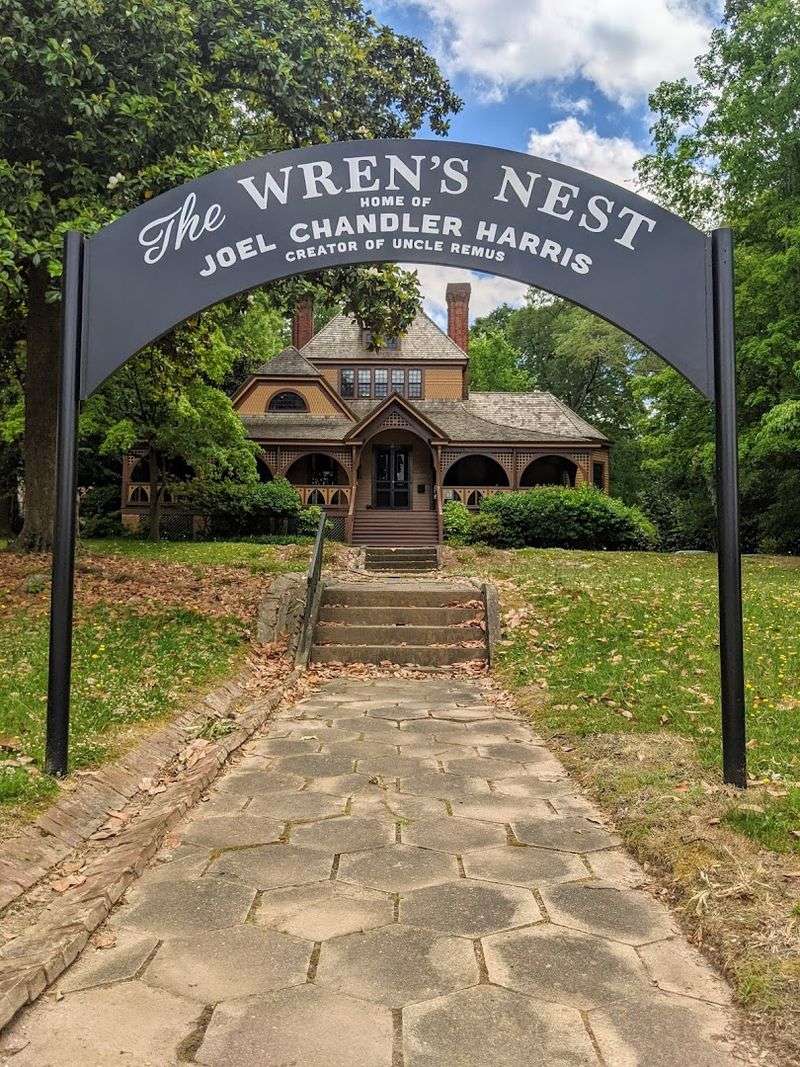
Few details at The Wren’s Nest spark as much conversation as the stepping stones leading to and from the home’s entrance. Each stone is made of concrete and bears the signature of a notable figure from Joel Chandler Harris’s lifetime, ranging from presidents and dignitaries to celebrated writers.
Mark Twain’s signature is among the most recognized, and spotting it tends to be a small thrill for literary history fans. The stones serve as a quiet but powerful reminder of just how widely respected Harris was during his own time, drawing visitors and admirers from across the country and beyond.
Taking a moment to read each stone before entering the house adds a layer of appreciation that enriches the rest of the tour. It is a detail that might be easy to walk past quickly, so slowing down at the entrance is genuinely worth the extra few minutes on any visit.
7. Understanding the African Roots of Uncle Remus Tales
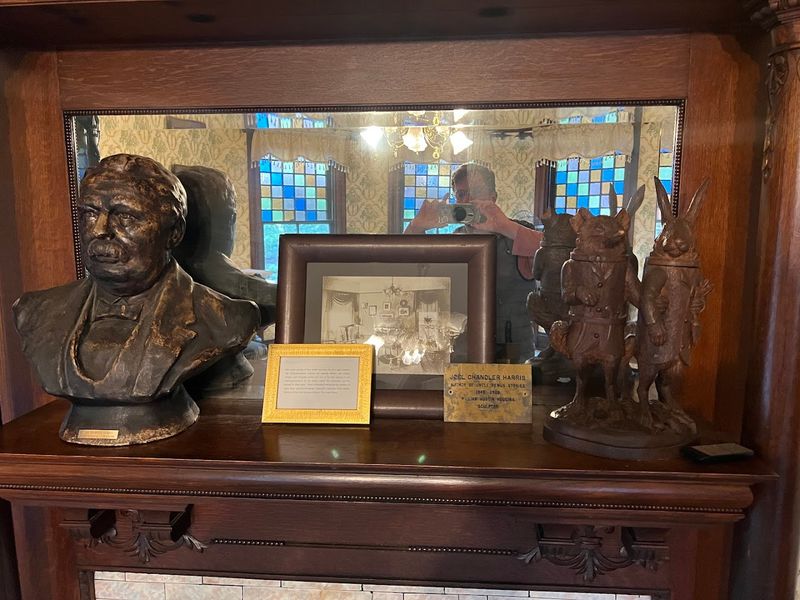
One of the most important things The Wren’s Nest does well is presenting the African origins of the Uncle Remus stories clearly and honestly. These tales were not invented by Joel Chandler Harris. They were part of a rich oral tradition carried by enslaved Africans, and Harris served as a recorder and publisher who brought them to a broader American audience.
The museum staff openly discuss this history, including the complicated questions about credit, representation, and cultural ownership that scholars and communities continue to explore. Visitors who arrive expecting a simple literary biography often leave with a much richer and more nuanced understanding of American folklore.
For students, educators, or anyone curious about the relationship between African storytelling traditions and American culture, this museum offers a rare opportunity to engage with real history rather than popular mythology. The conversations that happen here tend to be thoughtful, respectful, and genuinely illuminating for people of all backgrounds.
8. Outdoor Events and Jazz Concerts on the Lawn
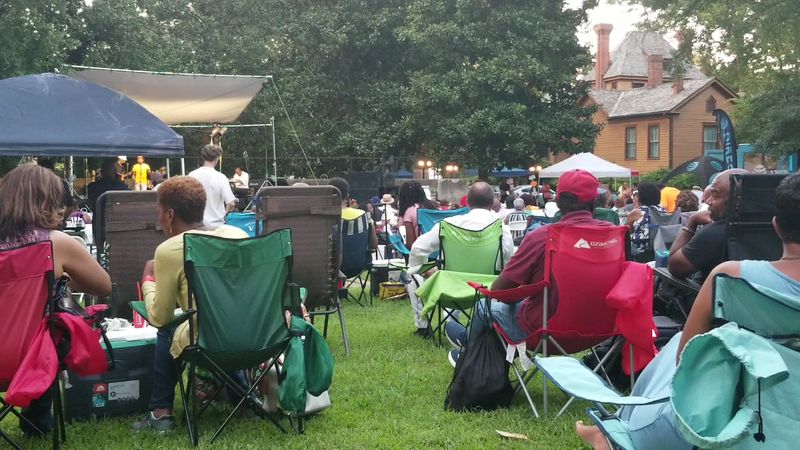
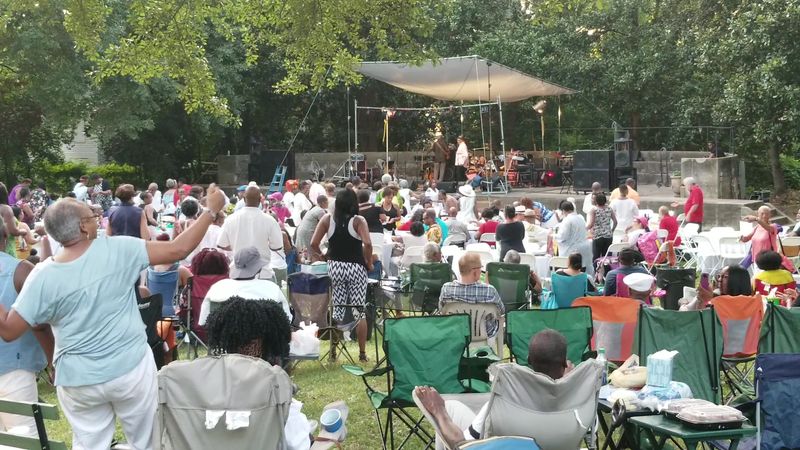
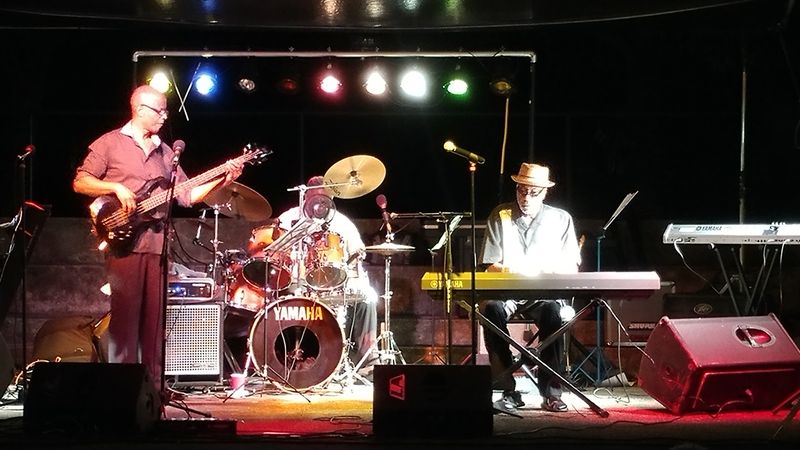
Beyond the museum walls, The Wren’s Nest transforms into a lively outdoor venue for special events hosted on its well-kept lawn. Jazz concerts, community gatherings, and cultural events have all taken place here, drawing crowds of up to 500 people in a setting that manages to feel both festive and intimate at the same time.
The Jazz Matters series, presented by Smooth Jazz 101.1 WJZA-FM, has been one of the more popular recurring events, featuring musicians who perform everything from classic jazz standards to R&B-influenced sets. Attendees typically bring their own chairs or reserve a table for a small additional fee, and vendors are usually present at larger events.
One practical note: evening lighting on the lawn comes primarily from the stage, so bringing a small personal light for your table area is a smart move. Checking the museum’s website at wrensnest.org before visiting helps confirm upcoming event schedules and ticket availability.
9. A Deep Look at Joel Chandler Harris the Man
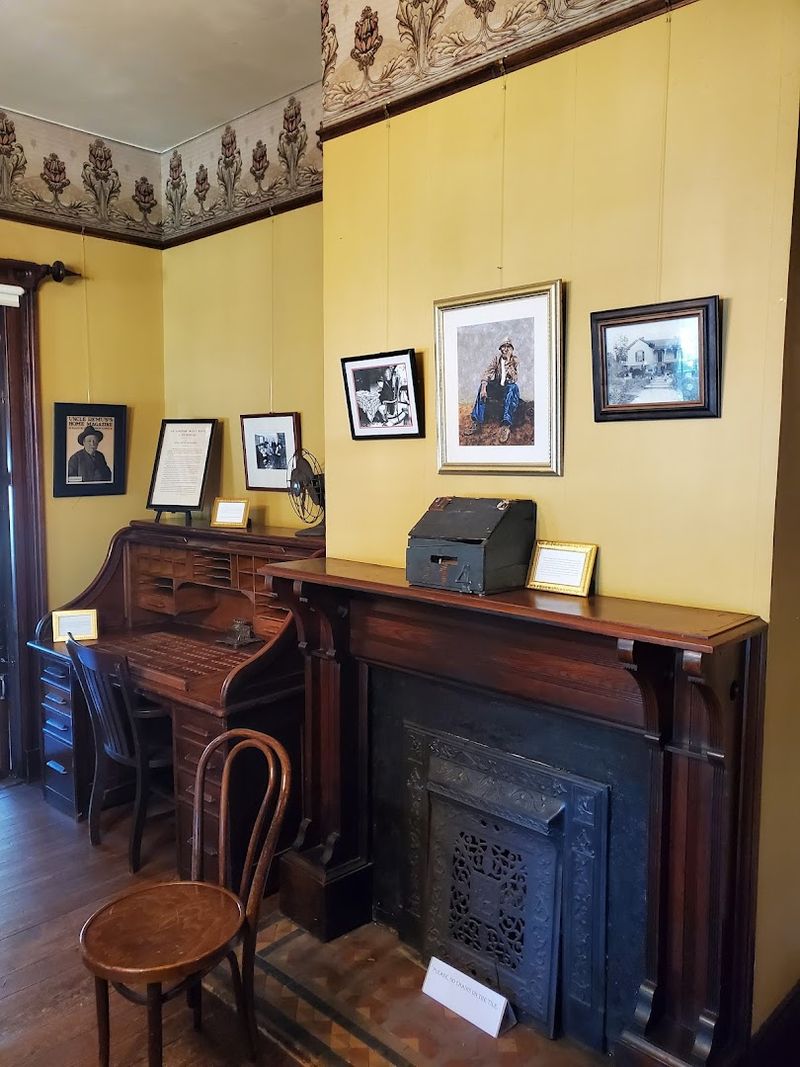
Many people arrive at The Wren’s Nest knowing the name Uncle Remus but not much about the man who published those stories. Joel Chandler Harris was a journalist and typesetter who grew up listening to the folk tales of enslaved people on a Georgia plantation, and he later used his writing skills to bring those narratives to a national audience through newspapers and books.
A common misconception is that Harris and Uncle Remus were the same person. The tour corrects this quickly, making clear that Uncle Remus was a fictional narrator character while Harris was the real-life author who shaped and published the stories. Understanding this distinction changes how visitors interpret everything else in the museum.
Harris was also a figure of his time, with all the complexities that entails. The museum does not shy away from presenting him fully, which makes the experience feel honest rather than promotional. That balance of celebration and critical reflection is part of what makes the tour genuinely worthwhile.
10. Exploring Atlanta’s Historic West End Neighborhood
The Wren’s Nest sits in Atlanta’s West End, one of the city’s oldest neighborhoods and a place with its own distinct character and history. The surrounding streets are lined with historic homes, locally owned businesses, and community spaces that reflect decades of Atlanta’s evolving cultural identity.
Pairing a museum visit with a short walk through the neighborhood adds meaningful context to what you see inside the house. West End has been home to generations of Atlanta residents, and understanding its history helps connect the story of Joel Chandler Harris to the broader story of the city itself.
Weekday visitors will find the neighborhood quieter and easier to navigate on foot, while Saturdays bring a bit more energy to the area. Parking is available on the museum property, which takes one logistical concern off the table. The neighborhood is walkable near the museum, though comfortable shoes are always a practical choice for any exploration on foot.
11. The Story Behind the Name: Why It’s Called the Wren’s Nest
The name itself carries a story worth knowing before you visit. According to the museum’s history, a family of wrens built a nest in the Harris family’s mailbox, and Joel Chandler Harris was so charmed by the small birds that he refused to disturb them. The house eventually took its name from that gentle act of leaving nature undisturbed.
It is the kind of detail that tells you something real about a person’s character, and visitors who learn this story often find it shifts how they see the rest of the home and its contents. Small moments of personality like this make historic house museums feel human rather than just institutional.
One reviewer specifically mentioned discovering the reason for the name during their visit and finding it unexpectedly delightful. Asking your tour guide about this story early in the tour tends to open up a broader conversation about Harris as a person beyond his professional reputation as a writer and journalist.
12. Engaging With the Controversy Honestly and Openly
Few museums are as willing to address their own complicated history as openly as The Wren’s Nest. The staff and storytellers here actively engage with the controversies surrounding the Uncle Remus stories, including the problematic ways they have been portrayed in popular culture and the questions of cultural credit that surround them.
Disney’s Song of the South is frequently brought up by visitors, and the museum handles those conversations with care and depth rather than deflection. Staff members have been praised for their willingness to discuss misinformation, representation, and the real African origins of the trickster tales without becoming defensive or dismissive.
For visitors who have done some reading on the topic beforehand, this openness makes the experience feel collaborative rather than one-sided. Bringing your questions and being genuinely curious is encouraged here. The museum seems to understand that honest engagement with difficult history is exactly what makes a cultural institution worth visiting in the first place.
13. Parking, Restrooms, and Practical Visit Planning
Practical logistics can make or break a museum visit, and The Wren’s Nest handles the basics well. Parking is available directly on the property at 1050 Ralph David Abernathy Blvd SW, Atlanta, GA 30310, which removes the stress of searching for street parking in an unfamiliar neighborhood.
Restroom facilities are also on-site, a detail that matters especially for families with young children or visitors planning to stay for multiple hours. The museum is open on Saturdays from 11 AM to 3 PM, so planning your arrival for opening time gives you the full window to take the tour and catch the 1 PM storytelling session without feeling rushed.
The phone number for the museum is +1 404-753-7735, and the website at wrensnest.org is the most reliable source for updated hours, event listings, and any changes to programming. Calling ahead or checking online before making the trip is always a sensible habit with smaller heritage museums.
14. A Meaningful Stop for Literature and Folklore Enthusiasts
For anyone with a genuine love of American literature or folklore, The Wren’s Nest is less a casual tourist stop and more of a pilgrimage. One visitor described making the trip at age 32 after spending a lifetime studying the Br’er Rabbit stories, calling it exactly that, and the museum clearly resonated on that deeper level.
The combination of a preserved historic home, knowledgeable staff, live storytelling, and honest historical context creates an experience that rewards curiosity and prior knowledge equally. Visitors who arrive having read about Joel Chandler Harris, African American folk traditions, or even just the Disney controversy tend to find the conversations here especially rich.
The museum also functions as a reminder that American folklore is not a single story with a single author but rather a layered, cross-cultural tradition with deep roots that deserve respectful, thoughtful exploration. Leaving The Wren’s Nest with more questions than you arrived with is, genuinely, a sign that the visit did its job well.