13 Georgia Islands Locals Say Have Changed More Than You Think
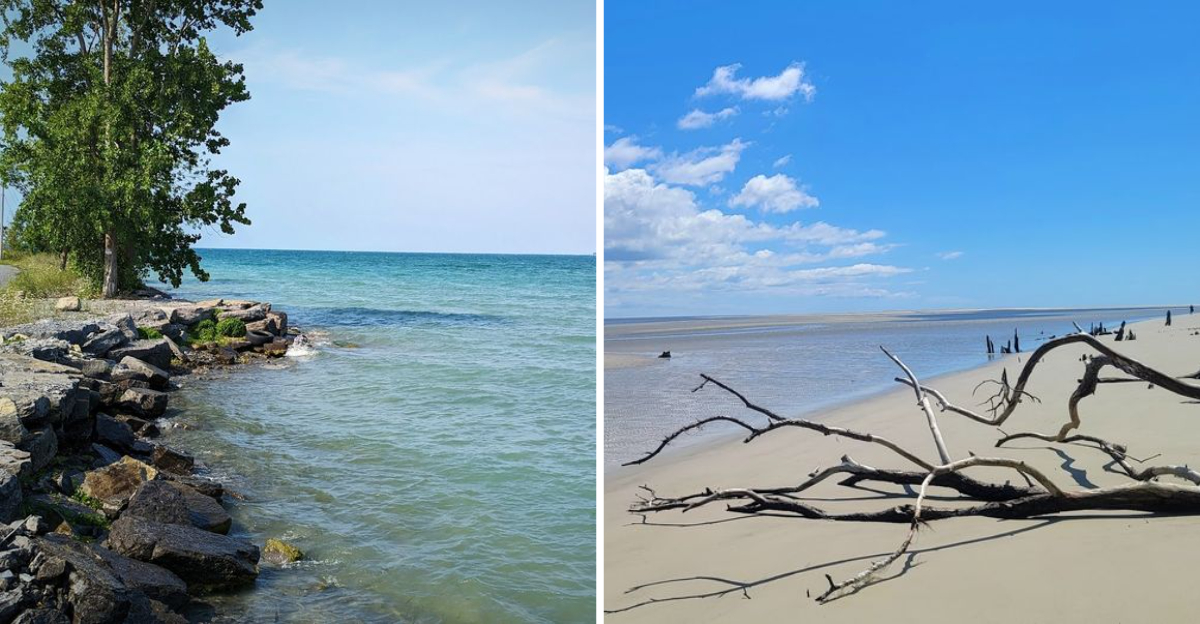
Georgia’s barrier islands have long carried a quiet, untamed beauty shaped by wild marshes, moss draped oaks, and wide stretches of sand that feel worlds away from city life. For generations, these coastal communities moved at a slower pace, defined by fishing traditions, close knit neighborhoods, and landscapes largely untouched by modern pressure.
Over time, however, tourism, development, and shifting environmental conditions have gradually transformed both the shoreline and the culture. New resorts and vacation homes now stand where simple cottages once dotted the dunes, while rising tides and stronger storms continue to reshape fragile ecosystems.
Longtime residents speak of changes in everything from wildlife patterns to local customs. Whether you are returning after years away or planning your first visit, understanding this evolution adds depth and perspective to every step along Georgia’s remarkable coast.
1. Tybee Island
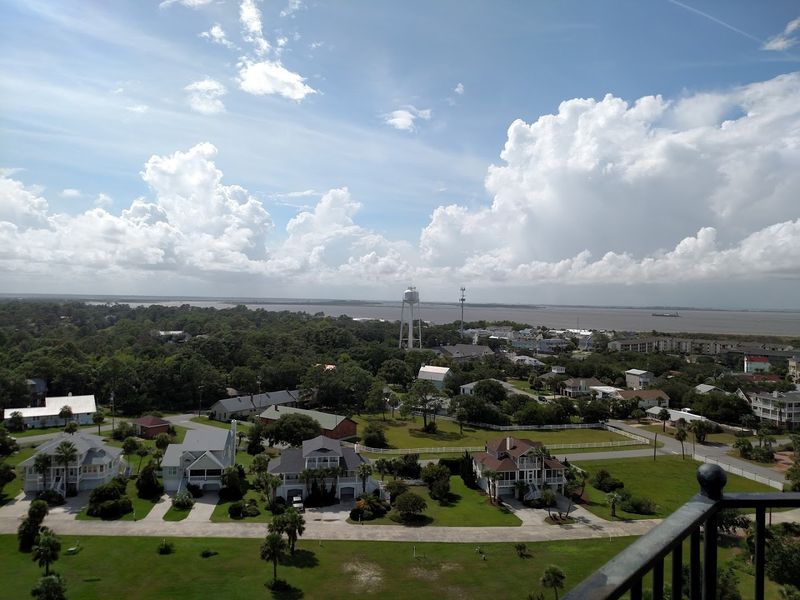
Summer weekends on Tybee Island now look nothing like the sleepy seaside escape older residents remember. Located about 18 miles east of Savannah, Tybee Island has seen a sharp rise in tourist traffic over the past decade, filling its narrow roads with rental cars and its beaches with visitors from across the Southeast. Locals who grew up here often mention how the vibe has shifted from laid-back neighborhood to full-on vacation zone.
The rise of short-term vacation rentals has pushed property values up significantly, making it harder for longtime residents to stay. Many of the small, family-run shops that once lined the main drag have been replaced by souvenir stores and chain-friendly businesses catering to weekend crowds. Parking, which was never ideal, has become a genuine headache during peak months.
Still, Tybee holds onto its charm in the quieter corners. Early mornings on the north beach or a walk to the historic lighthouse can offer a glimpse of what the island once felt like.
2. St. Simons Island
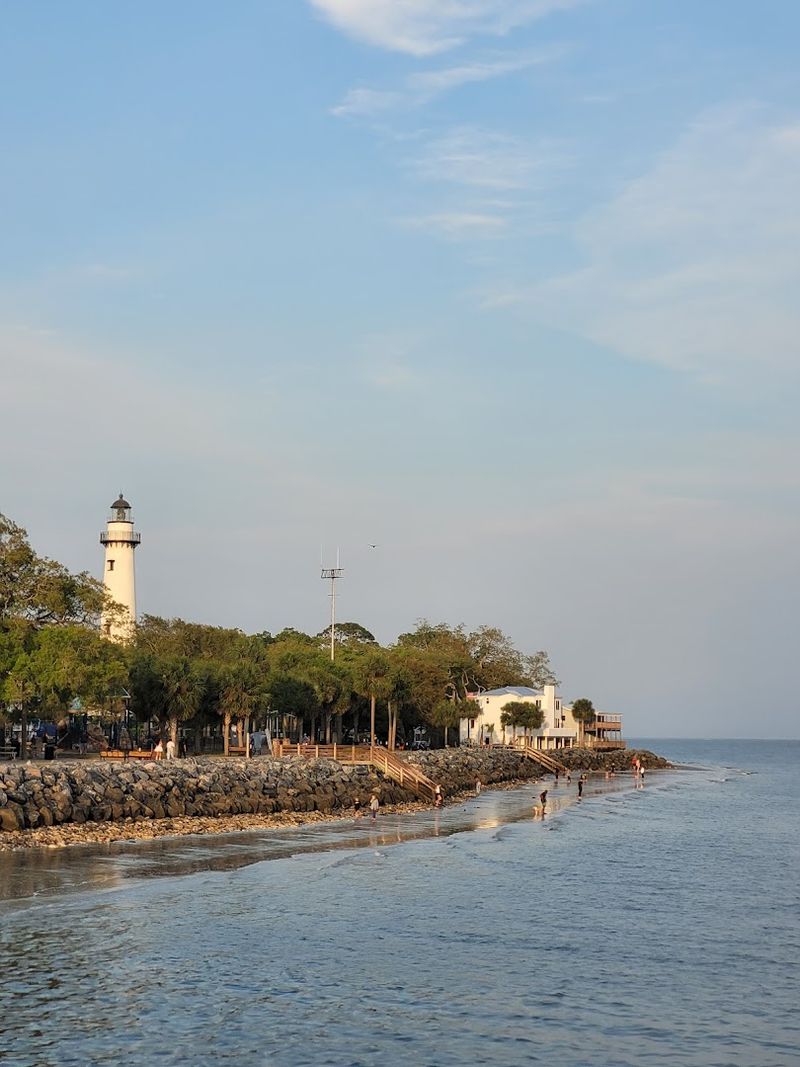
There was a time when St. Simons Island moved at the pace of a front-porch conversation, unhurried and familiar. Situated off the coast of Brunswick, Georgia, St. Simons has steadily transformed into one of the state’s most popular vacation destinations, drawing visitors who come for its beaches, golf courses, and historic lighthouse. The shift has been significant enough that longtime locals describe the island as almost unrecognizable in summer.
Short-term rental platforms have changed the neighborhood fabric considerably. Streets that once housed year-round families now flip occupants nearly every weekend, which has altered the sense of community that residents once took for granted. Property taxes have climbed alongside demand, nudging some longtime homeowners toward selling.
Upscale boutiques and polished restaurants now fill spaces that used to belong to modest local businesses. The charm is still present, especially in the oak-lined streets near the village, but visitors should expect a noticeably commercial atmosphere during busy seasons.
3. Jekyll Island
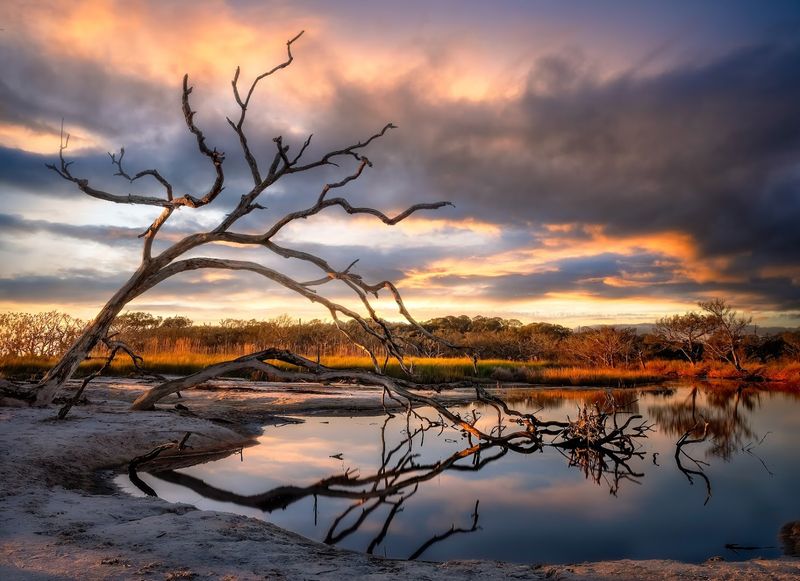
Jekyll Island carries a fascinating history as a former private retreat for some of America’s wealthiest families during the Gilded Age, and that legacy still draws curious visitors today. As a state-owned barrier island, Jekyll Island sits off the coast of Brunswick, Georgia, and has long been considered more protected from overdevelopment than its neighbors. But recent years have brought noticeable changes that have sparked real conversation among residents and conservationists alike.
New hotels, renovated amenities, and expanded attractions have been introduced as part of ongoing revitalization efforts, pulling in larger crowds annually. The Jekyll Island Authority has worked to balance economic growth with environmental responsibility, though not everyone agrees the balance has been struck correctly. Some locals feel the island’s quieter, natural identity is slowly giving way to a more resort-style experience.
The historic district remains a genuine highlight, with preserved cottages and moss-draped paths. Visiting on a weekday helps avoid the heaviest foot traffic and offers a more relaxed atmosphere overall.
4. Sea Island
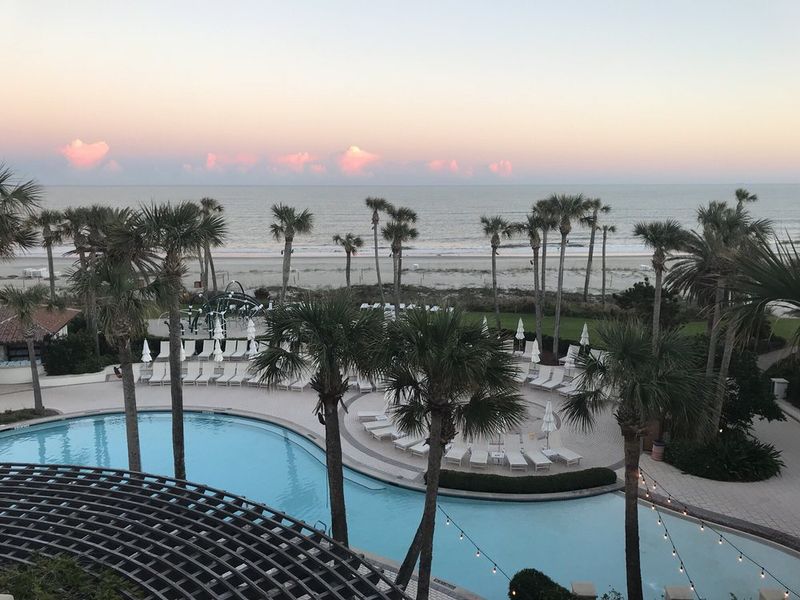
Sea Island has always leaned toward the exclusive side, but the degree to which it has shifted toward high-end tourism over the past two decades is something locals find hard to ignore. Connected to St. Simons Island in Glynn County, Georgia, Sea Island is now largely defined by The Cloister, a Forbes Five-Star resort that hosts world leaders, celebrities, and corporate retreats. The island’s identity has become almost entirely wrapped around luxury hospitality.
What once had more of a residential feel has gradually given way to a destination built around premium experiences. The focus on tourism revenue has reshaped priorities on the island, with amenities and infrastructure catering primarily to guests rather than permanent residents. Long-term community life, in the traditional sense, has become harder to sustain.
For visitors, the experience can be genuinely exceptional if the budget allows. The beaches are well-maintained, the service standards are high, and the natural surroundings remain beautiful. Just understand that Sea Island today is a resort destination first and a neighborhood second.
5. Little St. Simons Island
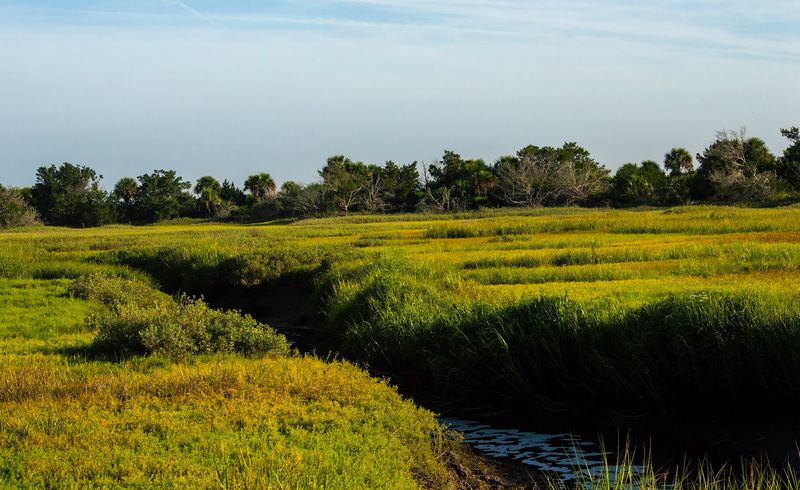
Only about 11,000 acres of pristine barrier island exist at Little St. Simons Island, and for a long time, its remoteness kept it safely off the radar of mass tourism. Accessible only by private boat from St. Simons Island, Georgia, Little St. Simons has remained one of the least developed islands on the entire East Coast, with limited lodging and no public access beyond guided programs. That exclusivity has been both its protection and its appeal.
Growing interest from eco-tourists and nature enthusiasts has raised quiet concerns among conservationists about how much increased visitation the island can absorb without disrupting its ecosystems. The marshes, nesting shorebirds, and undisturbed beach ridges are genuinely fragile. Even well-intentioned visitors can cause harm if access is not carefully managed.
The Lodge on Little St. Simons Island offers an immersive nature experience with knowledgeable naturalist guides. Availability is intentionally limited, which keeps the setting peaceful. Booking well in advance is essential, as spots fill up quickly throughout the year.
6. Cumberland Island
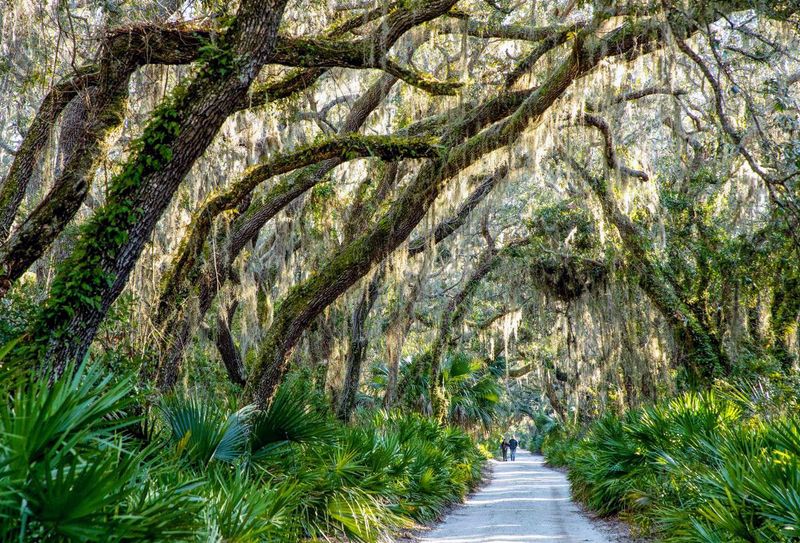
Wild horses roaming freely along empty beaches sounds like something from a storybook, but Cumberland Island delivers exactly that on a good day. Located off the coast of St. Marys, Georgia, Cumberland Island is managed by the National Park Service and remains one of the most ecologically significant barrier islands on the East Coast. The feral horses, believed to be descendants of horses brought by European settlers, have become the island’s most iconic draw.
Tourism has grown steadily, and during peak seasons the ferry from St. Marys fills quickly. Rangers and conservationists have expressed concern about trail erosion, wildlife disturbance, and the cumulative impact of heavier foot traffic on sensitive habitats. The balance between public access and environmental protection is a constant, ongoing conversation.
Day-trip visitors should book ferry tickets well in advance, especially for spring and fall weekends. Bringing water, sunscreen, and sturdy shoes is strongly recommended. The island has minimal facilities, which is part of what keeps the experience feeling genuinely wild and unhurried.
7. Ossabaw Island
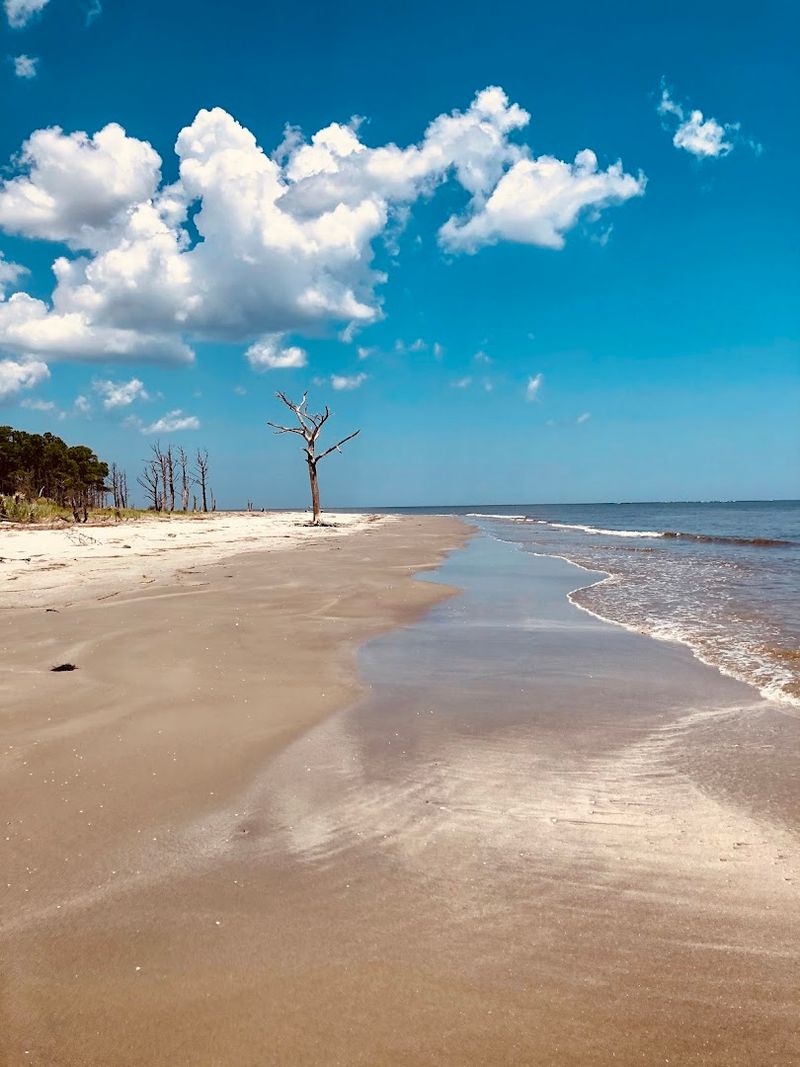
Ossabaw Island sits quietly south of Savannah, Georgia, largely unknown to casual tourists and fiercely protected by those who want to keep it that way. As one of Georgia’s Heritage Preserves, Ossabaw is managed by the state and accessible only through permitted programs, scientific research visits, and organized educational trips. That limited access has helped preserve an ecosystem that feels genuinely untouched compared to neighboring islands.
The island hosts feral pigs, alligators, deer, and a remarkable variety of bird species, making it a serious destination for naturalists and wildlife researchers. There are no hotels, restaurants, or paved roads. What you find instead is a landscape that operates entirely on its own schedule, indifferent to tourism trends.
Recent years have brought more interest from conservation photographers and academic groups, which has prompted discussions about expanding permitted access slightly. Locals familiar with Ossabaw tend to feel protective of its current status. Any change, even well-managed, carries risk when an ecosystem this intact is involved.
8. Wassaw Island
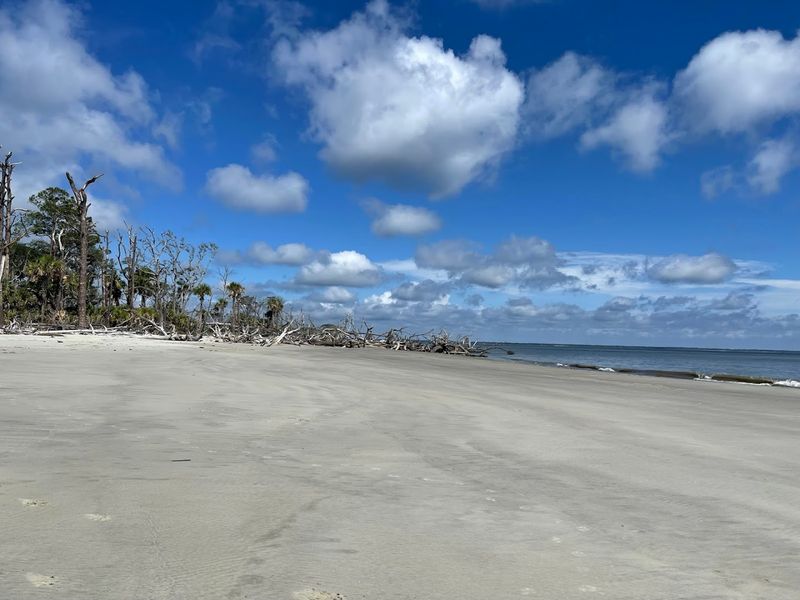
Wassaw Island does not show up on most tourist itineraries, and longtime Georgia coast advocates would prefer it stays that way. Part of the Wassaw National Wildlife Refuge, this island is accessible only by private boat and has no facilities for public visitors. Located southeast of Savannah, Georgia, Wassaw is a critical nesting ground for loggerhead sea turtles and supports a wide range of migratory bird species throughout the year.
The absence of development is not an accident. Wassaw has been intentionally kept off the commercial grid, and the U.S. Fish and Wildlife Service manages it with conservation as the clear priority.
Even so, increased boat traffic in surrounding waters has introduced new pressures, including noise, wake erosion, and the risk of accidental wildlife encounters.
Those lucky enough to visit through permitted programs describe the experience as genuinely rare. The beach feels ancient and undisturbed. Nesting season for sea turtles runs roughly from May through October, and respectful distance from nests is always required.
9. Wolf Island
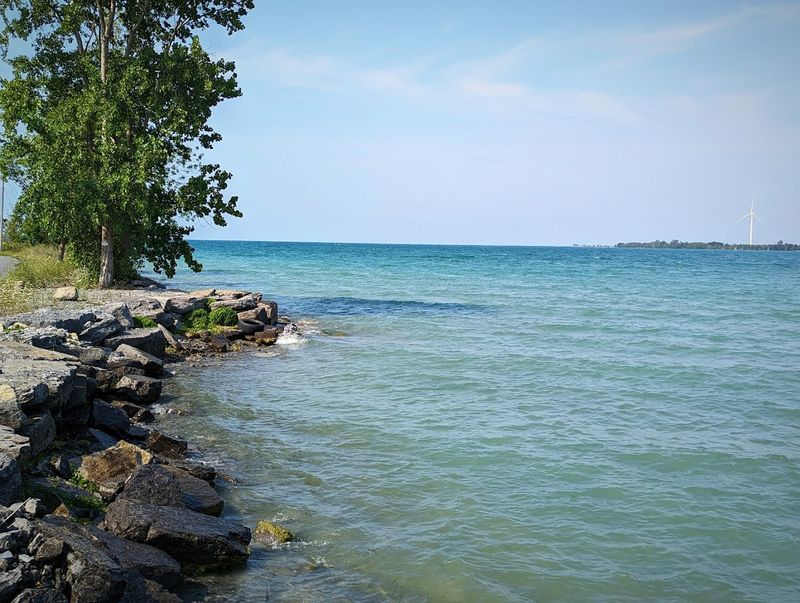
Wolf Island is one of those places that most people have never heard of, which is precisely the point. Designated as a National Wildlife Refuge and a designated Wilderness Area, Wolf Island sits at the mouth of the Altamaha River near Darien, Georgia, and is closed to the public entirely. No hiking, no camping, no recreational boating to shore.
The island exists for wildlife, full stop.
The Altamaha River estuary that surrounds Wolf Island is considered one of the most biologically productive on the East Coast, supporting wood storks, bald eagles, bottlenose dolphins, and an extraordinary diversity of fish and invertebrates. Protecting this system has required strict boundaries, and the refuge managers have largely held the line against pressure to open access.
From a distance, the island looks deceptively ordinary, just a low green strip of vegetation against a wide sky. Up close, the density of life is remarkable. Its very inaccessibility is what keeps it functioning as a true refuge rather than just a name on a map.
10. Blackbeard Island
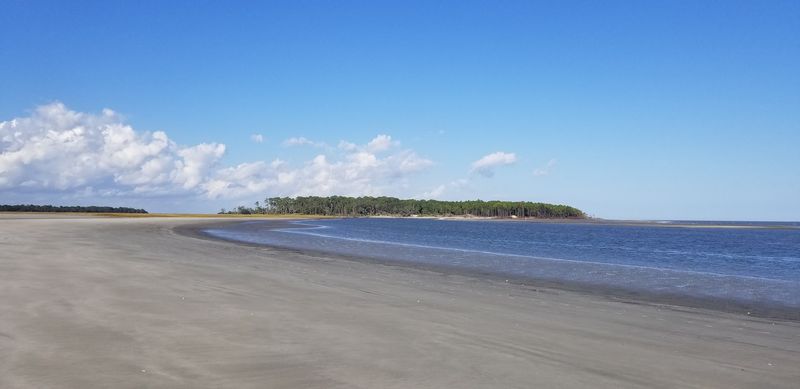
The name alone tends to spark curiosity, and the history behind it does not disappoint. Blackbeard Island National Wildlife Refuge, located off the coast of McIntosh County, Georgia, near Sapelo Sound, takes its name from the legendary pirate Edward Teach, better known as Blackbeard, who reportedly used the island as a hideout. Whether the legend is fully accurate is debated, but the name has stuck for centuries.
Today the island is managed by the U.S. Fish and Wildlife Service and is accessible by private boat only, with no permanent facilities onshore. It serves as a nesting and wintering habitat for a wide range of bird species and supports populations of alligators, deer, and wild turkeys.
Recreational activities like hiking and fishing are permitted with restrictions.
Increased interest from kayakers and day-trippers has prompted discussions about how to manage visitation without degrading the habitat. The island remains beautifully raw, but its profile is rising. Checking current access guidelines before visiting is always a smart move.
11. Skidaway Island
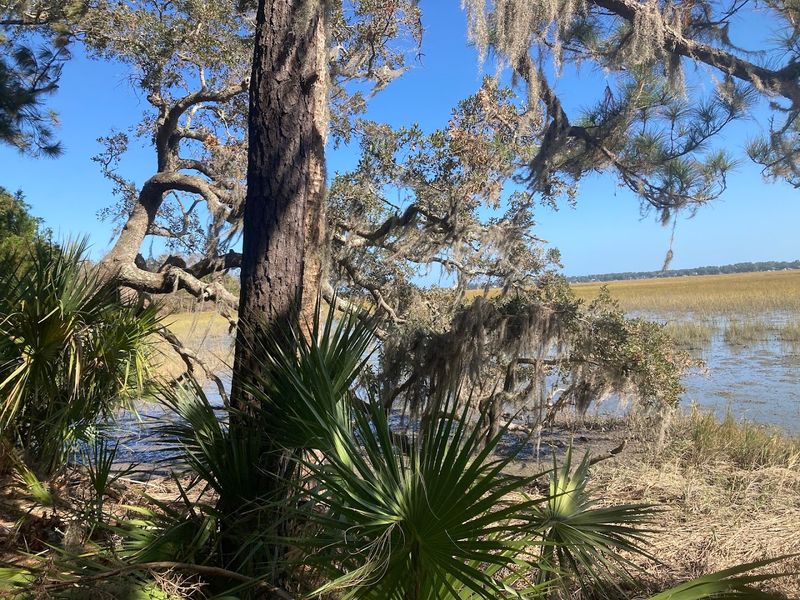
Skidaway Island sits just south of Savannah, Georgia, and has experienced one of the more dramatic transformations of any island along the coast. What was once a largely undeveloped stretch of maritime forest and marsh has evolved into a well-established residential community, home to The Landings, a large private gated development with golf courses, marinas, and thousands of homes. The shift from wild land to planned community happened relatively quickly by historical standards.
Skidaway Island State Park, located at the island’s southern end, preserves a meaningful slice of the original landscape. The park offers hiking trails through maritime forest, boardwalks over salt marshes, and opportunities to spot alligators, deer, and shorebirds. It remains one of the more accessible natural experiences near Savannah for day visitors.
The contrast between the manicured neighborhoods and the wild park land is striking. Locals who remember the island before heavy development tend to appreciate the park as a reminder of what the whole island once looked like. Weekday visits to the park are noticeably quieter than weekends.
12. Wilmington Island
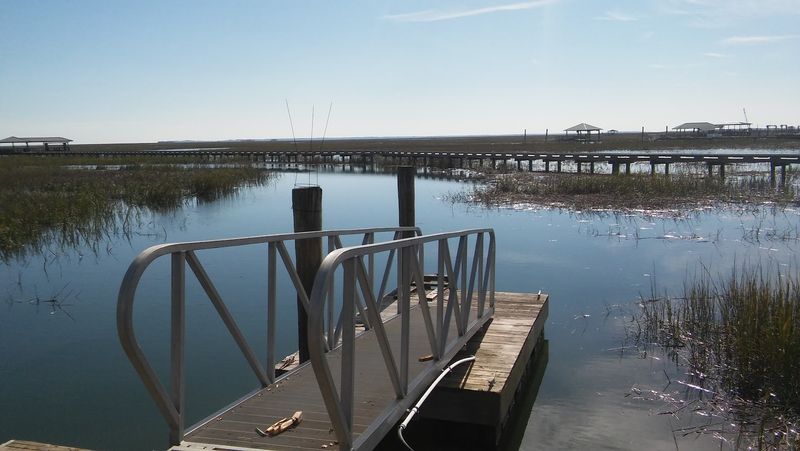
Wilmington Island occupies an interesting middle ground between city suburb and coastal community, a combination that has shaped its identity in ways locals find both convenient and complicated. Located between Savannah and Tybee Island, Georgia, Wilmington Island has grown steadily as a residential area for people who want proximity to Savannah without living inside the city. The island is connected to the mainland by road, which has made development considerably easier than on more remote barrier islands.
Over the past two decades, residential construction has accelerated noticeably. Strip malls, subdivisions, and commercial corridors have replaced stretches of marsh-edge land that older residents remember as open and undeveloped. Traffic on the main roads can be heavy during morning and evening commute hours, a reality that surprises newcomers expecting a quieter island pace.
Salt marsh views remain one of the island’s most appealing features, and some neighborhoods still offer beautiful glimpses of tidal creeks and coastal birds. The natural beauty is present, but it now shares space with the practical infrastructure of suburban life.
13. St. Catherines Island
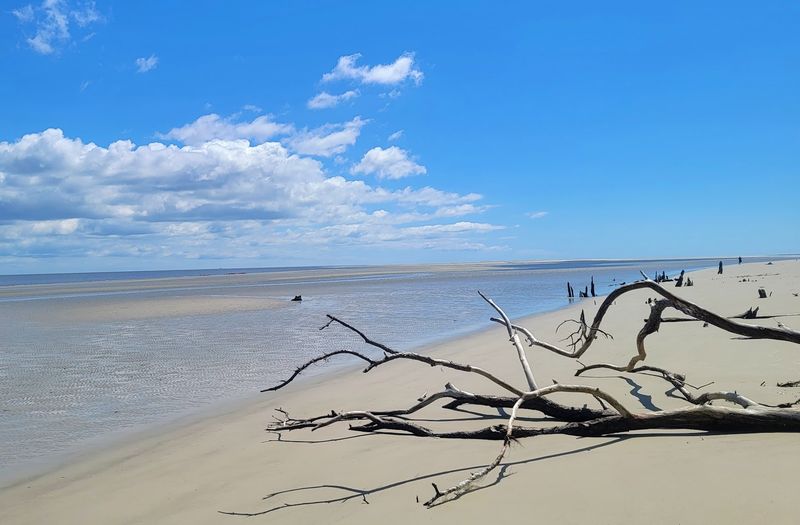
St. Catherines Island carries layers of history that stretch back thousands of years, from ancient Native American shell rings to Spanish mission settlements, making it one of the most archaeologically significant islands on the Georgia coast. Located off the coast of Liberty County, Georgia, the island is privately owned by the St. Catherines Island Foundation and is not open to general public access. Research, conservation, and wildlife programs operate on the island with carefully managed permissions.
The island serves as a wildlife survival center in partnership with the Wildlife Conservation Society, hosting breeding programs for rare and endangered species including tortoises and lemurs. This work has continued quietly for decades, largely outside the public eye. The combination of archaeological richness and active conservation makes St. Catherines genuinely unusual among Georgia’s barrier islands.
Those involved in permitted research visits often describe the island as humbling in its depth of history and biological diversity. Limited access has helped preserve both, though ongoing funding and stewardship challenges mean nothing about that protection can be taken for granted.