This Georgia Museum Will Have You Humming The Top Gun Theme
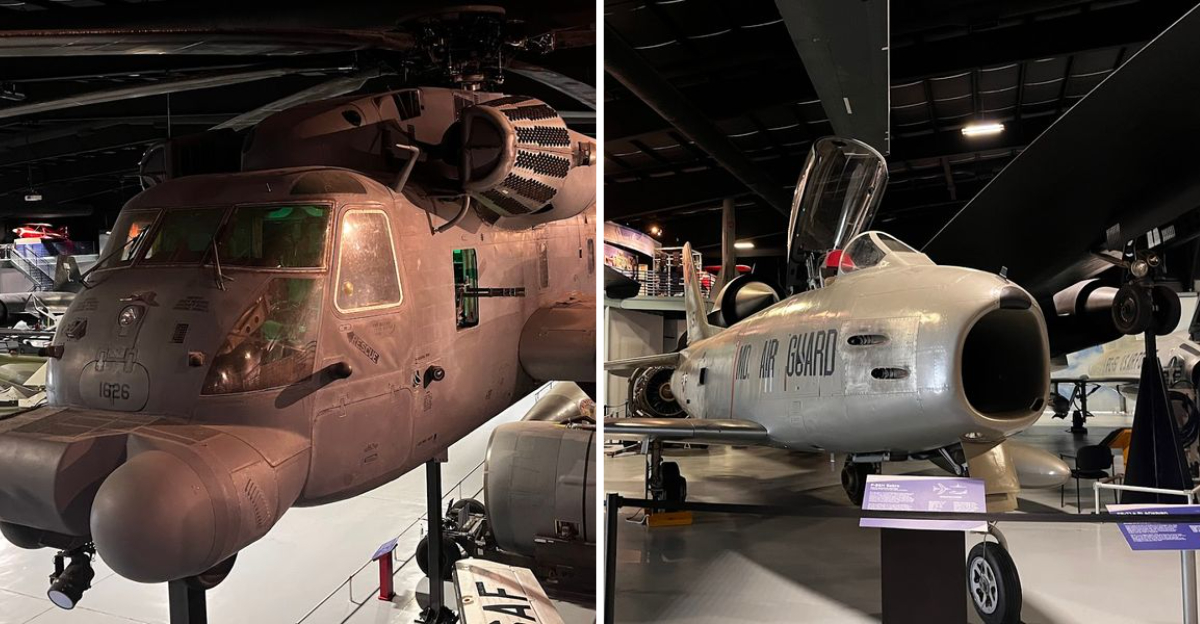
Step inside and the scale of it all hits you right away. The Museum of Aviation in Warner Robins, Georgia offers an experience that feels both impressive and accessible, especially inside the Century of Flight Hangar. Here, historic aircraft line the space, each one telling a story that connects visitors to decades of aviation history.
The exhibits go beyond simply looking, with hands-on displays and detailed information that make the experience engaging for all ages. It is easy to spend hours moving from one aircraft to the next, taking in the size, craftsmanship, and history behind each piece. The atmosphere strikes a balance between educational and exciting, making it just as appealing for families as it is for dedicated aviation fans.
What makes it even more remarkable is that admission is completely free, allowing anyone to explore without hesitation. For anyone traveling through Georgia, the Museum of Aviation offers a visit that feels memorable, inspiring, and surprisingly easy to enjoy.
1. The SR-71 Blackbird: A World Record on Display
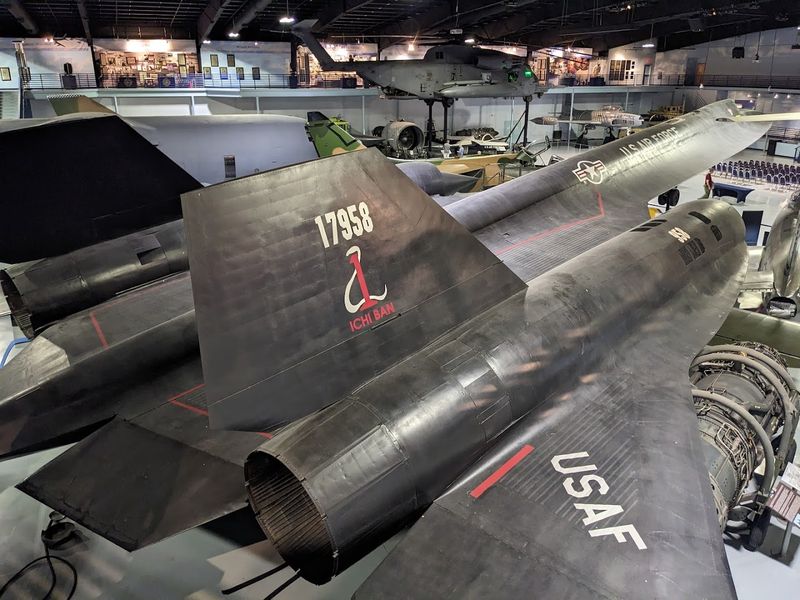
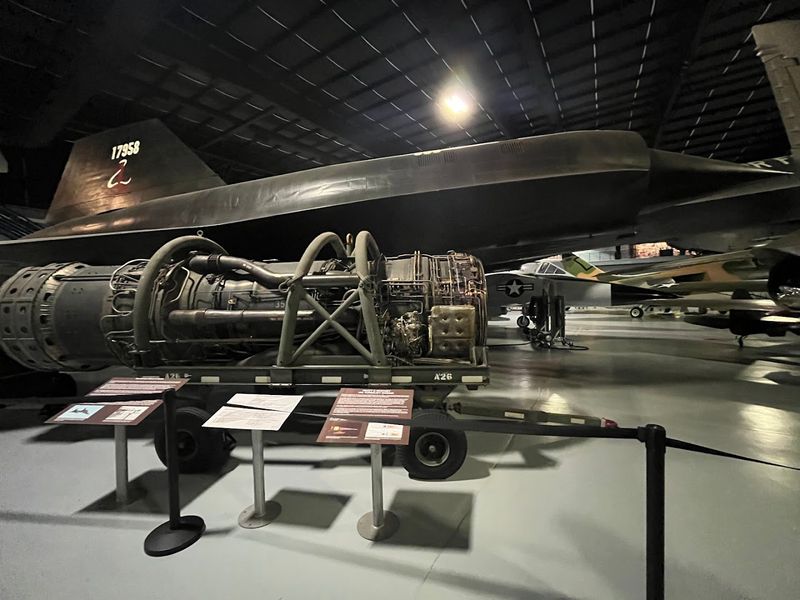
Few aircraft in history carry the kind of legendary status that the SR-71 Blackbird commands. The Museum of Aviation, located at Unnamed Road, Warner Robins, GA 31088, United States proudly displays this record-shattering aircraft inside the Century of Flight Hangar. In 1976, this exact type of plane set a world speed record of 2,193 mph, a number that still sounds almost impossible today.
Standing beneath the Blackbird feels like being in the presence of something almost supernatural. Its long, dark, razor-sharp silhouette makes every other aircraft in the room look modest by comparison. The engineering behind it was so advanced for its era that many of its design secrets remained classified for decades.
Visitors of all ages tend to stop and stare longer at this exhibit than almost any other. Bring a camera, because no description truly does it justice. This is the kind of aircraft that turns ordinary museum-goers into instant aviation fans.
2. Cockpit Access on the F-15 Eagle and F-105 Thunderchief
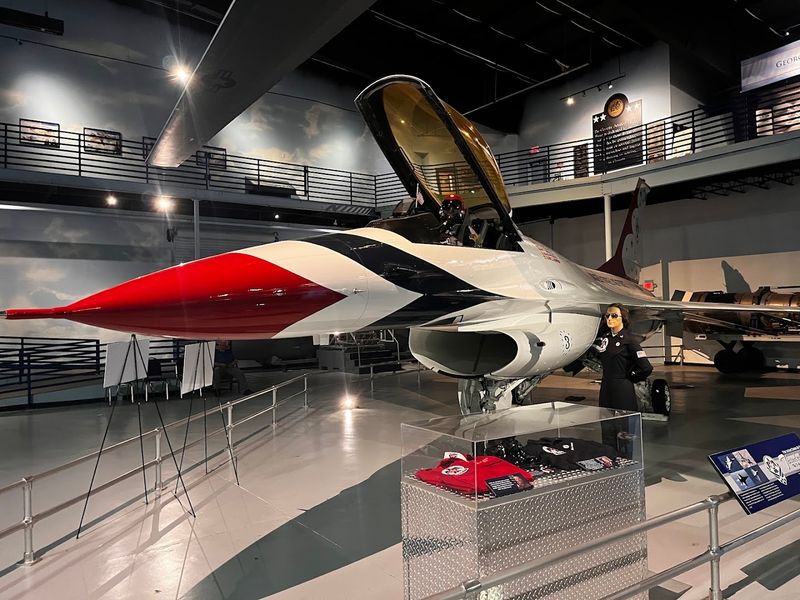
Not many museums let you actually climb into a fighter jet cockpit, but the Museum of Aviation does exactly that. Visitors can get up close and personal with both the F-15 Eagle and the F-105 Thunderchief. Sitting in the same kind of seat a real pilot once occupied is a genuinely thrilling experience that no amount of reading can replicate.
Kids especially go wild for this feature, though plenty of adults are just as eager to hop in. The cramped controls, the instrument panels, and the sheer smallness of the cockpit space make it easy to appreciate how skilled military pilots really are. It suddenly feels very real when you realize there is almost no room to move.
Plan to spend extra time at these interactive spots, particularly on weekends when lines can form. Arriving early on a weekday gives the best chance for a relaxed, unhurried cockpit moment.
3. Georgia Aviation Hall of Fame on the Second Floor Mezzanine
Hidden upstairs but absolutely worth the climb, the Georgia Aviation Hall of Fame offers a surprisingly moving tribute to the people who shaped aviation history in the state. Perched on the second floor mezzanine inside the Century of Flight Hangar this exhibit honors pilots, engineers, and aviation leaders who made extraordinary contributions to Georgia and the wider world of flight.
Reading through the individual stories here adds a deeply human layer to all the machinery displayed below. Behind every aircraft is a person who trained hard, took risks, and pushed limits that most people never imagined possible. The Hall of Fame puts faces and names to those achievements in a way that genuinely resonates.
The mezzanine also offers a fantastic bird’s-eye view of the hangar floor below, which alone makes the trip upstairs worthwhile. It is a quieter, more reflective corner of the museum that history lovers will appreciate most.
4. Self-Guided Tours With Downloadable Resources

One of the underrated pleasures of visiting the Museum of Aviation is the freedom to move at your own pace. The museum offers self-guided tour resources that visitors can download ahead of time or pick up on arrival. This approach works especially well for families with young kids or anyone who prefers to linger longer in front of the aircraft that interest them most.
The downloadable materials are thoughtfully designed to guide visitors through the highlights without feeling rushed or overwhelmed. Each section of the hangar is well-marked, and the exhibit signage is clear enough that even younger visitors can follow along independently. There is no pressure to keep up with a group or stick to a rigid schedule.
Arriving with a printed guide or a phone loaded with the digital version makes the whole experience feel more purposeful. A comfortable pair of walking shoes is also strongly recommended, as the hangar covers a lot of ground.
5. Completely Free Admission and Parking
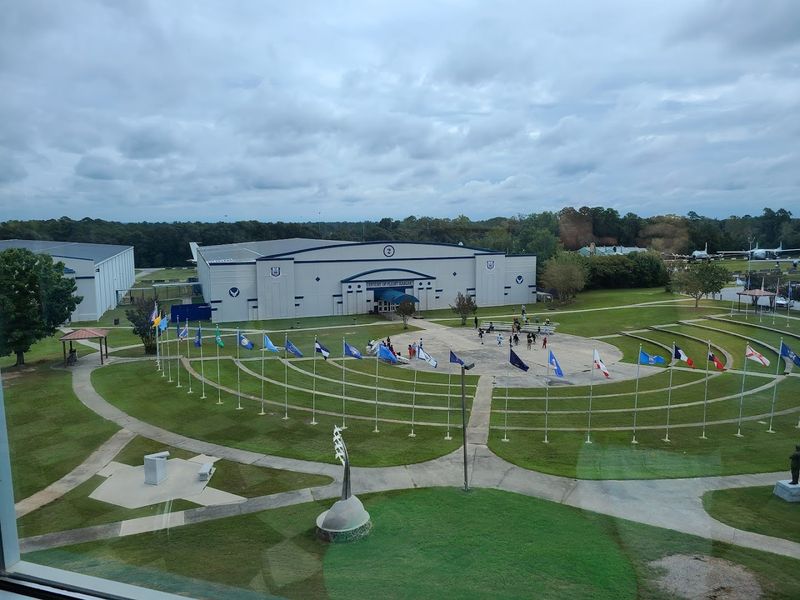
Finding a world-class museum with zero admission cost feels like discovering a secret that too few people know about. The Museum of Aviation charges nothing to enter, and parking is also completely free. For families, school groups, or budget-conscious travelers exploring Georgia, this is a genuinely remarkable deal given the quality and scale of what is inside.
The free admission policy means visitors can return multiple times without any financial pressure, which is exactly what a collection this large deserves. Many guests report that a single visit is not enough to absorb everything the museum has to offer. Coming back on a second or third trip often reveals exhibits and aircraft that were easy to overlook the first time around.
Donations are welcome and help support ongoing restoration and educational programs, so dropping something in the donation box on the way out is a thoughtful way to give back. The museum earns every penny it receives.
6. Knowledgeable Volunteer-Led Guided Tours

Some of the best stories inside the Museum of Aviation never appear on any exhibit label. The volunteer guides bring the aircraft and their histories to life with personal anecdotes, technical details, and a clear passion for what they are sharing. Many of these volunteers have direct ties to military aviation, which adds a layer of authenticity that is hard to replicate.
A guided tour typically covers the major highlights of the Century of Flight Hangar and can be tailored to the interests of the group. Visitors who join a guided tour consistently report learning things they never would have discovered on their own. The guides tend to know exactly which details make eyes light up and which facts tend to generate the most questions.
Tours are generally available during regular museum hours, though it is worth calling ahead to confirm scheduling. Groups planning a visit together will find the guided option especially rewarding and worth the coordination effort.
7. Multi-Era Exhibits Spanning World War II to Modern Aviation
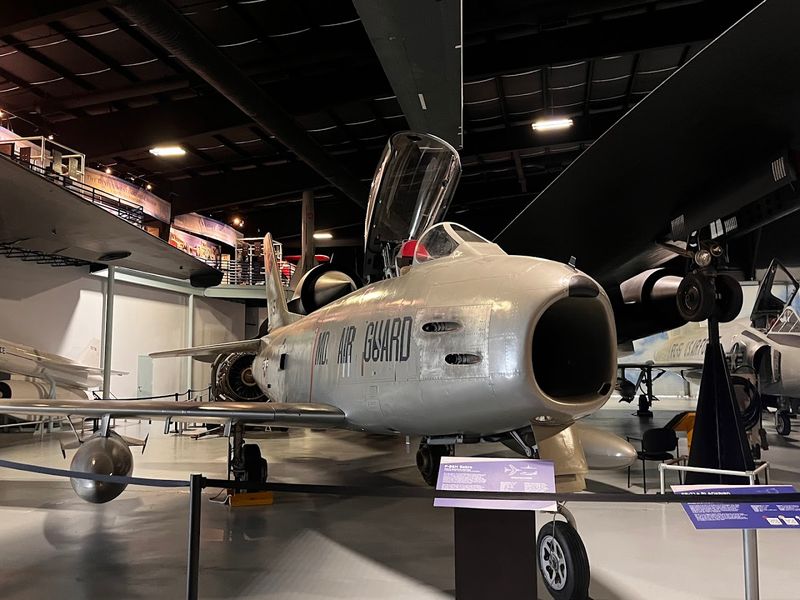
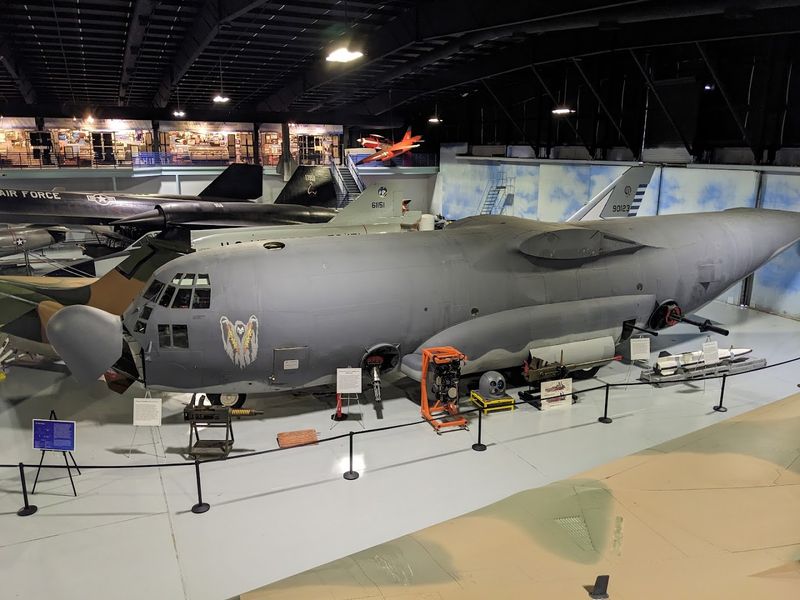
Walking through the Century of Flight Hangar feels a bit like flipping through the greatest chapters in aviation history all at once. The Museum of Aviation has arranged its collection so visitors move naturally from the propeller-driven warbirds of World War II all the way through to sleek modern jets. The progression tells a story that is both educational and visually stunning.
Each era brought dramatic leaps in technology, and the exhibits make those leaps feel tangible. Seeing a WWII-era bomber parked beside a Cold War-era jet drives home just how fast aviation evolved across a few short decades. Informational panels throughout the hangar provide context without overwhelming visitors with dense technical language.
Families with school-age children will find this layout especially helpful, since the chronological flow makes the history easy to follow and discuss. Teachers planning field trips often note that the museum does much of the storytelling work for them.
8. Active Aircraft Restoration Projects Visitors Can Observe
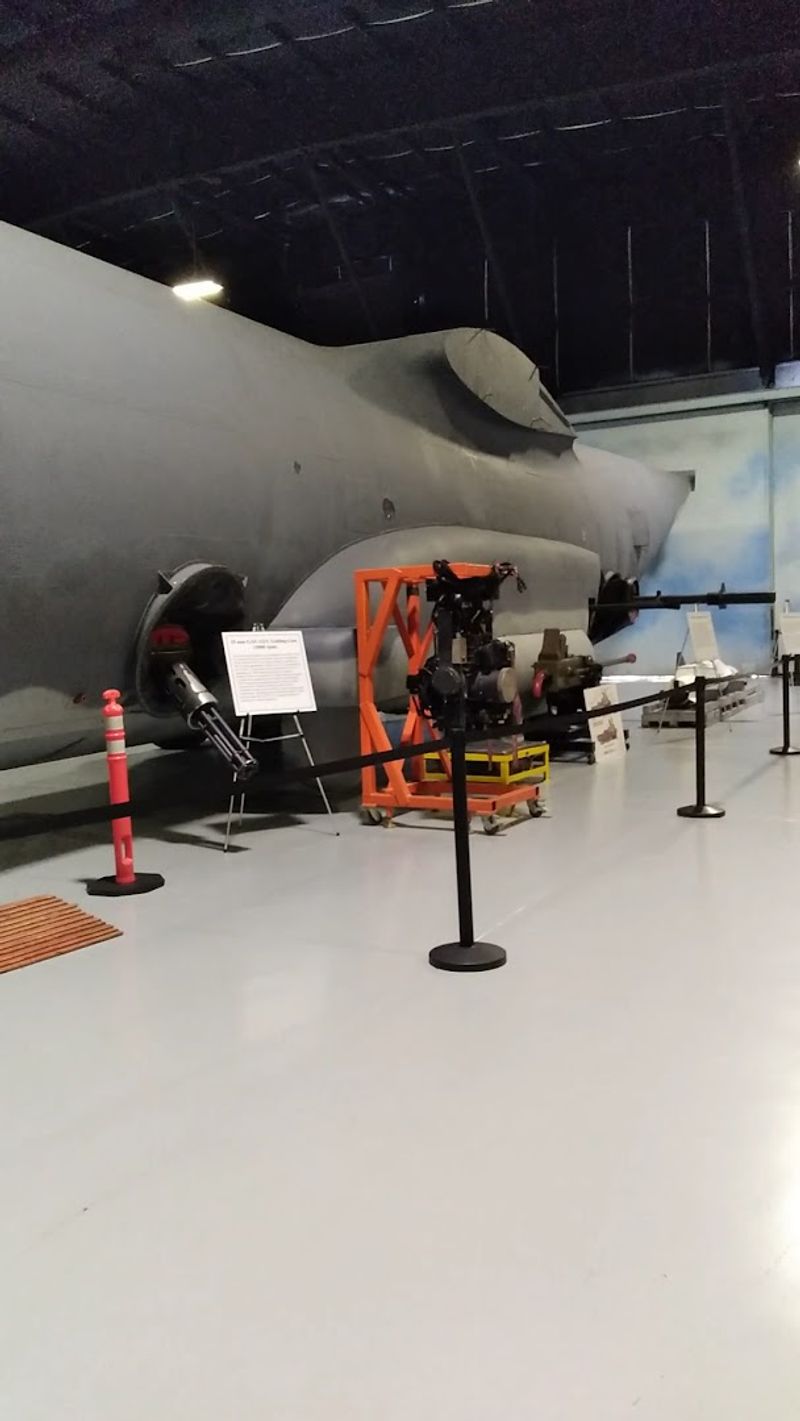
There is something quietly fascinating about watching skilled restorers bring a decades-old aircraft back to its original condition. The Museum of Aviation actively restores aircraft on-site, and visitors can often observe the process in progress. It is a behind-the-scenes glimpse into the painstaking craft of aviation preservation that most people never get to see.
Restoration work involves stripping layers of old paint, repairing metal structures, sourcing period-accurate parts, and reassembling components with extraordinary precision. Watching this process unfold makes the finished aircraft on display feel even more impressive, because visitors understand the enormous effort required to get them there. It also highlights why museum funding and support genuinely matter.
The restoration area tends to generate a lot of curiosity and questions, particularly from visitors with mechanical or engineering backgrounds. Staff and volunteers nearby are usually happy to explain what is being worked on and how far along the project has come. It is a living, working part of the museum experience.
9. Unique Event Space Inside the Century of Flight Hangar
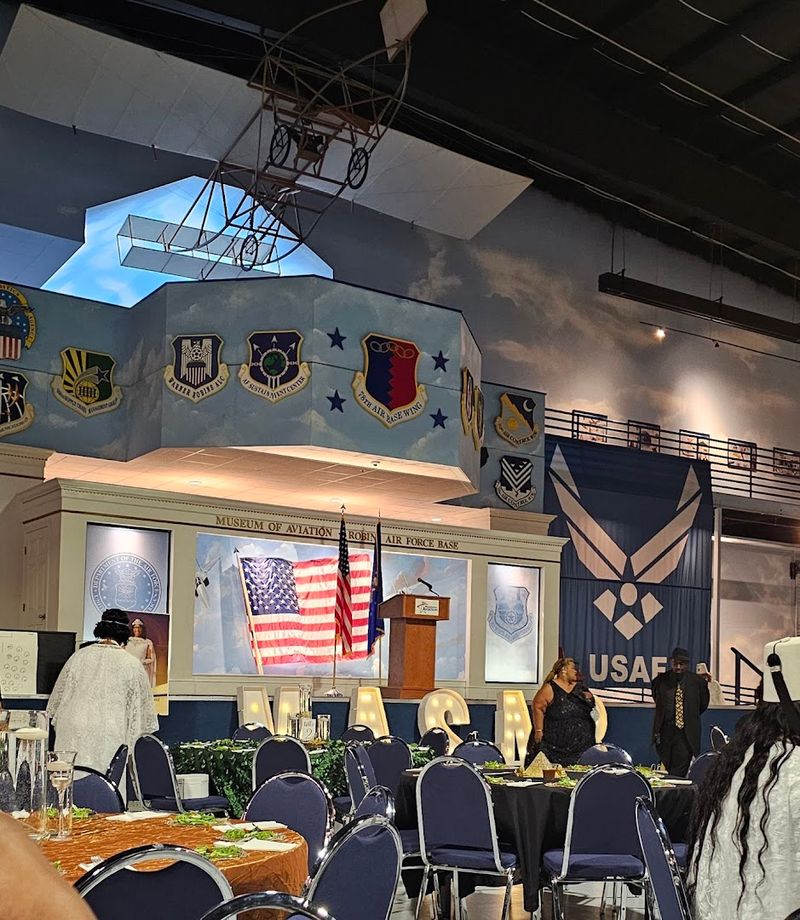
Hosting an event surrounded by legendary aircraft is not something most venues can offer, but the Century of Flight Hangar pulls it off beautifully. The Museum of Aviation rents the hangar space for symposiums, banquets, corporate gatherings, and other large events. The setting is genuinely one-of-a-kind, combining the grandeur of military aviation history with a surprisingly polished event environment.
Guests at events held here often describe a sense of awe that ordinary banquet halls simply cannot generate. Imagine dining beneath the wingspan of a Cold War-era jet or delivering a presentation with a restored warbird as your backdrop. The visual impact alone tends to make events held here memorable for years afterward.
Organizations looking for a venue that sparks conversation and leaves a lasting impression should consider reaching out to the museum’s events team well in advance, as availability can fill up during popular seasons. It is a venue that earns genuine compliments.
10. Aviation-Themed Gift Shop Worth Browsing
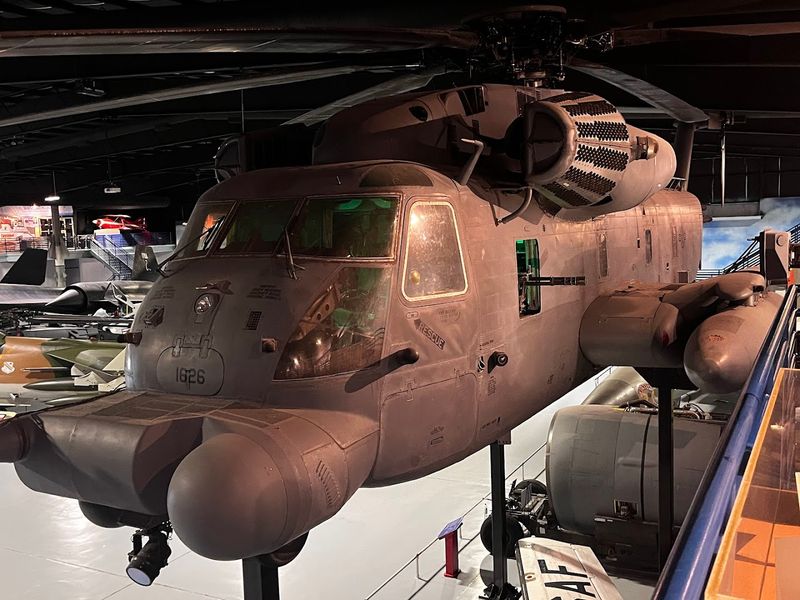
A well-stocked gift shop can turn a great museum visit into a lasting memory, and the Museum of Aviation does not disappoint on this front. Situated on the campus the gift shop carries a solid range of aviation-themed merchandise including model aircraft, books, apparel, and collectibles. It is the kind of shop where browsing for ten minutes easily turns into thirty.
Model aircraft kits are a popular pick for younger visitors, while history buffs tend to gravitate toward the book selection. Apparel featuring military aircraft and Air Force insignia makes for a practical and conversation-starting souvenir. Many items are priced accessibly, which makes it easy to grab a small memento without breaking the budget.
Picking up a gift here also supports the museum’s ongoing operations and educational programs, which is a nice bonus. The shop is typically accessible during regular museum hours and does not require a separate admission or purchase. Worth a look on the way out.
11. National STEM Academy Programs for Students
Aviation and science go hand in hand, and the Museum of Aviation has built a dedicated educational center to make that connection tangible for young learners. The National STEM Academy serves students from PreK all the way through college with field trips, workshops, and innovative hands-on programs. The goal is to connect real-world aviation to the science, technology, engineering, and math principles behind it.
Teachers who bring classes here often note how quickly students become engaged when abstract concepts are illustrated by actual aircraft overhead. There is a big difference between reading about aerodynamics in a textbook and standing beside a supersonic jet while someone explains lift and drag. The museum makes that kind of learning possible in a way few classrooms can match.
Schools interested in scheduling a field trip or workshop should contact the museum in advance to confirm program availability and group logistics. The STEM Academy programs tend to fill up quickly, especially during the school year.
12. Freedom Park Picnic Area for Family Breaks

Museum fatigue is real, especially with younger kids, and having a beautiful outdoor space to recharge makes a full-day visit much more manageable. Freedom Park, located on the Museum of Aviation campus features shaded pavilions, open green space, and playground equipment that gives children room to run and reset between exhibits. Packing a lunch and settling in here for a midday break is a smart strategy for families.
The park has a relaxed, community-friendly atmosphere that feels welcoming rather than rushed. On pleasant Georgia days, particularly in spring and fall, the outdoor area adds a genuinely enjoyable dimension to the overall visit. The shade from the pavilions is especially appreciated during the warmer summer months when Georgia temperatures can climb significantly.
Restrooms and drinking fountains are accessible nearby, which helps with practical family logistics. Arriving with a packed cooler and a frisbee transforms a museum outing into a full half-day adventure that children will happily talk about afterward.
13. Full Wheelchair Accessibility Across the Museum
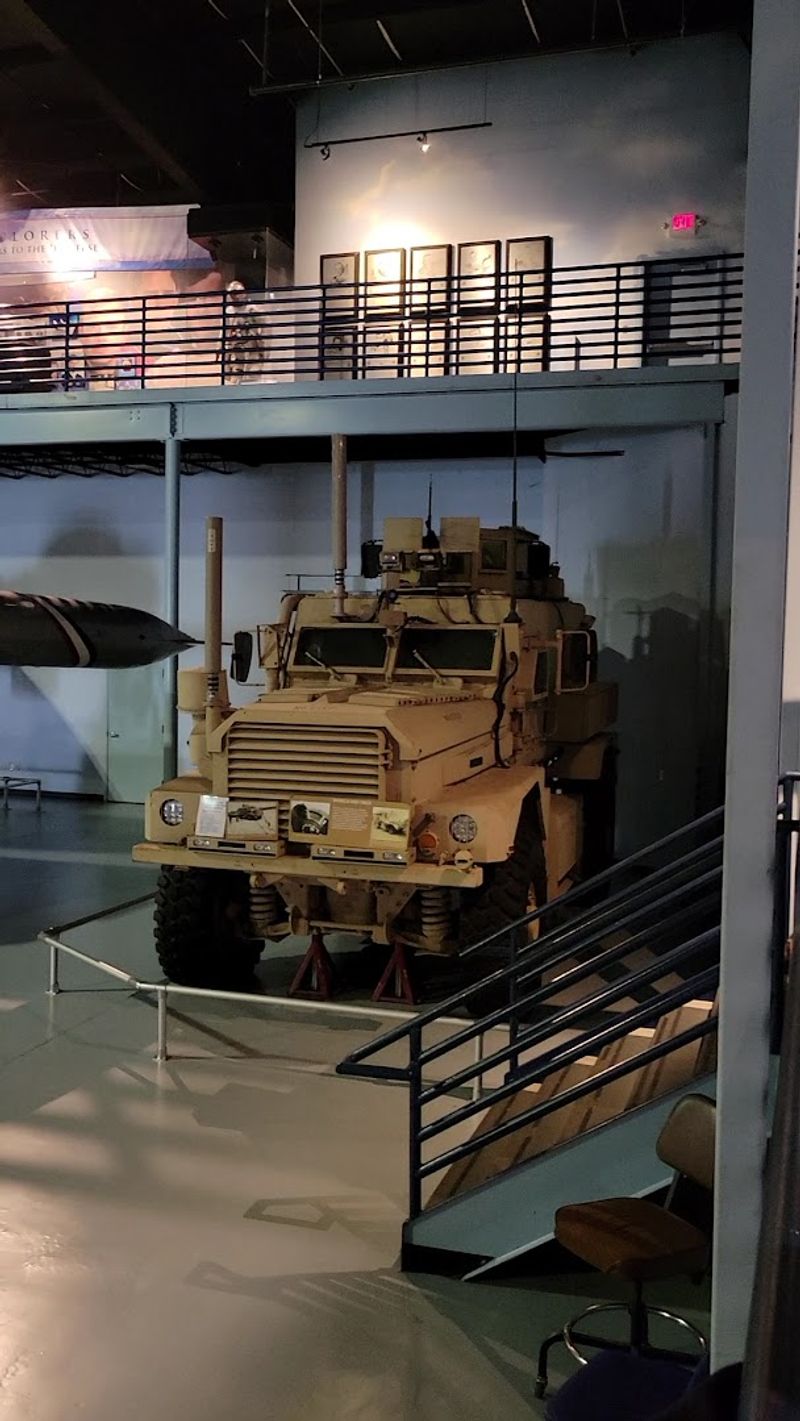
Accessibility matters, and the Museum of Aviation takes it seriously. The facility is fully wheelchair accessible, with wide pathways throughout the Century of Flight Hangar that accommodate mobility devices comfortably. Manual wheelchairs are also available on a first-come, first-served basis for visitors who need one during their visit.
The hangar floor is smooth and flat, which makes navigation straightforward for wheelchair users and visitors using strollers or mobility aids. Elevators provide access to the second floor mezzanine where the Georgia Aviation Hall of Fame is located, ensuring that no part of the museum experience is out of reach. Accessible restrooms are available on the campus as well.
Groups traveling with members who have mobility considerations will find the museum genuinely accommodating rather than just technically compliant. Calling ahead to confirm wheelchair availability on busy days is a reasonable precaution. The museum staff is generally known for being helpful and attentive to visitor needs throughout the experience.
14. Special Events Including Air Shows Throughout the Year
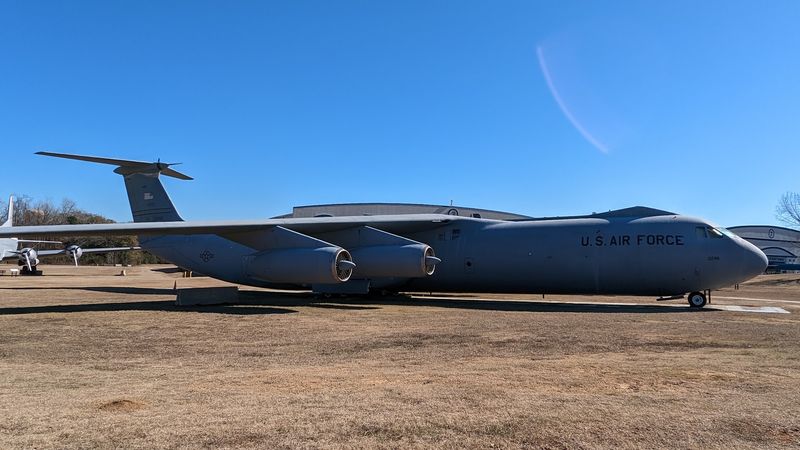
Beyond the permanent exhibits, the Museum of Aviation keeps its calendar lively with special events that draw visitors from across Georgia and beyond. The museum campus hosts air shows, educational programs, commemorative ceremonies, and seasonal events that give returning visitors fresh reasons to come back throughout the year. Air shows in particular tend to draw large crowds and generate an electric atmosphere around the entire campus.
Watching actual aircraft perform overhead while surrounded by historic planes on the ground creates a layered experience that is hard to match anywhere else in the state. Event dates and details are typically posted on the museum’s official website well in advance, allowing visitors to plan around the events that interest them most. Some events may have specific ticketing or registration requirements separate from the general free admission policy.
Following the museum on social media or signing up for their newsletter is the easiest way to stay informed about upcoming events. Missing an air show here feels like a genuine missed opportunity.
15. Location Adjacent to Robins Air Force Base
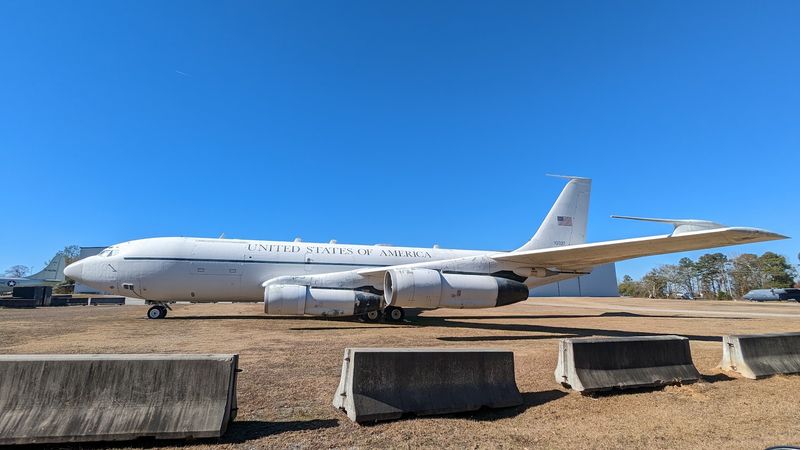
Geography adds meaning here that most museums simply cannot claim. The Museum of Aviation sits directly adjacent to Robins Air Force Base and that proximity is not just a geographic footnote. It connects the museum’s historical collection to an active military installation that continues the very legacy on display inside the hangar, creating a sense of living history that feels genuinely powerful.
On certain days, visitors may notice active military aircraft operating in the airspace nearby, which adds an unscripted and thrilling dimension to the museum experience. Hearing the distant rumble of a jet engine while standing beside a Cold War-era aircraft inside the hangar is the kind of moment that stays with visitors long after they drive home. Warner Robins has long been defined by its relationship with Robins AFB, and the museum honors that bond throughout its exhibits.
The surrounding Warner Robins community is welcoming and easy to navigate, with restaurants and accommodations conveniently located near the museum for visitors planning a longer stay.