14 Georgia Sandwiches Locals Remember But Rarely See Today
Georgia’s food history stretches far beyond peach cobbler and sweet tea, and sandwiches hold a surprisingly meaningful place in that story. For generations, they were staples of farm kitchens, textile mill lunch pails, and small town diner counters where neighbors gathered daily. Built from simple ingredients but big flavor, these creations reflected both practicality and regional identity.
Many were shaped by what families had on hand, cured meats, garden vegetables, homemade spreads, and fresh baked bread. Over time, these humble combinations became local favorites, passed down through communities and remembered with fond nostalgia. As modern food trends and national chains expanded, many of these sandwiches quietly slipped off menus, taking pieces of culinary heritage with them.
Revisiting them today feels like opening a time capsule of flavor. This journey down memory lane celebrates the sandwiches that once defined Georgia lunches and the stories layered between every slice of bread.
1. Sloppy Joe
Ground beef swimming in tangy tomato sauce was the definition of comfort food in Georgia homes during the 1960s and 70s. Moms would brown the meat, add ketchup, Worcestershire sauce, and a bit of brown sugar to create that signature sweet-savory flavor. The mixture would simmer until thick enough to pile onto soft hamburger buns.
School cafeterias across Georgia served these messy beauties every other week. Kids would compete to see who could finish one without needing extra napkins. The challenge was always impossible because the filling would inevitably drip down your hands.
These days, you’ll struggle to find a proper Sloppy Joe in Georgia restaurants. Most places have moved on to gourmet burgers and artisan sandwiches. A few old-school diners still make them on request, but they’re no longer the lunchtime staple they once were across the Peach State.
2. Chipped Chopped BBQ Sandwich
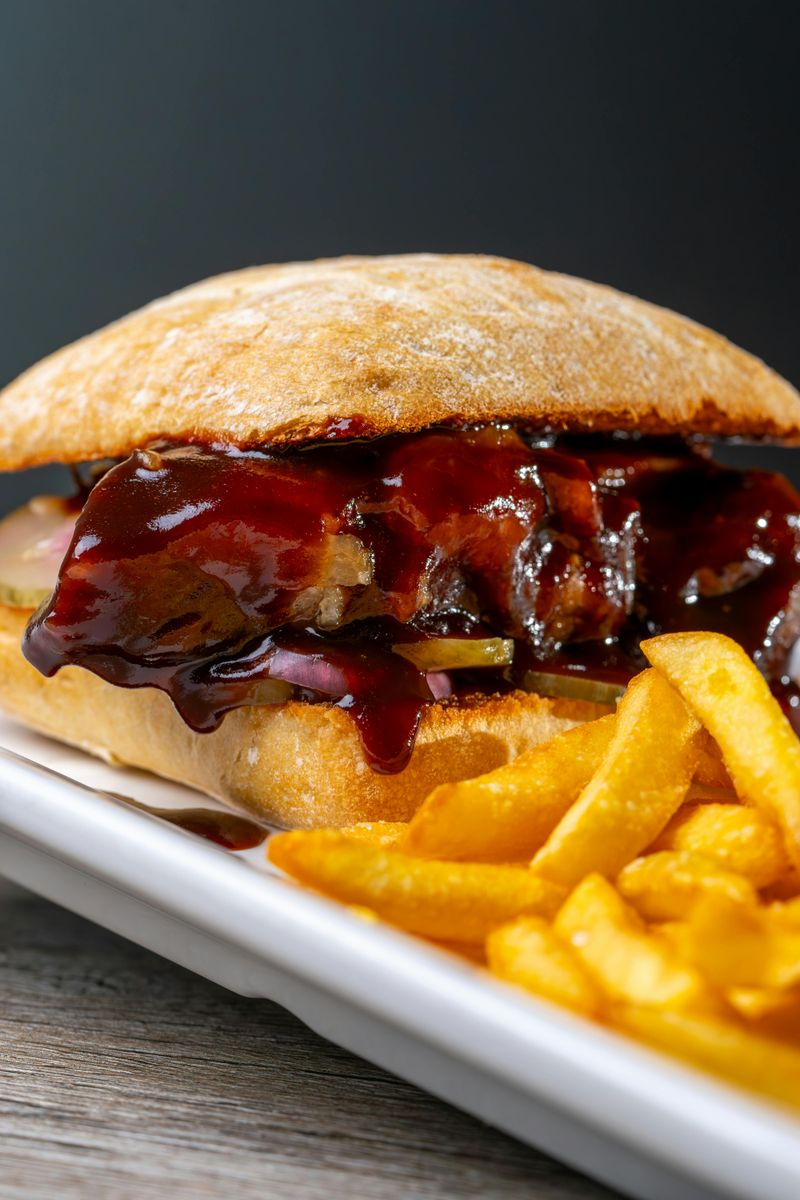
Before pulled pork took over every barbecue menu, Georgians ate their smoked meat finely chopped with a cleaver. The beef would be smoked for hours, then chopped into tiny pieces that mixed perfectly with vinegar-based sauce. This texture made every bite consistent and incredibly flavorful.
Small barbecue stands around Atlanta and Macon made this style famous in the 1950s. The chopping process allowed the sauce to coat every piece of meat evenly. Locals would order theirs with extra pickles and a side of coleslaw piled right on top of the meat.
Finding this style today requires serious detective work. Most barbecue places now focus on pulled or sliced meats instead of the labor-intensive chopping method. A handful of old-timers still remember how to prepare it properly, but they’re becoming harder to locate each year across Georgia.
3. Fried Bologna Sandwich
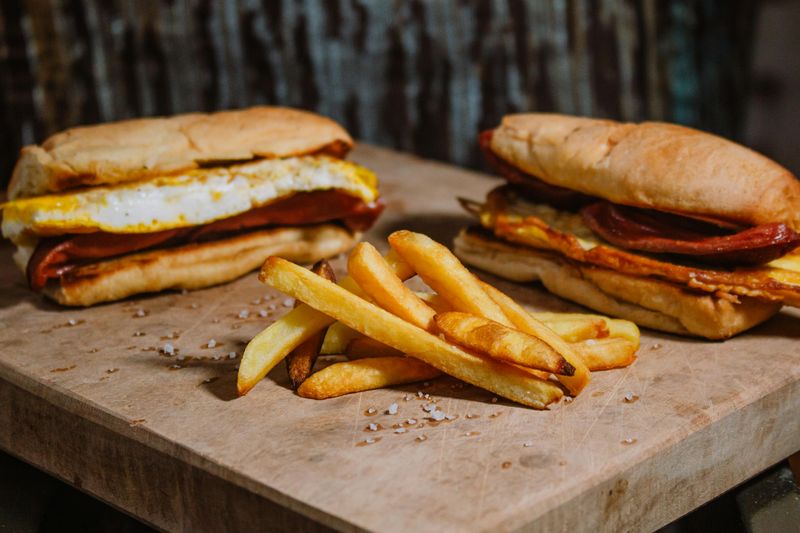
Thick slices of bologna would hit a hot cast-iron skillet and curl up at the edges like little meat bowls. The frying process created a crispy exterior while keeping the center juicy and warm. Yellow mustard was the only acceptable condiment according to most Georgia grandmothers who perfected this simple sandwich.
Gas stations and corner stores throughout rural Georgia sold these for less than a dollar through the 1980s. Workers would grab one during their lunch break, eating it wrapped in wax paper. The combination of cheap, filling, and tasty made it a working-class favorite across the state.
Health trends have pushed this humble sandwich off most menus entirely. You might find it at a vintage-themed diner trying to recreate old Southern cooking. But the authentic versions made by people who grew up eating them are disappearing along with the generation that loved them most.
4. Pimento Cheese Sandwich
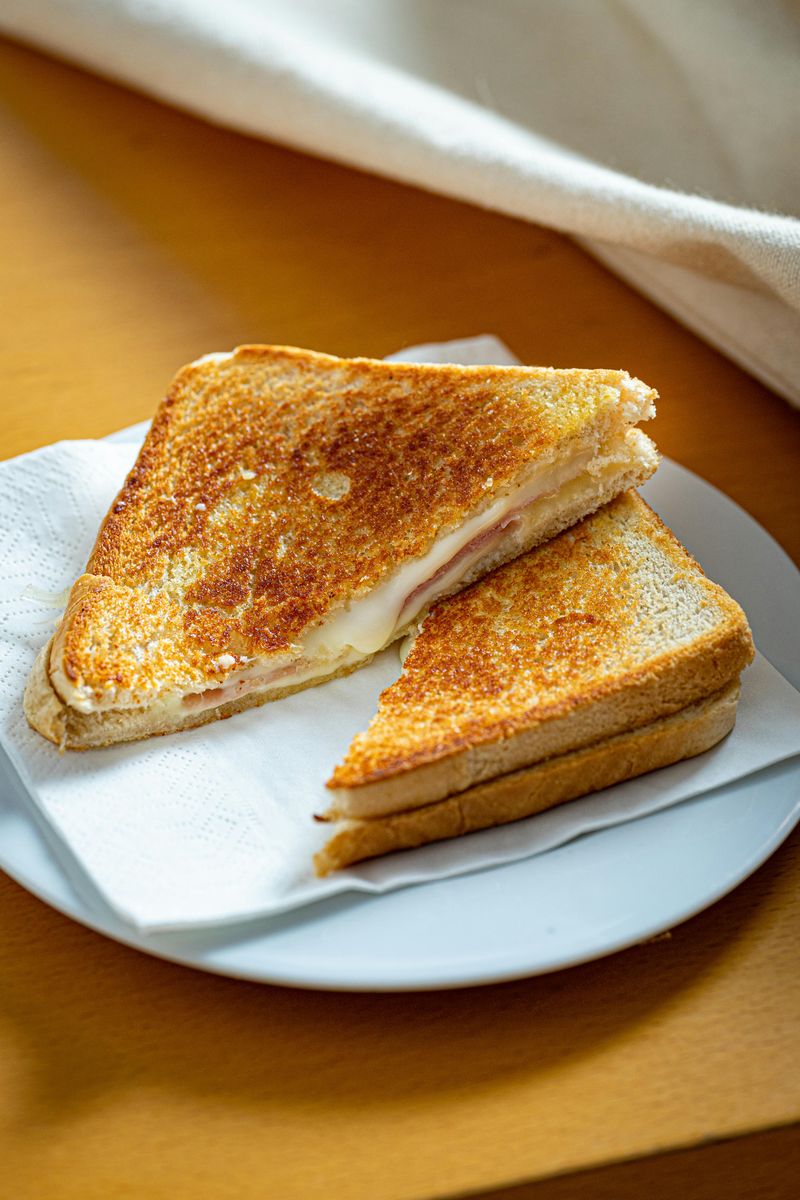
Sharp cheddar mixed with mayo, cream cheese, and diced pimentos created the spread Georgians called “Southern pâté.” Every family had their own secret recipe, with some adding garlic powder or a dash of hot sauce. The mixture would be slathered generously between two pieces of soft white bread for the perfect lunch.
Church socials and bridge clubs throughout Georgia served these sandwiches by the dozen. Ladies would compete over whose pimento cheese recipe tasted best. The sandwiches were cut into triangles or rectangles and arranged beautifully on serving platters.
While pimento cheese itself hasn’t disappeared, the simple sandwich version rarely shows up anymore. Restaurants now serve it as a fancy appetizer with crackers or stuff it into burgers. The straightforward sandwich that fed generations of Georgia kids after school has become almost extinct in its original form.
5. Brunswick Stew Sandwich
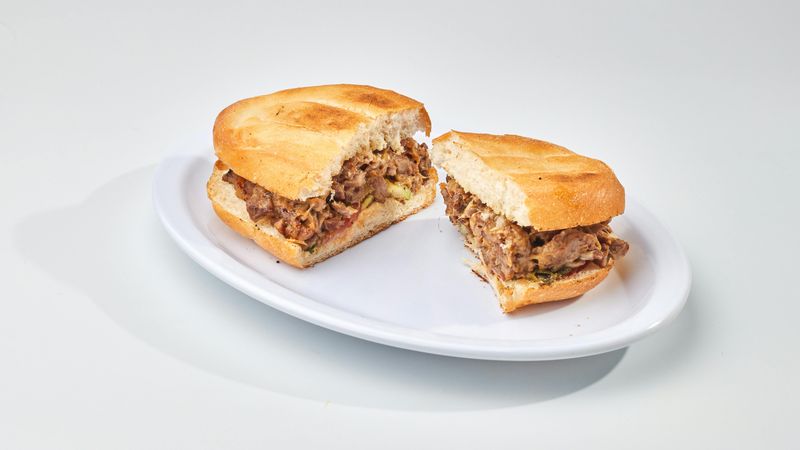
Taking leftover Brunswick stew and spooning it between two pieces of cornbread sounds crazy until you try it. The thick stew, packed with pulled pork, chicken, corn, and lima beans, would soak into the cornbread just enough. This created a handheld meal that combined two Georgia classics into one satisfying creation.
Small-town barbecue joints around Brunswick and Savannah served this invention during the cooler months. The cornbread acted like an edible bowl you could pick up and eat. Locals knew to eat it quickly before the bottom piece got too soggy to hold.
Modern food trends favor cleaner, less messy eating experiences. This gloriously sloppy sandwich doesn’t photograph well for social media, which probably contributed to its decline. A few old-school places might make one if you ask nicely, but don’t expect to see it listed on any menu boards today.
6. Catfish Po’ Boy
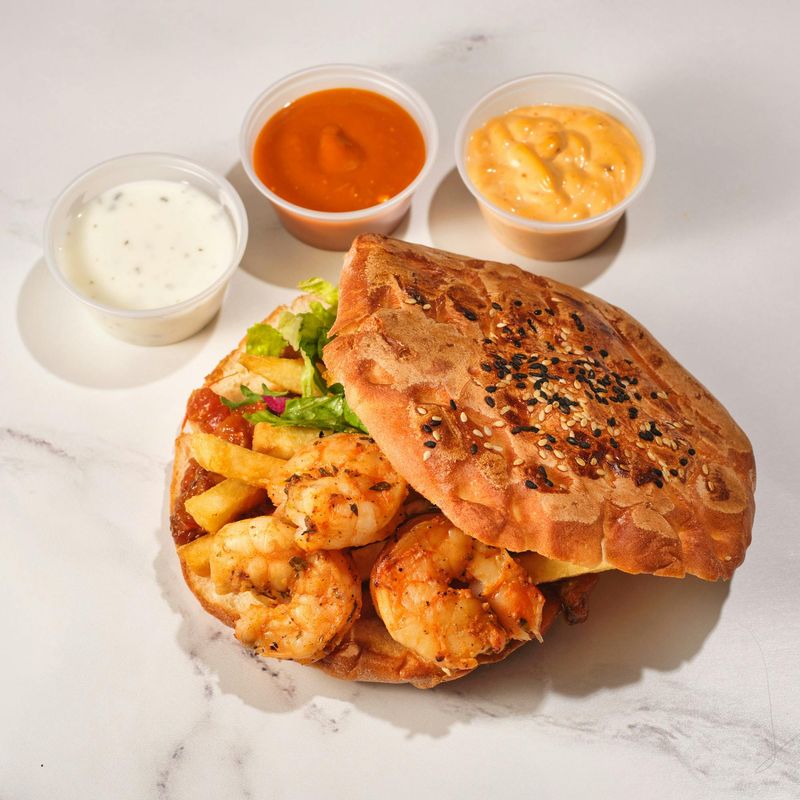
Fried catfish tucked into a long roll with shredded lettuce, tomatoes, and tangy remoulade sauce brought Louisiana flavors to Georgia tables. The catfish would be coated in cornmeal and fried until golden and crispy. The contrast between the crunchy coating and soft bread made each bite textually interesting.
Seafood shacks near the Georgia coast served these alongside hushpuppies and sweet tea. The sandwich became popular in the 1970s when Cajun cuisine started spreading beyond Louisiana borders. Georgia cooks added their own touches, sometimes including pickles or coleslaw in the mix.
Chain restaurants and fast-food fish sandwiches have largely replaced this regional specialty. The labor involved in properly frying catfish to order doesn’t fit modern quick-service models. You’ll need to seek out independent seafood restaurants, preferably near water, to find anyone still making authentic catfish po’ boys the old Georgia way.
7. Country Ham Biscuit Sandwich
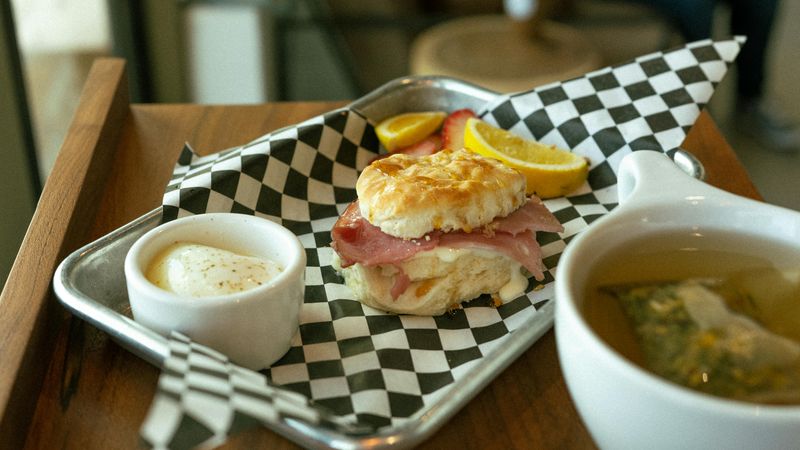
Salt-cured country ham sliced thin and tucked inside a fluffy buttermilk biscuit was the breakfast of champions throughout Georgia. The ham’s intense saltiness balanced perfectly against the slightly sweet, buttery biscuit. Some folks added a smear of butter or a drizzle of honey to round out the flavors even more.
Every small-town diner and truck stop across Georgia served these from dawn until mid-morning. Farmers would stop in after their first round of chores for this protein-packed start to their day. The combination kept you full and energized through hours of physical work.
Fast-food breakfast sandwiches with processed ham have mostly replaced this authentic version. Real country ham requires time to cure properly, making it expensive and harder to source. A few traditional Southern restaurants still serve genuine country ham biscuits, but they’re becoming precious treasures rather than everyday breakfast options throughout Georgia.
8. Liverwurst Sandwich
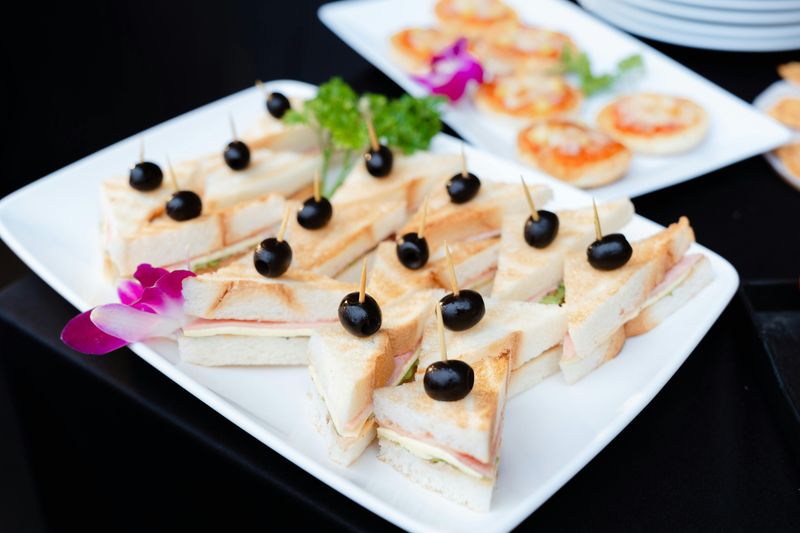
Spreadable liverwurst on rye bread with raw onions and spicy mustard might sound unusual now, but it was standard lunch fare for many Georgians. The smooth, rich liver sausage would be spread thick, almost like peanut butter. Thin slices of sharp onion added crunch and bite that cut through the richness.
German immigrants who settled in Georgia brought this tradition with them in the early 1900s. Delicatessens in Savannah and Atlanta kept the sandwich popular through the mid-20th century. Workers appreciated how filling and affordable it was during their lunch breaks.
Modern squeamishness about organ meats has pushed liverwurst off most menus entirely. Younger generations never developed a taste for it like their grandparents had. You might find it at specialty European delis or old-fashioned meat markets, but the days of seeing liverwurst sandwiches at regular lunch counters across Georgia are long gone.
9. Peanut Butter & Banana Sandwich
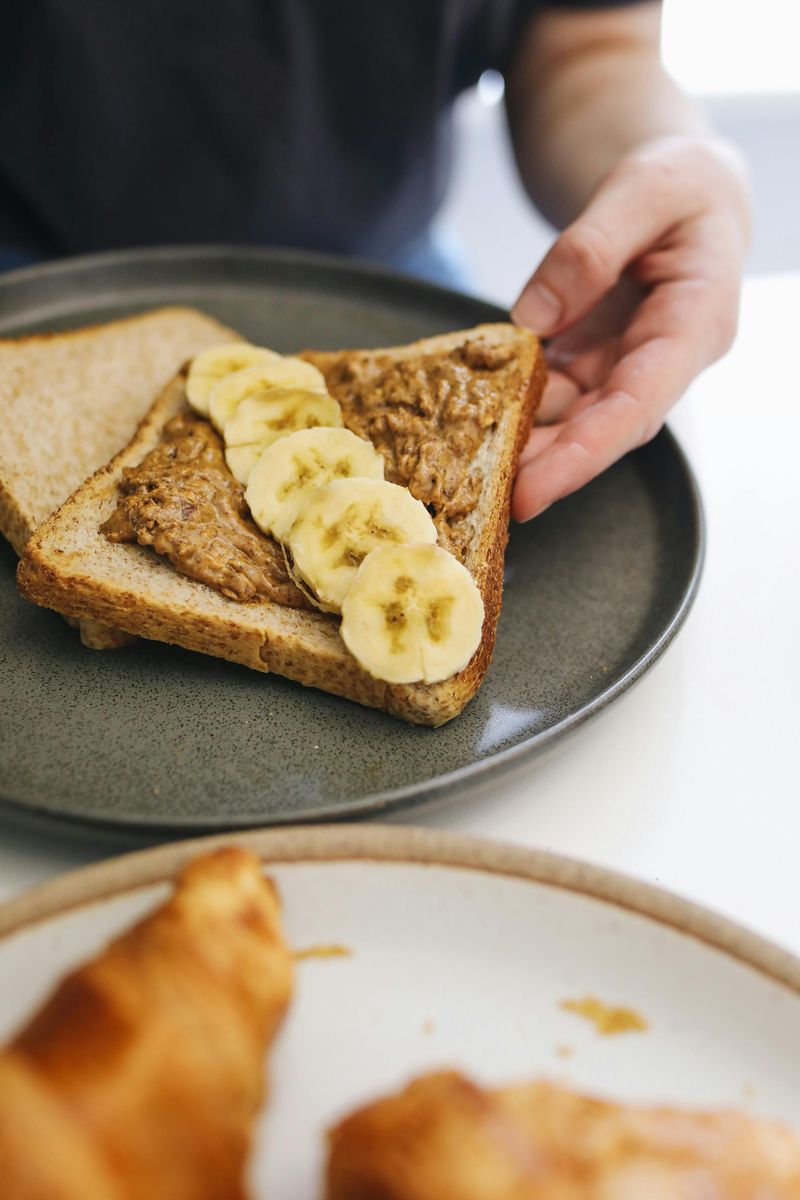
Creamy peanut butter spread thick with sliced bananas layered on top created a sweet, protein-rich sandwich Georgia kids loved. Some families would add a drizzle of honey or sprinkle of cinnamon for extra flavor. The bananas had to be perfectly ripe, not too green and not too brown, for the ideal texture and sweetness.
School lunchboxes throughout Georgia contained this combination regularly during the 1960s and 70s. Moms appreciated that it didn’t require refrigeration and provided good energy for active children. The sandwich was filling enough to keep kids satisfied until dinner time rolled around.
Concerns about peanut allergies have made this sandwich nearly extinct in schools and public settings. Parents now pack more varied and elaborate lunches for their children than previous generations did. While people still make peanut butter and banana sandwiches at home, they’ve lost their status as a go-to Georgia lunch option outside the house.
10. Fried Green Tomato BLT
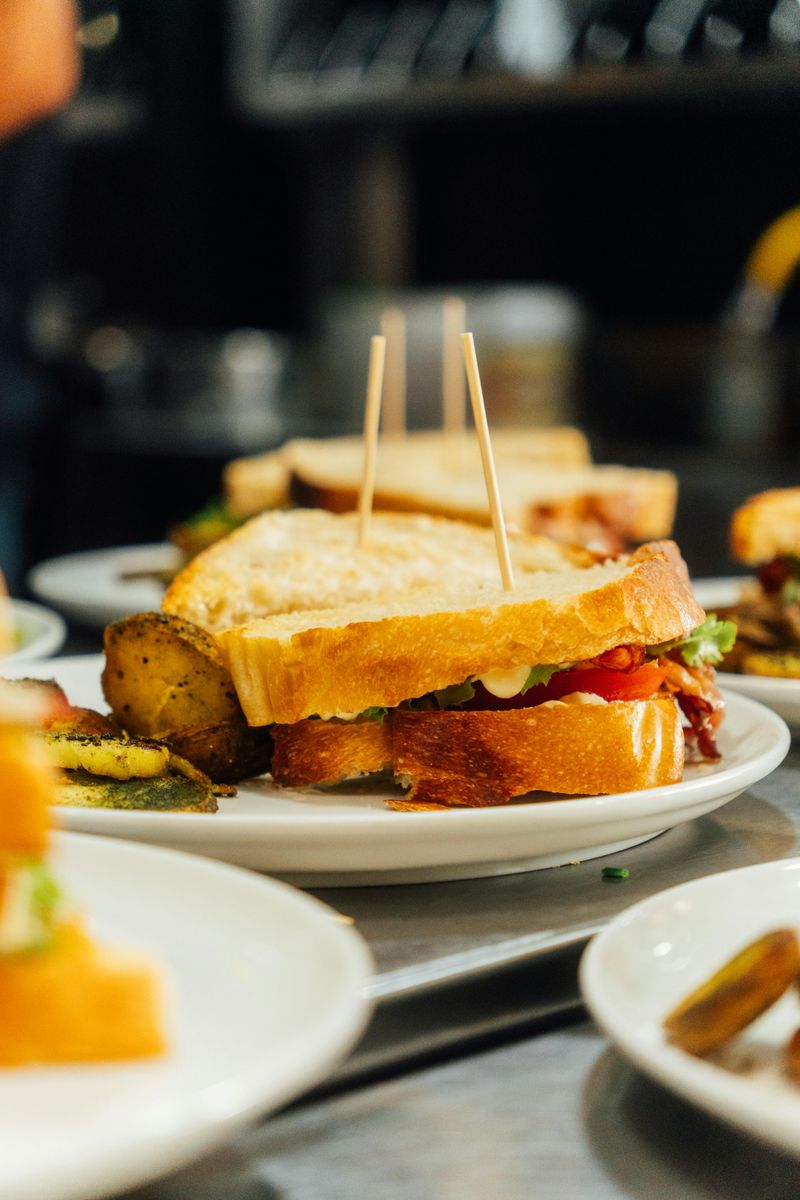
Swapping red tomatoes for cornmeal-crusted fried green ones transformed the classic BLT into something uniquely Georgian. The tangy, firm green tomatoes would be sliced thick, breaded, and fried until golden. Crispy bacon, fresh lettuce, and mayo completed this Southern twist on an American standard.
Small cafes throughout Georgia started serving this variation in the 1980s after the movie “Fried Green Tomatoes” made the dish famous. The sandwich combined two beloved Southern foods into one memorable meal. The crunch of the fried coating added an extra textural element that regular BLTs couldn’t match.
Despite initial popularity, this sandwich has faded from most Georgia menus in recent years. The effort required to bread and fry tomatoes to order doesn’t fit fast-casual dining models. You’ll occasionally spot it as a seasonal special at farm-to-table restaurants, but it’s no longer the common menu item it was during its peak popularity across the state.
11. Pulled Pork Slaw Dog Sandwich
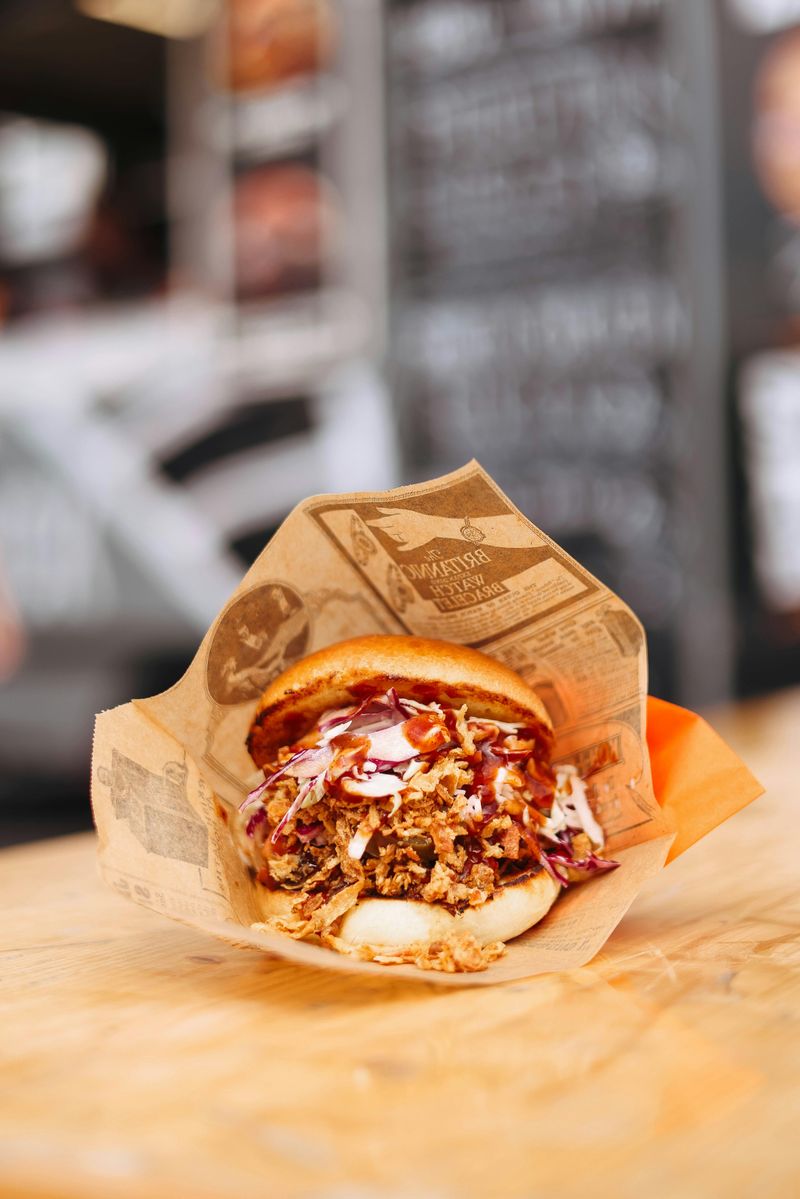
Piling smoky pulled pork into a hot dog bun and topping it with creamy coleslaw created a portable barbecue experience. The sweet and tangy slaw provided cooling contrast against the rich, smoky meat. This hybrid sandwich borrowed elements from both barbecue plates and hot dogs to create something entirely new.
Roadside barbecue stands around Georgia invented various versions of this sandwich during the 1970s. It was cheaper than a full barbecue plate but more substantial than a regular hot dog. The combination proved perfect for people eating while driving or at outdoor events.
Gourmet hot dogs and upscale barbecue sandwiches have pushed this working-class creation aside. Modern barbecue restaurants focus on traditional presentations rather than creative mashups. The pulled pork slaw dog represented a specific moment in Georgia food history that has mostly passed, surviving only in memories and a few holdout locations that refuse to update their menus.
12. Turkey & Dressing Sandwich
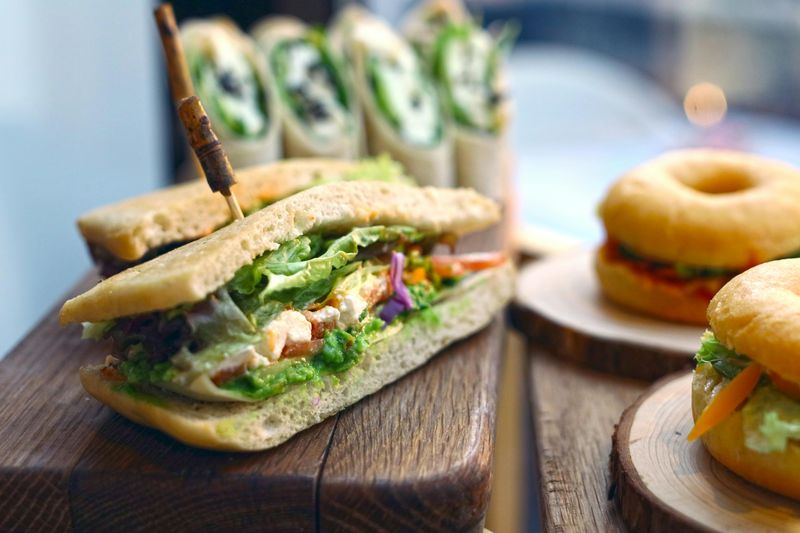
The day after Thanksgiving, Georgia kitchens would transform leftovers into sandwiches piled with sliced turkey and cornbread dressing. A smear of cranberry sauce added sweetness and moisture to hold everything together. Some families would add a thin layer of gravy for extra richness and flavor.
This sandwich represented resourcefulness and the Southern tradition of never wasting food. The cornbread dressing, made with sage and celery, tasted even better the next day after the flavors had time to blend. Eating these sandwiches cold from the refrigerator became a beloved post-holiday ritual.
Modern Thanksgiving leftovers get repurposed into more elaborate dishes like casseroles or soups now. The simple sandwich approach feels too basic compared to trending leftover recipes flooding social media. While some Georgia families still make turkey and dressing sandwiches, the tradition isn’t being passed down to younger generations who prefer more Instagram-worthy leftover creations.
13. Chicken Salad on White Bread
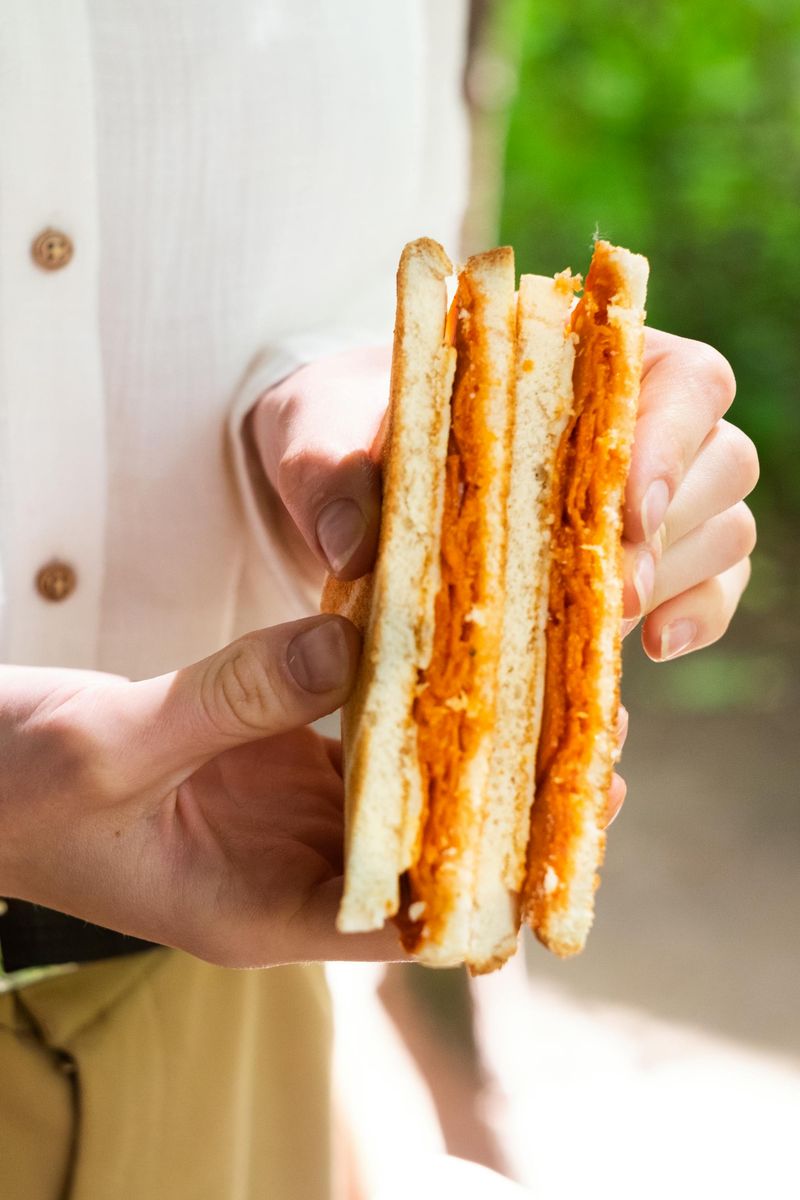
Poached chicken mixed with mayonnaise, celery, and a touch of lemon juice created the filling for countless Georgia lunch sandwiches. The mixture would be spread between two pieces of soft white bread with crusts removed. This delicate sandwich appeared at ladies’ luncheons, funeral receptions, and afternoon tea gatherings throughout the state.
Every Georgia grandmother had her own chicken salad recipe with slight variations. Some added grapes or pecans for sweetness and crunch. Others kept it simple with just chicken, mayo, salt, and pepper.
The sandwiches were always cut into triangles or fingers for elegant presentation.
Fancy chicken salad versions with exotic ingredients have replaced this simple classic. Modern recipes include ingredients like dried cranberries, almonds, curry powder, or tarragon. The straightforward chicken salad sandwich on plain white bread feels too plain for contemporary tastes, making it a rare sight even at traditional Georgia gatherings where it once reigned supreme.
14. Tomato Sandwich (Duke’s Mayo Style)
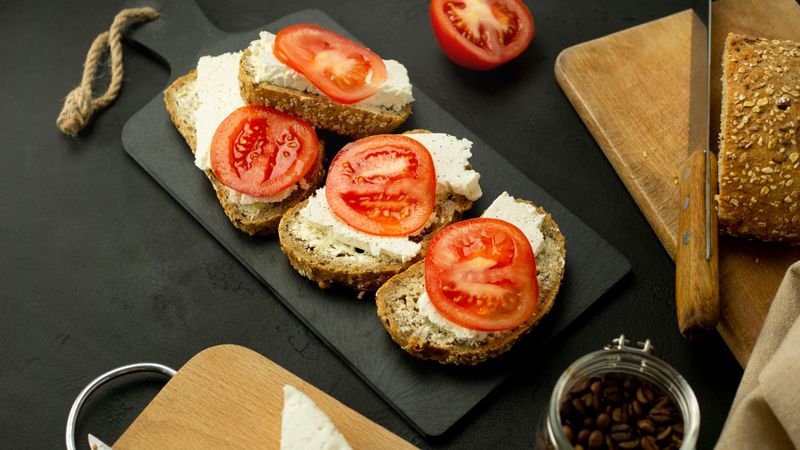
Perfectly ripe tomatoes sliced thick and placed on white bread with Duke’s mayonnaise, salt, and pepper created summer’s simplest pleasure. The tomatoes had to be garden-fresh, preferably still warm from the sun. Duke’s mayo was non-negotiable for true Georgia natives who considered it the only acceptable brand for this sacred sandwich.
Every Georgia garden during tomato season inspired daily batches of these sandwiches. Families would eat them standing over the sink because the juice would run down your arms. The combination of sweet tomato, tangy mayo, and soft bread captured the essence of Southern summer.
Year-round availability of mediocre tomatoes has diminished appreciation for this seasonal treat. People no longer wait eagerly for local tomatoes to ripen because grocery stores stock them constantly. The ritual of making tomato sandwiches only during peak season has faded, taking away the special anticipation that made them so memorable across Georgia.