10 Georgia Small-Town Road Trips With Historic Streets Worth Exploring In 2026
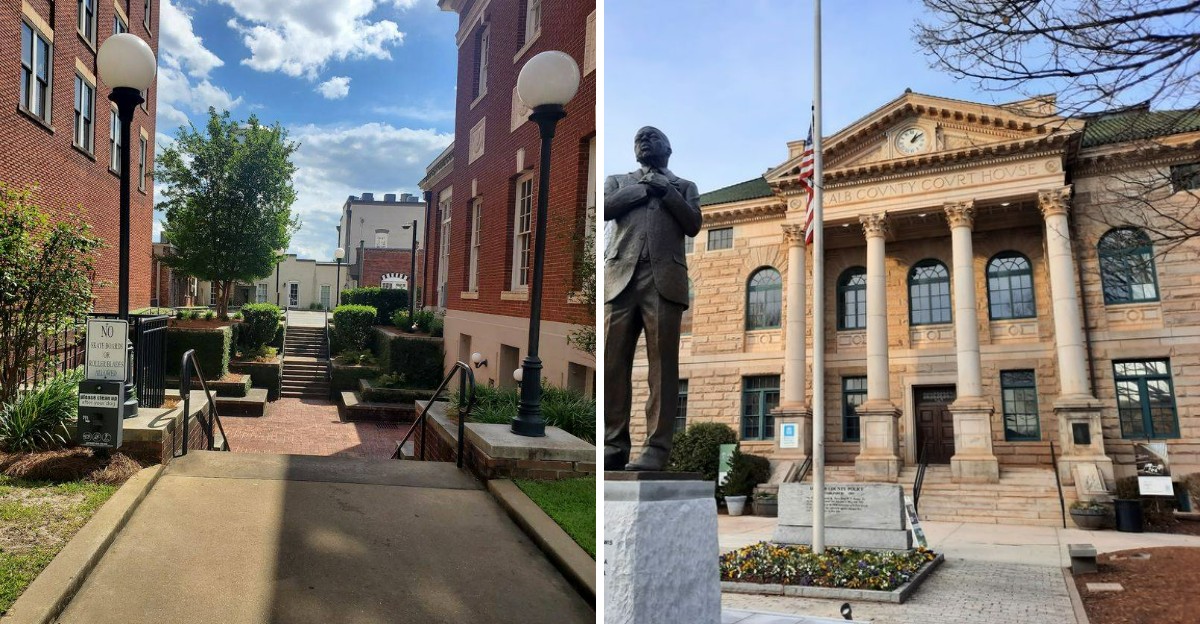
My GPS lost signal completely, and instead of panicking, I just kept driving toward whatever looked oldest. That instinct led me down a brick street lined with buildings that clearly remembered a century I didn’t.
A bakery smell pulled me out of the car before I’d even found parking. Georgia small towns have this habit of hiding entire histories behind ordinary storefronts, and once you start noticing, you can’t stop.
A shop owner told me her building survived a fire, a flood, and three different owners named the exact same first name, which felt like a story worth writing down. Georgia rewards this kind of aimless wandering better than almost anywhere I’ve explored.
These downtowns made this list for 2026, each one worth slowing down for. What turns a random pit stop into an entire afternoon?
Curiosity, apparently, plus really good bread.
1. Helen – Bavarian Cobblestones In The Blue Ridge Foothills
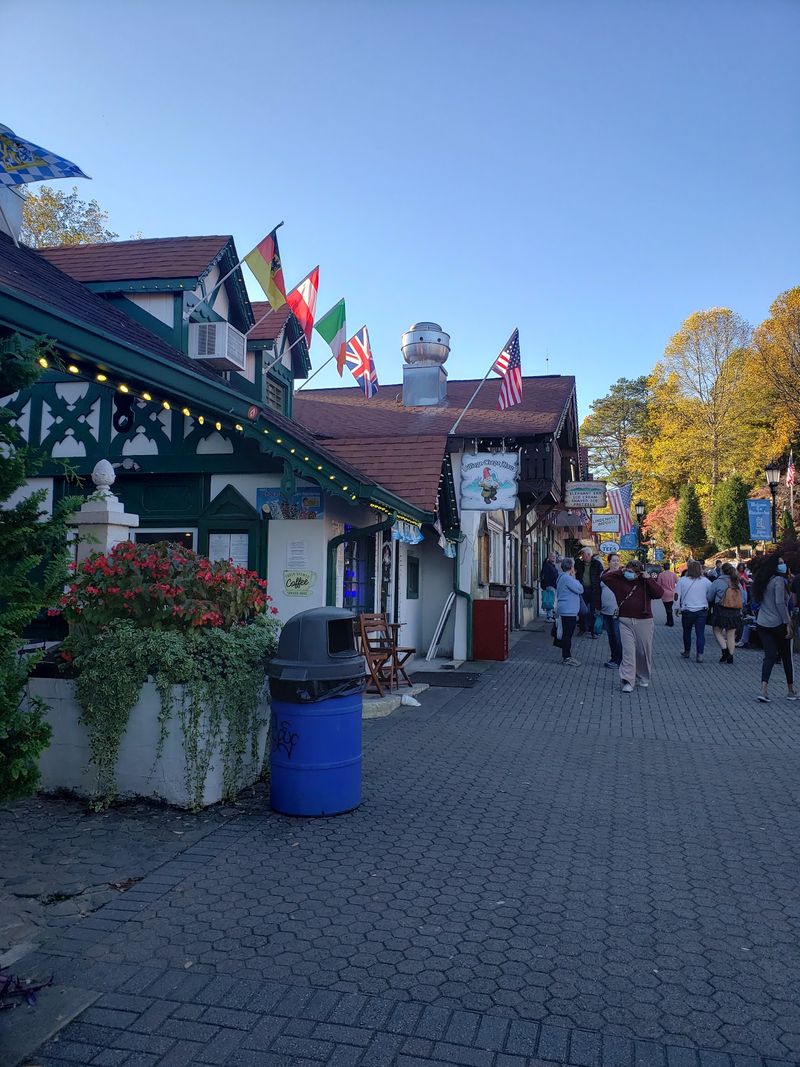
A logging town decided in 1969 to rebuild itself as a Bavarian village, and the gamble paid off. Today the streets look like a page torn from a German storybook.
Cobblestone walkways link buildings with steep roofs, timber trim, and painted shutters. The whole downtown is compact, so you can cover it comfortably on foot in an afternoon.
Fall brings the town’s biggest crowds, thanks to an Oktoberfest celebration that stretches across several weeks. Winter shifts the mood entirely with a Christkindlmarkt, where lights and stalls take over the walkways.
My advice is to arrive early on weekends. Parking near the center fills fast, and the quieter morning hours let you actually see the architectural details on the upper floors.
Start at the Alpine Helen/White County Convention and Visitors Bureau, 726 Bruckenstrasse, Helen, GA 30545. Staff there hand out maps that make the side streets easier to find.
Bakery windows are the real hazard here. Pretzels the size of dinner plates and warm strudel will slow your walking pace considerably.
The Chattahoochee River runs right through town, and benches along the water give tired legs a break. Kids usually gravitate there while adults browse the shops.
What makes the place work is commitment. Nobody half-built this theme, and that consistency turns a short stroll into something memorable.
2. Dahlonega – Where America’s First Gold Fever Began
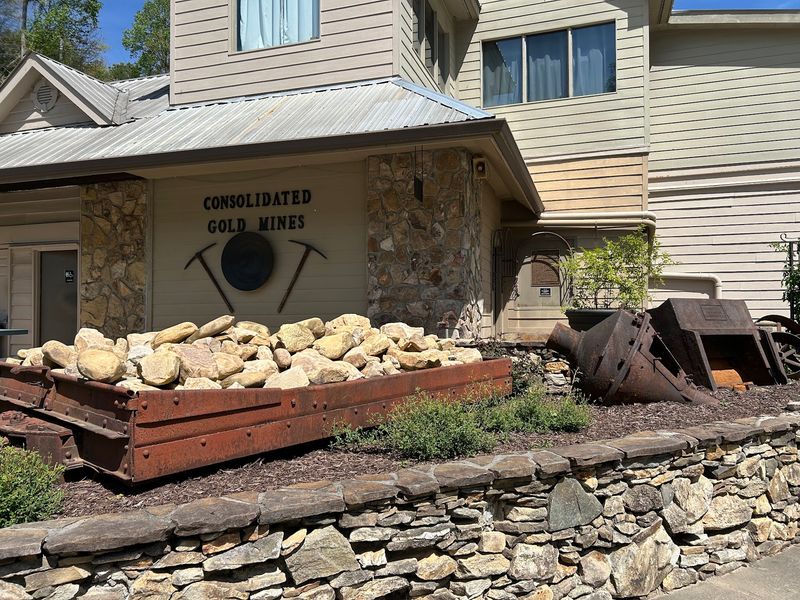
Long before California, prospectors rushed here. The gold strike of 1828 turned a mountain settlement into a boomtown almost overnight.
The Public Square was laid out in 1833, and it still anchors the downtown grid. Shops circle the center, so you loop naturally without a map.
At the heart sits the Dahlonega Gold Museum Historic Site, housed in the 1836 courthouse at 1 Public Square. The building’s bricks are rumored to hold flecks of gold, which is a fun thing to squint at.
Inside, exhibits trace the rush from Cherokee beginnings through the years that followed. Displays of coins and mining tools give the story weight.
Walking tours branch off the square into residential streets like Hawkins and Park. Those blocks hold older homes that most day visitors never notice.
Bring comfortable shoes because the terrain rolls. This is mountain country, and a few stretches earn a slow pace.
Coffee shops and small restaurants ring the square, which makes a midday break easy. I usually grab a seat outside and watch the square’s rhythm.
The town feels lived-in rather than staged. Students from the local university mix with visitors, and the energy stays lively year-round.
Plan two hours minimum. The museum alone can eat an hour if you actually read the panels.
3. Blue Ridge – A 1906 Depot Still Selling Tickets
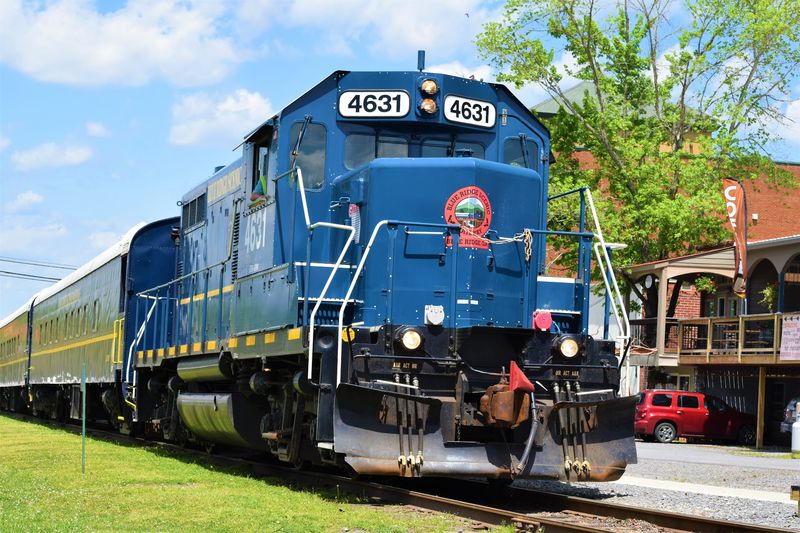
Very few towns can say their century-old depot still does its original job. Here the historic 1905 depot still serves passengers on the Blue Ridge Scenic Railway.
The Blue Ridge Scenic Railway Depot stands at 241 Depot Street, Blue Ridge, GA 30513. Trains roll out through the Chattahoochee National Forest and end near the state line.
Downtown grew up in the 1890s around mineral springs and the railroad. That origin explains why the shops line up so neatly beside the tracks.
Galleries, boutiques, and restaurants fill the main blocks. A self-guided walking tour points out the older buildings you might walk past otherwise.
Timing matters if you want a train ride. Seats book ahead during autumn leaf season, so reserve well before you drive up.
Even without a ticket, the depot area is worth the stop. Watching a train pull in never gets old, especially for younger travelers.
I like this downtown for browsing because the sidewalks stay wide and shaded. You can drift between doorways without dodging traffic.
Local shops lean toward mountain crafts, home goods, and food. Fudge and roasted nuts seem to appear in every other window.
Give yourself a full day if the railway is on your list. The ride plus a layover eats up more hours than you expect.
4. Ellijay – Apple Country With A Riverside Boardwalk
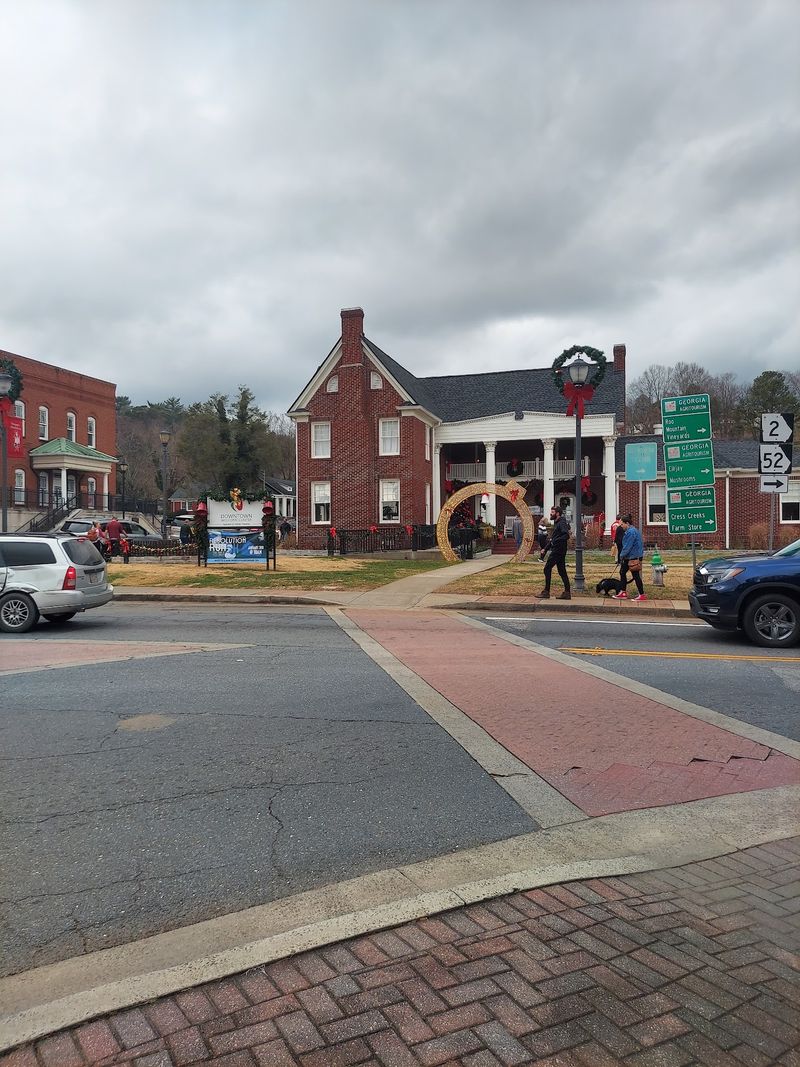
Two rivers meet here, and the town grew up in the fork between them. The Ellijay and Cartecay come together right beside the old downtown.
Most people arrive for apples. The area’s orchards earned it the nickname of the state’s apple capital, and fall traffic proves the title.
The historic Gilmer County Courthouse anchors the square with real presence. Around it, preserved storefronts hold shops and small eateries.
Downtown Ellijay Welcome Center sits at 1 Broad St, Ellijay, GA 30540, which is a smart first stop. Maps and event schedules save you guesswork.
A boardwalk gives a different view of the buildings from below and behind. It also links directly to shops and restaurants, which makes wandering simple.
The name itself carries history. It may come from a Cherokee word meaning new ground, a reminder that people settled this valley centuries ago.
My favorite move is arriving mid-morning on a weekday in October. Orchards get busy later, and the square stays calm until lunch.
Antique shops here reward patience. I have found old maps and stoneware at prices that surprised me.
Bring a cooler if apple season is your reason for the drive. Cider and fried pies do not survive long car rides in warm weather.
5. McCaysville – Straddle Two States On One Sidewalk
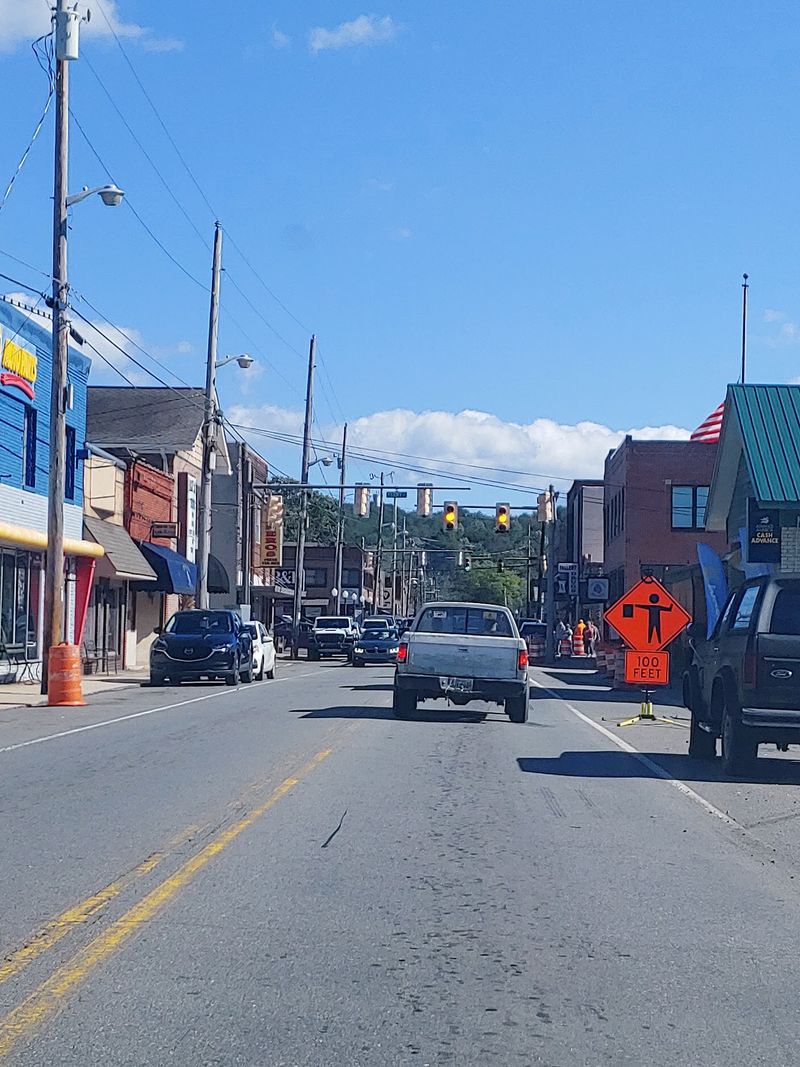
Standing with one foot in two states is a genuinely odd thrill. A painted blue line across the pavement here marks the border with Copperhill, Tennessee.
The twin-city setup shapes everything about the downtown. You can cross from one state to another between two shop doors.
Copper mining drove the town’s rapid growth in the early twentieth century. That industrial past still shows in the older commercial buildings.
The Historic McCaysville Depot has been restored into a museum focused on railway history. It explains why the tracks mattered so much to this valley.
Stop by the McCaysville Visitor Center at 53 East Market Street, McCaysville, GA 30555 for directions and local info. It is an easy anchor point for a walk.
Riverwalk Shops along the Toccoa River add real life to the revitalized center. Boutiques and restaurants share the strip, and the water view helps.
Scenic railway passengers from the north often arrive here for a layover. That means midday can feel busier than the rest of the day.
I recommend photographing the blue line first, then eating afterward. The line gets crowded fast once a train unloads.
Pair this stop with a mountain drive. The roads leading in are half the pleasure of the trip.
6. Clayton – A Hardware Store That Outlasted Nearly Everything
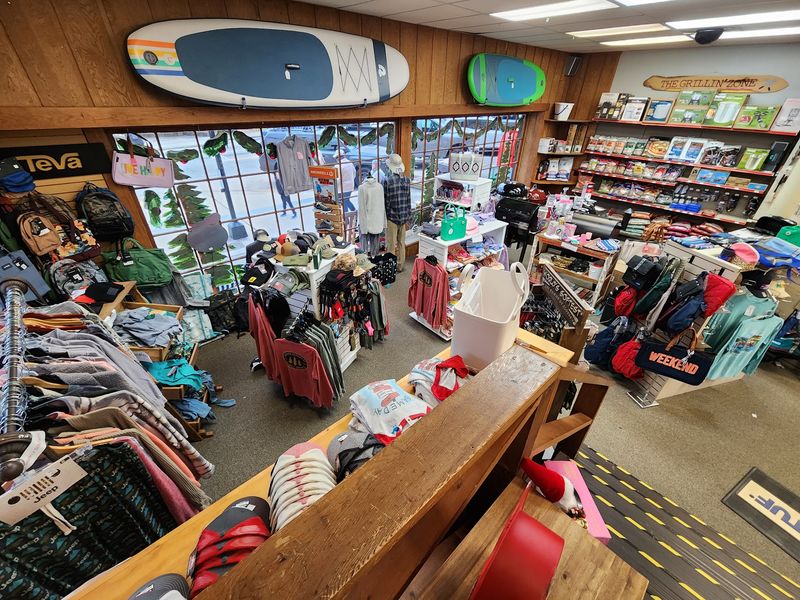
Since 1928, one hardware store has held down the corner of this mountain Main Street. Reeves has watched the whole downtown change around it.
You will find Reeves Clayton Main Street at 16 S Main St, Clayton, GA 30525. Wooden floors, deep shelves, and a mix of practical goods make it worth stepping inside even if you need nothing.
The rest of Main Street runs eclectic. Boutiques, art galleries, and specialty shops sit shoulder to shoulder in older storefronts.
Events give the street extra life through the year. Ladies Shopping Night and the Downtown Clayton Block Party both pull crowds into the sidewalks.
Lodging right downtown makes this an easy overnight. The Bridge Creek Inn occupies a historic Main Street building and functions as a modern boutique hotel.
Rabun County scenery surrounds the town, so the drive in sets a good mood. Waterfalls and lake roads are close by.
My tip is to shop slowly and talk less about hurrying. The best finds here sit on lower shelves and back walls.
Restaurants have improved noticeably over recent years. You can eat well without leaving the four-block core.
Weekends bring visitors from Atlanta and the Carolinas. A Thursday or Friday visit feels calmer and easier for parking.
7. Senoia – Historic Streets With A Film Crew Past
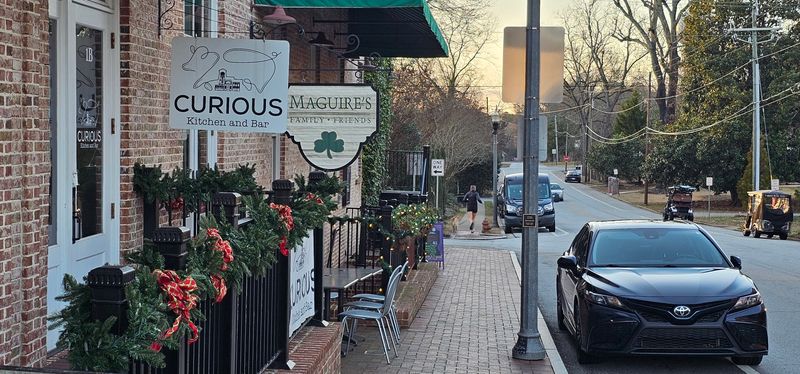
Senoia’s historic district has been listed on the National Register of Historic Places since 1989. That density is remarkable for a town this size.
Film and television crews figured that out years ago. Producers keep returning because the streets read as authentic without much dressing up.
Walking tours, both guided and self-guided, cover the architecture and the screen connections. Doing both together makes the visit far more interesting.
The Senoia Area Historical Society Museum at 6 Couch Street holds the deeper local story. Exhibits explain how the town grew and why so much survived.
Residential streets deserve as much attention as the commercial block. Porches, columns, and old shade trees fill several quiet lanes.
Downtown itself is small and walkable, which suits a half-day trip. Coffee, ice cream, and lunch spots are all within a few steps.
Fans of certain shows will recognize specific buildings immediately. Even without that background, the streetscape holds up on its own merit.
I found weekday mornings ideal for photos. Light hits the storefronts well and the sidewalks stay open.
Because the town sits south of Atlanta, it makes a simple day trip. You can be back in the city before dinner if you leave by mid-afternoon.
Bring cash for smaller shops just in case.
8. Milledgeville – A Former Capital Built On Purpose
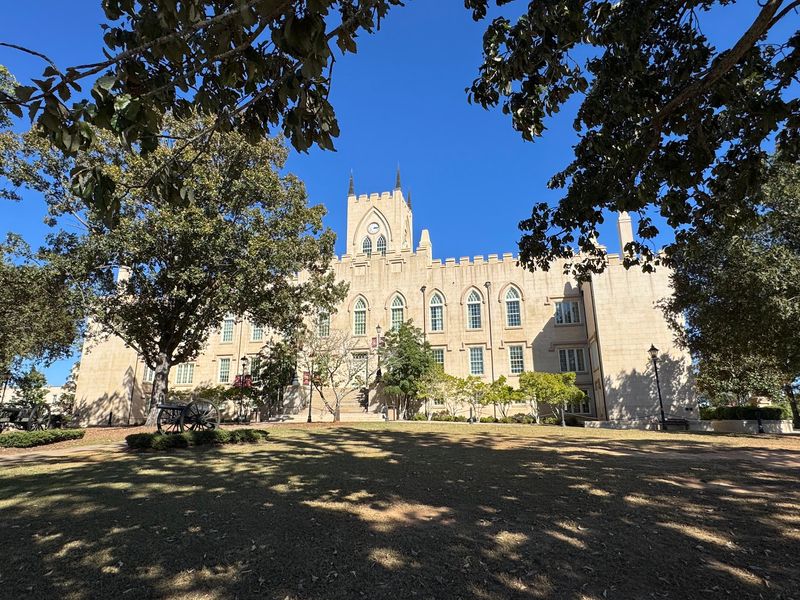
City planners in 1803 laid this place out deliberately, with wide streets and public squares. The design borrowed ideas from Washington, D.C.
It served as the state capital from 1804 until 1868. That long stretch left behind buildings far grander than a small town usually holds.
Architecture ranges across Federal, Greek Revival, Victorian, and Classic Revival styles. Walking a few blocks feels like flipping through a design textbook.
A self-guided historic walking tour covers more than 40 structures. Brochures are available at the Milledgeville Visitor Center, 200 W Hancock St, Milledgeville, GA 31061.
Two landmarks stand out above the rest. The Old Capitol Building shows off Gothic Revival details, while the Old Governor’s Mansion anchors the other end of the story.
Those wide streets make the walk unusually comfortable. Sidewalks are generous and shade is easy to find.
Trolley tours run from the visitor center at scheduled times. They cover ground faster than feet and add useful narration.
College students keep downtown restaurants busy and prices reasonable. That energy stops the district from feeling like a museum.
I would set aside a half day here minimum. The mansion tour alone is worth the drive.
Check tour schedules before arriving, since hours shift by season.
9. Thomasville – Red Brick Streets And The City Of Roses
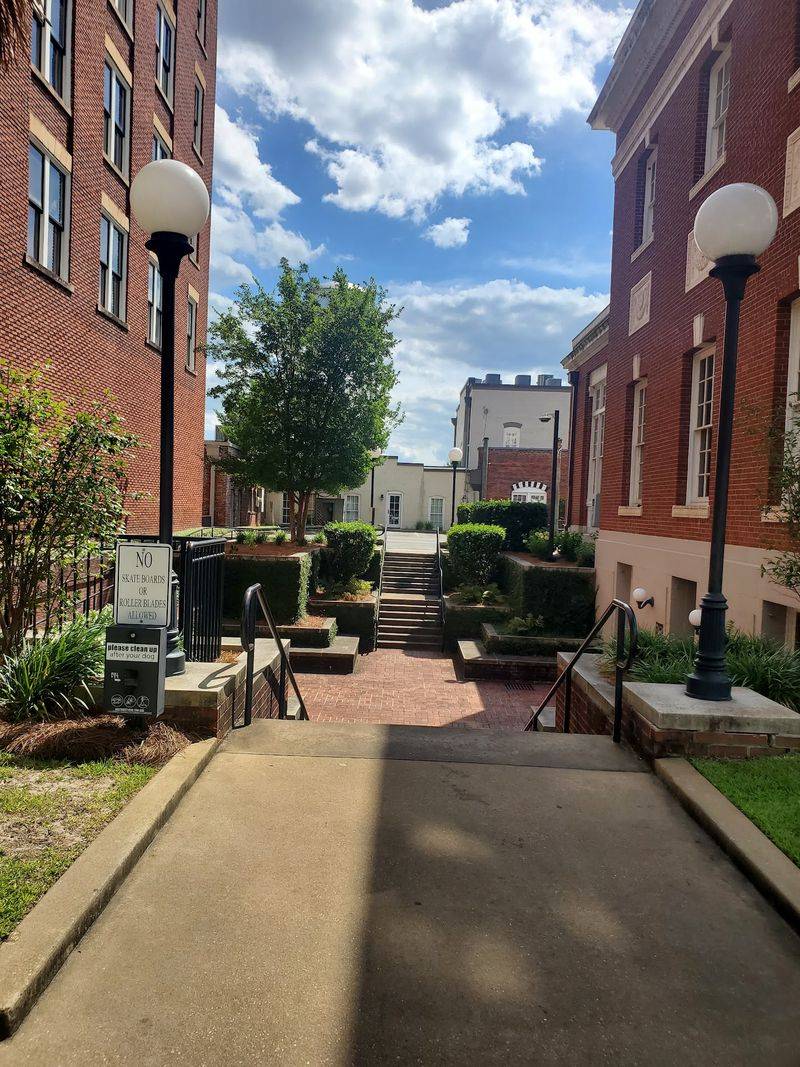
Red brick streets are rare enough to stop you mid-step. Downtown here still has them, and they set the tone immediately.
The nickname City of Roses fits the local pride in gardens and blooms. Victorian architecture fills the surrounding blocks.
After the railroad arrived in 1861, the town became a winter resort for wealthy northerners. Those visitors built large homes that still stand today.
A self-guided walking and driving tour covers more than 70 Victorian-era homes and buildings. Seven historic districts spread across the city.
Plaques on downtown buildings explain original businesses. Reading them turns a simple stroll into a history lesson without any effort.
Start at the Thomasville Visitors Center, 144 East Jackson Street, Thomasville, GA 31792. Tour materials and directions are available there.
The commercial district stays genuinely active with shops and restaurants. This is not a preserved shell but a working downtown.
Spring rose season draws the biggest crowds and the best color. Book lodging early if that is your target window.
Because the city sits far south, it pairs well with a longer coastal or Florida route. Many travelers use it as an overnight break.
Walk the residential streets after dinner. Porch lights on old houses make the whole neighborhood glow.
10. Decatur – An 1842 Courthouse At The Center Of Everything
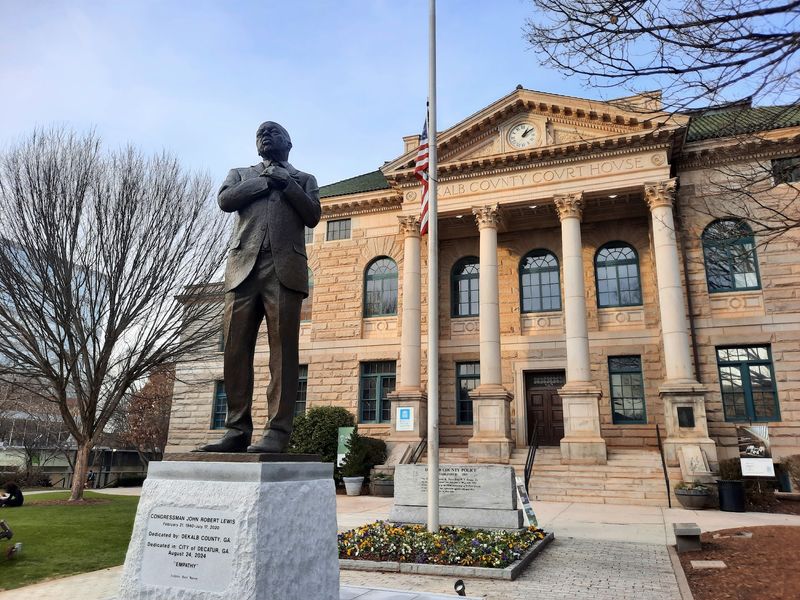
Not every historic square sits minutes from a major city. Decatur pulled off that trick and kept its small-town feel intact.
Incorporated in 1823, the city took its name from naval hero Stephen Decatur. The date puts it ahead of most of its neighbors.
The Historic DeKalb Courthouse on the square has roots in an 1898 courthouse and was substantially rebuilt after a 1916 fire.
When the railroad arrived in the 1840s, growth shifted west and Atlanta boomed instead. That accident of history preserved a quieter character here.
The square today is pedestrian-friendly and packed with shops and restaurants. Eating well is genuinely easy within one block.
Agnes Scott College, founded in 1889, adds serious architectural weight nearby. Its campus buildings reward a short detour on foot.
Stop at the Decatur Visitors Center, 113 Clairmont Ave, Decatur, GA 30030, for maps and current events. Festivals fill the square through much of the year.
MARTA reaches the square directly, which solves the parking problem. I often leave the car behind entirely.
Weekend mornings bring farmers markets and street musicians. The mix of old buildings and modern energy works better than it should.
Plan an evening here to close out any road trip through the area.