These 18 Georgia Spots Are Among The Most Beautiful Places You Can Visit
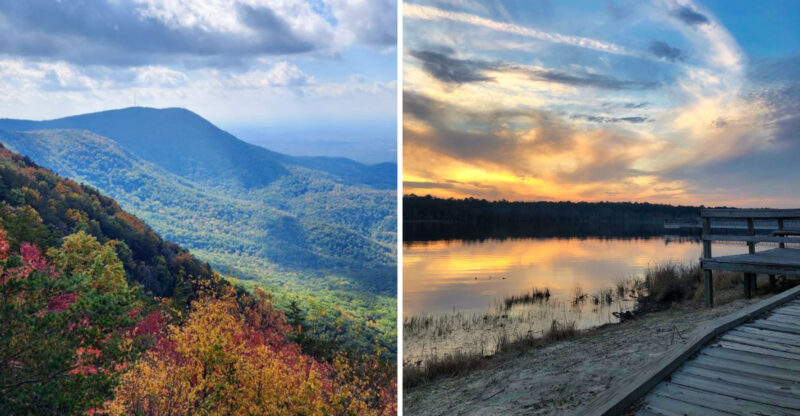
Some places keep surprising you no matter how many times you visit, and Georgia is one of them. Across the state, the scenery shifts in ways that feel almost unexpected, from misty mountain trails in the north to wild barrier islands along the coast. One moment you are surrounded by quiet forests, the next you are standing on the edge of a canyon or wandering through a historic town full of character.
That variety is what makes every trip feel fresh. Outdoor lovers can chase waterfalls and scenic overlooks, while others can slow down in small towns filled with local shops and welcoming streets. The coastline adds another layer, offering peaceful escapes where nature takes the lead.
Whether you are planning a quick weekend drive or mapping out a longer adventure, Georgia delivers experiences that feel both diverse and memorable. These 18 spots capture the kind of beauty and charm that make the journey just as rewarding as the destination.
1. Savannah
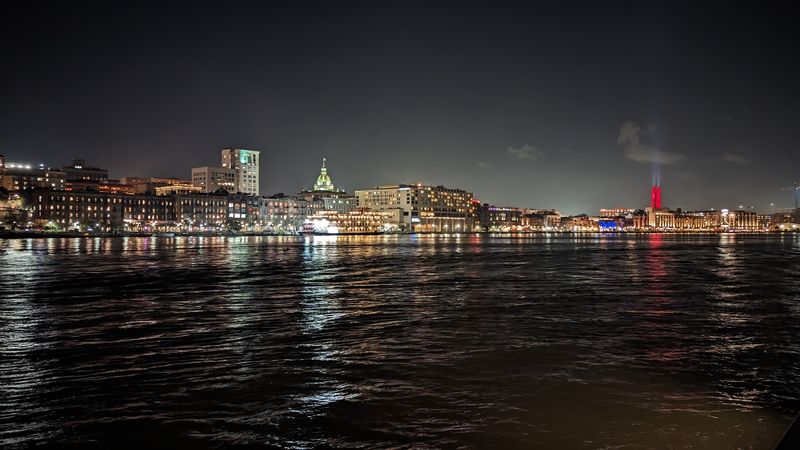
Few cities in the American South carry as much visual magic as Savannah. Located along the Savannah River, the city sits at 100 Bull Street, Savannah, GA 31401, and its famous 22 public squares are draped in Spanish moss that sways gently in the coastal breeze. Walking these streets feels like stepping into a living history book, where every corner holds a story.
River Street buzzes with energy, lined with shops, restaurants, and cobblestone paths that hug the waterfront. The antebellum mansions along Bull Street and Jones Street are architectural showstoppers worth slowing down for. Weekdays tend to be calmer, making mornings the ideal time to explore the squares without large crowds.
Comfortable walking shoes are a must here since most of the best sights are best seen on foot. Savannah rewards those who wander slowly and look closely at the small details tucked into every garden wall and iron gate.
2. St. Simons Island
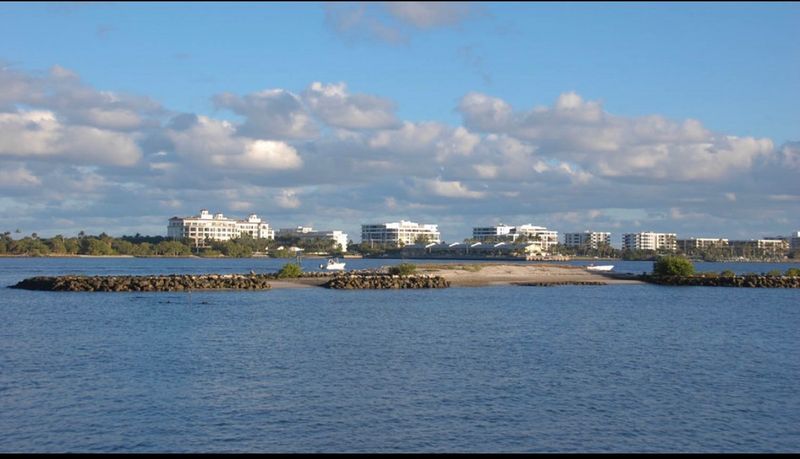
There is a laid-back rhythm to St. Simons Island that makes it incredibly easy to slow down and breathe. Located off the coast of Brunswick, the island is accessible via the F.J. Torras Causeway and centered around St. Simons Island, GA 31522, where the charming village area invites leisurely afternoon strolls.
The wide golden beaches stretch generously, and the ocean water here tends to be calm and inviting.
The St. Simons Lighthouse, one of only four surviving antebellum lighthouses in Georgia, is a must-see landmark that doubles as a small museum. Marshes border much of the island, offering gorgeous golden-hour light for photography and peaceful spots for birdwatching. Cycling is genuinely popular here, and rentals are easy to find near the village.
Weekends draw more visitors during summer, so arriving on a Thursday or Friday morning could mean quieter beaches and shorter waits at local eateries. The island atmosphere tends to feel effortlessly welcoming year-round.
3. Tallulah Gorge State Park
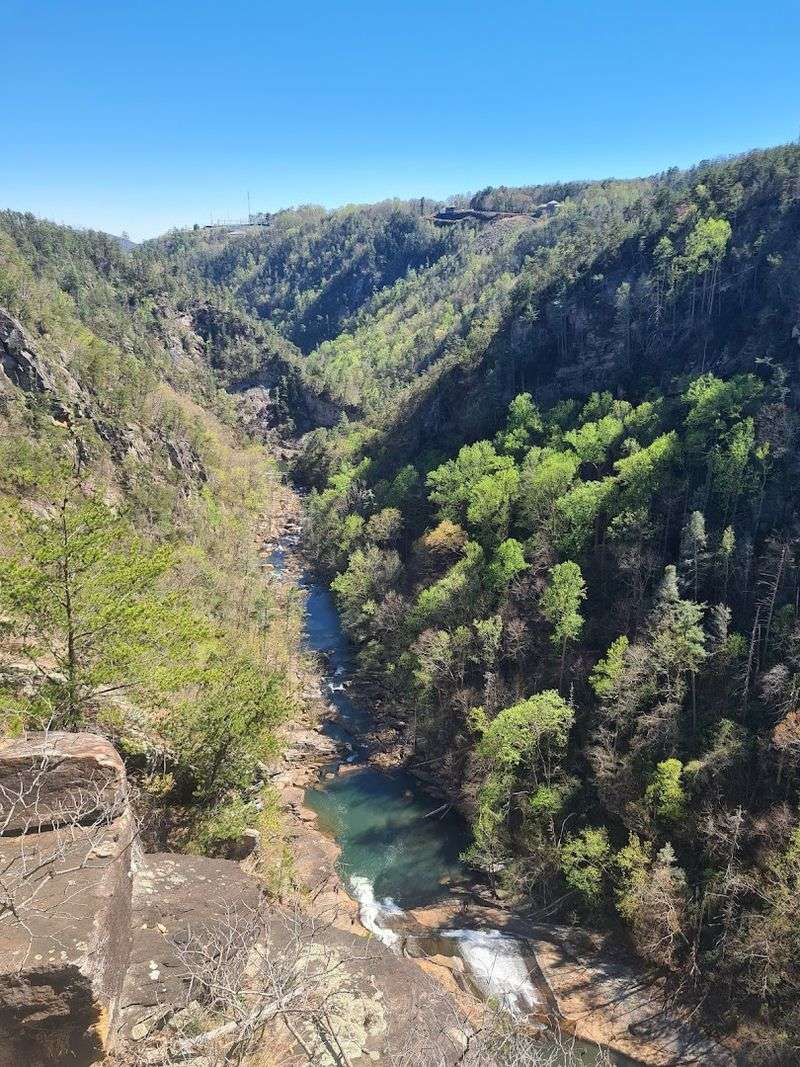
Standing at the rim of Tallulah Gorge and looking down nearly 1,000 feet is one of those experiences that genuinely takes your breath away. The park is located at 338 Jane Hurt Yarn Drive, Tallulah Falls, GA 30573, and it draws hikers, photographers, and nature lovers from across the Southeast. The gorge was carved by the Tallulah River over millions of years, creating one of the most dramatic natural features in the entire state.
Six waterfalls cascade through the canyon, and a swinging suspension bridge offers a thrilling crossing point above the gorge floor. Trail difficulty varies, so both casual walkers and experienced hikers can find a comfortable route. Permits are required to hike down to the gorge floor, and they are limited daily, so planning ahead is strongly recommended.
Spring and fall offer the most comfortable temperatures for exploration, and fall foliage transforms the surrounding forest into a patchwork of warm color. Arrive early on weekends to secure parking without stress.
4. Jekyll Island
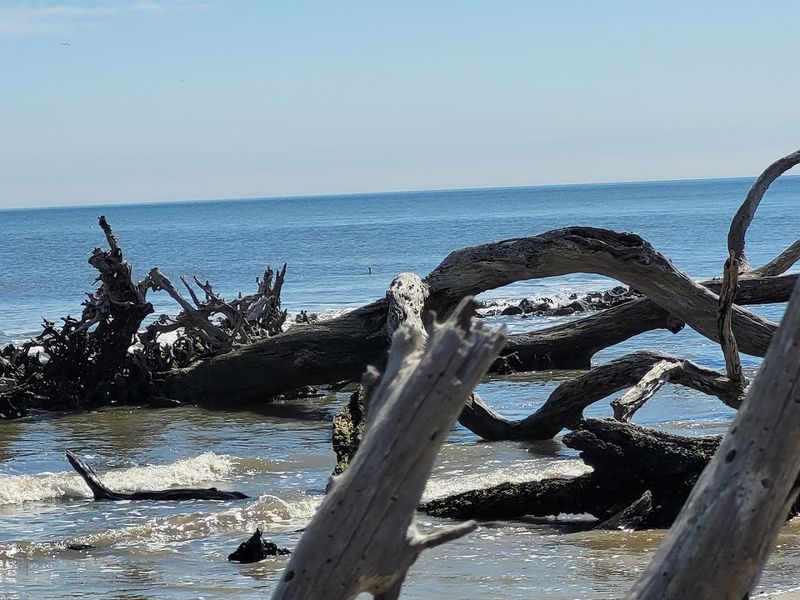
Driftwood Beach on Jekyll Island looks like something painted rather than photographed, with bleached and twisted tree trunks rising dramatically from white sand along the shoreline. The island is located at Jekyll Island, GA 31527, just off the coast near Brunswick, and it carries a fascinating history as a former retreat for some of America’s wealthiest families in the late 1800s. That era left behind a collection of stunning historic cottages and a clubhouse that are still standing today.
Miles of hard-packed sandy paths make cycling the most enjoyable way to explore the island at a relaxed pace. Dolphin sightings are genuinely common along the beach and tidal creeks, especially during morning hours. The island is also home to a sea turtle nesting program that runs during summer months.
Parking is manageable, and the island has a small daily parking fee. Jekyll feels quieter and more unhurried than some of Georgia’s other coastal destinations, which is a big part of its charm.
5. Cumberland Island
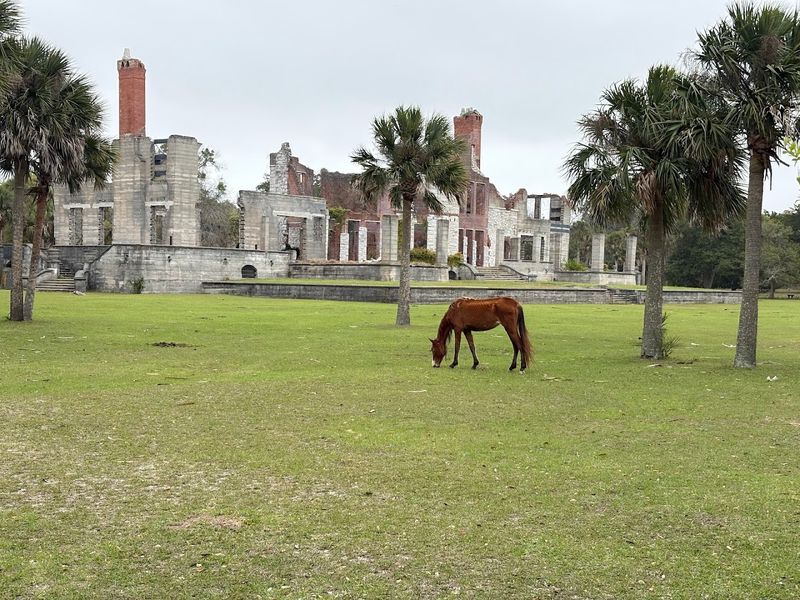
Wild horses roaming freely along pristine beaches might sound like a dream, but on Cumberland Island it is just an ordinary Tuesday. Georgia’s largest barrier island is located at Cumberland Island, GA 31558, accessible only by ferry from St. Marys, which helps keep the atmosphere wonderfully undisturbed. The island has no cars and no commercial development, making it one of the most genuinely wild places in the entire state.
Salt marshes, ancient maritime forests draped in Spanish moss, and miles of undeveloped Atlantic shoreline make every direction feel like a nature documentary. Ruins of the Carnegie family’s Dungeness mansion add a hauntingly beautiful historic layer to the landscape. Camping is available for those who want an immersive overnight experience under an ink-dark, star-filled sky.
Ferry reservations fill up quickly, especially during spring and fall, so booking well in advance is essential. Pack everything needed for the day since there are very limited facilities on the island itself.
6. Madison
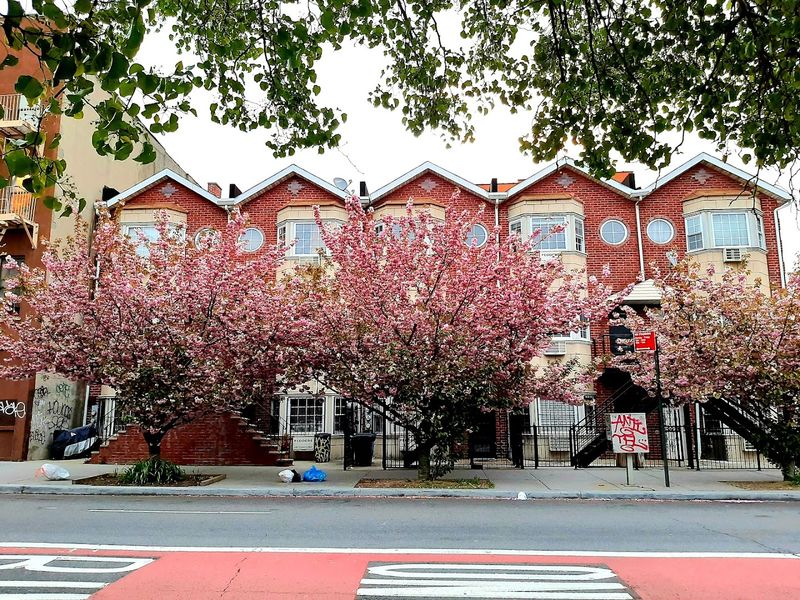
Legend has it that General Sherman spared Madison from burning during the Civil War because it was simply too beautiful to destroy, and walking through town today, that story feels entirely believable. Located at Madison, GA 30650, about an hour east of Atlanta along Highway 278, the town is home to one of the most intact collections of antebellum architecture in the entire South. Wide streets lined with towering oaks and gracious homes create an atmosphere of quiet, unhurried elegance.
The historic downtown square is compact and walkable, with locally owned shops, cafes, and a welcoming small-town energy that never feels rushed. The Madison-Morgan Cultural Center offers a thoughtful look at the region’s history and is worth an hour of any visitor’s time. Seasonal events and garden tours happen throughout the year and give visitors a reason to return multiple times.
Weekday visits tend to be especially peaceful here. Madison rewards slow exploration and the kind of afternoon with nowhere particular to be.
7. Tybee Island
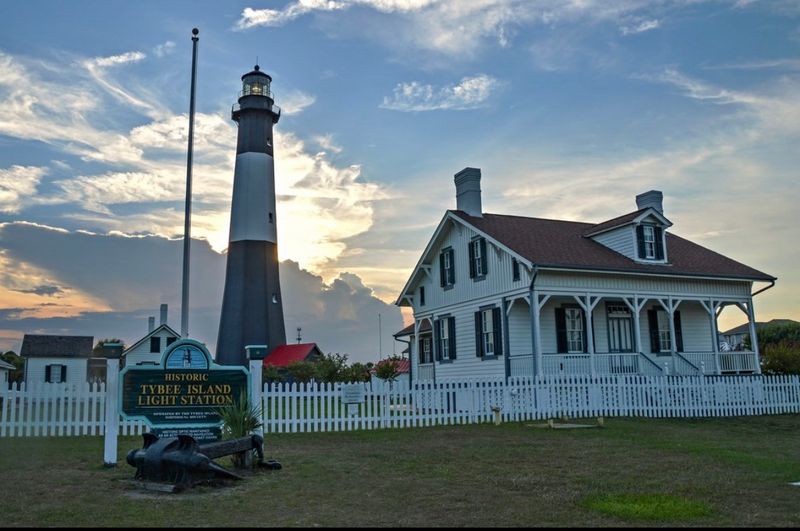
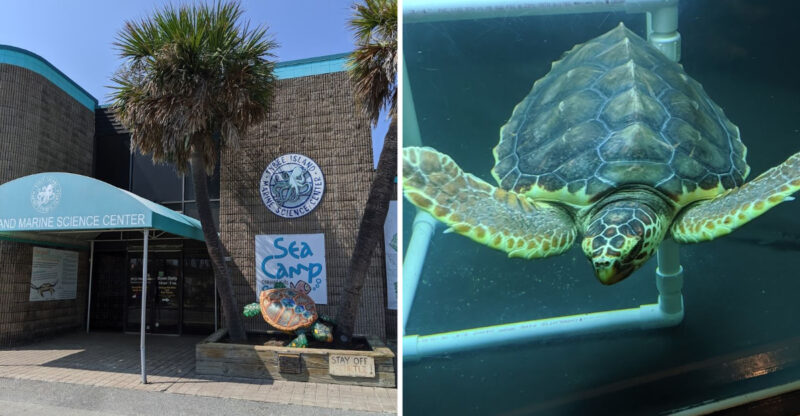
Just 18 miles east of Savannah, Tybee Island manages to feel like a world apart from the city bustle. The island is centered at Tybee Island, GA 31328, and its relaxed beach-town vibe makes it a favorite quick escape for both locals and visitors who want sand underfoot without a long drive. The beach itself is wide and relatively flat, good for walking long stretches in either direction.
The Tybee Island Light Station and Museum, one of the oldest and tallest lighthouses in the Southeast, sits right at the northern tip of the island and is well worth climbing for panoramic coastal views. Fort Pulaski National Monument, just a short drive from the island, adds a fascinating Civil War history layer to any visit. Parking on the island can get tight during summer weekends, so arriving before 10 a.m. is a smart move.
Spring and early fall offer warm temperatures with noticeably smaller crowds. The island has a casual, unpretentious energy that feels genuinely welcoming to all kinds of visitors.
8. Providence Canyon State Park
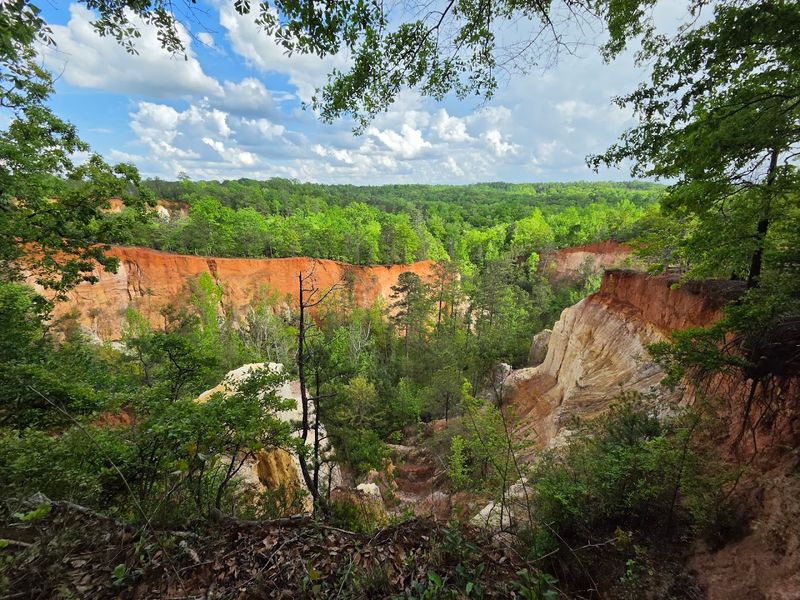
Called Georgia’s Little Grand Canyon, Providence Canyon manages to be both humbling and colorful in a way that few natural places in the Southeast can match. Located at 8930 Canyon Road, Lumpkin, GA 31815, the park features walls of eroded sandstone that glow in shades of pink, orange, lavender, and white depending on the light and the time of day. Remarkably, this canyon is not millions of years old but was largely formed by poor farming practices in the 1800s.
Hiking trails wind along the canyon rim and descend into the floor, where the scale of the walls becomes truly impressive. The canyon floor trail is about 7 miles total and rated moderately challenging, with some uneven terrain. Wildflowers bloom in the canyon during late summer, adding splashes of color to an already vivid landscape.
Photographers tend to arrive at golden hour when the light turns the canyon walls into something almost surreal. The park is open year-round, and entry fees are reasonable for a Georgia state park.
9. Lookout Mountain
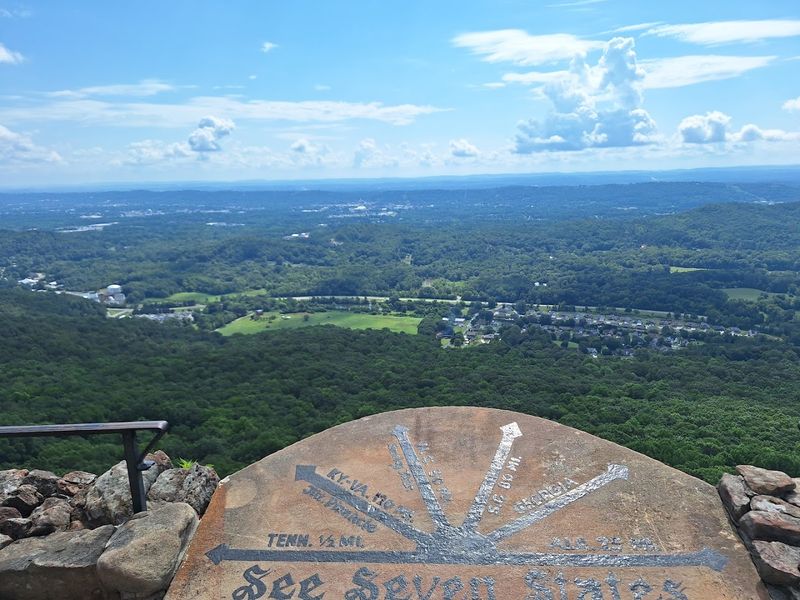
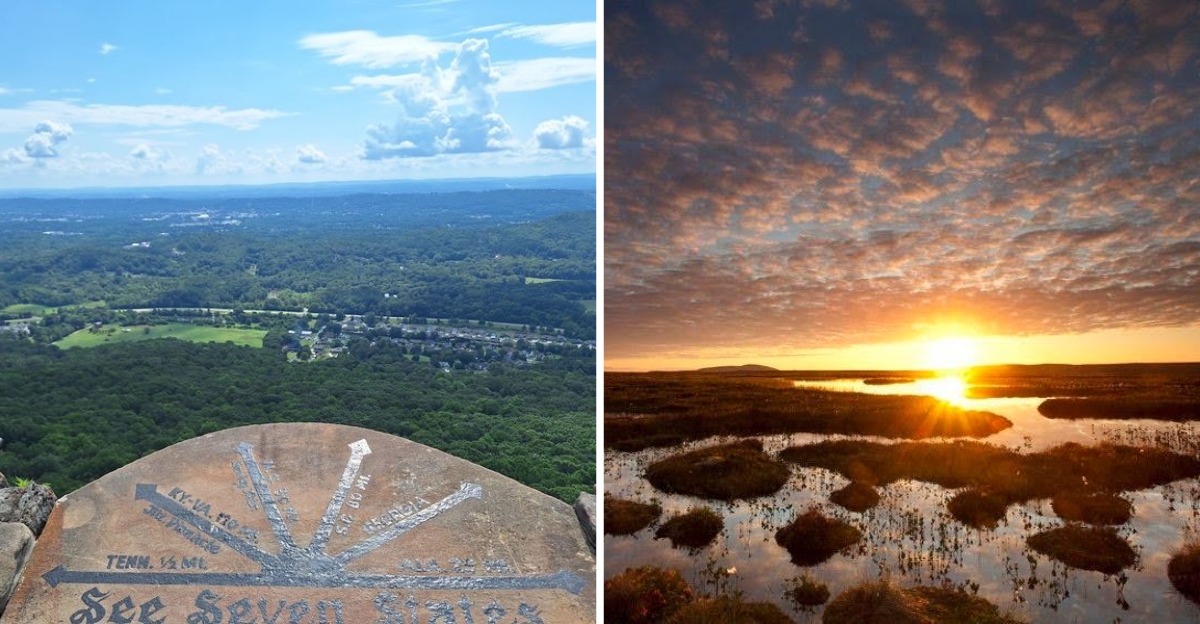
On a clear day from the top of Lookout Mountain, visitors can reportedly see across seven states, which makes the drive up feel like a genuinely worthwhile investment of time. The mountain straddles the Georgia-Tennessee border, with the Georgia side accessible near Lookout Mountain, GA 30750, just outside of Chattanooga. The ridgeline scenery is dramatic and sweeping, with dense forest covering the slopes in deep green during warmer months.
Rock City Gardens, located near the summit, is a fascinating attraction featuring unusual rock formations, narrow passageways, and carefully maintained gardens perched above the valley. Ruby Falls, a natural underground waterfall located inside Lookout Mountain, adds another layer of wonder to any visit. Both attractions charge separate admission fees, so budgeting accordingly before arriving helps avoid surprises.
Fall is arguably the best season to visit when the foliage turns the mountain into a canvas of red, orange, and gold. Weekday mornings tend to offer shorter lines at both Rock City and Ruby Falls.
10. Appalachian National Scenic Trail in Georgia
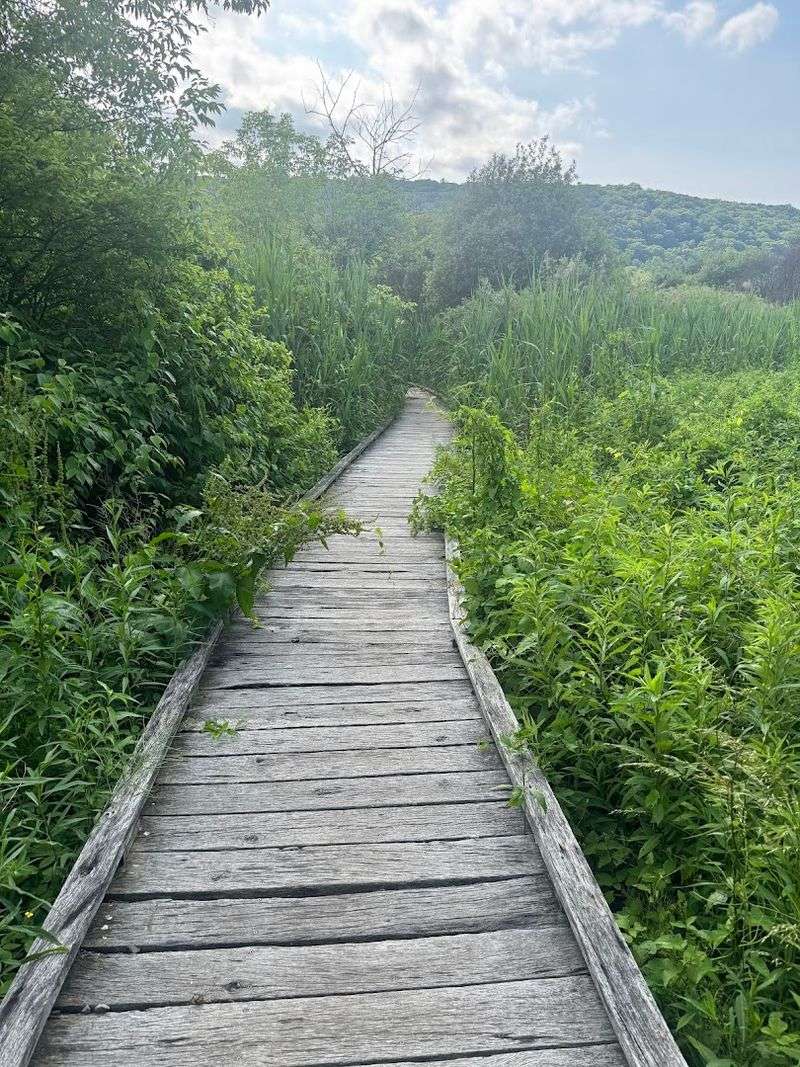
The Appalachian Trail begins its 2,190-mile journey in Georgia at Springer Mountain, and even the first few miles feel like stepping into a completely different world. The southern terminus is located at Springer Mountain, Fannin County, GA 30540, and reaching it requires either a short but steep approach trail or a forest road. The Georgia section covers approximately 76 miles through the Blue Ridge Mountains, passing through some of the most peaceful forest terrain in the state.
Misty mornings on the trail carry a particular kind of quiet that is hard to find anywhere else, with birdsong and the sound of nearby streams filling the air. Day hikers can enjoy sections near Amicalola Falls or Blood Mountain without committing to a multi-day trek. Proper footwear and layered clothing are important since mountain weather can shift quickly even in warmer months.
Spring brings wildflowers and fresh green growth along the trail corridor. Fall offers cooler hiking temperatures and spectacular foliage color through the surrounding forest canopy.
11. Macon
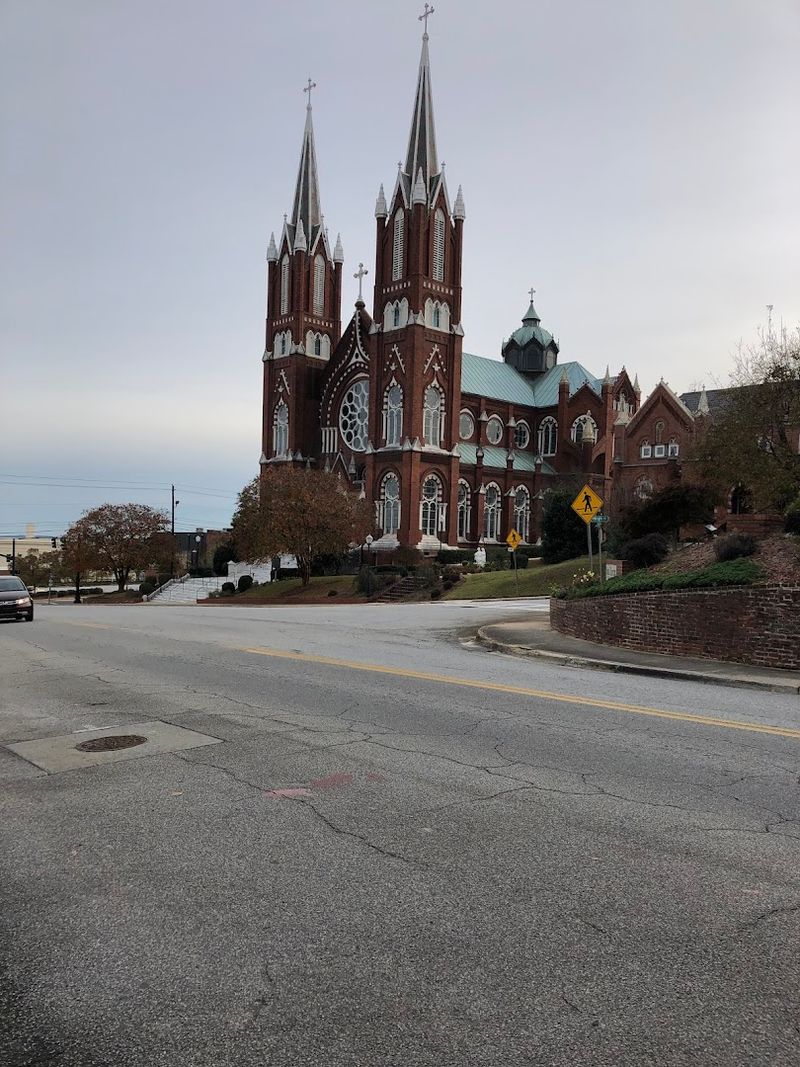
Macon earns its nickname as the Cherry Blossom Capital of the World every spring when over 350,000 Yoshino cherry trees explode into pink bloom across the city. Located in central Georgia at Macon, GA 31201, the city sits at the crossroads of history, architecture, and an impressively rich music legacy. Macon was home to Otis Redding and the Allman Brothers Band, and the city celebrates that heritage with genuine pride and several dedicated museum experiences.
The Hay House, a stunning Italian Renaissance Revival mansion located at 934 Georgia Avenue, is one of the most architecturally impressive homes in the entire South and offers guided tours throughout the year. The Tubman Museum celebrates African American art, history, and culture and is one of the largest of its kind in the Southeast. Downtown Macon has experienced a notable revitalization, with local restaurants and music venues adding energy to the historic streetscape.
The International Cherry Blossom Festival each March draws large crowds, so booking accommodations early for that period is strongly advised.
12. Okefenokee Swamp
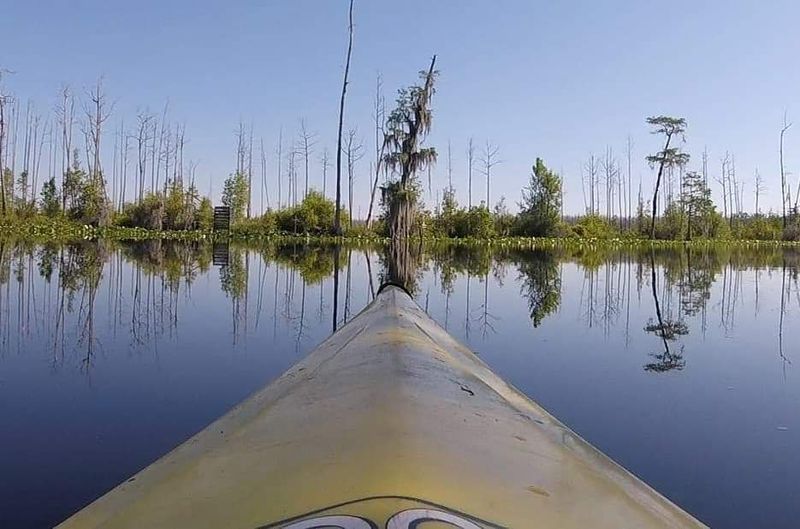
Paddling through the Okefenokee feels like moving through a landscape that time has gently forgotten, where the water is the color of dark tea and alligators share the surface with water lilies. The main visitor entrance is located at 4700 Okefenokee Swamp Park Road, Waycross, GA 31503, with additional access points at the Stephen C. Foster State Park entrance near Fargo.
Spanning nearly 438,000 acres, this is one of the largest blackwater swamp ecosystems in North America.
Kayak and canoe rentals are available, and guided boat tours offer a more relaxed way to experience the wildlife without navigating independently. Sandhill cranes, osprey, black bears, and of course alligators are among the residents that visitors may encounter. Overnight canoe camping trips through the interior of the swamp are available for those wanting a truly immersive experience.
Spring and fall are the most comfortable seasons for visiting. Summer brings heat and humidity, though wildlife activity tends to be especially high during those months.
13. Helen
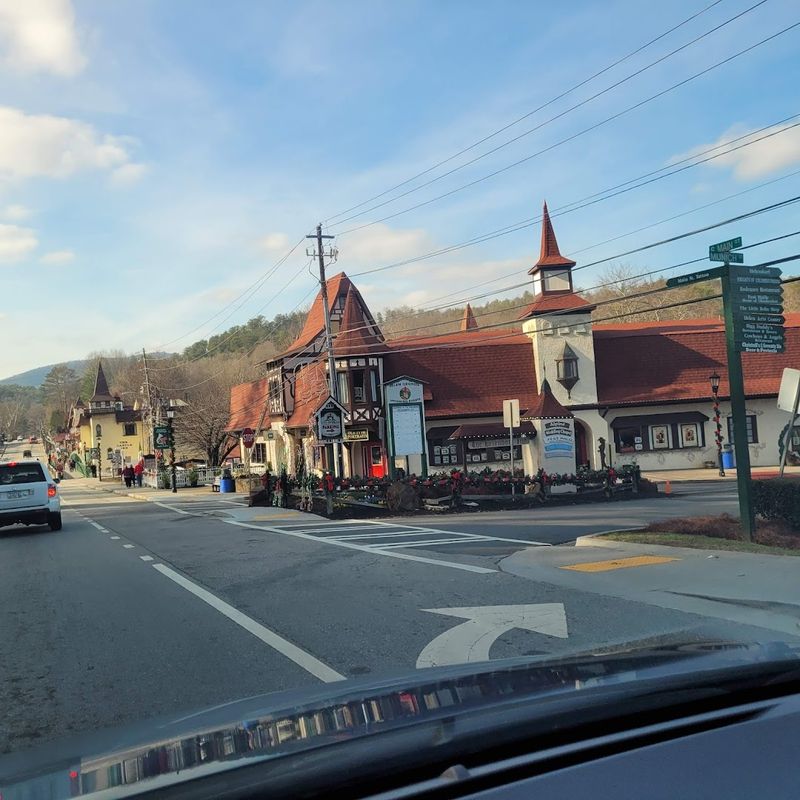
Walking into Helen feels like a small geographic mystery, where a mountain town in northeastern Georgia somehow looks and feels like a Bavarian village in Germany. Located at Helen, GA 30545 in the Blue Ridge Mountains, the town reinvented itself in 1969 when local business owners transformed the struggling community into an alpine-themed destination, and the concept has stuck delightfully ever since. The main street is lined with half-timbered buildings painted in bright colors, with flower boxes and cobblestone sidewalks completing the effect.
Tubing down the Chattahoochee River through town is one of the most popular summer activities and a genuinely fun way to spend a warm afternoon. Nearby Unicoi State Park and Anna Ruby Falls offer beautiful natural escapes just minutes from the village center. The fall Oktoberfest celebration in Helen is one of the longest-running in the country and draws festive crowds through late October.
Weekdays outside of festival season offer the most relaxed experience. Parking is available in several lots near the main village area.
14. Northeast Georgia Mountains
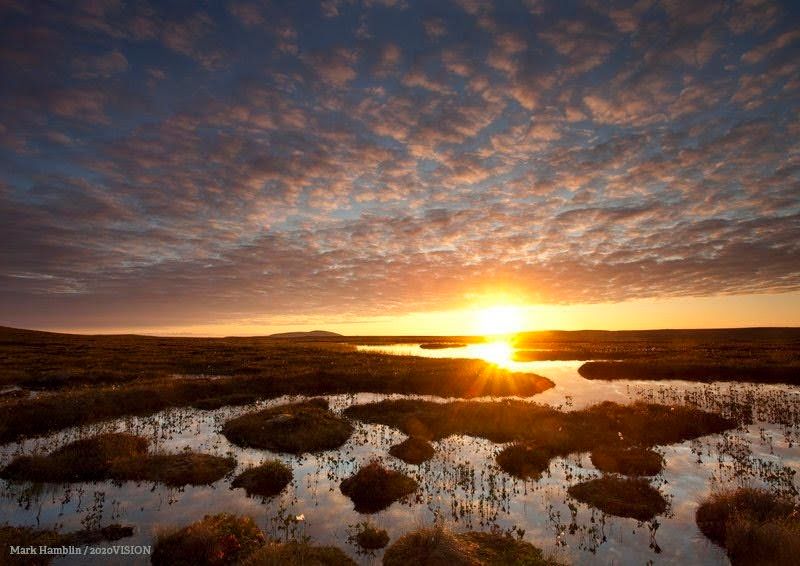
The Northeast Georgia Mountains region is the kind of place that makes a two-hour drive feel like a full reset from everyday life. Anchored by towns like Blairsville, Blue Ridge, and Clayton, this region spans across Union, Towns, Rabun, and Fannin counties in the far northeastern corner of the state. The scenery shifts constantly as roads wind through ridges, valleys, apple orchards, and small-town main streets with local character to spare.
Waterfalls are plentiful throughout the region, with Anna Ruby Falls, Helton Creek Falls, and Raven Cliff Falls among the most accessible and photogenic. Lake Chatuge near Hiawassee offers mountain lake scenery that feels almost impossibly scenic on a clear autumn day. Farm stands and apple houses along mountain roads during fall make for a genuinely enjoyable and delicious detour.
Cell service can be spotty in some areas, so downloading offline maps before heading into the mountains is a practical step. The region rewards those who drive slowly and stop often at overlooks and trailheads.
15. Lake Allatoona
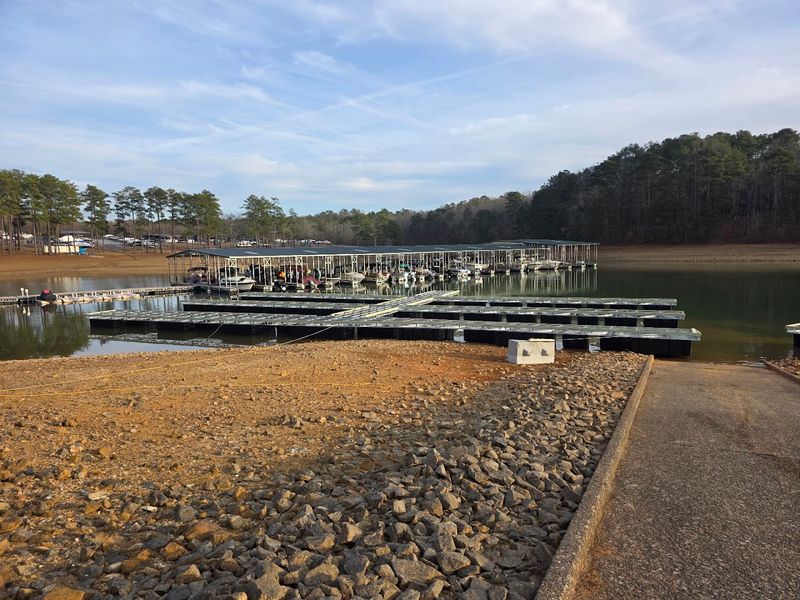
Lake Allatoona is the kind of place that Georgians return to summer after summer, and once you see the wide blue water set against those distinctive red clay hills, the reason becomes obvious. The lake is located near Cartersville, GA 30121, managed by the U.S. Army Corps of Engineers, and stretches across roughly 12,000 acres making it one of the more spacious recreational lakes in the northern part of the state.
Boating, fishing, swimming, and paddleboarding are all popular here during the warmer months.
Multiple public access points and marinas are scattered around the lake, including McKinney Campground and Allatoona Landing. Bass fishing is particularly good on Allatoona, and anglers from around the region make regular trips for that reason. Red Top Mountain State Park sits directly on the lake’s shore and offers hiking trails, a lodge, and camping options for overnight visitors.
Summer weekends bring significant boat traffic, so weekday visits offer a noticeably calmer experience on the water. Sunset from the lake tends to be genuinely spectacular.
16. Atlanta Botanical Garden
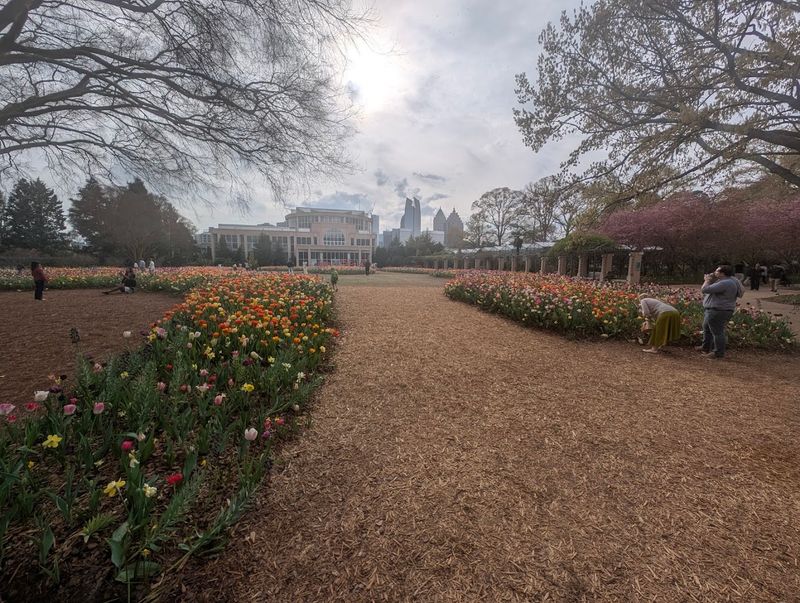
Tucked right into the edge of Piedmont Park in Midtown Atlanta, the Atlanta Botanical Garden manages to feel like a genuine escape even though skyscrapers are visible just beyond the tree line. The garden is located at 1345 Piedmont Avenue NE, Atlanta, GA 30309, and spans 30 acres of beautifully maintained outdoor and indoor garden spaces. The Fuqua Conservatory houses a remarkable collection of tropical and desert plants that feel almost otherworldly in their size and variety.
Seasonal exhibitions transform the garden throughout the year, from vibrant summer flower displays to the enormously popular Garden Lights Holiday Nights event each winter. The Canopy Walk, an elevated steel walkway threading through the tree canopy, offers a unique perspective on the garden from above. Timed entry tickets are required and available online, which helps keep the experience comfortable even on busy days.
Morning visits on weekdays tend to be the most peaceful. The garden is stroller and wheelchair accessible throughout most of its pathways, making it genuinely welcoming for a wide range of visitors.
17. Amicalola Falls State Park
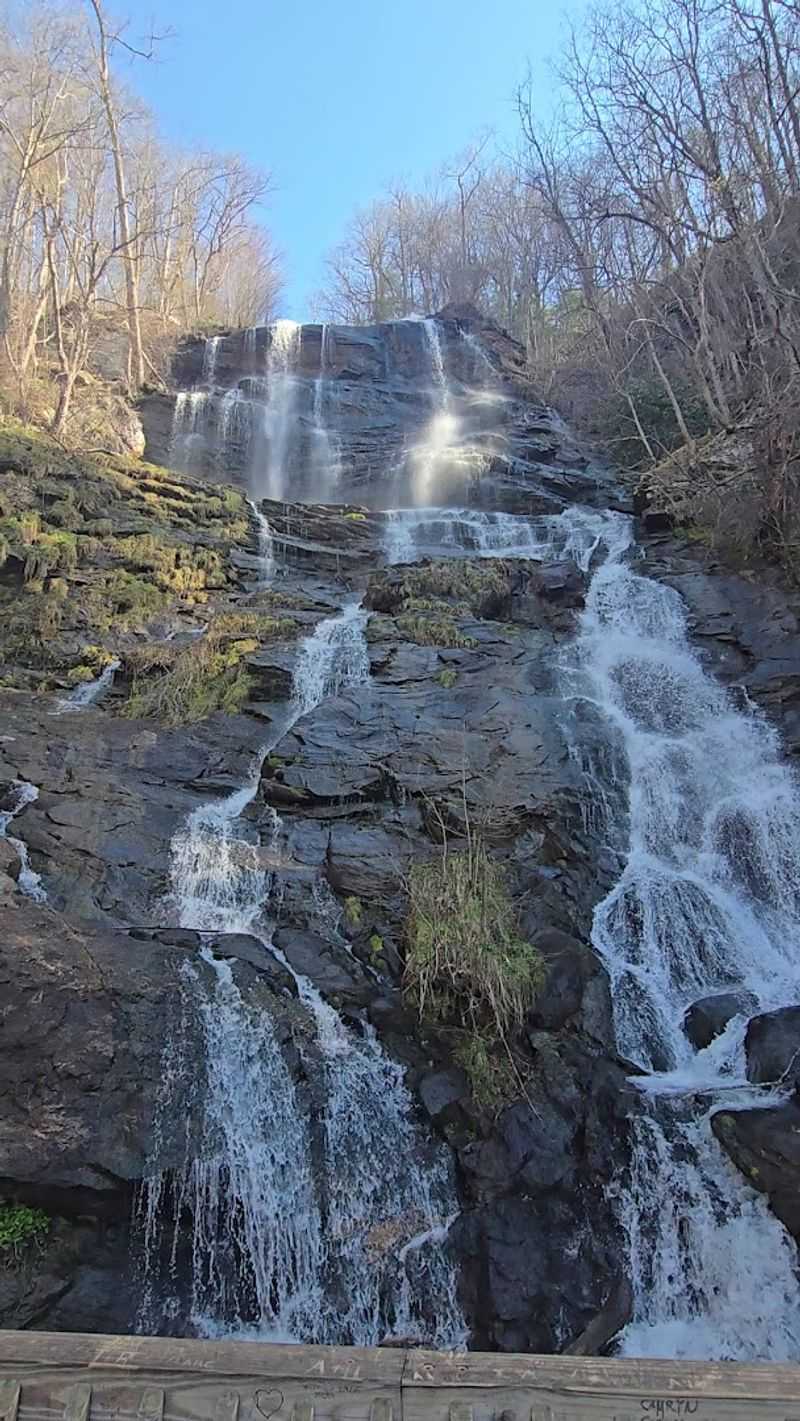
Amicalola Falls drops 729 feet in a series of cascades, making it the tallest waterfall east of the Mississippi River and one of the most dramatic natural sights anywhere in Georgia. The park is located at 280 Amicalola Falls Lodge Road, Dawsonville, GA 30534, nestled in the Blue Ridge Mountains in Dawson County. The name Amicalola comes from a Cherokee word meaning tumbling water, which is about as accurate a description as any waterfall could hope for.
A steep but manageable trail leads visitors up alongside the falls to an observation deck at the top, where the view of the surrounding mountain ridges stretches impressively in every direction. The park also serves as the approach trail starting point for hikers heading to the Appalachian Trail’s southern terminus at Springer Mountain. Camping and lodge accommodations are available on-site for those wanting to extend the visit into a full weekend.
Spring brings the heaviest water flow after winter rains, making the falls especially powerful and photogenic. Fall foliage frames the waterfall beautifully from mid-October onward.
18. Cohutta Wilderness
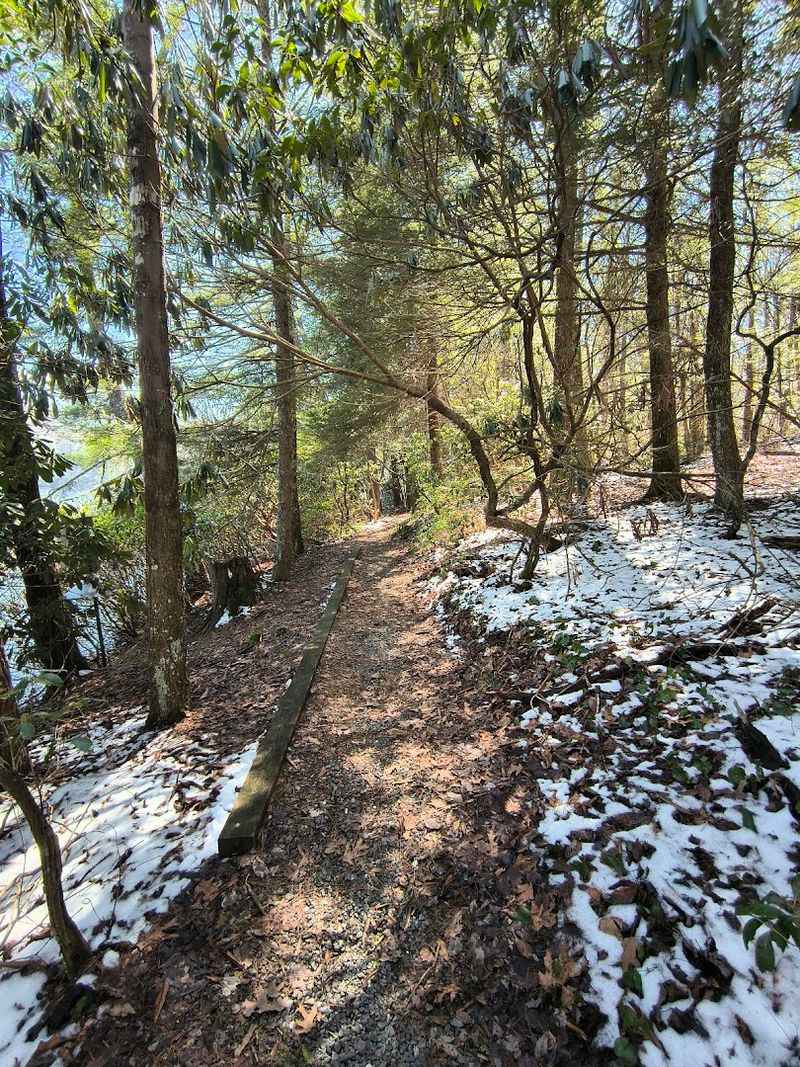
For those who want to feel genuinely far from civilization without actually leaving Georgia, the Cohutta Wilderness delivers that feeling in abundance. Located within the Chattahoochee National Forest near Chatsworth, GA 30705, this federally designated wilderness area covers nearly 36,000 acres of some of the most rugged and remote terrain in the entire Southern Appalachians. No motorized vehicles are permitted inside the wilderness boundary, which keeps the atmosphere refreshingly quiet.
The Jacks River and Conasauga River flow through the interior of the wilderness, creating exceptional trout fishing opportunities and beautiful stream-side camping spots for backpackers. Trails here are often unmaintained and require solid navigation skills, making it more suitable for experienced hikers than casual day-trippers. Wildlife including black bears, wild turkeys, and white-tailed deer move freely through the forest.
Spring wildflowers along the river corridors are genuinely stunning. Water levels in the rivers can rise quickly after rain, so checking conditions before any stream crossing is an important safety step for backcountry visitors.