14 Georgia Trails Where Hikers Should Take Tick Precautions This August
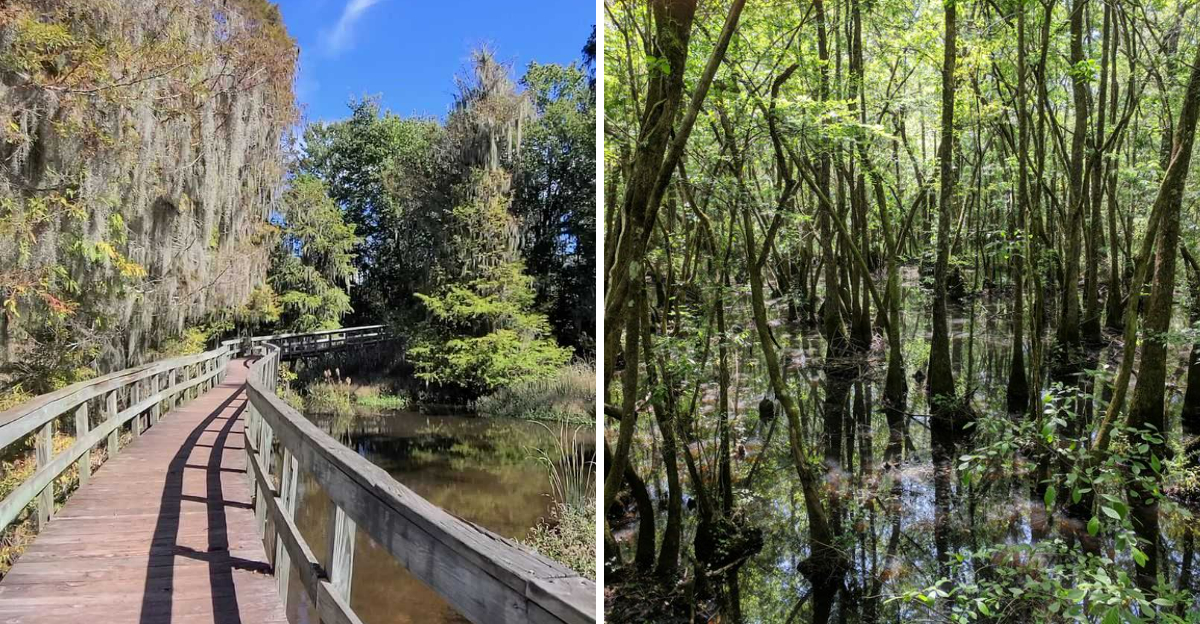
I found my first tick of the season stuck to my ankle, and I hadn’t even left the parking lot yet. That should have been a warning.
August in Georgia turns quiet trails into something closer to an obstacle course, one where the obstacles are microscopic and patient. I kept hiking anyway, pushing through waist high grass like it was a personal challenge.
Bad idea. By the time I got home, I’d pulled three more off my socks and one off my dog.
A ranger later told me certain trails get so bad this month that even locals skip them until fall. Georgia’s woods look peaceful from a distance, but summer humidity brings out crowds you can’t see coming.
I started keeping a list after that hike, one that grew faster than I expected.
1. Pine Mountain Trail (F.D. Roosevelt State Park), Pine Mountain
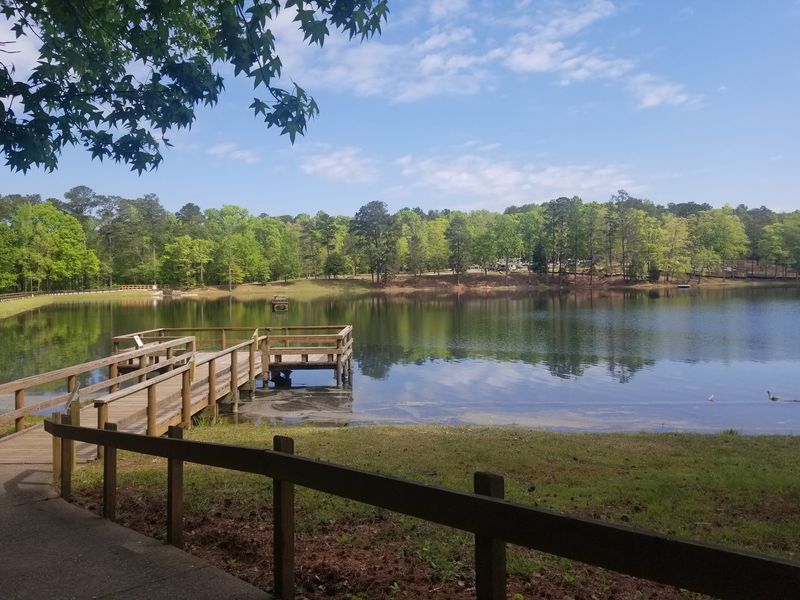
Twenty-three miles of ridge walking sounds glorious until you notice how close the brush leans in. The mix of pine and hardwood here creates exactly the layered vegetation Lone Star ticks prefer.
Lone Star ticks dominate this part of the state, and the females carry a single white dot on their backs. They are aggressive biters, and they do not wait politely for you to brush past.
The park sits at 2970 GA-190, Pine Mountain, GA 31822, inside F.D. Roosevelt State Park.
Trail junctions and side spurs often narrow to shoulder width, which means constant contact with leaves.
Warm August air keeps the forest floor humid long after sunrise. That moisture helps ticks stay active through the hottest weeks of summer.
Light colored pants make a real difference on this route. Dark ticks show up instantly against tan fabric, and you can flick them off before they settle.
Permethrin treated clothing and a firm walk down the trail center are your best friends. Save the wildflower photos for wider clearings.
Do a full check at the trailhead before driving home. Ticks love the ride as much as you do.
2. Blood Mountain Trail (Appalachian Trail), Blairsville
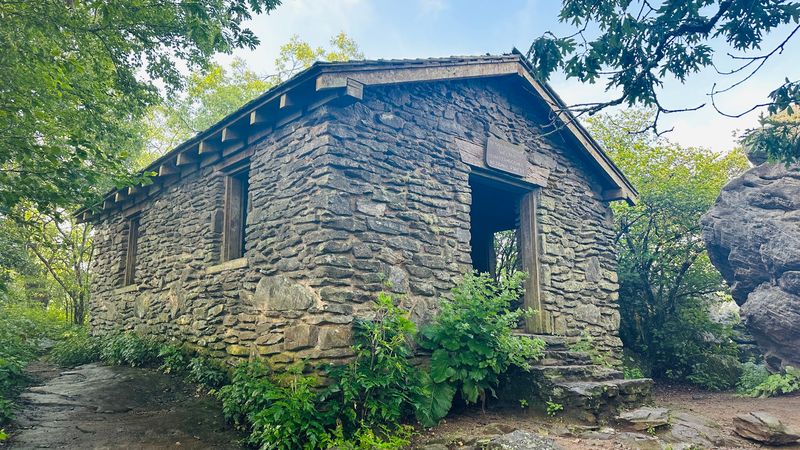
Climbing the highest point of the Appalachian Trail in this state feels like an achievement. The dense hardwood canopy that shades your effort also shelters plenty of ticks.
Thick leaf litter blankets the slopes here, and blacklegged ticks thrive in that damp layer. Deer move through constantly, keeping the local tick population well fed.
Blood Mountain can be accessed from the Byron Reece Trailhead near Neels Gap in the Chattahoochee National Forest. Mountain air feels cooler, which fools hikers into thinking tick season has paused.
Moisture is the key detail. Even in August, shaded mountain soil stays damp enough for ticks to stay active all day.
Rest stops matter more than the walking. Sitting on a mossy log or leaning against a shaded rock invites hitchhikers onto your clothes.
Choose a sunny boulder instead, and keep your pack off the ground. A quick shake of your gear before repacking helps too.
Tuck socks over pant cuffs, even if it looks silly on a summit photo. Ticks usually climb upward from your shoes.
Shower within two hours of finishing. Warm water rinses off unattached ticks before they find a spot.
3. Raven Cliff Falls Trail, Cleveland
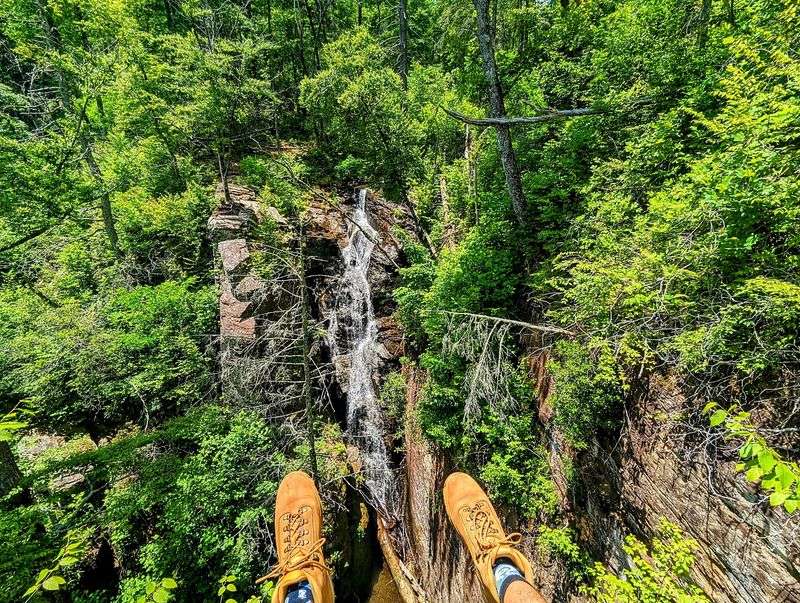
Few trails feel as green and cool as the walk to Raven Cliff Falls. That mossy, fern filled corridor is beautiful, and it also holds humidity like a sponge.
Towering hardwoods block sunlight for most of the route. Damp shade is the exact setting ticks look for when temperatures climb.
You will find the parking area at 3000 Richard B Russell Scenic Hwy, Cleveland, GA 30528. The creekside path narrows in several spots where vegetation pushes right against your legs.
Photographers get in trouble here. Stepping off trail for a better angle on the falls means wading through knee high plants.
Stay on the packed dirt whenever possible. Ticks position themselves on grass tips and low leaves, waiting for something warm to touch.
A sticky lint roller in the car works surprisingly well. Roll it over pants and socks before you buckle in.
Bug repellent with DEET on exposed skin adds a solid second layer. Reapply after crossing the creek if your legs get wet.
Check behind knees, along the waistband, and near your hairline. Those spots get missed constantly.
4. Kennesaw Mountain National Battlefield Park, Kennesaw
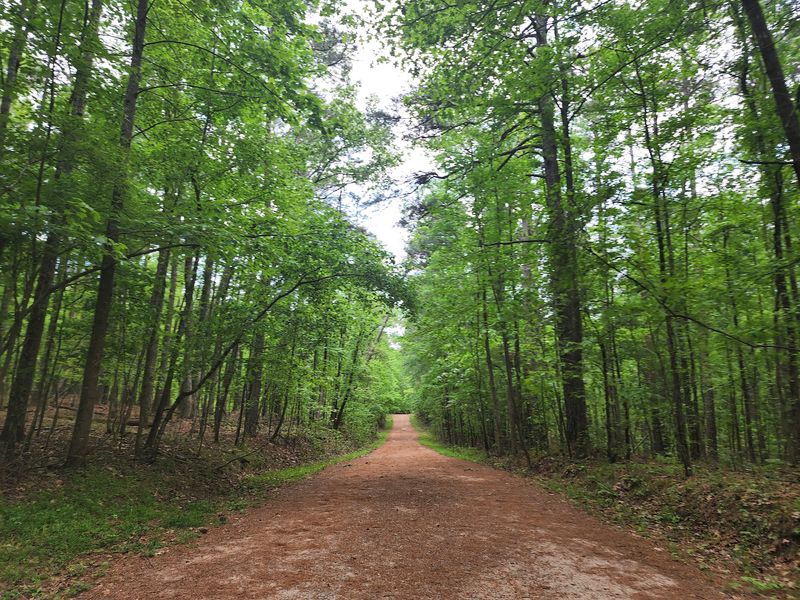
History buffs and trail runners share these eighteen miles of paths every weekend. The wooded slopes and creek corridors also host three tick species at once.
Lone Star, American Dog, and blacklegged ticks all show up in this area. That variety means bites are possible whether you stick to shade or grassy openings.
Trails begin near 900 Kennesaw Mountain Dr, Kennesaw, GA 30152, just outside Marietta. Popular routes stay wide, but connector paths and historic earthwork spurs get overgrown fast in summer.
American Dog ticks favor grassy edges along trail shoulders. They tend to cling to tall stems at ankle and knee height.
Morning visitors often walk through dew soaked grass without thinking. Wet vegetation makes clothing stick to skin, which helps ticks find a landing spot.
Wear gaiters or high socks if you plan to explore the quieter loops. Simple gear beats a week of worrying about a bite.
Bring a small mirror or use your phone camera for hard to see spots. Behind the ears counts.
Toss hiking clothes in a hot dryer for ten minutes. Heat handles any stragglers.
5. Cumberland Island National Seashore, St. Marys
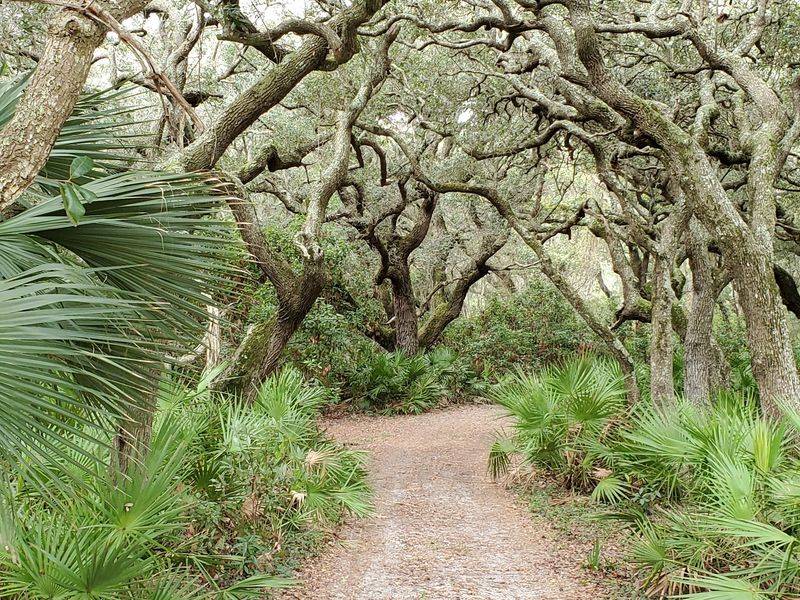
Wild horses, ruined mansions, and empty beaches make this island unforgettable. The palmetto scrub and live oak hammocks in between are prime tick country.
The island’s wooded and brushy areas provide the type of habitat where visitors should take standard tick precautions. Marsh edges and shaded thickets hold the humidity they need year round.
Ferry logistics start at 113 St Marys St W, St Marys, GA 31558. Once you land, most inland trails cut through dense scrub with narrow openings.
Sand feels harmless underfoot, but the plants brushing your calves do the work. Palmetto fronds and low shrubs are launch pads.
Beach walking is the safer choice on hot days. Open sand and salt air offer almost no cover for ticks.
Campers should be extra careful. Tent sites sit under oaks where leaf litter and animal traffic overlap.
Pack a fine tipped tweezers in your day bag. Removing a tick quickly and cleanly lowers your risk considerably.
Fun detail: the island has roughly fifty miles of trails. Only a fraction of them stay wide and sunny.
6. Phinizy Swamp Nature Park, Augusta

Birders love this wetland for good reason. Herons, alligators, and turtles show up on almost every visit, and so do ticks.
Sitting in the Savannah River floodplain, the park stays damp through August. Bald cypress, Spanish moss, and loblolly pine create constant shade and moisture.
The entrance is at 1858 Lock and Dam Rd, Augusta, GA 30906. Grassy dike trails run between wetland cells, and those grass tips reach mid calf in places.
Bottomland habitat is a favorite of Lone Star ticks. Add a healthy deer population and you have a busy neighborhood.
Boardwalk sections are your safest ground here. Elevated wood keeps you clear of the vegetation entirely.
If you step onto the mowed dikes, walk the center line. Brushing the tall edges is how most bites begin.
Long pants in August sound miserable, but lightweight hiking pants breathe better than expected. They beat scratching for two weeks.
Scan your ankles every twenty minutes. Catching a crawling tick early takes two seconds.
7. Savannah National Wildlife Refuge, Hardeeville
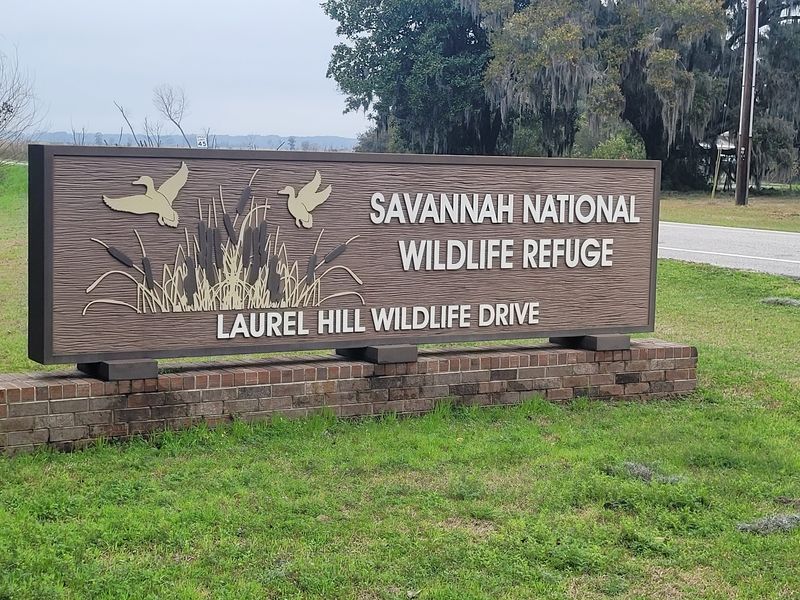
Straddling the state line, this refuge is famous among photographers for alligators and wading birds. It is equally famous for having a lot of ticks.
Tidal freshwater marsh meets bottomland hardwood forest here. Cypress swamps and thick humidity give ticks nearly ideal conditions.
The refuge office sits at 694 Beech Hill Lane, Hardeeville, SC 29927, with much of the land on the Savannah River. Dike trails wind between old rice field impoundments lined with tall grass.
Lowcountry vegetation grows fast in August. Paths that looked trimmed in spring can feel like a green tunnel by late summer.
The wildlife drive offers a smart compromise. You get the views from your vehicle without wading through grass.
If you walk, treat your shoes and socks with permethrin the night before. That treatment lasts through several washes.
Bring a bandana for your neck. Ticks occasionally drop from overhanging branches on narrow paths.
Check your dog too, if pets are permitted on your route. Their fur hides ticks far better than your shirt does.
8. Okefenokee National Wildlife Refuge, Folkston
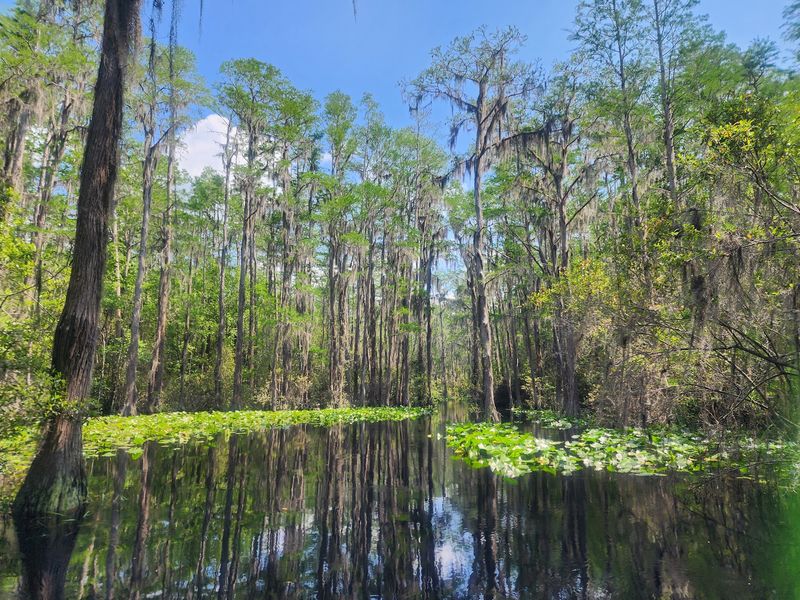
Blackwater reflections and cypress silhouettes make this swamp look like another planet. Tick experts label the area a high risk zone, and August does nothing to help.
Humidity here rarely drops. Dense swampy conditions keep ticks active in every season, not just summer.
The Suwannee Canal entrance is at 4155 Suwannee Canal Road, Folkston, GA 31537. Upland trails and hammock paths pass through thick palmetto and grassy edges.
Mild winters mean tick populations never really reset. Prevention becomes a year round habit for regular visitors.
Paddling the canoe trails keeps you off the vegetation completely. A boat is arguably the best tick repellent available.
For land hikers, the boardwalk to the observation tower is a solid pick. Wide planks and open sky reduce contact.
Keep repellent in your pocket, not your car. Reapplying every few hours matters more than the brand you choose.
Fun fact: the swamp covers around 438,000 acres. That is a lot of habitat for very small residents.
9. Sweetwater Creek State Park, Lithia Springs
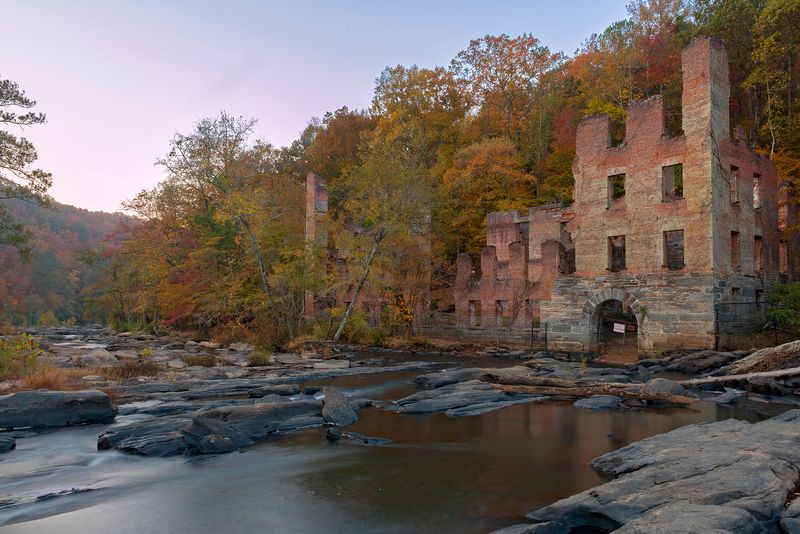
Mill ruins beside rushing water pull crowds from the city all summer. The forested ridges above the creek stay shady and damp, which suits ticks perfectly.
Rolling woodlands, rocky shoals, and leaf covered slopes fill this park. Dense ground cover and shaded tree lines create excellent tick habitat.
Look for the entrance at 1750 Mt Vernon Rd, Lithia Springs, GA 30122. Trails turn rocky, rooty, or muddy after rain, and hikers often step aside to find dry footing.
Those detours are the risk. Stepping into leaf litter and low plants puts you right where ticks wait.
Popular red and white trails see heavy foot traffic. Quieter yellow and blue routes have more overgrowth and fewer trimmed edges.
Slip on trail runners without socks is a tempting summer choice. Closed shoes with tall socks serve you much better here.
Kids exploring near the ruins should get a careful check afterward. Scalps and hairlines are common attachment spots.
Change clothes before sitting in your car. It sounds fussy, but it works.
10. Panola Mountain State Park, Stockbridge
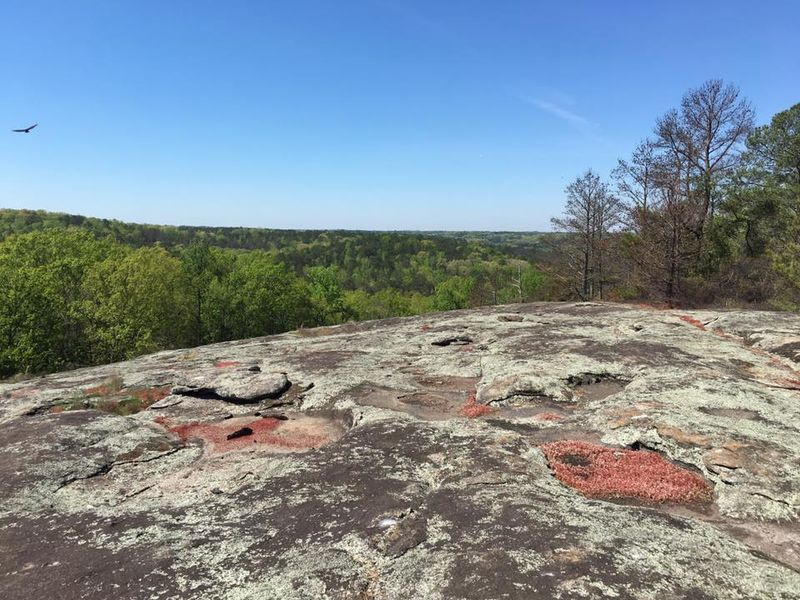
A protected granite outcrop is the star attraction at this quiet park southeast of the city. Around that rock sits woodland, tall grass, and brush that ticks favor.
Piedmont conditions mirror the wider metro area. Lone Star ticks are notably dominant across this region.
Park access is at 2620 Georgia 155 SW, Stockbridge, GA 30281. Some trails require a guided hike, which keeps groups on established routes.
Meadow sections deserve attention. Grassy openings hold American Dog ticks that cling to stems and wait for movement.
Guided walks often pause for plant identification. Standing still in tall grass gives ticks extra time to climb aboard.
Pick a spot on packed dirt when the group stops. Small choices add up over a two hour hike.
Insect repellent applied to socks and cuffs targets the entry point. Ticks almost always start low.
The park also has paved multi use paths. When tick pressure peaks, pavement is a genuinely pleasant option.
Finish with a slow, careful body check. Nymph ticks are poppy seed small and easy to overlook.
11. Providence Canyon State Park, Lumpkin
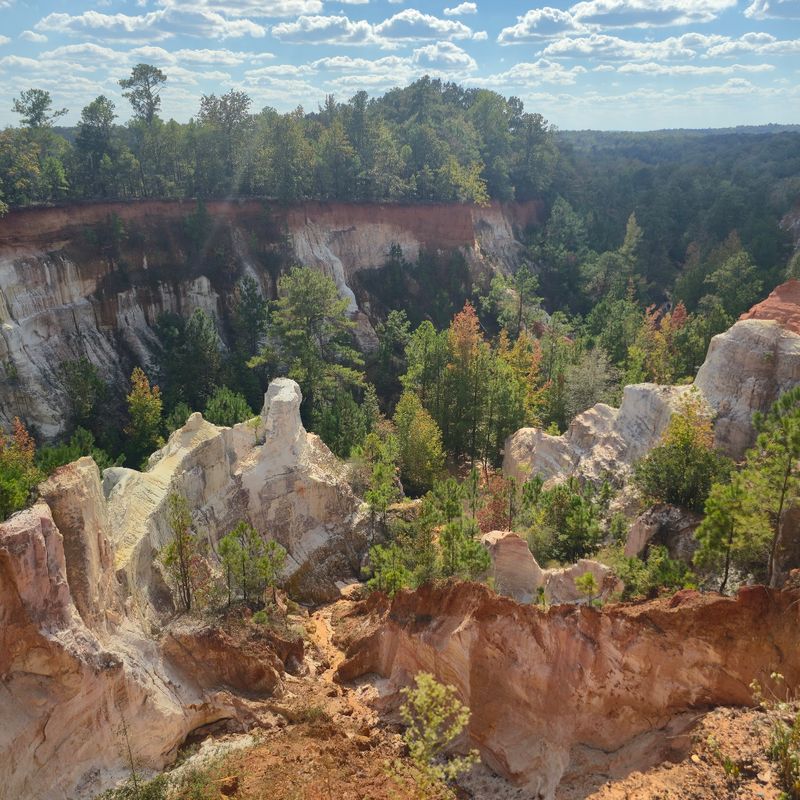
Striped canyon walls in orange, pink, and white look almost painted. The nickname Little Grand Canyon fits, and the vegetation on the rim hides ticks.
Carved from soft, unconsolidated sediments, these gullies formed from poor farming practices in the 1800s. Water still puddles across the canyon floor.
The park sits at 8930 Canyon Rd, Lumpkin, GA 31815, in the southwest corner of the region. Sandy nature trails wind between canyon fingers and thick brush.
Moisture on the floor keeps humidity high. Combined with diverse plant growth, the setting can support ticks even in dry looking terrain.
The rim trail passes through denser woods than most people expect. Overhanging branches touch shoulders in several spots.
Wading through canyon puddles soaks your shoes and socks. Wet fabric clings, giving ticks an easier grip on skin.
Bring a dry pair of socks for the drive back. Comfort and prevention in one small step.
Photograph the canyon from marked overlooks. Scrambling off trail damages fragile walls and increases bite risk.
12. Cloudland Canyon State Park, Rising Fawn
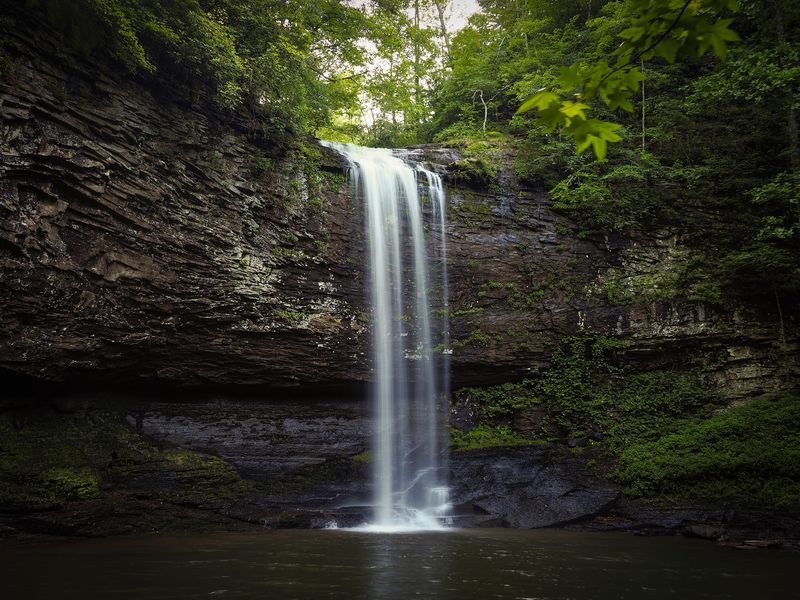
Two waterfalls at the bottom of a deep gorge reward everyone willing to face six hundred stairs. The hardwood forest lining that descent shelters plenty of ticks.
Northwest conditions match the northern mountains closely. Dense canopies, deep leaf litter, and strong deer numbers combine here.
Find the park at 122 Cloudland Canyon Park Rd, Rising Fawn, GA 30738. Waterfall trails, backcountry loops, and rim paths all pass through heavy vegetation.
Shade rules the gorge floor. Sunlight barely reaches the creek, so the ground stays cool and damp through August.
Backcountry campsites sit deep in the woods. Overnight stays multiply your exposure time considerably.
Hang your pack from a tree instead of setting it on leaves. Ground contact invites unwanted passengers.
Zip off pants give you flexibility. Cover up on narrow stretches, then vent on open stairs.
Mountain biking trails here cut through brushy sections too. Riders should check arms and neck, not just legs.
A hot shower plus a mirror check ends the day right. Two minutes of effort saves weeks of worry.
13. Amicalola Falls State Park, Dawsonville
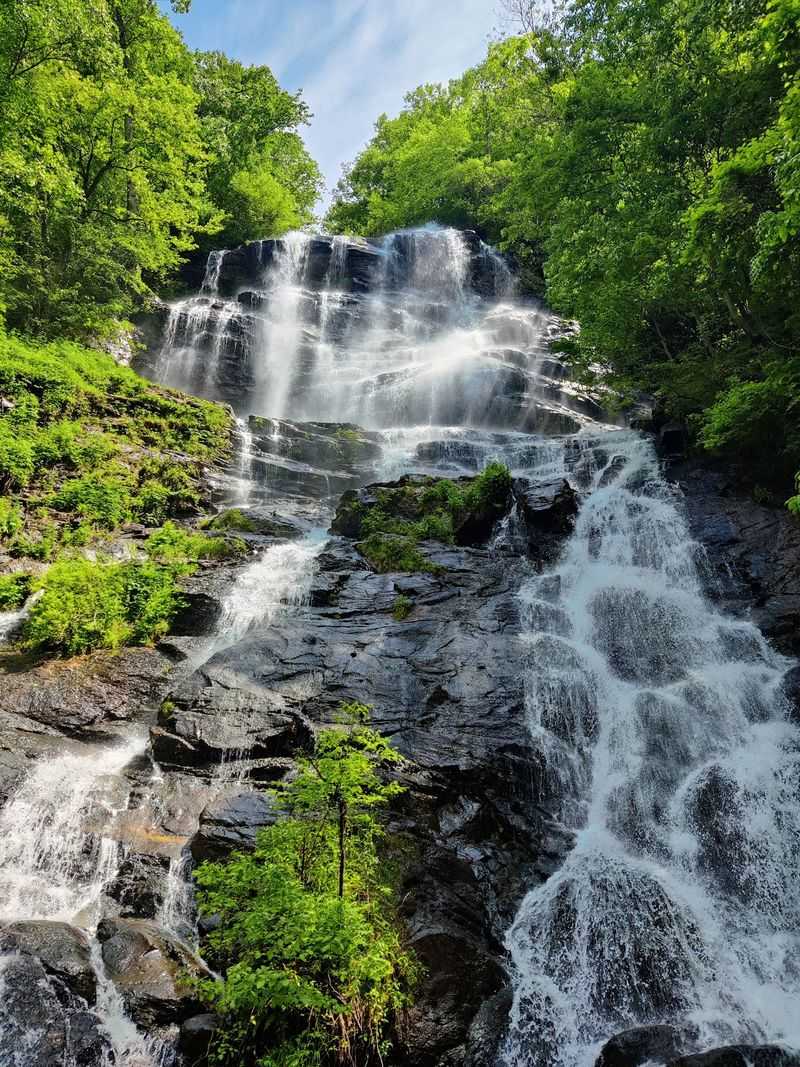
The tallest cascading waterfall in the region draws visitors all year. Its surrounding forest, thick and humid, provides steady tick habitat through late summer.
Located in the Chattahoochee National Forest, the park sits in the northern mountains. Dense hardwood canopy and heavy leaf litter define the terrain.
Address details: 418 Amicalola Falls State Park Rd, Dawsonville, GA 30534. Trails range from short paved walks to the long approach route toward Springer Mountain.
That approach trail is where exposure climbs. Miles of narrow, shaded path mean constant brushing against vegetation.
Staircase routes to the falls stay clear and open. If ticks worry you, the stairs are the smart pick.
Backpackers heading north often start here. Long grass at trailhead edges catches ankles before the real hiking begins.
Treat boots and socks before the trip, not during. Permethrin needs time to dry fully.
Do a tick check at every water break. Finding one on your pant leg is far better than finding it later.
Warm forest floors in August stay active well past sunset. Evening walks carry the same risk as noon.
14. Reed Bingham State Park, Adel
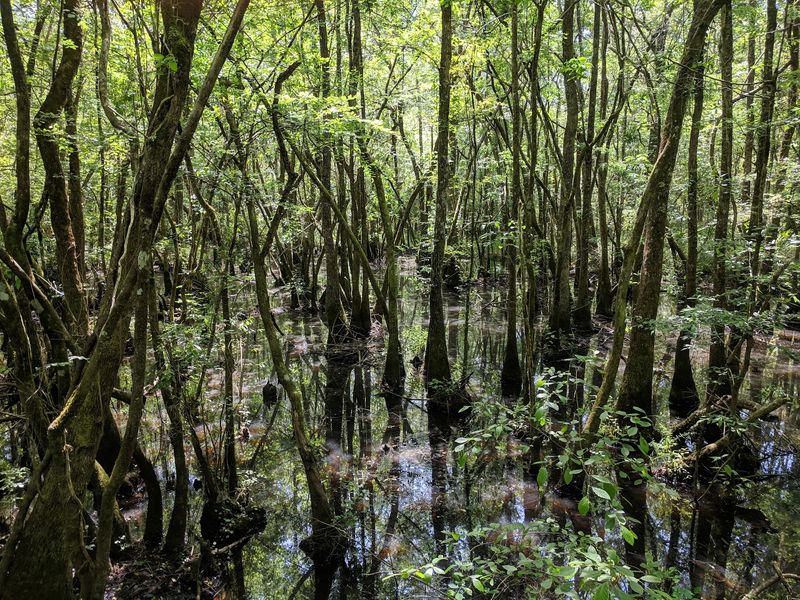
Gopher tortoises, a wide lake, and pine flatwoods make this southern park a quiet favorite. Its climate also supports tick activity nearly every month.
Located in the lower part of the region, the area rarely gets cold enough to slow ticks down. High grass, brush, and woodland edges fill the trail system.
The park entrance is at 542 Reed Bingham Rd, Adel, GA 31620. The Coastal Plains Nature Trail loops through sandy soil, palmetto, and cypress lined shoreline.
Humidity does the heavy lifting here. Warm, moist air lets ticks stay near the surface of vegetation all day.
Boat ramps and picnic areas sit close to grassy edges. Even short walks between the parking lot and shoreline count.
Anglers standing in weedy banks should tuck pants into socks. Standing still is exactly what ticks hope for.
Repellent on shoes matters more than on your shirt. Ticks rarely land from above.
Wrap up your visit with a careful clothing check in the car park. It is the simplest habit that actually works.