Georgia’s Only Sea Turtle Hospital Lets You Step Into A World That Few Ever See
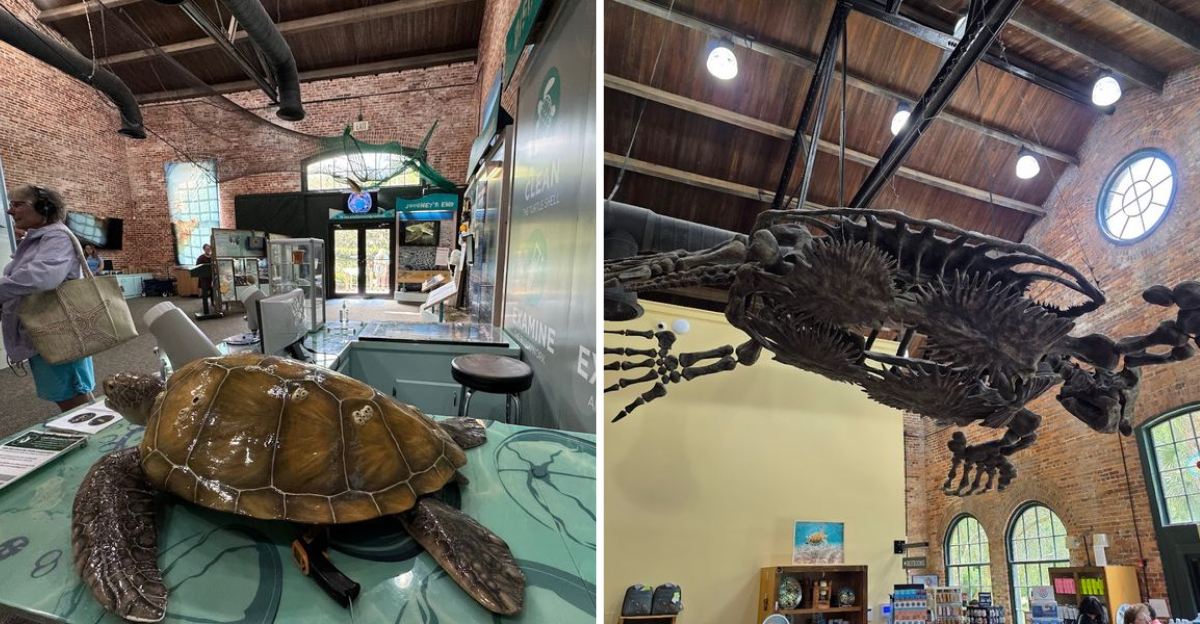
On the beautiful shores of Jekyll Island, one special place is dedicated to protecting some of the ocean’s most remarkable creatures. The Georgia Sea Turtle Center serves as the state’s only hospital focused entirely on the rescue and rehabilitation of sea turtles. Each year, injured and sick turtles are brought here to receive expert care with the goal of returning them safely to the wild.
Visitors quickly discover that the center is more than a hospital. It is also an educational experience that helps people understand the challenges sea turtles face in the ocean. Interactive exhibits, patient viewing areas, and passionate staff make every visit both inspiring and informative.
Families, wildlife lovers, and curious travelers all leave with a deeper appreciation for marine conservation. For anyone exploring Georgia’s coast, the Georgia Sea Turtle Center offers a meaningful stop that is both memorable and uplifting.
1. Interactive Exhibits That Bring Sea Turtle Science to Life
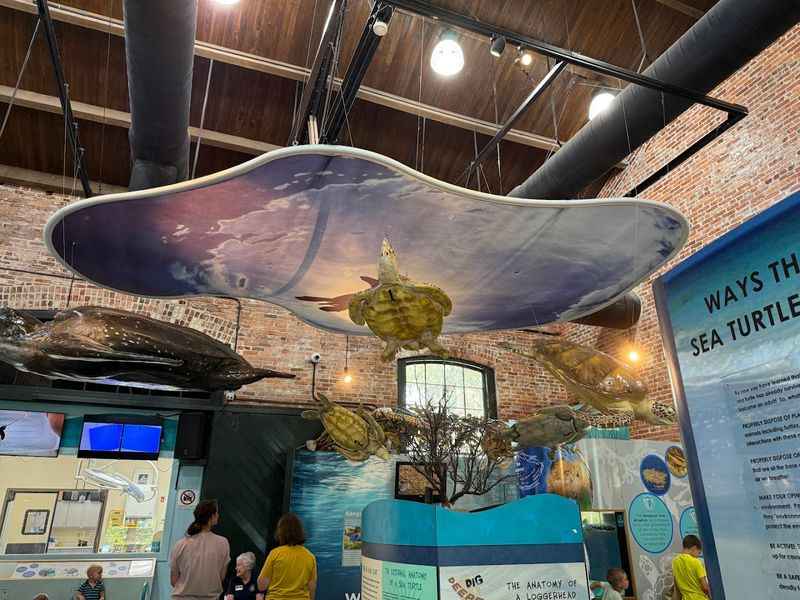
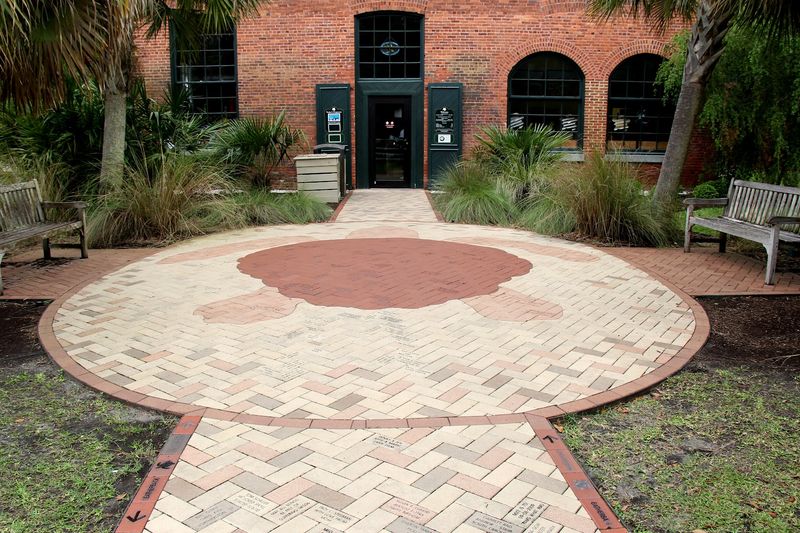
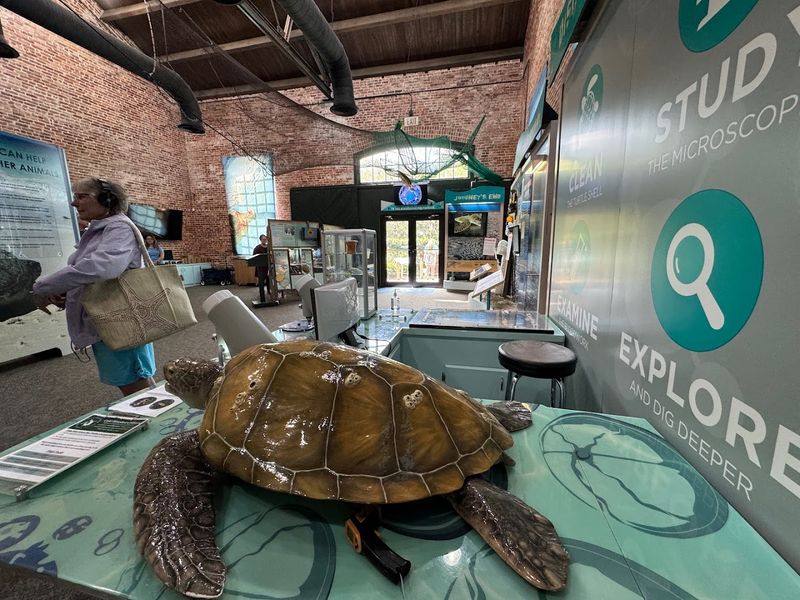
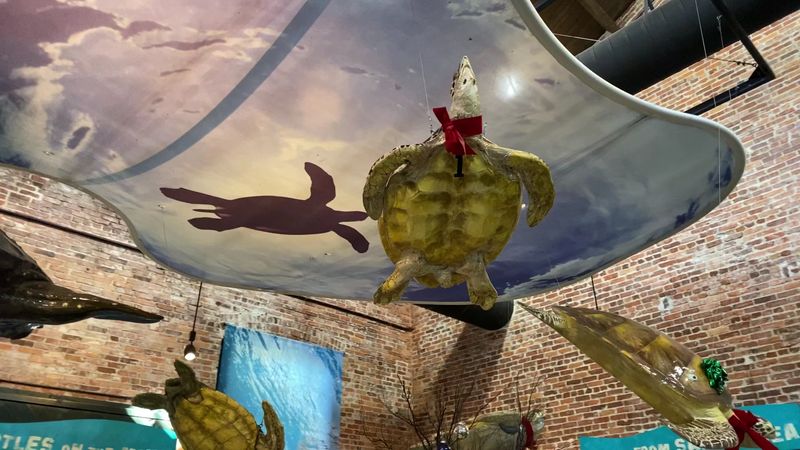
Walking through the exhibit hall at the Georgia Sea Turtle Center feels less like a museum visit and more like stepping into a living classroom. Located at 214 Stable Road, Jekyll Island, GA 31527, the center greets visitors with hands-on displays covering sea turtle biology, nesting behaviors, and the conservation challenges these ancient creatures face daily.
Each display panel is designed to be approachable and easy to understand, making it a great fit for younger visitors and adults alike. Touchable models, colorful graphics, and real scientific data work together to make complex topics feel accessible and genuinely exciting.
Spending time with these exhibits before heading deeper into the facility helps set the stage for everything else the center offers. Visitors often find themselves lingering longer than expected, especially around the interactive nesting behavior stations that show exactly how loggerhead turtles choose and prepare their nesting sites.
2. Rehabilitation Pavilion Where Recovery Happens Up Close
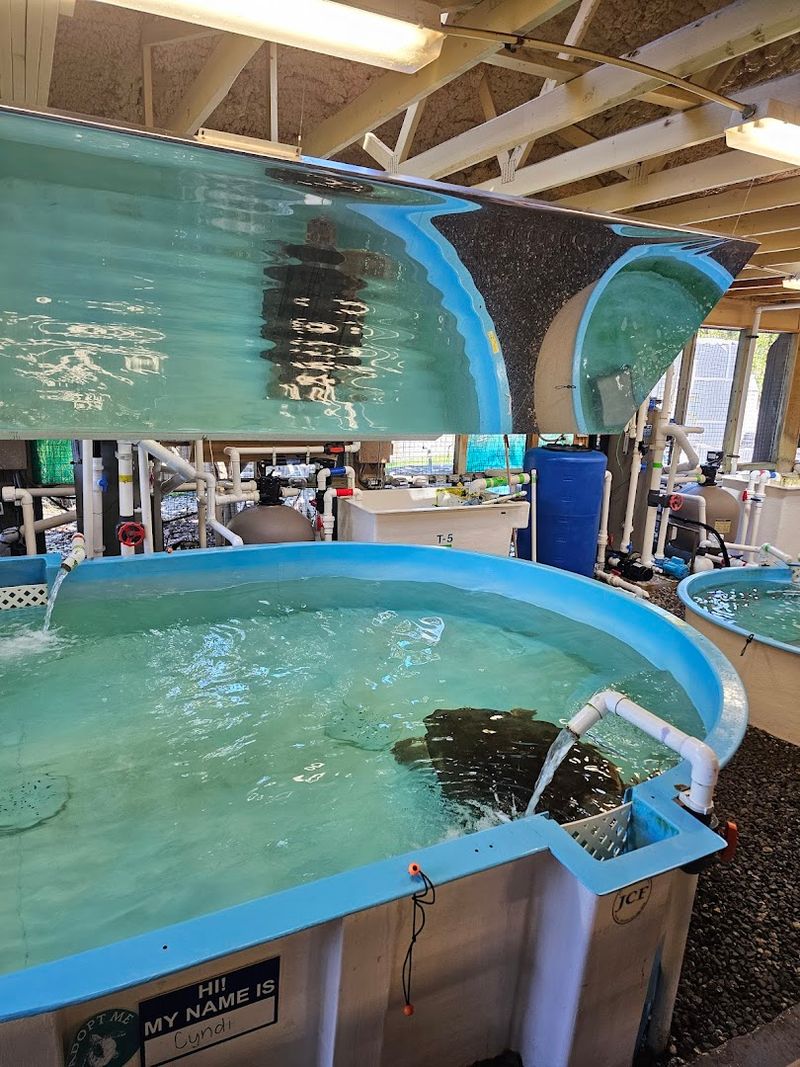
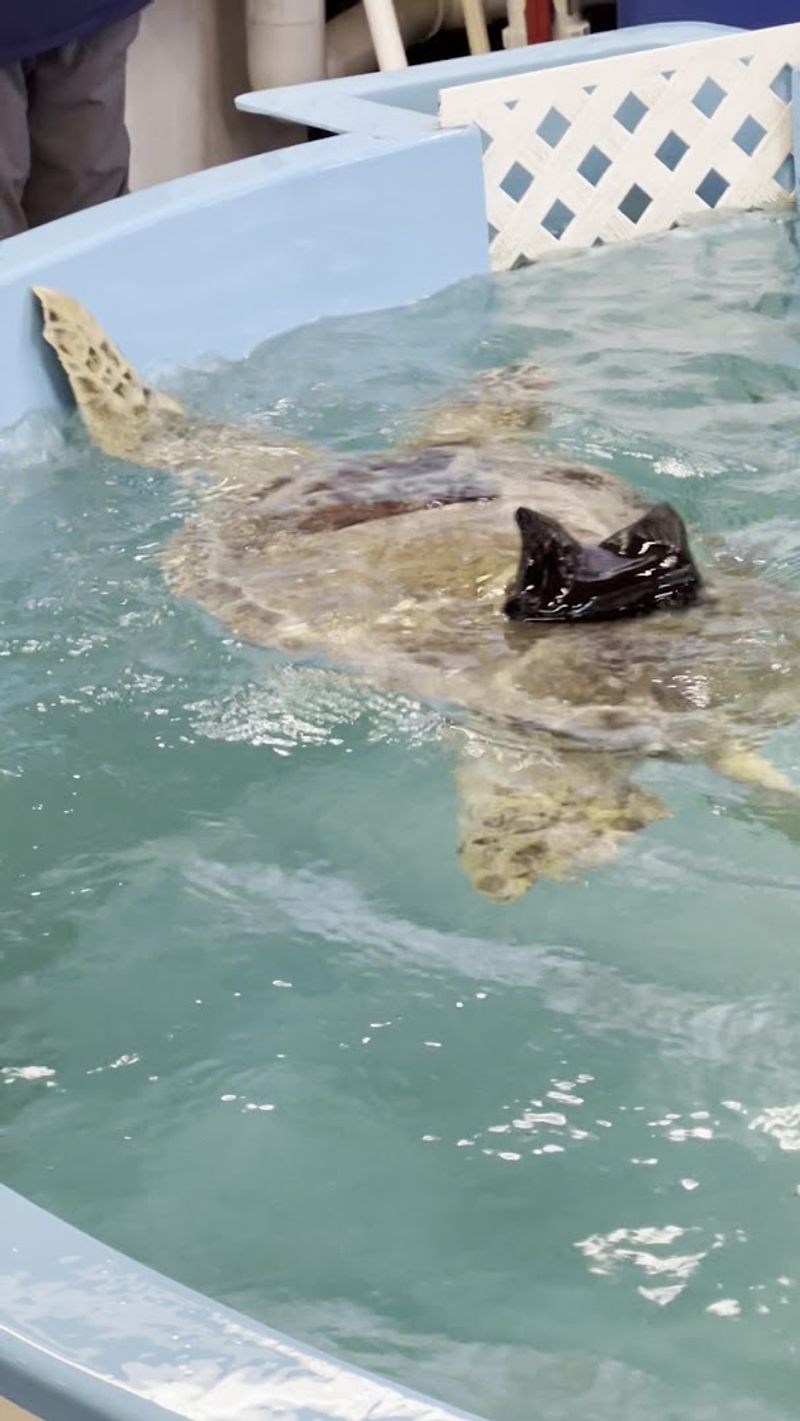
Not many places in the world let you stand just a few feet away from a recovering sea turtle, but the Rehabilitation Pavilion at the Georgia Sea Turtle Center makes that possible. The facility houses specially designed tanks where injured and ill turtles rest, heal, and slowly regain their strength under expert care.
Watching a turtle glide through its recovery tank carries a quiet kind of wonder that is hard to describe but easy to feel. Each animal in the pavilion has its own story, whether it was found entangled in fishing gear, struck by a boat, or weakened by cold-stunning during winter months.
Informational signs near each tank explain the turtle’s condition and progress, so visitors leave with real knowledge rather than just a pretty memory. It is one of the most honest and moving wildlife experiences available anywhere along Georgia’s coast.
3. Treatment Room Viewing That Reveals Veterinary Care in Action
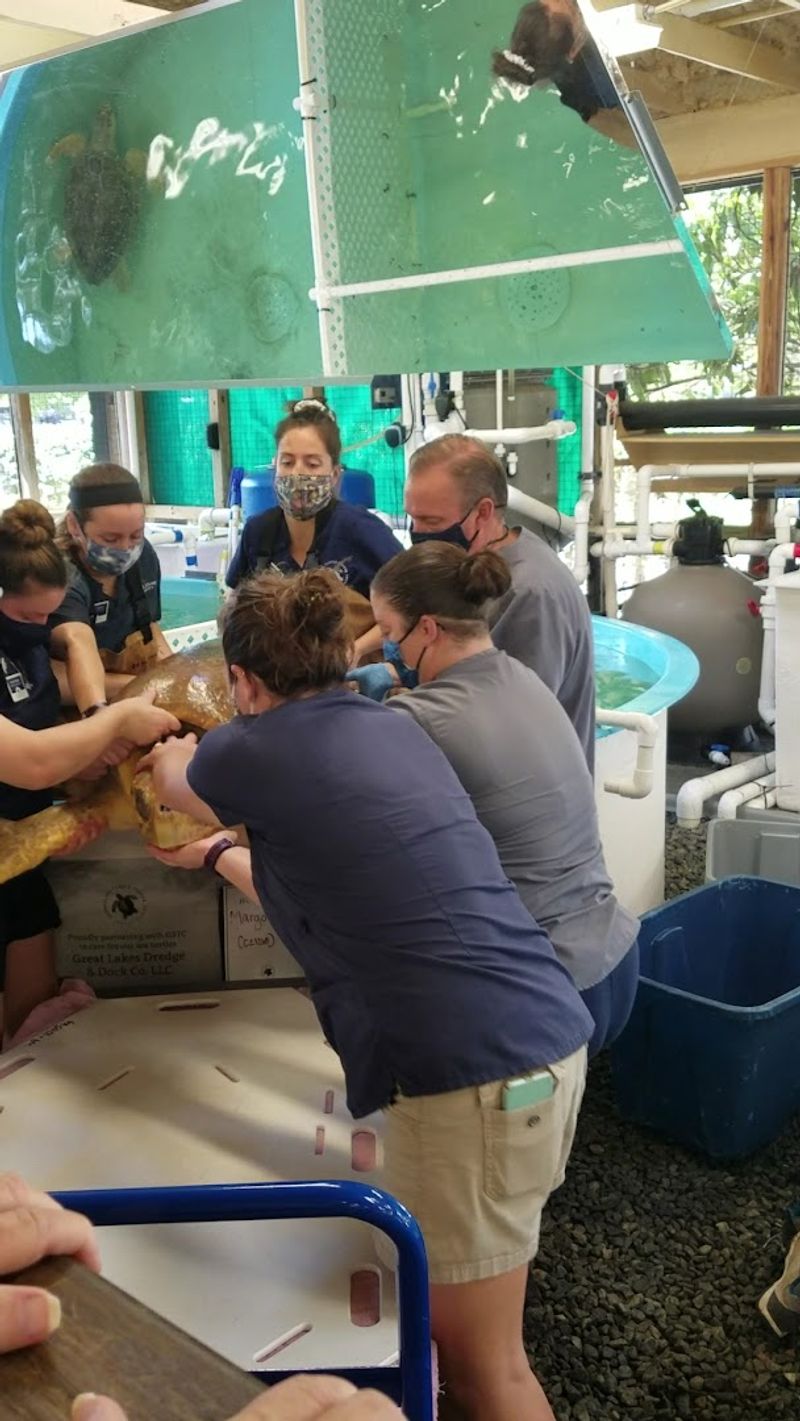
Peering through large observation windows into an active veterinary treatment room is not something most people ever get to do, and at the Georgia Sea Turtle Center it is part of the standard visitor experience. The center, schedules treatment sessions that visitors may observe, offering a transparent look at how marine animal medicine actually works.
Watching trained veterinarians and rehabilitators assess wounds, administer fluids, or perform minor procedures puts the scale of conservation work into sharp perspective. These are not demonstrations staged for tourists; they are genuine medical moments happening in real time.
Quiet observation is encouraged, and staff members are usually available nearby to answer questions about what is being done and why. For anyone curious about marine biology, veterinary science, or wildlife rehabilitation, this window into active care is easily one of the most compelling reasons to visit the center.
4. Educational Programs Including the Famous Turtle Walks
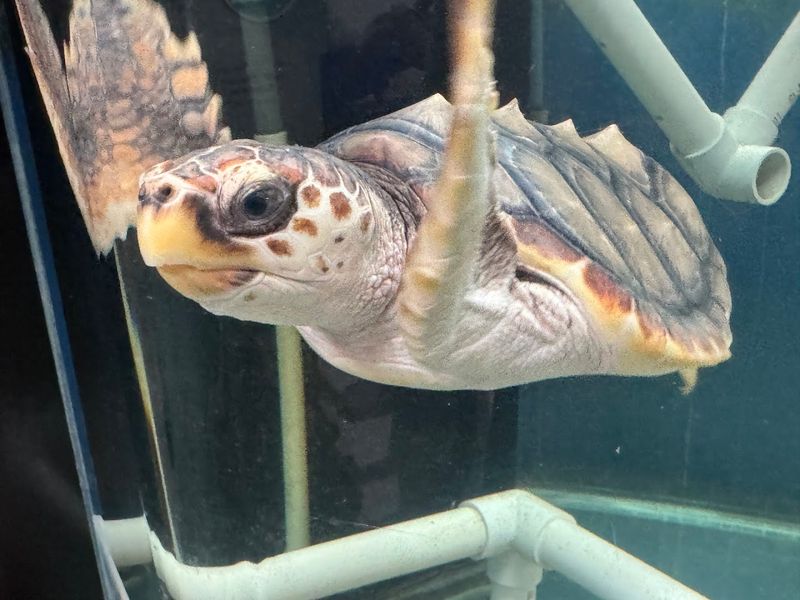
Some evenings on Jekyll Island carry a kind of magic that is hard to plan for, and the Turtle Walk program offered through the Georgia Sea Turtle Center is built entirely around one of those magical moments. Held seasonally these guided beach walks take participants out under the stars to learn about loggerhead nesting cycles and the conservation work protecting them.
Groups are kept intentionally small so that every participant gets a real connection to the experience rather than feeling lost in a crowd. Trained educators lead the walks, explaining how females return to the same beaches where they hatched, sometimes decades later, to lay their own eggs.
Reservations are strongly recommended since spots fill quickly, especially during peak nesting season between May and October. Comfortable walking shoes and insect repellent are simple but worthwhile preparations for an evening that many visitors describe as genuinely unforgettable.
5. Behind-the-Scenes Tours That Go Beyond the Public Areas
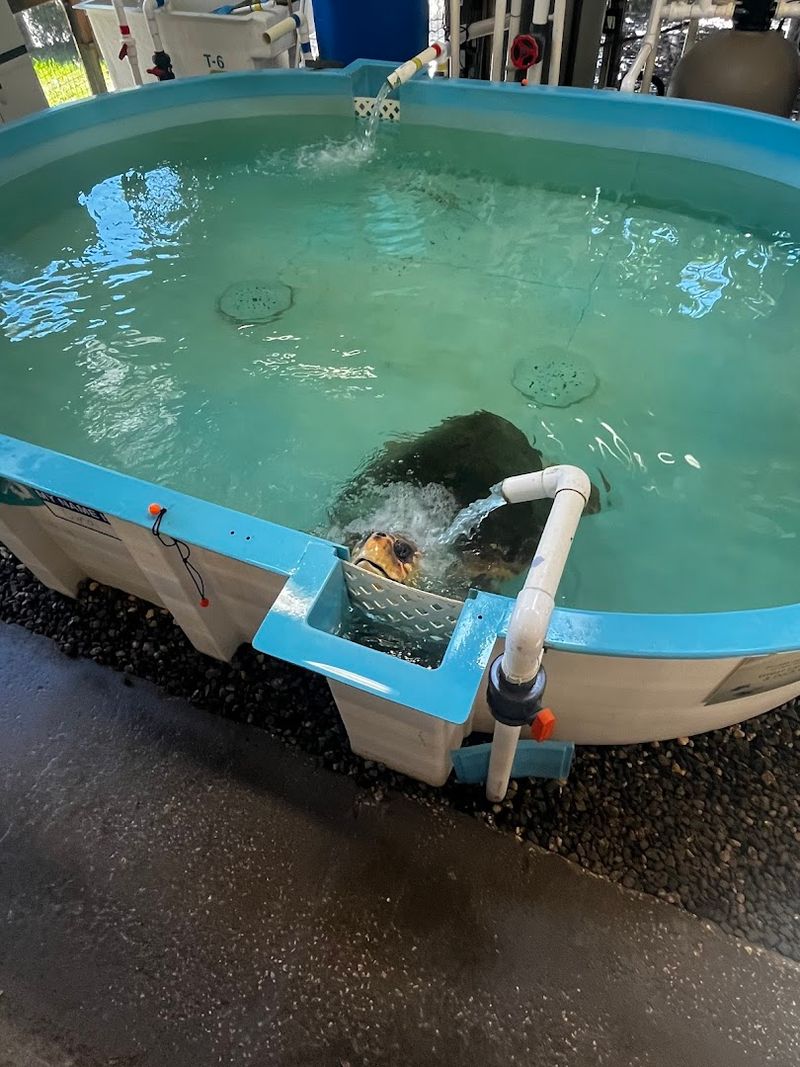
Most visitors see the public-facing side of the Georgia Sea Turtle Center, but the behind-the-scenes tours open doors that usually stay closed. The center offers guided tours that walk small groups through operational areas where daily care, feeding routines, and medical monitoring all take place away from the general exhibit floor.
These tours tend to run on a limited schedule, so checking availability in advance through the center’s official website is a practical first step before planning your visit. Guides share candid details about how the staff manages multiple patients at once, how diets are customized for each turtle’s recovery stage, and what a typical workday looks like for a marine animal rehabilitator.
For families with older kids or adults who want more than surface-level engagement, this tour format delivers real depth. The conversations that happen during these tours often spark lasting interest in marine conservation careers and environmental stewardship.
6. Diamondback Terrapin Conservation You Will Not Find Elsewhere
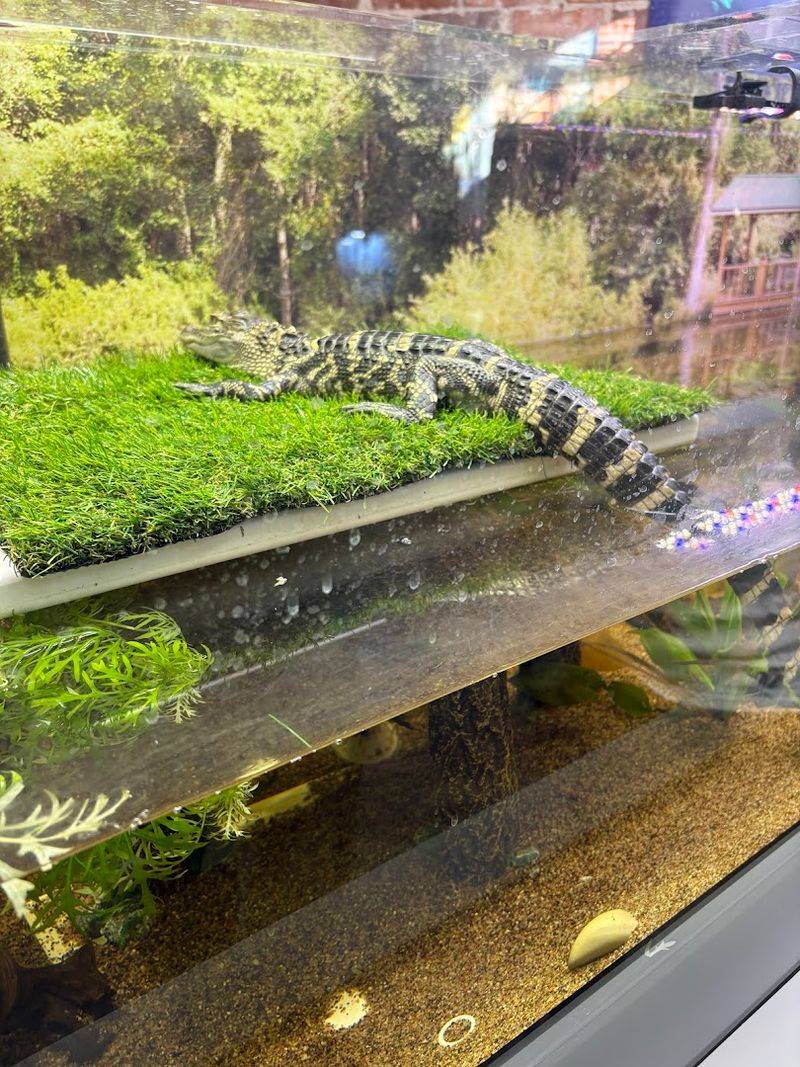
Most visitors arrive at the Georgia Sea Turtle Center expecting to see sea turtles, which makes the diamondback terrapin exhibit a genuinely pleasant surprise. The center maintains an active conservation program for this striking brackish-water turtle species that is native to Georgia’s coastal marshes and tidal creeks.
Diamondback terrapins face serious pressure from habitat loss, road mortality, and accidental capture in crab traps, making the center’s rehabilitation and research work on their behalf especially meaningful. Display areas explain the terrapin’s unique biology and its critical role in the health of Georgia’s salt marsh ecosystems.
Seeing a diamondback terrapin up close reveals just how visually distinctive the species is, with its patterned skin and sculpted shell unlike anything else in the region. Conservation-minded travelers will appreciate that this program extends the center’s mission well beyond sea turtles into the broader picture of Georgia coastal wildlife.
7. Sea Turtle Nesting Season Visits Between May and October
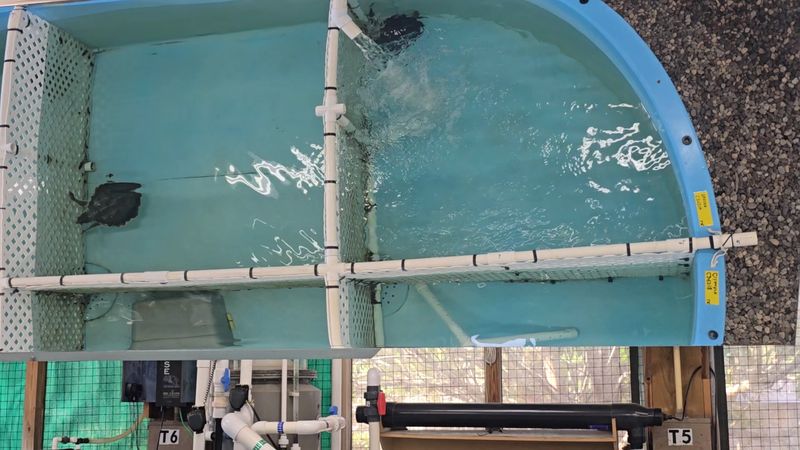
Timing a visit to Jekyll Island between May and October puts visitors right in the middle of one of nature’s most quietly dramatic seasonal events. The Georgia Sea Turtle Center, coordinates its programming around nesting season so guests have the best possible chance of connecting with live nesting activity along the beach.
Loggerhead sea turtles are the primary nesters on Jekyll Island, and the center’s staff monitors nest sites throughout the season to protect eggs from predators, erosion, and human disturbance. Early morning beach walks during this period sometimes reveal fresh tracks left overnight by nesting females, which is a thrilling sight even without seeing the turtle itself.
Visiting during nesting season adds a layer of urgency and excitement to the center’s exhibits and programs that feels different from an off-season trip. The staff’s energy during this time is noticeably elevated, and that enthusiasm is genuinely contagious.
8. Volunteer Opportunities for Hands-On Conservation Work
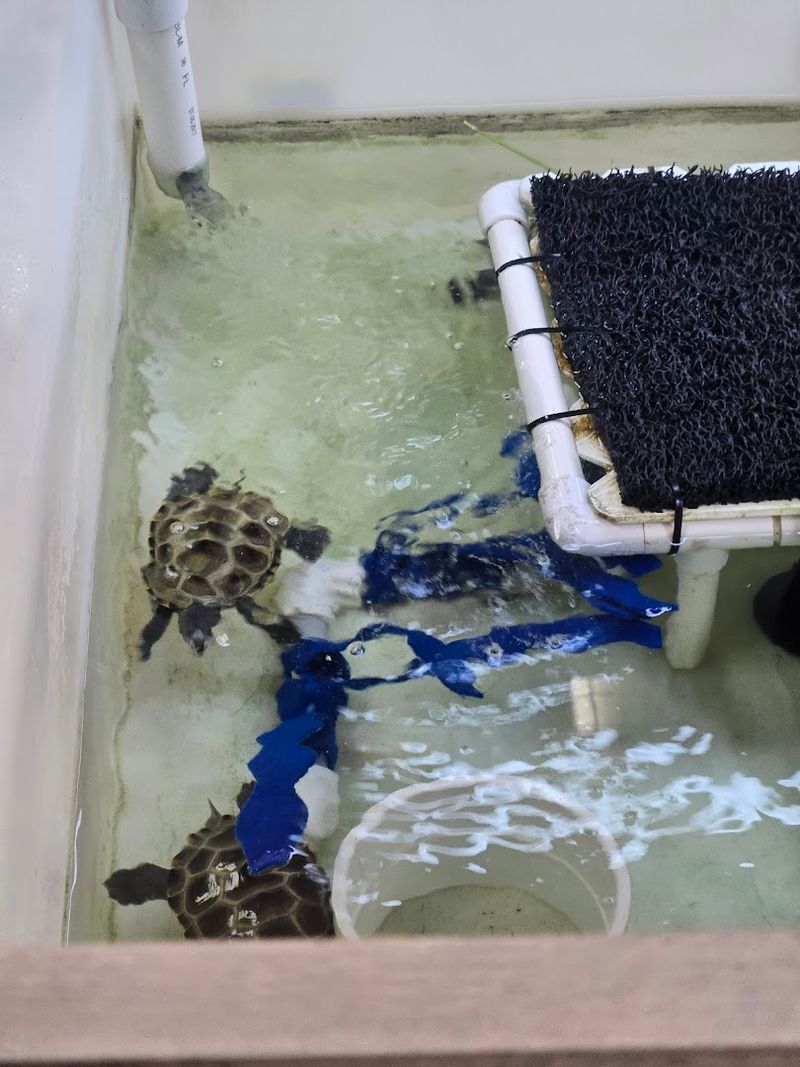
For those who want to do more than observe, the Georgia Sea Turtle Center offers structured volunteer opportunities that put participants directly into conservation work. The center welcomes volunteers in roles ranging from nest monitoring and beach surveying to assisting with public education programs during the busy summer season.
Volunteering here is not a passive experience. Participants learn real field techniques, contribute data that researchers actually use, and work alongside professionals who are deeply committed to their mission.
Minimum age requirements and application processes vary by program, so reaching out to the center well before a planned visit is the best approach for anyone seriously interested. Many past volunteers describe the experience as a turning point in how they think about coastal environments and the human impact on marine wildlife. Few other volunteer programs in Georgia offer this level of direct engagement with wild animals in a rehabilitation setting.
9. Educational Workshops Covering Marine Ecology And Conservation
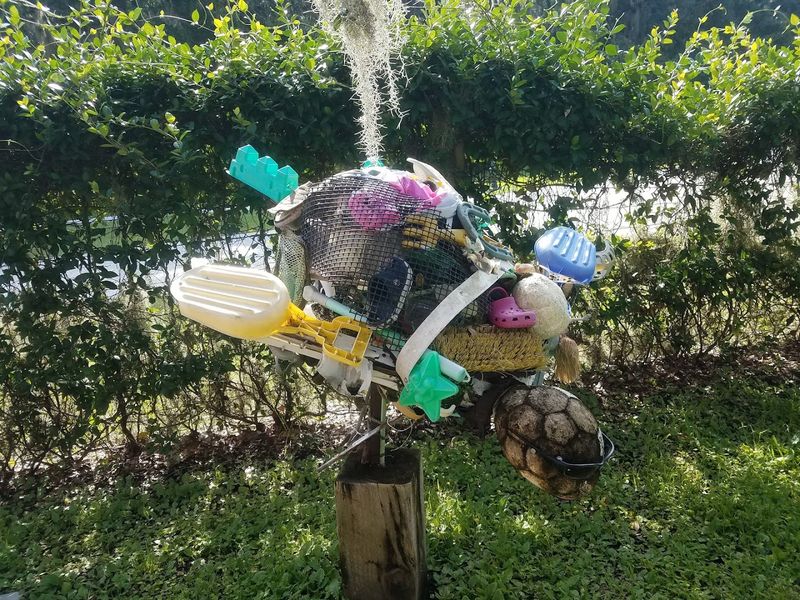
The workshop calendar at the Georgia Sea Turtle Center goes well beyond basic nature talks, covering topics like marine food webs, ocean pollution, and the specific legislative protections that govern sea turtle conservation in the United States. These workshops are designed for a range of age groups and knowledge levels, making them accessible to curious beginners and more seasoned nature enthusiasts alike.
Workshop formats vary across the season and may include indoor presentations, hands-on activities, and guided outdoor components depending on the topic and time of year. Checking the center’s official event calendar before arriving helps visitors plan around sessions that match their interests.
Groups, school classes, and families traveling with older children tend to get the most out of these structured sessions. The workshop instructors bring a practical, grounded approach to conservation education that avoids lecturing and instead invites genuine conversation and curiosity from participants.
10. Sea Turtle Tracker Program For Citizen Science Participation
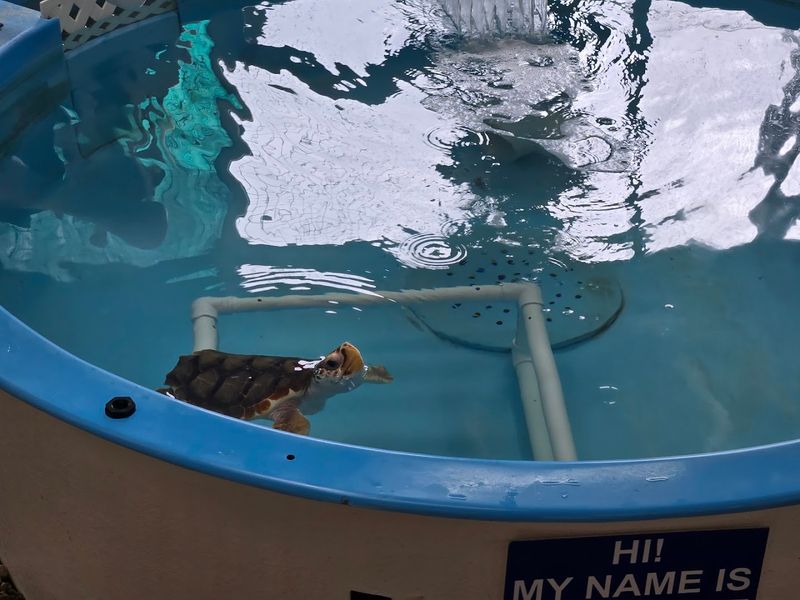
There is something uniquely satisfying about contributing real data to a scientific program, and the Sea Turtle Tracker initiative at the Georgia Sea Turtle Center gives everyday visitors exactly that opportunity. The program involves participants in monitoring sea turtle movements and nesting activities along the coast, generating information that feeds directly into ongoing research.
Participants learn how satellite tags and flipper tags are used to follow individual turtles across migration routes that can span hundreds or even thousands of miles. Understanding the scale of a sea turtle’s journey through data points on a map brings an entirely new dimension to the center’s conservation mission.
Even visitors who spend only a single afternoon engaging with the tracker program leave with a clearer picture of why protecting nesting beaches and open ocean habitats matters so much. This kind of citizen science engagement is rare, meaningful, and genuinely fun for participants of most ages.
11. Adopt-a-Turtle Program That Keeps You Connected After Your Visit
Leaving Jekyll Island does not have to mean losing your connection to the sea turtles you just spent time learning about. The Adopt-a-Turtle program lets supporters symbolically adopt a patient and receive regular updates on that turtle’s rehabilitation progress and eventual release.
Adoption packages typically include information about the specific turtle, its rescue story, and details about the injuries or conditions being treated. For families with children, following a turtle’s recovery from home adds a continuing chapter to the story that started during the visit.
The adoption fee directly supports the center’s ongoing care and operational costs, making it a meaningful way to contribute beyond the standard admission. It also makes a genuinely thoughtful gift for anyone who loves wildlife, the ocean, or Georgia’s coastal environment. Many adopters say receiving the first update email after their visit is one of the most rewarding parts of the whole experience.
12. Beach Ecology Walks That Reveal The Coastal Ecosystem
Jekyll Island’s beaches hold far more ecological complexity than a casual stroll might suggest, and the guided Beach Ecology Walks offered through the Georgia Sea Turtle Center are designed to make that complexity visible. Departing from the center these walks cover the connections between dune vegetation, shorebirds, invertebrates, and sea turtles within a single coastal ecosystem.
Naturalist guides point out details that most visitors walk right past, from ghost crab burrows in the upper beach to the subtle signs of recent turtle activity near the dune line. The walks tend to move at a relaxed pace, making them comfortable for visitors of varying fitness levels.
Morning timing is often recommended for these walks since temperatures are cooler and wildlife activity tends to be higher before midday. Understanding how sea turtles fit into the broader coastal food web makes the experience at the rehabilitation center feel even more connected and purposeful.
13. Sea Turtle Nest Excavation For Real Scientific Insight
After a sea turtle nest hatches, the real scientific work is just beginning, and the nest excavation program at the Georgia Sea Turtle Center invites visitors into that process. Operating out of the excavation program carefully uncovers recently hatched nests to count egg shells, assess hatchling success rates, and recover any late hatchlings that may still need assistance reaching the water.
The data collected from each excavation contributes to long-term population research that helps scientists understand how Georgia’s loggerhead nesting population is faring over time. Watching trained staff work through a nest with systematic care and scientific precision turns what might seem like a simple beach activity into a genuinely rigorous research moment.
Witnessing a late hatchling being safely guided toward the ocean during an excavation is one of those experiences that visitors talk about for years. It is a small moment with enormous emotional weight and real conservation value behind every step.
14. Gift Shop Stocked With Conservation-Supporting Souvenirs
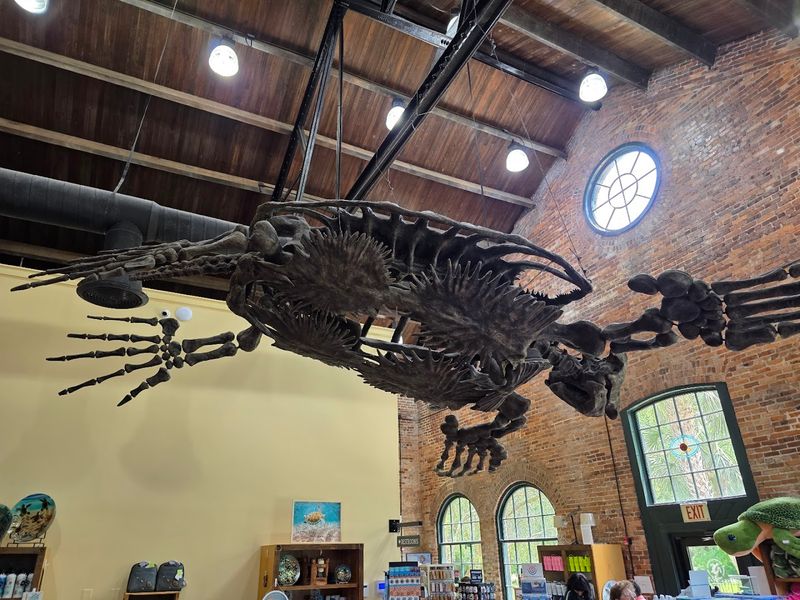
A gift shop might not sound like a headline reason to visit a wildlife center, but the one at the Georgia Sea Turtle Center earns its place on this list. Tucked inside the facility the shop carries a well-curated mix of sea turtle themed merchandise, educational books, field guides, plush animals, and apparel, with a solid portion of proceeds supporting the center’s rehabilitation work.
Shopping here feels purposeful in a way that typical souvenir stores do not, because every purchase has a direct connection to animal care and conservation programming. Items range from small and affordable to more substantial keepsakes worth bringing home for a serious nature enthusiast.
Children tend to gravitate toward the plush sea turtles and activity books, while adults often find the field guides and conservation-focused reading selections genuinely useful. It is a low-key but satisfying final stop before heading back out into the Jekyll Island sunshine.
15. Supporting Conservation Simply by Choosing To Visit
Sometimes the most powerful thing a traveler can do is simply show up, and a visit to the Georgia Sea Turtle Center carries genuine conservation weight beyond the personal experience. Admission fees collected fund veterinary care, staff salaries, equipment maintenance, and research programs that keep the center running through every season of the year.
Georgia’s coastline supports one of the most active loggerhead nesting populations on the entire East Coast of the United States, and the center’s work plays a measurable role in sustaining that population. Every dollar spent at the facility, whether on admission, a workshop, an adoption, or a gift shop purchase, flows back into direct animal care.
Choosing conservation-focused destinations over passive entertainment options is one of the clearest ways travelers can align their spending with their values. The Georgia Sea Turtle Center makes that choice easy, meaningful, and genuinely enjoyable from the first exhibit to the last farewell wave goodbye to a rehabilitating turtle.