11 Gorgeous Northern California Day Trips You Can Take For Under $65
A good day trip should leave you with photos, a full camera roll, and enough money left for dinner.
These Northern California escapes keep the scenery high and the spending relatively low.
Think coastal walks, redwood trails, lakefront afternoons, and roadside stops that do not require a luxury-travel budget.
Many of the best moments are free once you arrive. The rest may involve parking, admission, fuel, or one snack that suddenly becomes lunch.
Costs will depend on where the drive begins and how enthusiastically everyone approaches the café counter.
Carpooling helps, packed lunches stretch the budget, and checking current entrance fees before leaving prevents unpleasant surprises.
No overnight bag is necessary. Leave after breakfast, wander somewhere beautiful, and return home before the trip starts generating hotel charges and complicated group texts.
1. Point Reyes National Seashore (Marin County)
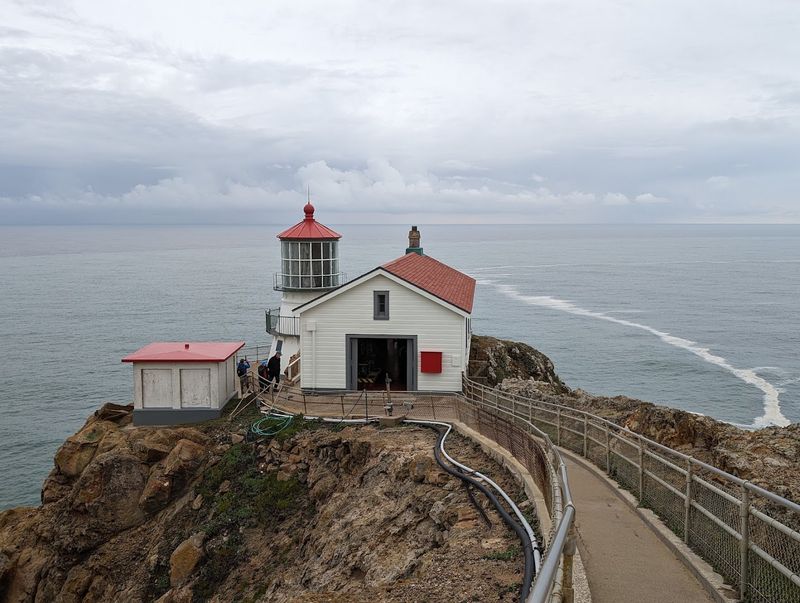
Few places along the California coast feel as expansive and unhurried as Point Reyes National Seashore, where open grasslands roll toward dramatic ocean bluffs and wildlife roams freely within sight of the trail.
Entry to the park is free, and parking at trailheads and visitor centers costs nothing for day-use visitors. That combination alone makes it one of the most accessible natural escapes in the Bay Area.
The Bear Valley Visitor Center, located at 1 Bear Valley Rd, Point Reyes Station, CA 94956, serves as the best starting point and offers maps, exhibits, and trail guidance.
From there, the Bear Valley Trail stretches through forested terrain and opens into Divide Meadow, a peaceful clearing that rewards even a short walk.
Drakes Beach and Limantour Beach are both worth visiting for their quieter atmosphere and sweeping views.
Summers tend to be foggy and cool near the point, so layering up is always a smart move regardless of the forecast.
Weekends draw larger crowds, particularly during whale watching season from December through March. Arriving early on busy days helps secure parking and gives more time to explore before the trails fill up.
2. Armstrong Redwoods State Natural Reserve (Guerneville)
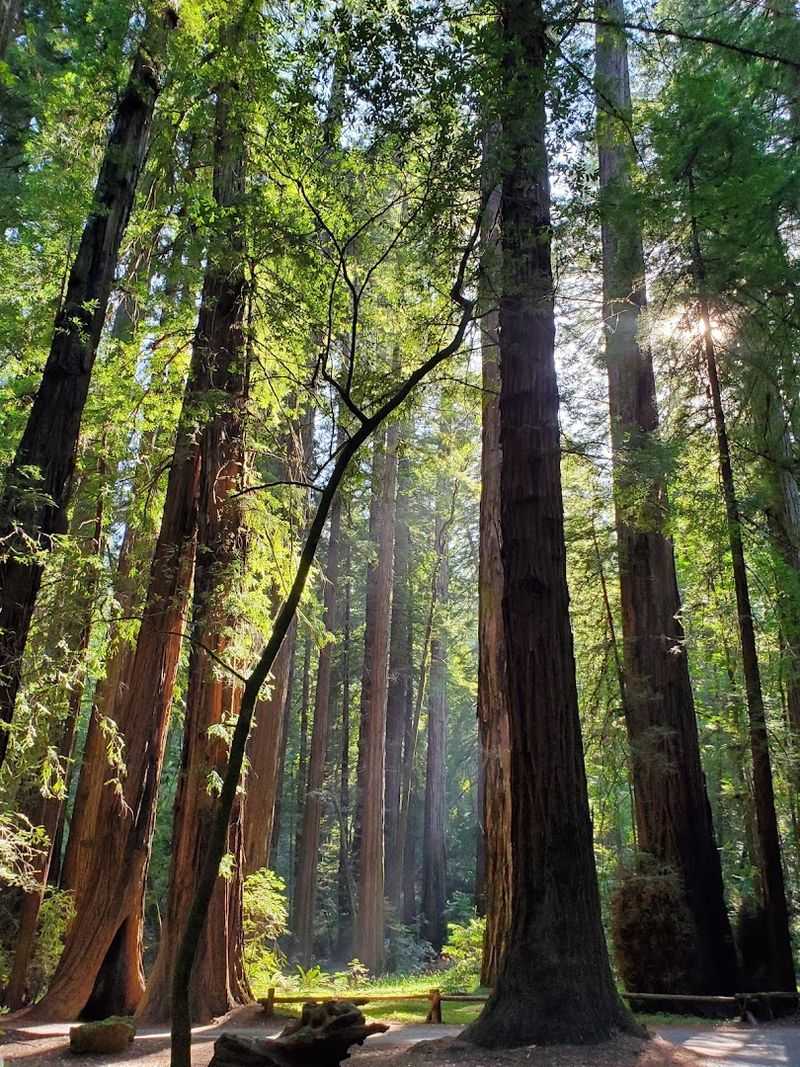
Standing beneath a 1,400-year-old redwood tree has a way of making everyday worries feel very small.
Armstrong Redwoods State Natural Reserve near Guerneville is home to some of the tallest and oldest coastal redwoods in the region, and a day spent walking its shaded trails tends to leave visitors feeling noticeably calmer.
The forest floor is soft and quiet, with ferns lining the path and birdsong echoing through the canopy.
Day-use parking costs $10 per vehicle, which keeps the total trip well under the $65 budget even after factoring in gas and a packed lunch. The main loop trail is relatively flat and easy to walk, making it accessible for a wide range of ages and fitness levels.
Longer trails branch off into the adjacent Austin Creek State Recreation Area for those seeking more elevation and solitude.
The reserve sits just outside the small town of Guerneville along Armstrong Woods Road, and the drive in is pleasant and shaded. Weekday visits tend to feel quieter and more personal, while summer weekends can bring more foot traffic.
Bringing water and a light jacket is always a good idea, as temperatures under the canopy run noticeably cooler than in the surrounding area.
3. Mount Tamalpais State Park (Marin County)
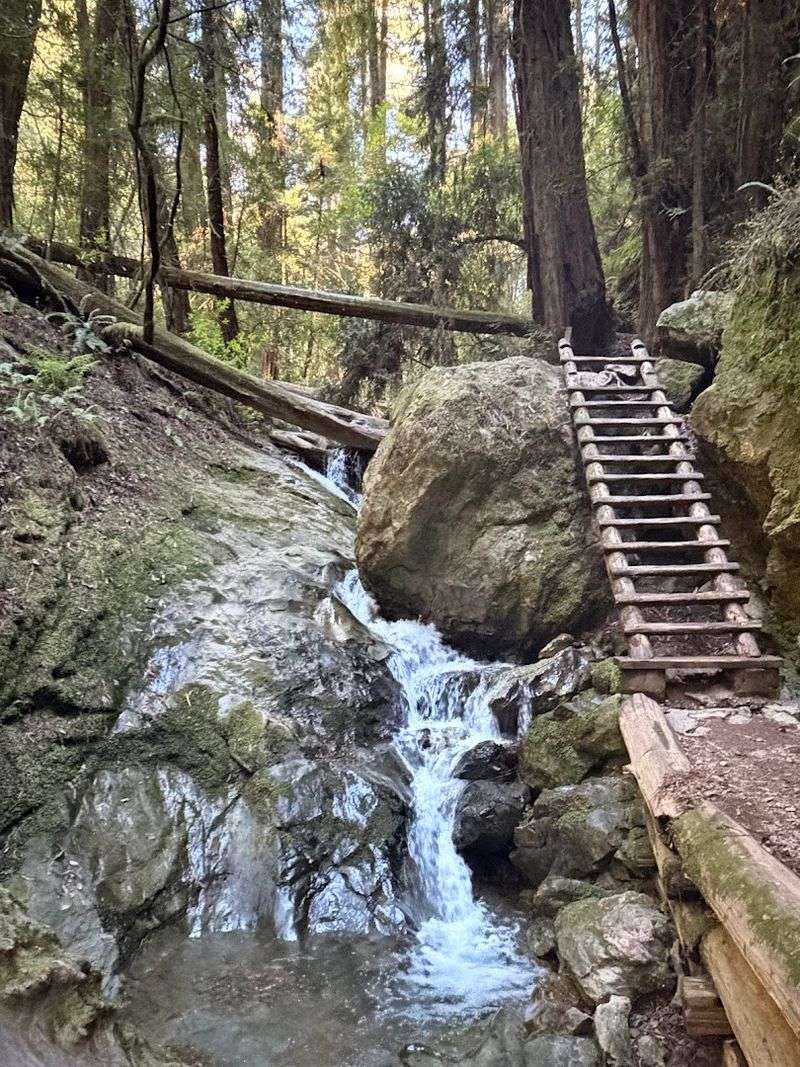
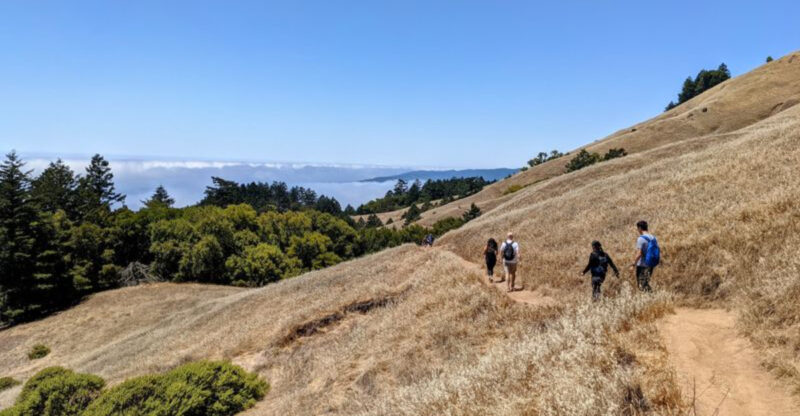
On a clear day, the summit of Mount Tamalpais offers one of the most jaw-dropping panoramas in all of Northern California, with views stretching from the San Francisco Bay to the Pacific Ocean and beyond.
Known locally as Mount Tam, this beloved Marin County landmark draws hikers, cyclists, and casual visitors who come for the views and often stay longer than planned.
The park has an extensive trail network ranging from easy fire roads to more challenging single-track paths through redwood groves.
Parking at the East Peak summit area costs around $8 per vehicle, keeping the day well within budget.
The Panoramic Highway winds through the park and offers several pull-off points where the scenery alone justifies the drive.
Trails like the Matt Davis and Dipsea routes are popular for their forest atmosphere and ocean glimpses.
Spring and fall tend to bring the clearest skies, making those seasons ideal for summit visits. Summer fog is common and can roll in quickly, sometimes obscuring the views entirely by midday.
Starting the hike early in the morning gives the best chance of clear conditions and also avoids the afternoon crowds that gather near the summit on weekends.
4. Lake Berryessa (Napa County)
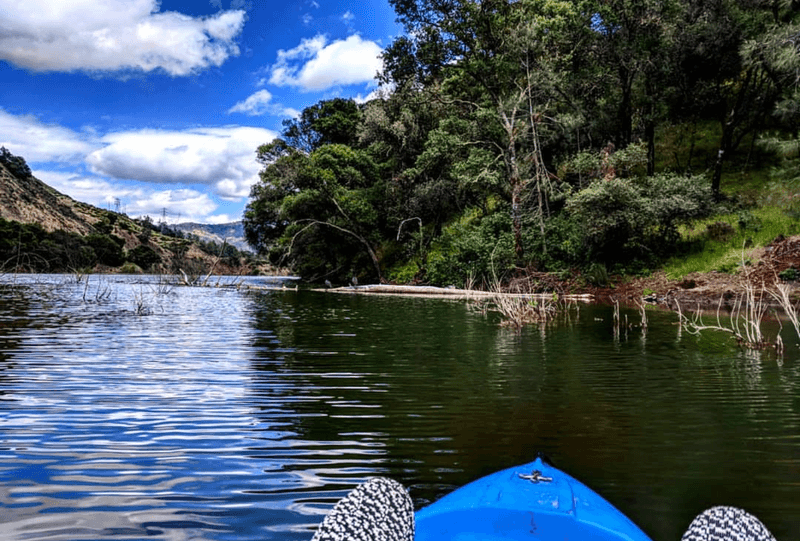
In the eastern hills of Napa County, Lake Berryessa is a large reservoir that offers a completely different experience from the wine-country scenery most people associate with the region.
The lake stretches nearly 25 miles long and is surrounded by oak-covered hillsides that turn golden in summer and rich green after winter rains.
Day-use access through the Berryessa Snow Mountain National Monument area can be free or low-cost depending on the entry point chosen.
Swimming, kayaking, fishing, and hiking are all popular activities here, and the lake’s calm coves tend to be warmer and calmer than the ocean beaches to the west.
Monticello Dam, which creates the lake, is visible from several shoreline vantage points and adds an interesting structural element to the otherwise natural landscape.
Birdwatching is also rewarding, as osprey, eagles, and great blue herons are commonly spotted along the water’s edge.
Summer weekends draw families and boaters, so arriving early helps secure a good spot along the shoreline.
Spring is particularly scenic when the surrounding hills are lush and the wildflowers are in bloom.
Bringing a cooler with food and drinks is practical here, as amenities near the lake are limited and the nearest towns require a short drive.
5. Calaveras Big Trees State Park (Arnold)
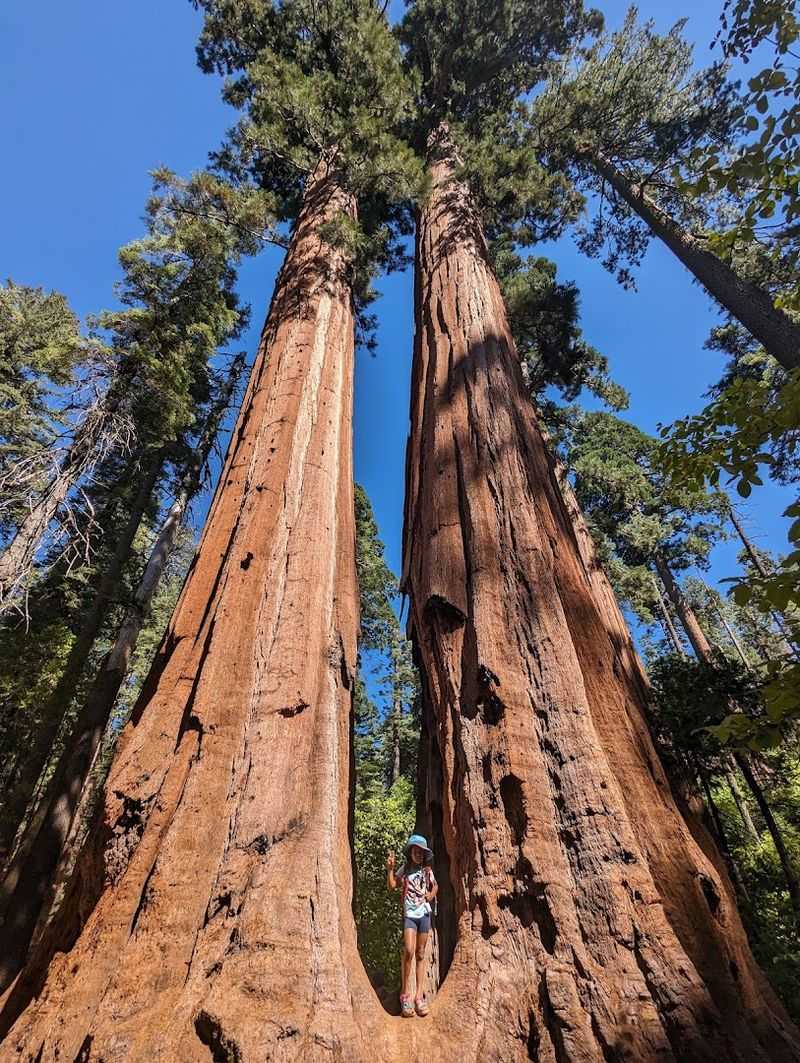
Giant sequoias are among the largest living things on Earth, and Calaveras Big Trees State Park near Arnold is one of the most accessible places in Northern California to stand beside them.
The North Grove trail is a gentle 1.5-mile loop that winds past dozens of enormous sequoias, including the famous Discovery Tree stump, which was controversially felled in the 1850s and is now large enough to serve as an outdoor dance floor.
The sheer scale of these trees tends to stop visitors mid-step.
Day-use parking costs $10 per vehicle, and the trail system is well-maintained and easy to navigate for most ages.
The South Grove, which requires a longer hike of about 5 miles round trip, is less visited and rewards those willing to put in the extra effort with a quieter and more immersive experience among the giants.
A small visitor center near the entrance provides background on the park’s ecology and history.
Located along Highway 4 in the Sierra Nevada foothills, the park sits at around 4,700 feet in elevation, so temperatures are cooler than in the valley even during summer.
Snow is possible from late fall through early spring, and road conditions should be checked before visiting in winter months.
Fall brings a lovely color change to the surrounding deciduous trees, making it a particularly scenic time to visit.
6. Auburn State Recreation Area (Auburn)
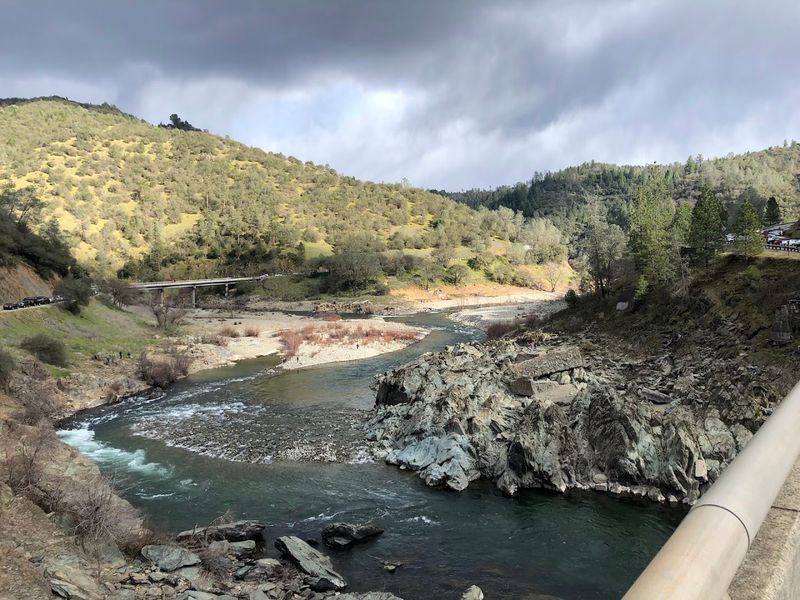
Gold Rush history and outdoor adventure come together in a surprisingly dramatic setting at Auburn State Recreation Area, where the North and Middle Forks of the American River carve deep canyons.
The landscape here is rugged and varied, with trails that drop steeply into river gorges and reward the effort with swimming holes, canyon views, and a genuine sense of remoteness just minutes from the town of Auburn.
Entry to the recreation area is free, which makes it an easy budget-friendly choice.
The trails range from flat riverside paths to steep canyon routes, and the Confluence area where the two river forks meet is a popular destination for swimming and picnicking during warmer months.
Mountain biking and trail running are also popular here, and the network of paths stretches for miles in both directions along the canyon walls.
The American River itself offers opportunities for gold panning, a nod to the area’s deep connection to the 1849 Gold Rush.
Summer temperatures in the canyon can climb well above 90 degrees Fahrenheit, so carrying plenty of water is essential.
Spring runoff makes the river run fast and cold, which is visually impressive but requires caution near the water’s edge.
Parking areas fill up quickly on summer weekends, especially near the river access points closest to town.
7. Empire Mine State Historic Park (Grass Valley)
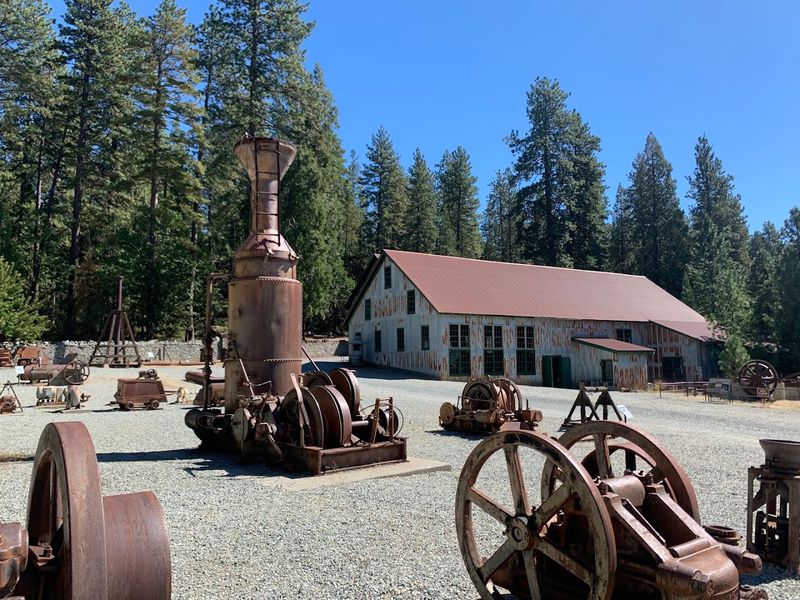
Hard-rock gold mining once dominated the Sierra Nevada foothills, and Empire Mine State Historic Park in Grass Valley preserves one of the most complete and historically significant examples of that era.
Operating from 1850 to 1956, the mine produced over 5.8 million ounces of gold during its lifetime, making it one of the oldest, largest, and richest gold mines in California history.
Walking through the park today feels like stepping into a working industrial landscape that simply stopped one day and was left in place.
The park is located at 10791 E Empire St, Grass Valley, CA 95945, and admission is $7 per adult, with reduced rates for children and free entry for those 17 and under.
The grounds include the mine yard with original equipment and structures, a formal cottage garden, and trails that wind through the surrounding pine forest.
Guided tours of the mine yard are offered on certain days and provide deeper context for what visitors are seeing.
The Bourn Cottage, a beautifully preserved mine owner’s residence, sits within the park and offers a striking contrast to the industrial machinery nearby.
Self-guided exploration is comfortable and unhurried, and the shaded trails make the park pleasant even on warmer days.
Checking the park’s current hours and tour schedule before visiting is recommended, as programming can vary by season.
8. Burney Falls at McArthur-Burney Falls Memorial State Park (Burney)
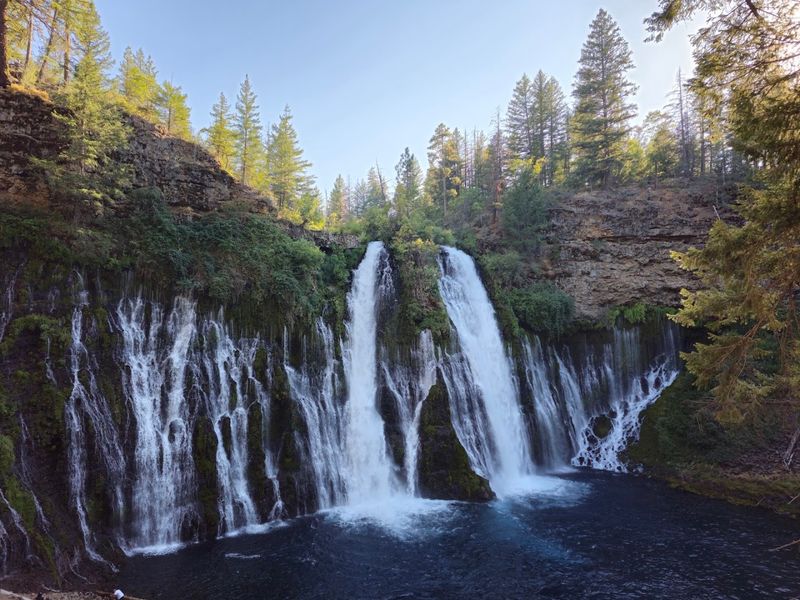
Described by Theodore Roosevelt as the eighth wonder of the world, Burney Falls is one of those natural spectacles that genuinely earns its reputation.
The waterfall drops 129 feet over a moss-covered volcanic cliff and feeds a brilliantly clear turquoise pool at its base, with additional springs seeping directly from the rock face on either side of the main cascade.
The result is a layered curtain of water that remains consistently powerful year-round, even during dry summer months when other falls slow to a trickle.
McArthur-Burney Falls Memorial State Park charges a day-use fee of $10 per vehicle, which keeps the visit comfortably under budget.
A short trail leads from the parking area down to the base of the falls, and a longer 1.2-mile loop circles the pool and climbs back up through the surrounding forest.
Located in Shasta County near the town of Burney, the park sits at about 3,000 feet in elevation, which keeps temperatures moderate even in midsummer.
Swimming is not permitted at the base of the falls, but the visual experience alone is worth the drive.
Arriving on a weekday morning tends to offer the quietest and most atmospheric visit, before tour groups and weekend crowds arrive.
9. Moss Landing and Elkhorn Slough (Monterey County)
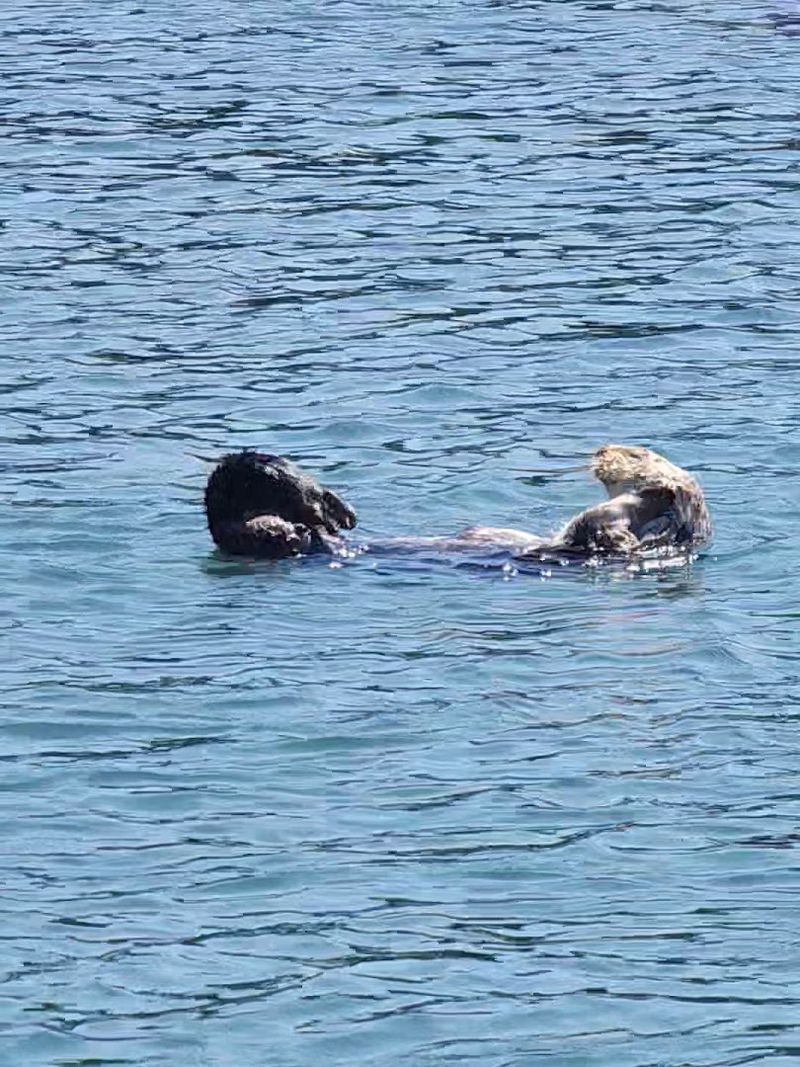
Elkhorn Slough is one of the largest remaining coastal wetlands in California, and the wildlife viewing here is consistently excellent without requiring any specialized gear or expertise.
Sea otters rafting in the calm estuary waters are practically guaranteed, and the surrounding marshes host egrets, herons, harbor seals, and an impressive variety of shorebirds.
The whole area carries a calm, unhurried energy that feels restorative.
The Elkhorn Slough National Estuarine Research Reserve offers guided kayak tours through the waterways, though those require advance booking and carry a fee.
For a free or low-cost experience, the Moss Landing State Beach and the harbor area provide good vantage points for spotting wildlife without entering the reserve itself.
The town of Moss Landing has a handful of small shops and a relaxed harbor atmosphere that is pleasant to wander through.
Kayak rentals from outfitters near the harbor typically run between $30 and $50 for a half-day, keeping the total trip within budget if other costs are kept minimal.
Morning visits tend to offer calmer water conditions and better light for watching wildlife.
The area sits roughly two hours south of San Francisco and about 45 minutes from San Jose, making it reachable from multiple starting points in the Bay Area.
10. Sonoma Plaza (Sonoma)
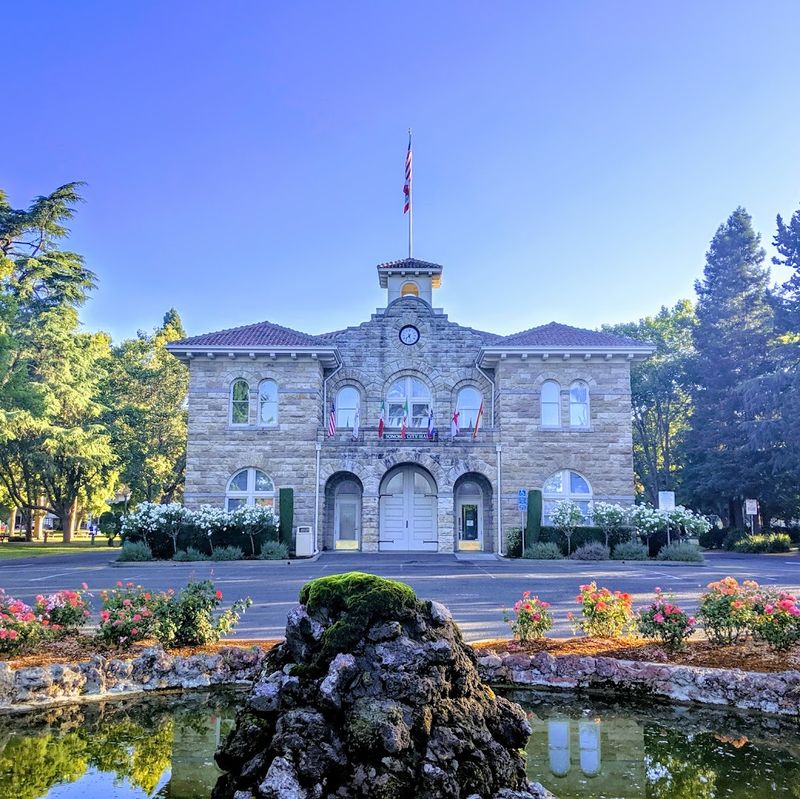
At the heart of the historic town of Sonoma sits a plaza that dates back to the Mexican colonial era, making it one of the largest historic town squares in California.
The eight-acre park is surrounded by adobe buildings, boutique shops, and restaurants, and the grounds themselves are pleasant for a leisurely walk or an afternoon picnic on the grass.
It is the kind of place that rewards slow exploration rather than a rushed visit.
The Sonoma State Historic Park encompasses several sites around and near the plaza, including the Sonoma Mission and the Sonoma Barracks, both of which charge modest entry fees that keep the total well under budget.
The mission, formally known as Mission San Francisco Solano, was the last and northernmost of the California missions and offers a quietly compelling look at early California history.
Farmers markets, seasonal events, and weekend gatherings often take place on the plaza, adding a lively community dimension to any visit.
The surrounding streets are walkable and lined with small businesses that reflect the town’s agricultural and cultural heritage.
Arriving mid-morning on a weekday tends to offer the most relaxed experience, as the plaza sees heavier foot traffic on weekend afternoons during warmer months.
11. Lassen Volcanic National Park (Mineral Entrance)
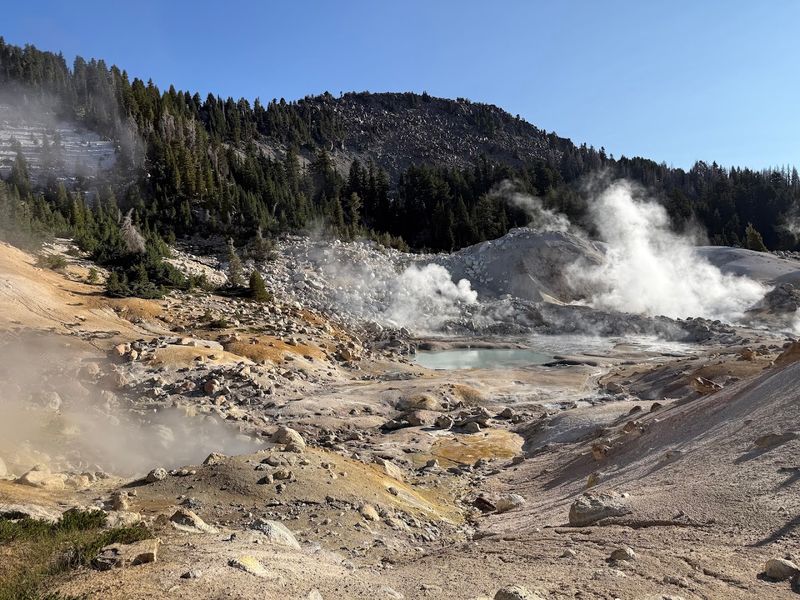
Active hydrothermal features, a dormant volcano that last erupted in 1915, and landscapes that look like something from another planet make Lassen Volcanic National Park one of the most unusual day-trip destinations.
Bumpass Hell, the park’s largest hydrothermal area, features boiling mud pots, steaming fumaroles, and vivid mineral-stained ground that creates a genuinely surreal visual experience.
A 3-mile round-trip trail leads to the area from a well-marked trailhead along the main park road.
The entrance fee for the park is $35 per vehicle for a seven-day pass, which keeps a solo or small-group visit comfortably within budget.
The Mineral entrance on the southwestern side of the park provides the most direct access to Bumpass Hell and several other popular stops along the Lassen Volcanic National Park Highway.
Manzanita Lake near the northwest entrance is another highlight, offering calm reflections of Lassen Peak and easy flat trails around its shoreline.
Snow can linger at higher elevations well into June, and the main park road typically opens fully by late spring or early summer depending on snowpack levels.
Checking road conditions through the National Park Service website before visiting is strongly recommended.
Summer days are warm and pleasant at lower elevations but can cool rapidly at altitude, so bringing layers is always a practical decision regardless of the morning forecast.