This Gorgeous State Park In Georgia Will Wash All Your Worries Away
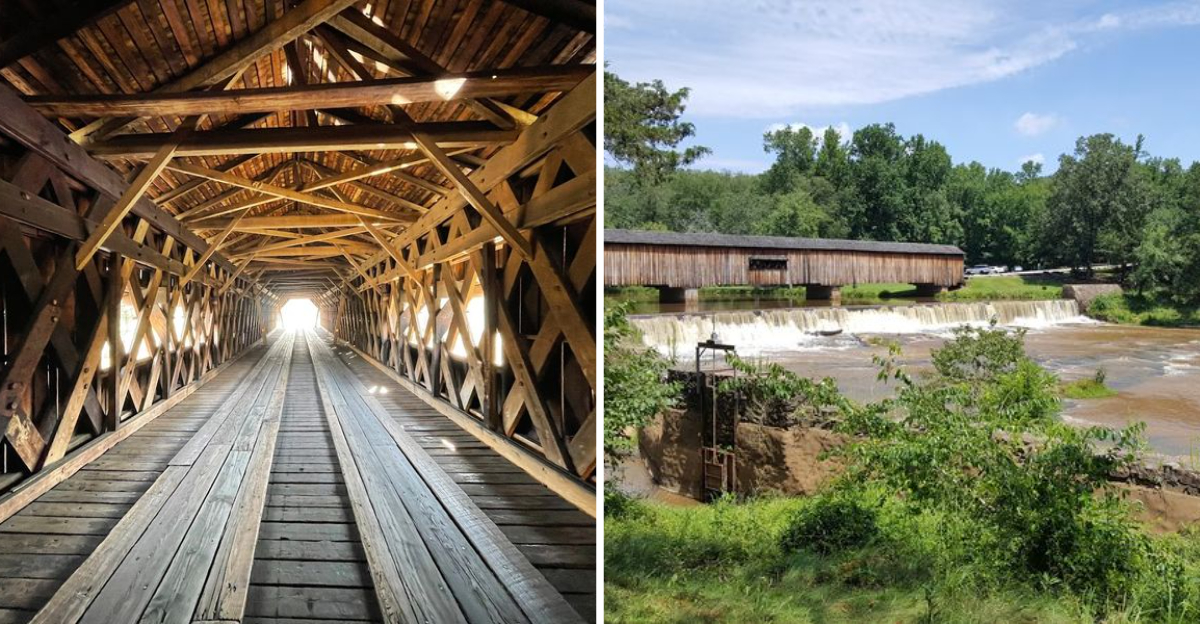
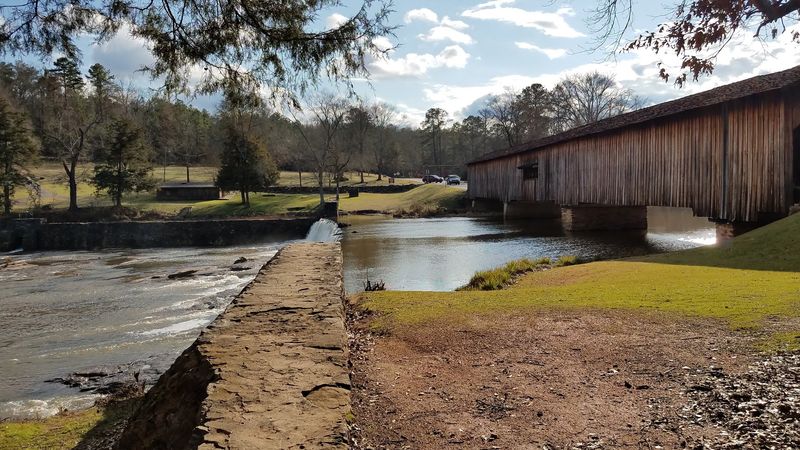
In the quiet countryside of northeast Georgia, one state park offers a peaceful retreat where nature and history come together. Watson Mill Bridge State Park, located near the small town of Comer, is best known for its impressive covered bridge that stretches across the gentle waters of the South Fork River.
As the longest covered bridge still standing in Georgia, it has become a beloved landmark that draws visitors from across the region. The calm river and surrounding woodlands create an atmosphere that invites people to slow down and enjoy the outdoors.
Visitors can spend the day hiking shaded trails, picnicking by the water, or exploring the open green spaces that make the park perfect for families. With campsites and scenic views throughout the property, Watson Mill Bridge State Park offers a relaxing escape for anyone looking to reconnect with nature.
1. Historic Watson Mill Covered Bridge
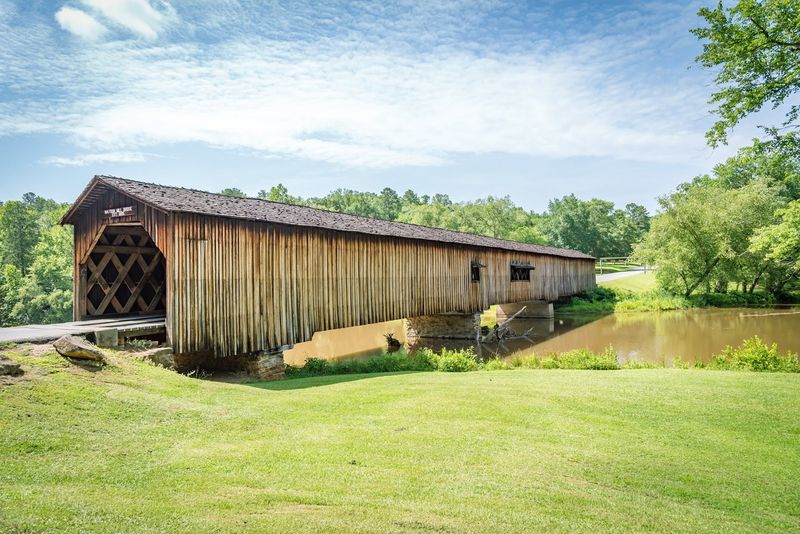
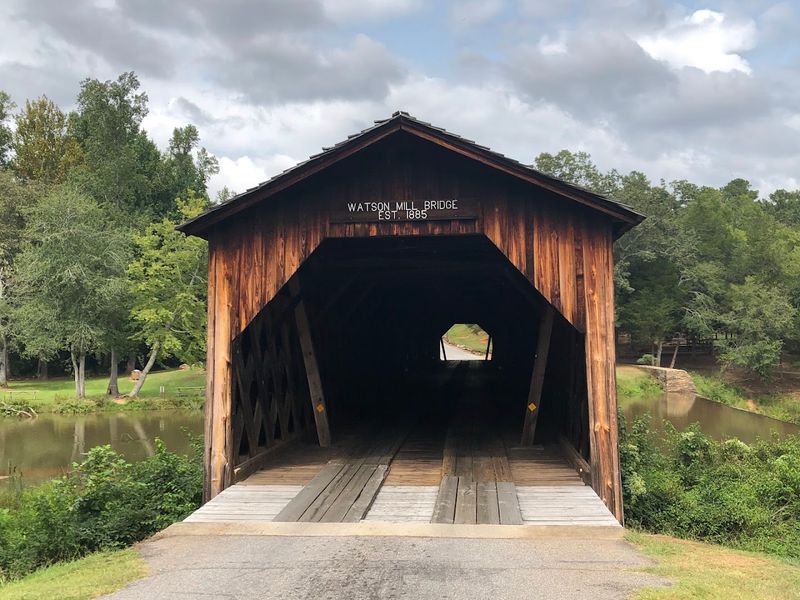
Standing 229 feet across the South Fork River, the Watson Mill Bridge is Georgia’s longest covered bridge still in active use, and just seeing it for the first time stops most visitors in their tracks. Watson Mill Bridge State Park, located at 650 Watson Mill Rd, Comer, GA 30629, is the proud home of this extraordinary structure. Built in 1885 by Washington W.W.
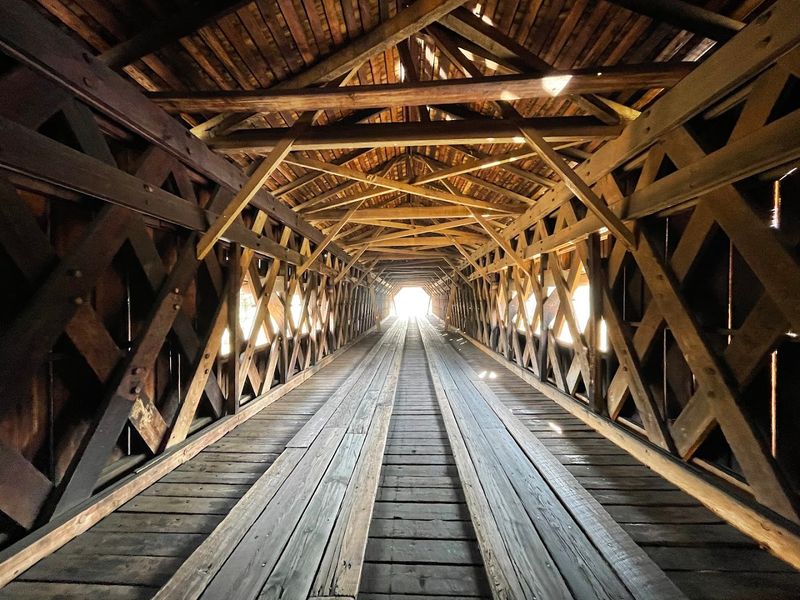
King, son of the legendary builder Horace King, the bridge uses a town lattice truss system held together with wooden pegs rather than nails.
Walking across the bridge feels like stepping into a different century. The worn wooden planks creak softly underfoot, and the river below catches the light in a way that makes the whole scene feel almost cinematic. Historians and casual visitors alike find it equally captivating.
Photography enthusiasts especially love the bridge at golden hour, when warm light pours through the open sides and reflects off the water. It is genuinely one of Georgia’s most photogenic landmarks.
2. Scenic Hiking Trails Through Dense Forest
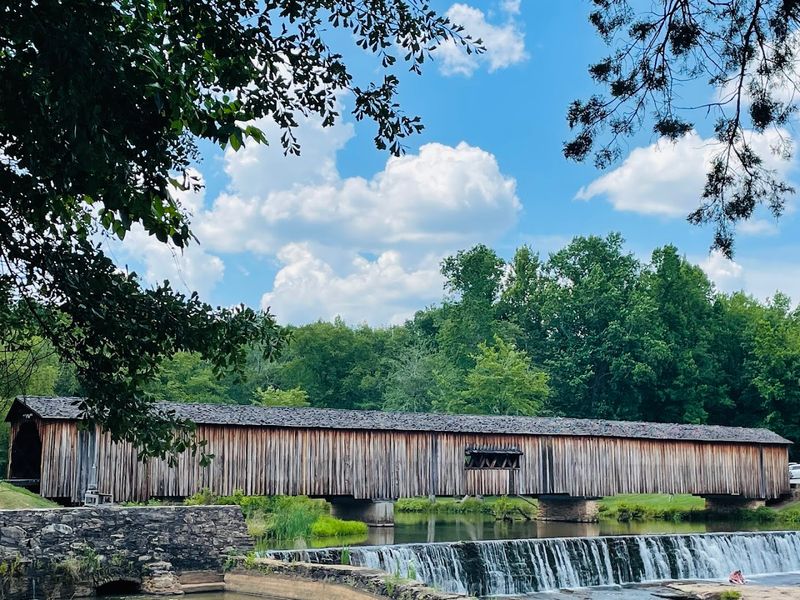
More than 7 miles of hiking trails wind through Watson Mill Bridge State Park, offering everything from easy riverside strolls to more energetic forest routes that reward hikers with sweeping views. The trails pass through thick stands of hardwood trees, cross small creek drainages, and occasionally open up to reveal the South Fork River in all its quiet glory. Comfortable walking shoes are recommended, and trail maps are available at the park entrance.
Weekday mornings tend to be the calmest time on the trails, with birdsong filling the air and very little foot traffic to interrupt the experience. Families with younger kids often stick to the flatter riverside sections, while older hikers tend to explore the longer loops deeper into the forest.
The trails change personality with the seasons, offering wildflowers in spring, deep shade in summer, and a stunning color show in fall. No matter when a visit happens, the forest always has something worth noticing.
3. Horseback Riding on 14 Miles of Equestrian Trails
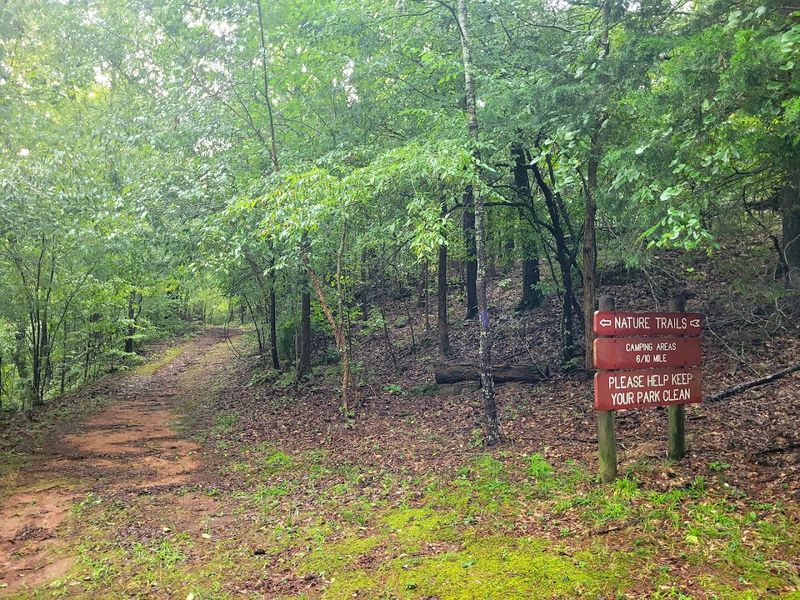
Few outdoor activities match the feeling of moving through a quiet forest on horseback, and Watson Mill Bridge State Park makes that experience very accessible with a dedicated network of 14 miles of equestrian trails. Riders can bring their own horses and access the trail system through the park’s equestrian camping area, making it easy to combine an overnight stay with a full day of riding. The trails vary in terrain and length, giving both beginner and experienced riders options that suit their comfort level.
The park’s equestrian campsites are designed specifically for overnight guests traveling with horses, with facilities that make the logistics much simpler than camping at a general site. Planning ahead and reserving a spot through Georgia State Parks is strongly recommended, especially during fall weekends when demand picks up significantly.
Riding through the park’s wooded corridors in the early morning, with mist still hovering over the river, is the kind of experience that people talk about long after the trip ends.
4. Fishing the South Fork River
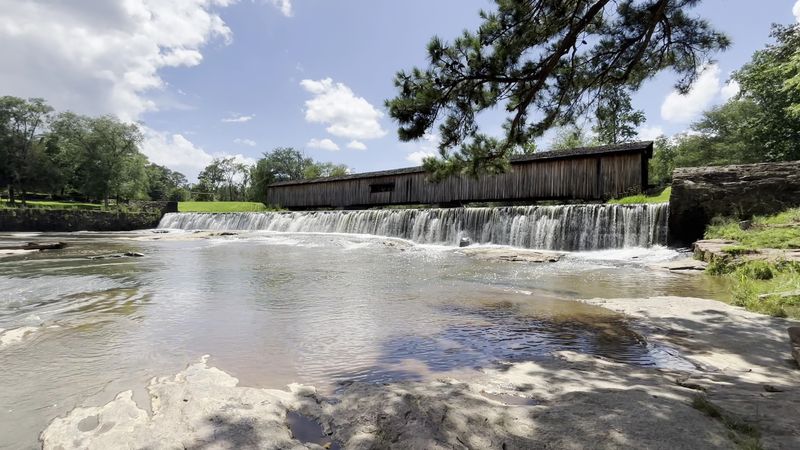
The South Fork River that runs through Watson Mill Bridge State Park is a genuinely productive fishing spot, home to catfish, bass, and bream that attract anglers of all skill levels. The river moves at a relaxed pace through much of the park, with shaded banks and rocky shoals that create natural gathering spots for fish. Early mornings and late afternoons tend to produce the best results, especially during warmer months when fish are most active near the surface.
Georgia fishing regulations apply within the park, so visitors should make sure their fishing license is current before casting a line. The park’s riverside trails make it easy to walk along the bank and scout out a favorite spot before settling in for a few hours.
Even for those who do not fish, watching the river move over the shoals near the covered bridge is genuinely relaxing. The sound alone has a way of slowing everything down and making the afternoon feel much longer than it actually is.
5. Camping Facilities for Every Style
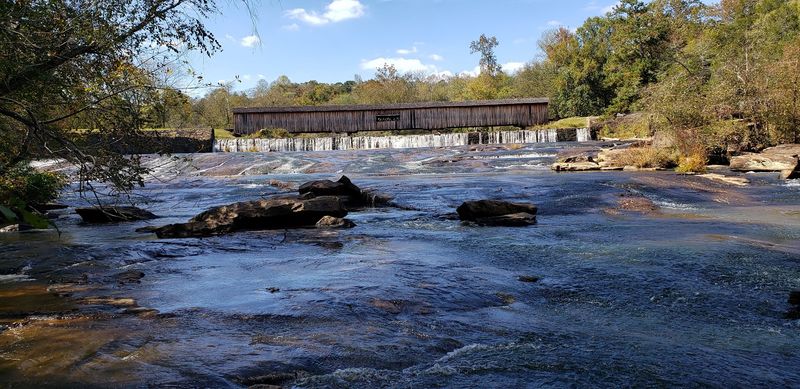
Watson Mill Bridge State Park offers 21 tent, trailer, and RV campsites alongside 11 equestrian campsites and three pioneer group camping areas, making it one of the more versatile camping destinations in northeast Georgia. The variety of options means that a solo backpacker, a family with an RV, and a group of scouts can all find something that fits their setup without compromise. Electrical hookups are available at select sites, and the campground has restroom facilities nearby.
Reservations can be made through the Georgia State Parks website, and booking early is especially important for holiday weekends and fall foliage season, when the park fills up quickly. Pioneer camping areas are a particularly good choice for youth groups or scout troops looking for a more immersive outdoor experience.
Waking up to the sound of the river and birdsong filtering through the trees is a simple pleasure that never gets old here. Camping at this park has a way of resetting even the most overloaded mind after just one night.
6. Picnic Areas and Shelters for Family Gatherings
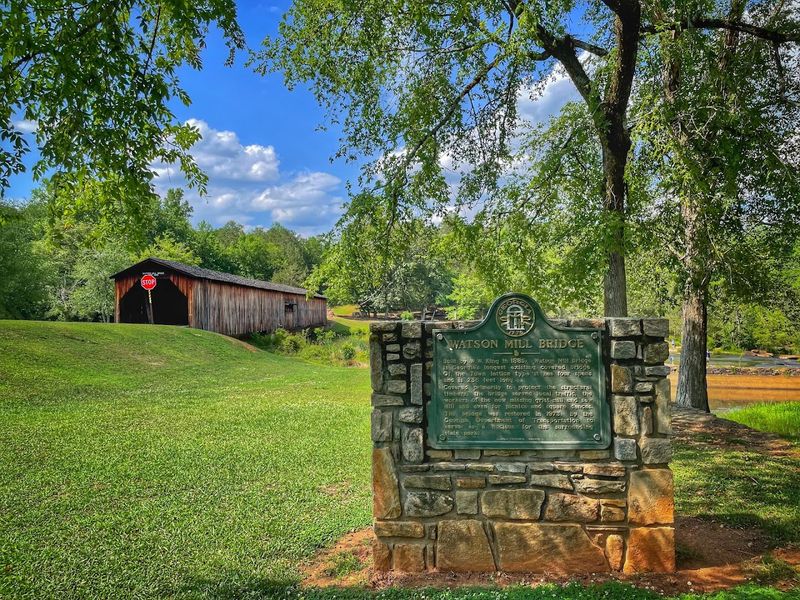
Three individual picnic shelters and one large group shelter make Watson Mill Bridge State Park a reliable choice for family reunions, birthday celebrations, or a simple Sunday afternoon outdoors. The shelters are shaded by mature trees and positioned close enough to the river that the sound of moving water stays with you throughout the meal. Grills are available at picnic sites, making it easy to cook out without hauling a lot of extra equipment.
Group shelters can be reserved in advance through the Georgia State Parks reservation system, which is worth doing if a large gathering is planned. Weekends in spring and fall tend to be the busiest times, so arriving early on a Saturday morning helps secure a good spot even without a reservation.
The combination of covered shelter, riverside setting, and open grassy space gives families a lot of flexibility in how they use the area. Kids have room to roam while adults relax, which is a surprisingly rare combination in a park setting.
7. Educational Programs and Ranger-Led Field Trips
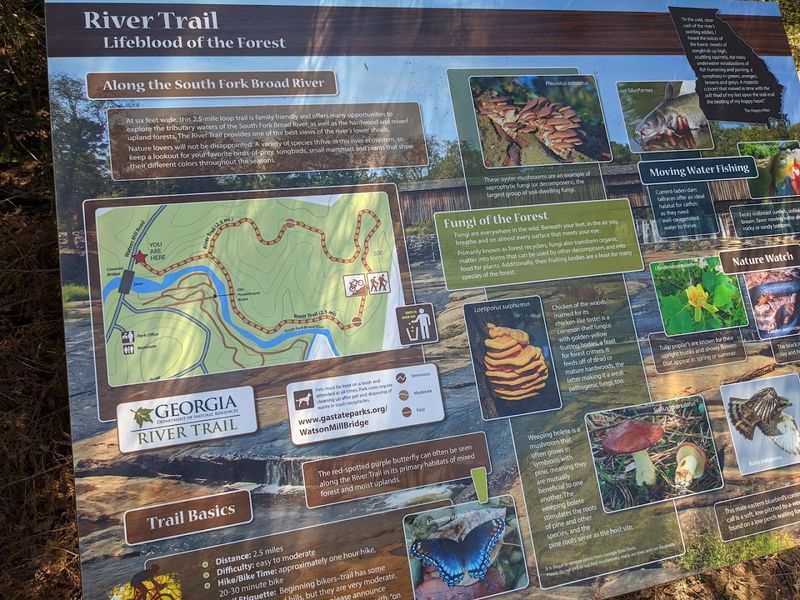
Watson Mill Bridge State Park runs ranger-led educational programs and field trips that turn a park visit into a genuine learning experience, particularly for school-age groups. Programs cover topics like local ecology, Georgia history, and the engineering story behind the historic covered bridge itself, giving students hands-on context they simply cannot get from a textbook. Teachers and group leaders can coordinate field trips directly through the Georgia State Parks education team.
The park’s mix of natural and historical features makes it unusually well-suited for multi-subject learning, touching on biology, history, and even basic engineering in a single visit. Groups are encouraged to book well in advance since program slots fill up quickly during the school year, especially in spring.
Even families visiting on their own can pick up interpretive materials at the park office that turn the walk around the bridge and river into a self-guided educational experience. Curiosity is the only requirement for getting a lot out of this place.
8. Geocaching Adventures in the Park
Geocaching turns a regular park visit into a treasure hunt, and Watson Mill Bridge State Park offers real opportunities to engage in this GPS-based outdoor game across its trail network. For those unfamiliar with the hobby, geocaching involves using coordinates from a free app or website to locate small hidden containers called caches, which are tucked into natural spots throughout the park. It is a surprisingly absorbing activity that gets people moving and paying close attention to their surroundings.
Families with kids tend to love geocaching because it adds a goal-oriented layer to hiking that keeps younger participants motivated and engaged well beyond the first mile. All that is needed is a smartphone with the Geocaching app and a willingness to look closely at the world around you.
The wooded trails and rocky riverside areas of Watson Mill Bridge State Park create ideal hiding spots that reward careful observation. First-timers often come away surprised by how much fun a simple GPS scavenger hunt can actually be.
9. Photography Spots Around Every Corner
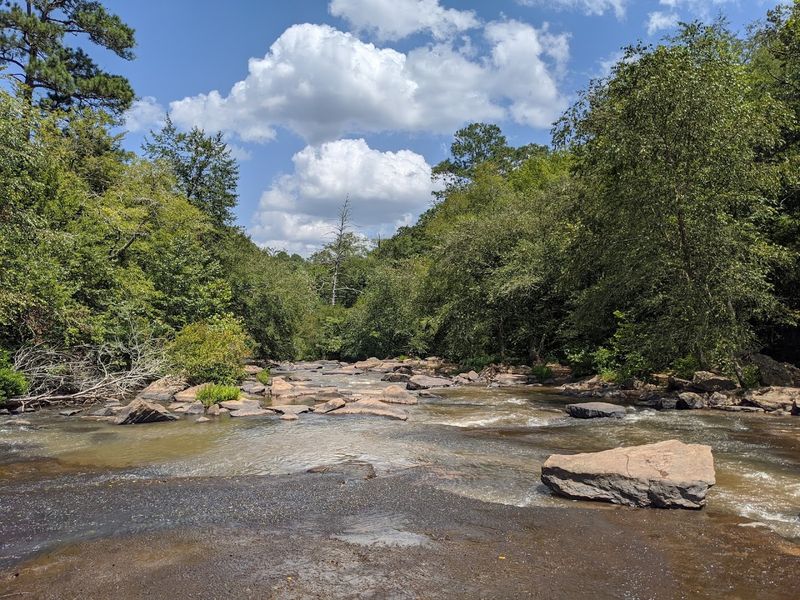
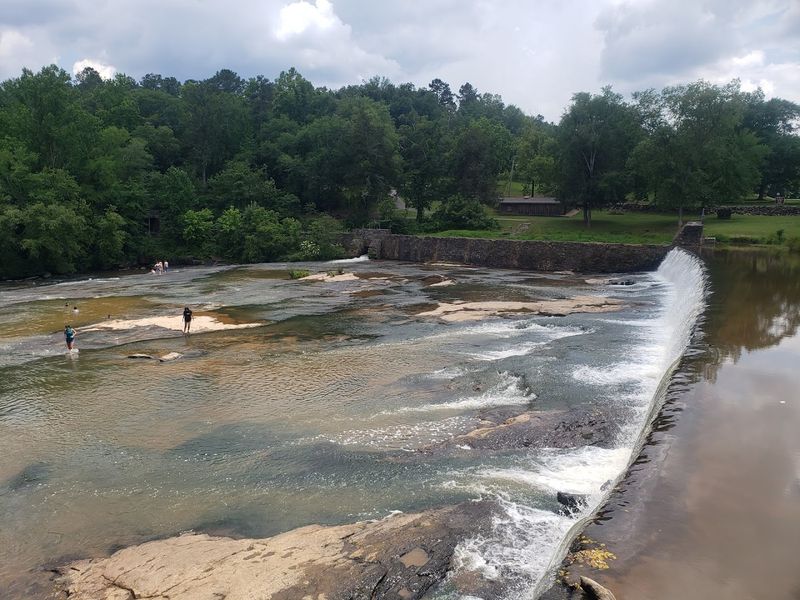
Watson Mill Bridge State Park is a photographer’s dream, plain and simple. The covered bridge reflecting in the calm river, the rocky shoals catching morning light, the fog settling into the forest just after sunrise, and the burst of color that arrives every October all add up to a location that rewards anyone who shows up with a camera. Even a smartphone camera produces impressive results here, especially in the softer light of early morning or late afternoon.
The bridge itself is the signature shot, but the park’s trails offer dozens of secondary compositions that most visitors walk right past without noticing. Old stone remnants of the original Watson Mill, mossy riverbanks, and the interplay of light through the forest canopy all make compelling subjects.
Fall foliage season, typically mid-October through early November in this part of Georgia, draws photographers from across the region. Arriving on a weekday morning during peak color season gives the best chance at capturing the bridge without crowds in the frame.
10. Wildlife Viewing Opportunities Throughout the Park
White-tailed deer, wild turkeys, and a wide variety of bird species call Watson Mill Bridge State Park home, making wildlife observation a natural part of any visit here. The park’s mix of dense forest, open meadow edges, and river habitat creates the kind of biodiversity that keeps wildlife enthusiasts coming back. Early morning is consistently the best time to spot deer grazing near the forest edges or wild turkeys moving through the underbrush.
Birdwatchers will find the riverside trail especially productive, with wading birds, kingfishers, and various warbler species frequently visible near the water. Bringing binoculars is a simple addition that dramatically improves the wildlife viewing experience without adding much to the packing list.
The park does not have a formal wildlife viewing platform, but the trail system naturally passes through several transition zones where animal activity tends to concentrate. Patience and quiet movement are the two most reliable tools for anyone hoping to get a close look at the park’s resident wildlife.
11. Seasonal Events and Historic Mill Walking Tours
Watson Mill Bridge State Park hosts seasonal events throughout the year, including a popular Historic Mills Walking Tour that takes visitors through the story of the original mill operation and the community that depended on it. The tours are guided by park rangers who bring the history to life with details that go well beyond what any roadside marker could convey. Dates and availability vary by season, so checking the Georgia State Parks event calendar before visiting is always a good idea.
Beyond the mill tour, the park hosts nature programs, photography walks, and occasional community events that give repeat visitors a fresh reason to return. Fall tends to bring the highest concentration of special events, coinciding with cooler temperatures and the park’s most visually dramatic season.
Even outside of organized events, the ruins of the original Watson Mill near the river add a quiet layer of history to any walk through the park. The stones have been there a long time, and they have their own story to tell.
12. Canoeing and Kayaking on the South Fork River
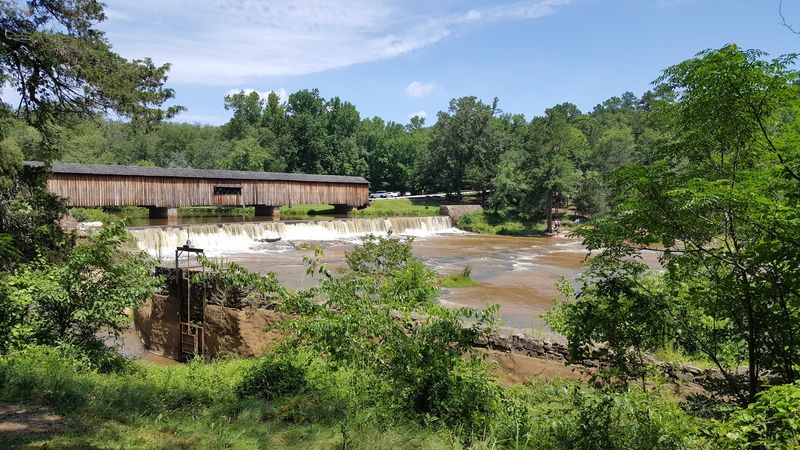
The South Fork River offers genuine paddling appeal, with calm stretches and scenic tree-lined banks that make canoeing and kayaking a natural fit for this park. Canoe and kayak rentals have been available seasonally through the park in the past, though availability can vary by year and season, so confirming current rental status with the park directly before a visit is the smart move. Paddlers who bring their own equipment can access the river through the park’s designated launch areas.
The stretch of river near the covered bridge is particularly scenic from the water, offering a perspective of the historic structure that simply cannot be replicated from the bank. Moving at a slow, relaxed pace and letting the current do most of the work is the preferred approach for most paddlers here.
Water levels can fluctuate significantly with seasonal rainfall, affecting both accessibility and the character of the paddle. Spring tends to offer the most reliable water levels, while late summer can see the river run lower and slower than ideal for paddling.
13. Mountain Biking With the Muddy Spokes Club
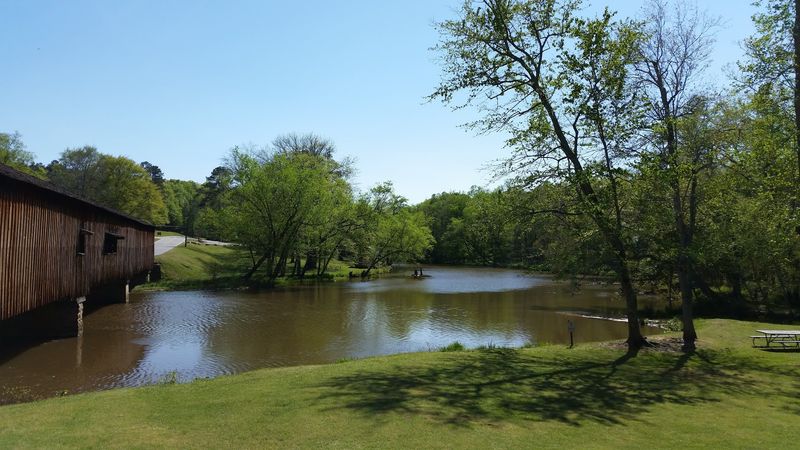
The park’s 5 miles of biking trails attract mountain biking enthusiasts who appreciate well-maintained singletrack through genuine Georgia woodland. The Muddy Spokes Club has been involved in trail development and maintenance within the park, creating a biking community around this spot that goes beyond casual riding. Trail conditions can vary depending on recent rainfall, so checking in with the park or local trail reports before heading out is a practical habit worth developing.
The terrain mixes moderate climbs with fun descents and twisty sections through the trees, making it engaging for intermediate riders without being punishing for newcomers to mountain biking. Helmets are strongly recommended, and riders should stay on designated trails to protect both the park’s ecosystem and the trail network itself.
Weekend mornings tend to see the most biking activity, with a friendly and knowledgeable community of regular riders who are generally happy to share trail tips with first-timers. The combination of forest scenery and physical challenge makes every ride feel earned.
14. Playground Fun for Families With Kids
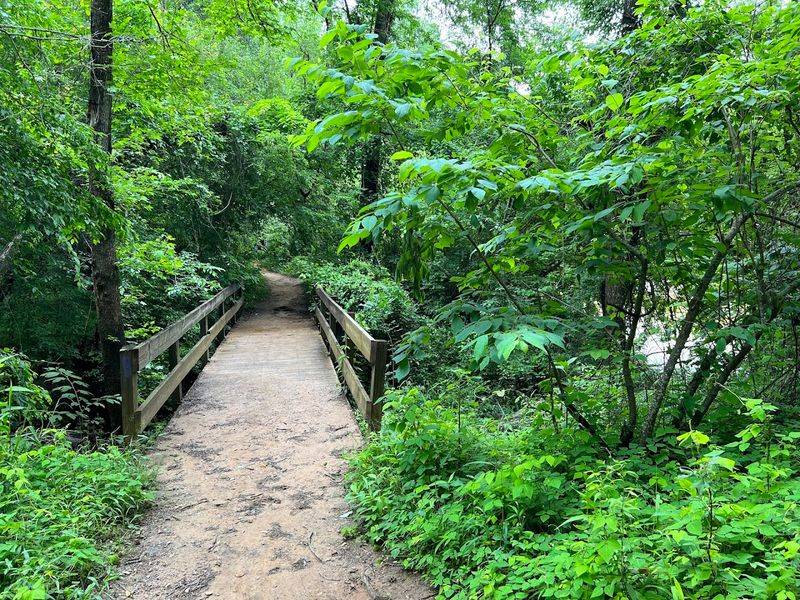
Watson Mill Bridge State Park includes playground facilities that give families with younger children a built-in reason to linger longer than originally planned. Placed within the park’s developed area and close to the picnic shelters, the playground lets kids burn energy while adults settle in with a meal or a quiet moment by the river. It is a small but genuinely appreciated feature that makes the park more welcoming to families traveling with toddlers and early elementary-age children.
The natural setting surrounding the playground area, with tall trees providing shade and the sounds of the park all around, makes it feel like a much more pleasant alternative to a typical urban playground. Kids who are too young for the hiking trails still get to experience the park’s atmosphere in a setting that is safe and comfortable for them.
Pairing a playground visit with a walk across the covered bridge is a simple itinerary that works remarkably well for families, keeping everyone engaged and happy without requiring a lot of planning or physical preparation.
15. Easy Access From Athens, Georgia
One of the most practical things about Watson Mill Bridge State Park is how easy it is to reach from Athens, Georgia, making it a realistic option for a day trip that does not require a full weekend commitment. The drive from downtown Athens takes roughly 30 minutes, following a pleasant stretch of rural Georgia road that sets the tone for the park experience before you even arrive. Visitors coming from Atlanta can expect a drive of about 90 minutes, which puts it well within range for a comfortable day trip.
Athens itself offers plenty of reasons to extend the adventure, with a lively downtown dining scene, the University of Georgia campus, and the State Botanical Garden of Georgia at 2450 S Milledge Ave, Athens, GA 30605, all worth a visit before or after the park. Pairing a morning at Watson Mill Bridge with an afternoon in Athens creates a genuinely well-rounded Georgia day.
Parking at the park is straightforward, with a designated lot near the entrance and additional space near the equestrian camping area. A Georgia State Parks parking pass or daily fee is required for entry.