Hardly Anyone Outside Connecticut Knows About This Historic Bakery
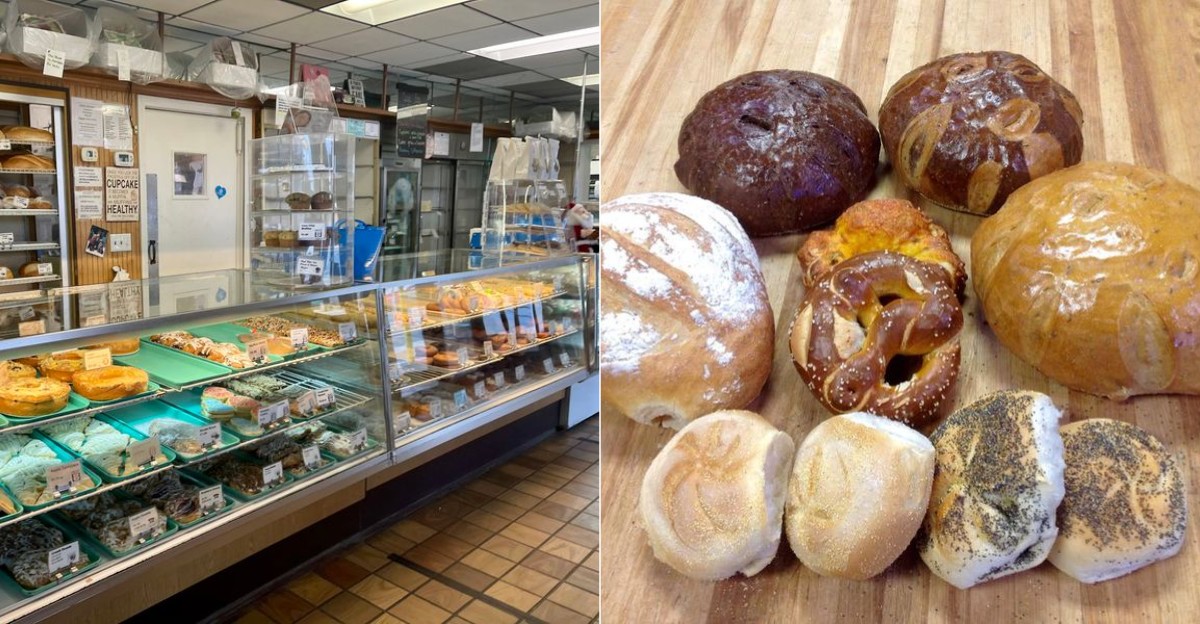
Old bakeries have a certain confidence. They do not need wild trends when generations of customers already know what the ovens can do.
This one has been baking for decades, holding onto traditions that make the breads and pastries feel connected to another era without turning the place into a museum.
That history shows up in the simple things.
Fresh loaves still matter. So do familiar sweets and recipes that have had plenty of time to earn loyal fans.
The bakery has survived changing tastes because people keep finding reasons to come back. That is what makes its low profile outside the area so surprising.
A place can spend generations becoming part of local life and still remain almost invisible to people farther away.
How does a bakery with this much history stay such a well-kept secret outside Connecticut?
1. Old-School Baking Still Defines This Historic Bakery
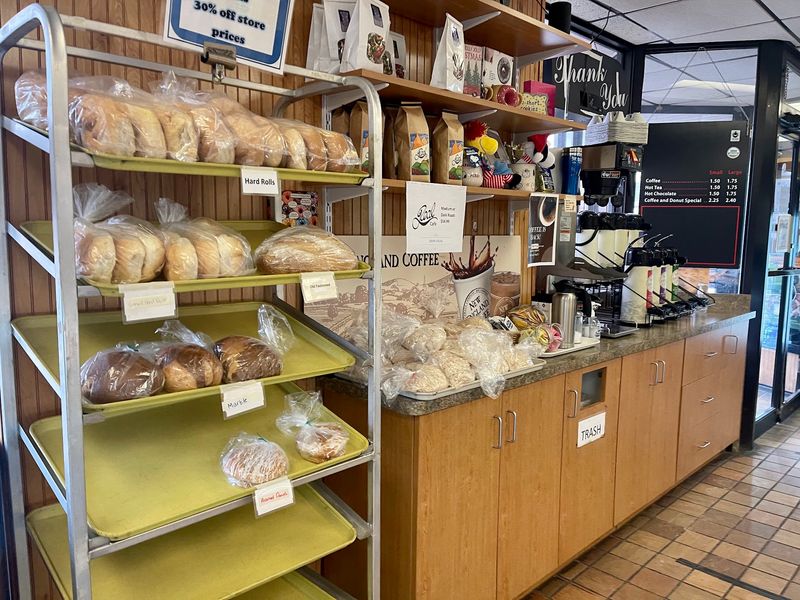
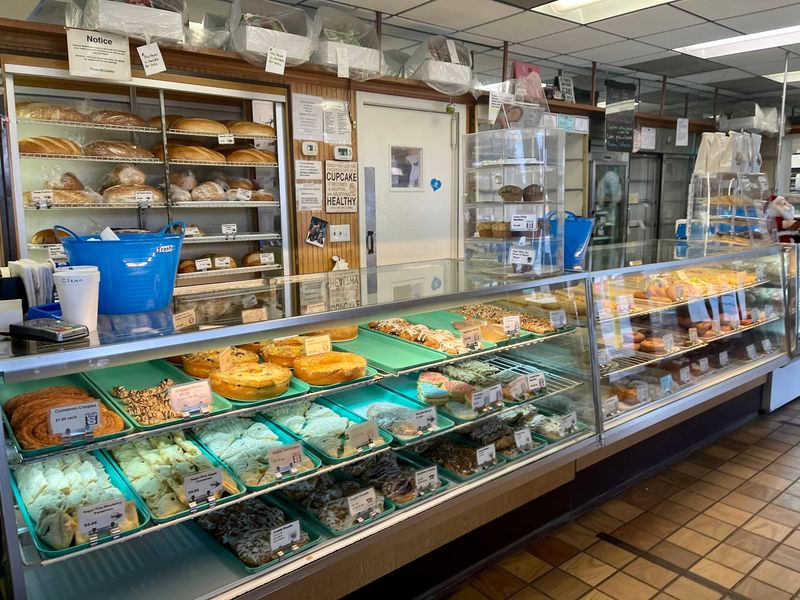
The display case does the talking. It stretches farther than expected. By the time you reach the end, choosing just one thing feels unlikely.
That abundance is part of Harvest Bakery’s appeal. The Bristol bakery has been turning out baked goods for generations, with roots reaching back to 1941.
Traditional methods still matter here, especially when it comes to bread and rolls. Each loaf and hard roll is hearth-baked, continuing a technique the bakery has used for decades.
Sweet choices are just as varied. Donuts fill the cases alongside pastries, while custom cakes and fresh pies give regulars plenty of reasons to return.
Its breads, rolls, and pastries are made without added preservatives, keeping the focus on straightforward baking and familiar recipes.
Dietary needs are not treated as an afterthought either. The bakery offers gluten-free options, plus vegan selections that include most breads and most donuts.
Its own website does note that gluten-free items are prepared in a shared bakery, so cross-contact is possible.
The atmosphere stays lively, especially on busy mornings, but the setup is built for steady service. After more than eight decades in Bristol, Harvest Bakery still feels like the kind of place where people leave carrying a full box instead of a single treat.
2. Its Current Home Has Welcomed Customers Since 1948
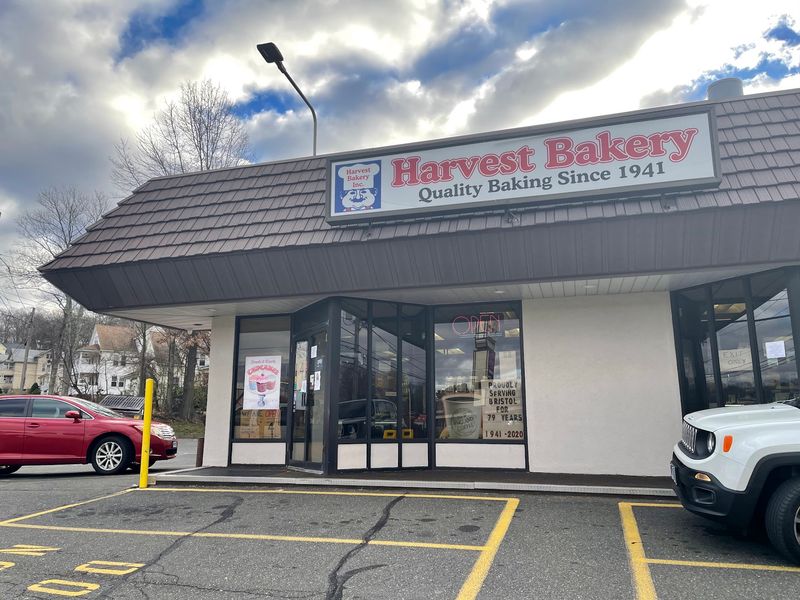
Some places change constantly. This one has stayed remarkably steady.
Harvest Bakery has served Bristol from the same Farmington Avenue building since 1948, seven years after the business first opened.
The modest storefront keeps expectations simple, but decades of regular customers tell a bigger story. Generations have stopped here for breads, rolls, donuts, pastries, and other familiar bakery staples, many made using traditions that stretch back to the founding family.
Early mornings are still part of the routine. The bakery currently opens at 6 a.m.
Tuesday through Sunday, closing at 4 p.m. on weekdays and 2 p.m. on weekends. Mondays remain closed.
Arriving earlier can be useful when a specific favorite is the goal. Popular baked goods can disappear quickly on busy days, especially when regulars are picking up larger orders.
The year-round schedule makes it easy to return in any season, and the bakery’s long history gives each visit a strong sense of continuity. Its address is 84 Farmington Avenue, Bristol, CT 06010.
Parking is available on site, making quick pickup stops straightforward.
More than eight decades after opening, Harvest Bakery remains closely tied to the city it has served for generations.
3. The Bakery First Opened On Memorial Day In 1941
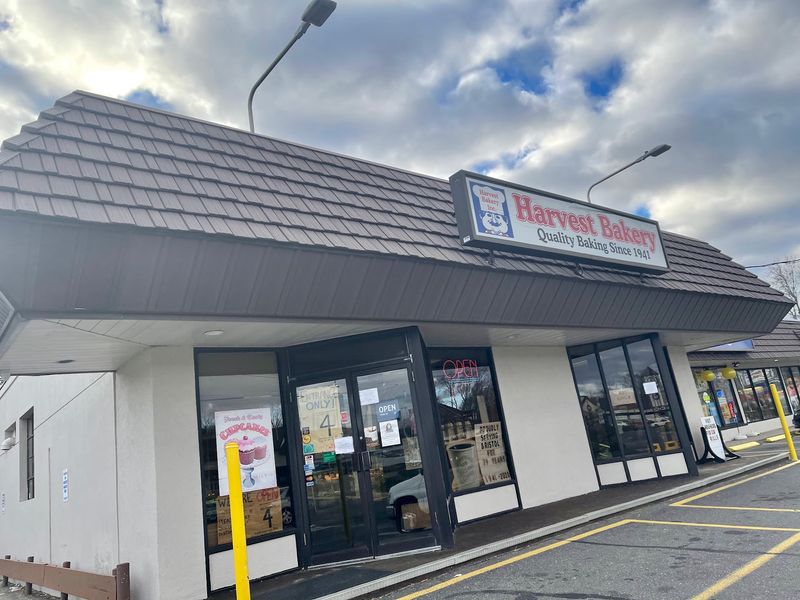
This bakery began with a holiday opening. Memorial Day 1941 marked its first day in business.
The original shop stood on North Main Street in Bristol. Seven years later, Harvest Bakery moved to Farmington Avenue, where it has remained ever since.
That long history is more than a date on the wall. Anne and Louis Barth opened the business, and later generations of the family continued the work.
The bakery still uses the bread and hard roll recipes created by Louis Barth, keeping a direct link to its earliest years.
Tradition also shows up in the way those staples are baked. Bread and hard rolls continue to be hearth-baked, a method that places each piece directly onto the oven hearth using a wooden peel.
It is a process the bakery has held onto even as the business around it has changed.
The move in 1948 gave Harvest Bakery the home that would define most of its story. Decades later, customers still return for familiar recipes and techniques that have survived from one generation to the next.
That 1941 beginning makes every visit feel connected to earlier Bristol, when a bakery opened its doors and began a tradition that is still going.
4. Hearth Baking Keeps An Old Tradition Alive
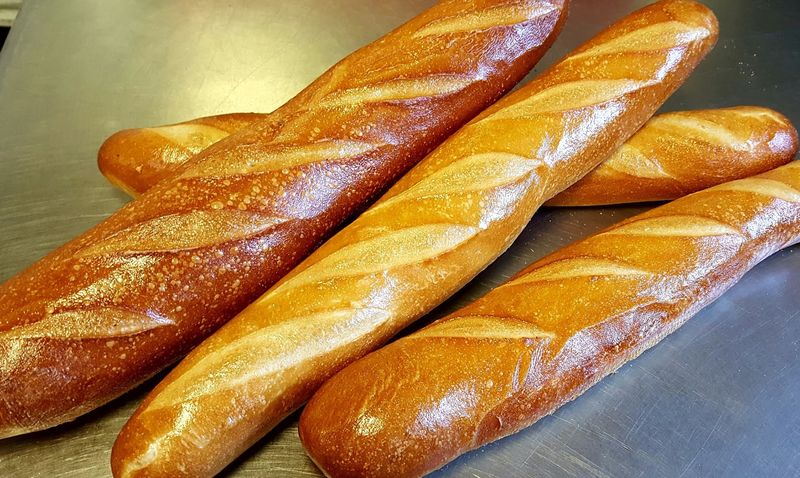
The oven is where the difference starts. Harvest Bakery still uses a method that has nearly disappeared from everyday baking.
Its breads and hard rolls are hearth-baked, with each piece placed on a wooden peel and moved directly onto the oven hearth.
That process takes more hands-on work than loading pans onto racks. It also connects the bakery to techniques it has followed for generations.
Harvest says it remains one of the few bakeries in the state continuing this tradition, using bread and hard roll recipes created by founder Louis Barth.
The result is bread with the kind of crust and texture regular customers have come to expect. Familiar favorites such as Italian loaves and hard rolls remain closely tied to the bakery’s reputation, while rye bread also earns enthusiastic mentions from longtime customers.
What makes the method especially interesting is how little it has changed. The bakery could have moved toward faster production over the decades, yet this part of the process has stayed deliberately traditional.
That continuity explains why bread is more than a side item here. It is one of the clearest connections between the bakery customers visit today and the one that opened generations ago.
5. Grandpa Barth’s Original Recipes Still Matter
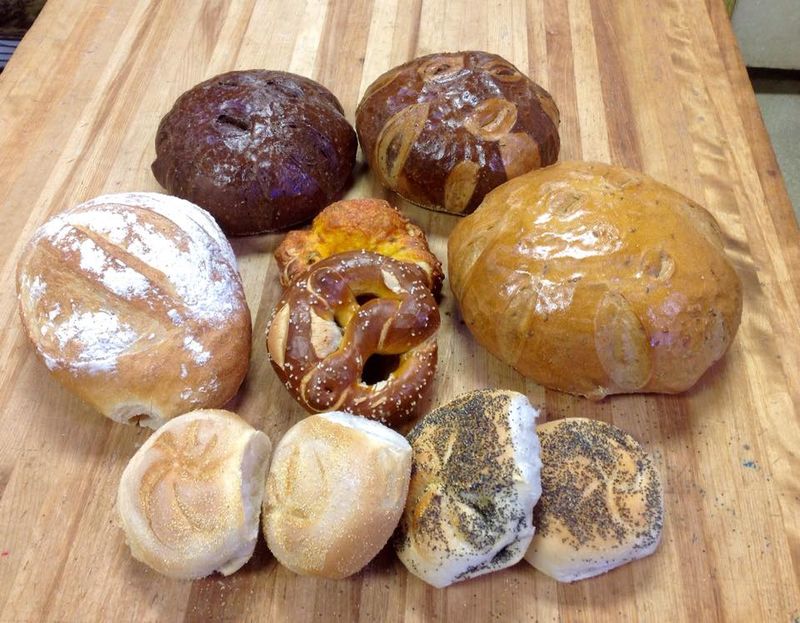
Recipes handed down through a family can quietly become a kind of local heritage. At Harvest Bakery, the bread and hard roll recipes are the originals, created by the man remembered as Grandpa Barth.
They have not been swapped out for something quicker or cheaper. Rye bread and hard rolls are treated as staples, and keeping those formulas intact is part of how the bakery understands its own job.
That kind of consistency is why an eighty-year-old bakery can still surprise a newcomer. The rye you buy today comes from the same set of instructions that satisfied customers decades ago.
Longtime patrons notice. Many describe the rye bread as excellent, and hard rolls come up constantly in conversations about what to buy on a first visit.
If you are the kind of person who likes a taste of history, order both. Have the rye with something simple so the flavor stands on its own, and save the hard rolls for sandwiches, where the crust does the heavy lifting.
Not every bakery can point to a specific person behind its bread. Fewer still are willing to keep baking his way, generation after generation, when shortcuts are always available.
6. Fresh Bread Comes Without Added Preservatives
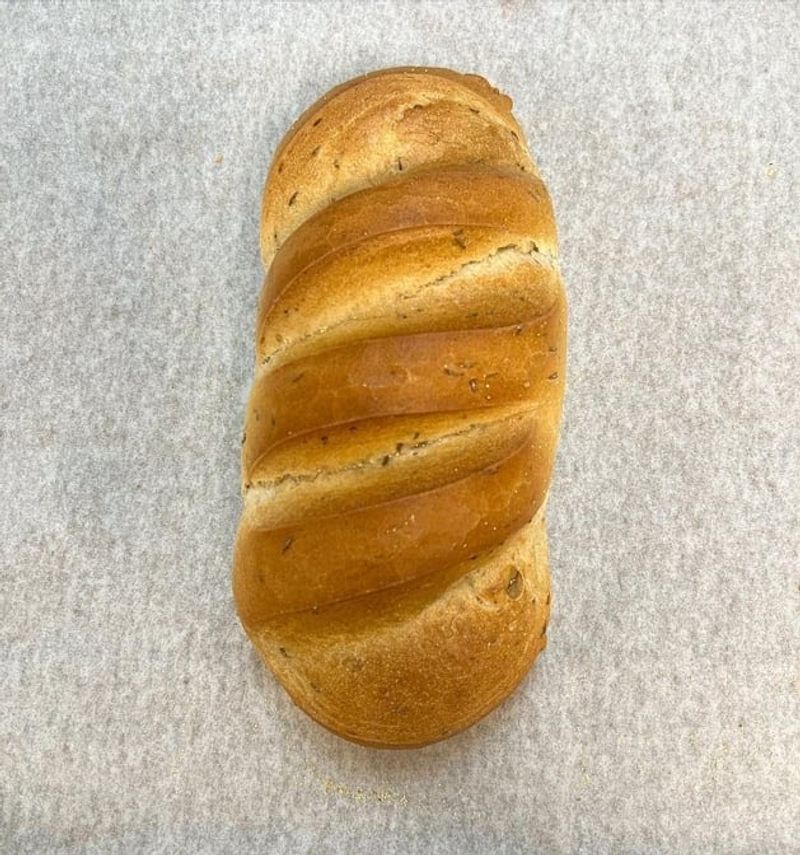
Read the label on most supermarket bread and you will find a list of ingredients meant to stretch shelf life for weeks. Harvest Bakery takes the opposite approach, adding no preservatives to its breads, rolls or pastries.
That single choice shapes how you should shop here. Bread bought in the morning is meant to be enjoyed soon after, not stored for a fortnight in a pantry.
Regulars work around it easily. Some keep rolls in the refrigerator to hold their freshness for the next day, and others slice a loaf and freeze half so nothing goes unused.
It also means timing matters more than at a chain. Getting there earlier in the day gives you the best selection, and weekend mornings are lively for exactly that reason.
The upside is flavor. Fresh ingredients and no chemical helpers let the bread taste like bread, and the difference is easiest to notice with the Italian loaf and the grinder rolls.
Freshly sliced bread is available too, which is handy when a whole loaf sells out or when you would rather not wrestle with a bread knife at home.
Simple ingredients, short shelf life, better eating. That trade has kept customers loyal for generations.
7. Holiday Baking Reaches Remarkable Numbers
Over 700 pies for Thanksgiving. More than 1,500 loaves of bread and 500 dozen hard rolls on Christmas Eve. Over 1,100 babka for Easter.
Numbers like that are hard to picture until you consider that they come out of one neighborhood bakery in Bristol. Holiday weeks turn the place into a full production operation.
The shop itself gets festive and crowded, and customers often say the bustle is part of the fun. Even at peak hours, the line tends to keep moving, which regulars appreciate when they have three more errands to run.
Boxed cookies in assorted sizes show up around Christmas, making the bakery a convenient stop for gifts and party trays as well as family dinners.
Practical tip: order ahead for holidays. Pies, custom cakes and large bread orders are the items most likely to be spoken for well before the day arrives, and a phone call saves disappointment.
Custom cakes for showers, birthdays and other celebrations are a year-round specialty, with themed designs and printed images among the options.
For many Bristol families, the holiday trip here has become its own tradition, the errand that signals the season has officially started.
8. More Than Eight Decades Have Built A Loyal Following
Eighty-plus years is long enough for a bakery to become a family habit. Grandparents who bought bread here as kids now bring grandchildren in for donuts, and the little rituals matter as much as the food.
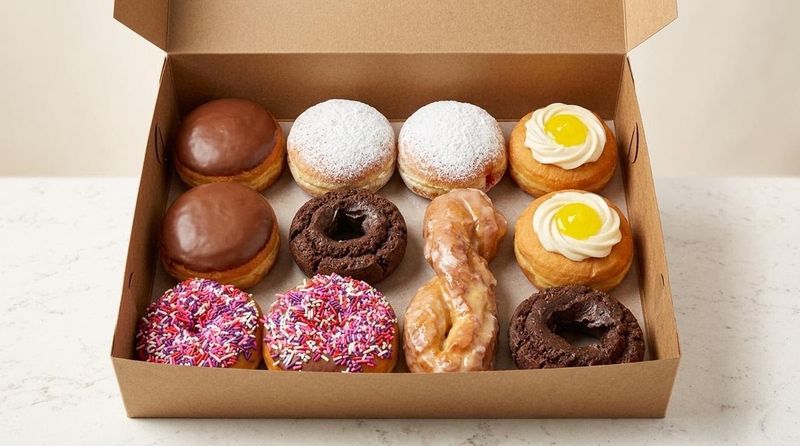
Donuts are among the bakery’s frequently praised treats, with several filled and classic varieties giving customers plenty to choose from. Cupcakes, cannoli, cream puffs, turnovers, brownies and mini cheesecakes fill out the case.
Custom cakes have earned their own reputation, especially for showers and birthdays, and many customers say the finished designs exceeded what they expected.
Word travels through people rather than advertising. Visitors returning to Connecticut often list the bakery among their must-stop spots, which is unusual devotion for a small storefront on a busy avenue.
A quick plan for a first visit: come early, bring cash-friendly patience for the weekend rush, grab a bread and a roll for the practical side, then let everyone choose one pastry.
Wholesale orders and platters for offices and events are handled here as well, so the reach extends beyond the retail counter.
The warm, familiar feel inside is the thing people mention most, and it is exactly what keeps a decades-old bakery feeling current.