10 Haunted Destinations In Maryland That Locals Would Rather Not Drive After Dark
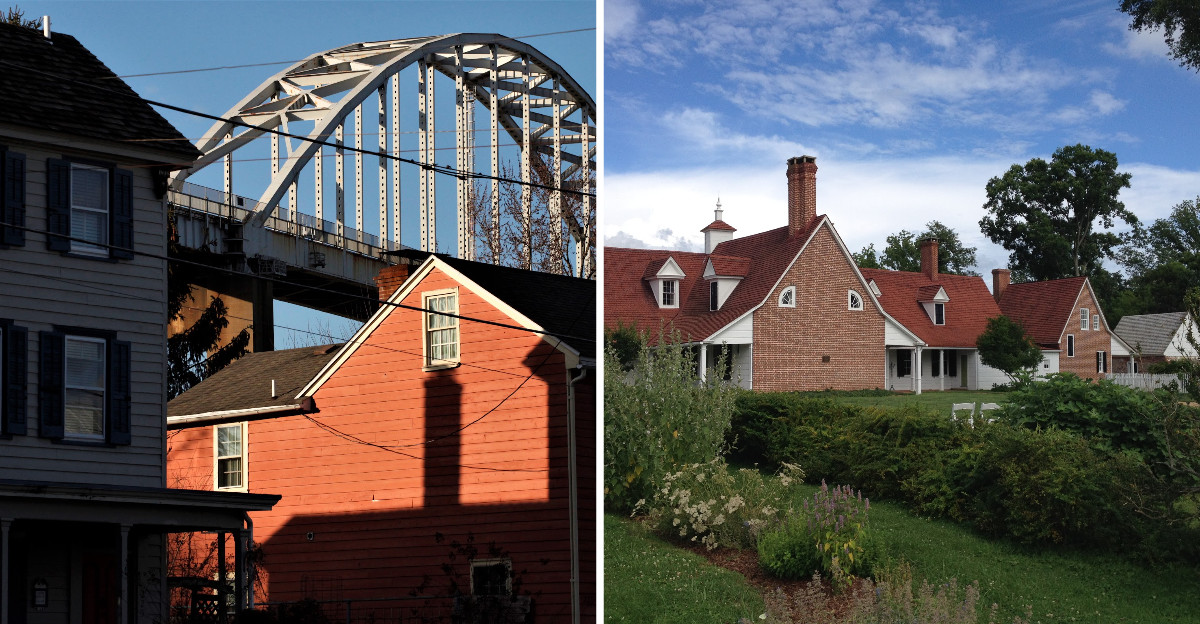
Would you still take the same road if somebody told you the lighthouse ahead had unexplained footsteps?
Maryland becomes much creepier once the sun disappears.
Battlefields collect stories about phantom sounds, historic homes inspire ghostly legends, and old mills seem to gain personalities nobody mentioned during daylight.
The real history makes those tales harder to shrug off because each place already carries generations of human drama.
You do not have to believe in ghosts to feel the atmosphere!
Just wait until the road gets quiet and something odd flashes beyond the headlights. Suddenly, nobody in the car feels eager to investigate.
1. Antietam National Battlefield, Sharpsburg
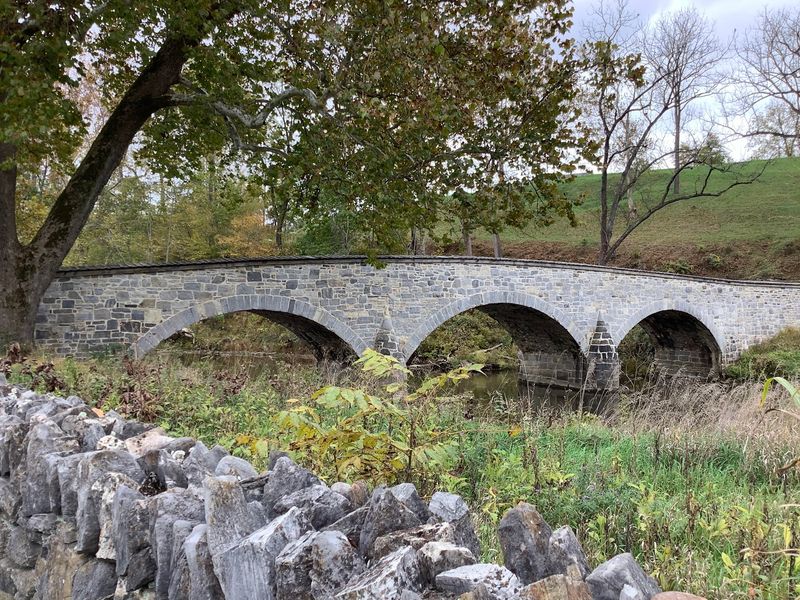
This quiet field has a famously loud reputation. Rolling farmland rarely looks this calm by day and this restless by night.
Antietam National Battlefield preserves the landscape of the September 17, 1862 Civil War battle near Sharpsburg.
Cornfields, stone walls, farm lanes, and historic landmarks still shape the route through this part of western Maryland.
The Sunken Road carries some of the best-known paranormal folklore. Federal transportation history records stories of unexplained battlefield sounds, a smoky scent with no clear source, and schoolboys who once heard distant singing near the old road.
That singing was later compared with the cadence of an Irish Brigade battle cry. Burnside Bridge also appears often in local ghost lore, although those stories remain traditions rather than verified events.
Dunker Church adds another stark landmark to the landscape. Its white walls stand near the visitor center and make the contrast between peaceful scenery and wartime history especially noticeable.
For a grounded visit, start with the museum, orientation film, and observation room before following the self-guided driving route. Walking trails provide a slower way to study the terrain.
The battlefield is generally open from sunrise to sunset, while the visitor center operates daily from 9 a.m. to 5 p.m.
Use 5831 Dunker Church Rd in Sharpsburg for navigation. Daylight gives the history plenty of atmosphere without needing any extra imagination.
2. Historic Savage Mill, Savage
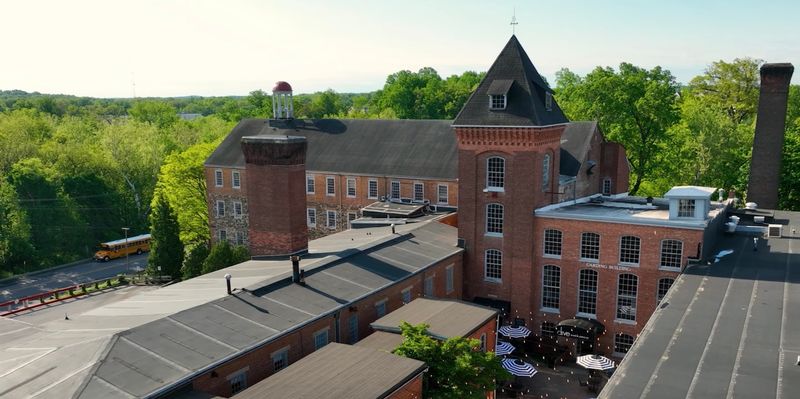
Call me crazy, but old factories never seem fully empty to me. Brick walls and creaky floors just hold onto sounds a bit too well.
Historic Savage Mill began taking shape in the early 1800s beside the Little Patuxent River.
The complex became a major textile operation, producing heavy cotton fabric before industrial work there ended after World War II.
Today, restored stone and brick buildings hold shops, studios, activity spaces, and dining options. Original character remains visible in wooden floors, oversized windows, old machinery details, and the Carding Building.
That setting also supports an unusual evening program. Current 2026 ghost tours run for about ninety minutes and mix documented mill history with long-standing paranormal stories connected to the halls.
One recurring legend involves a mischievous young presence said to interfere with people walking through the building. Other stories center on unexplained voices, including accounts of names seemingly called in quiet corridors.
The tour treats those details as folklore rather than established fact, which keeps the history from getting lost behind the spooky theme. It is wheelchair accessible, with advance contact recommended for access questions.
Daytime visits feel completely different because sunlight pours through the tall industrial windows and businesses keep the complex active.
Find Savage Mill at 8600 Foundry St in Savage. After-dark tours require advance reservations, while ordinary daytime exploring follows the center’s regular operating hours.
3. Point Lookout State Park, Scotland
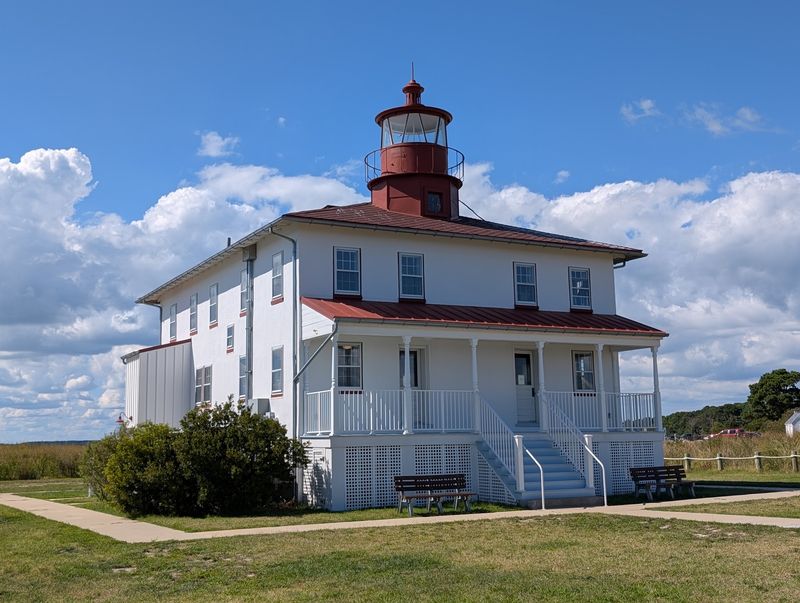
Just imagine driving until the road simply runs out of land. Water wraps around you on three sides, and the wind never quite settles.
Point Lookout State Park occupies the southern tip of Maryland’s western shore where the Potomac River meets the Chesapeake Bay.
The isolated setting helps explain why so many legends have collected around the lighthouse and old military grounds.
The lighthouse dates to 1830 and reopened to visitors in 2025 after a long restoration.
State records call it one of the park’s best-known reputedly haunted locations, with decades of stories involving unexplained voices, footsteps, and other unusual experiences.
Those accounts remain folklore, but the building’s real history gives them a memorable backdrop.
The peninsula later held a Civil War hospital, military post, and camp for captured soldiers, while reconstructed structures now help interpret that period.
Daylight offers a very different trip. Fishing, paddling, camping, birdwatching, shoreline views, and marsh scenery fill the park without any spooky framing at all.
The lighthouse is generally open seasonally, with staffing affecting access outside the main summer period. Park hours also change by season, and weekend or holiday day-use reservations may be required during the busiest months.
Set your GPS for 11175 Point Lookout Rd in Scotland. Arriving earlier gives you time to explore the waterfront, lighthouse grounds, and historical exhibits before the road grows quiet toward evening.
4. Dr. Samuel A. Mudd House Museum, Waldorf
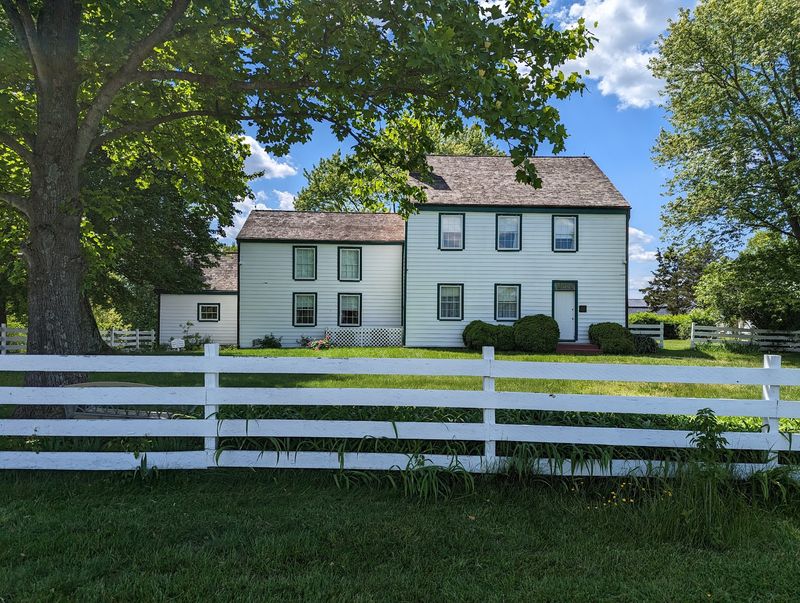
A quiet farmhouse somehow ended up tangled in a national drama.
The Dr. Samuel A. Mudd House Museum in Waldorf preserves the home of the country physician who treated the leg of a man connected to the April 1865 events at Ford’s Theatre.
The house remains furnished and interpreted as a nineteenth-century residence rather than a generic history display.
Guided tours focus on the property, the household, rural life, and the complicated national story that brought the home lasting attention.
The museum also leans into period folklore during seasonal programming.
Its 2026 Victorian Halloween evenings explore nineteenth-century spiritual customs, talking boards, protective traditions, and beliefs connected to the people who lived and worked on the property.
That approach is more reliable than repeating every modern ghost story attached to the house. Paranormal claims about shifting impressions, cold spots, or shadowy figures remain unverified and should be treated as legend rather than history.
Regular 2026 hours were updated to Wednesdays and Saturdays from 11 a.m. to 3 p.m., with Sunday openings suspended for the foreseeable future. House tours begin on the hour and generally last thirty to forty-five minutes.
The property sits at 3725 Dr Samuel Mudd Rd outside Waldorf. Arrive with enough time for the orientation film before the tour, because the grounds close when the final afternoon visit begins.
5. Jonathan Hager House Museum, Hagerstown
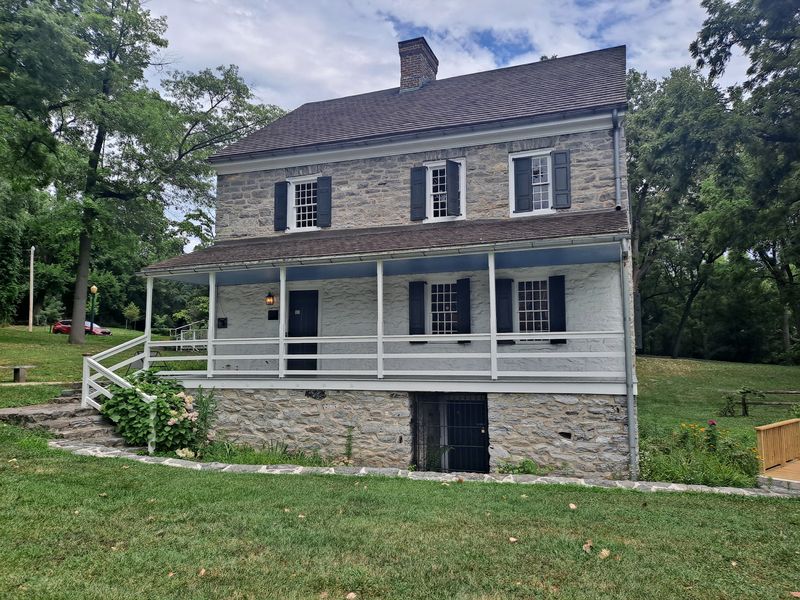
What if a town’s founder simply never wanted to move out?
Jonathan Hager House Museum in Hagerstown dates to about 1739.
The fortified limestone residence was built over a dependable natural spring, a feature that still gives the basement unusual character today.
The house now operates as a seasonal museum furnished with period pieces and historical displays. Guided visits focus on early frontier life, the home’s architecture, and the role its builder played in the development of Hagerstown.
October adds a different layer. The city continues to run Hager House Ghost Tours in 2026, using familiar local legends to explore the building after regular museum hours.
Those tours are the safest way to handle the paranormal material because the stories are presented openly as folklore.
Tales involving unexplained footsteps, shifting objects, and shadowy figures belong to the site’s ghost tradition rather than its documented historical record.
Regular museum hours run seasonally from late March into early October, with Friday, Saturday, and Sunday openings. Private tours can also be arranged in advance.
The house stands inside City Park at 110 Key St, surrounded by ponds, mature trees, walking paths, and other civic attractions.
Daytime visitors can focus on architecture and local history. After-hours guests get the same rooms with the added tension of hearing centuries-old legends once the park begins to settle down.
6. Edgar Allan Poe House & Museum, Baltimore
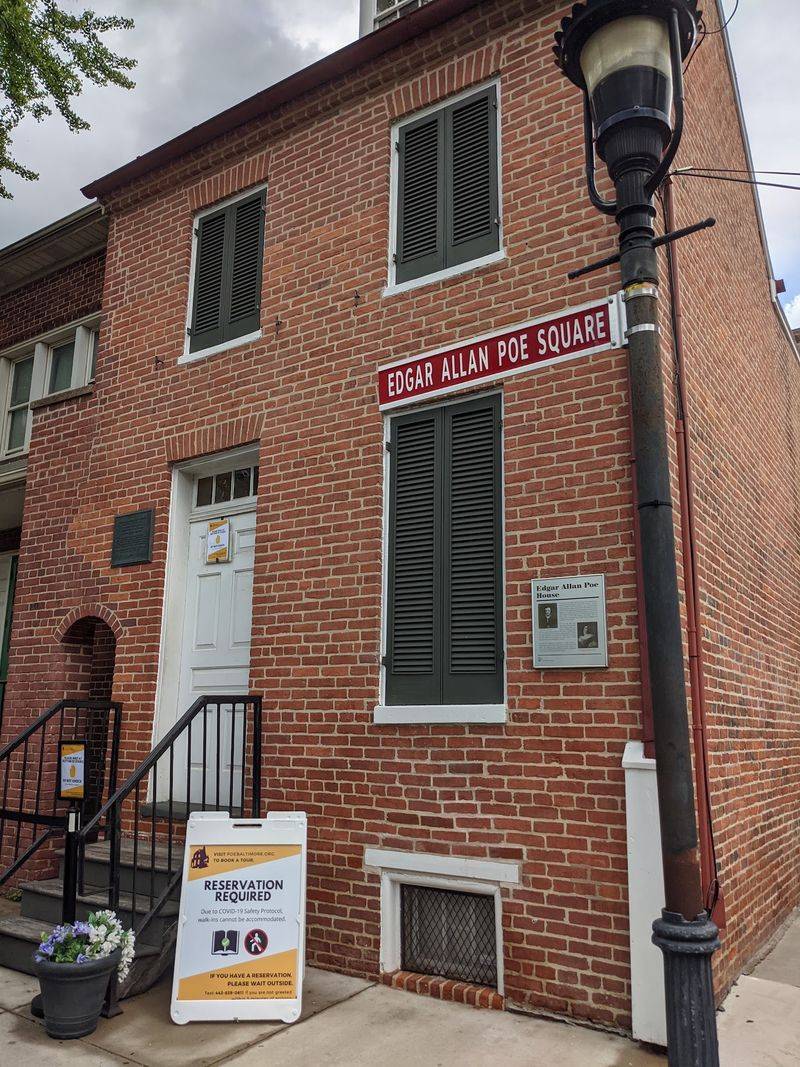
Correct me if I’m wrong, but spooky writers should have spooky homes. This tiny brick row house certainly lives up to the hype.
Edgar Allan Poe House & Museum in Baltimore preserves the small residence where the writer lived from about 1833 to 1835.
He produced several early works during those Baltimore years, giving the address a genuine place in Maryland literary history.
The house itself is compact, with narrow rooms, steep stairs, and very little separation between spaces. That physical closeness can make ordinary building sounds feel unusually noticeable during a quiet visit.
Its haunted reputation is stronger in popular folklore than in the museum’s official interpretation.
What is firmly documented is the building’s survival. The house was protected from demolition, opened as a museum in 1949, and later became a National Historic Landmark.
Current tours are self-guided, with staff available to answer questions. Reservations are required, and walk-ins are accepted only when space allows.
From May through October, the museum also opens on Wednesdays in addition to its Thursday-through-Sunday schedule.
Find it at 203 N Amity St in Baltimore. The atmosphere works best when the focus stays on the tiny rooms, the writer’s work, and the remarkable survival of the house itself.
7. National Museum Of Civil War Medicine, Frederick
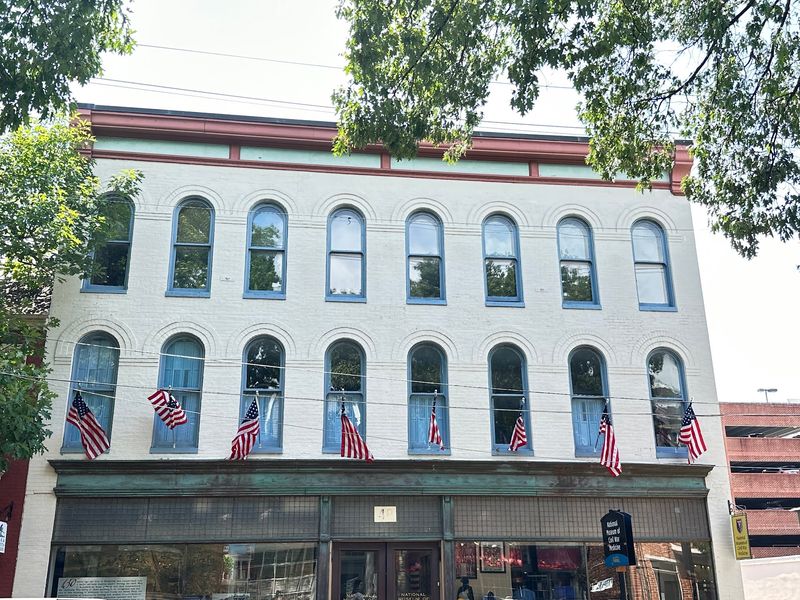
Few downtown storefronts carry this much history behind their doors.
The National Museum of Civil War Medicine occupies an 1830s building on East Patrick Street in Frederick.
Long before becoming a museum, the structure held several businesses and played a role in the city’s Civil War-era medical story.
Today, galleries explain how wartime medical systems changed transportation, nursing, hospital organization, and emergency care.
Original objects, reproductions, photographs, and interpretive displays make the subject easier to follow without turning the visit into a technical lecture.
October brings a very different program.
The museum’s 2026 Haunted History tours take visitors through darkened galleries and normally restricted upper-floor spaces while staff share long-running paranormal accounts connected to the building.
Those stories include unexplained sounds, unusual sensations, and sightings reported over many years.
The seasonal tours run on selected October evenings and require separate booking. Regular museum hours continue during the day, with galleries open throughout the week.
Downtown Frederick adds plenty around the visit, including historic streets, shops, public art, and easy walking between attractions. The contrast between a busy daytime block and a quieter evening tour gives the stop two distinct moods.
Find the museum at 48 E Patrick St. Daytime delivers the medical history; the evening program deliberately shifts the same building toward mystery.
8. Sotterley Plantation, Hollywood
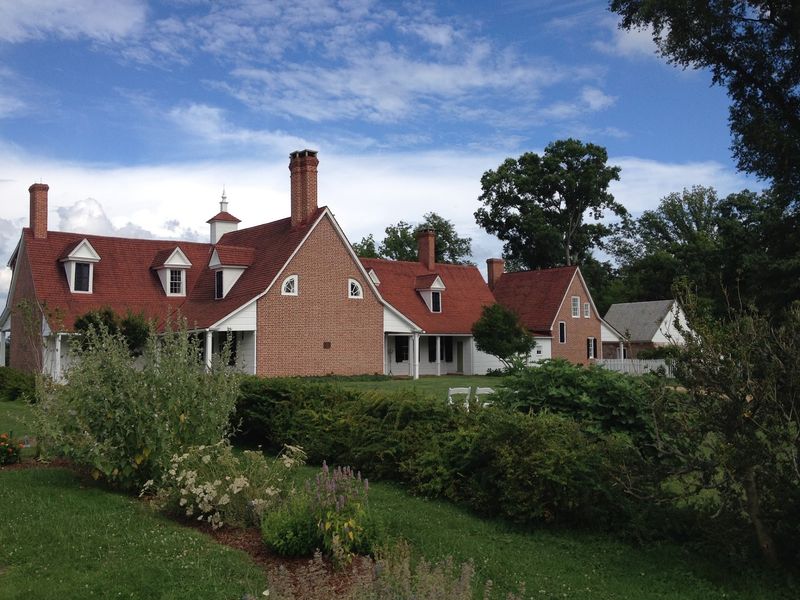
What would three centuries of footsteps sound like if they never stopped?
Historic Sotterley in Hollywood traces its history to the turn of the eighteenth century and overlooks the Patuxent River.
The property now spans nearly 100 acres with more than twenty historic structures, gardens, trails, and a working farm.
The manor house dates to about 1703, while an original 1830s cabin preserves another essential part of the site’s story.
Interpretation includes the families who owned the estate, wage workers, and people whose labor was forced over generations.
That broader history matters because the seasonal spooky programming is intentionally separated from documented fact.
Sotterley’s Legends & Lore events use actors, storytelling, and historical settings to explore unconfirmed traditions rather than present them as evidence.
A 2026 version of the program is planned around an eighteenth-century theme, continuing the site’s habit of mixing theater with carefully labeled folklore.
During ordinary hours, visitors can tour the manor, explore the grounds, walk more than six miles of trails, and spend time in the Colonial Revival gardens.
The regular 2026 tour season continues through October 31 before the visitor center closes for winter. Access to some historic spaces can be limited by narrow doorways and uneven ground.
Find Historic Sotterley at 44300 Sotterley Ln. Daylight emphasizes landscape and history; seasonal evening programs deliberately add the mystery.
9. Kitty Knight House, Georgetown
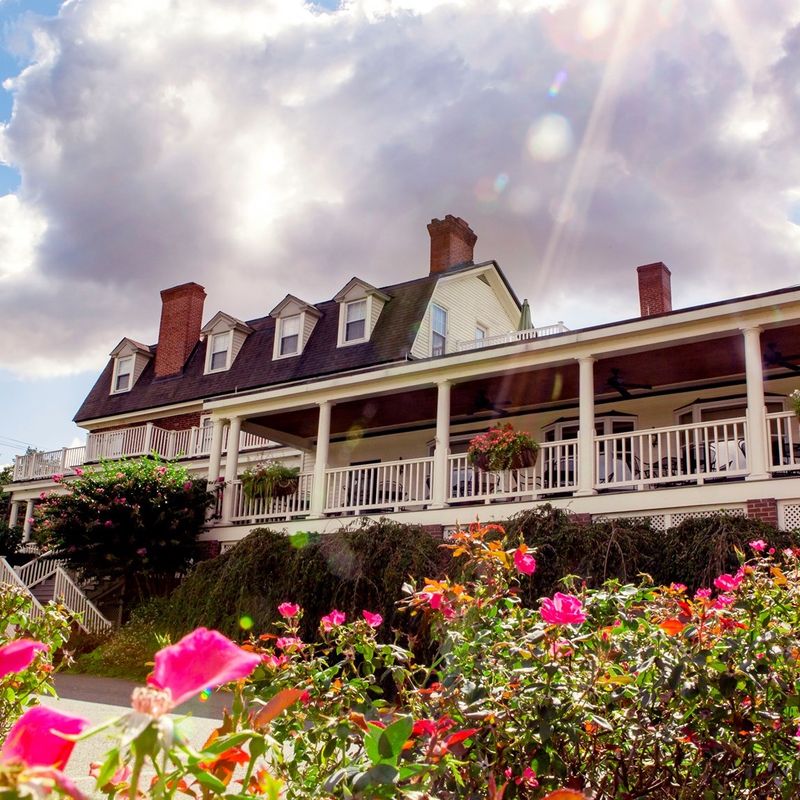
Far be it from me to judge, but some guests clearly refuse to check out. A few seem perfectly happy staying for a couple of centuries.
Kitty Knight Inn overlooks the Sassafras River in the Georgetown area, where two surviving houses are tied to a well-known War of 1812 story.
Local tradition holds that Kitty Knight confronted British forces during the 1813 raid and persuaded them to spare her rented home and the neighboring house.
She later purchased the property in 1836, giving the inn its enduring name.
The buildings now operate as a restored waterfront inn with an on-site restaurant. River views, porches, guest rooms, and historic architecture make the setting atmospheric without any paranormal layer.
That layer remains part of the property’s modern identity. In 2026, the inn hosted organized overnight paranormal investigations, combining historical background with structured exploration inside the building.
Older stories about unexplained doors, movement, and a woman’s presence remain part of the folklore, but they are best treated as tradition rather than verified history.
Guests can stay overnight or visit for a meal without participating in paranormal programming. Seasonal deck dining adds another reason to stop during warmer weather.
Use 14028 Augustine Herman Hwy, Galena, for navigation. The riverfront looks peaceful by daylight, while the historic rooms provide enough character to make an evening visit feel completely different.
10. Chesapeake City Historic District
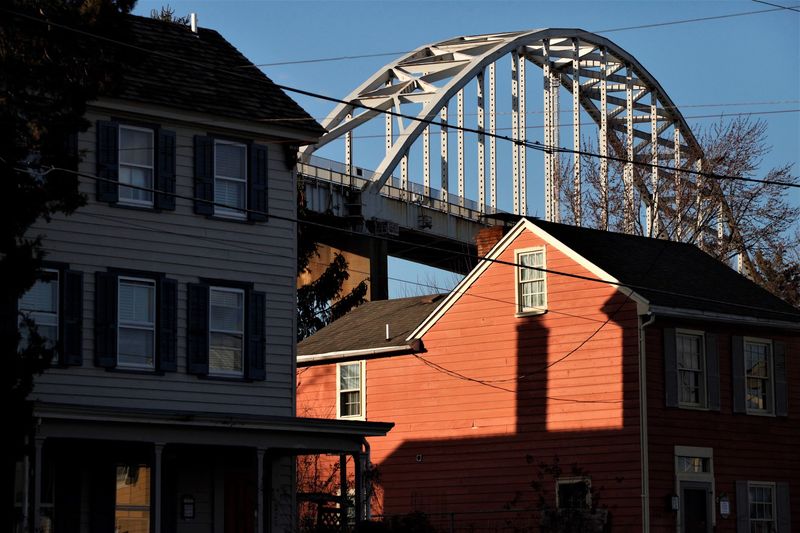
Let’s be real for a second about tiny waterfront towns. Their charm is obvious, but their secrets hide in the details.
Chesapeake City Historic District lines the south side of the Chesapeake and Delaware Canal, where preserved nineteenth-century buildings create one of Maryland’s most distinctive canal-town settings.
The district has been listed on the National Register of Historic Places since 1974.
Federal, Greek Revival, Italianate, Gothic Revival, and Queen Anne details appear across streets that developed around the canal’s busiest nineteenth-century years.
Ocean-going vessels still pass directly through town, creating an unusual contrast between small historic buildings and enormous working ships.
The canal remains an active commercial waterway linking the Chesapeake Bay with the Delaware River.
Chesapeake City has also staged theatrical ghost walks through the historic south side in past autumn seasons.
Those events used actors, local legends, and changing storylines rather than presenting paranormal claims as documented history.
That distinction matters because many of the town’s spookier tales have changed with each performance. The strongest reason to visit remains the preserved architecture, canal views, and walkable streets.
The nearby C&D Canal Museum adds context with equipment connected to the old lock system and the engineering that shaped the town.
Start near Town Hall at 108 Bohemia Ave. Daylight shows the details clearly, while evening brings a quieter waterfront atmosphere without needing to turn folklore into fact.