11 Haunted North Carolina Roads You Should Never Drive On In Winter
Winter has a way of shifting familiar roads into something far more ominous.
Cold air settles in, shadows thicken, and stretches of pavement that feel ordinary in daylight take on a strange new weight after dark.
Along North Carolina’s mountains and coast, that change becomes even more unsettling as old legends stir back to life.
Stories of phantom hitchhikers, flickering lights in the distance, and travelers who vanish without explanation shape the atmosphere long before the first snowflake falls.
Some drivers swear they feel unseen eyes watching from the treeline, and others speak of engines faltering in the exact spots where tragedy once struck.
Winter only deepens the mystery, turning these haunted routes into places where the line between danger and folklore feels unnervingly thin.
1. Brown Mountain Road (Highway 181)
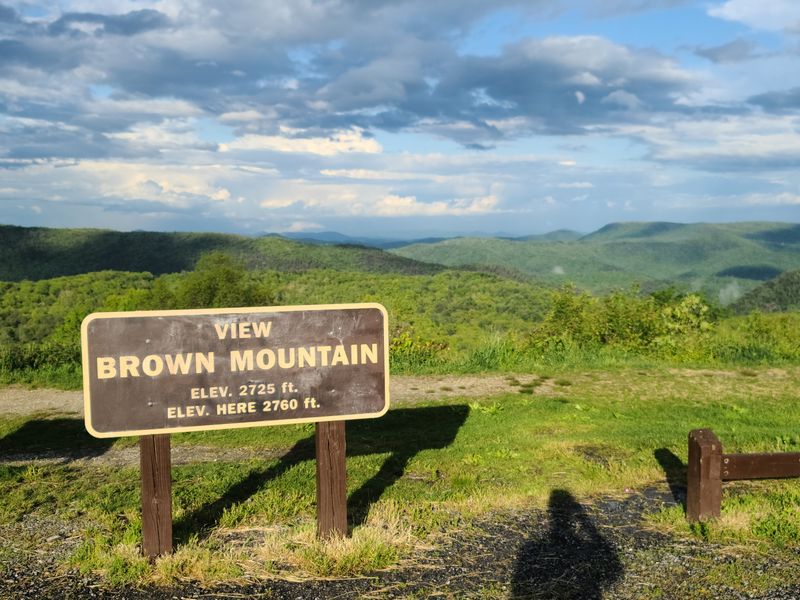
Ghost lights have danced across Brown Mountain for over a century, baffling scientists and thrilling curious visitors who brave the winding road to witness them.
Located near Morganton in Burke County, Highway 181 offers several overlooks where the famous Brown Mountain Lights appear as glowing orbs that rise, hover, and vanish without explanation.
Winter transforms this already mysterious route into something far more treacherous.
Sharp curves and steep elevation changes make Highway 181 challenging even in perfect weather.
When ice coats the pavement and fog rolls through the valleys, visibility drops to nearly nothing.
The combination of supernatural sightings and hazardous driving conditions creates an atmosphere that feels genuinely unsettling after dark.
Many drivers report feeling watched while navigating these curves, and some claim their vehicles experience unexplained electrical problems near the light observation points.
Winter travel here demands extreme caution.
The narrow shoulders and limited guardrails mean one wrong move could send a vehicle tumbling down the mountainside, adding real danger to the road’s ghostly reputation.
2. Highway 64 (The Devil’s Backbone)
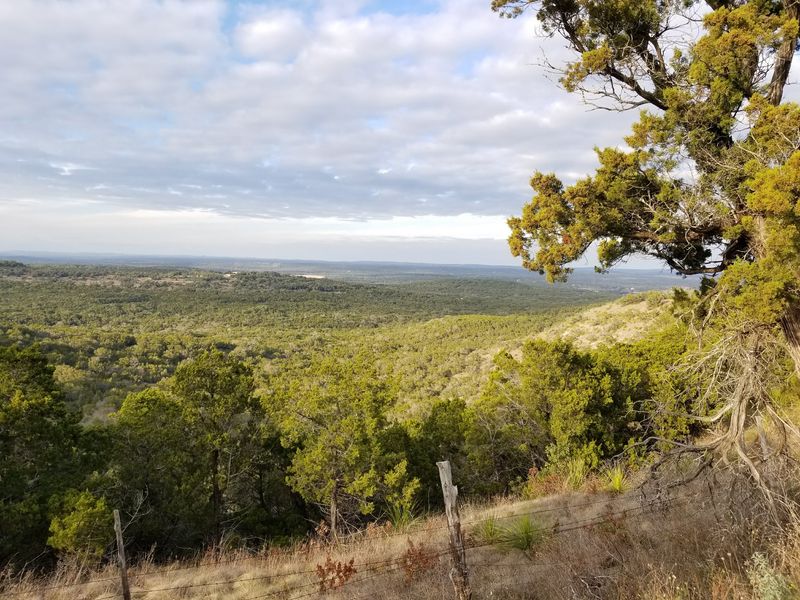
Stretching 604 miles across North Carolina from Murphy to Manteo, Highway 64 passes through some of the state’s most dramatic terrain.
The section nicknamed “The Devil’s Backbone” winds through the Appalachian Mountains with hairpin turns that challenge even experienced drivers.
Local legends speak of ghostly accidents that replay themselves on foggy nights, with phantom headlights appearing suddenly before vanishing into thin air.
Winter weather amplifies every danger this road presents.
Snow accumulates quickly at higher elevations, while black ice forms in shaded areas where the sun never reaches during short winter days.
The steep inclines become nearly impossible to navigate when conditions deteriorate.
Emergency services can take hours to reach stranded motorists in remote sections.
Truckers and longtime residents share stories of mysterious figures standing beside the road, only to disappear when approached.
Some attribute these sightings to the numerous fatal accidents that have occurred over the decades.
The combination of treacherous curves, sudden weather changes, and persistent ghost stories makes this highway particularly intimidating when winter darkness falls early across the mountains.
3. Highway 12 (The Outer Banks)
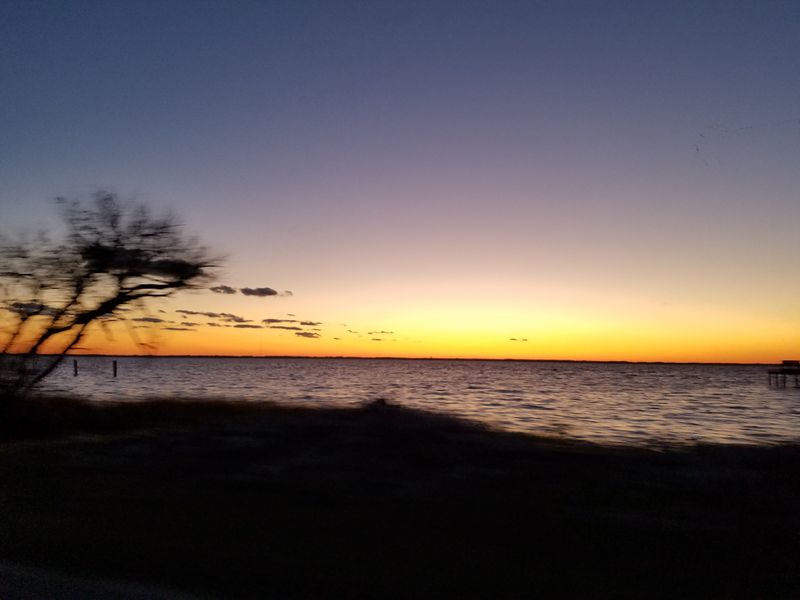
Connecting the fragile barrier islands from Corolla to Ocracoke, Highway 12 serves as the lifeline for Outer Banks communities.
This narrow ribbon of asphalt fights a constant battle against the Atlantic Ocean. Winter nor’easters regularly wash sections away or bury them under sand.
Ghost stories here center on shipwreck victims and lost sailors whose spirits supposedly wander the beaches and occasionally cross the highway.
Winter storms transform Highway 12 into one of the state’s most unpredictable routes.
Flooding can occur within minutes when high tides coincide with strong winds, stranding vehicles in rising water.
The road’s isolation means help isn’t always nearby. Cell service remains spotty in many areas.
Drivers report seeing figures in old-fashioned clothing walking along the shoulder during storms, only to realize no one could survive in such conditions.
The famous Graveyard of the Atlantic has claimed thousands of ships over centuries.
Some believe those lost souls still haunt the islands.
Sudden flooding and the eerie atmosphere of winter storms make this coastal road dangerous and unsettling.
4. Highway 221 (Blue Ridge Parkway Connector)
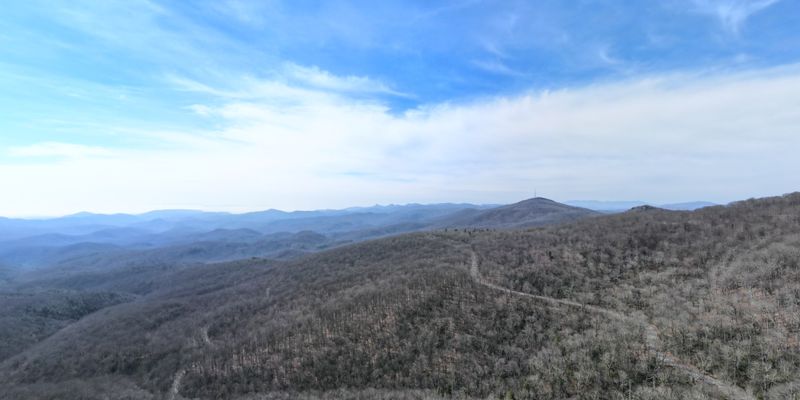
Winding through the Blue Ridge Mountains, Highway 221 connects several small communities and provides access to the famous Blue Ridge Parkway.
The road climbs to elevations where winter arrives early and lingers late. Extended periods of hazardous conditions are common.
Stories circulate about a vanishing hitchhiker who appears near Blowing Rock, accepting rides before mysteriously disappearing from locked vehicles.
Elevation changes of several thousand feet mean temperatures and road conditions can vary dramatically within just a few miles.
What starts as a clear drive at lower elevations can quickly become a white-knuckle experience as snow and ice take over.
The steep grades challenge brakes and traction. Sharp curves demand constant attention.
Longtime residents describe an unsettling quiet that settles over the road during winter nights, broken only by the wind whistling through bare trees.
Some drivers experience unexplained cold spots inside their vehicles, even with heaters running full blast.
Whether these phenomena have supernatural origins or result from extreme weather, Highway 221 requires extra caution in winter.
5. Highway 276 (Pisgah Highway)
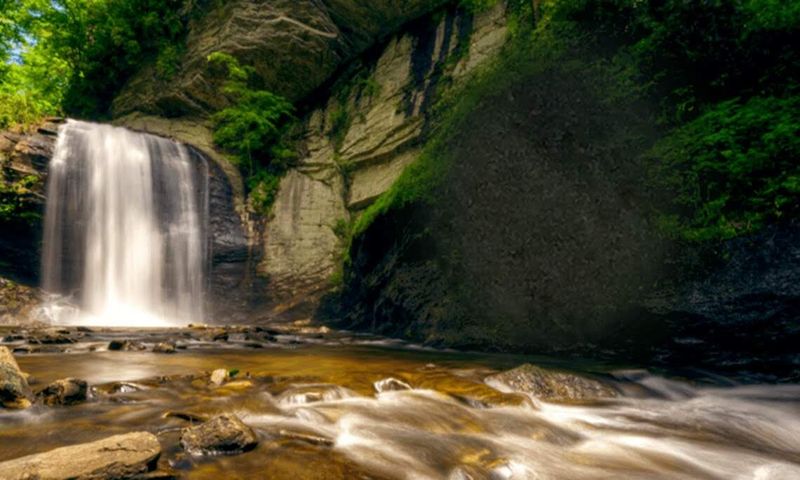
Cutting through the heart of Pisgah National Forest, Highway 276 offers breathtaking scenery that comes with a price during winter months.
The route follows mountain streams and climbs through dense forest where sunlight barely penetrates even in summer.
Ghost stories often involve loggers who died in the area during the early 1900s.
Reports mention phantom sounds of falling trees and old-time work songs echoing through the woods.
Winter conditions make this winding road particularly treacherous because the forest canopy prevents snow and ice from melting.
Shaded sections remain frozen for days or weeks after storms pass. The narrow pavement leaves little room for error.
Steep drop-offs and rock walls increase danger. Visitors sometimes report feeling followed while driving this route.
Several accidents have occurred when drivers swerve to avoid figures that appear suddenly in the road.
The isolation of Pisgah National Forest means cell service is unreliable.
Winter breakdowns can be dangerous.
Persistent paranormal reports and genuine hazards make Highway 276 a risky winter drive.
6. Highway 28 (Moonshiner’s Run)
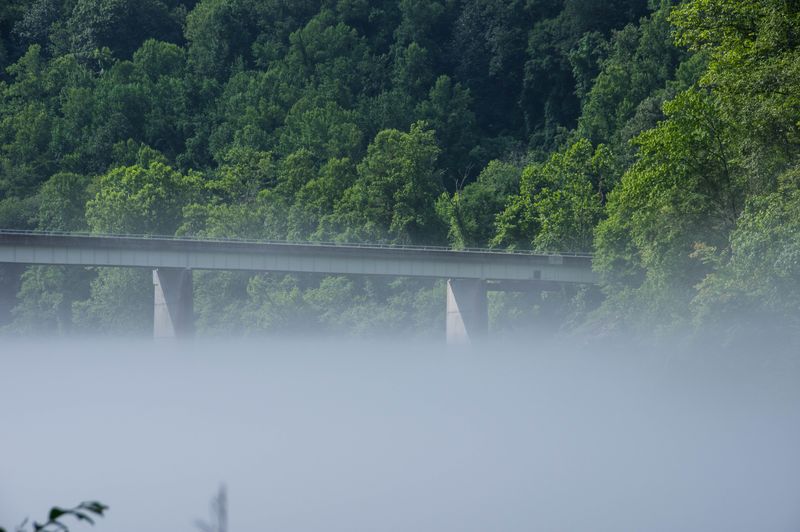
Following routes once used by bootleggers hauling illegal whiskey, Highway 28 earned its nickname from dangerous chases between moonshiners and revenue agents.
The road winds through remote sections of the Nantahala National Forest where development remains minimal.
Local folklore includes tales of ghostly Model T Fords racing through the night.
Some say their long-dead drivers still flee from the law. Winter isolation intensifies on this route.
Hours can pass without seeing another vehicle. The pavement follows creek beds and ridgelines with minimal guardrails and poor lighting.
Snow makes the road nearly impassable without four-wheel drive. Ice forms quickly on the numerous bridges.
Some drivers describe hearing the roar of old engines and seeing flashes of headlights where no vehicles exist.
Others report their vehicles stalling inexplicably in certain spots, only to restart moments later.
The remote nature of Highway 28 means winter breakdowns can leave travelers stranded. Whether the ghosts are real or not, the dangers certainly are.
7. Highway 421
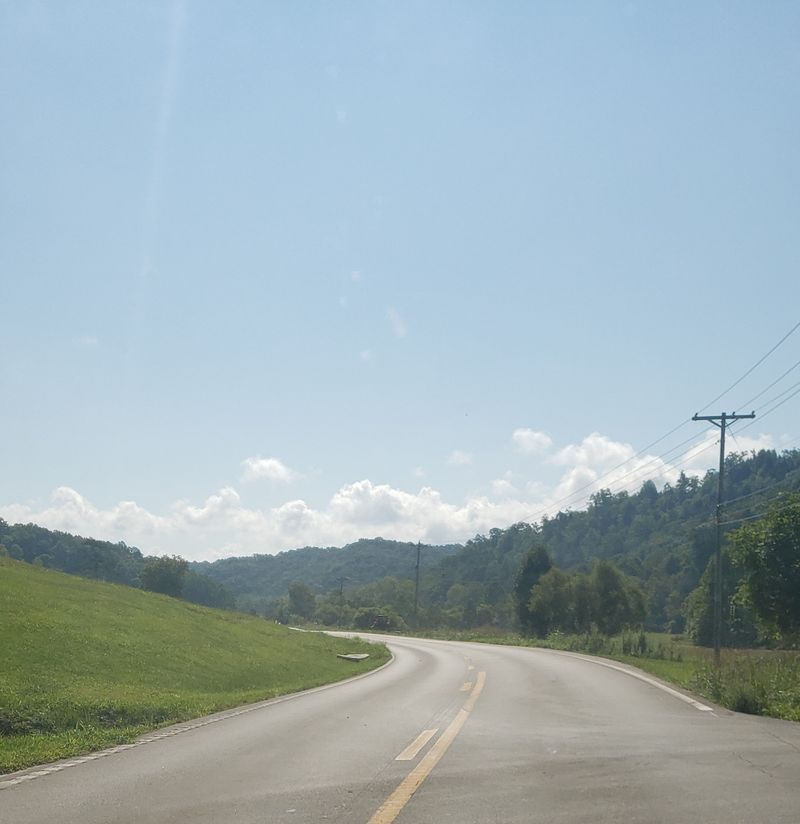
Highway 421 features some of the steepest grades and sharpest curves in North Carolina. The section between Boone and Deep Gap is particularly notorious.
Elevation changes challenge vehicles and drivers alike. Ghost stories center on a woman in white who supposedly flags down drivers near the summit.
She vanishes when help arrives.
Winter weather turns The Snake into a genuine hazard. Runaway truck ramps line the route for out-of-control vehicles on icy descents.
The combination of steep grades and tight curves requires low speeds. Impatient drivers often take risks that end badly.
Emergency responders work multiple accidents here during every winter storm.
Drivers frequently report feeling uneasy on this stretch, particularly after dark when fog reduces visibility to nearly nothing.
The woman in white has been spotted by numerous witnesses over the years.
Whether supernatural or psychological, Highway 421’s reputation makes winter travel particularly daunting.
8. Highway 19 (The Road To Nowhere)
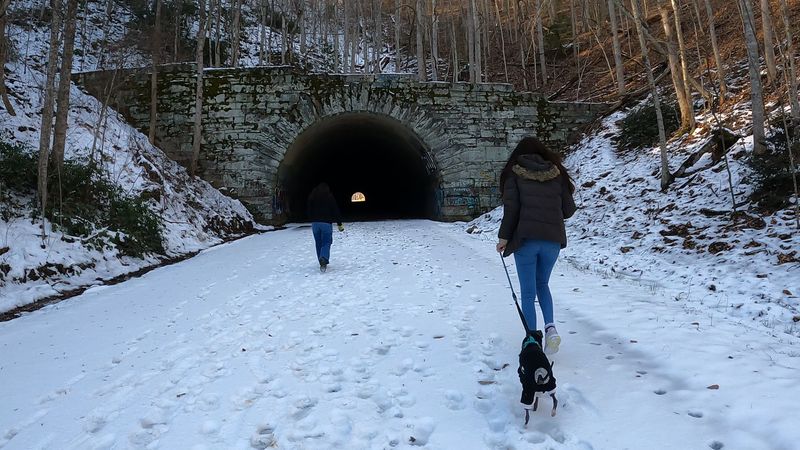
This six-mile stretch, officially Lakeview Drive, is reached from Highway 19 in Bryson City but ends in a tunnel locals call “The Road to Nowhere.”
Located near Bryson City at Lakeview Drive, this six-mile stretch was meant to replace communities flooded by the dam but was never completed.
The abandoned road and its dark tunnel attract ghost hunters. Reports include voices, footsteps, and apparitions of displaced residents who lost their homes.
Winter visits feel particularly haunting because the area sees few visitors. The tunnel stays dark and damp.
Ice forms on the pavement inside.
The echo of footsteps or voices can be unnerving. Local stories tell of people experiencing time distortions inside the tunnel.
Others report vehicles refusing to start near the entrance. Historical tragedy and physical eeriness combine to make this road deeply unsettling during winter.
9. Highway 74 (Great Smoky Mountains Expressway)
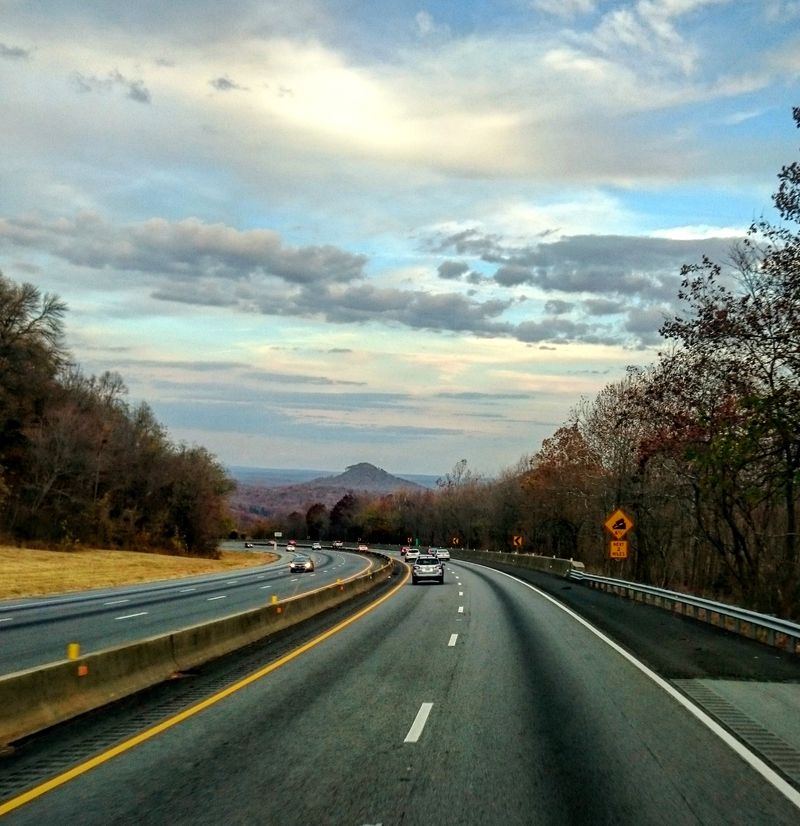
Connecting Asheville to the Tennessee border, Highway 74 serves as a major route through the Smokies despite challenging terrain.
The expressway designation suggests easy driving, but steep grades and sharp curves remain.
Multiple fatal accidents have spawned stories of phantom vehicles. Witnesses describe cars appearing in rearview mirrors that vanish seconds later.
Winter fog can reduce visibility to dangerous levels within moments. Elevation changes cause conditions to vary mile by mile.
Clear driving at lower elevations can quickly turn hazardous. Through-traffic moves at high speeds, increasing danger.
Truckers frequently report seeing vehicles that shouldn’t exist – cars from decades past or trucks that disappear when approached.
Some describe radios filling with static and GPS systems malfunctioning. Highway 74 requires constant attention during winter as weather and visibility shift rapidly.
10. Highway 441 (Newfound Gap Road)
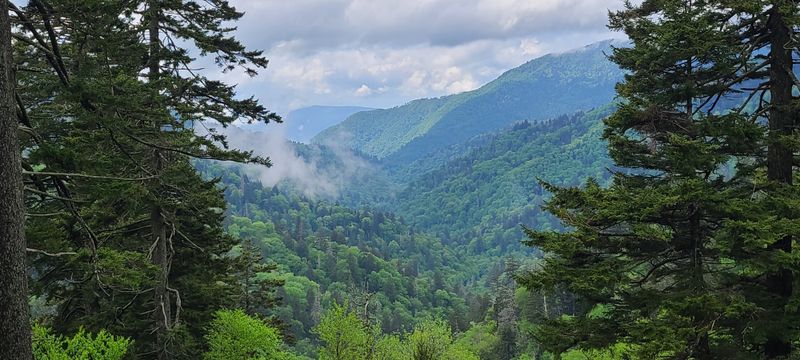
Running through the heart of Great Smoky Mountains National Park, Highway 441 climbs to Newfound Gap at 5,046 feet elevation.
Millions of visitors travel this scenic route yearly. Winter transforms it into one of the region’s most dangerous roads.
Park rangers close it frequently during storms. Some drivers ignore warnings and become stranded.
Ghost stories involve motorists who disappeared during winter storms decades ago. Their vehicles were found abandoned with no trace of the occupants.
Some claim to see these lost travelers wandering the roadside. Remote sections feel isolated during winter.
Elevation changes create drastic temperature differences. Black ice forms without warning.
Snow squalls reduce visibility to zero. Drivers report feeling disoriented on certain curves.
Highway 441 requires extreme caution during North Carolina winters.
11. Highway 129 (Tail Of The Dragon)
Famous among motorcyclists and sports car enthusiasts, Highway 129’s “Tail of the Dragon” packs 318 curves into just 11 miles.
This road attracts thrill-seekers during warm months. Winter turns it into a nightmare of ice-covered hairpin turns and blind curves.
The Tree of Shame displays vehicle parts from crashes. Some say the spirits of riders who died here still haunt the route.
Winter ice makes the Dragon nearly impossible to navigate safely. Many attempt it anyway, often with tragic results.
The road has no shoulders. Guardrails are missing in many sections.
Emergency vehicles struggle to reach accident scenes. Motorcyclists share stories of phantom riders pacing them through curves.
Others describe cold spots and feelings of being watched from the dense forest. The road’s extreme challenge and accident history create a heavy atmosphere.
Winter only intensifies the danger.