Hawaii Fish Fry Traditions That Locals Love

Hawaii’s connection to the ocean runs deep, and nowhere is that more evident than in the fish fry traditions that bring communities together across the islands.
From ancient fishing methods passed down through generations to modern gatherings that tackle environmental challenges, these beloved customs showcase the spirit of aloha and the bounty of the Pacific.
Whether it’s a beachside celebration after a successful catch or a parish fundraiser during Lent, fish fries in Hawaii are about more than just food – they’re about ohana, culture, and keeping treasured traditions alive.
Summer ‘Oama Fishing Outings
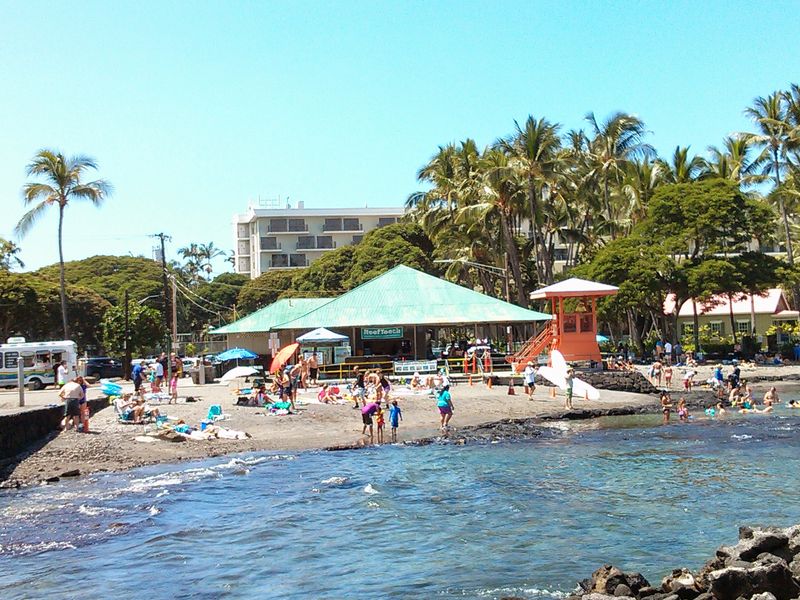
When summer arrives in Hawaii, families head to shallow bays and shorelines with nets and buckets, hoping to catch ‘oama – those tiny, silvery juvenile goatfish that show up in schools.
Kids learn patience and technique from their elders as they wade into calm waters, scooping up these prized little fish that might only be a few inches long.
The real reward comes later when the catch is cleaned, lightly seasoned with Hawaiian salt, and deep-fried whole until crispy.
Eaten bones and all, ‘oama make for an addictive pupu that pairs perfectly with a tangy dipping sauce like vinegar mixed with shoyu or a splash of ponzu.
This tradition teaches younger generations about sustainable fishing practices and the importance of knowing when and where to harvest responsibly.
Many local families have secret ‘oama spots they return to year after year, passing down not just fishing skills but cherished memories of summer days spent together by the water.
Catholic Parish Lenten Fish Fries
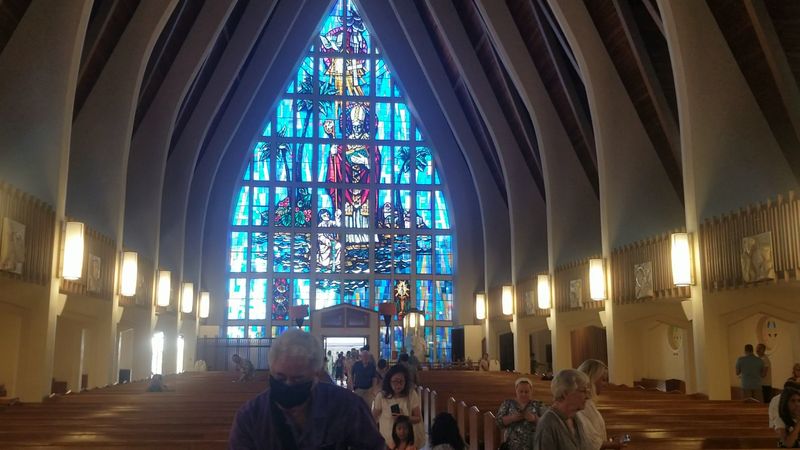
Borrowed from Midwestern traditions but given a local twist, Lenten fish fries have become a Friday night staple at Catholic parishes throughout Hawaii.
Churches like St. John Vianney in Kailua host these fundraising dinners where parishioners and neighbors gather for plates of golden beer-battered fish – often catfish or cod – served alongside crispy fries, tangy coleslaw, and soft dinner rolls.
You’ll find the address at 920 Keolu Drive, Kailua, HI 96734, where volunteers work tirelessly in parish kitchens to prepare hundreds of meals each week during the Lenten season.
These events do more than satisfy appetites; they strengthen bonds within the community and raise funds for church programs, school improvements, and charitable causes.
The atmosphere buzzes with conversation, laughter, and the unmistakable aroma of frying fish.
Families make it a weekly tradition, arriving early to secure their favorite tables and catching up with friends they might only see at Sunday Mass or these special Friday gatherings.
Ta’ape Invasive Species Fish Fries

Not all fish fries are purely for celebration – some serve a greater environmental purpose.
Organizations like Local I’a host community fish fry events specifically featuring ta’ape, the blueline snapper that was introduced to Hawaiian waters decades ago and has since become invasive, disrupting native fish populations.
By promoting ta’ape as a delicious, sustainable food source, these gatherings encourage locals to help control the species while enjoying a tasty meal.
The fish is typically fried until the skin crisps up beautifully, then served with steamed rice, fresh island greens, and a simple salad.
The mild, flaky meat wins over even skeptical diners, proving that conservation efforts can be both practical and delicious.
These events also educate attendees about Hawaii’s marine ecosystem challenges and the importance of eating locally caught fish.
It’s a win-win situation: reducing invasive populations while supporting sustainable fishing practices and bringing the community together over a shared meal and shared mission.
Backyard Deep Fryer Gatherings
Across Hawaii, weekend backyard fish fries are an unofficial sport, with families firing up propane-powered deep fryers to cook whatever was caught that morning.
Whether it’s moi, papio, or uku, the fish gets a simple treatment – maybe a light dusting of flour or cornstarch mixed with garlic powder and Hawaiian salt – before hitting the hot oil.
The sizzle and pop of frying fish becomes the soundtrack to lazy Saturday afternoons, drawing neighbors over with curious noses and empty stomachs.
Coolers filled with cold drinks appear, someone breaks out the poi or rice, and before long, a full-blown potluck is underway.
These spontaneous gatherings embody the true spirit of Hawaiian hospitality, where no invitation is needed and everyone is welcome to pull up a chair.
Stories about the one that got away mix with laughter and teasing, while kids run around the yard and elders sit in the shade sharing fishing tips and family history.
Fishing Tournament After-Parties
After a long day of competitive fishing, tournament participants and spectators gather for the weigh-in and the real highlight – the fish fry that follows.
Many Hawaii fishing tournaments include a community feast where part of the catch is cleaned, filleted, and fried up fresh for everyone to enjoy.
Organizers set up big fryers near the docks or beach, and soon the air fills with the mouthwatering smell of just-caught fish hitting hot oil.
Anglers swap stories about their best bites and near-misses while munching on crispy fish chunks served with lemon wedges and hot sauce.
These after-parties celebrate not just the winners but the entire fishing community and the shared love of the sport.
Local businesses often sponsor the food, and volunteers work the fryers, making sure everyone gets fed.
It’s a festive atmosphere where competition gives way to camaraderie, and the ocean’s generosity is honored through shared enjoyment of its bounty.
Poke Preparation Traditions
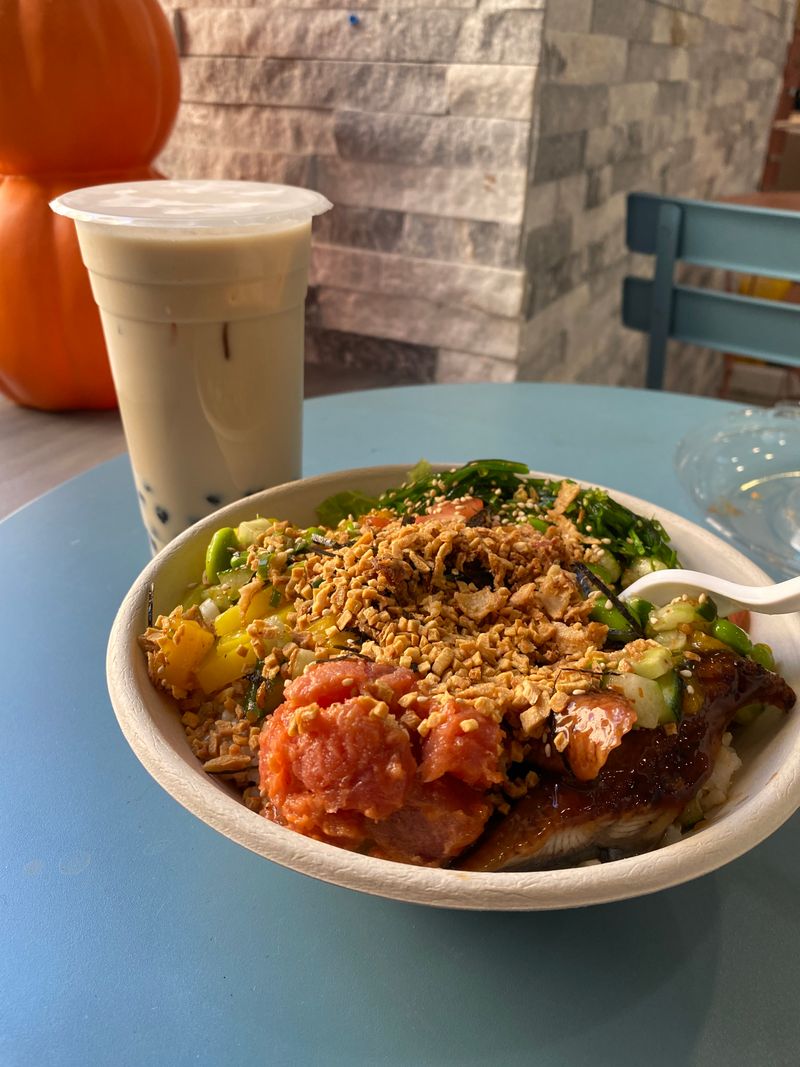
While poke isn’t fried, it deserves mention as one of Hawaii’s most iconic fish traditions that often appears alongside fish fry spreads at gatherings.
This dish features cubed raw fish – usually ahi tuna – tossed with shoyu, sesame oil, limu, inamona, and green onions.
The preparation is simple but requires the freshest fish possible, ideally caught that same day.
Locals have strong opinions about their poke, with some preferring the classic shoyu version while others love spicy mayo, wasabi, or Hawaiian chili pepper variations.
At community fish fries, you’ll often find a table dedicated to poke, giving guests a raw option to balance the fried offerings.
The contrast between cold, silky poke and hot, crispy fried fish creates a perfect culinary balance.
This tradition connects modern Hawaii to its ancient past, when Hawaiians would season their fresh catch with sea salt and seaweed right on the beach after a successful fishing trip.
Mochiko Chicken-Style Fish Frying
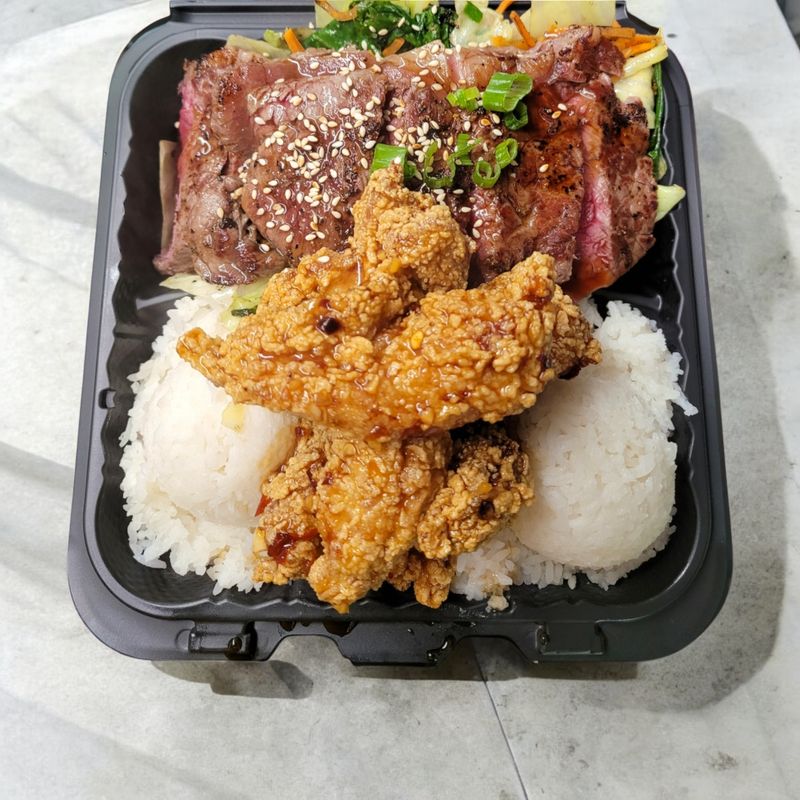
Borrowing from the beloved mochiko chicken technique, many Hawaii cooks apply the same sweet rice flour batter to fresh fish fillets with outstanding results.
The mochiko creates an incredibly crispy, almost lacy coating that stays crunchy even after sitting for a while – perfect for potlucks and beach picnics.
The batter typically includes shoyu, sugar, eggs, and sometimes ginger or garlic, giving the fish a slightly sweet and savory flavor profile.
This method works beautifully with firm white fish like mahi-mahi, ono, or snapper, and has become a local favorite at fundraisers and family gatherings.
The technique likely evolved from Hawaii’s plantation era, when Japanese immigrants adapted their cooking methods to local ingredients and shared them with neighbors from other cultures.
Today, you’ll find mochiko-fried fish at school carnivals, church bazaars, and ohana reunions, often served as part of a plate lunch with two scoops of rice and macaroni salad on the side.
Pier And Harbor Shore Lunches
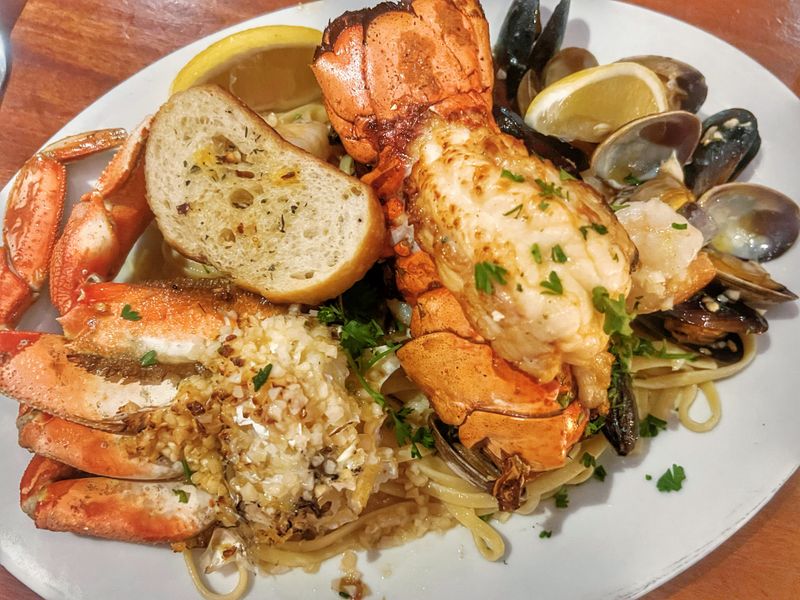
Along Hawaii’s harbors and piers, fishermen sometimes cook their catch right where they dock, setting up portable burners and fryers for an impromptu shore lunch.
These casual gatherings happen when the bite was good and the crew wants to enjoy the fruits of their labor immediately, while the fish is as fresh as it gets.
A simple setup – hot oil, salt, maybe some lemon – is all that’s needed to transform just-caught fish into a memorable meal.
Other boaters and harbor regulars often wander over, drawn by the smell and the friendly atmosphere, and before long, a small crowd has formed.
These spontaneous fish fries embody the laid-back island lifestyle where time slows down and simple pleasures take center stage.
Sharing food with fellow fishermen and curious passersby creates instant connections and reinforces the sense of community that defines Hawaii’s fishing culture.
No fancy sides or elaborate preparation – just honest, delicious fish and good company under the Hawaiian sun.
School And Community Fundraiser Fish Plates

When Hawaii schools, sports teams, or community groups need to raise money, fish fry plate sales are a tried-and-true method.
Volunteers gather early in the morning to prep hundreds of fish fillets, setting up assembly lines for battering, frying, and plating.
The standard plate usually includes generous portions of fried fish, rice, macaroni salad, and maybe some pickled vegetables or kimchi.
Pre-orders go out weeks in advance through text chains and social media, with families ordering multiple plates to support the cause and stock their freezers.
Pickup day becomes a community event, with cars lining up and volunteers rushing to fulfill orders while keeping the fryers running at full capacity.
These fundraisers do more than generate income – they teach kids about teamwork, organization, and community service while preserving the tradition of coming together around food.
The smell of frying fish becomes synonymous with school spirit and neighborhood pride, making these events eagerly anticipated on the local calendar.
New Year’s Celebration Whole Fried Fish

In many Hawaii households with Asian roots, serving whole fried fish at New Year’s is essential for good luck and prosperity in the coming year.
The fish symbolizes abundance, and serving it whole – head to tail – represents completeness and a good beginning leading to a good end.
Chinese, Japanese, Korean, and Filipino families each have their own variations, but the common thread is a beautifully crispy whole fish as the centerpiece of the celebration meal.
Preparation might include scoring the skin, marinating in ginger and scallions, then frying until the outside is crackling crisp while the meat stays moist and tender.
The fish is often presented on a large platter surrounded by vegetables, sauces, and garnishes, making for a stunning visual display.
Younger family members learn the significance of this tradition while helping with preparation, ensuring that these meaningful customs continue through generations.
The New Year’s fish fry connects Hawaii’s multicultural families to their ancestral homelands while creating new memories in their island home.
Aku Palu Palu And Pan-Fried Preparations
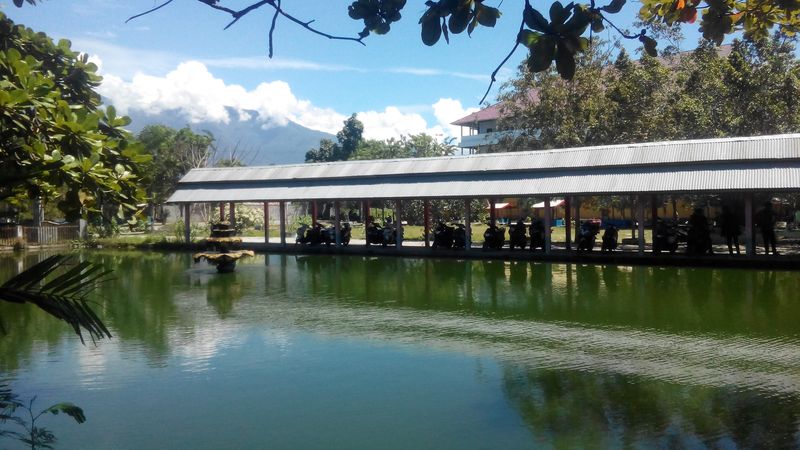
Aku, or skipjack tuna, holds a special place in Hawaiian cuisine, and one traditional preparation involves palu palu – pounding the raw fish with salt and sometimes chili pepper to create a textured, flavorful mixture.
While this is typically eaten raw, locals also pan-fry portions of fresh aku when it’s plentiful, creating crispy-edged patties or simply searing thick steaks with minimal seasoning.
The key is not overcooking, as aku can become dry and tough if left in the pan too long.
A quick sear on high heat leaves the center rare to medium-rare, with a beautiful crust that adds texture contrast.
This method respects the fish’s natural flavor while adding just enough cooking to appeal to those who prefer their fish cooked through.
Aku fishing has long been important to Hawaiian culture, both as subsistence and as sport, and these simple preparations honor the fish without masking its distinctive taste.
Served with rice and pickled onions or a simple shoyu dipping sauce, pan-fried aku makes for a satisfying, protein-rich meal that’s ready in minutes.
Beach Park Pavilion Fish Fry Parties
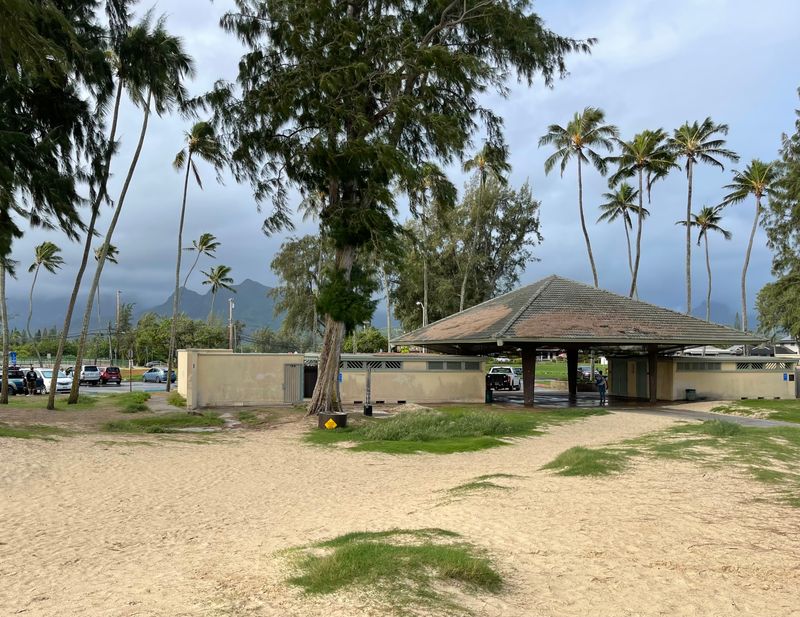
Hawaii’s beach parks, with their covered pavilions and barbecue pits, provide the perfect venue for large-scale family fish fries that can accommodate dozens of people.
Reserved months in advance for birthdays, reunions, and graduations, these pavilions become command centers for major cooking operations.
Families arrive early to claim their spot, setting up tables, coolers, and most importantly, the propane fryers that will work overtime throughout the day.
Kids play in the sand and surf while aunties and uncles handle the cooking, frying batch after batch of fish alongside chicken katsu, tempura vegetables, and whatever else made it into the coolers.
The ocean breeze carries the smell of frying food across the park, and it’s not uncommon for other beachgoers to stop by with curious compliments.
These gatherings last for hours, with people coming and going, eating multiple rounds, and settling into beach chairs for long talk-story sessions.
The combination of fresh air, good food, and family makes beach park fish fries a quintessential Hawaii experience that visitors might glimpse but locals truly cherish.
Hukilau Community Beach Pulls
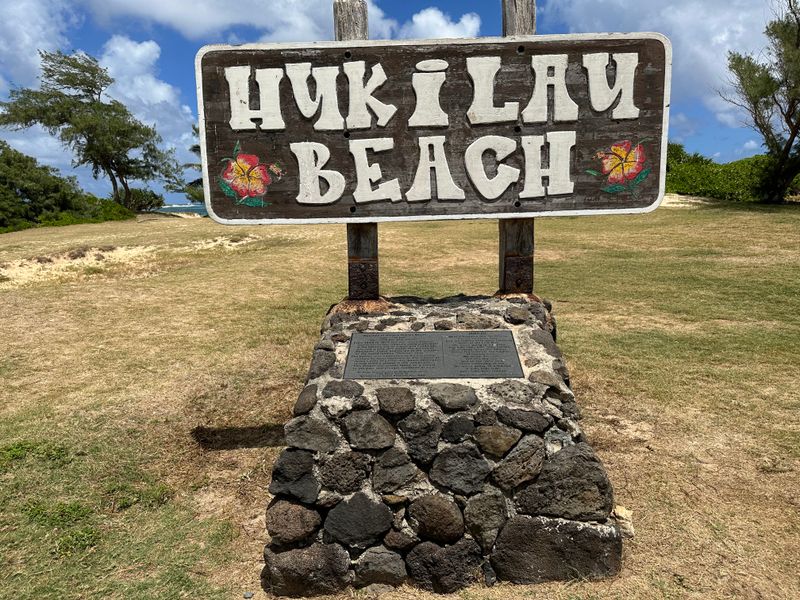
Picture an entire neighborhood gathering at dawn, working together to haul in a massive fishing net from the shoreline.
That’s the magic of hukilau, an ancient Hawaiian fishing technique where communities unite to cast and retrieve a large seine net filled with the day’s catch.
The word itself means pull rope, and everyone from keiki to kupuna takes part in the effort.
Once the net reaches shore and the fish are sorted, the real celebration begins with music, hula, and shared meals right on the beach.
Traditional hukilau songs echo across the sand as families prepare their portions of the catch, often frying up fresh fish in big pots over open flames.
This method embodies the Hawaiian value of laulima – many hands working together – and ensures that everyone shares in the ocean’s abundance.
While commercial hukilau operations are rare today, cultural demonstrations and special community events keep this beautiful tradition alive, reminding locals of their ancestral connection to the sea.