Head To This Underrated Georgia Beach For An Incredible Fossil Hunting Adventure
The oldest thing I own is a shark tooth older than the last ice age. I found it with my bare hands, half buried in wet sand, and I gasped loud enough to startle a heron.
That moment turned me into a person who checks tide charts for fun. It happened on a beach in Georgia that most travel lists never mention.
No boardwalk, no umbrella rentals, no crowds fighting for towel space. Just miles of shoreline where the ocean keeps coughing up pieces of the distant past.
Every low tide resets the treasure hunt. Sharks that swam here millions of years ago left their teeth behind, and the patient walker gets to keep them.
Georgia has flashier beaches, sure. None of them let you hold prehistory in your palm before lunch.
The Shell-Covered Shore That Stops You In Your Tracks
Forget everything you picture when you hear the word beach. This shore is not soft white sand.
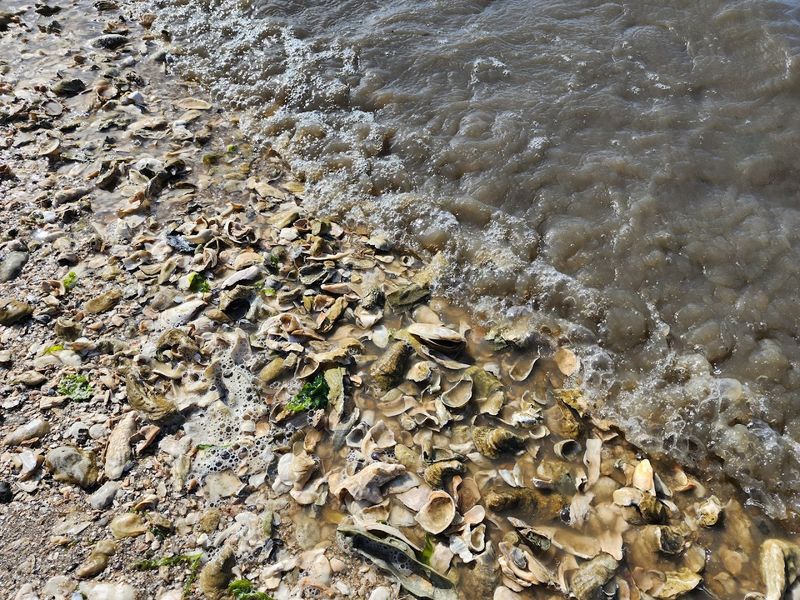
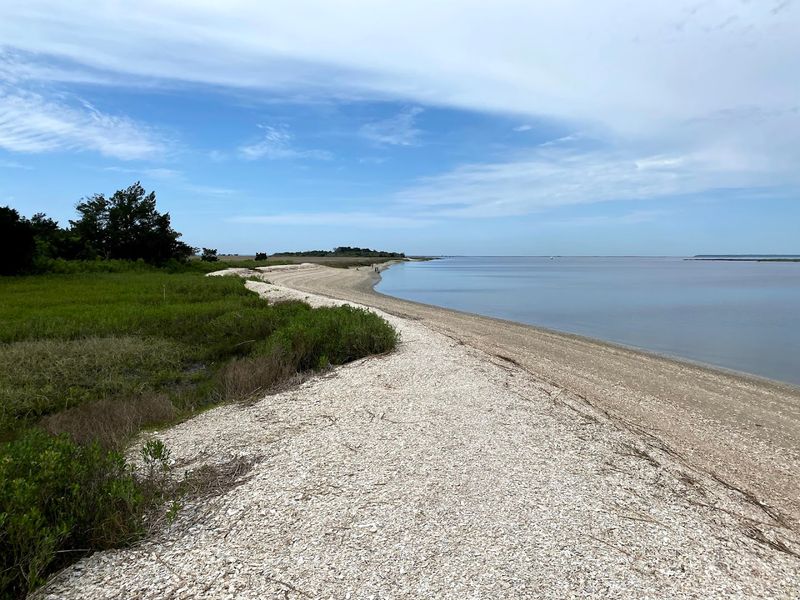
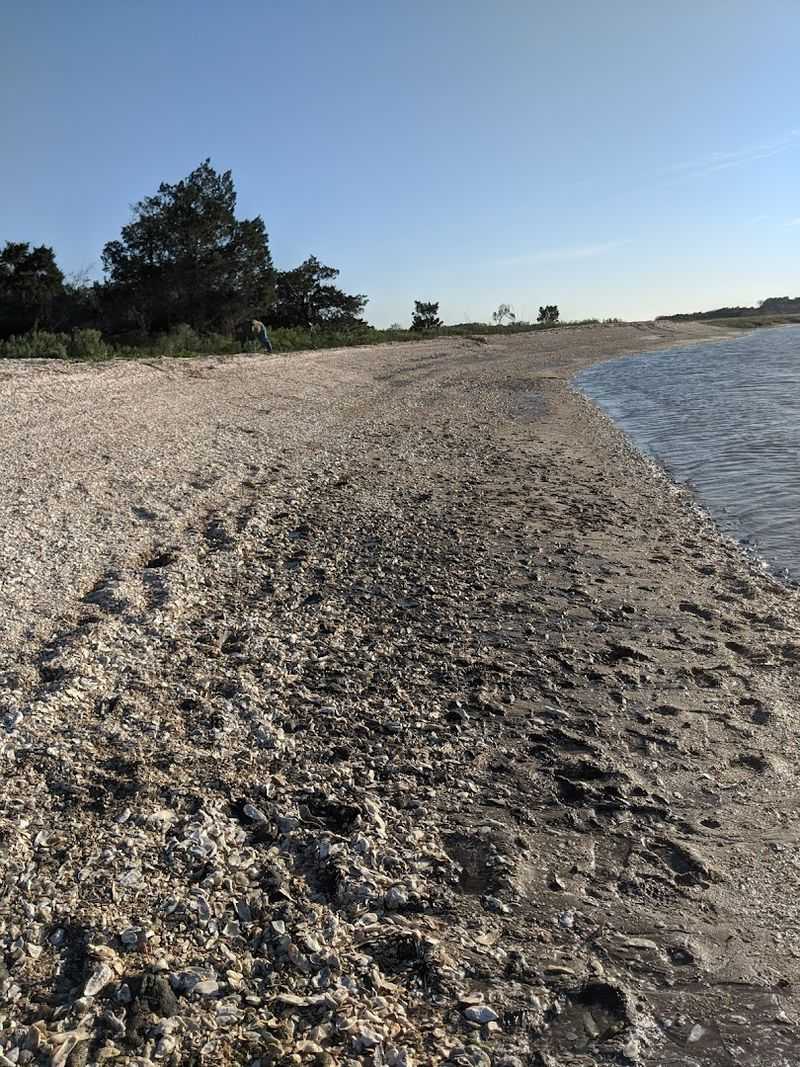
It is covered entirely by a thick, crunching blanket of oyster shells, stretching as far as you can see.
The texture alone is worth the trip. Every step feels like walking on nature’s own mosaic.
Broken shells, whole ones, and tiny fragments all pile together in natural ridges along the waterline.
Sharktooth Beach on Jekyll Island, GA 31527, sits on the western marsh side of the island, facing the Intracoastal Waterway. The water here runs dark and tidal, not the turquoise you might expect.
That contrast makes the scene feel raw and genuinely wild.
Wear sturdy shoes. Sandals with thick soles work well.
Bare feet are a bad idea on this terrain. The shells are sharp and uneven, especially near the water’s edge.
The beach itself is small and compact. It does not stretch for miles.
But the density of shells packed into that tight space is almost unbelievable. It feels like the ocean deposited centuries of history right at your feet.
The One-Mile Trail That Builds Serious Anticipation
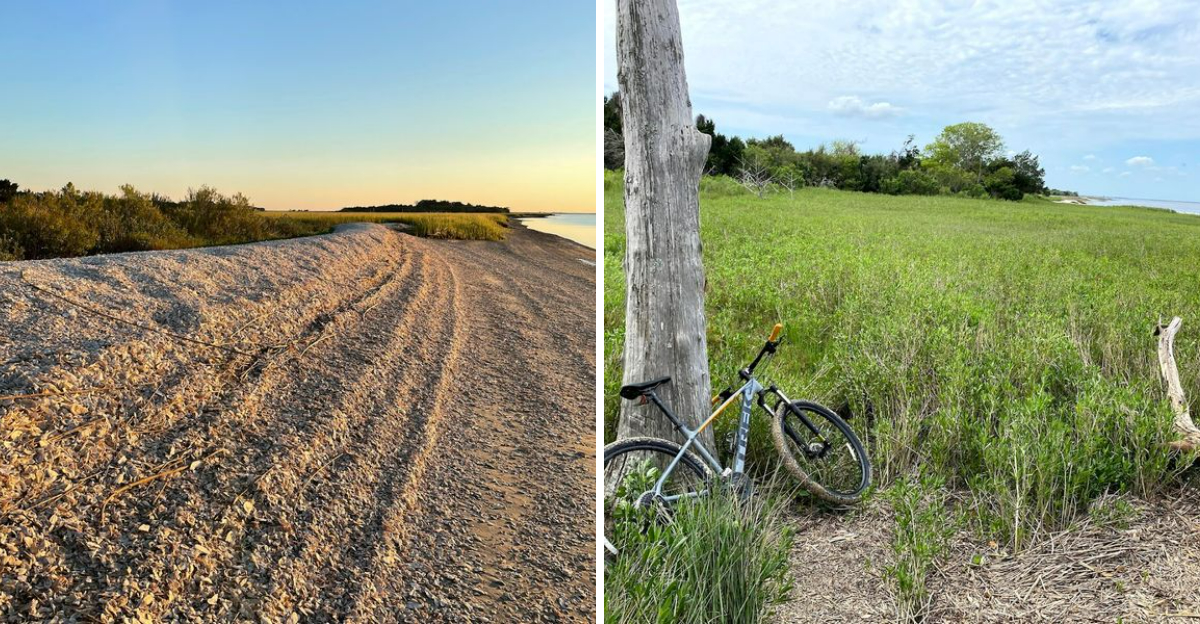
Getting there is half the fun, and that is not just a saying. The trail to this beach starts just past the Summer Waves Water Park driveway.
It is a wide, flat path through a genuine maritime forest.
The walk takes roughly 15 to 25 minutes at a casual pace. Families with young kids have made it out and back without trouble.
A nine-year-old can speed-walk it in under 20 minutes, so pace yourself accordingly.
Along the way, the forest does its best to entertain you. Butterflies drift across the path.
Crabs skitter through the underbrush.
Bring bug spray without question. The insects near sundown are relentless.
Morning visits tend to be more comfortable for those sensitive to heat and bugs alike.
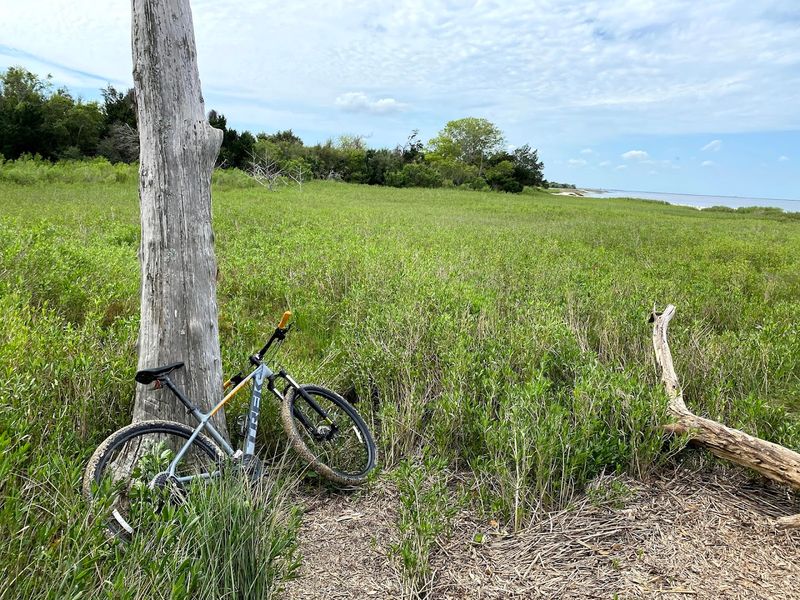
Biking the trail is a fantastic option. Several visitors strongly recommend renting bikes to cut the travel time significantly.
The path is wide and flat enough to handle a casual bike ride with ease. Either way, the build-up makes arriving at the beach feel like a real reward.
Hunting Prehistoric Shark Teeth Like A Real Fossil Explorer
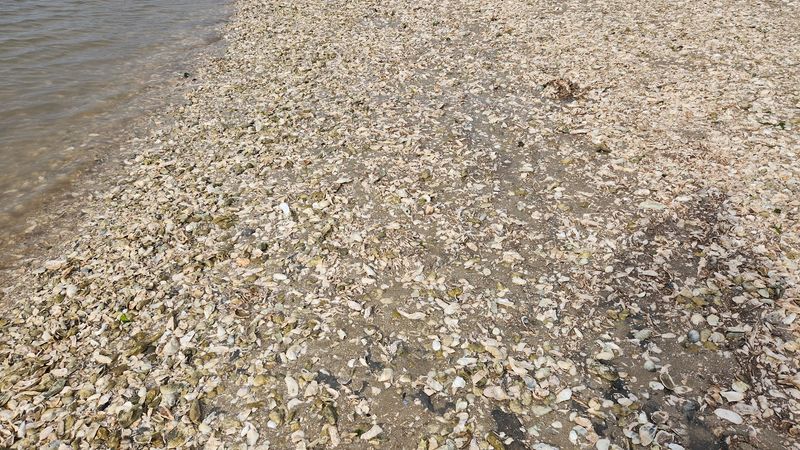
Finding a shark tooth here feels genuinely thrilling, even if it is the size of a dime. These are not modern teeth.
They are fossilized, dark black or gray, and sometimes millions of years old.
Some visitors even hope to spot larger fossil teeth, though most finds are small, dark shark teeth hidden among the shells. That thought alone makes every shell you flip over feel like a potential discovery.
Low tide is your best friend at this beach. The tidal retreat exposes the muddy bottom where teeth collect naturally over time.
Checking a tide chart before you visit can make the difference between finding five teeth and finding zero.
After a storm is another prime window. Rough water churns up the sediment and deposits fresh fossils along the shoreline.
Timing your visit strategically gives you a real competitive edge.
A shell sifter works brilliantly at the water’s edge. Scoop up a handful of wet shell fragments, shake gently, and watch the smaller pieces fall through.
The dark, triangular shape of a tooth stands out quickly once your eye gets trained. Patience matters more than luck here.
Keep searching and the beach will eventually give something up.
Low Tide Turns This Shore Into A Whole New World
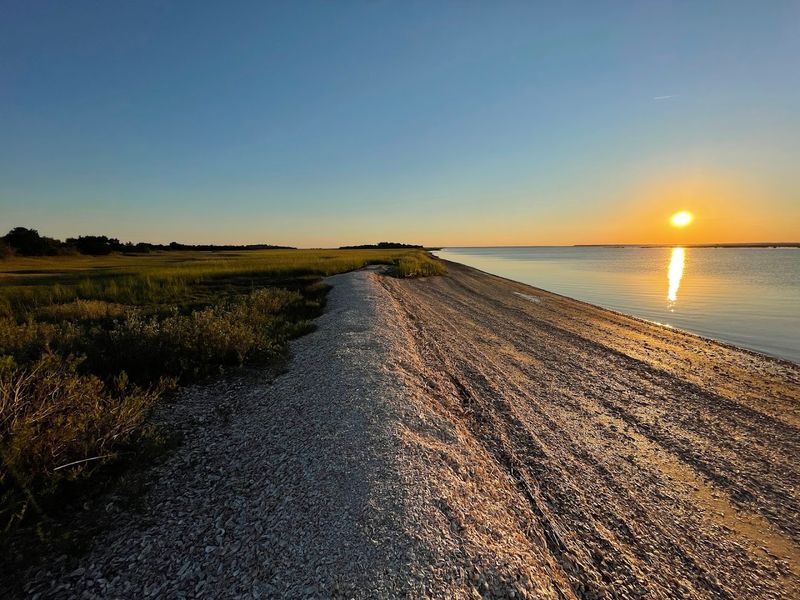
Tide timing is not optional here. It is the single most important variable in whether your visit feels magical or just muddy.
Low tide exposes the areas where fossilized teeth and artifacts naturally concentrate.
The exposed muddy flats become your hunting ground. That dark, soft substrate is where centuries of material have settled.
Scanning the surface carefully and slowly is far more effective than rushing around.
Sunsets during low tide create a spectacular bonus. The receding water catches the light, and the enamel on fossilized teeth actually reflects the setting sun.
Several visitors have reported spotting teeth much more easily as the sun drops low on the horizon.
Bring a flashlight if you plan to stay through sunset. The trail back through the forest is wide, but it gets genuinely dark without one.
Planning for the walk home is just as important as planning for the hunt.
The Georgia coast experiences two low tides daily. Checking a reliable tide chart app before leaving your accommodation takes about 30 seconds and saves hours of frustration.
Early morning low tides offer cooler temperatures and fewer visitors, which makes the experience feel even more personal and rewarding.
The Surprising Wildlife Encounters Along The Way
Nobody warns you about the armadillo. One visitor described watching one bolt out of the underbrush and charge straight down the trail ahead of them.
It was apparently just as startled as they were.
The wildlife here is genuinely active and visible. White-tailed deer move through the maritime forest regularly.
Raccoons patrol the edges of the trail, particularly near dusk. Squirrels are everywhere, doing squirrel things with great enthusiasm.
Birdwatchers will find this area especially rewarding. Jekyll Island sits along Georgia’s Colonial Birding Trail and the Atlantic Migratory Flyway.
That means seasonal migrations bring an impressive variety of species through the area throughout the year.
Dolphins are sometimes spotted in the surrounding tidal waters around Jekyll Island. Watching them surface in the tidal channel while you search for shark teeth is an experience that feels completely surreal in the best possible way.
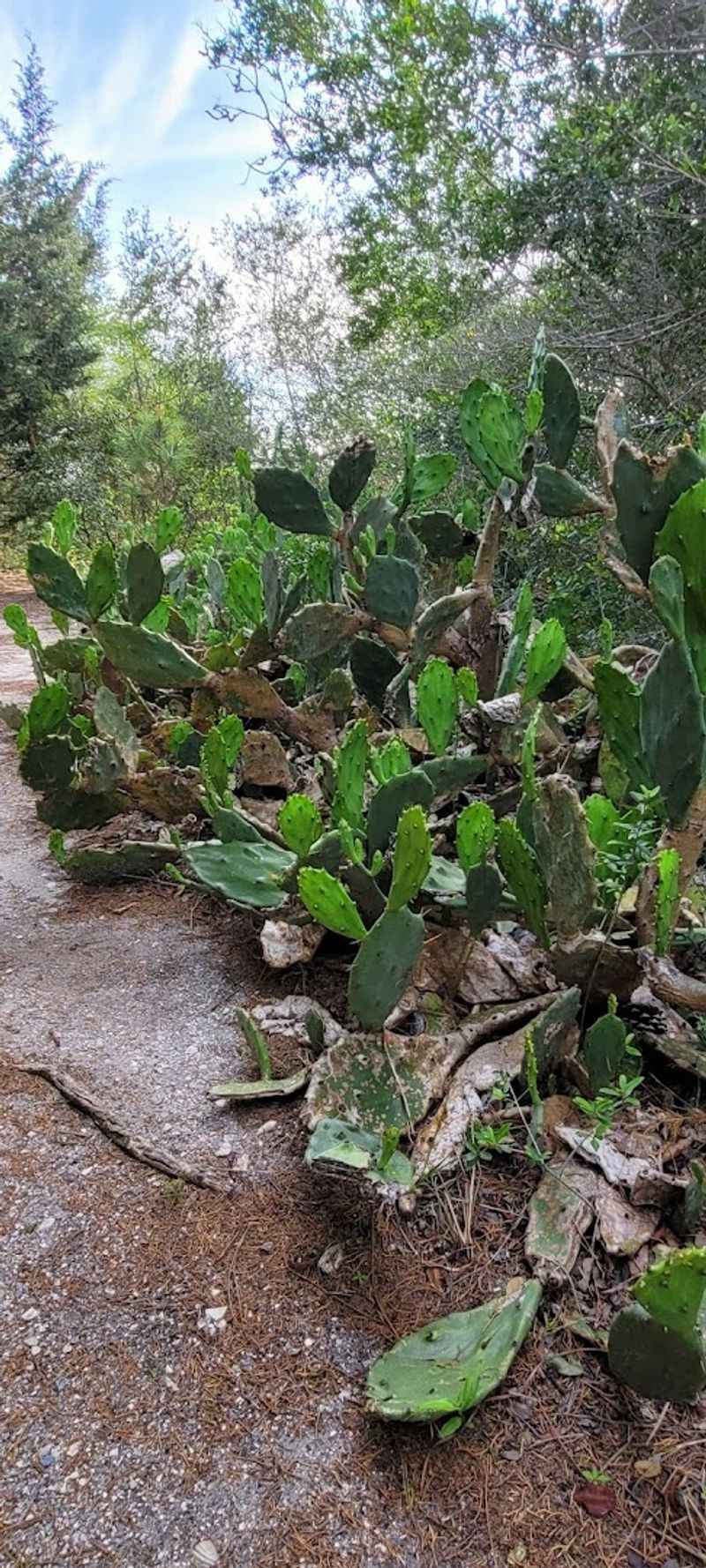
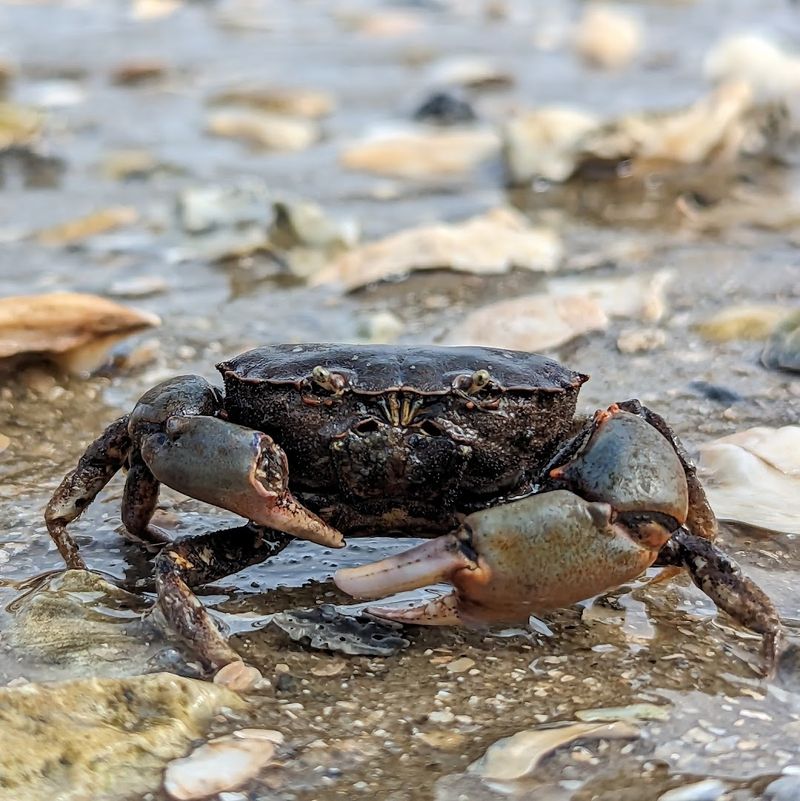
Crabs are abundant along the trail and near the shoreline. Behind a small side path past the cactus cluster, there is reportedly an entire community of small crabs moving through a grassy clearing.
Spotting them requires a short detour, but curious visitors consistently find it worth the extra few minutes of exploration.
Ancient Artifacts And The Island’s Layered History
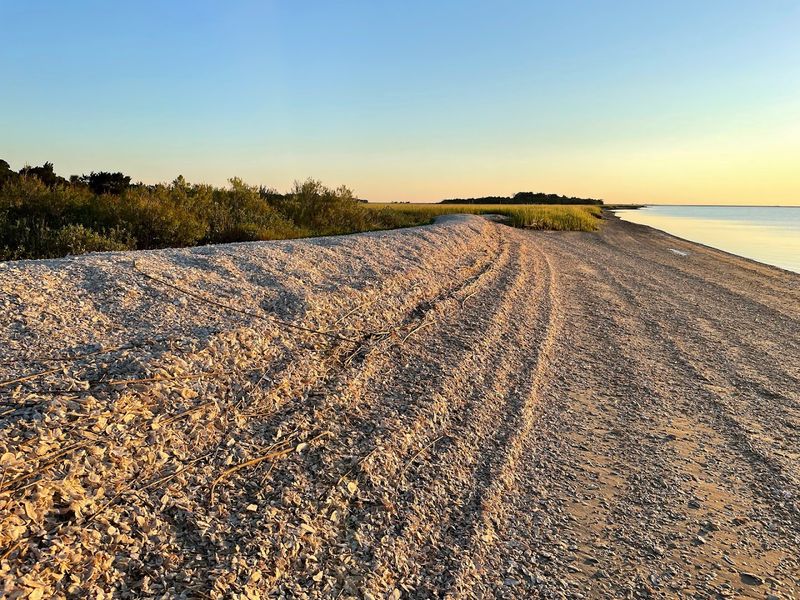
Shark teeth are not the only ancient things washing up here. Visitors may notice signs of the island’s long human history, but any possible cultural artifacts should be left in place and reported rather than collected.
The beach holds layers of history beneath every shell.
Native American communities lived on this island long before European settlers arrived. The shell middens and buried artifacts scattered throughout the area are remnants of those early inhabitants.
Finding a pottery shard here connects you to something genuinely old and profound.
Jekyll Island’s documented history includes early coastal settlement, historic ruins, and the later Jekyll Island Club era, and eventually the exclusive retreat of some of America’s wealthiest families.
The Jekyll Island Club attracted elite visitors during the Gilded Age, and that legacy still shapes the island’s Historic District today.
The Horton House ruins, one of Georgia’s oldest surviving tabby structures, stand on the island as a testament to its colonial past. Tabby is a building material made from oyster shells, lime, sand, and water.
The connection between those historic shells and the shells under your feet at this beach feels quietly poetic.
The island became public property in 1947 when the state of Georgia purchased it. That decision transformed a private retreat into a place every Georgia resident could explore freely and affordably.
What About 5,700 Acres Of Preserved Georgia Coastline Actually Looks Like
The scale of this place genuinely surprises most first-time visitors. About 5,700 acres of barrier island stretch across the Georgia coast, and state law requires approximately two-thirds of it to remain undeveloped forever.
That commitment to conservation is visible everywhere you look. Maritime forests give way to expansive salt marshes.
Towering dunes line the Atlantic-facing beaches. The contrast between the wild western marsh side and the open eastern shoreline is dramatic and beautiful.
Over 20 miles of paved bike paths and hiking trails wind through these diverse habitats. Ranger-led nature walks introduce visitors to the ecology of the island in an approachable and genuinely educational way.
Guided kayak tours through the salt marsh offer a completely different perspective of the landscape.
The Georgia Sea Turtle Center operates on the island and focuses on sea turtle rehabilitation and education. Jekyll Island serves as a critical nesting ground for several sea turtle species.
Visiting the center adds meaningful context to everything you observe on the beach.
A daily parking fee is required to access the island. That fee directly supports conservation programs, trail maintenance, and the ongoing work of the Jekyll Island Authority.
It is a small price for access to something this extraordinary and well-preserved.
Practical Tips That Will Make Or Break Your Visit
Preparation separates a great visit from a frustrating one here. The trail offers very little shade, especially in the warmer months.
A hat, sunscreen, and at least one water bottle per person are non-negotiable supplies.
Bug spray deserves its own category of importance. The insects near the trailhead and along the forest path can be intense, particularly as the sun goes down.
Apply before you start walking, not after you have already been bitten.
Closed-toe shoes or thick-soled sandals are essential for walking on the shell beach. The oyster shells are uneven and sharp.
Several visitors have reported sinking into soft sand near the southern end of the beach, so step carefully and test the ground as you move along the shoreline.
Biking to the beach is genuinely one of the smartest moves you can make. The path is wide, flat, and bike-friendly.
Cutting the travel time in half means more energy for searching when you actually arrive.
Check the tide chart before leaving. Bring a flashlight if there is any chance you will still be on the trail after dark.
Pack a shell sifter if you are serious about finding teeth. Small, thoughtful preparations turn a good outing into an unforgettable one.
Why This Beach Rewards The Curious More Than The Casual
Not every visitor finds a shark tooth. That is simply the honest truth.
Six people searching for a full hour sometimes leave empty-handed. But the beach still delivers something worth keeping, even without a fossil.
The sunset views from this spot are consistently described as among the most beautiful on the entire Georgia coast. The tidal channel catches the light in a way that feels almost cinematic.
Coming for the sunset alone is a completely valid reason to make the trip.
The quiet here is rare and valuable. Most popular beaches on the island attract crowds.
This one, because of the walk required to reach it, stays naturally peaceful and uncrowded throughout most of the year.
The experience of getting there, searching carefully, watching dolphins, and sitting with the shells as the light fades is the kind of afternoon that sticks with you. It does not require a perfect fossil find to feel meaningful.
The beach rewards people who show up curious and willing to slow down. Rushing through it misses the point entirely.
Bring patience, bring water, bring good shoes, and let the place unfold at its own pace. Some of the best discoveries here happen when you stop looking and simply start paying attention.