Hidden Along A Georgia Creek Are The Stone Remains Of A Forgotten Civil War Story
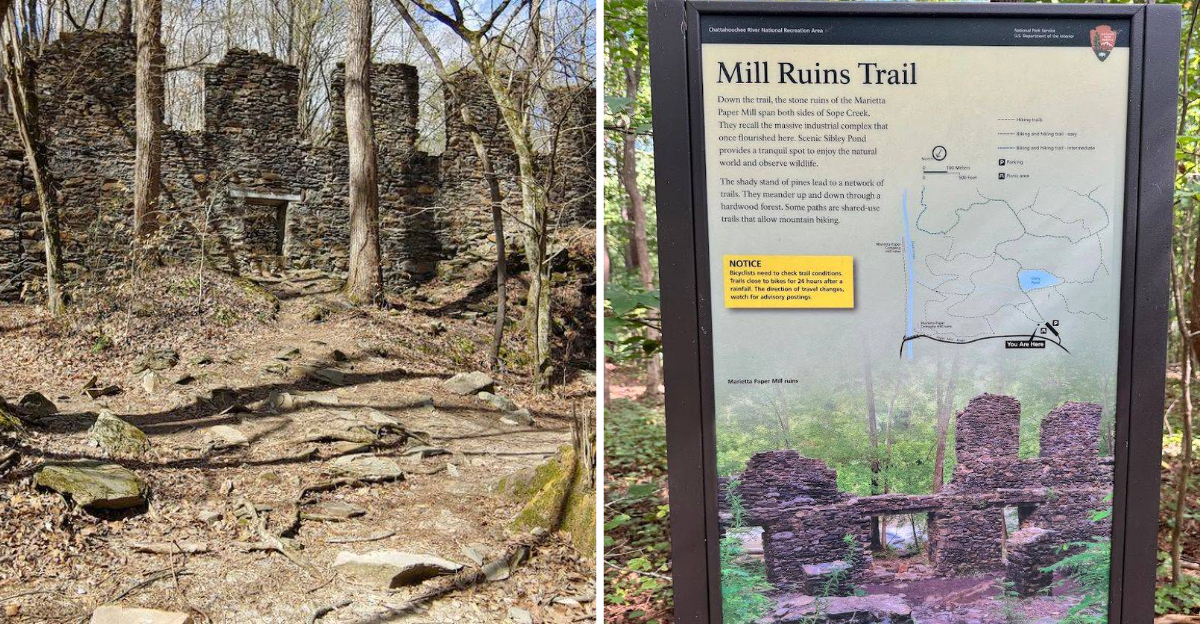
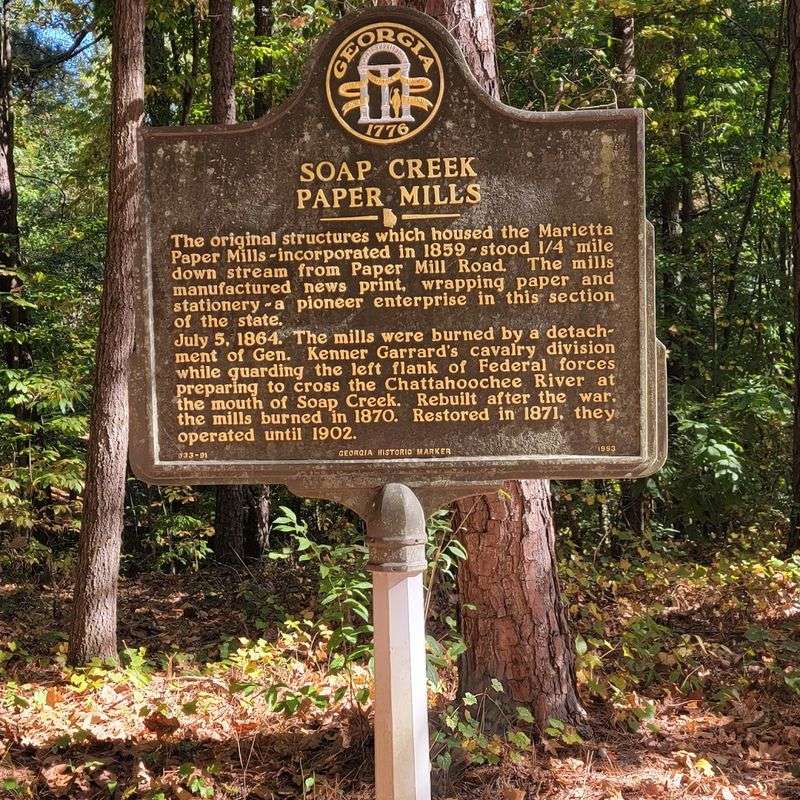
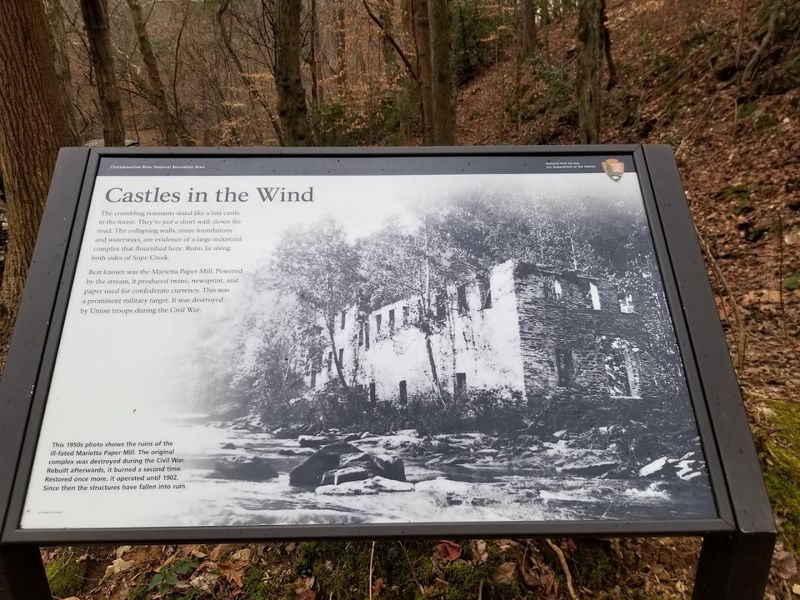
Tucked beside the quiet waters of Sope Creek in Marietta, Georgia, the moss covered stone ruins of an old paper mill rise like a scene from another century. Constructed between 1853 and 1855, the mill became unexpectedly tied to the Civil War, reportedly producing cartridge paper for Confederate forces before Union troops set it ablaze in 1864.
Though fire reduced the structure to rubble, its thick stone walls endured, standing as silent witnesses to the passage of time. Today, the haunting remains rest within the Chattahoochee River National Recreation Area, surrounded by forest trails, rushing water, and filtered sunlight.
Hikers wander through the archways, photographers capture the atmospheric beauty, and history lovers imagine the stories etched into every stone. Whether drawn by rich history, natural scenery, or the thrill of discovery, Sope Creek offers an unforgettable glimpse into Georgia’s layered past.
1. A Mill Built Before the War Changed Everything
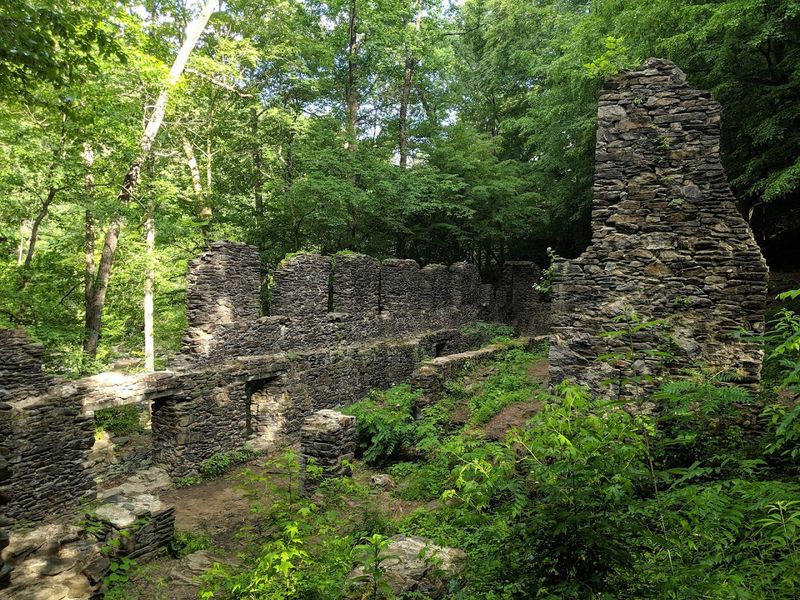
Long before the first cannon fired in the Civil War, a group of Georgia entrepreneurs saw opportunity along Sope Creek. The Marietta Paper Mill, as it was originally known, was constructed between 1853 and 1855, making it one of the largest paper-producing operations in the entire state at the time.
The mill churned out writing paper, printing paper, tissue, and wrapping paper for a growing Southern economy. Its stone walls were built to last, and that decision to use durable materials is exactly why visitors can still walk among those same walls today.
Standing inside the ruins now, it is easy to forget that this quiet, forested spot was once a buzzing industrial hub. The contrast between the peaceful creek sounds and the mill’s busy past makes the visit feel almost cinematic. Arriving with some background knowledge genuinely deepens the experience in a way that a quick glance at a trail map never could.
2. Confederate Cartridge Paper and the “Mint” Nickname
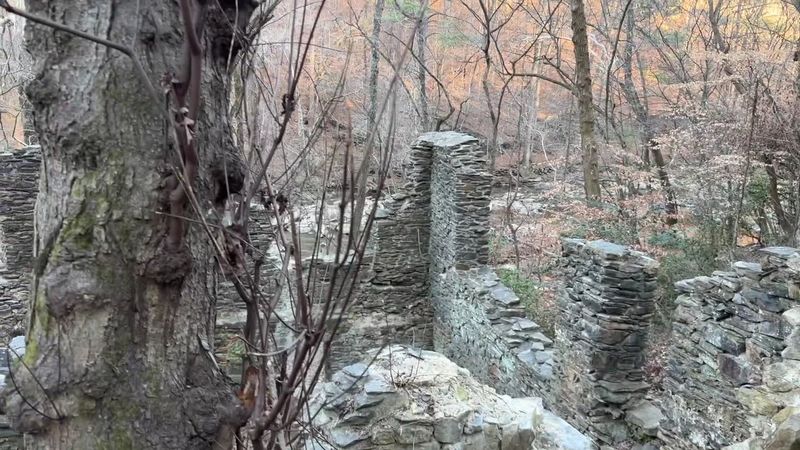
Few Civil War stories are stranger than the one attached to this quiet Georgia creek. During the war, the Marietta Paper Mill shifted production to manufacture cartridge paper used in Confederate ammunition, giving the site a direct military purpose that made it a target for Union forces.
Local legend also claims the mill printed Confederate currency, earning it the colorful nickname the “Confederate Mint.” Historians note that this claim remains unsubstantiated, but the nickname stuck and still floats around in trail conversation today.
Whether or not money was printed here, the military significance of the mill was real enough that General Kenner Garrard ordered it burned in July 1864 as part of General Sherman’s broader Atlanta Campaign. That single act of wartime destruction is what turned a working factory into the atmospheric ruin visitors explore today. The story behind the walls adds a layer of meaning that transforms a simple nature walk into something genuinely memorable.
3. Sherman’s Atlanta Campaign Comes to Sope Creek
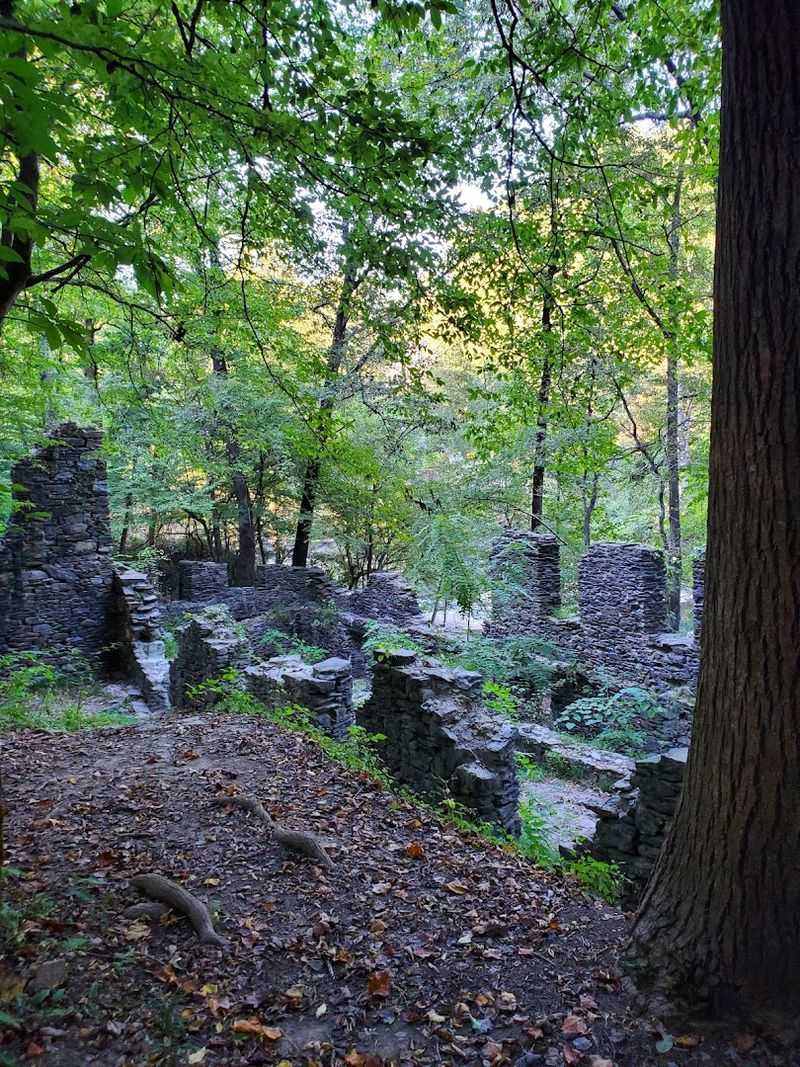
July 1864 was a brutal month across northern Georgia as Union General William T. Sherman pushed his forces steadily toward Atlanta. Sope Creek sat directly in the path of that advance, and the paper mill did not survive the encounter.
General Kenner Garrard led Union cavalry through the area and ordered the mill destroyed, recognizing its value to Confederate supply chains. The burning was swift and deliberate, part of a calculated strategy to cut off Southern resources rather than simply win battles in the field.
Walking the trail today, visitors pass through the same landscape where cavalry horses once moved through the Georgia woods. The creek looks calm and almost indifferent to the history it witnessed. Yet the ruins standing on its banks are a direct physical consequence of one of the most significant military campaigns ever fought on American soil.
That connection to a turning-point moment in history gives Sope Creek a weight that few outdoor sites in Georgia can match.
4. Part of the Chattahoochee River National Recreation Area
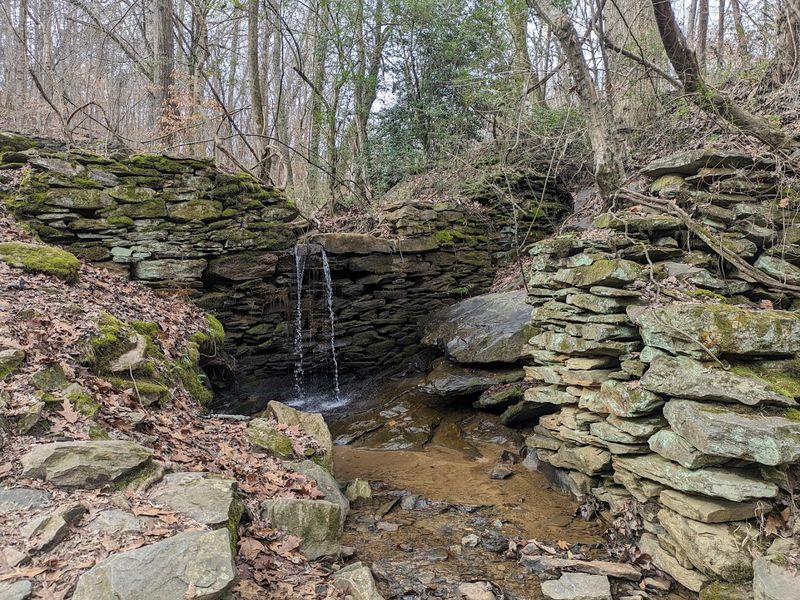
The Sope Creek Paper Mill Ruins are not just a historical curiosity sitting on someone’s private land. They are officially protected as part of the Chattahoochee River National Recreation Area, a federally managed park that stretches along 48 miles of the Chattahoochee River corridor through the Atlanta metro region.
That federal protection means the ruins are well-maintained, the trails are clearly marked, and the site is open to the public year-round. The Sope Creek unit of the recreation area is located at Paper Mill Road SE, Marietta, GA 30067, making it accessible from several surrounding neighborhoods and easy to reach by car.
Being part of a national recreation area also means visitors benefit from National Park Service stewardship, including occasional ranger-led programs and educational signage along the trail. For families, solo hikers, and history buffs alike, knowing the site is federally protected adds a layer of confidence that the experience will be safe, clean, and worth the trip from anywhere in the Atlanta area.
5. The Sope Creek Trail Experience
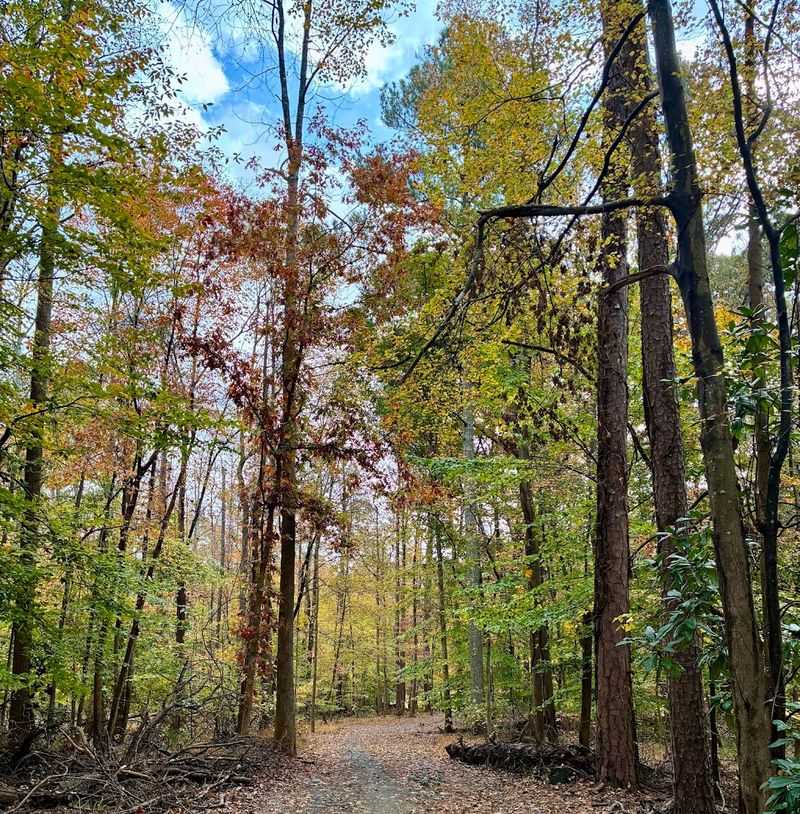
Getting to the ruins is half the fun, and the Sope Creek Trail delivers a genuinely enjoyable hike through one of the prettier pockets of the Atlanta metro area. The trail system covers roughly three miles of looping paths through mixed hardwood forest, with the creek running alongside much of the route.
Terrain is moderate, with some uneven ground and tree roots to watch for, making sturdy footwear a smart choice. The path is wide enough to feel comfortable but natural enough to still feel like a real outdoor adventure rather than a manicured park walk.
Weekday mornings tend to be quieter, which is ideal for anyone hoping to linger at the ruins without a crowd. Weekend afternoons can get noticeably busier, especially in spring and fall when the foliage is at its most dramatic. Bringing water and wearing layers is sensible advice regardless of the season, since Georgia weather can shift quickly even on a clear-sky morning.
6. Stunning Scenery Along the Creek
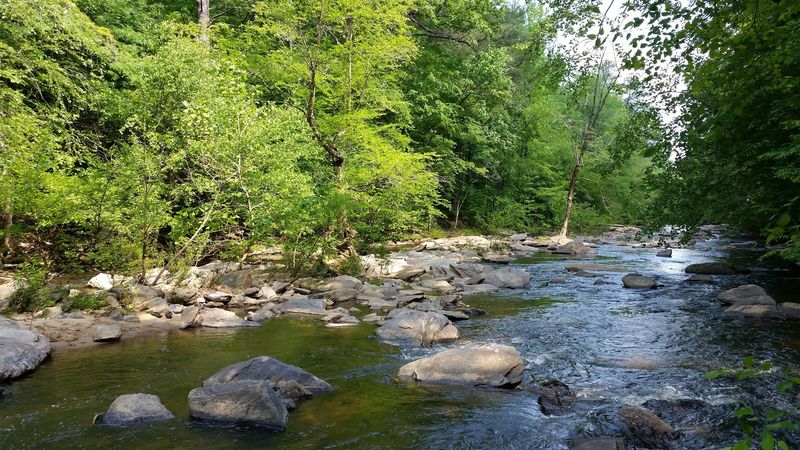
Even visitors who arrive knowing nothing about the history tend to leave talking about how beautiful the setting is. Sope Creek runs clear and quick over mossy rocks, creating the kind of gentle background sound that makes the whole forest feel calmer.
The tree canopy above the trail is dense enough to provide shade on warm days, and in autumn the foliage turns in shades of orange, gold, and deep red that make every photograph look effortless. Spring brings wildflowers along the creek banks that add a splash of color to the already green landscape.
The ruins themselves sit right at the water’s edge in spots, so the combination of old stonework, flowing water, and surrounding forest creates a scene that feels almost staged, except it is entirely real and entirely free to visit. Few places within 20 miles of downtown Atlanta offer this kind of natural beauty layered with genuine historical depth, which is exactly what keeps visitors coming back season after season.
7. Rebuilt, Then Lost Again to Fire
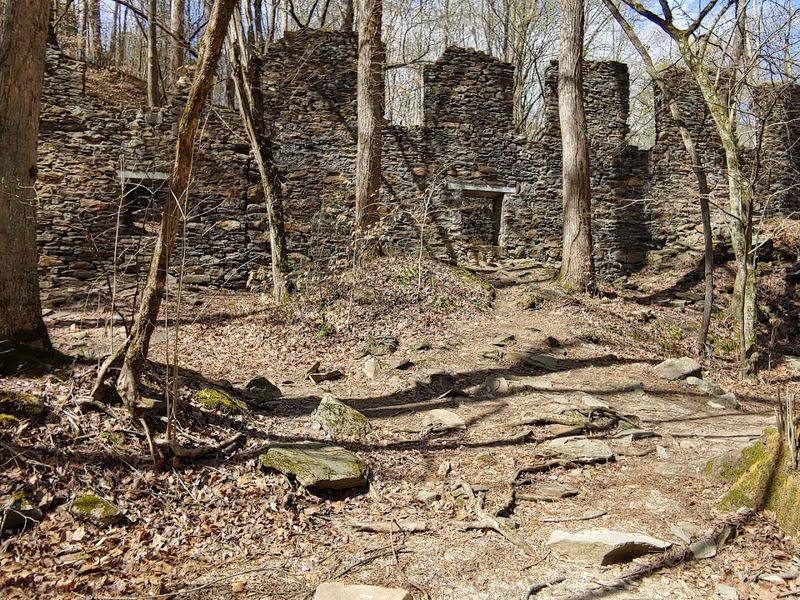
After Union forces burned the mill in 1864, the story did not end there. Remarkably, the mill was rebuilt just one year later in 1865, a testament to how economically important paper production was to the recovering postwar South.
Operations resumed, but the mill’s luck ran out again in 1870 when a second fire tore through the rebuilt structure. Despite that second setback, the operation limped along and continued producing paper until 1902, when it finally ceased operations for good after nearly five decades of turbulent history.
That resilience is part of what makes the site so compelling. The ruins visitors see today represent not one but multiple versions of the same building, each rebuilt on the same stubborn stone foundations. There is something quietly inspiring about a place that refused to quit even after being burned twice.
Knowing that backstory while standing amid the walls makes the crumbling stonework feel far less like decay and far more like endurance.
8. Wildlife You Might Actually See
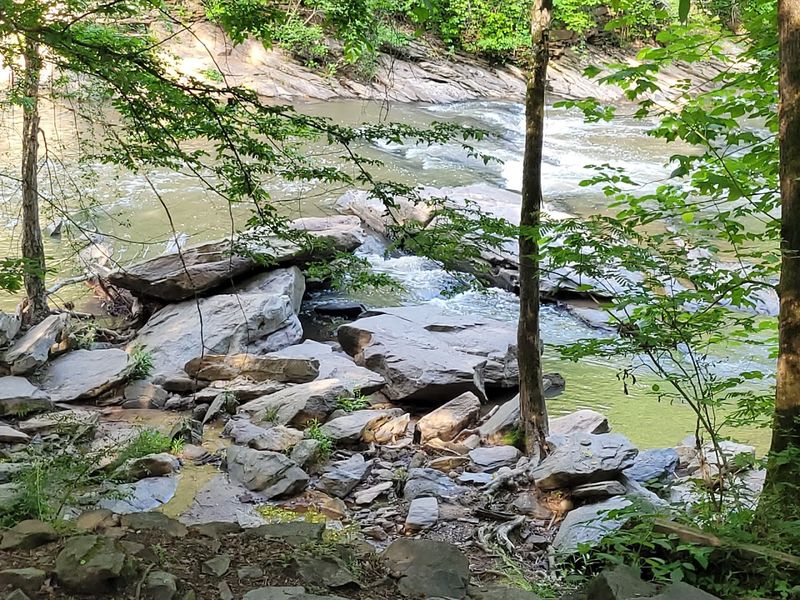
Sope Creek is not just a history lesson. The forested corridor along the creek supports a surprising variety of wildlife that adds an unexpected bonus to any visit. Great blue herons are a common sight along the water’s edge, standing impossibly still before striking at fish with startling speed.
White-tailed deer move through the forest regularly, and patient visitors who arrive early in the morning have a reasonable chance of spotting one browsing near the trail. The creek itself supports several fish species, and the surrounding trees attract migratory songbirds during spring and fall that make the area a quiet favorite among birdwatchers.
Box turtles occasionally cross the path, and river otters have been spotted in the broader Chattahoochee corridor, though sightings near Sope Creek are less predictable. Moving quietly and slowly through the trail rewards visitors with far more wildlife encounters than rushing through ever would. The combination of animals, moving water, and ancient stone creates a sensory experience that feels genuinely restorative.
9. Photography Opportunities Worth the Drive
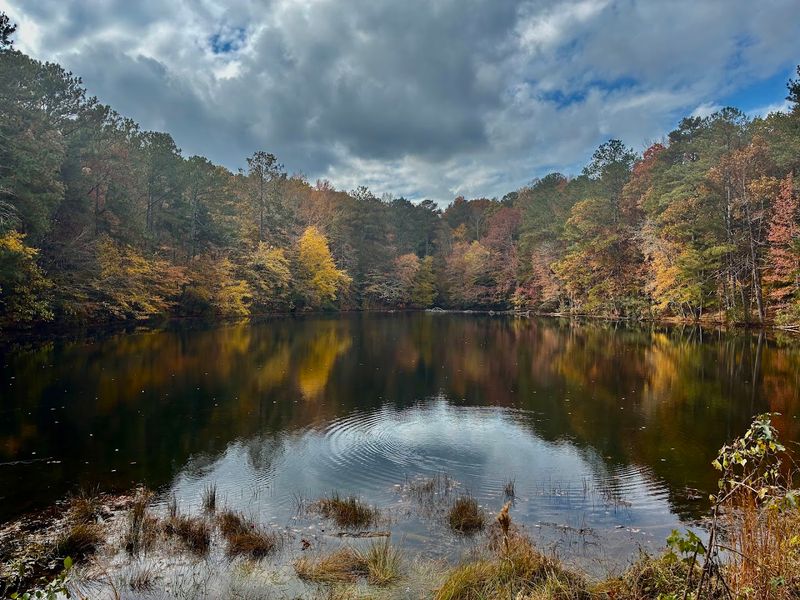
Among Atlanta-area photographers, Sope Creek has earned a quiet reputation as one of the most photogenic spots within easy driving distance of the city. The ruins offer dramatic textures in the form of rough-cut stone, iron-stained surfaces, and organic plant growth that creeps across every wall.
Morning visits offer the best light, especially in summer when the sun angles low through the tree canopy and creates long, warm shadows across the stonework. Golden hour near sunset is equally rewarding when the creek catches the last light of the day and turns a warm amber color.
Long-exposure shots of the creek flowing past the ruins are a popular technique among photographers who want to create that silky water effect while keeping the stone walls crisp and detailed. No special permits are required for personal photography at the site. The combination of natural and historical elements gives photographers a range of compositional choices that few single locations can offer so close to a major city.
10. Free and Open to the Public Year-Round
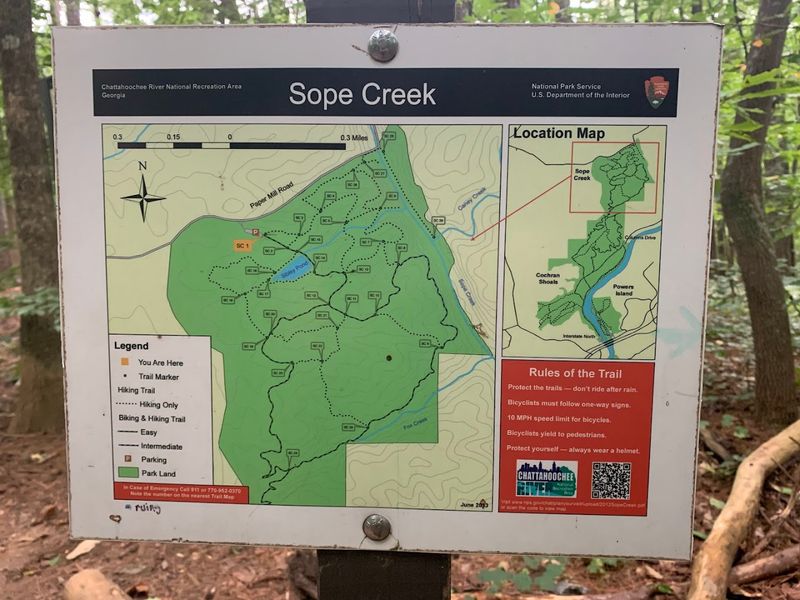
One of the most practical reasons to visit Sope Creek is refreshingly simple: it costs nothing. The Sope Creek unit of the Chattahoochee River National Recreation Area is free to enter, with no admission fees or reservation requirements for standard trail access.
The parking area is located off Paper Mill Road SE in Marietta, GA 30067, and while spaces can fill up quickly on popular weekend mornings, arriving before 9 AM almost always guarantees a spot without stress. The site is open year-round during daylight hours, meaning there is no bad season to plan a visit.
That combination of zero cost, easy parking, and year-round access makes Sope Creek an exceptionally low-barrier outdoor experience, which is part of why it appeals to such a wide range of visitors. Families with young children, retirees looking for a manageable hike, and solo adventurers chasing a quiet afternoon all find something worth their time here without spending a dollar to get started.
11. Kid-Friendly History Lesson in the Forest
Getting kids excited about history can be a tough sell, but Sope Creek has a natural advantage that textbooks simply cannot replicate. There is something about standing inside actual Civil War-era walls, beside a real creek, in the middle of a real forest, that captures young imaginations in a way a classroom never quite manages.
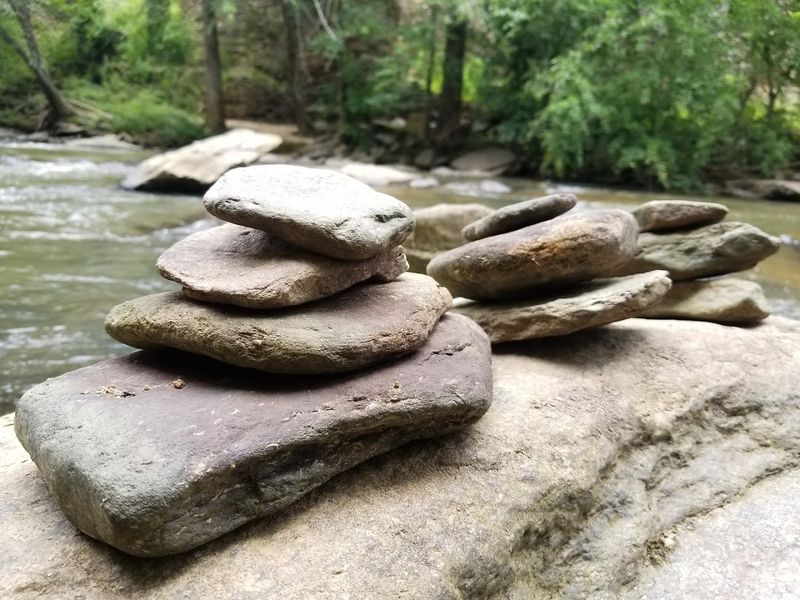
The trail is manageable for children who are comfortable walking two to three miles on uneven ground, and the creek provides plenty of natural entertainment along the way. Skipping rocks, spotting herons, and clambering carefully around the ruins all combine into an afternoon that feels more like an adventure than an educational outing.
Parents might consider reading a short summary of the mill’s history before the hike so kids arrive with context that makes the ruins feel like a puzzle to solve rather than just old rocks to look at. The National Park Service website offers age-appropriate background information that takes just a few minutes to review before heading out.
12. National Park Service Ranger-Led Programs
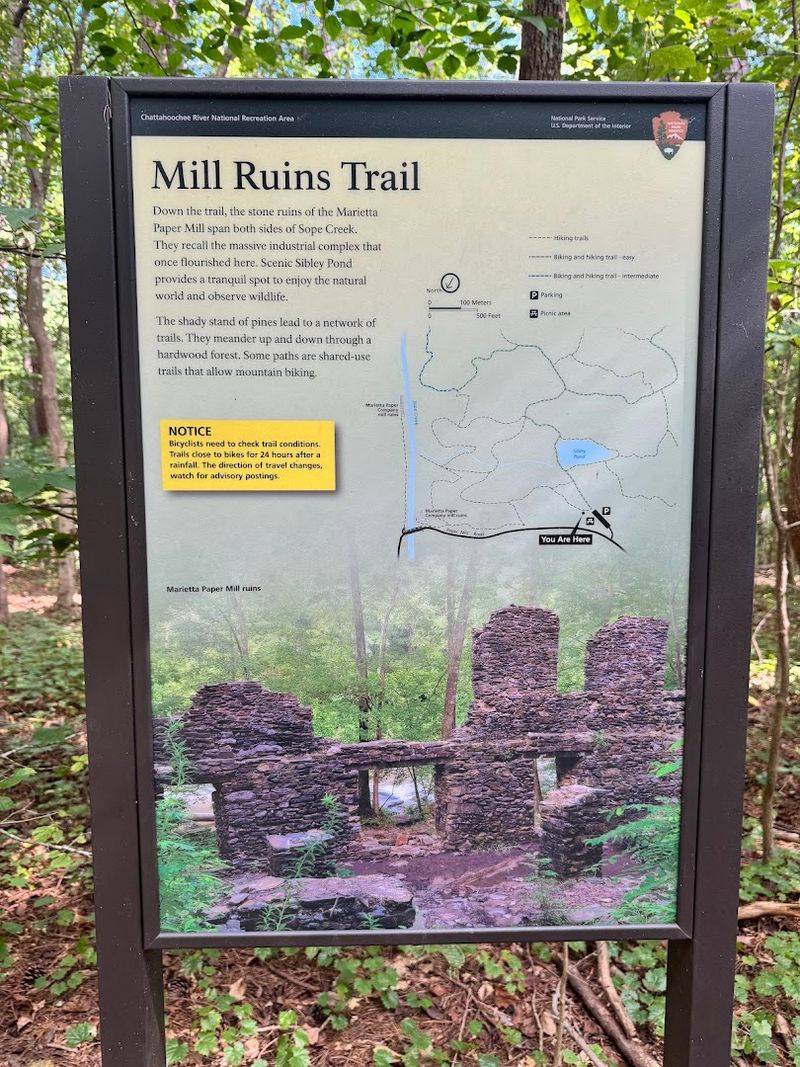
Beyond the self-guided trail experience, the National Park Service occasionally organizes ranger-led programs at Sope Creek that bring the history to life in a completely different way. One recurring event, called Mysteries of the Mills: Historic Paper Mill Walk, takes participants on a guided tour through the ruins with a ranger narrating the full story of the mill from its construction through its Civil War role and eventual abandonment.
These programs tend to fill up quickly because they offer interpretive depth that no trail signage can fully replicate. Checking the Chattahoochee River National Recreation Area event calendar before planning a visit is a smart move for anyone who wants to align their trip with one of these guided walks.
Even outside of organized programs, the informational signage installed along the trail by the National Park Service provides solid context for independent visitors. The combination of on-site signage and optional ranger programs means the site works well both for people who prefer exploring solo and those who learn best with a guide leading the way.
13. A Connection to Atlanta’s Broader Civil War History
Sope Creek does not exist in isolation. It sits within a broader web of Civil War history that stretches across the entire Atlanta metro region, making it a natural starting point for visitors interested in exploring multiple sites connected to Sherman’s 1864 campaign.
Nearby Kennesaw Mountain National Battlefield Park, located at Paper Mill Rd SE, Marietta, GA 30067, tells the story of the fierce fighting that preceded the Union advance through Marietta. Visiting both sites in the same day gives a remarkably complete picture of how the campaign unfolded across the Georgia landscape.
The Marietta Museum of History also holds artifacts and exhibits that connect directly to the events surrounding the paper mill and the broader occupation of Marietta during the war. Treating Sope Creek as one stop on a thoughtfully planned Civil War day trip transforms a single hike into a genuinely layered historical journey through one of America’s most consequential military campaigns.
14. The Ruins as an Atlas Obscura Hidden Gem
Atlas Obscura, the popular travel platform dedicated to unusual and overlooked destinations, has featured the Sope Creek Paper Mill Ruins as one of Georgia’s genuine hidden gems. That recognition says something meaningful about what makes this place stand out in a region already rich with historical sites.
Being listed on Atlas Obscura brings a certain type of traveler to Sope Creek, someone who actively seeks out places that feel discovered rather than packaged, where the experience rewards curiosity rather than just checking a box on a tourist itinerary. That spirit fits Sope Creek perfectly.
The ruins have a quality that polished tourist attractions often lack, which is the sense that the place exists on its own terms rather than for the convenience of visitors. The moss grows where it wants, the creek runs at its own pace, and the walls stand exactly as time and fire left them. That unmanaged authenticity is increasingly rare near a city the size of Atlanta, and it is worth protecting by visiting thoughtfully and leaving no trace behind.
15. Seasonal Visits and What Each Season Offers
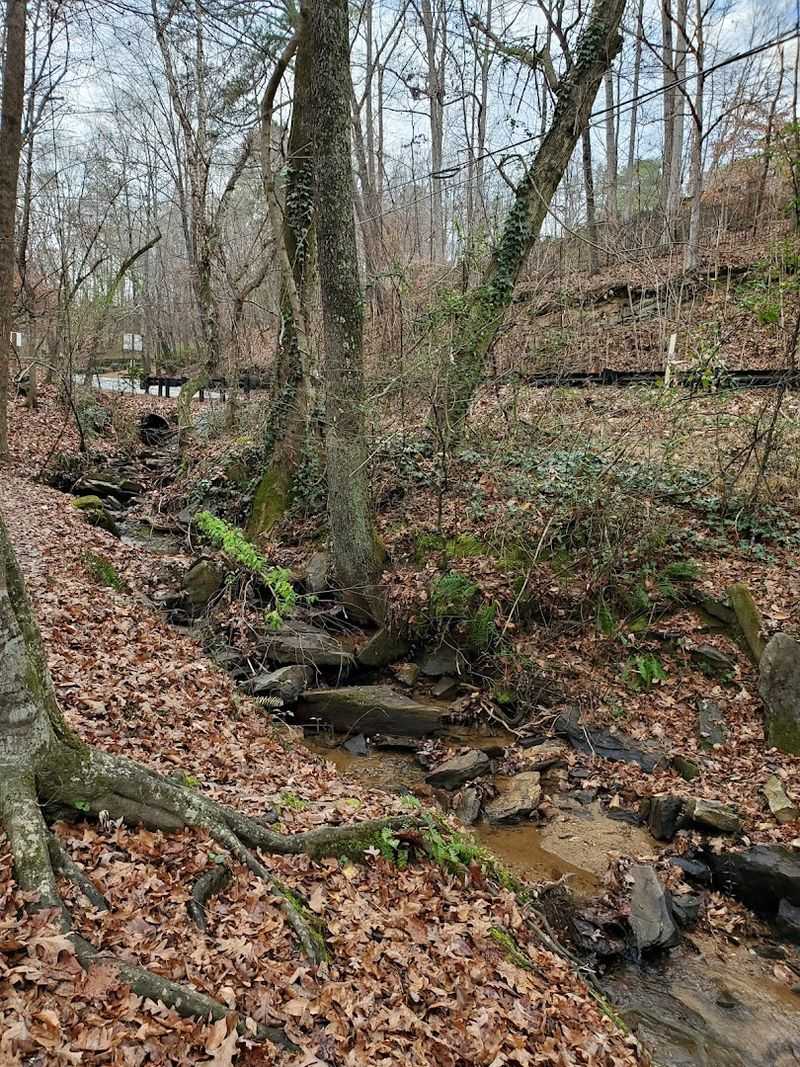
Every season brings a genuinely different version of the Sope Creek experience, which is one reason regular visitors return multiple times throughout the year rather than treating it as a one-time destination. Spring is arguably the most dramatic, with the forest floor covered in wildflowers and the creek running high and fast from winter rainfall.
Summer brings deep green shade that keeps the trail cooler than expected even on hot Georgia afternoons, though humidity can be significant and starting early in the morning makes a real difference in comfort. Fall delivers the most photogenic conditions, with hardwood foliage turning gold and orange around the gray stone walls in a combination that feels almost curated.
Winter visits offer something different entirely. Bare trees open up longer sightlines through the forest, and the ruins look particularly stark and atmospheric against pale winter skies. Fewer visitors on the trail in colder months means quieter, more contemplative time at the site for those willing to bundle up and make the trip between December and February.
16. Practical Tips for Planning Your Visit
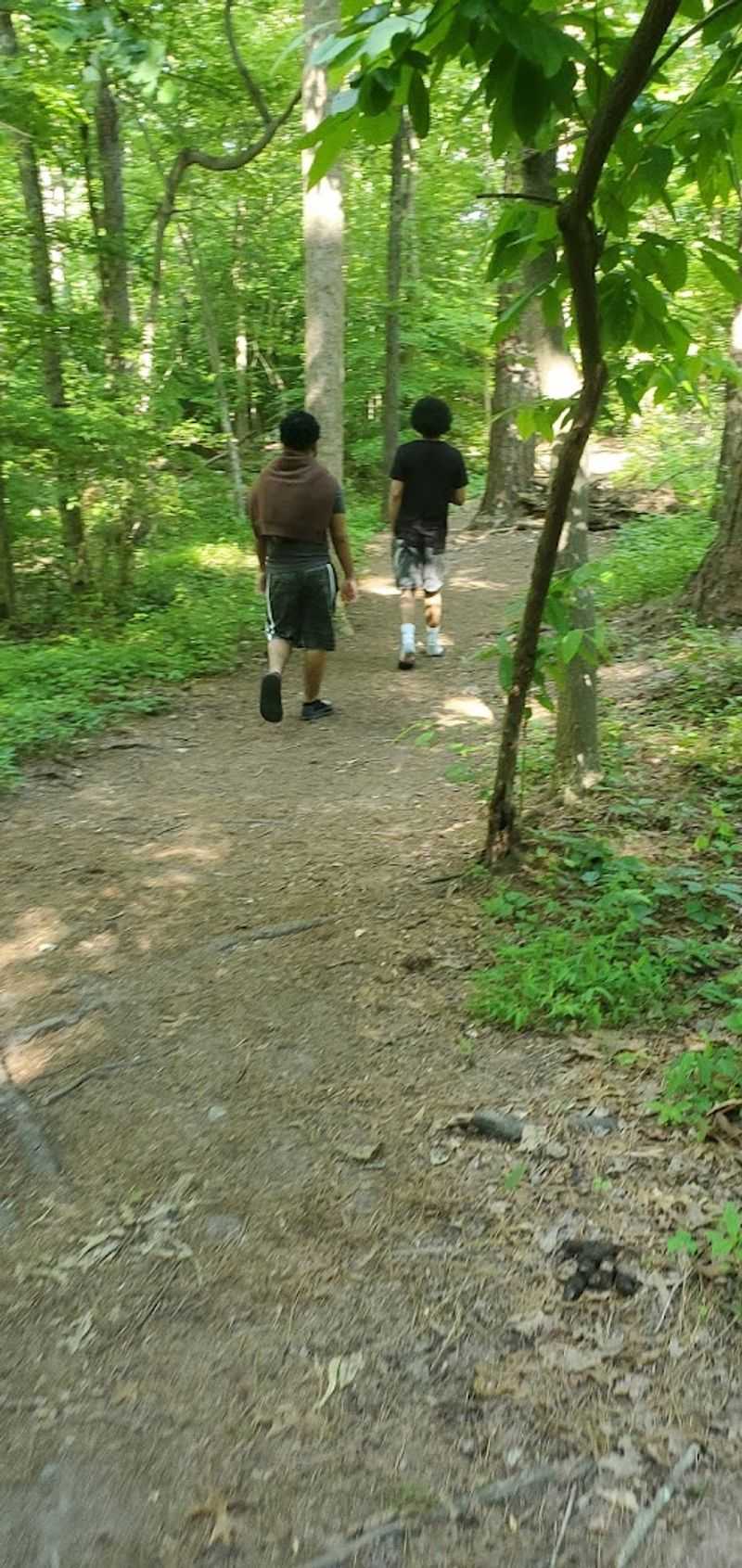
A little preparation goes a long way toward making the Sope Creek visit genuinely enjoyable rather than just memorable in a frustrating way. The parking area off Paper Mill Road SE in Marietta, GA 30067 fills up fast on weekend mornings between March and November, so arriving before 9 AM or planning a weekday visit sidesteps that issue almost entirely.
Trail shoes or hiking boots with ankle support are recommended over sneakers because the path has roots, rocks, and occasionally muddy patches near the creek after rainfall. Bringing water is non-negotiable on warm days, and a small snack makes the mid-trail break at the ruins feel like a proper picnic rather than a rushed stop.
Cell service can be inconsistent along parts of the trail, so downloading an offline map or screenshot of the trail layout before leaving the parking area is a practical move. Dogs are welcome on leash, which makes Sope Creek a popular destination for pet owners looking for a trail that delivers scenery and history in equal measure without leaving their dog at home.